Why California Gardeners Should Check For Aphids Before The First Frost
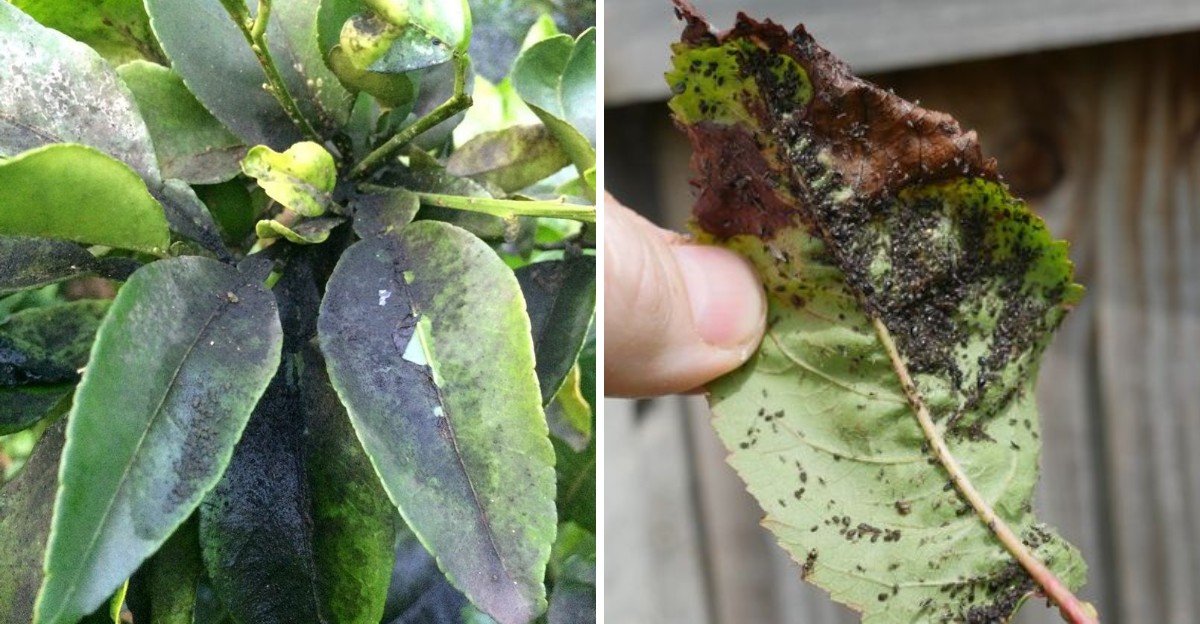
Fall in California brings a welcome burst of fresh, tender growth across many gardens. Roses push new shoots, citrus sprouts pale leaves, and cool-season vegetables perk up after the first rain.
That fresh growth also attracts some very small, very hungry visitors.
Many gardeners assume pests slow down as the year winds down. In mild weather, though, these particular insects can keep multiplying quietly.
A few simple checks before cold weather arrives help catch small problems before they grow. Harsh sprays usually aren’t necessary.
Knowing what to look for, and which natural helpers already patrol the garden, makes it easier to stay ahead with calm, garden-friendly methods that protect beneficial insects too.
1. Fall Flushes Of New Growth Feed Aphid Colonies
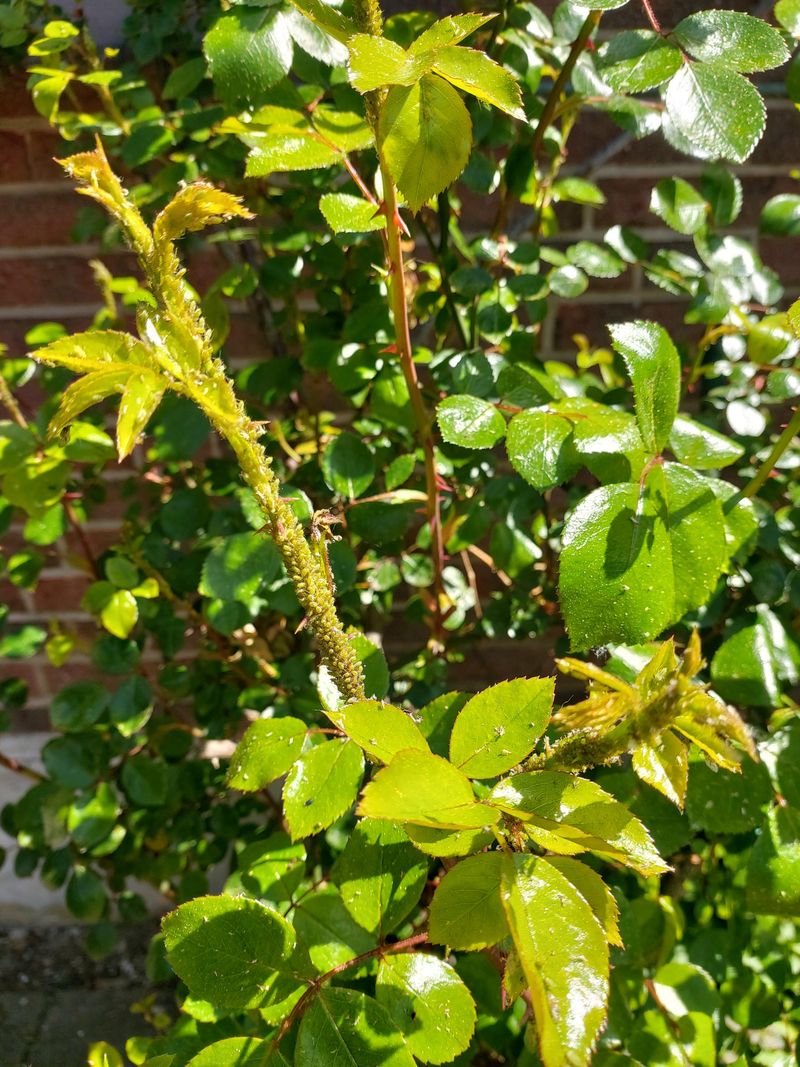
After the first good fall rain, many California gardens suddenly look fresh again. Roses push out soft red shoots, citrus trees sprout pale green leaves, and vegetables perk up almost overnight.
Aphids notice right away. They feed by poking thin mouthparts into plant tissue and sipping sap.
Young, tender growth is easy to pierce and rich in the nutrients they want.
According to the UC Statewide IPM Program, aphids strongly prefer new shoots, buds, and the undersides of young leaves. Fall growth gives them exactly that.
Watering can trigger the same flush. A fall feeding of nitrogen fertilizer pushes even more soft growth. UC IPM notes that heavy nitrogen use often leads to bigger aphid problems.
Checks work best starting at the tips of branches. Gently bending a shoot and looking closely at the stem and the undersides of the top few leaves reveals a lot.
Aphids are small, about the size of a pinhead, and may be green, black, gray, yellow, or pink.
Roses, citrus, cabbage, kale, broccoli, milkweed, and many flowering shrubs often attract them in fall.
Brassicas in a cool-season vegetable bed are especially popular with the gray, waxy cabbage aphid. Those leaves deserve extra attention.
A quick weekly walk makes a big difference. Catching a few aphids on one shoot is far easier than dealing with a whole plant later.
Snipping off a heavily infested tip offers a simple, tidy fix.
2. Mild Fall Weather Suits Aphid Reproduction
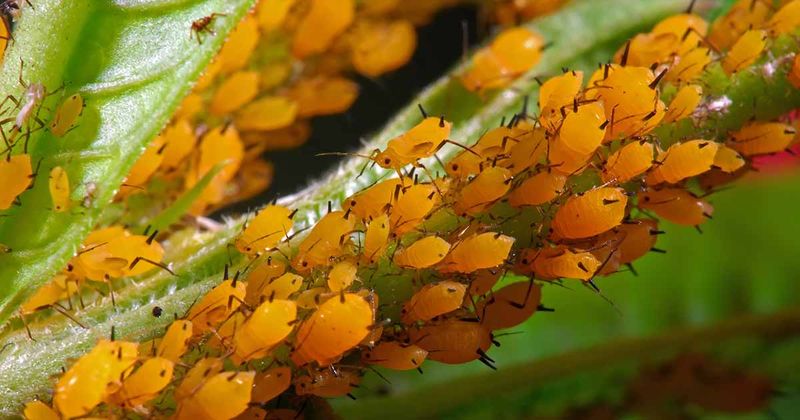
A family that doubles in size every week or so sounds remarkable, yet aphids come close to that pace. Mild weather helps them along.
Most aphids in California gardens are females. In warm and mild conditions, many species reproduce without mating and give birth to live young.
UC IPM explains that these babies, called nymphs, can mature in about a week to ten days. They then begin producing young of their own.
Very hot summer weather tends to slow many aphid species. Fall often brings cooler but still comfortable days, especially along the coast and in inland valleys.
Those in-between temperatures can let colonies build quickly on fresh growth. In colder parts of the world, some aphids lay eggs to make it through winter.
Much of California stays mild enough that many aphids simply keep going at a slower pace. Gardens may never get a full break from them.
Your California Garden Changes Every Week. Your Plan Should Too.
Gardening in California changes quickly throughout the season. Every Friday you’ll receive a simple weekly plan showing exactly what to plant, prune, fertilize, harvest, and protect so you never miss the right timing.
Crowding also triggers change. When a colony gets packed or a plant weakens, some aphids grow wings and fly off to find new plants.
One busy rose can launch problems across the whole yard.
Timing matters because small groups are easy to manage. A handful of aphids can be rubbed off by hand or washed away.
A few weeks of waiting might mean hundreds. Regular checks now stay a step ahead of the next generation, and the one after that.
3. Sticky Honeydew Gives Them Away
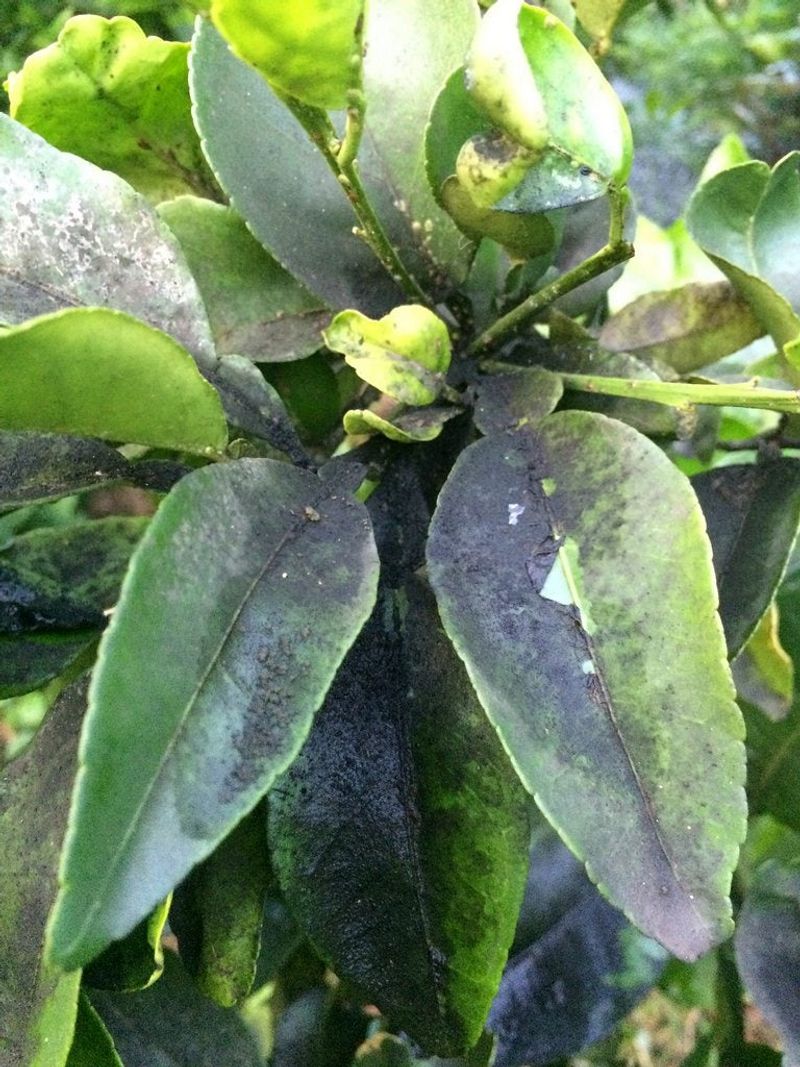
A car parked under a tree sometimes comes back speckled with sticky spots. That glossy mess is often honeydew, one of the easiest clues that aphids are nearby.
Aphids drink far more sap than they can use. Their bodies keep the protein they need and pass the extra sugary liquid out as honeydew.
UC IPM describes it as a sweet, sticky substance that drips onto leaves, stems, patio furniture, and anything else below. It’s hard to miss once noticed.
Leaves that shine as though brushed with clear syrup deserve a light touch. A tacky feel offers a strong hint, and lower leaves often show it first, since honeydew drips down from colonies feeding higher up.
Over time, a dark fungus called sooty mold can grow on that sugar. It looks like a thin layer of black soot.
The mold doesn’t feed on the plant directly, but it can block sunlight and make leaves look dirty and tired. Citrus, gardenias, and crape myrtles often show it.
Whiteflies, soft scales, and mealybugs also produce honeydew. Following the sticky trail upward and checking under leaves helps identify the real culprit.
Honeydew makes a helpful early warning, since it shows up before damage gets serious. Wiping a few leaves with a damp cloth or rinsing them off helps.
Once aphids are under control, sooty mold usually weathers away slowly on its own.
4. Curled Leaves Hide Whole Colonies
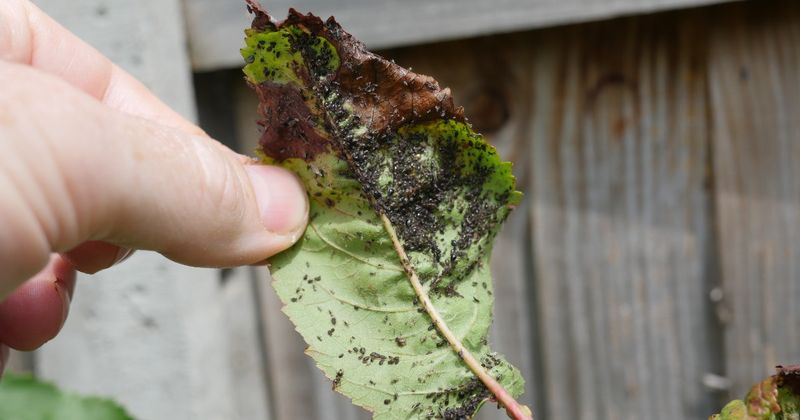
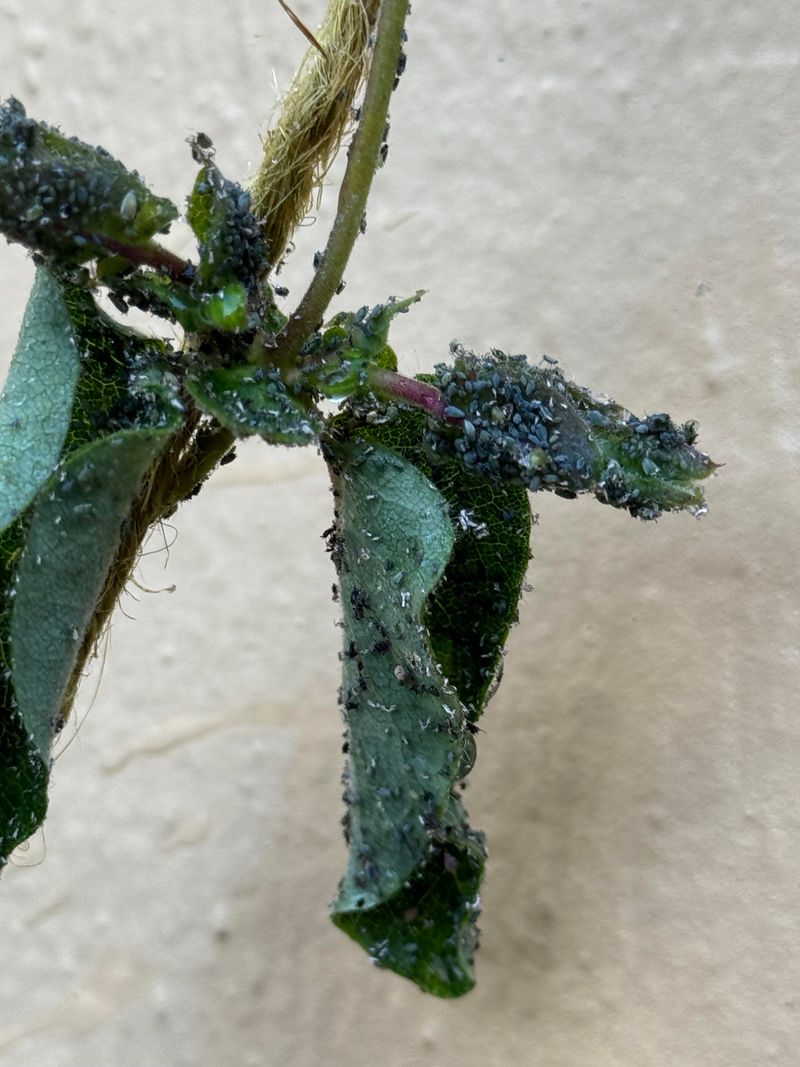
A leaf rolled up like a tiny burrito might look harmless at first glance. Unrolled, though, it can reveal a crowd of aphids tucked inside.
Some aphid species inject saliva while feeding that makes leaves twist, pucker, or curl. UC IPM notes this is common on plums, apples, snowball viburnum, and some vegetables.
The curled leaf then works like a little tent. It shields the colony from rain, sprays, and hungry predators.
That shelter makes curled leaves worth a closer look. A plant may seem fine from a few steps away while dozens of aphids feed out of sight.
Yellowing, stunted shoots, or flower buds that open oddly may also appear.
Gently opening a few curled leaves on each plant reveals what’s hiding there. Reading glasses or a small hand lens help with tiny details.
Live aphids, white cast skins shed during growth, and sticky honeydew all confirm activity. Once leaves curl tightly, water sprays and natural enemies have a harder time reaching the pests.
Pruning off badly curled tips is often the simplest move. Those clippings belong in a bag for the trash rather than the compost pile.
Expectations should stay realistic. Leaves that already curled won’t flatten again, even after aphids leave. New growth should come in normal when numbers stay low.
Light curling on sturdy, established trees is usually more of a cosmetic issue than a serious threat.
5. Ants Farm Aphids For Honeydew
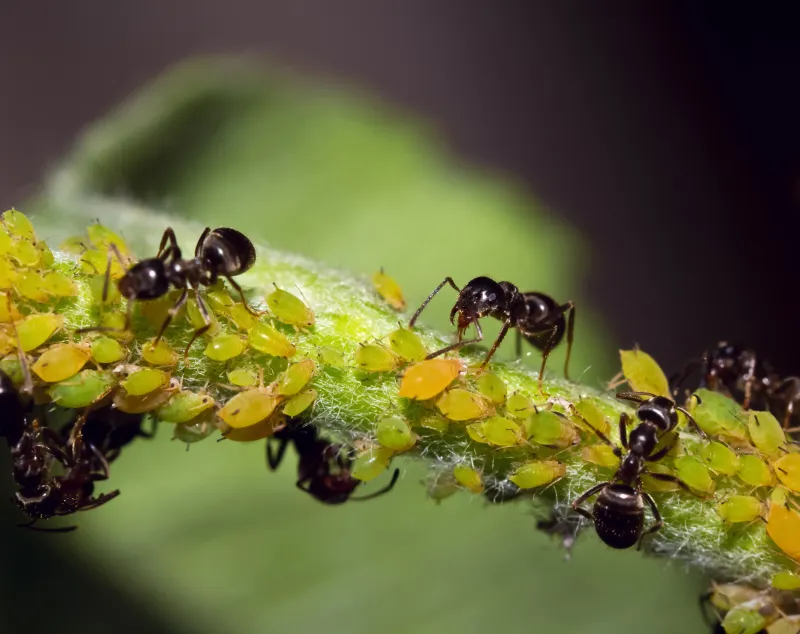
A busy line of ants marching up a rose stem often points to an aphid ranch. The ants aren’t there to eat the plant, since they’re after dessert.
Ants love sweet honeydew. UC IPM explains that some ants, including the Argentine ant common across California, tend aphids almost the way farmers tend cattle.
They stroke the aphids to collect sweet droplets and carry the sugar back to the nest. In return, the ants act as bodyguards.
They chase off or attack lady beetles, lacewing larvae, and tiny parasitic wasps that would normally feed on aphids. With protection like that, colonies can grow much larger than they would on their own.
Ant trails make a useful clue for gardeners. Following ants climbing a citrus trunk or shrub stem up to the top of their route often leads straight to the colony.
Controlling ants can make a real difference in aphid numbers. UC IPM suggests trimming branches that touch fences, walls, or other plants, since ants use them as bridges.
A sticky barrier band wrapped around a tree trunk can block their climb. A layer of tape or wrap underneath protects young bark.
Bait stations placed near ant trails offer another option and keep insecticide off the plant itself.
Once the ants back off, natural enemies return to work, and the aphid herd soon starts shrinking on its own.
6. Ladybugs And Lacewings Keep Numbers Down
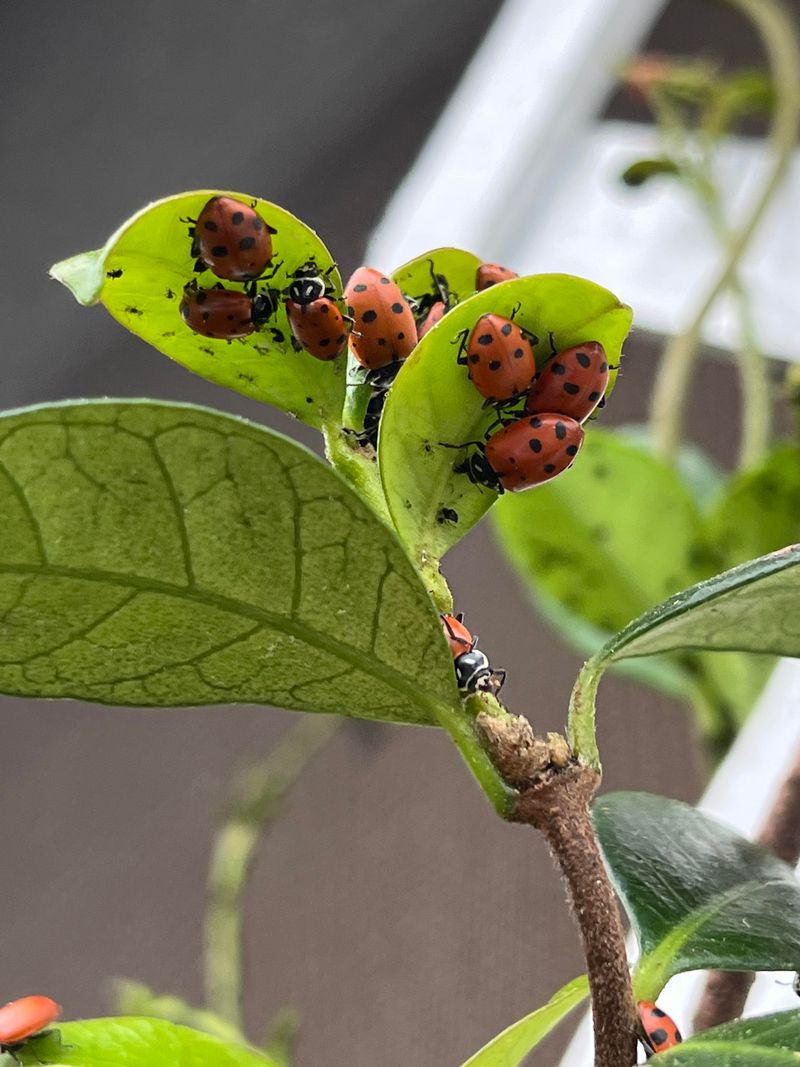
Some of the best pest control in a yard costs nothing and shows up on its own. Lady beetles and lacewings make tiny heroes, and aphids are their favorite food.
Adult lady beetles eat aphids, but their larvae are even hungrier. The larvae look nothing like the cute red adults, appearing dark, spiky, and a bit like little alligators.
Many gardeners mistake them for pests. Learning to recognize them before reaching for any spray protects valuable helpers.
Green lacewing larvae, sometimes called aphid lions, grab aphids with curved jaws and feed on them quickly. UC IPM also highlights syrphid fly larvae and tiny parasitic wasps.
Those wasps lay eggs inside aphids, leaving behind puffy tan or bronze shells called mummies. Spotting mummies is great news, since natural enemies are clearly on the job.
Waiting a week often makes the smartest choice.
Broad-spectrum insecticides can sharply reduce these helpers along with the aphids. UC IPM warns this can backfire, since aphids bounce back faster than their predators, sometimes leaving a worse problem than before.
A welcoming garden keeps beneficial insects nearby. Small flowers like sweet alyssum, yarrow, and California natives offer nectar and pollen, while skipping unnecessary sprays and controlling ants helps too.
Store-bought lady beetles are an option, though UC IPM notes they often fly away soon after release. Protecting the ones already living nearby tends to work much better.
7. A Strong Water Spray Often Does The Job
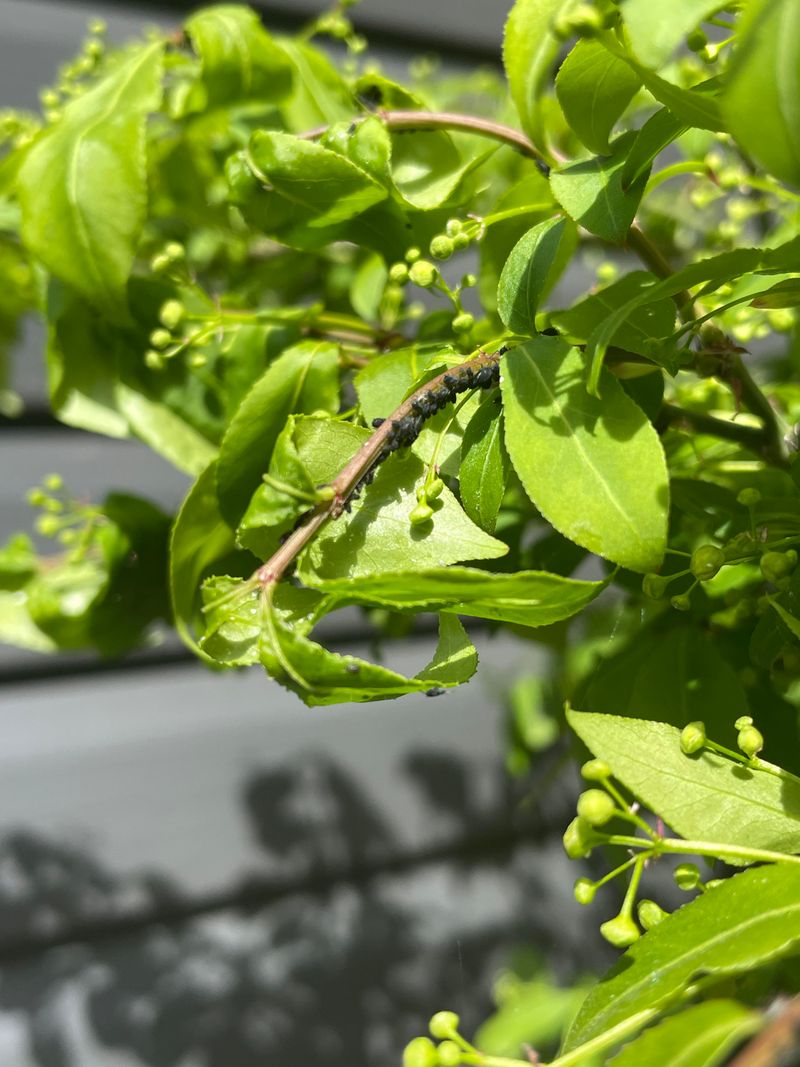
The garden hose deserves a turn before any bottle of pesticide. A firm blast of water ranks among the simplest aphid fixes, and UC IPM lists it as a solid first step.
Aphids are soft and slow. Once knocked off a plant, many can’t find their way back.
The spray also rinses away honeydew. That helps keep sooty mold from settling in.
A nozzle with a strong, focused stream works best. Aiming at shoot tips and leaf undersides, where colonies like to hide, gets the best results.
Holding the plant steady with one hand keeps tender stems from snapping.
Morning makes the best time, since leaves have all day to dry and the chance of leaf disease stays low. Repeating every few days for a week or two catches the stragglers and newly born aphids.
Delicate seedlings and flowers call for a gentler approach. A softer spray, or simply rubbing aphids off by hand, works well on fragile plants. Gloves help for anyone who dislikes the squish.
Water treats beneficial insects kindly, too. Lady beetles and lacewing larvae tend to hold on better than aphids, so many stay put and keep eating.
For stubborn colonies, UC IPM points to insecticidal soaps and horticultural oils as lower-impact choices. They work only on contact and break down quickly, yet they can still harm beneficials they touch.
Treating only problem spots makes sense, and a little restraint really holds water.
8. Frost Timing Varies Widely Across California
Five California gardeners asked about their first frost might give five very different answers. Some might simply shrug and say it never comes.
California covers mountains, deserts, valleys, and a long coastline. Gardens in the Sierra foothills or high desert may see frost by October or November.
Central Valley yards often get chilly mornings and foggy cold spells later in fall. Coastal spots like San Diego, Santa Barbara, and much of the Bay Area may go years without a hard freeze.
The first frost works best as a seasonal nudge rather than a strict deadline. Even a frost doesn’t always end aphid trouble.
A light chill may slow colonies, but many aphids hold on in sheltered plants and bounce back on warm days. That resilience makes ongoing attention important.
A simple routine works better than watching a calendar. A weekly garden walk through fall and winter makes a big difference.
Checking new shoots, flipping a few leaves, and looking for honeydew, curled tips, and ant trails keeps problems small.
Local resources help, too. The UC IPM website offers free, research-based guides for home gardeners, along with photos that make identification easier.
Steady attention beats a frantic rush. A few minutes of looking each week, combined with water sprays and friendly predators, keeps aphids in check year-round.
The garden heads into spring healthier and better balanced.