What To Do With Potted Citrus Trees Before Ohio Nights Turn Cold
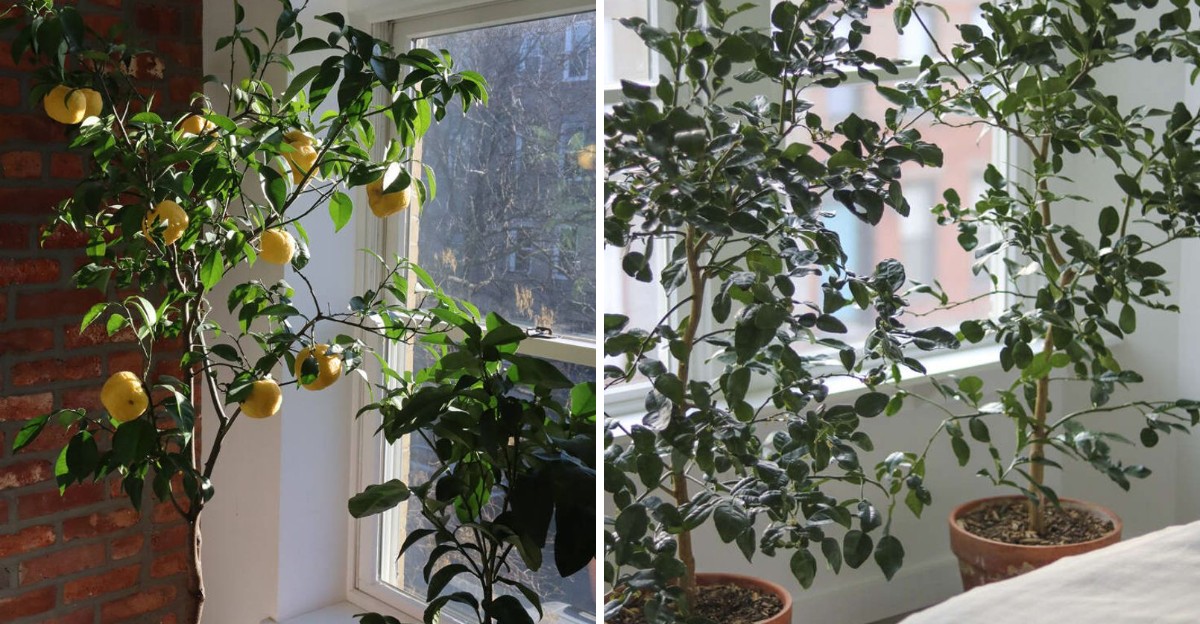
Citrus in a pot is basically a tourist in Ohio, and tourists pack up before the weather turns.
That lemon or lime sat on your patio all summer. It soaked up sun and acted right at home.
Nights are about to change the deal. Citrus has a low tolerance for chill, and it never sends a warning before the damage lands.
The trip indoors matters more than the date. Move it the wrong way and leaves rain onto the floor within days.
Light, water, and pests all need a plan before that pot crosses the doorway.
Sort out the details this week, while the forecast still plays nice. A little prep now keeps next summer’s fruit on your table.
1. Bring Citrus In When Nights Hit The 50s
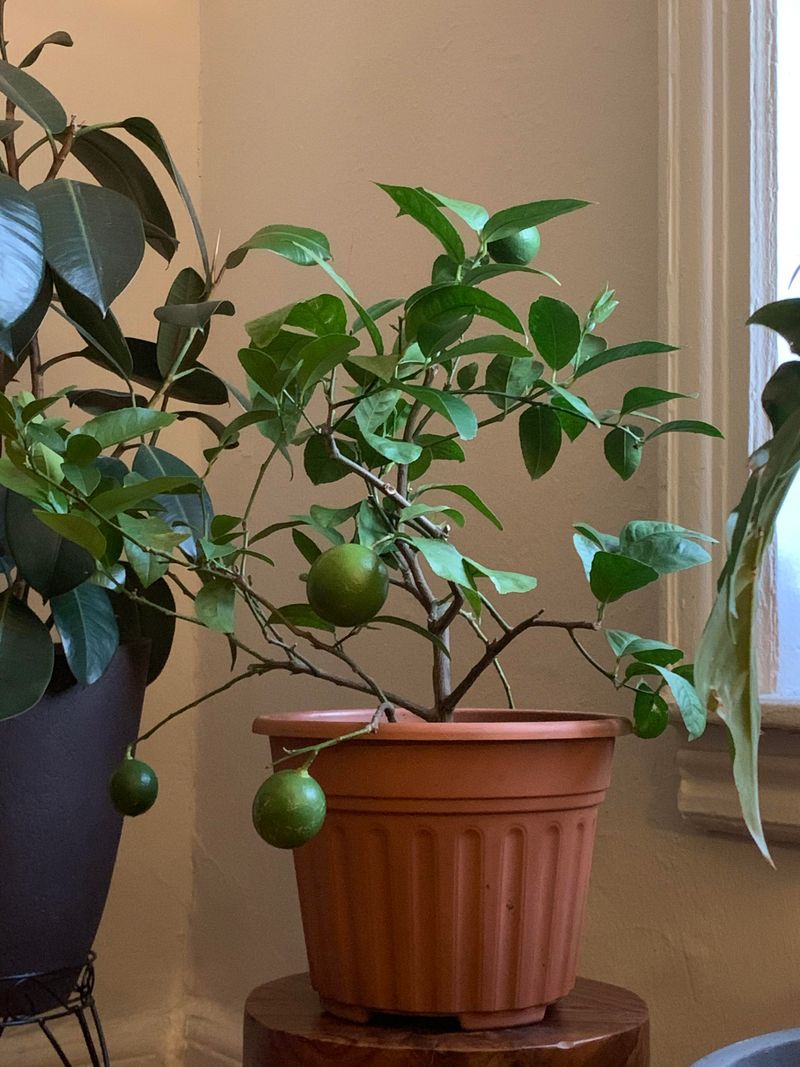
Picture checking the weather app on a September evening and seeing 52 degrees. That number is your tree’s polite way of asking to come inside soon.
Most growers agree that nights in the mid to low 50s are the signal to start moving. Citrus trees can handle a short cool spell, but steady nights near 40 to 50 degrees wear them down.
Once temps slip below about 35 degrees, real harm can set in.
Ohio weather loves surprises, so do not wait for the first frost warning. A single clear night in October can drop much lower than the forecast promised.
Moving your tree a little early beats racing out in your pajamas with a blanket.
Some types are touchier than others. Key limes tend to sulk when it gets cold, while kumquats and Meyer lemons are a bit tougher.
Still, even the hardy ones prefer to skip a freeze.
A simple trick helps here. Stick a cheap outdoor thermometer near your pots and peek at it each morning for a week or two.
When the low readings keep landing in the 50s, you know the season is turning for real.
Planning ahead also gives you time to clear a spot indoors. That way the big move feels calm instead of rushed.
2. Ease It Indoors A Little At A Time
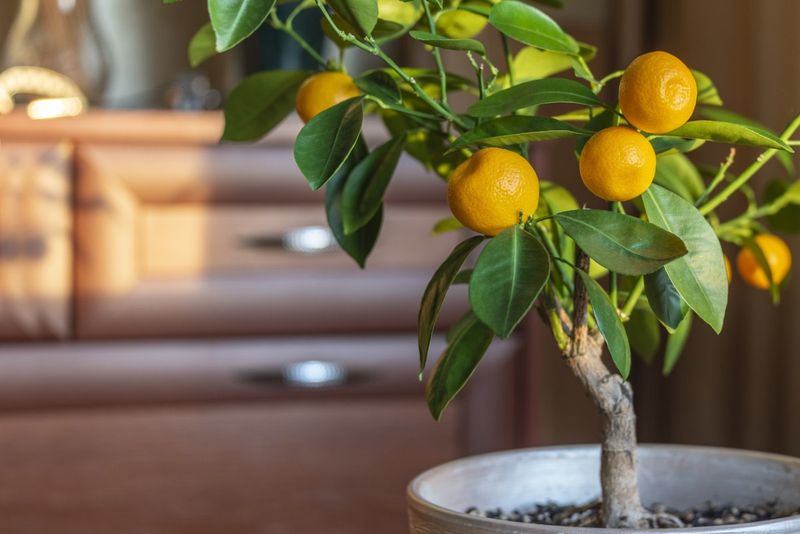
Imagine walking out of a bright beach straight into a dim movie theater. Your eyes need a minute, and your citrus tree feels the same way about your living room.
Moving a tree from full sun to indoor light all at once can be a real shock. The sudden change in light and air often leads to dropped leaves, flowers, or tiny fruit.
A slower switch gives the plant time to adjust its habits.
Here is an easy plan that takes one to two weeks. First, move the pot to a sheltered outdoor spot, like a covered porch or a sunny corner next to a warm house wall.
That step cuts back the light a bit while keeping the tree outside.
After about a week there, bring it in for a few hours during the day. Then slide it back outside before evening gets too chilly.
Stretch the indoor time a little more each day until it stays in for good.
Your Ohio Garden Changes Every Week. Your Plan Should Too.
Gardening in Ohio changes quickly throughout the season. Every Friday you’ll receive a simple weekly plan showing exactly what to plant, prune, fertilize, harvest, and protect so you never miss the right timing.
A plant dolly or rolling stand makes this so much easier on your back. Big pots full of damp soil get heavy quickly.
Patience during these two weeks pays off all winter long. A tree that settles in gently tends to keep more of its leaves and stay cheerful.
3. Check For Scale Insects Before It Comes In
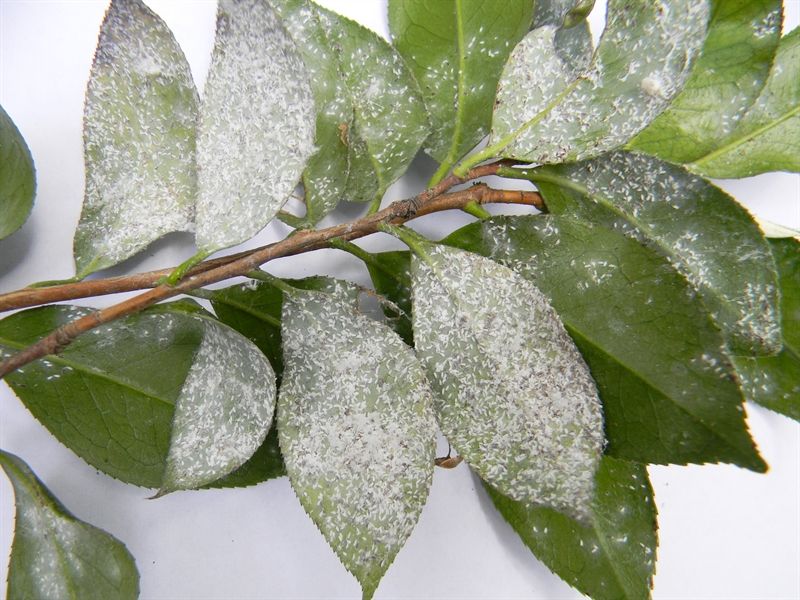
Tiny brown bumps on a stem might look like part of the bark. Look closer, though, because they could be scale insects quietly sipping your tree’s sap.
These pests show up as small, raised, waxy lumps on branches and the undersides of leaves. They often leave behind a sticky mess called honeydew, which can grow a black coating known as sooty mold.
Indoors, with no birds or ladybugs around, scale can spread fast.
So play detective before your tree crosses the doorstep. Grab a flashlight and check every branch, leaf, and even the rim of the pot.
Gently scratch a bump with your fingernail, and if it pops off, you likely found scale.
For a light case, dip a cotton swab or soft cloth in rubbing alcohol and wipe the bugs away. It is slow work, but oddly satisfying, like popping bubble wrap.
Bigger problems call for horticultural oil, insecticidal soap, or neem oil. These sprays coat the insects and smother them.
Spray during the cool part of the day so the leaves do not get scorched.
If you find trouble, keep that tree away from your other houseplants for a few weeks. Fun fact: young scale insects, called crawlers, are the only stage that moves around much.
4. Give It At Least 6 Hours Of Bright Light
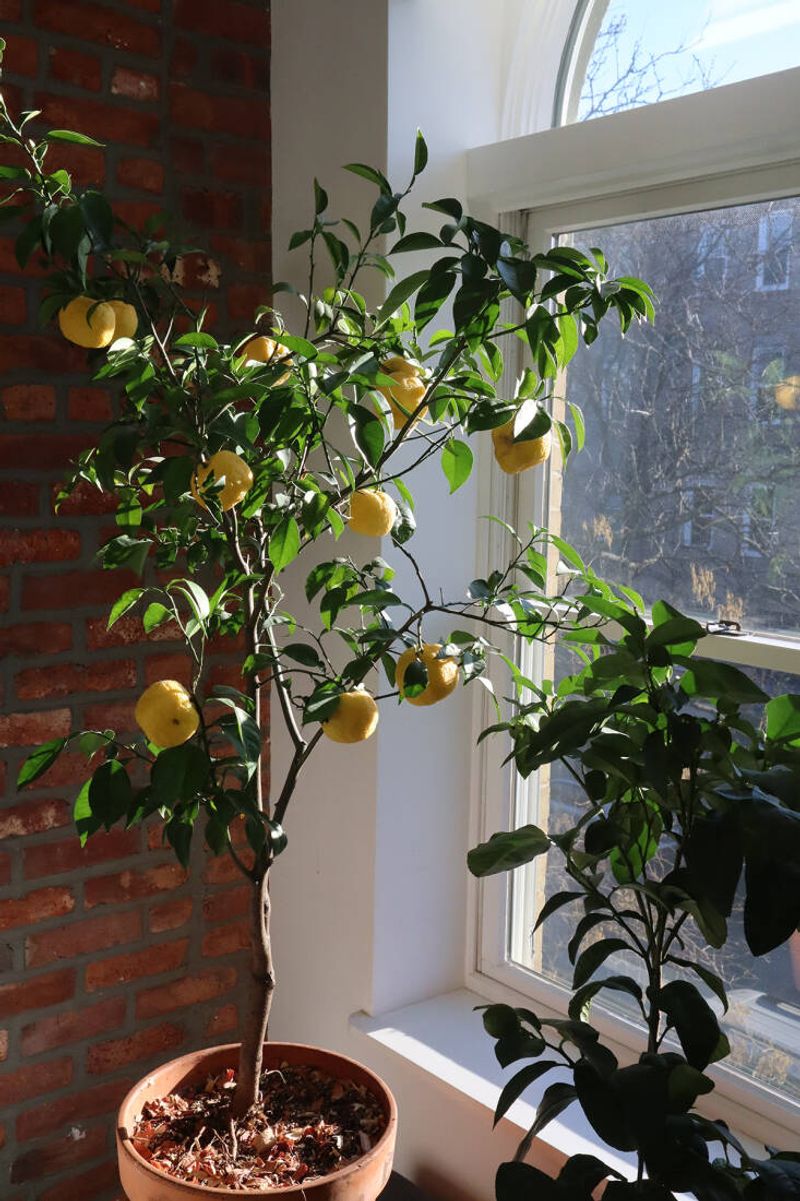
Sunshine is basically breakfast, lunch, and dinner for a citrus tree. Without enough of it, the whole plant starts running on empty.
Indoor citrus needs at least 6 hours of bright light a day, and 8 hours is even better. Leaves use that light to make food through a process called photosynthesis.
Less light means less food, and the tree feels it quickly.
A hungry tree sends clear signals. You might notice pale leaves, thin and stretched-out branches, or leaves falling to the floor.
Flowers and fruit often stop showing up too, which is a sad trade for a plant you hoped would smell lovely in January.
Ohio winters do not make this easy. Days get short, and gray skies can hang around for weeks at a time.
That is why picking the brightest spot in your house matters more than picking the prettiest one.
Try a little experiment this fall. Notice where sunbeams land in your home at 10 a.m., noon, and 3 p.m.
The spot that stays bright the longest is your winner.
Keep the windows clean too, since dusty glass blocks more light than you might expect. Even pulling sheer curtains aside can give your tree a nice boost.
5. A South-Facing Window Works Best

Grandmas across Ohio have known this secret for years. The sunny window on the south side of the house is where the happiest plants live.
In the northern half of the world, the sun travels across the southern part of the sky during winter. A south-facing window catches that low, golden light for most of the day.
It can easily deliver six to eight hours of brightness, which is just what citrus wants.
Not sure which way your windows face? Use the compass app on your phone, or simply watch where the sun sits at noon.
Whichever window it shines through most is your best bet.
East or west windows can still work if nothing blocks them, like big trees, porches, or a neighbor’s garage. East light is gentle and comes early, while west light is warmer in the afternoon.
North windows usually come up short for citrus.
Once your tree is in place, give the pot a quarter turn every week or so. Otherwise, the branches lean toward the glass and the tree grows lopsided, like a kid who only sleeps on one side.
Keep leaves from pressing against cold glass on frosty nights. A few inches of space keeps them comfy.
6. Add A Grow Light If The Sun Runs Short
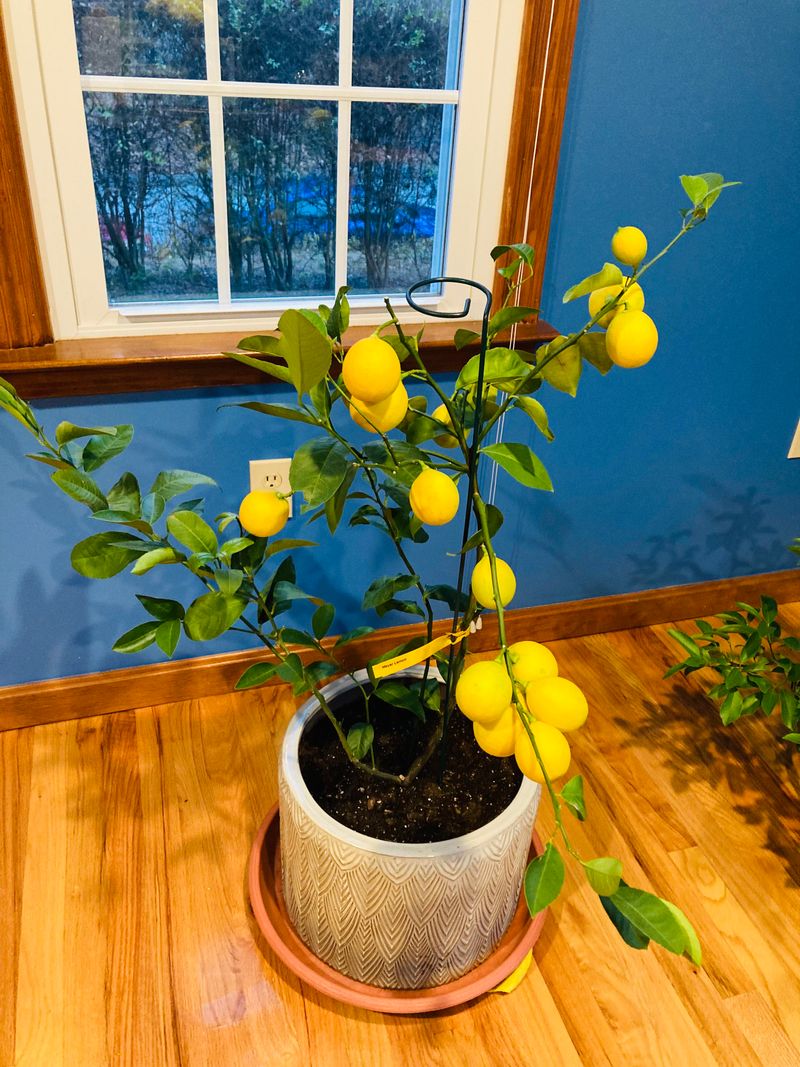
Let’s be honest about Ohio in January. Some weeks the sun seems to have packed up and moved south without telling anyone.
When natural light runs low, a grow light can fill the gap. Many indoor citrus growers in northern states consider one a must-have.
Full-spectrum LED lights are a popular choice because they act a lot like real sunlight and stay fairly cool.
Placement makes a big difference. Hang or clip the light about 6 to 12 inches above the top of the tree.
Too far away, and the leaves barely notice it.
Plan to run the light for 10 to 12 hours a day. Some growers go up to 14 or 16 hours during the darkest months to make up for short days.
A simple plug-in timer handles this for you, so you do not have to remember.
Watch the leaves for clues. Deep green, perky growth means you are on track.
If the tips look scorched or pale, raise the light a few inches.
Fun fact: plants mainly use red and blue light, which is why some grow lights glow purple. Full-spectrum ones look whiter, so your living room will not feel like a nightclub.
7. Keep It Cool And Away From Heat Vents
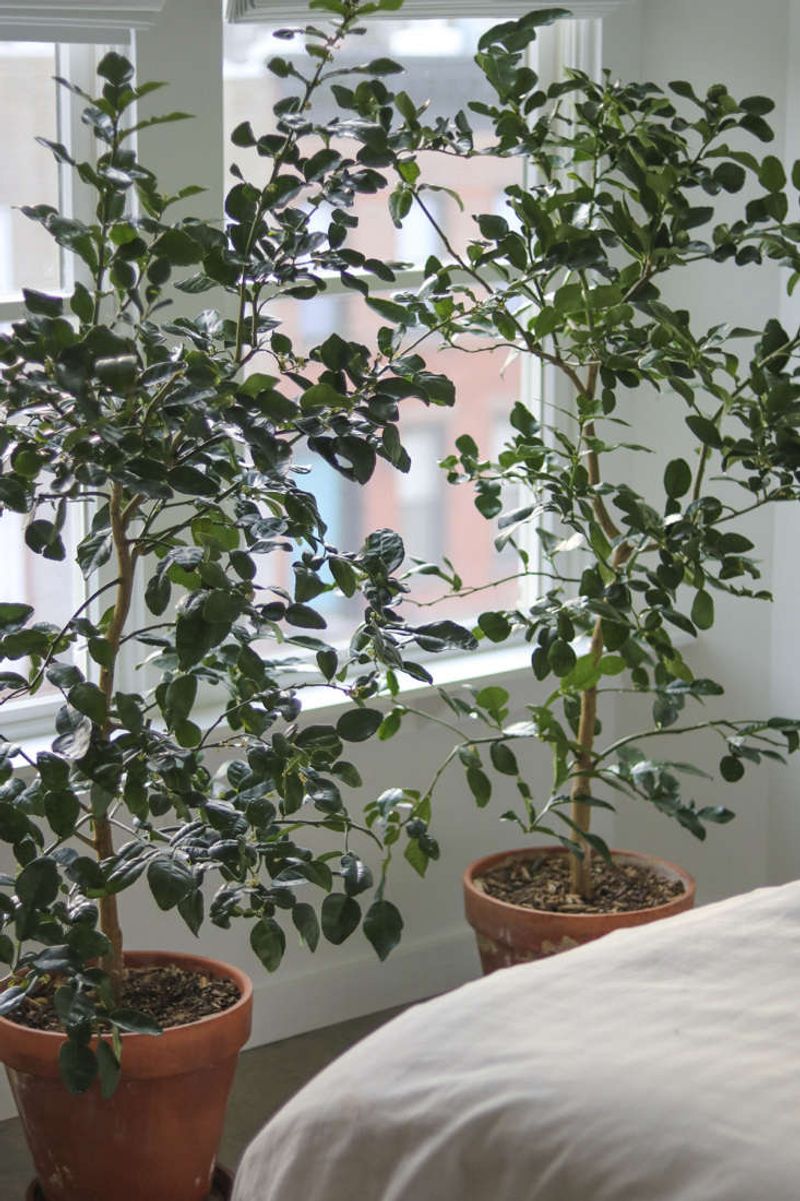
Surprise! Your tropical-looking tree does not actually want a toasty house.
Citrus is happiest with mild days and cool nights, a lot like a crisp spring.
An indoor range of about 55 to 68 degrees suits most citrus just fine. Nights can even dip near 50 degrees without causing trouble.
That makes a cool sunroom or a bright spare bedroom a great winter home.
The real enemy is sudden change. Heating vents blast hot, dry air in bursts, then shut off and let things cool again.
That up-and-down ride stresses the tree and often leads to dropped leaves.
Cold drafts cause problems too. Spots near outside doors that open often, or leaky old windows, can send chilly gusts across the leaves.
Your tree prefers a steady, calm spot over a busy hallway.
So take a slow walk around your house. Hold your hand near vents, radiators, and doors to feel where warm or cold air moves.
Then pick a bright place a few feet away from all of them.
Keeping the room on the cooler side also slows the tree’s growth for winter. That gives it a restful break, and it may even save you a little on heating bills.
8. Boost The Humidity Around It
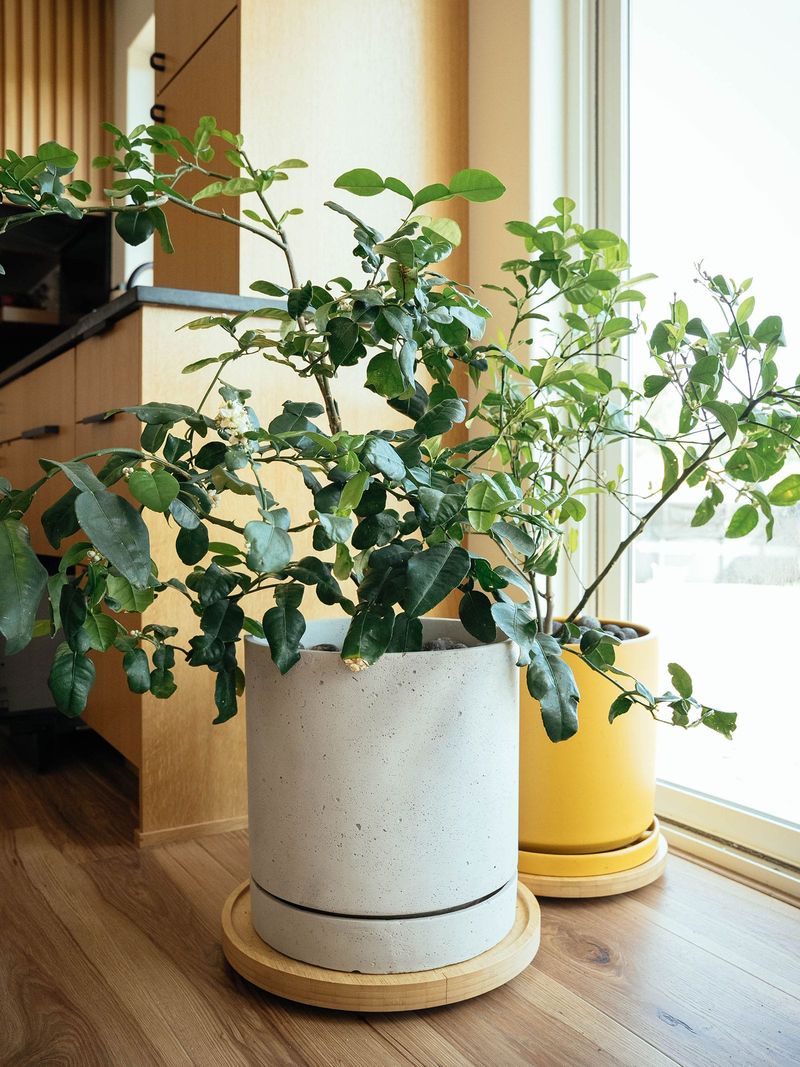
Ever notice how your lips crack and your hair gets staticky in winter? Your citrus tree feels that dry air too, just through its leaves.
When the furnace runs, indoor humidity can fall far below what citrus enjoys. These trees do best with humidity between 40 and 60 percent.
A cheap hygrometer, which measures moisture in the air, tells you exactly where your room stands.
A small humidifier placed near the tree is the easiest fix. It gently adds moisture right where the plant needs it.
Plus, you might sleep better if it sits in your bedroom.
Pebble trays are a budget-friendly trick. Fill a shallow tray with pebbles, add water just below the top of the stones, and set the pot on top.
As the water evaporates, it creates a moist little cloud around the leaves.
Make sure the bottom of the pot does not sit in the water, though. Soggy roots are a whole new headache.
Grouping plants together helps too, since they release moisture and share it like friends huddled around a campfire. Misting the leaves every few days offers a small boost, but it fades fast.
Think of misting as a bonus, not the main plan.
9. Expect Some Leaf Drop As It Adjusts
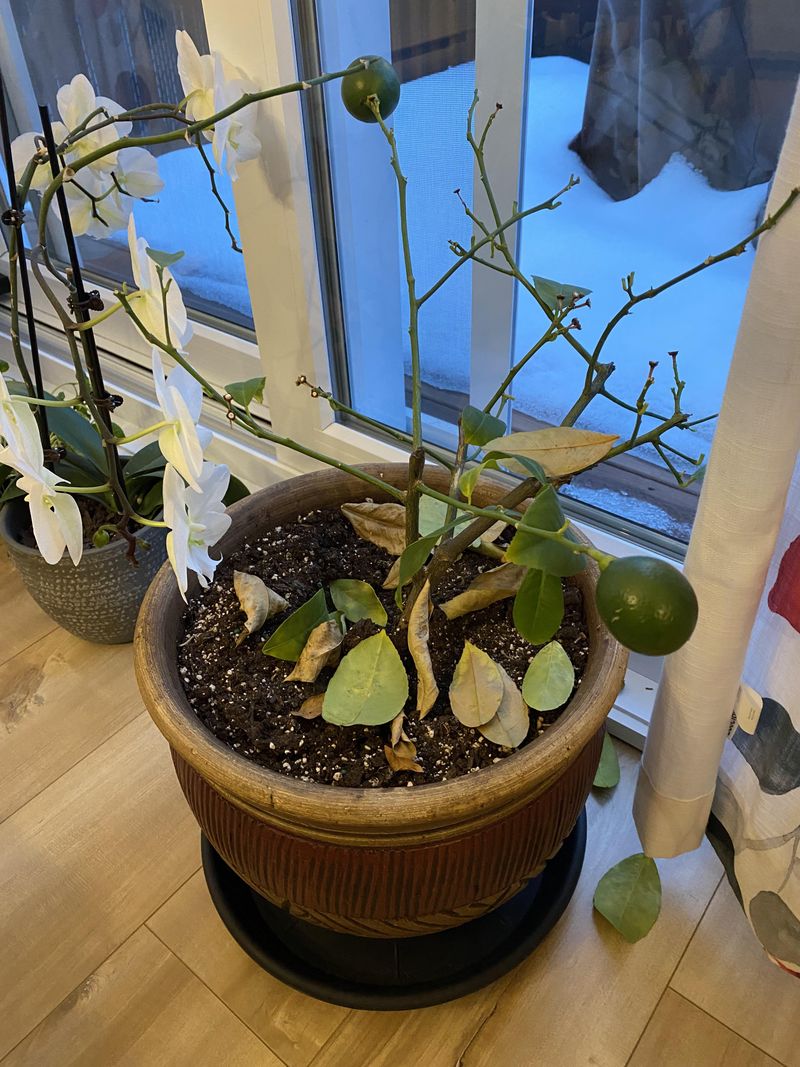
Day five indoors, you spot yellow leaves scattered on the floor and your heart sinks. Take a deep breath, because this is usually normal.
Moving inside is a huge change for a citrus tree. The light is dimmer, the air is drier, and temperatures act differently than they did outdoors.
Dropping some leaves is the tree’s way of resetting itself for its new home.
Think of it like a kid starting at a new school. The first couple of weeks can feel a little rough before things click.
Plants need that same settling-in time.
Resist the urge to fuss too much. Piling on extra water, fertilizer, or moving the pot around every day can add more stress.
Stick with good light, steady temps, and watering only when the top inch or two of soil feels dry.
Keep an eye on the branch tips over the next few weeks. Small, shiny, light green leaves showing up there mean your tree is bouncing back.
If leaves keep falling for more than a month, check for pests, soggy soil, or a drafty spot. Most of the time, though, patience is the best medicine.
By late winter, many trees look full and happy again.