The Florida Garden Snake That May Be Hunting The Rodents Eating Your Plants
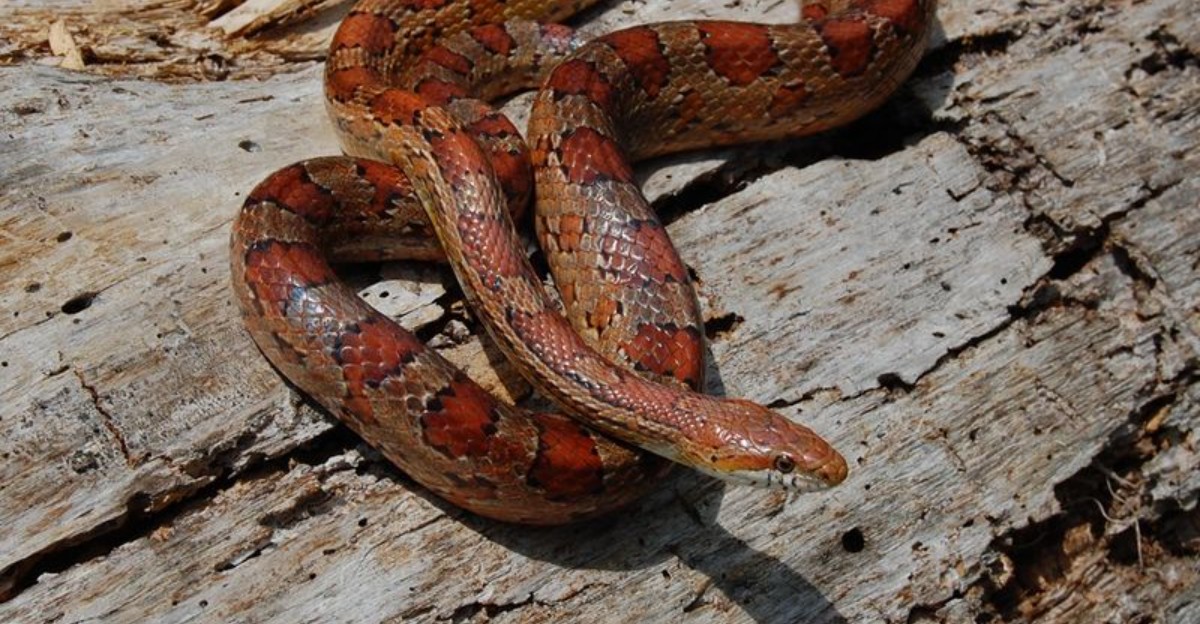
Rodents have been feasting in your garden, and a night-shift worker has been cleaning up after them.
Chewed stems and nibbled tomatoes point straight at mice and rats. Yet the damage stops sooner than it should.
Something out there pays no rent and takes no breaks. It works your beds long after you flip off the porch light.
Florida gardens host more of these helpers than owners ever guess. They slip under mulch, behind pots, and along fence lines without a sound.
Most people spot one and panic. The shovel comes out before the facts do.
That reaction costs you more than you’d think. This visitor does the job of a pest crew, and it works for free.
Your plants may have been getting a better deal than you realized.
Learn who your tenant is before you decide its fate. The one you want gone might be the reason your harvest is still standing.
1. Meet The Red Ratsnake, Better Known As The Corn Snake
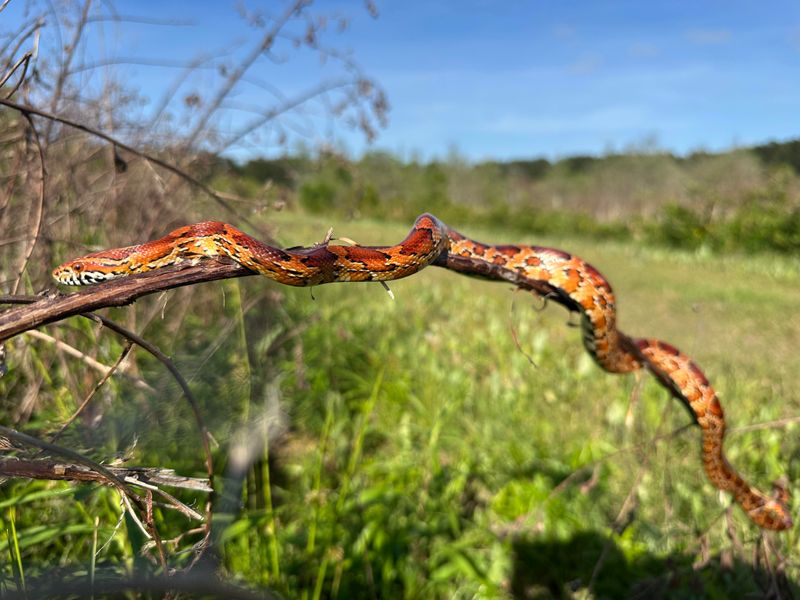
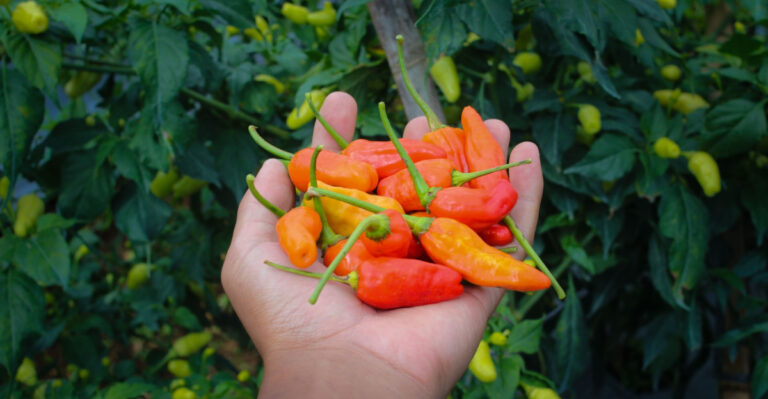
Picture a living ribbon of orange and red sliding past your pepper plants. That bold beauty is the red ratsnake, a snake most folks know as the corn snake.
Scientists call it Pantherophis guttatus. It belongs to the Colubridae family, the biggest snake family in the world.
Some people also call it the eastern corn snake. Older farmers sometimes used the name chicken snake, since it showed up around coops.
Corn snakes are one of the most popular pet snakes in the country. Their calm manners and bright colors make them a favorite with first-time reptile owners.
In the wild, though, they have a real job to do. They help keep mice and rats from taking over yards, barns, and gardens.
Adults usually stretch about three to five feet long. Their slim bodies let them slip into tight places where rodents like to hide.
If you see one in your yard, try to stay calm and give it space. A harmless snake that eats pests is like having a free exterminator on duty.
Snap a photo from a few feet away to admire its pattern. Then let it go about its business, because it is likely chasing something you would rather not have around.
Many Florida gardeners grow to love spotting one each season.
2. It Lives In Every County In Mainland Florida And The Keys
From Pensacola to Key West, this snake has the whole state covered. Corn snakes live in every county on the Florida mainland, and they even reach the Keys.
Their wider range stretches across the southeastern and central United States. Florida, however, offers them a warm and food-rich home all year.
These snakes are not picky about where they settle. You can find them in wooded groves, meadows, rocky hillsides, pine rocklands, and even mangrove forests.
They also do well around people. Barns, sheds, woodpiles, and old buildings make great hideouts, especially when rodents live there too.
That means a suburban backyard can look like a five-star hotel to a corn snake. Thick shrubs, compost piles, and garden beds offer shelter and snacks.
Your Florida Garden Changes Every Week. Your Plan Should Too.
Gardening in Florida changes quickly throughout the season. Every Friday you’ll receive a simple weekly plan showing exactly what to plant, prune, fertilize, harvest, and protect so you never miss the right timing.
Here is a helpful tip for Florida gardeners. If you want snakes to stay near the edges, keep tall brush and debris away from your doors and walkways.
You can leave a brush pile or rock wall at the back of your yard instead. That gives snakes a cozy spot far from where kids and pets play.
In the Keys, the lower population is a reddish form some people call the rosy ratsnake. It is the same species with a slightly different look.
Florida truly is corn snake country.
3. Adults Graduate From Lizards To Rodents
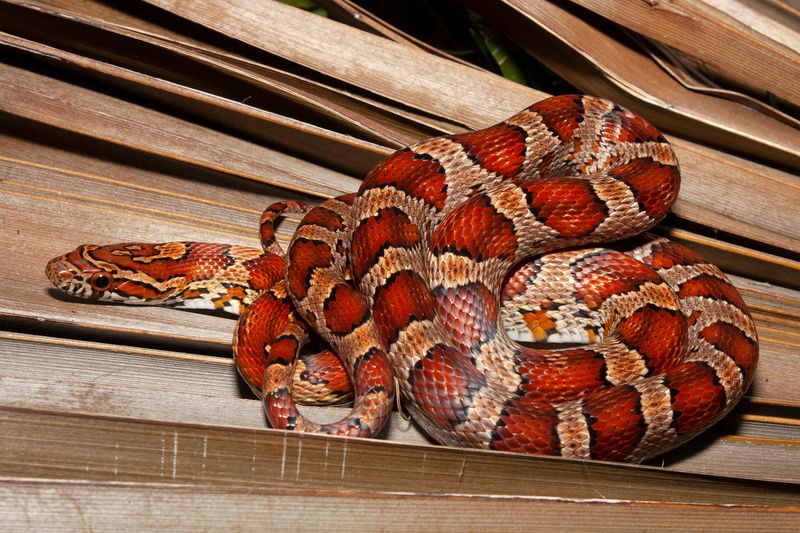
Think of a corn snake’s menu like a school lunch that changes every grade. Tiny hatchlings start with small lizards and tree frogs, since those fit their little mouths.
As the snake grows, its appetite grows too. Adults switch to bigger meals, and mice and rats top the list.
That switch is great news for gardeners. Rodents chew seedlings, dig up bulbs, nibble fruit, and snack on sweet potatoes underground.
One adult corn snake can eat many rodents over a year. That steady hunting helps keep pest numbers from exploding.
Corn snakes also eat birds, bird eggs, and even bats now and then. They are opportunists, which means they eat what is easiest to catch.
Did you know? A corn snake may go a week or more between meals after eating a big rat.
Its slow body uses energy carefully.
If you want to support this natural pest control, skip rodent poisons. Poisoned mice can harm snakes, owls, and hawks that eat them.
Instead, store birdseed and pet food in sealed bins. Fewer free snacks plus a hungry snake equals fewer rodents in your veggie patch.
It is a simple, earth-friendly trade that works with nature.
4. It Squeezes Its Prey Instead Of Using Venom
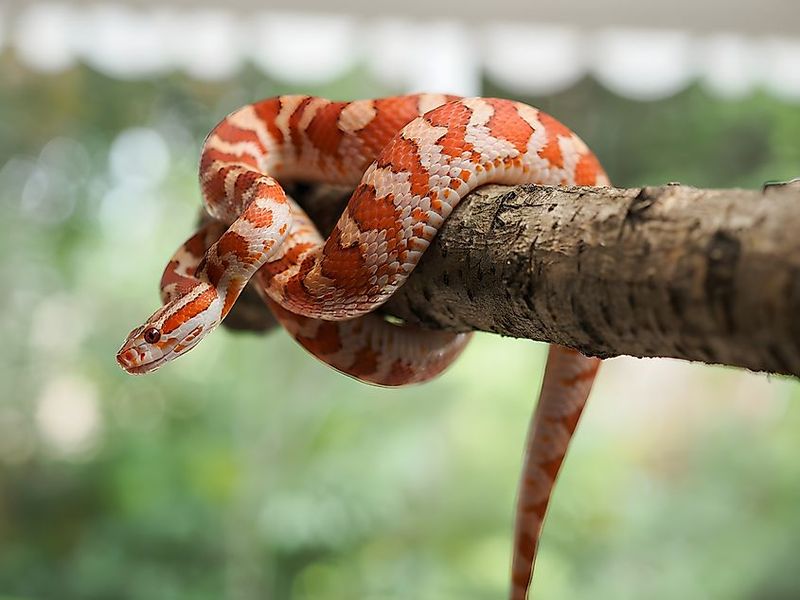
No fangs, no venom, just a really strong hug. Corn snakes are constrictors, and they rely on muscle power to catch their food.
First, the snake grabs its prey with a quick bite. Its small, backward-curved teeth help it hold on tight.
Next, it wraps its body in coils around the animal. Then it squeezes until the prey stops breathing.
After that, the snake swallows its meal whole, usually headfirst. Stretchy jaws and skin let it gulp down food wider than its own head.
For people, the big takeaway is simple. Corn snakes are not venomous and pose no real danger to humans.
If one feels cornered, it may shake its tail or give a small nip. A bite might sting like a scratch, but washing it with soap and water is usually all you need.
Fun fact: scientists once thought constrictors made prey run out of air. Newer studies show the squeeze mainly stops blood flow, which works even faster.
So when you spot one, admire its strength from a distance. It saves those powerful coils for mice, not gardeners.
Gloves and a gentle approach are wise if you ever need to move one.
5. The Name Comes From Rodent-Filled Corn Cribs
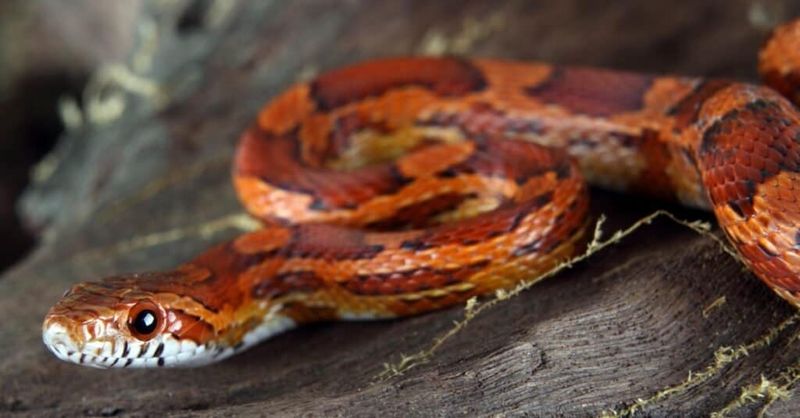
Long ago, farmers stored dried corn in wooden sheds called corn cribs. Mice and rats loved those piles of grain, and hungry snakes followed close behind.
Farmers kept finding these orange snakes around their corn stores. Many people believe that is how the name corn snake was born.
There is a second popular idea too. The black and white pattern on the snake’s belly looks a lot like colorful Indian corn.
Nobody knows for sure which story came first. Both may have helped the name stick around for generations.
Either way, the history tells us something useful. Where food draws rodents, corn snakes tend to show up and help clean house.
Today, your garden shed, compost bin, or chicken feed bucket can act like a modern corn crib. Spilled grain and seed bring in mice, which then attract snakes.
Want fewer rodents and fewer surprise visits near the house? Sweep up spilled feed and store grains in metal cans with tight lids.
That way, any snake on patrol will stick to the outer edges where wild rodents live. It is an old farm lesson that still works in Florida backyards today.
Grandparents on the farm knew this snake was a friend.
6. Look For A Checkerboard Belly
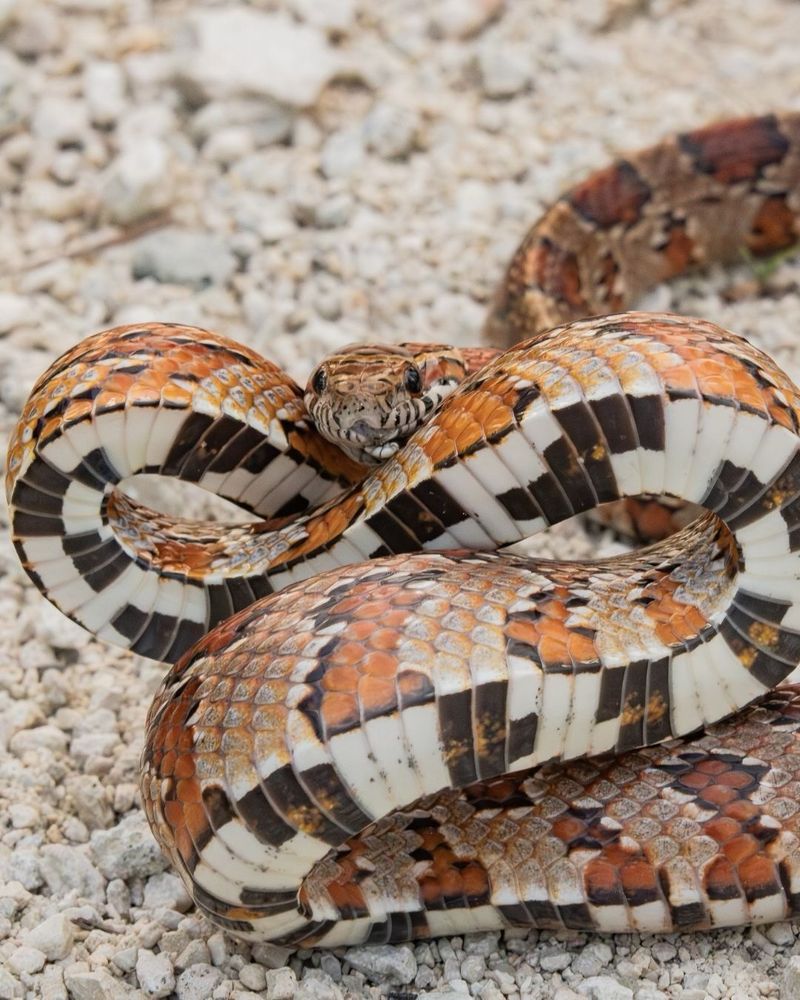
Flip a corn snake over, and it looks like it borrowed a chessboard. Rows of black and white squares run down its belly in a neat pattern.
That checkerboard is one of the easiest ways to know you have a corn snake. Few other Florida snakes have such a tidy design underneath.
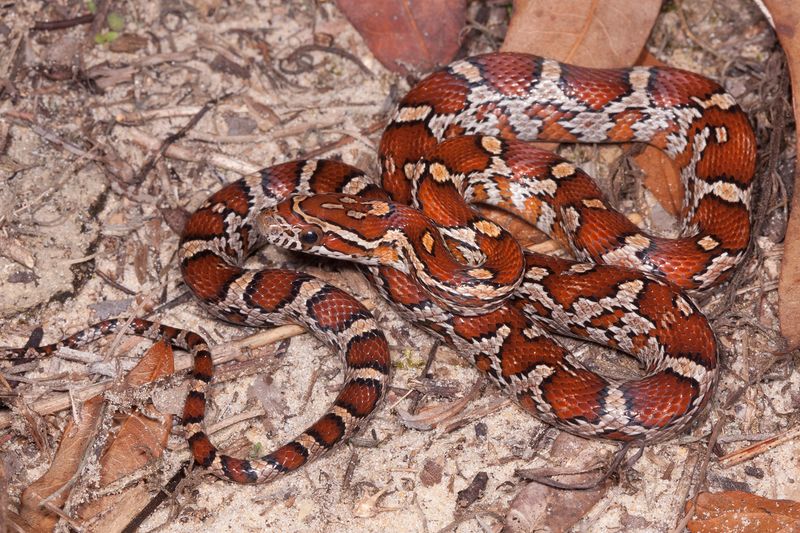
The top side is just as eye-catching. Adults are usually orange or brownish with big red blotches edged in black.
Look at the head too. Many corn snakes have a spear-shaped mark that points forward between the eyes and down the neck.
Colors can vary across the state. Some look bright orange, while others lean grayish or brown, especially in parts of the state with darker soils.
Of course, you should not grab a wild snake just to peek at its belly. Often, you can catch a glimpse when it climbs a fence or crosses a path.
A zoom lens or phone camera helps a lot. Take a photo and compare it to guides from the Florida Fish and Wildlife Conservation Commission or UF extension sites.
Learning these marks turns a scary moment into a fun nature lesson. Soon you will spot corn snakes like a pro.
7. It Often Gets Mistaken For A Copperhead
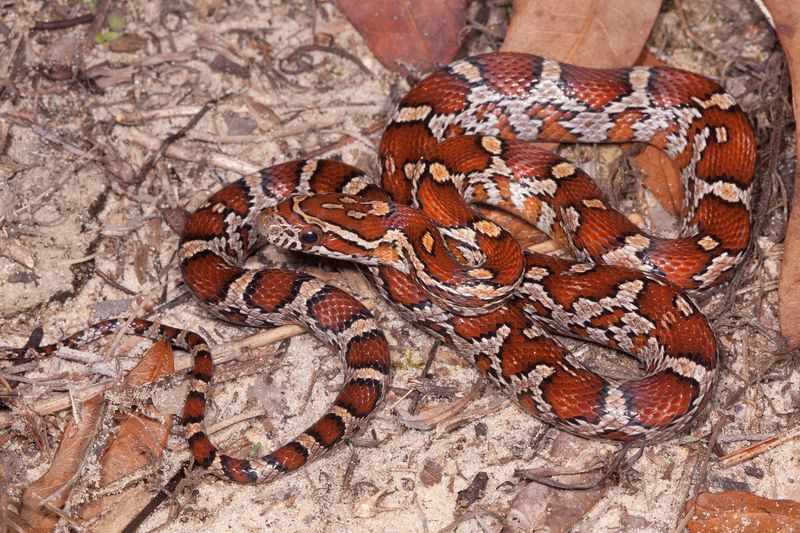
Mistaken identity is the corn snake’s biggest problem. Its reddish colors remind people of the venomous copperhead, and many harmless corn snakes get harmed because of it.
Here is the good news for most Floridians. Copperheads live only in a small area of the western Panhandle, mostly along the Apalachicola River Basin.
So if you live in Tampa, Orlando, or Miami, a reddish snake in your garden is very likely a corn snake. Still, it helps to know the differences.
Copperheads have duller, tan and copper colors with hourglass-shaped bands. Their heads are wide and triangular, and their pupils look like cat-eye slits.
Corn snakes are brighter, with red blotches outlined in black. They have round pupils, slimmer bodies, and narrower heads.
When in doubt, back away slowly and let the snake leave. Most snakes want nothing to do with people and will slide off if given room.
Teach kids a simple rule too. Look, do not touch, and tell an adult.
Sharing this info with neighbors can protect a helpful animal. Every corn snake spared means more rodents caught and fewer chewed plants for everyone on your street.
8. It Does Most Of Its Hunting At Night
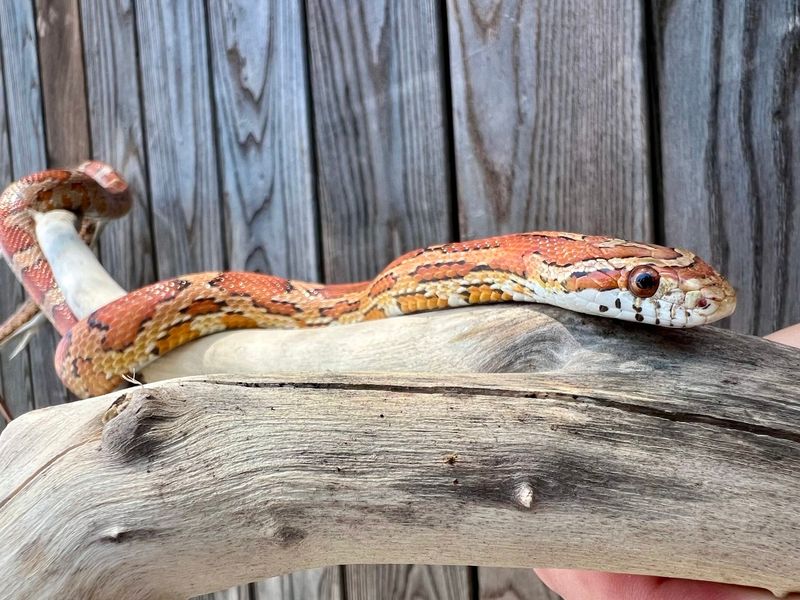
While you sleep, the night shift clocks in. Corn snakes are most active at dawn and dusk, and in the state they often hunt well into the night.
That timing makes perfect sense. Mice and rats also come out after dark to raid gardens and bird feeders.
Cooler evening air helps too. Florida’s midday heat can be rough on reptiles, so they rest in shady hideouts and move once the sun drops.
During the day, a corn snake might tuck itself under boards, inside burrows, or beneath thick leaf litter. You could walk right past one and never know.
Gardeners can use this to their advantage. Wear sturdy shoes and use a flashlight when watering or checking plants after sunset.
When moving pots or lifting tarps in the morning, do it slowly. Giving a resting snake a moment to escape keeps everyone calm.
Here is a neat trick for curious families. Set a trail camera near the garden edge, and you might catch nighttime visitors on video.
You may see raccoons, opossums, rodents, and maybe a sleek corn snake gliding through. It is like a secret nature show happening in your own backyard every single evening.
9. It Climbs Better Than Most Florida Snakes
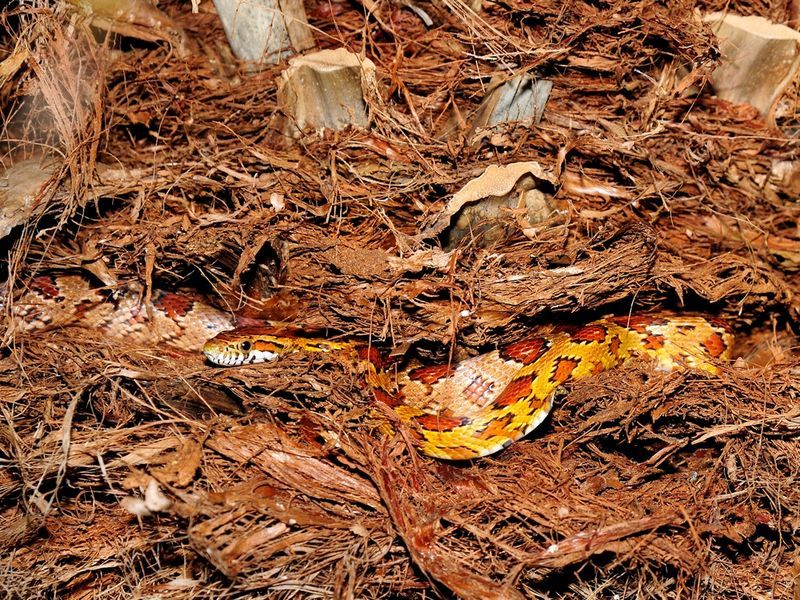
Ever spotted a snake halfway up a tree and wondered how it got there? Corn snakes are gifted climbers, and they scale trunks with surprising ease.
Special belly scales help them grip rough surfaces. They can push against bark ridges and creep upward like a living rope.
In Florida, they often hide under loose bark or tuck themselves inside palm fronds. Those spots offer shade, safety, and a great view of passing prey.
Climbing also helps them reach bird nests and roosting bats. Even attics and porch rafters are within reach on occasion.
For gardeners, this skill is a bonus. Corn snakes can chase rodents into places other snakes cannot reach, like fence tops and tall shrubs.
If you would rather keep them out of your house, seal gaps around vents, pipes, and eaves. Trim branches that touch the roof, too.
Pet owners say corn snakes love climbing branches in their tanks. That shows how natural the behavior is for them.
Next time you rake under a cabbage palm, glance up. You might find a quiet orange neighbor resting above, ready for another night of keeping your garden pest-free.