The Meaning Behind Seeing More Deer In Your Ohio Yard This Fall
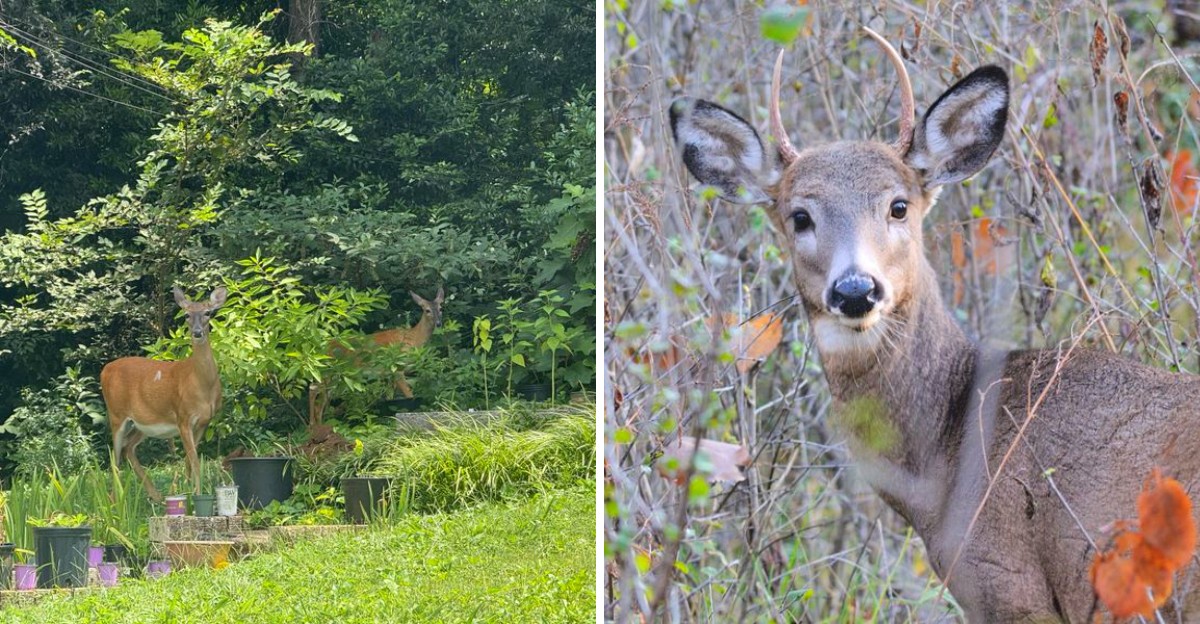
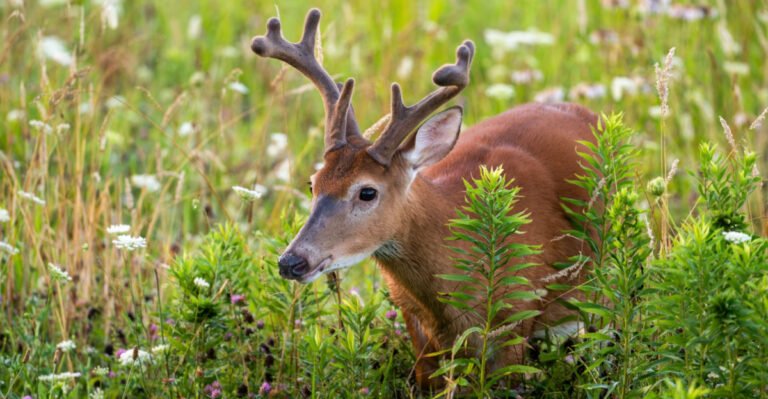
Something has been in the yard again. The hostas look suspiciously nibbled, there are hoofprints in the frosty grass, and at dusk a pair of big brown eyes is staring back at you from the tree line like you are the one who wandered into the wrong space.
Fair enough, honestly. Fall in Ohio has a way of turning ordinary backyards into impromptu wildlife shows, and deer are absolutely the headlining act.
Your neighbors are seeing the same thing, and there are very real reasons why autumn brings these visits on so reliably.
Some of those reasons are genuinely fascinating, a few are surprisingly charming, and one or two are worth knowing about before your arborvitae takes another hit.
Grab something warm to drink and let’s figure out what is actually going on out there.
1. Ohio Rut Season Puts Bucks On The Move
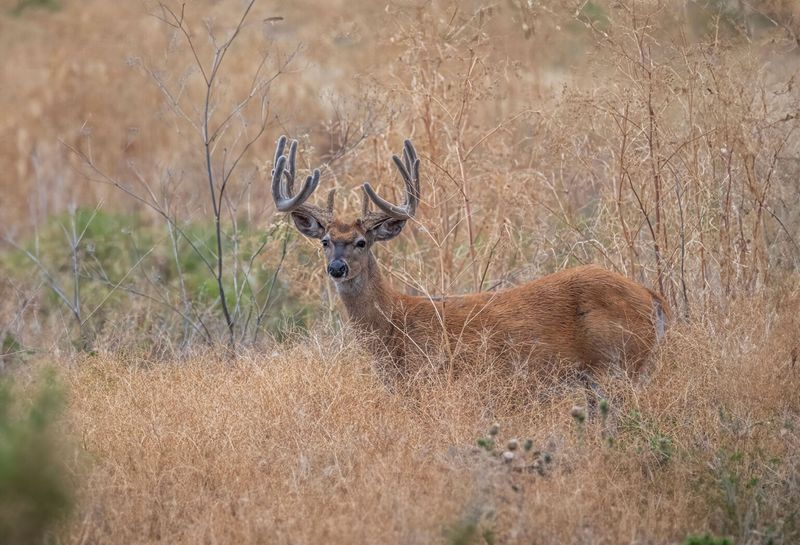
Love makes everyone a little reckless, and deer are no exception. Every fall, white-tailed bucks enter the rut, which is their breeding season.
In Ohio, the rut usually peaks in early to mid-November. Bucks travel far from their usual spots while searching for does, and that often brings them right past your patio.
During these weeks, bucks act bolder and less careful than usual. You may see them chasing does across lawns, roads, and even golf courses in broad daylight.
You might also notice signs they leave behind. Look for rubbed bark on small trees and scraped patches of dirt under low branches.
Those scrapes work a bit like a message board. Bucks leave their scent there so other deer know who is around.
Protecting young trees is a smart move during this time. Wrap trunks with plastic tree guards or set up a short wire cage around them.
Keep a safe distance if you spot a buck nearby. Their antlers are sharp, and their mood can be grumpy when hormones are running high.
Fun fact: a buck’s neck can swell noticeably during the rut. Hunters and wildlife watchers use that thick neck as a clue that breeding season is in full swing.
Enjoy the show from a window. It is one of nature’s most exciting seasonal events, and it happens right in your backyard.
2. Fewer Wild Foods Push Deer Toward Gardens
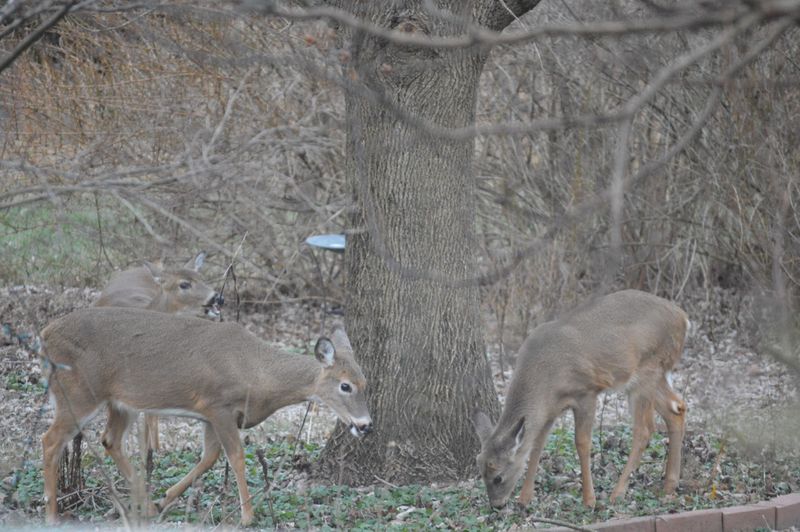
Groceries get scarce in the woods once autumn rolls around. Soft plants and summer greens fade quickly after the first frost.
Deer need lots of calories to build fat for winter. When wild food runs low, your garden starts looking like an all-you-can-eat buffet.
Across Ohio, acorn crops change a lot from year to year. During a poor acorn year, deer wander much more to find enough to eat.
Your yard might offer fallen apples, pumpkins on the porch, or tasty shrubs like arborvitae and yews. Hostas, tulip bulbs, and pansies are also deer favorites.
A few simple habits can help a lot. Pick up fallen fruit quickly, and move pumpkins closer to the house or onto a raised table.
Your Ohio Garden Changes Every Week. Your Plan Should Too.
Gardening in Ohio changes quickly throughout the season. Every Friday you’ll receive a simple weekly plan showing exactly what to plant, prune, fertilize, harvest, and protect so you never miss the right timing.
Deer repellent sprays can also work well. Products with rotten egg or garlic scents tend to keep noses away, but you will need to reapply after rain.
Planting smarter makes a long-term difference. Try deer-resistant choices like boxwood, lavender, daffodils, and ornamental grasses.
Remember that no plant is fully deer-proof. A hungry deer in late fall may sample almost anything green.
Watching what they eat can teach you a lot. Over time, you will learn which plants survive and which ones need extra protection next year.
3. Harvested Cornfields Leave Deer Without Cover
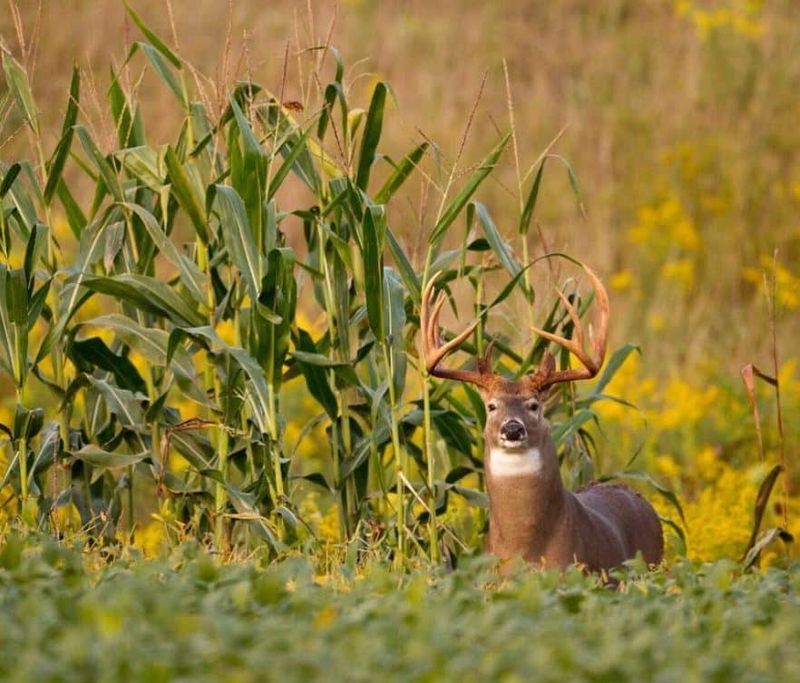
Out in farm country, the combines roar through the fields every October. Once the corn comes down, deer suddenly lose their favorite hiding place.
Tall cornstalks act like a giant leafy fortress all summer. Deer bed down there, eat there, and stay mostly out of sight.
After harvest, the land turns flat and open. That makes deer feel exposed, so they move to new cover nearby.
If you live near farmland in Ohio, your wooded edges and thick shrubs might become their new hangout. Brush piles, pine rows, and overgrown fence lines are especially appealing.
Leftover grain in harvested fields also draws deer out at dawn and dusk. They often cross roads and yards while moving between food and shelter.
Drive carefully on rural roads this time of year. Slow down near field edges and watch for glowing eyes in your headlights.
Here is a helpful tip from wildlife officers. If one deer crosses the road, expect another to follow close behind.
Homeowners can also trim back thick shrubs near the house. Less cover means deer are less likely to bed down right by your windows.
Harvest season is a busy time for farmers and wildlife alike. Knowing the pattern helps you stay safe and plan ahead.
4. Hunting Season Pressure Sends Deer To Safe Yards
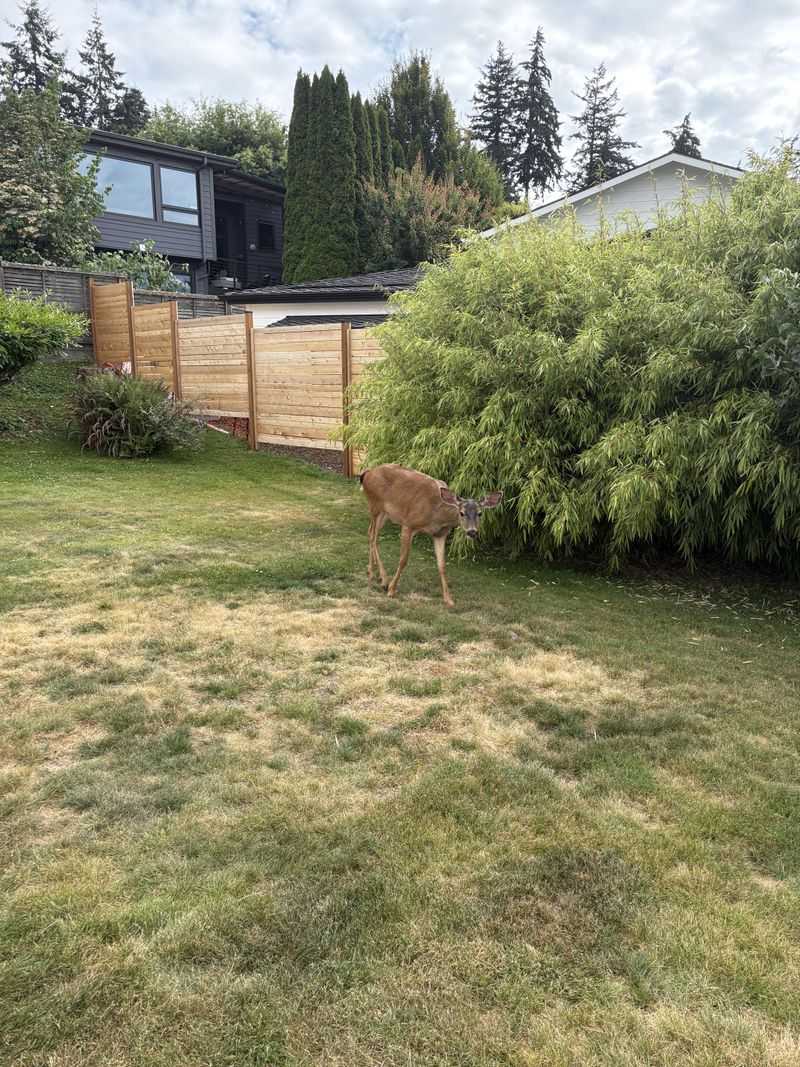
Deer are smarter than many people think. They quickly figure out where people with bows and orange vests are wandering.
Ohio archery season opens in late September, and gun season arrives after Thanksgiving. More people in the woods means more noise, scent, and movement.
Many deer respond by moving into neighborhoods. Suburbs and town edges often allow little or no hunting, so they feel like safe zones.
Your quiet backyard can become a refuge almost overnight. Some deer even bed down under decks or behind sheds during busy weekends.
For you, that means sharing space for a while. Keep pets leashed at dawn and dusk, since a startled deer may kick or run unpredictably.
Hang bird feeders higher or bring them in at night. Spilled seed can encourage deer to hang around longer than you would like.
Talk with neighbors about what they are seeing. Sharing notes helps everyone understand deer travel paths through the area.
Fun fact: some deer learn the timing of hunting days. Wildlife researchers have tracked collared deer that stayed hidden on weekends and moved more on quiet weekdays.
That clever behavior shows how adaptable these animals really are. Your yard is simply part of their survival plan.
5. Shorter Days Change When Deer Show Up
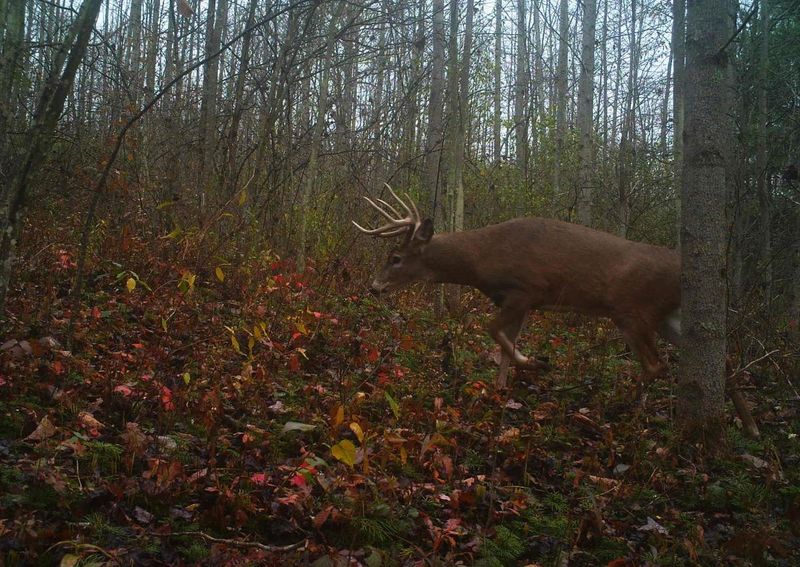
Have you noticed deer appearing right around dinnertime lately? The clock has a lot to do with it.
Deer are most active at dawn and dusk. Scientists call that crepuscular behavior, which is a fancy word for twilight lovers.
In summer, those twilight hours happen while most people are asleep or still at work. Once fall arrives, sunrise and sunset shift closer to our daily routines.
After daylight saving time ends in early November, the change feels even bigger. Ohio sunsets come before 5:30 p.m., right when families are driving home.
So the deer might not be more common at all. You may simply be awake and outside when they already are.
That is good news for wildlife watchers. Set up a cozy spot near a window at dusk with a warm drink and a pair of binoculars.
A trail camera is another fun option. Many models are affordable and capture night photos with infrared light that does not scare animals.
Kids especially enjoy checking the camera each morning. You might spot raccoons, foxes, and opossums along with the deer.
Fun fact: some research has suggested that deer in heavily hunted areas may adjust their movement patterns in response to human pressure, becoming more cautious and less active during periods of increased activity in the woods. That said, the science on whether deer specifically learn hunting schedules is still limited and not fully settled.
What is clear is that deer are highly adaptable and do respond to changes in their environment in ways that researchers are still working to fully understand.
Keeping a simple log of what time deer arrive can be eye-opening. Patterns usually appear within a couple of weeks.
6. Growing Deer Numbers Tell A Bigger Story
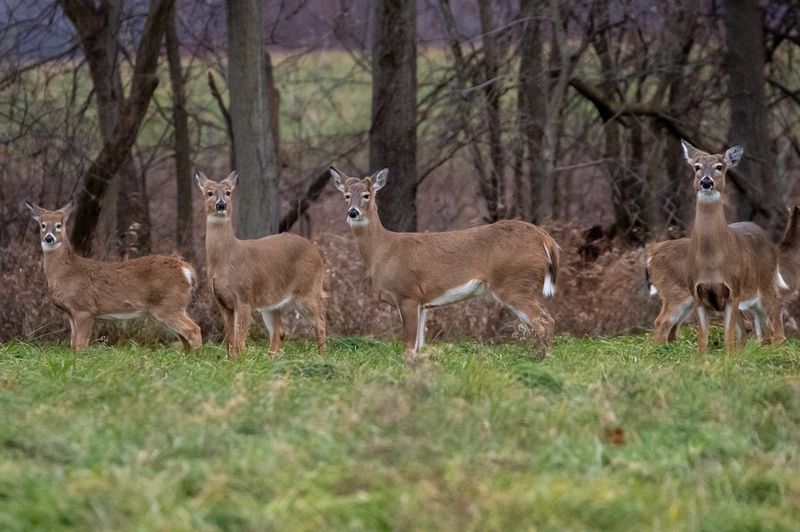
A century ago, spotting a deer in the state was a rare treat. Ohio deer populations hit critically low levels in the late 1800s and very early 1900s, driven by decades of overhunting and widespread land clearing that stripped away the habitat these animals depended on.
Things changed as forests grew back and wildlife laws improved. Today, the state is home to hundreds of thousands of deer.
That is a big comeback story. It also explains why so many families now see deer in places that were once quiet farmland.
Housing developments have spread into old woods and fields. Deer did not leave those areas, so they learned to live alongside us.
Suburbs actually offer plenty of what deer need. There are tasty plants, water sources, and few natural predators like wolves.
Fall simply makes the crowd easier to notice. Leaves drop, views open up, and fawns born in spring are now traveling with their mothers.
Wildlife agencies track herd sizes carefully. They adjust hunting rules by county to keep numbers balanced with available habitat.
If deer cause serious trouble in your area, local officials want to hear about it. Your reports can help guide future management plans.
Understanding this history adds meaning to every sighting. Those deer are part of one of the biggest wildlife recoveries in American history.
7. Young Deer Are Finding Their Own Way
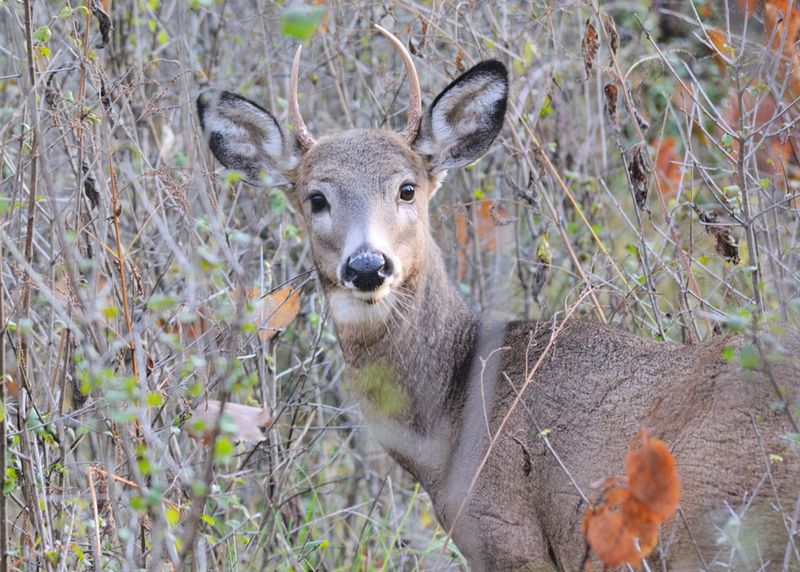
Growing up is hard, even for deer. Each fall, some young deer get nudged out of the family and sent off to explore.
Yearling bucks are the most likely to wander. Their mothers and older bucks push them away, partly to prevent inbreeding.
These young males may travel several miles to find a new home. Along the way, they often pass through neighborhoods they have never seen before.
You can usually spot a yearling by its look. It has a slim body, a skinny neck, and small spike or forked antlers.
They tend to act a little clumsy and curious. Some will stand and stare at you longer than an older, wiser deer would.
That curiosity can lead them into trouble. Young deer are involved in many car collisions in Ohio during October and November.
Be patient if a yearling shows up near your home. Give it space, and it will usually move on within a few days.
Avoid feeding it, even though it may look lost. Handouts can teach young deer to rely on people, which is unhealthy for them.
Think of these visitors like teenagers on a road trip. They are learning the world one backyard at a time.
8. Folklore And Symbolism Of Deer In Ohio Traditions
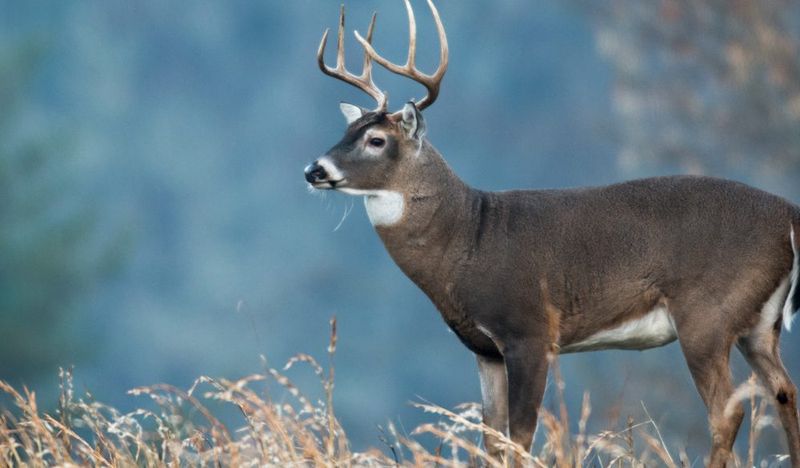
“Gentle strength” is how many cultures have described the deer. For centuries, people have seen these animals as symbols of peace and quiet wisdom.
Native American nations who lived in the Ohio region, including the Shawnee, valued deer deeply. Deer provided food, clothing, and tools, and they were treated with great respect.
In many traditions, a deer appearing near your home is a sign of kindness. It can suggest a time to slow down, listen carefully, and treat others softly.
Some people see fall deer visits as a reminder of change. Just like the season, life moves forward, and it helps to stay calm and alert.
Others simply feel lucky when a deer pauses in the yard. That still moment can feel like a gift on a busy day.
You do not have to believe in signs to enjoy the feeling. A quiet deer sighting can be a nice cue to take a deep breath.
Try keeping a small nature journal. Write down the date, the weather, and how the visit made you feel.
Over time, that journal becomes a sweet record of seasons at home. Kids and grandkids may love reading it someday.
Science and story can live side by side here, making each visit feel a little magical.
9. Smart Ways To Live Peacefully With Deer
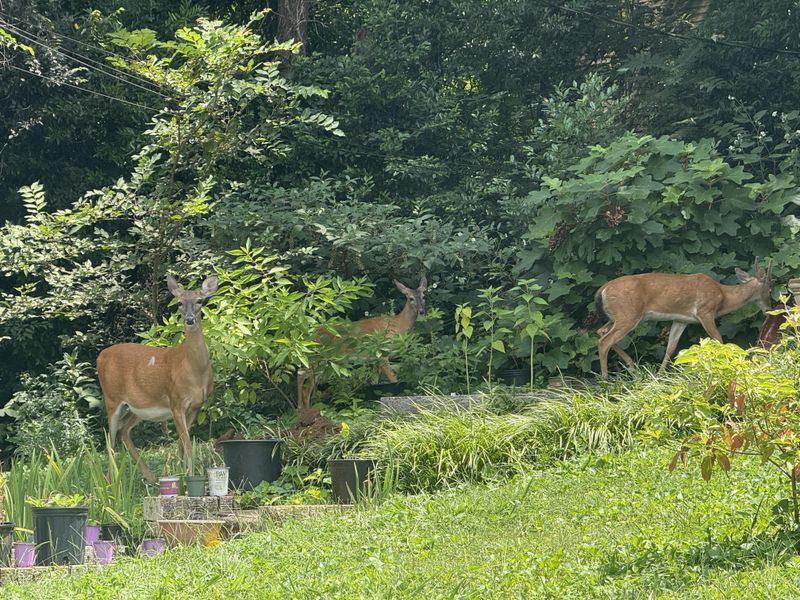
Sharing your yard does not have to feel like a battle. With a few clever steps, you and the deer can both get along.
Fencing is the most reliable option for gardens. Deer can leap about eight feet high, so choose tall mesh or a double fence setup.
Motion-activated sprinklers are another favorite trick. A sudden spray of water startles deer and sends them trotting off without harm.
Repellents work best when you rotate them. Deer get used to one smell, so switch products every few weeks.
Choose plants deer usually skip. Good picks for Ohio yards include coneflowers, black-eyed Susans, catmint, and Russian sage.
Skip feeding deer on purpose. Many communities have rules against it, and feeding can spread disease and draw crowds to your street.
Watch for ticks after time outdoors. Deer carry blacklegged ticks, which can spread Lyme disease, so check pets and kids carefully.
Keep grass trimmed near play areas and paths. Short grass gives ticks fewer places to hide.
On the road, use high beams when safe and brake firmly if a deer appears. Safety experts generally advise against swerving, since sudden steering changes can lead to loss of vehicle control or collisions with other hazards, though outcomes always depend on the specific situation and road conditions.
With smart habits in place, fall deer visits can become a highlight of the season instead of a headache.