9 Annual Flowers New York Gardeners Should Take Cuttings From This Week
Your summer garden is about to get a rude wake-up call from Jack Frost. Those coleus leaves glowing like stained glass will not survive a freezing night.
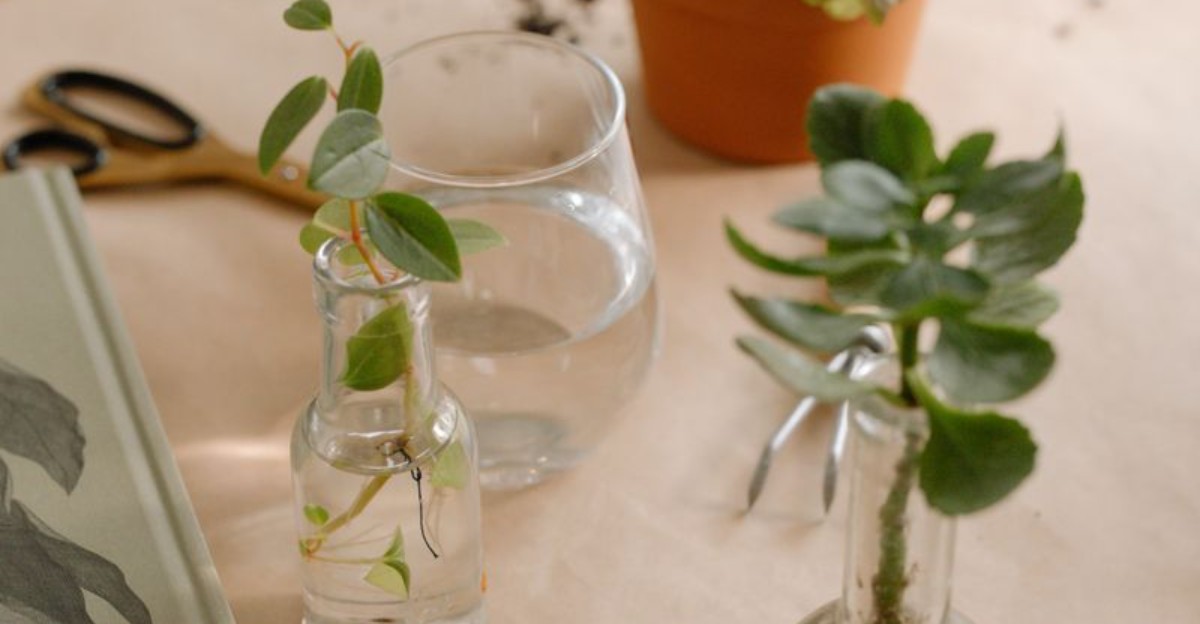
Across New York, early October is the sweet spot for snipping cuttings from favorite annuals. A few clean cuts, a jar of water, and a sunny window can carry your garden right through winter.
The best part is how little it costs. You are not buying new plants next spring, you are growing them yourself from the ones you already love.
Some plants on this list root so fast you will see white threads in a week. Others need a little more patience.
Grab your clippers, because the clock is ticking.
Coleus, Which Roots In Water Within Days
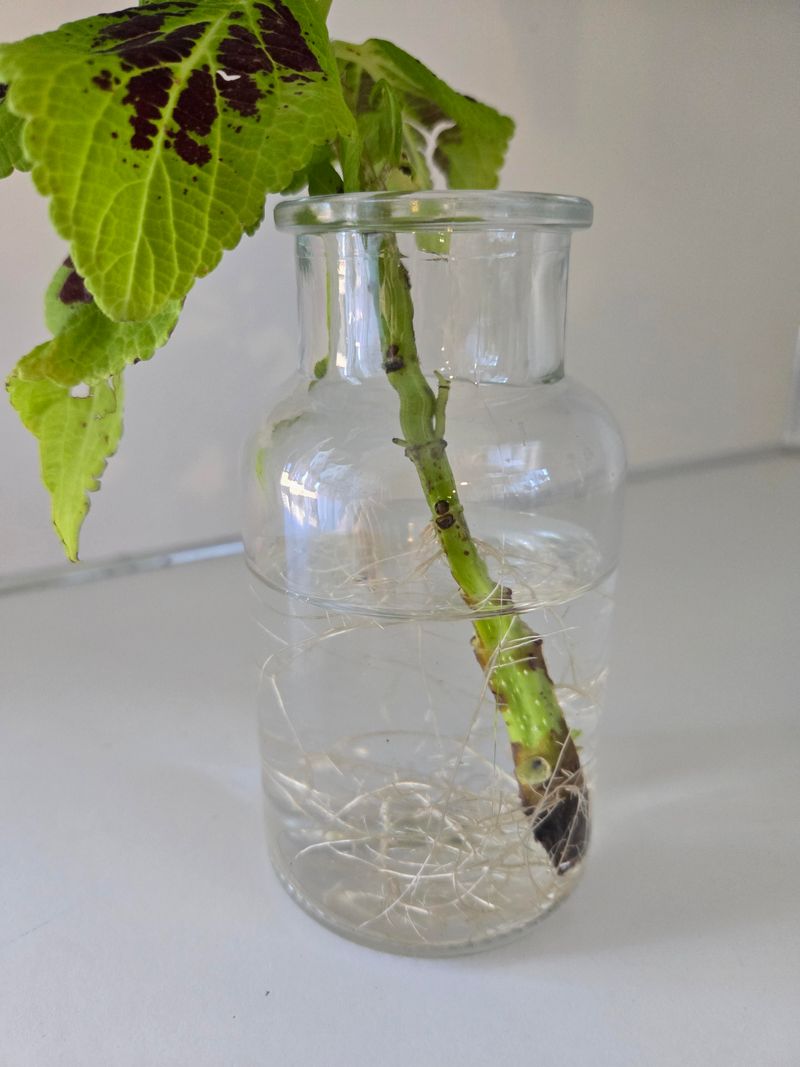
Few plants forgive beginners like coleus does. Snip a stem today, and you might spot roots by next weekend.
Look for healthy shoot tips about 4 to 6 inches long. Pick ones without flower spikes, since blooms slow down rooting.
Make your cut just above a leaf node. A node is the little bump where leaves grow from the stem.
Next, strip off the lower leaves to expose a couple of nodes. Leaves sitting underwater will rot and cloud the jar.
Any clear glass works fine for rooting. Fill it with room-temperature water and slide your cuttings inside.
Set the jar in bright, indirect light away from chilly drafts. Old apartments often have breezy windows, so check for cold air.
Fresh water matters more than you might think. Swap it out every few days to keep stems from turning mushy.
Within 7 to 10 days, tiny white roots usually appear. Once they reach about 1 inch long, your cuttings are ready for soil.
Resist the urge to wait too long, though. Very long water roots struggle to adjust when moved into potting mix.
Plant each cutting in a small pot with well-draining soil. A sunny window keeps those wild leaf colors bright all winter.
Fun fact: coleus belongs to the mint family. Run your fingers along the stem and feel its square shape.
Come spring, your houseplants can head back outside. They can also give you a fresh batch of cuttings for free.
Geraniums For Blooms On The Windowsill
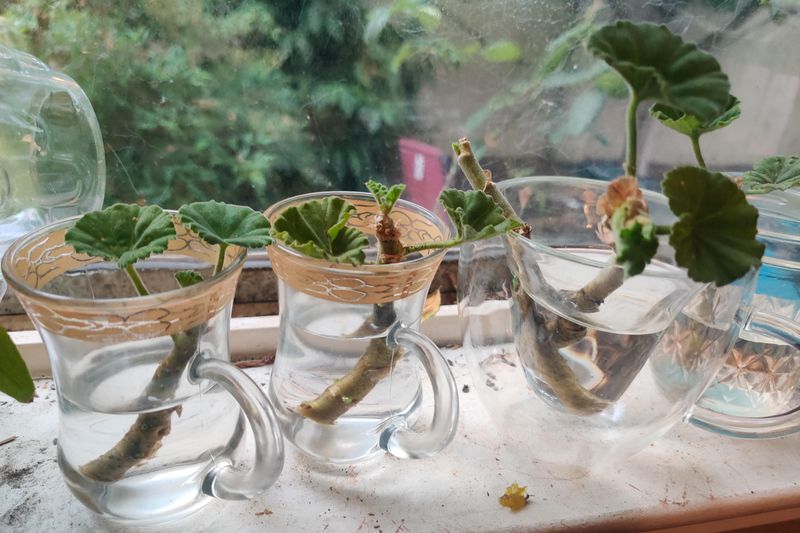
Grandma probably kept a geranium blooming in her kitchen window all winter. You can carry on that cheerful tradition with a few simple snips.
Choose a healthy stem about 4 to 6 inches long. Pass over any stem carrying flowers, since buds steal energy from new roots.
Cut just below a leaf node using clean, sharp pruners. Dull blades crush stems and invite trouble later.
Remove the lower leaves, keeping only a few at the top. Pinch off any blooms or buds you find too.
Many gardeners let cuttings sit out for a few hours first. A dry, sealed end helps prevent stem rot in soil.
Geraniums can root in water, but soil usually works better. Plants started in soil tend to grow sturdier roots for the long haul.
Fill small pots with a light, well-draining mix or seed-starting blend. Push each cutting in so at least two nodes sit below the surface.
Your New York Garden Changes Every Week. Your Plan Should Too.
Gardening in New York changes quickly throughout the season. Every Friday you’ll receive a simple weekly plan showing exactly what to plant, prune, fertilize, harvest, and protect so you never miss the right timing.
Keep the soil lightly moist but never soggy. Rooting hormone can help, though many geraniums root fine without it.
Patience pays off here. Roots usually form in 4 to 8 weeks, which is slower than coleus.
A bright, sunny windowsill suits these plants perfectly. Even in a dim winter, they often push out a few red or pink blooms.
Bonus tip: rub a leaf between your fingers. That spicy, lemony scent is a small gift on a cold morning.
Wax Begonias That Fill In Fast
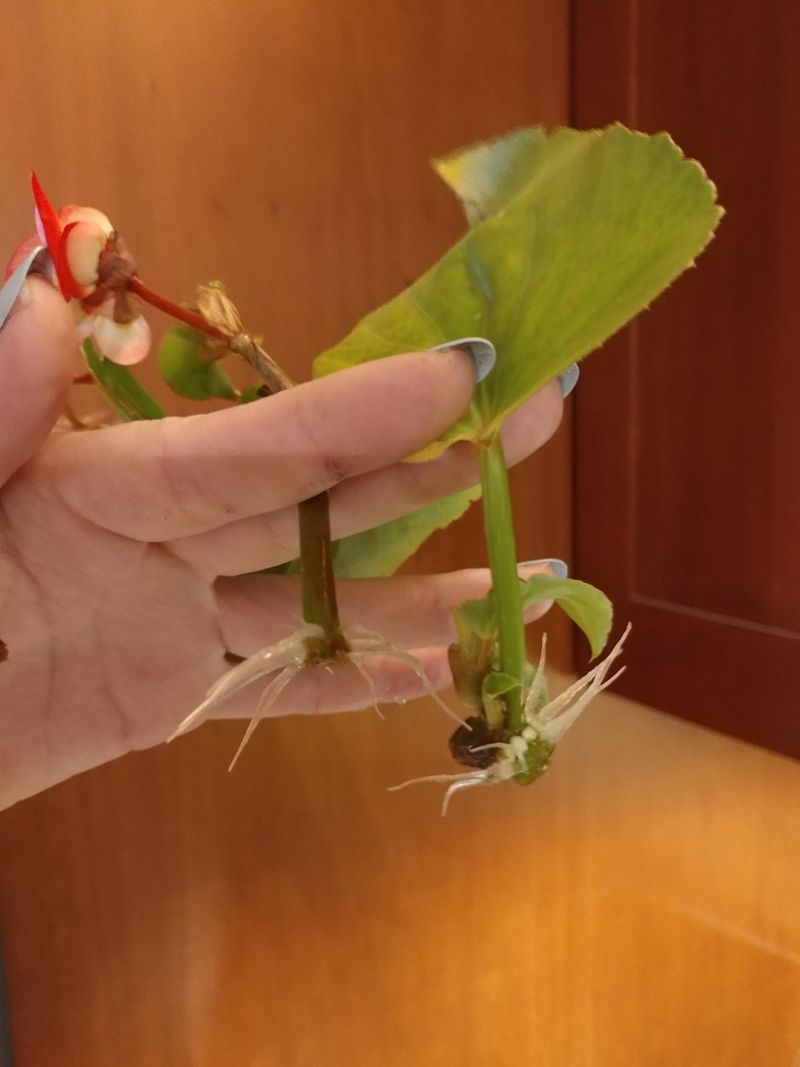
Glossy, tough, and a little bit stubborn, wax begonias shrug off neglect. Their cuttings root so easily you may end up with extras for friends.
Late summer into early fall is ideal for taking cuttings to overwinter. Pick a soft, non-woody stem tip about 3 to 4 inches long.
Cut cleanly just below a leaf node. Then strip the leaves from the bottom half of the stem.
Leave only two or three leaves at the very top. Snap off any flowers or buds so the plant focuses on roots.
Here is the fun part: you get to choose your method. Wax begonias root happily in water or in soil.
For water, place the bare stem in a jar with no leaves submerged. Change the water every few days to keep it clear.
For soil, use a light, porous potting mix. Keep it damp but not soaking wet.
Either way, bright, indirect light works best. Room temperatures between 60 and 75 degrees keep growth steady.
Roots often show up in two to three weeks. Unlike some annuals, wax begonias do not go dormant indoors.
That makes them great houseplants through a long winter. Water when the top feels dry and feed lightly every few weeks.
If you bring a parent plant inside too, ease it in slowly. Give it a week or two in shade first, so leaves adjust to lower light.
Impatiens For Easy Indoor Color
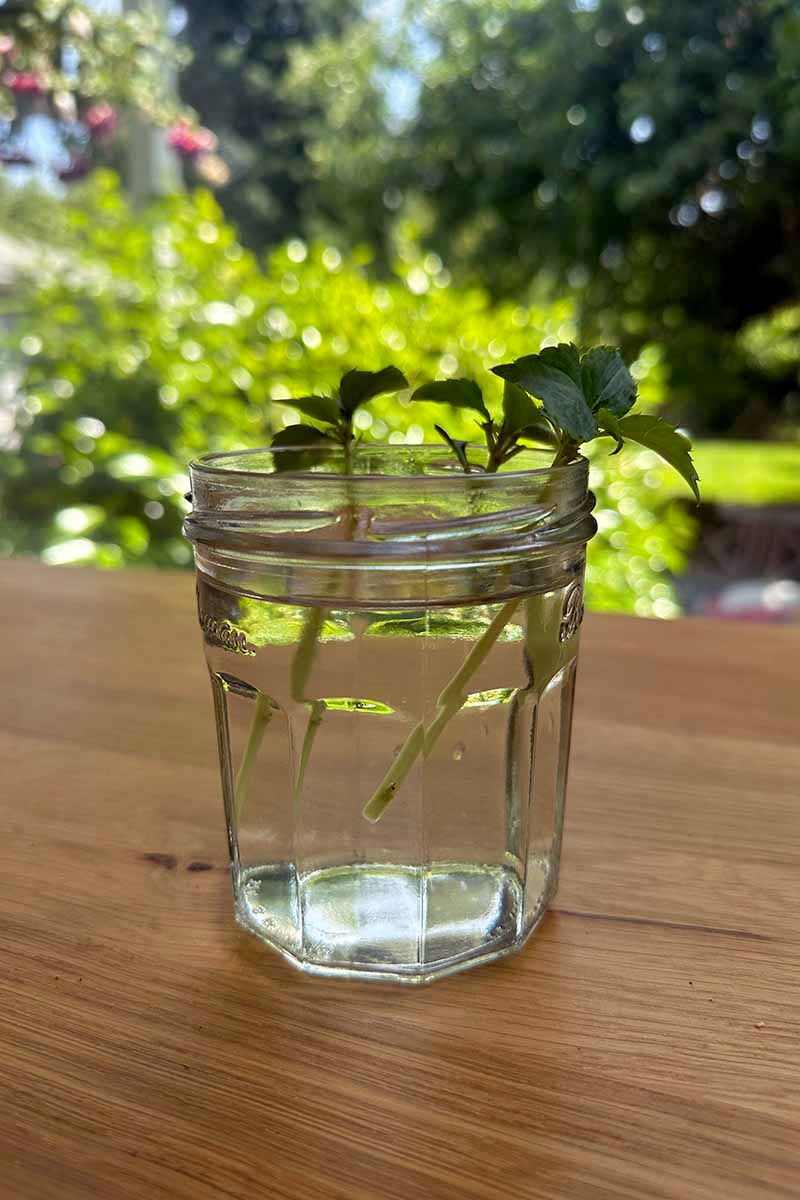
Imagine pink and coral flowers glowing on your desk while sleet taps the window. Impatiens make that dream surprisingly easy.
Their juicy stems are packed with water, which helps them root fast. You can take cuttings while the plant is actively growing, but taking them before frost is the smart move.
Select a healthy stem section about 3 to 6 inches long. Skip stems loaded with flowers.
Make a clean cut just below a leaf node. Pull off the lower leaves, leaving two or three on top.
Pinch away any blooms or buds too. It feels a little sad, but roots grow faster without them.
Water rooting is the simplest path. Drop the stem in a glass so the nodes sit underwater.
Refresh the water at least once a week. Swap it sooner if it turns cloudy.
Prefer soil instead? Use a rich, well-drained mix, or try perlite or vermiculite, and keep it evenly damp.
A warm spot with bright, indirect light helps things along. Roots usually form in two to four weeks.
Once rooted, move your plants into slightly bigger pots. Impatiens grow nicely under simple fluorescent or LED shop lights.
Did you know? The name impatiens comes from its seed pods, which burst open when touched.
Kids love poking them in summer.
On the darkest days, a pot of blooms feels like a small vacation. And it all started with one stem.
Fuchsias Before Cold Nights Hit
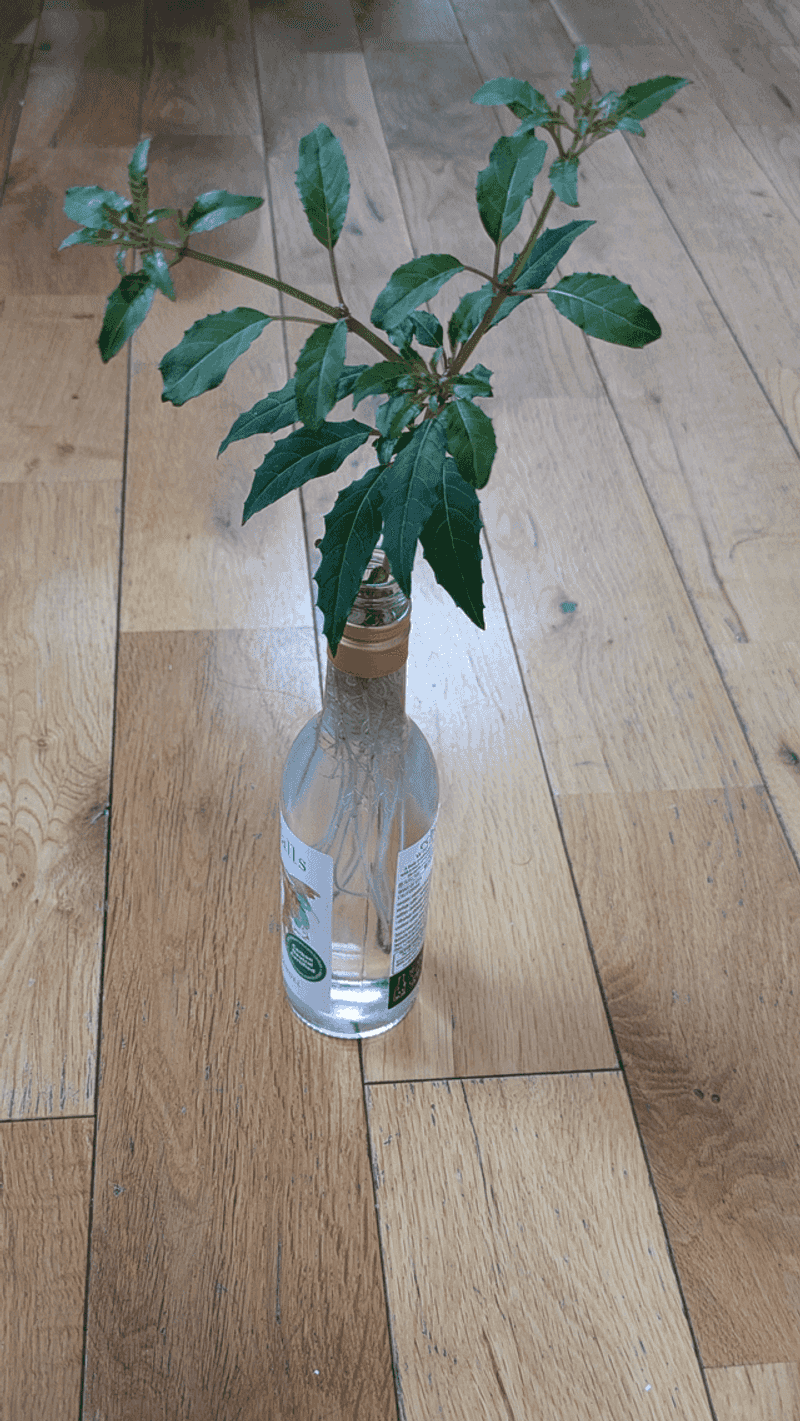
Dangling like tiny ballerinas, fuchsia flowers steal the show on porches all summer. Sadly, they are highly sensitive to freezing temperatures.
In many parts of New York, fuchsias grow as tender annuals. Taking cuttings now saves your favorite colors before a hard frost arrives.
Look for soft, non-flowering shoots about 2 to 5 inches long. Avoid woody stems, since they rarely root well.
Cut cleanly just below a leaf node. Remove the lower leaves, keeping two or three sets at the top.
Water rooting works well for fuchsias. Keep every leaf above the waterline to prevent rot.
You can also use a moist, well-drained mix. Sand, perlite, vermiculite, peat moss, or sterile soil all do the job.
Rooting hormone is optional but may boost success. Place cuttings somewhere warm with bright, indirect light.
Expect roots in about three to four weeks. Pot them up once they look sturdy.
Now for the parent plant hanging on your porch. You have two winter options.
First, let it rest in a cool, dark, frost-free basement. Water lightly so roots stay barely moist.
Second, keep it growing in a bright window. Trim it back by about one-third in fall to keep it tidy.
Either way, soggy soil is the enemy. Light, occasional watering keeps fuchsias happy until spring returns.
Sweet Potato Vine For Trailing Foliage
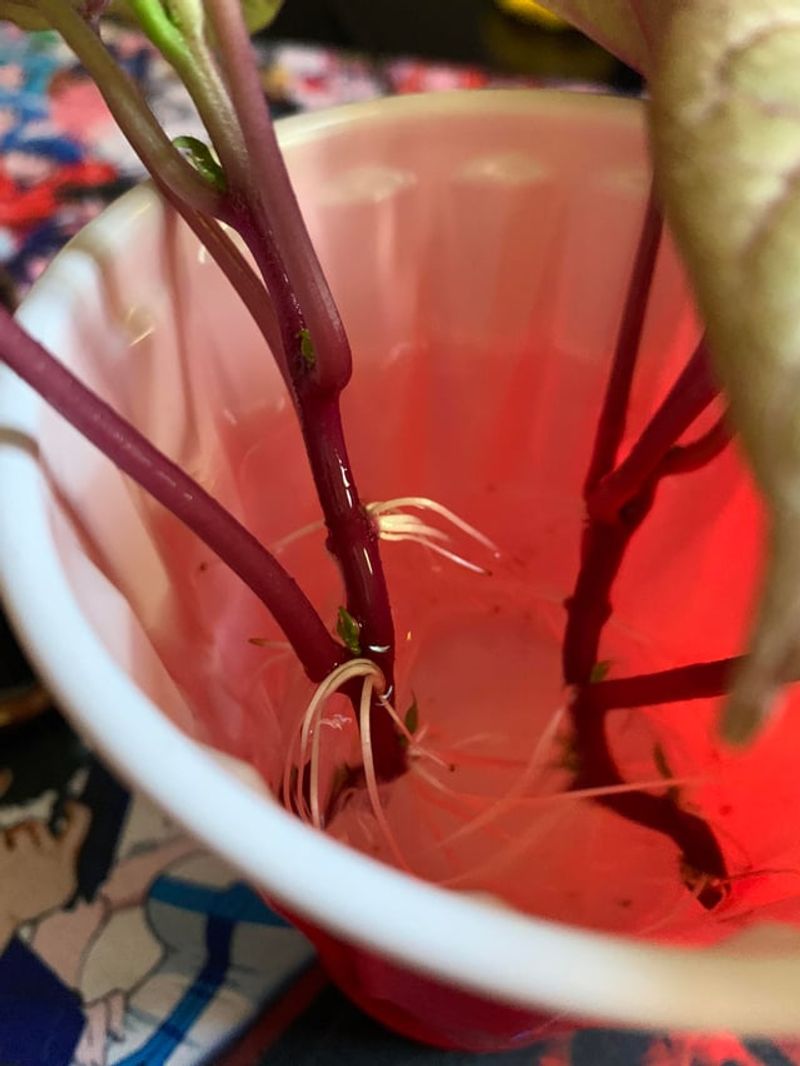
Ever watched a sweet potato vine spill out of a window box like lime-green lava? That trailing drama does not have to end with the season.
These vines might be the easiest cuttings on this list. Some gardeners joke that they root if you just look at them.
Cut healthy sections about 6 to 8 inches long. Make each cut just below a leaf node.
Next, pinch off every leaf along the bottom 4 inches. Roots will sprout right from those bare nodes.
Mason jars or old drinking glasses work great. Fill them with room-temperature water and add your stems.
Replace the water every few days to keep it fresh. Stale water can turn smelly and slimy.
Within about a week, roots often start showing. Wait until they reach at least 3 inches before planting.
Plant rooted vines in moist, well-draining potting soil. Bury the rooted nodes completely.
Here is a quirky bit: ornamental sweet potato vines are related to the sweet potatoes you eat. Their tubers are edible but taste pretty bland.
Indoors, these vines look lovely trailing off a bookshelf. They can brighten a living room right through February.
Keep an eye out for small flies near the soil. Letting the top inch dry between waterings helps keep them away.
Lantana For Next Summer’s Butterflies
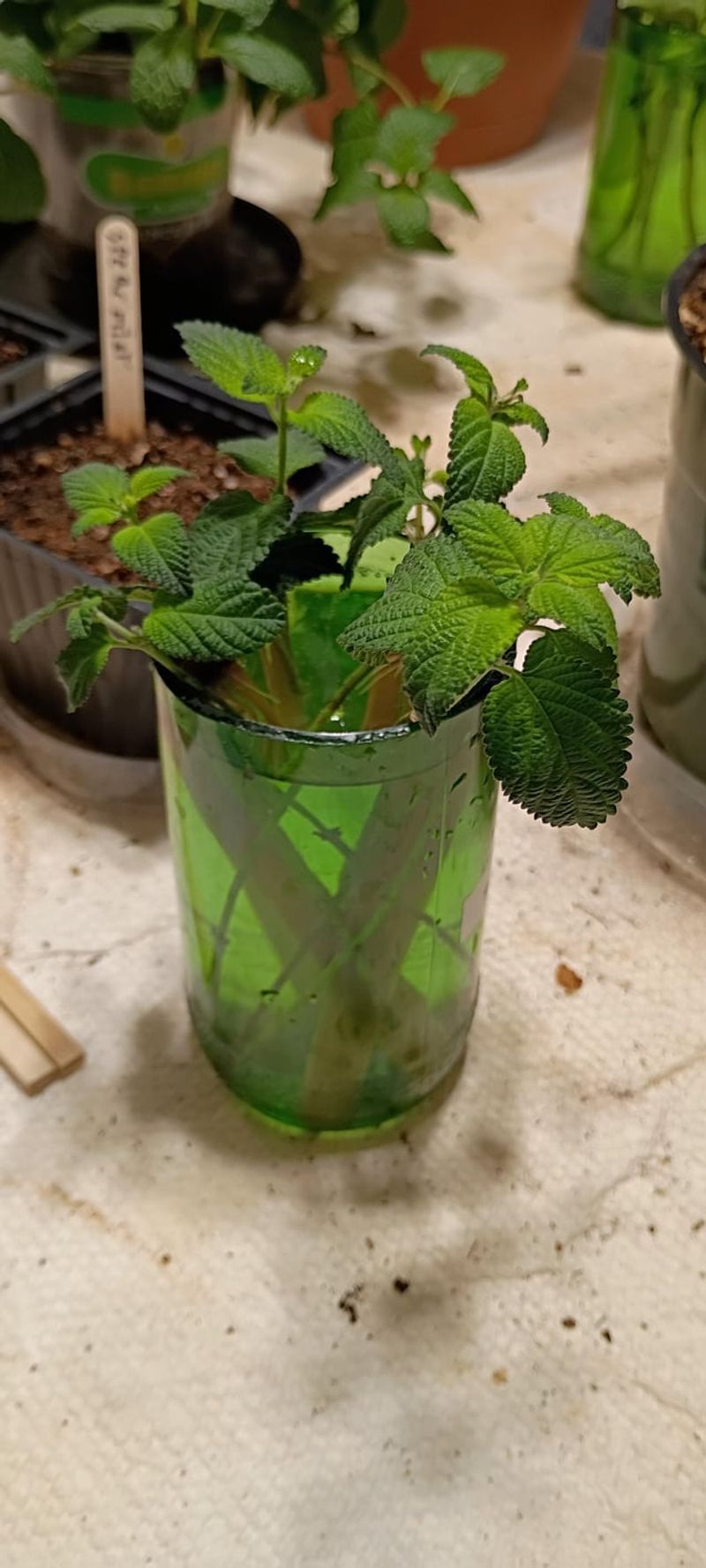
Butterflies treat lantana like a candy store. Save a few cuttings now, and next summer’s flutter party is already planned.
Late summer or early fall, well before frost, is prime time. Choose healthy, non-blooming stem tips about 4 inches long.
Stems without flower buds tend to root most reliably. So go for the plain green shoots, even if they look less exciting.
Strip off all the lower leaves. Dipping the cut end in rooting hormone often improves your odds.
Lantana likes a sterile, airy rooting mix. Perlite with peat moss works well, as does sharp sand with vermiculite.
Water rooting is possible too, though soil is more common. Set your cuttings in bright, indirect light.
Lantana cannot handle frost at all. Bring plants inside before the first freezing night hits your part of New York.
You have two ways to keep the parent plant. Store it dormant in a cool, dark spot between 40 and 50 degrees.
Or grow it as a houseplant in a bright, sunny window. Either choice works if you plan ahead.
For dormancy, slowly cut back watering in late summer. Stop feeding at the same time.
Give plants about a week in lower light before moving them in. That short adjustment period cuts down on leaf drop.
One caution: lantana berries can be toxic to pets. Keep indoor pots out of reach of curious cats and dogs.
Polka Dot Plant For Splashy Leaves
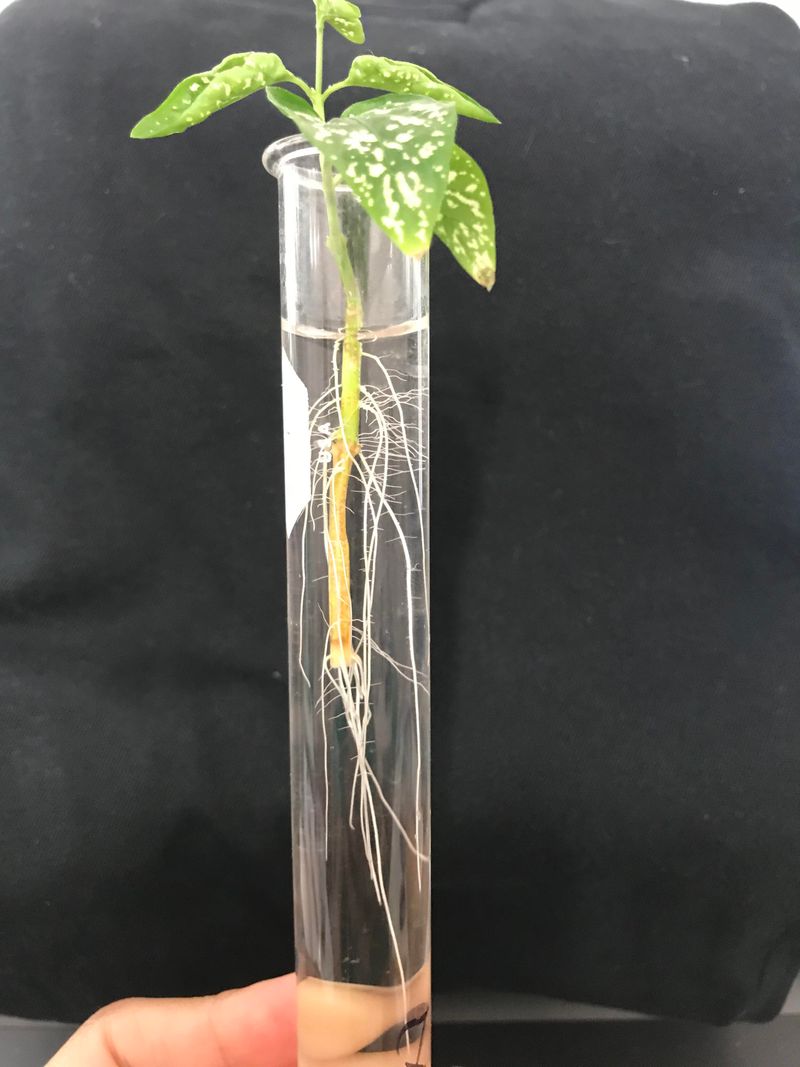
Some plants look like someone flicked a paintbrush at them. The polka dot plant is the champion of that splashy, speckled style.
Its pink, red, or white freckles add instant fun to any room. Better yet, cuttings root quickly in plain water.
Spring and summer give the fastest results. Still, early fall is a great time to secure plants for winter.
Pick a healthy, non-flowering tip about 4 to 6 inches long. Make your cut just above a set of leaves.
Remove the lower leaves, keeping only the top set. Pinch off any small flower buds too.
Narrow glasses or old bud vases work well here. They hold stems upright and keep leaves dry.
Set your glass in a warm, bright spot with indirect light. Change the water every few days, especially if it turns cloudy.
Roots usually appear in 1 to 3 weeks. Some eager cuttings sprout in just 7 to 10 days.
Wait until roots reach 2 to 3 inches long. Then move each cutting into a 3 to 4 inch pot with houseplant mix.
Place it so the leaf base sits just above the soil. That trick encourages a fuller, bushier shape.
Pinch the tips every few weeks indoors. Plants get leggy fast without a little trim.
During long New York winters, those cheerful dots feel like confetti. Grow a few colors and mix them in one pot.
Petunias From Healthy, Non-Flowering Tips
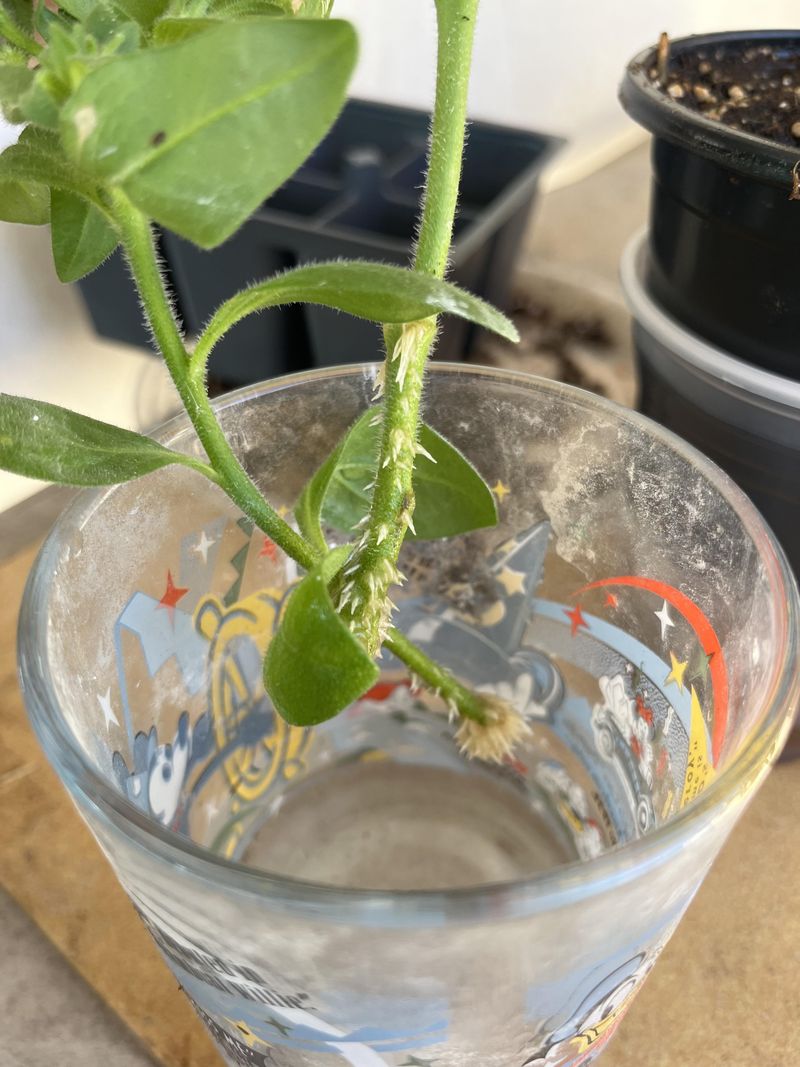
Petunias seem like the cheap, everyday flower at the garden center. But that fancy trailing variety you loved might be worth saving.
Many New York gardeners do not realize petunias root easily from cuttings. A few snips now can mean free plants next spring.
Late summer or early fall works best for overwintering. Earlier summer cuttings can fill extra pots outdoors.
The key is fresh, soft growth. Old, woody stems usually refuse to cooperate.
Choose stem tips about 3 to 6 inches long. Cut just below a leaf node, where new roots will form.
Remove all flowers, buds, and lower leaves. Leave just a few leaves at the top.
For water rooting, use shallow water so only the nodes sit below. Keep upper stems and leaves dry.
Soil fans can use moist seed starter or a mix heavy on perlite. Rooting hormone is optional for petunias.
Place cuttings in bright, indirect light. In soil, roots can form in just 1 to 2 weeks.
Plan on 5 to 6 weeks before plants are ready for transplanting. Some patience now pays off later.
Indoors, grow lights or filtered window light keep them going. Pinch stems back to prevent stretching.
Fun fact: petunias are cousins of tomatoes and peppers. By spring, you will have a tray of bloom-ready plants waiting.