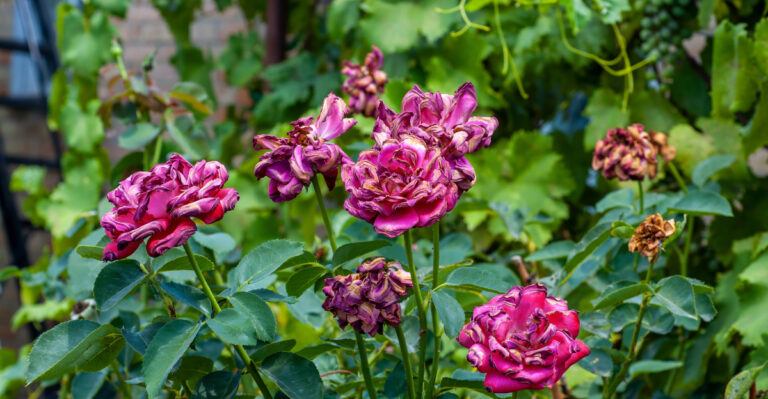
This Native California Shrub Is Replacing Roach-Friendly Foundation Plants Across The State
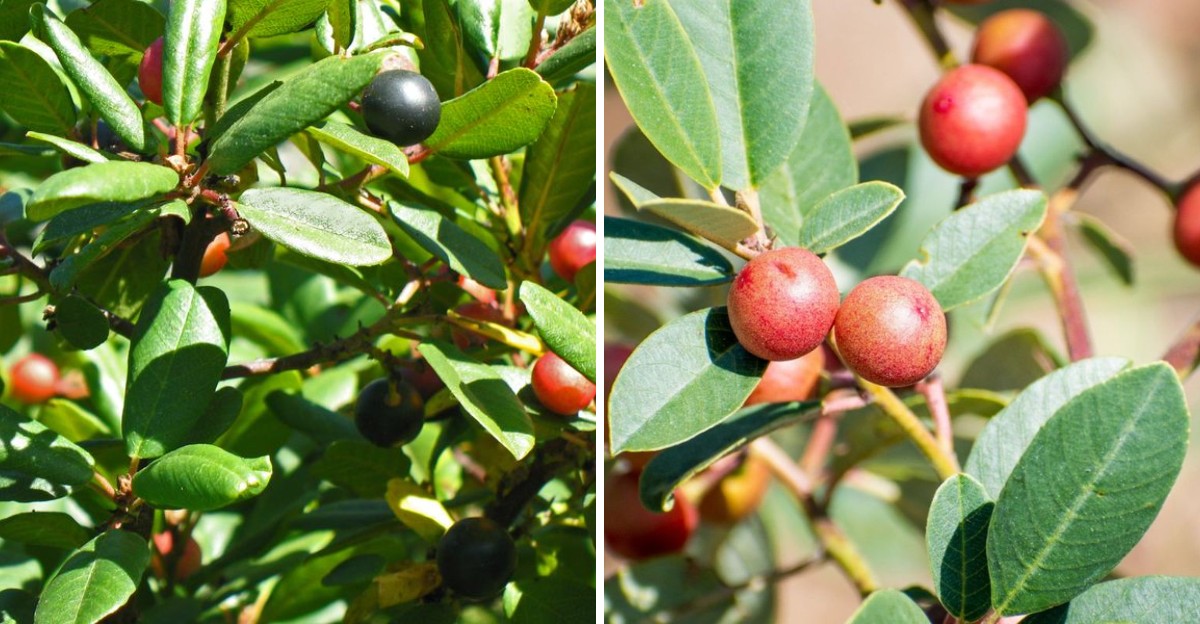
Foundation plantings across California are getting a second look. Many older yards still carry thick hedges and groundcovers pressed tight against the house, planted decades ago when water seemed plentiful.
Those plantings often stay damp and shaded underneath, and that hidden environment can attract more than just admiration.
A tough, evergreen native shrub has been earning a place in many of those spots. It asks for little water once established, handles California’s dry summers with ease, and brings a few surprising perks along with it.
Guidance from UC IPM, the California Native Plant Society, and CAL FIRE helps explain why this swap makes sense and how to plant it for the best results.
Coffeeberry Takes Over From Thirsty Foundation Shrubs
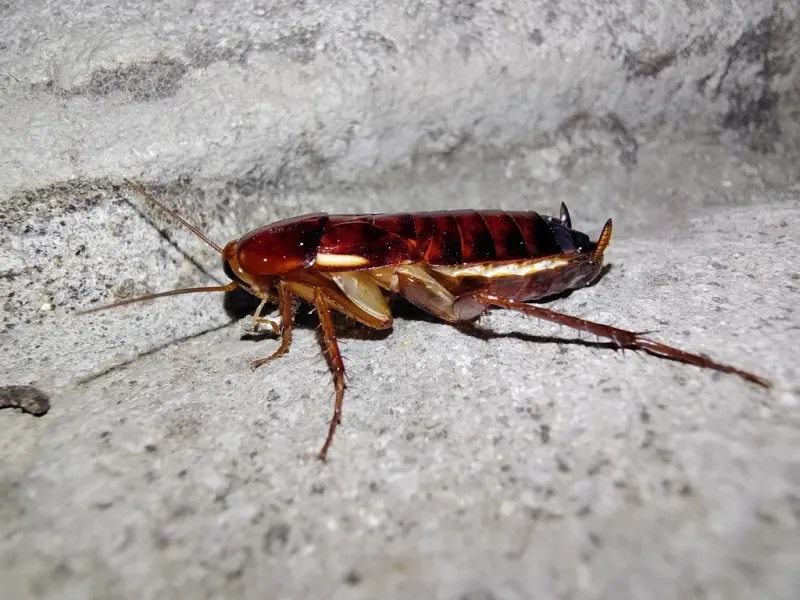
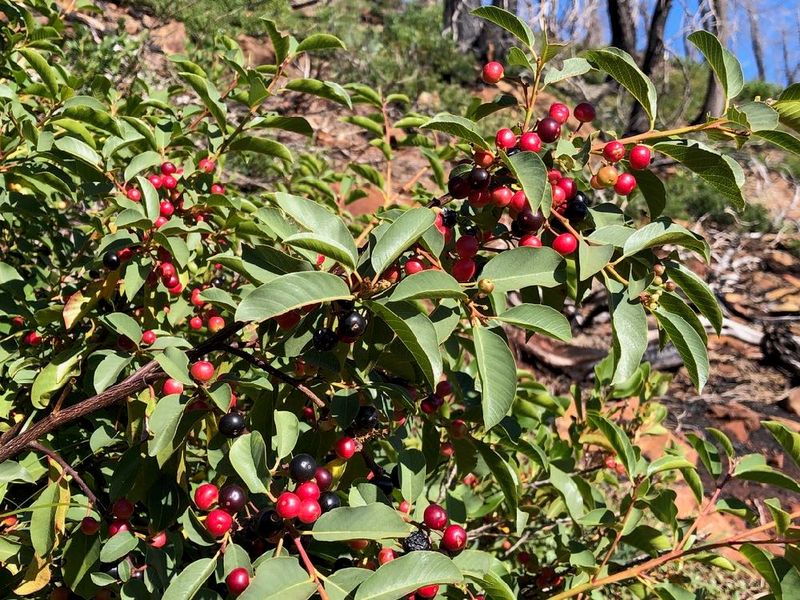
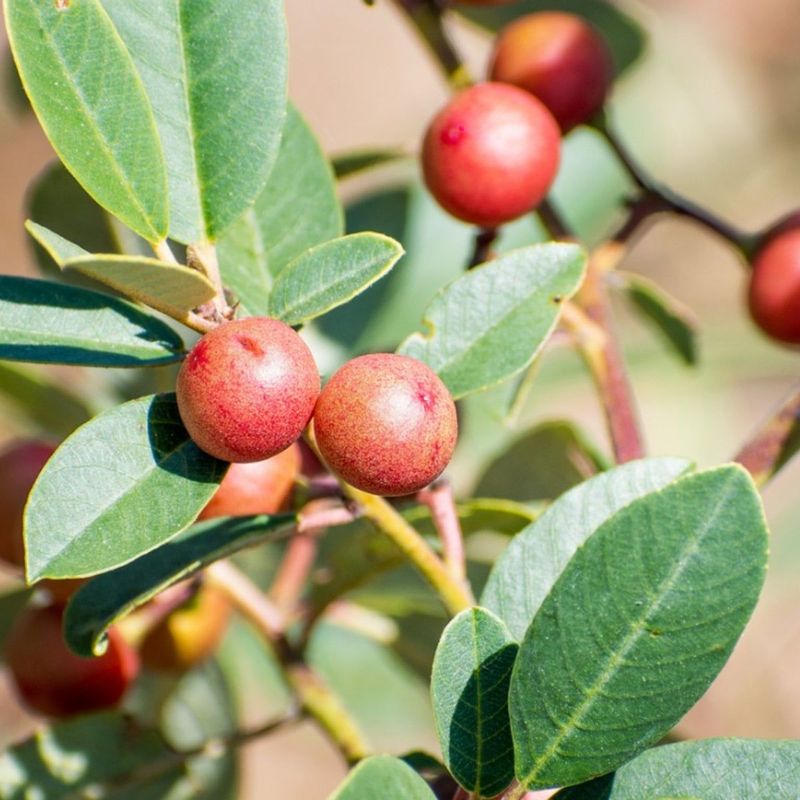
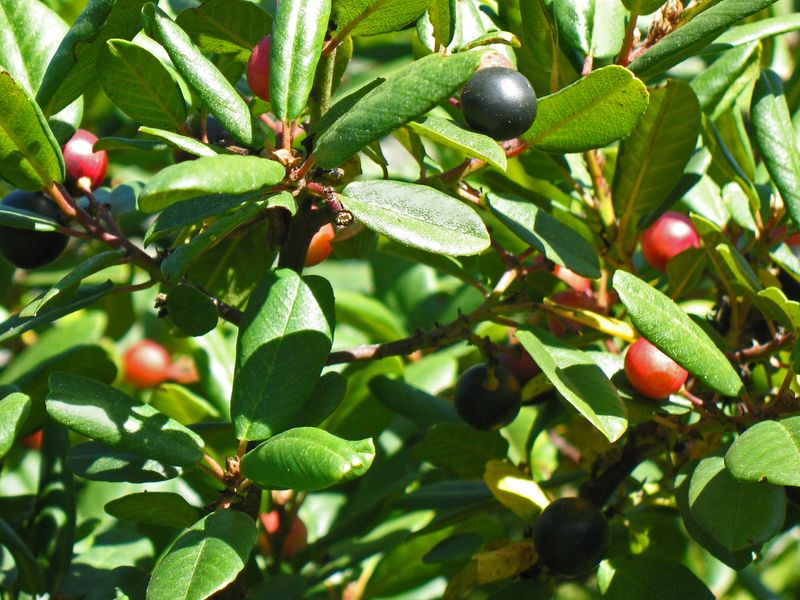
Berries that start green, blush red, and ripen almost black give this native shrub its name. They resemble coffee beans, though brewing them is best skipped, while birds find them delicious.
Coffeeberry grows naturally across much of California, from coastal hills to foothill chaparral. Botanists now place it in the genus Frangula, though older tags may still list it as Rhamnus.
The California Native Plant Society describes it as an evergreen shrub that handles summer drought once its roots settle in. That toughness explains much of its rising appeal in water-wise gardens.
Many homeowners are pulling out tired junipers, ivy, and thirsty hedges along the house, especially in older neighborhoods. Coffeeberry has become a popular pick for those freshly cleared spaces.
The appeal goes beyond looks. Thick, heavily watered foundation plants often keep soil damp and shaded, creating the moist shelter that outdoor cockroaches seek.
A drought-tolerant shrub on a lighter watering schedule helps shift that balance. Drier soil near the house means fewer cozy pockets for roaches and other moisture-loving pests.
Glossy green leaves stay on year round, so the foundation keeps its structure without a bare winter gap. Native nurseries across the state carry it in several sizes and forms.
Turf replacement rebates and water-wise landscaping programs have also pushed more native shrubs into California yards. Coffeeberry fits neatly into that movement as a hardworking, low-fuss foundation choice.
Old Foundation Favorites Hold Damp Shelter
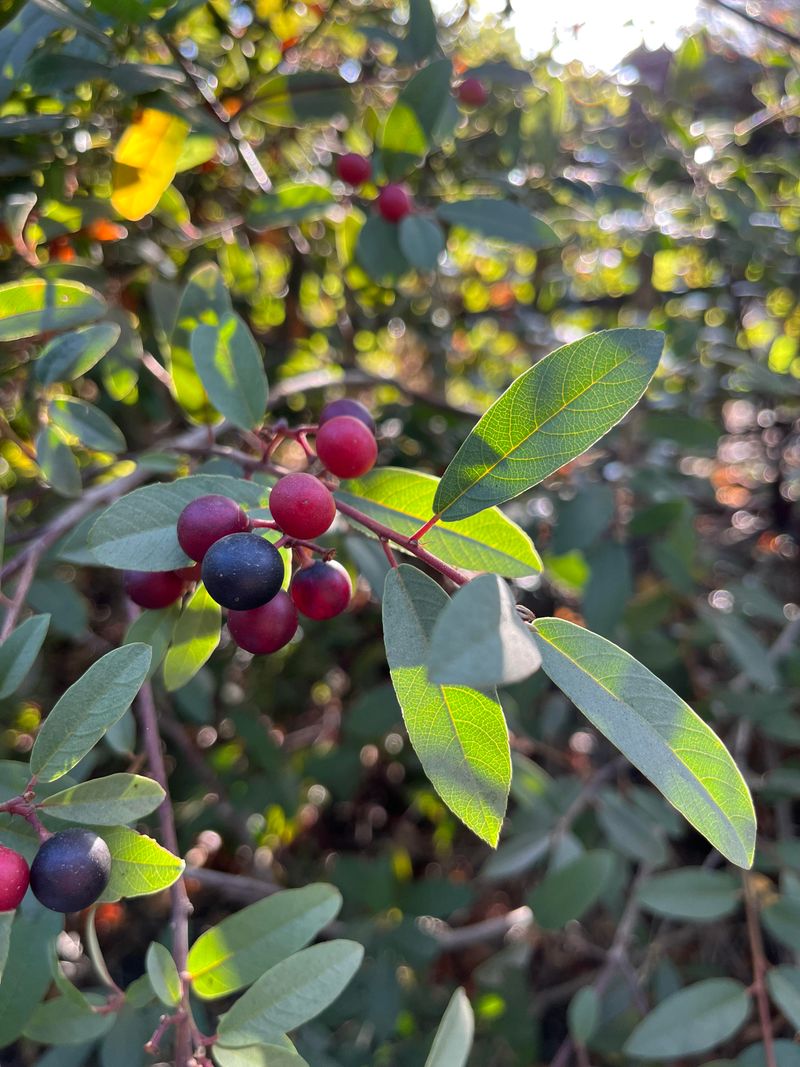
A thick hedge pressed tight against a stucco wall feels noticeably cooler and stickier inside on a hot afternoon. That pocket of humid shade suits many pests perfectly.
Old-school foundation plantings often packed junipers, ivy, or boxwood right up to the house. Over the years, branches knit together and block sunlight and breeze.
Sprinkler water drips down with nowhere to dry, so the soil stays soft and damp for days. That combination creates an ideal roach hideout.
Roaches, earwigs, sowbugs, and ants all appreciate the setup. The plants provide a roof, the wet soil offers a drink, and the wall becomes a highway to cracks and vents.
UC IPM advises reducing this kind of harborage near buildings. Outdoor species like American, Oriental, and Turkestan roaches thrive in exactly these moist, sheltered spots.
Constant dampness can cause other trouble, too. It can stain stucco, encourage rot in wood trim, and hide problems like termite tubes until they grow serious.
Your California Garden Changes Every Week. Your Plan Should Too.
Gardening in California changes quickly throughout the season. Every Friday you’ll receive a simple weekly plan showing exactly what to plant, prune, fertilize, harvest, and protect so you never miss the right timing.
Ivy deserves special mention, since its dense mats trap leaf litter and moisture at ground level. Rodents and insects often move in quickly once the mat thickens.
Swapping these plantings for a drought-tolerant shrub changes the whole picture. Coffeeberry’s lighter water needs and tidy growth make it a natural fit for the cleared space.
The house gets room to breathe, and pests lose a cozy hotel with free water service.
Low Water Needs Keep Soil Drier

A foundation bed watered every day stays damp almost constantly. A bed watered deeply every few weeks spends most of its time pleasantly dry.
That difference matters a great deal for pest pressure near the house. Moisture ranks at the top of the list of what outdoor roaches seek.
Established coffeeberry thrives on occasional deep watering, and many plants in coastal areas need little or no summer water at all. Inland gardens may call for a deep soak every few weeks during heat.
The first year or two looks different. Young plants need regular watering while roots spread, so a steady schedule helps them settle in.
Once established, the shrub actually prefers drier conditions. Frequent summer watering can stress its roots, so cutting back helps both the plant and the foundation.
Drip irrigation works well for this kind of schedule. It delivers water directly to the root zone without spraying walls or soaking surrounding soil.
A quick walk around the house helps, too. Dripping faucets, sprinklers aimed at the wall, and lingering puddles all add moisture that roaches appreciate.
UC IPM also suggests sealing cracks and gaps around doors, pipes, and vents. Combined with a drier planting bed, those steps leave roaches with far fewer reasons to linger.
Pet food left outside and open trash bins deserve attention as well. Feeding pets indoors and keeping lids tight removes an easy meal.
Selective Cuts Keep Branches Open
Dense branches that touch the ground create the shaded, humid pockets pests love. A shrub that accepts trimming gracefully makes those pockets much easier to manage.
Coffeeberry responds well to selective pruning. It can be thinned, shaped, and kept at a manageable size without losing its natural, rounded look.
Removing a few interior branches lets light reach the soil and air move through the canopy. That simple step helps the ground beneath dry out after watering.
Lifting the lowest branches a few inches off the soil helps, too. A small gap at the base reduces ground-level shelter and makes it easier to spot leaf buildup.
Late winter or early spring works well for heavier shaping. Light touch-up cuts can happen almost any time during the growing season.
Branches touching siding, windows, or the roof are best trimmed back. Contact with walls can rub paint, trap moisture, and give insects an easy bridge into the house.
Clean, sharp pruners make tidy cuts that heal quickly. Old, brittle, or crossing stems can come out whenever they appear.
Hard shearing into a tight box shape is best avoided, since it encourages a dense outer shell. A looser, natural form stays healthier and keeps the interior open.
A shrub with breathing room inside offers far fewer hiding places than a packed hedge. That airy structure also helps spot pests early, before they settle in.
Compact Selections Fit Spaces Near The House
In the wild, this shrub can sprawl into a bushy giant, sometimes reaching 8 to 15 feet tall. That size suits a hillside far better than the space beneath a bedroom window.
Nurseries now sell smaller selections suited to home gardens. ‘Eve Case’ ranks among the most popular, usually growing into a dense, rounded shrub around 4 to 8 feet tall and wide.
Other selections, such as ‘Mound San Bruno’ and ‘Seaview,’ stay lower and wider. Mature size varies with conditions, so a quick look at the nursery tag pays off.
A compact plant saves headaches later. A shrub that fits its spot needs less pruning and is less likely to push against walls or block windows.
It also avoids a common trap. A cute one-gallon pot can become a sprawling monster within five years when the mature size gets overlooked.
Full grown width matters more than nursery size. A selection that spreads 6 feet wide needs its center planted far enough out that the edges stay clear of the house.
That extra room keeps air moving and sunlight reaching the soil. Both help the foundation stay dry.
Pairing coffeeberry with partners that share its thirst level, like manzanita or California fuchsia, lets one watering schedule fit the whole bed.
Mixing thirsty lawn plants with drought-adapted natives often leads to soggy roots and struggling shrubs. A well-matched planting stays neat above ground and pleasantly dry below.
Spacing From The Wall Matters
A tape measure and five steps out from the house reveal an important strip of ground. Fire experts call that space Zone 0, the ember-resistant zone.
CAL FIRE and the Board of Forestry describe Zone 0 as the area within 5 feet of a structure. Wind-blown embers often ignite homes there, landing in mulch, dry leaves, or plants beside walls.
Guidance recommends hardscape such as gravel, pavers, or bare soil in this zone. Combustible plants and mulch work better farther out.
Rules for Zone 0 are still evolving. Formal regulations have been under development, and requirements may differ by location, especially in high fire hazard severity zones.
CAL FIRE or the local fire agency can confirm current rules for a specific area. Checking before planting saves trouble later.
That same bare, dry buffer also shrinks roach habitat. Without damp mulch, dense branches, or leaf piles against the wall, pests find fewer hiding places beside cracks and vents.
Coffeeberry fits beautifully just beyond that strip. Planted there, it still frames the house and softens the view while leaving the foundation clear.
Regular pruning, sparing water, and removal of spent leaves keep the shrub in good shape. Spots directly under eaves or windows are best avoided.
A clean band around the home might look plain at first, but it does double duty. Fire safety and pest control share the same tidy stripe, with coffeeberry standing guard just outside it.