The California Fall Vegetable That Can Go From Seed To Harvest Before Almost Everything Else
Fall gardens in California tend to reward patience. Broccoli, garlic, and cabbage take their sweet time, leaving many beds looking quiet for weeks.
One crop breaks that pattern in a big way. It sprouts in days, fits into the smallest gaps, and can reach the kitchen while slower neighbors are still finding their footing.
Cool fall soil suits it perfectly, though the ideal sowing window shifts from coast to valley to desert to mountains.
A few simple habits make the difference between a crisp, satisfying harvest and a disappointing row.
Guidance from UC ANR helps explain how this speedy vegetable grows so fast and how to keep a steady supply coming all season.
Meet The Radish, The Speed Champion
In a backyard vegetable race, carrots would still be tying their shoes while cabbage stretched at the starting line. The radish would already be crossing the finish.
Few garden crops move this fast from seed packet to salad bowl. Radishes belong to the mustard family, a group full of slower relatives.
Broccoli, kale, and turnips all count as cousins. Small salad radishes, however, were bred for quick growth rather than size.
University of California garden guidance generally lists them among the fastest vegetables. Many varieties reach harvest in roughly three to five weeks.
Variety makes a big difference. Quick types like Cherry Belle or French Breakfast sit at the fast end of that range.
Bigger winter radishes, such as daikon, need much longer, often closer to two months. Choosing the right variety sets the stage for a speedy harvest.
The crop asks for very little in return. Loose soil, steady water, and about six hours of sun cover most of its needs.
Staking, pruning, and complicated feeding schedules aren’t part of the picture. A shallow pot or a narrow strip along a bed edge works just fine.
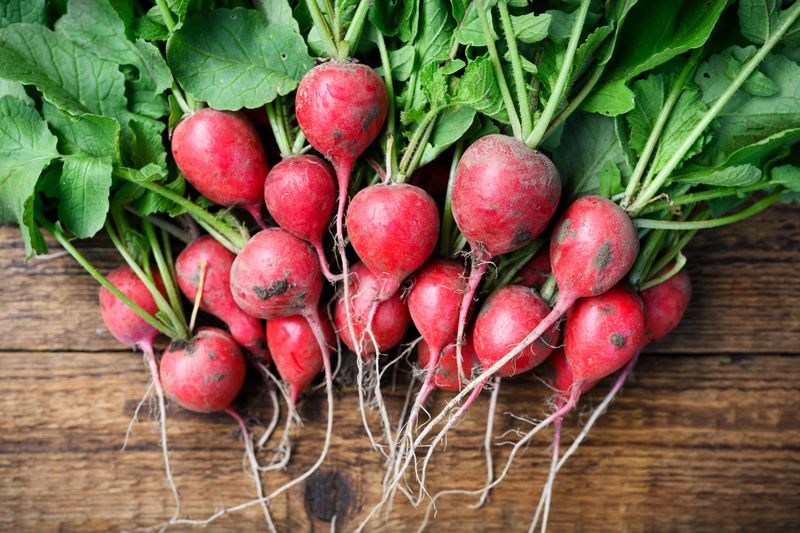
Radishes have a long history, too, grown in ancient Egypt before spreading across Europe and Asia. Today they come in white icicles, purple globes, and pink-centered watermelon types.
While the rest of the fall garden is still settling in, this warm-up act is already stealing the show.
Seeds Sprout In A Few Days
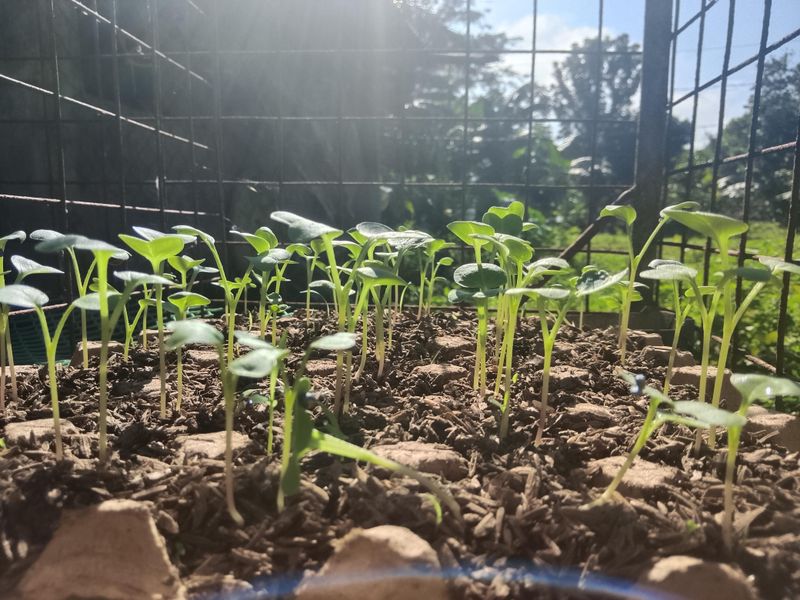
Tiny green leaves can pop through the soil almost before the watering can is put away. Radish seeds rank among the fastest-sprouting vegetable seeds around.
In warm, moist soil, they often germinate within three to seven days. Cooler soil slows things a little, though the wait remains fairly short.
Parsley and carrots, by comparison, can sulk underground for two weeks or more. That fast start gives gardeners a quick win.
Kids love it, and so do beginners looking for early proof that something is happening. Many gardeners even sprinkle radish seeds into slow carrot rows.
The radishes come up first and mark the row. They’re pulled well before the carrots need the extra room.
Seeds do best sown about half an inch deep and roughly an inch apart. Thinning seedlings later to one or two inches gives roots space to swell.
Your California Garden Changes Every Week. Your Plan Should Too.
Gardening in California changes quickly throughout the season. Every Friday you’ll receive a simple weekly plan showing exactly what to plant, prune, fertilize, harvest, and protect so you never miss the right timing.
Crowded radishes tend to grow leafy tops instead of plump roots. That makes a disappointing trade for anyone hoping for a crunchy bite.
Evenly damp soil helps seeds sprout smoothly. A crusty surface can trap tender seedlings, especially in the clay soils common across parts of the Central Valley.
A light layer of compost or fine mulch keeps the top soft and workable. Once the first heart-shaped leaves unfold, real growth kicks in.
From that point, the roots begin swelling at a remarkable pace.
Cool Fall Soil Suits Radish Well
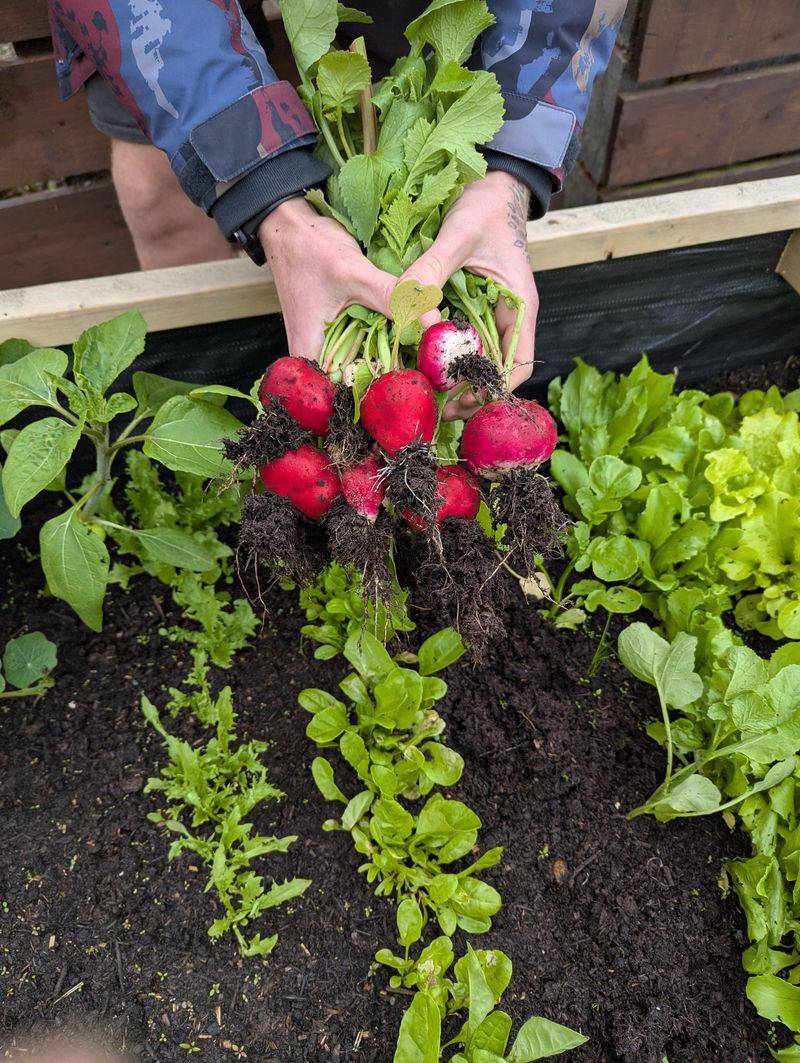
Summer heat is rough on radishes. A scorching July bed often leaves them hot, tough, or quick to flower, while fall tells a much kinder story.
Radish ranks as a classic cool-season crop. It grows best when air temperatures stay mild, roughly in the 50s to 60s Fahrenheit.
As California days shorten and nights cool, soil temperatures drop into a comfortable range. Roots swell evenly and stay crisp instead of stringy.
Heat causes two big problems. First, it can push plants to bolt, sending up a flower stalk that stops root development and leaves the texture pithy.
Second, heat sharpens the flavor and makes the texture woodier. A radish that bites back that hard rarely wins fans at the dinner table.
An inexpensive soil thermometer makes a smart tool here. Seeds can sprout in fairly cool soil, roughly 45 degrees and up, though germination speeds up in warmer soil.
Many gardeners wait until the worst late-summer heat breaks before fall sowing. That patience pays off in milder, crisper roots that hold their texture.
Steady moisture works hand in hand with cool soil. Dry spells followed by heavy soaking can crack roots open.
Deep, regular watering and a layer of mulch keep soil from swinging between soggy and dusty.
With good timing, fall soil acts like a cozy cellar, producing quick, mild, pleasantly crunchy radishes right up to harvest.
Harvest Often Arrives In About A Month
A pencil works better than a pen for marking radish harvest dates. Most small salad radishes are ready in roughly three to five weeks, yet weather and variety can nudge that timing either way.
Round red types often lead the pack. Some reach harvest size in about 25 to 30 days under good conditions.
Longer types like French Breakfast or White Icicle may take a little more time. Large daikon and other winter radishes run on a different schedule, often needing 50 to 70 days or more.
Seed packet numbers offer a helpful starting point rather than a promise. Those days to maturity assume ideal weather.
A chilly spell, cloudy weeks, or poor soil can add extra days. Checking the plants directly gives the most reliable answer.
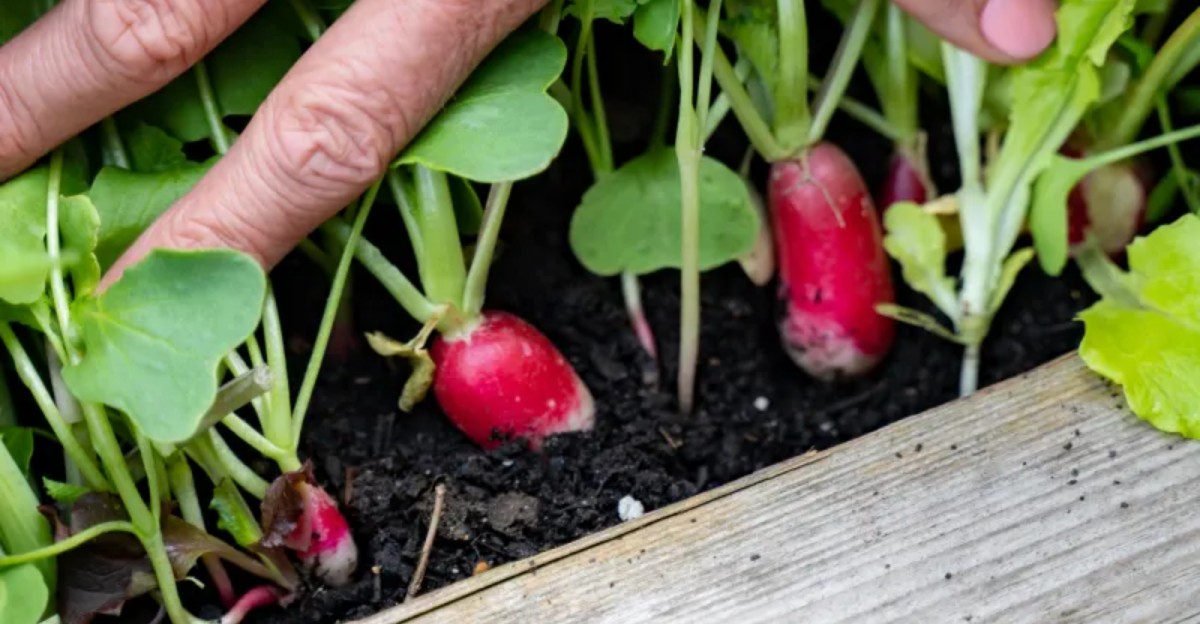
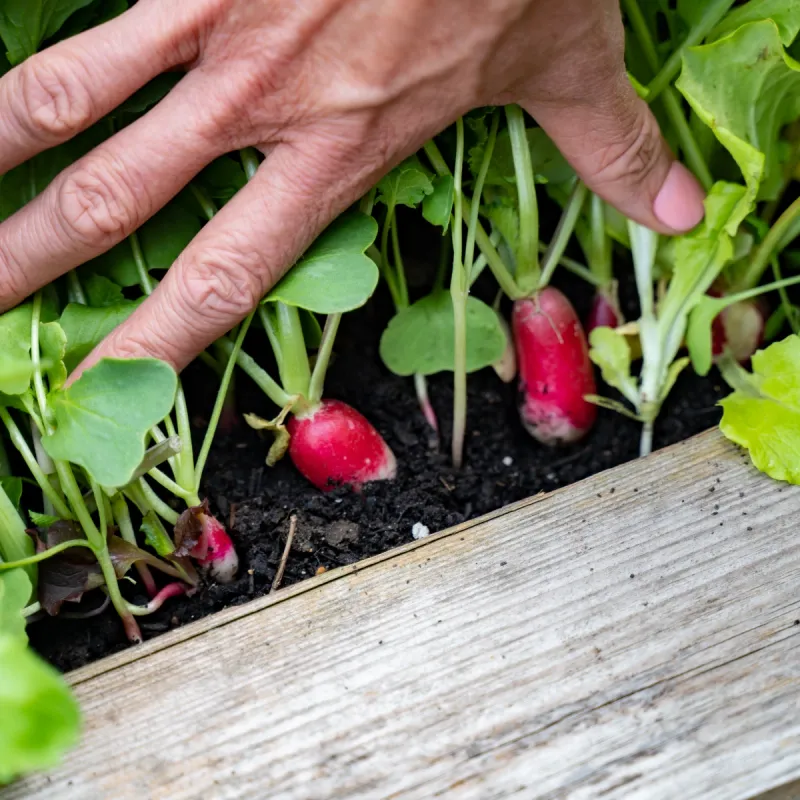
The base of the leaves holds the best clue. Many radishes push their shoulders slightly above the soil when mature.
Brushing a little dirt away reveals the size. Most round types taste best at around one inch across.
Radishes left in the ground past their prime can turn spongy, split, or harsh. Pulling one as a test and tasting it helps time the rest of the harvest, which is best gathered soon after.
Once pulled, trimmed roots keep well in the fridge for a week or two. The leaves are edible, too, and work nicely in soups or sauteed like other greens.
Sow In Small Batches For A Rolling Harvest
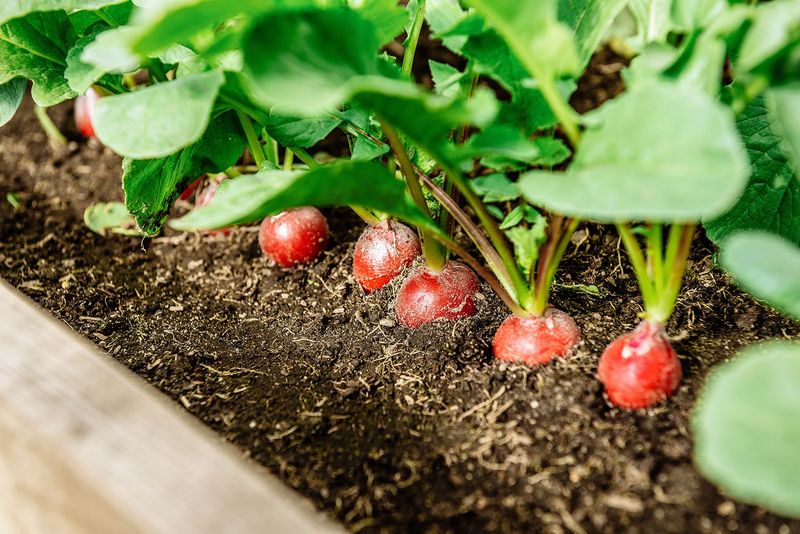
One packet, one weekend, and forty radishes all ready on the same Tuesday. That common beginner mistake usually ends with half the crop turning woody in the bed.
The solution is simple. Sowing a short row or small patch every one to two weeks keeps harvests spread out.
Each batch matures in turn, delivering a steady handful of fresh radishes rather than a sudden pile. Planning around household appetite helps set the right amount.
For many families, a two- or three-foot row covers a week of salads and snacks. Another sowing a week or so later keeps the supply rolling as long as weather stays cool enough.
Small batches also lower risk. A heat wave, a hungry bird, or a forgotten watering might set back one sowing.
The next batch is already coming along behind it, ready to fill the gap. That built-in backup takes the pressure off.
Labels help more than many people expect. A sowing date written on a craft stick and pushed into each row makes it easy to track which batch comes up first.
Mixing varieties adds extra fun. A round red type one week and a pink or purple variety the next brings more color to salads.
Over time, that mix also reveals which radishes suit both the garden and the household’s taste buds. The result works like a radish relay, with fresh crunch passed along every week.
Quick Growth Means Fewer Pest Problems
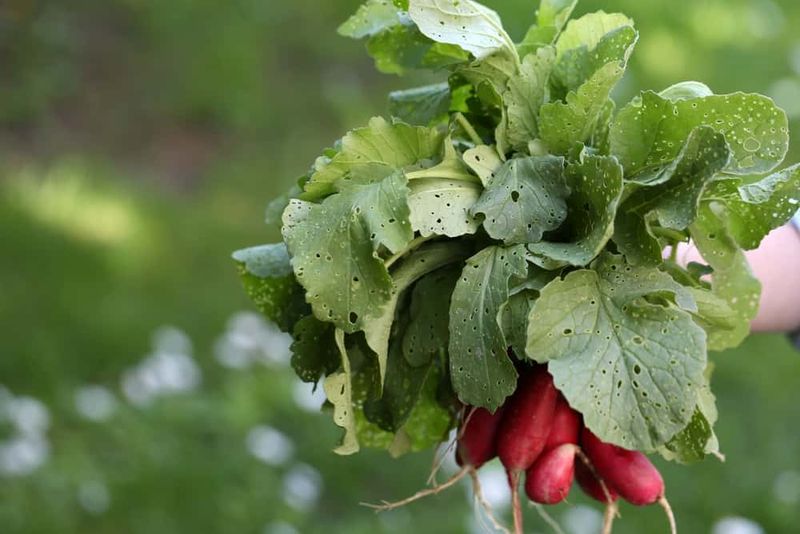
Some garden pests need time to find a crop and build up their numbers. Radishes often slip out of the ground before many of those problems get rolling.
A short life cycle offers a real advantage. A crop that stays in the soil for a month has fewer weeks of exposure than one that sits there all season.
Radishes still aren’t pest-proof, though. Flea beetles are the usual troublemakers, chewing small holes that leave leaves looking peppered with pinpricks.
Heavy feeding can stunt young seedlings. Aphids may also show up on the foliage now and then.
Underground, cabbage maggots can tunnel into roots. These pests target many mustard family crops, leaving brown trails or soft spots that spoil radishes for the table.
Floating row cover makes a smart, low-effort defense. This light fabric lets sun and water through while keeping many insects out.
Laid over the bed right after sowing, with edges sealed by soil or stones, it works best. Crop rotation helps, too.
Beds where broccoli, cabbage, or other relatives grew recently are best skipped for radishes. Moving crops around makes it harder for pests to settle in.
Snails and slugs can nibble seedlings, especially in damp coastal gardens. A quick check at dusk and some hand-picking keep them in line.
A little attention goes a long way with such a speedy crop. UC IPM Pest Notes cover each of these pests in helpful detail.