What It Really Means When Earthworms Show Up On Your North Carolina Driveway In October
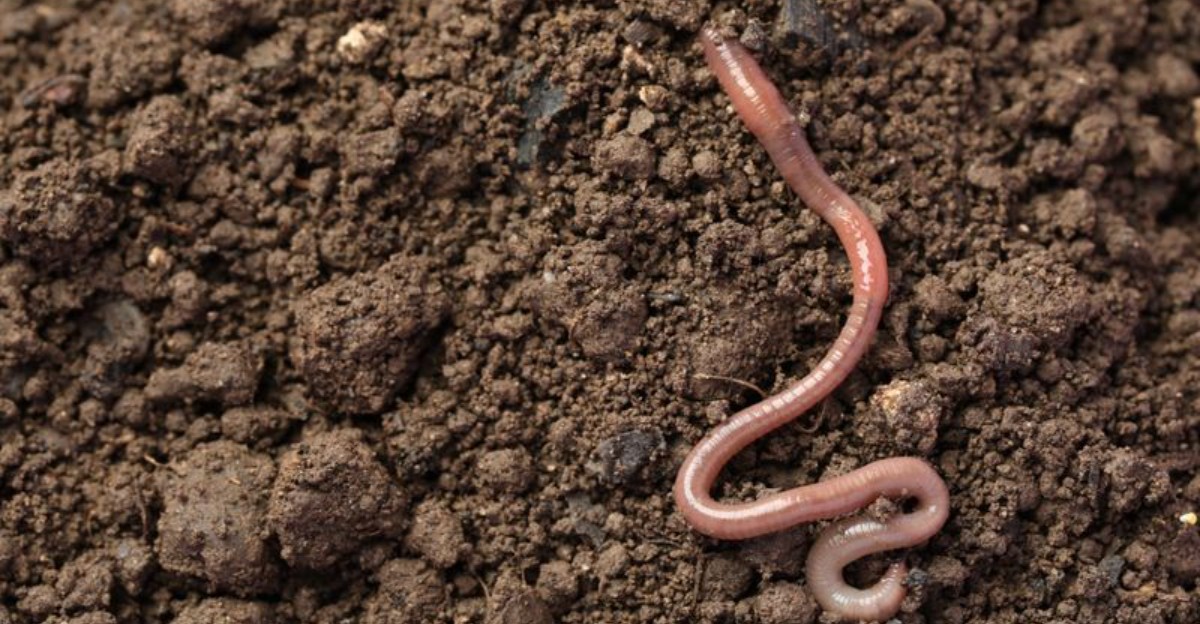
You step outside after a soaking rain and find earthworms stretched across the driveway. It looks strange, but it is perfectly normal. Heavy rain drives worms to the surface.
Scientists still debate exactly why, but waterlogged soil and easy travel on damp nights both seem to play a part. Many worms get stranded when the sun comes out. It does not mean your soil is unhealthy.
In fact, a lot of worms usually points to a lively, productive garden. Still, you may wonder whether to help them or leave them alone. A few simple facts make that decision easy.
They also explain why worms seem to appear in huge numbers on some mornings and not on others. It is one of fall’s quieter mysteries.
1. Heavy Rain Brought Them To The Surface
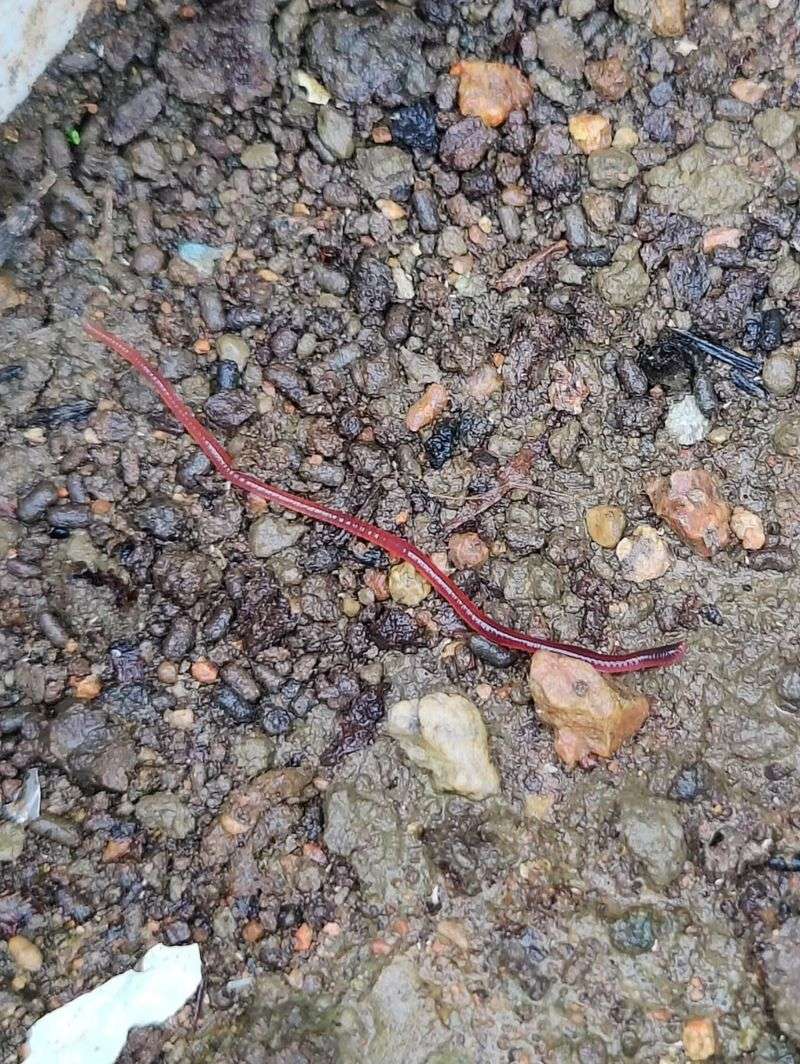
Last night’s storm left more than puddles behind. If your driveway is suddenly covered in worms, a soaking rain is almost always the reason. Earthworms on sidewalks, patios, and paved paths show up most often right after the ground gets drenched.
Here is what happens underground. When soil fills up with water, every tiny air pocket gets pushed out, and conditions in the worms’ tunnels change quickly.
Many worms respond by crawling up and out, and some wander onto concrete or asphalt where they get stuck once the rain stops.
Pavement is a tricky place for a worm. Their skin must stay moist so they can breathe, and a hard surface dries out fast when the sun comes back. Stranded worms can also struggle to find their way back to soft ground because the driveway gives them no clues.
You can lend a hand if you like. Grab a leaf or a small stick, gently scoop up any stranded worms, and set them in a garden bed or on the lawn. Early morning is the best time, before the pavement warms up.
Many worms will also find their own way back to the soil while everything is still wet, so there is no need to panic.
October rain in North Carolina can be heavy. Cold fronts sweep through in fall, and leftover tropical systems from hurricane season can drop several inches in a single day.
After a storm like that, a driveway full of worms is a normal sight and simply a sign that your yard just got a very deep drink.
2. Wet Surfaces Make It Easier To Travel
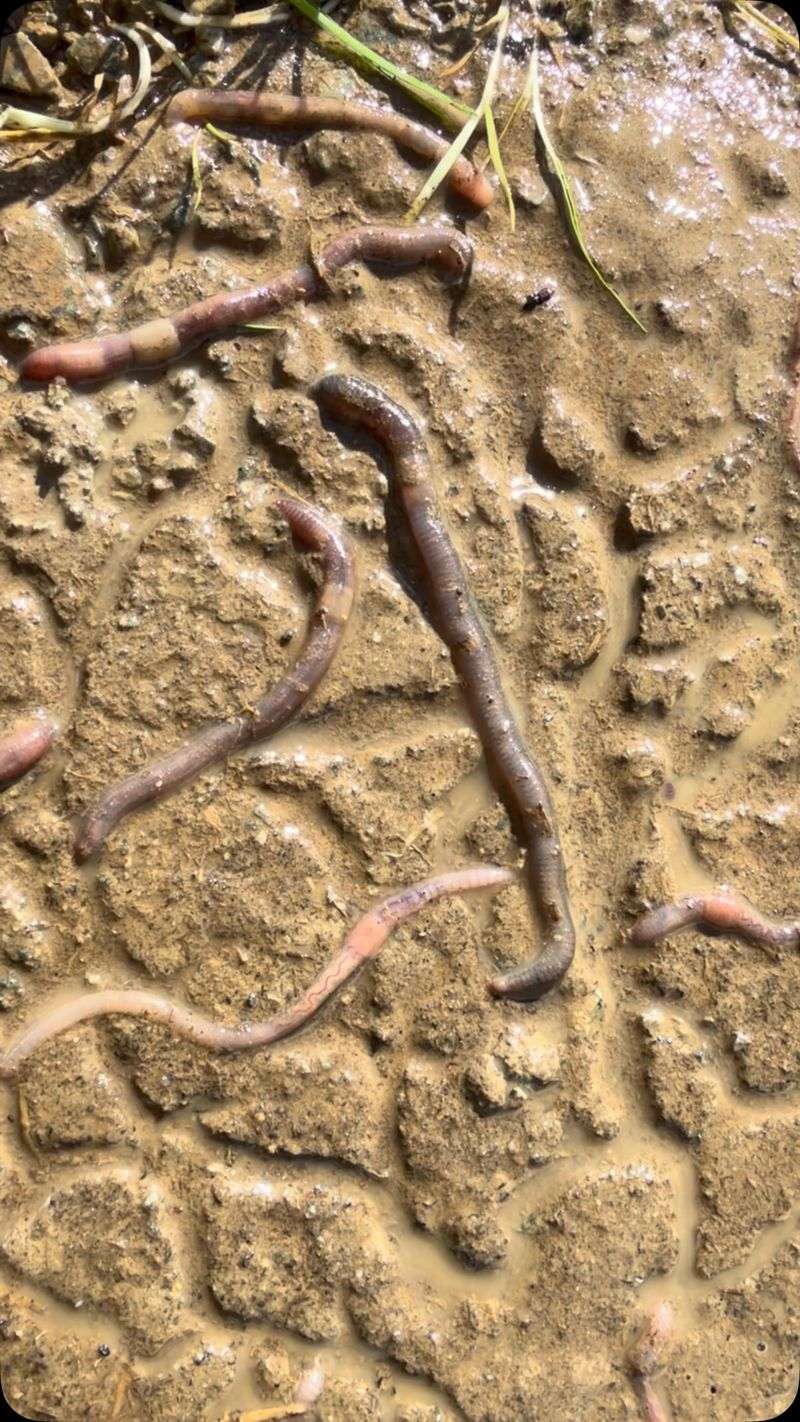
Think of a rainy night as a highway open for worm traffic. Normally, earthworms stay hidden underground because dry air pulls moisture right out of their skin. Rain changes that rule for a few precious hours.
Moving through soil is slow, hard work. A worm has to push, stretch, and squeeze its way through every inch of dirt. On a wet surface, it can glide along much faster and cover far more ground than it ever could while tunneling.
Many scientists believe this is one of the biggest reasons worms come out in the rain. The open, damp ground gives them a rare chance to travel. They may be searching for a fresh place to live, a spot with more food, or a mate.
Your North Carolina Garden Changes Every Week. Your Plan Should Too.
Gardening in North Carolina changes quickly throughout the season. Every Friday you’ll receive a simple weekly plan showing exactly what to plant, prune, fertilize, harvest, and protect so you never miss the right timing.
Earthworms have both male and female parts, but they still need a partner to make baby worms, so meeting up matters.
So when you see worms stretched across your driveway, they may not be lost at all. Some are simply on a trip, heading from one patch of soil to another.
A few will make it across easily, while others might need your help if the sun comes out before they finish their journey.
North Carolina yards make this travel story easy to spot. Driveways, sidewalks, and stone paths often cut right between lawns, flower beds, and wooded edges.
Any worm wanting to move from the front lawn to the side garden has to cross that pavement, which explains why so many end up right where you park your car.
3. Scientists Still Debate The Exact Reason
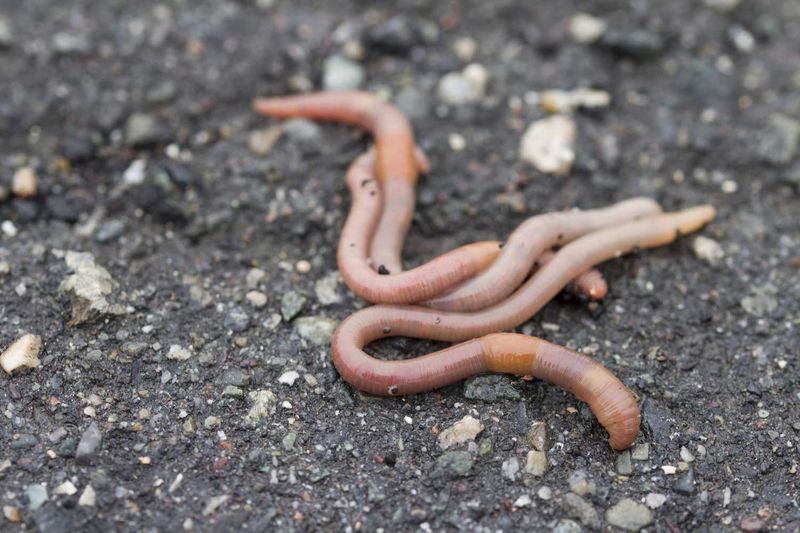
Ask five worm experts why earthworms surface in the rain, and you might get five different answers. Researchers have studied this behavior for many years, and no single explanation covers it all. That mystery makes this tiny creature surprisingly interesting.
For a long time, people believed worms came up to avoid drowning. That idea turns out to be incomplete. Earthworms can actually survive for a while underwater as long as the water holds enough oxygen, so something else must be going on.
One idea involves the air in the soil. When ground gets soaked, the balance of oxygen and carbon dioxide shifts, and worms may come up looking for better breathing conditions.
Another idea is the travel chance we talked about earlier, since wet ground makes moving around much easier.
Then there is the sound theory, and it is a fun one. The drumming of raindrops on the ground may feel like the vibrations of a digging mole, which is one of a worm’s biggest predators. Worms that sense moles nearby often rush to the surface to escape.
People even use this trick on purpose in a hobby called worm grunting, where they vibrate the ground to call worms up.
The real answer is probably a mix of all these reasons. What matters most is that surfacing after rain is completely natural.
North Carolina gardeners see it after nearly every big fall storm, and now you can explain to curious kids or neighbors that even scientists are still piecing the puzzle together.
4. Fall Is A Busy Season For Earthworms
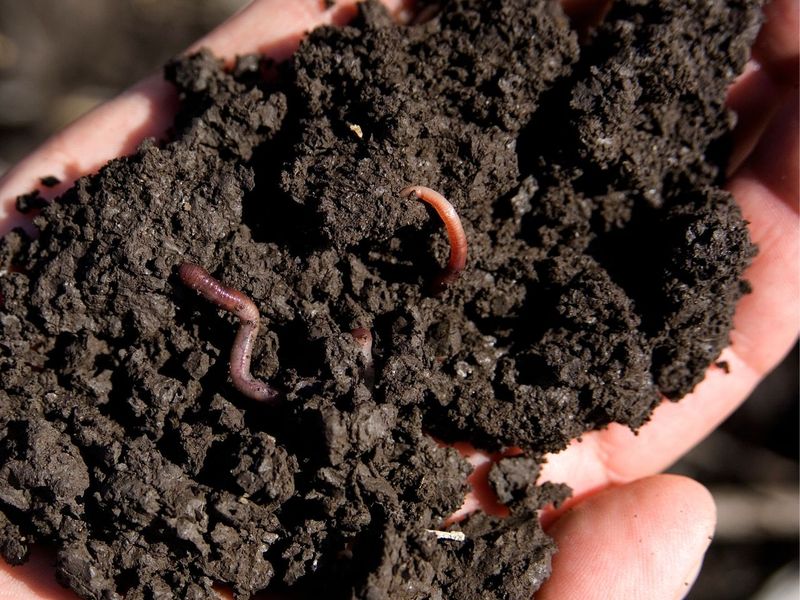
Summer is tough on worms. When July heat bakes the soil in North Carolina, many earthworms burrow deep down where it stays cooler and damper. Some curl up and rest until better weather returns.
Fall feels like a fresh start for them. Earthworms love cool, moist soil, and October usually delivers both. As temperatures drop and rain returns, worms wiggle their way back up toward the top layer of soil, where most of their food is waiting.
That food supply grows fast in autumn. Leaves drop, old plants fade, and grass clippings pile up. Worms feast on this decaying material and turn it into rich soil, so fall becomes something like a holiday buffet for them.
You will likely notice the signs around your yard. Look for small, bumpy piles of soil on your lawn or garden beds. Those little mounds are called castings, and they are basically worm poop packed with nutrients plants love.
You may also see more worms after every rain from fall all the way into spring.
Here is a smart move for this time of year. Rake some fallen leaves into your garden beds instead of bagging them all up. Worms will slowly pull them underground and break them down for free.
Shredding the leaves with a mower first helps them break down even faster.
In North Carolina, October often brings the first real stretch of cool, rainy days after months of heat. That switch wakes up the whole worm community, so more worms on the driveway this month is right on schedule.
5. Your Yard Likely Has Healthy, Active Soil
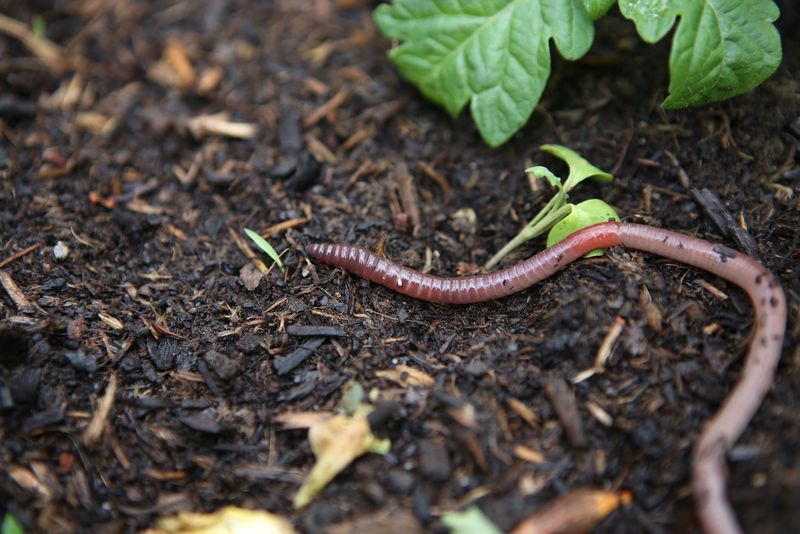
Good news often comes in small, wiggly packages. A driveway full of earthworms after rain usually means your lawn and beds are home to a thriving worm population. And plenty of worms is one of the best signs of healthy soil.
Earthworms are hard workers. They eat fallen leaves, roots, and other organic matter, then leave behind castings that feed your plants. As they tunnel, they mix soil layers together and create tiny channels that let air and water move deep into the ground.
Charles Darwin was so impressed by these creatures that he spent decades studying them. His final book, published in 1881, was all about earthworms and how they shape the soil. Gardeners today still agree with his big idea that worms quietly do amazing work.
Worms thrive where soil has lots of organic material to eat. You can keep them happy with a few easy habits. Spread compost on your beds each year, and add a layer of mulch to keep the ground cool and moist.
Leave grass clippings on the lawn after mowing, since they break down into worm food.
Skip chemicals you do not truly need, too. Some pesticides and heavy fertilizer use can harm worm populations, so use products only when there is a real problem.
North Carolina soil can be challenging. The Piedmont has thick red clay, while the coast has loose, sandy ground. Adding organic matter helps both types, and every worm that shows up on your driveway proves your efforts are paying off.
6. Poorly Drained Soil May Be Part Of The Story
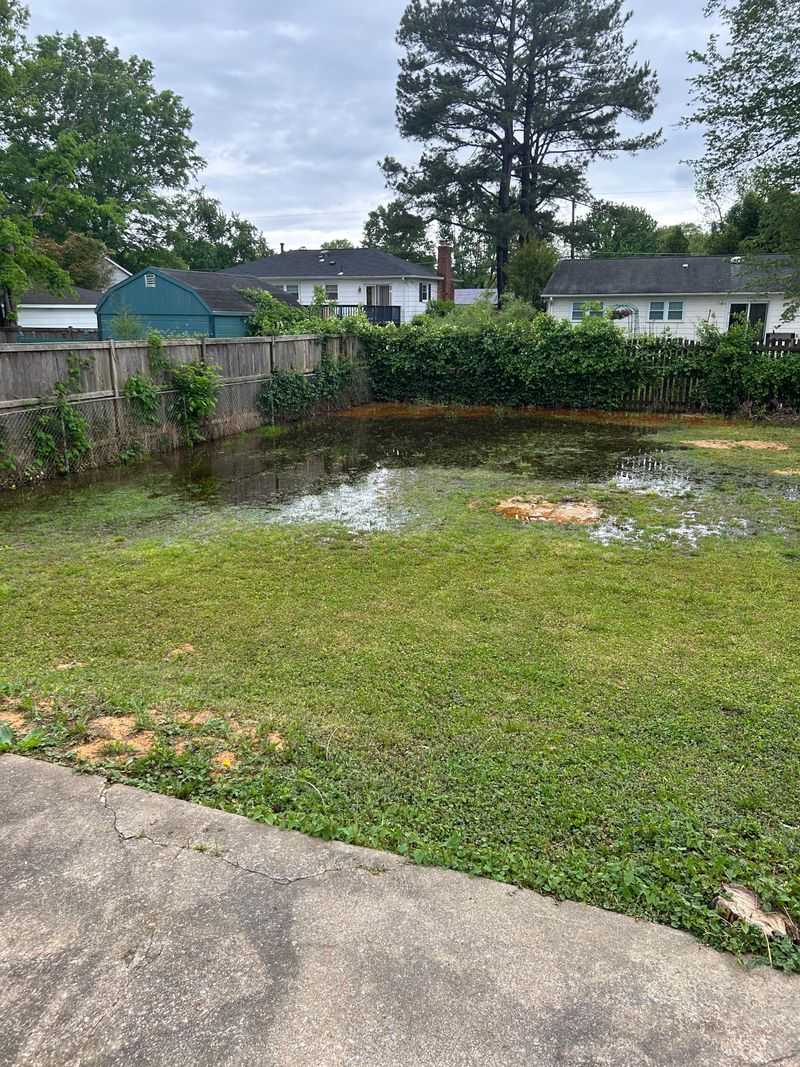
Notice worms gathering in the same corner of the driveway after every storm? That pattern could be a hint. Large groups of worms surfacing in one spot often point to soil that drains poorly.
Worms like moist soil, but they do not like ground that stays soggy for days. When water sits in the soil too long, the conditions underground become uncomfortable for them.
Compacted or waterlogged areas tend to push more worms to the surface, and the nearest paved spot catches them.
A little detective work helps. After the next big rain, walk around your yard and note where water stands in puddles. Pay attention to how long those spots stay wet.
If water lingers for more than a day, you have found a drainage problem worth fixing.
Several simple fixes can make a big difference. Core aeration pulls small plugs of soil out of the lawn, opening space for air and water to sink in. Fall is a great time to aerate cool-season lawns like tall fescue, which is common across much of North Carolina.
Compost is another strong tool. Mixing it into beds improves soil structure so water drains better over time. Also check your gutters.
A downspout dumping water straight into one soggy spot can be moved or fitted with an extension to send water somewhere else.
Piedmont clay is famous for draining slowly after rain. Better drainage helps your grass and plants grow stronger roots while giving worms a more comfortable home that they will not need to flee.
7. Some Could Be Invasive Jumping Worms
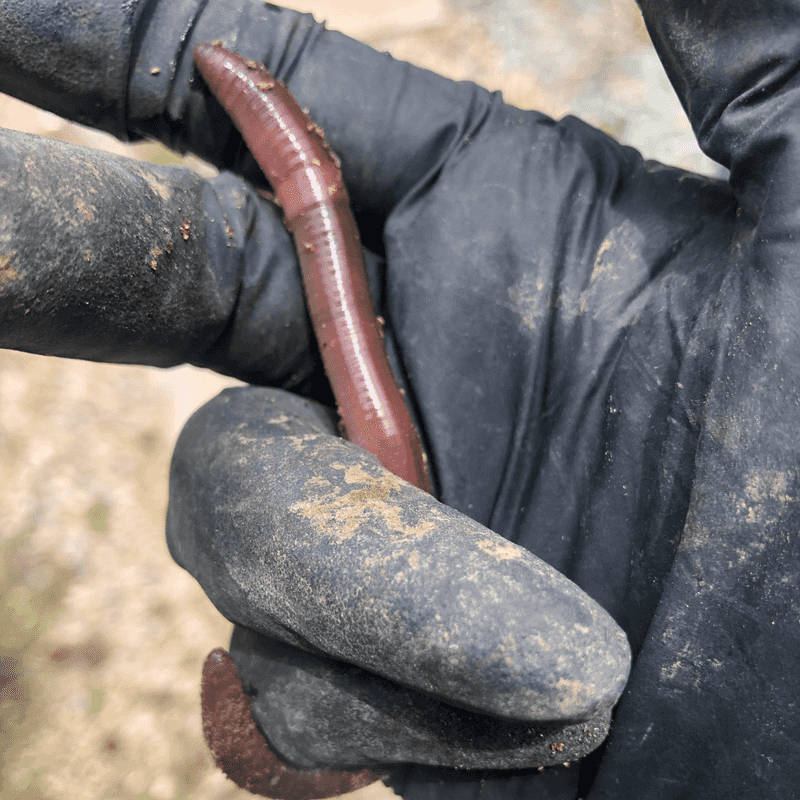
Not every worm on your driveway is a friend. Invasive jumping worms, from a group called Amynthas, have been found in North Carolina. They came originally from East Asia, and they can cause real trouble for gardens and forests.
Jumping worms are greedy eaters. They chew through leaf litter and organic matter much faster than regular earthworms. What they leave behind is loose, grainy soil that looks a lot like used coffee grounds, and plants struggle to grow in it.
In wooded areas, they can strip away the leafy layer that young plants and wildlife depend on.
Spotting them is easier than you might think. Pick one up, and it will thrash and wriggle wildly, almost like a tiny snake. Some even jump or shed their tails to escape.
Look for the band near the head, called the clitellum. On jumping worms, it is smooth, milky white to gray, and sits flat against the body, while common earthworms have a raised, saddle-like band.
If you find them, act quickly. Place the worms in a sealed bag and toss it in the trash. Never use them as fishing bait or add them to compost.
Prevention matters most. Avoid sharing or moving soil, mulch, compost, or plants from areas where jumping worms live, and buy from trusted sources. Their tiny cocoons hide easily in soil.
North Carolina can only slow the spread if gardeners learn to recognize these wigglers and report them to their local Cooperative Extension office.