The Spring Blooming Bulbs California Gardeners Should Plant This Month
October carries a quiet promise for California gardeners. A few papery lumps tucked into the soil this month can turn into some of the brightest color of the coming spring.
Mild winters change the rules, though. Advice written for colder states doesn’t always fit here, and timing shifts from coastal yards to inland valleys.
Some bulbs head straight into the ground with almost no fuss. Others need a little extra preparation before they’ll perform, and a few attract hungry visitors from below.
A handful also call for a bit of caution around curious pets and kids.
Choosing wisely this month pays off in March and April, when bare beds suddenly burst into fragrance, ruffles, and color.
1. Daffodils Are The Easiest Place To Start
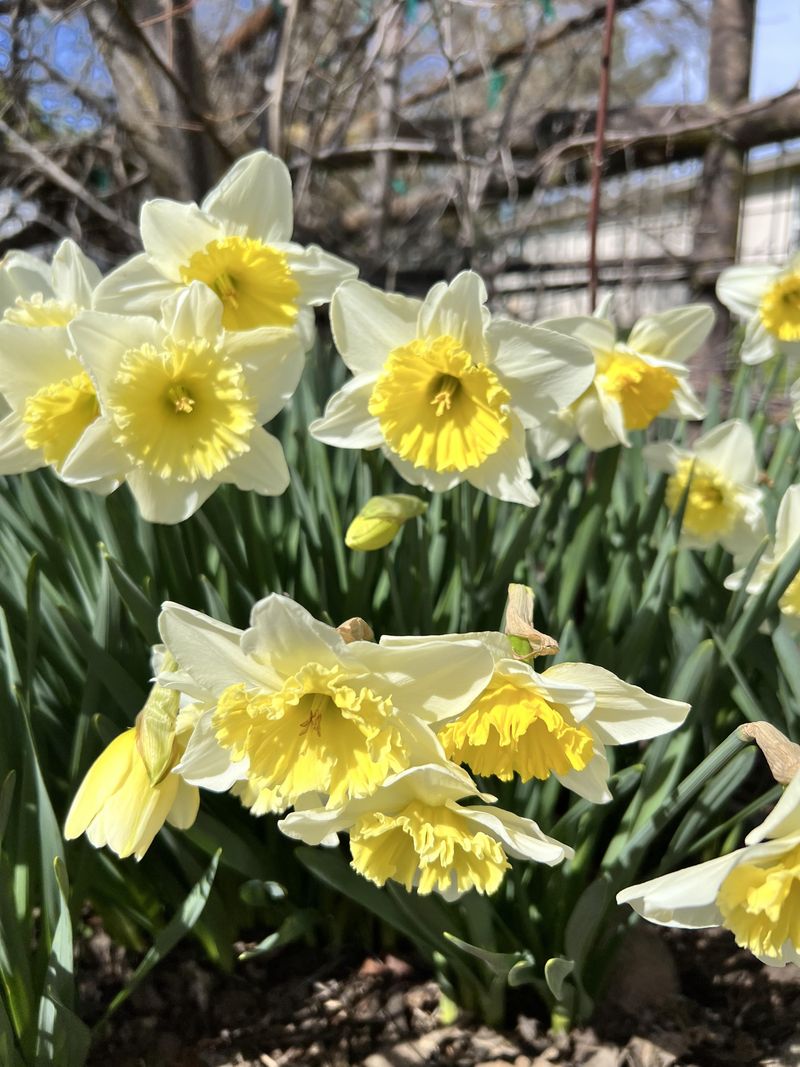
A bulb planted this October and then largely ignored may still be blooming a decade from now. Few flowers ask for so little, which makes daffodils a perfect starting point.
In most of California, they need no pre-chilling. Bulbs can go straight from the bag into the ground this month.
Full sun or light afternoon shade suits them best. Well-drained soil matters more than rich soil, since soggy ground can rot the bulbs.
Each bulb belongs about two to three times as deep as it is tall, pointy end up. Clusters of five or more create a cheerful splash instead of a row of lonely soldiers.
One watering after planting usually does the trick, with winter rains handling most of the rest. After blooming, the leaves deserve to stay until they turn yellow, since they feed next year’s flowers.
Daffodils carry a secret weapon. A bitter, toxic compound called lycorine keeps gophers, squirrels, and deer mostly uninterested.
Gardeners who’ve lost tulips to hungry rodents often switch to daffodils for that reason alone. The flowers simply stay put.
That same toxin calls for caution. The ASPCA lists daffodils as toxic to dogs, cats, and horses, with bulbs holding the highest concentration.
Eating them can cause vomiting, drooling, and stomach pain. Spare bulbs stored out of reach, plus a gentle reminder to curious kids that these are look-only flowers, keep everyone safe.
2. Freesia Brings Fragrance To Mild Gardens
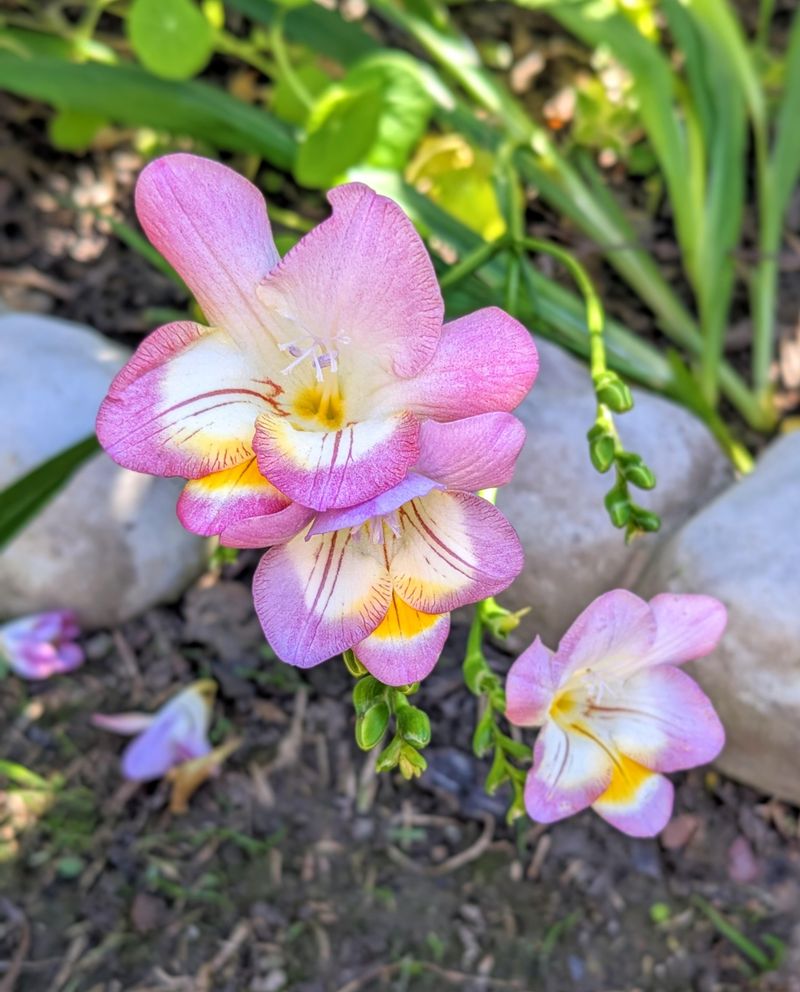
A warm March afternoon can bring a sweet, peppery scent drifting across the yard. Freesia is often the source, and few spring flowers smell quite this good.
Florists prize them for that fragrance. Home gardeners in California have an easy time growing them, too.
Freesias come from South Africa, where winters stay mild and summers run dry. That pattern mirrors California’s climate, especially near the coast and in warm inland valleys.
No pre-chilling is needed. In mild areas, freesias often return and spread on their own over the years.
October planting works well for the small corms. Each one belongs about two inches deep and two to three inches apart, with the narrow tip pointing up.
A sunny spot with fast-draining soil matters most, since wet feet can rot them quickly. Raised beds and containers help in yards with heavy clay.
Your California Garden Changes Every Week. Your Plan Should Too.
Gardening in California changes quickly throughout the season. Every Friday you’ll receive a simple weekly plan showing exactly what to plant, prune, fertilize, harvest, and protect so you never miss the right timing.
A watering after planting gets them started, and lightly moist soil through winter helps when rains run scarce. Once flowers fade and leaves brown in late spring, watering can stop.
Freesias enjoy a dry summer rest, much like many native California plants. Thin stems sometimes flop under heavy blooms, so a few twigs or a low ring of string keep them upright.
Cutting a few stems for a vase works even better, since two or three can perfume a whole kitchen.
In colder pockets with hard frosts, pots allow easy moves under cover on chilly nights.
3. Ranunculus Delivers Layers Of Color

Dozens of tissue-thin petals stacked like a fancy dessert make ranunculus a showstopper. Those layered blooms come from a strange-looking corm shaped like a tiny brown claw.
Many beginners stare at one and wonder which end goes up, and the answer surprises plenty of them. The claws, or legs, belong pointing down.
Each corm sits about two inches deep and four to six inches apart. A sunny spot with loose, well-drained soil gives them the best start.
Mid-October through November works well in most of California, once the soil cools. Hot September soil can lead to rot, so a little patience helps, and no pre-chilling is needed.
Some growers soak the corms in room-temperature water for a few hours before planting. They plump up and get a head start.
Overnight soaking is best avoided, though, since corms can turn mushy. A short soak strikes the right balance.
After planting, one watering is enough until shoots appear. Too much water before sprouting ranks among the most common ways people lose them.
Birds sometimes nibble young leaves, so a light net helps early on. Flowers usually arrive in early to mid spring.
Frequent cutting encourages more buds and fills vases with color. The famous ranunculus fields at Carlsbad show just how happily these flowers grow under California sunshine.
A backyard bed can host its own smaller show.
4. Anemones Bloom In Cool Weather
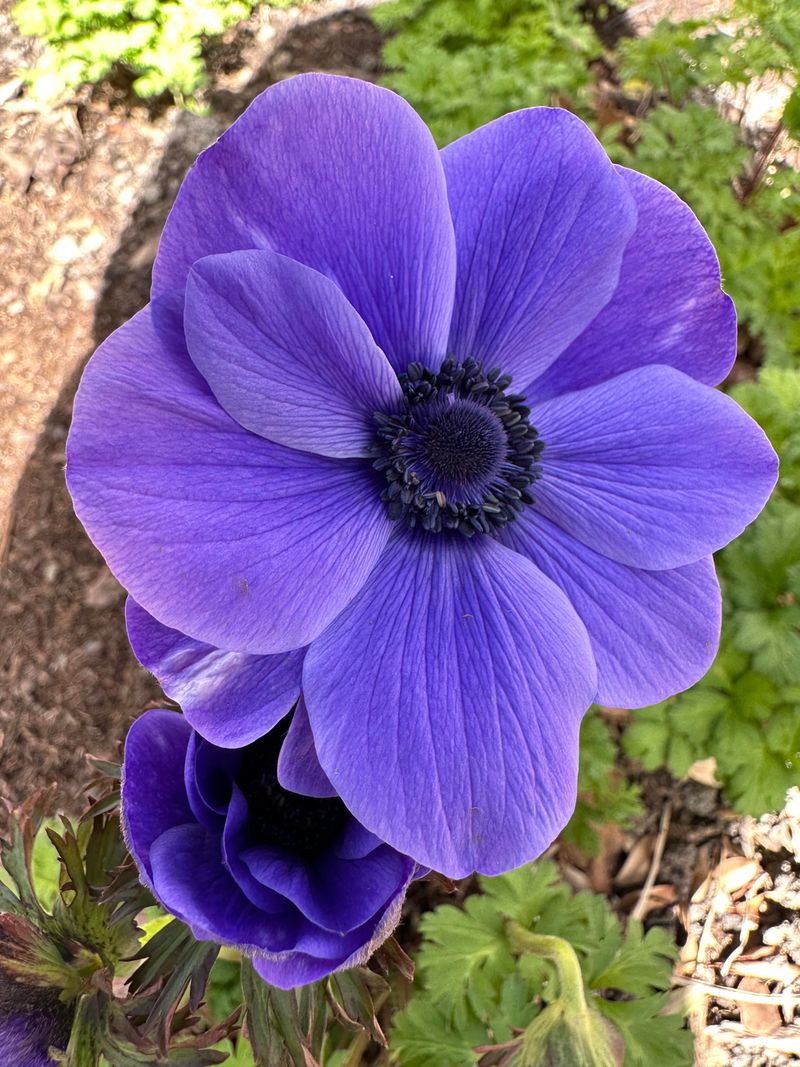
Late winter gardens can look a little sleepy. Then anemones open bold, poppy-like faces, often with dark centers that resemble painted eyes, and the whole bed seems to wake up.
These flowers love cool weather. In much of California, they bloom from late winter into spring, before summer heat arrives.
Warm spells actually shorten their show, so timing matters. October or November planting works best in most areas, once the soil has cooled.
The corms look like hard, wrinkled raisins. A two- to four-hour soak in water helps them swell before planting.
Each one belongs about two inches deep and four to six inches apart. Figuring out which side faces up can feel tricky.
A slightly flattened top, sometimes with a fuzzy patch, usually marks the upper side, while the pointed end faces down. When in doubt, planting the corm on its side works fine, since shoots find their own way.
Full sun suits coastal gardens, while light afternoon shade helps in hotter inland valleys. Well-drained soil matters, and no pre-chilling is needed in California’s mild winters.
A watering after planting gets things going, followed by soil kept just barely moist. Soggy soil ranks as their biggest enemy.
Once blooms fade and foliage yellows, many gardeners treat anemones as annuals and replant fresh corms each fall. Their low price makes a new batch every October an easy way to keep color strong and dependable.
5. Dutch Iris Adds Elegant Spikes
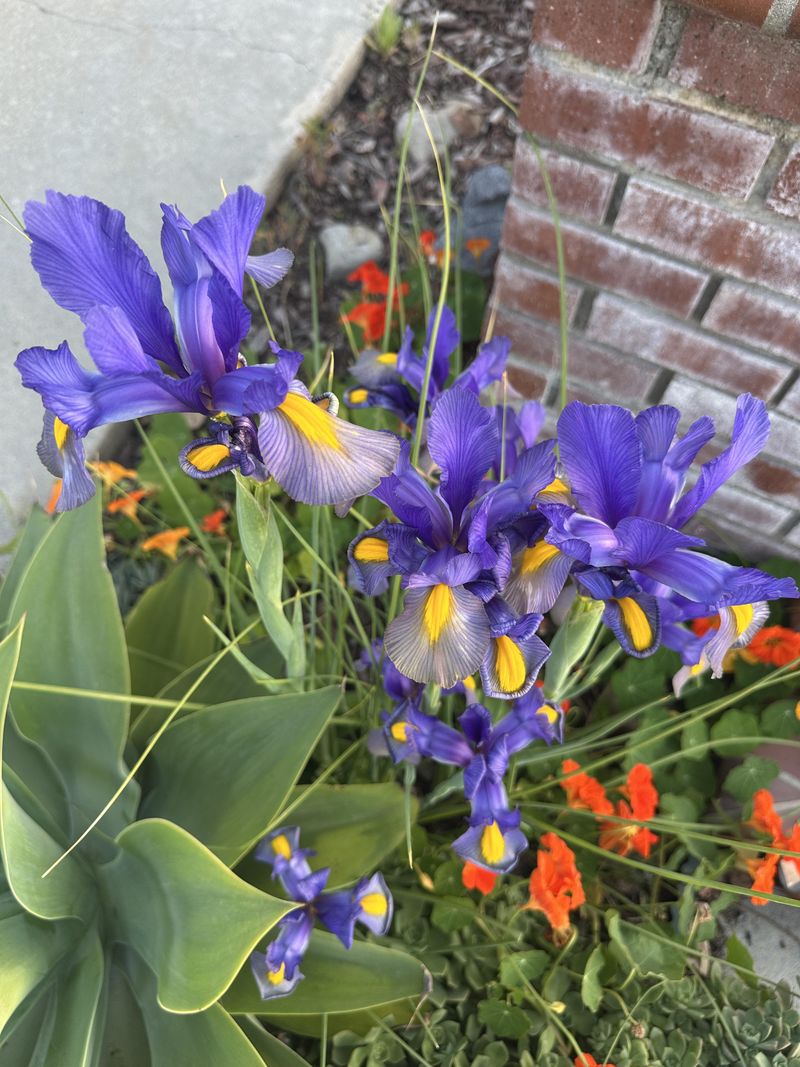
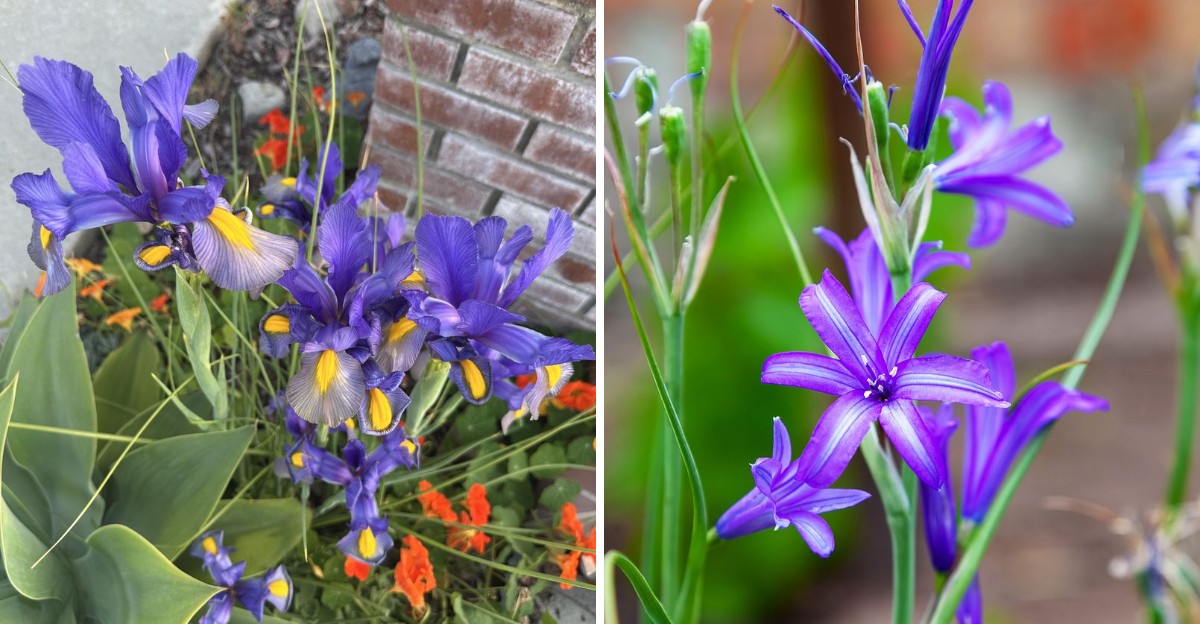
A cluster of blue flowers standing straight and tall, each with a splash of yellow like a tiny flame, gives Dutch iris its polished look. The effect resembles a garden dressed for a wedding, yet the plant grows surprisingly easily.
October through November marks planting time in most California regions. The bulbs are small and teardrop-shaped.
Each one goes in pointy side up, about four inches deep and three to four inches apart. No pre-chilling is needed.
Full sun brings the best blooms. Soil should drain well, since these bulbs dislike sitting in cold mud, and a little compost helps heavy clay drain better.
Leaves often poke up in late fall or winter. That early foliage is perfectly normal, with flower stalks following in spring, usually around April.
Stems can reach 18 to 24 inches tall. Dutch iris also makes a terrific cut flower.
Stems snipped when buds show color, before they fully open, unfold indoors and last about a week in a vase. After blooming, the leaves fade best on their own.
Summer calls for reduced water. In well-drained California gardens, bulbs often return for several years, often multiplying a little each season.
Lavender or rosemary make lovely companions, adding a Mediterranean feel that suits the local climate. Like many bulbs, Dutch iris can upset pets if chewed, so placement away from curious noses makes sense.
6. Sparaxis Lights Up Sunny Beds
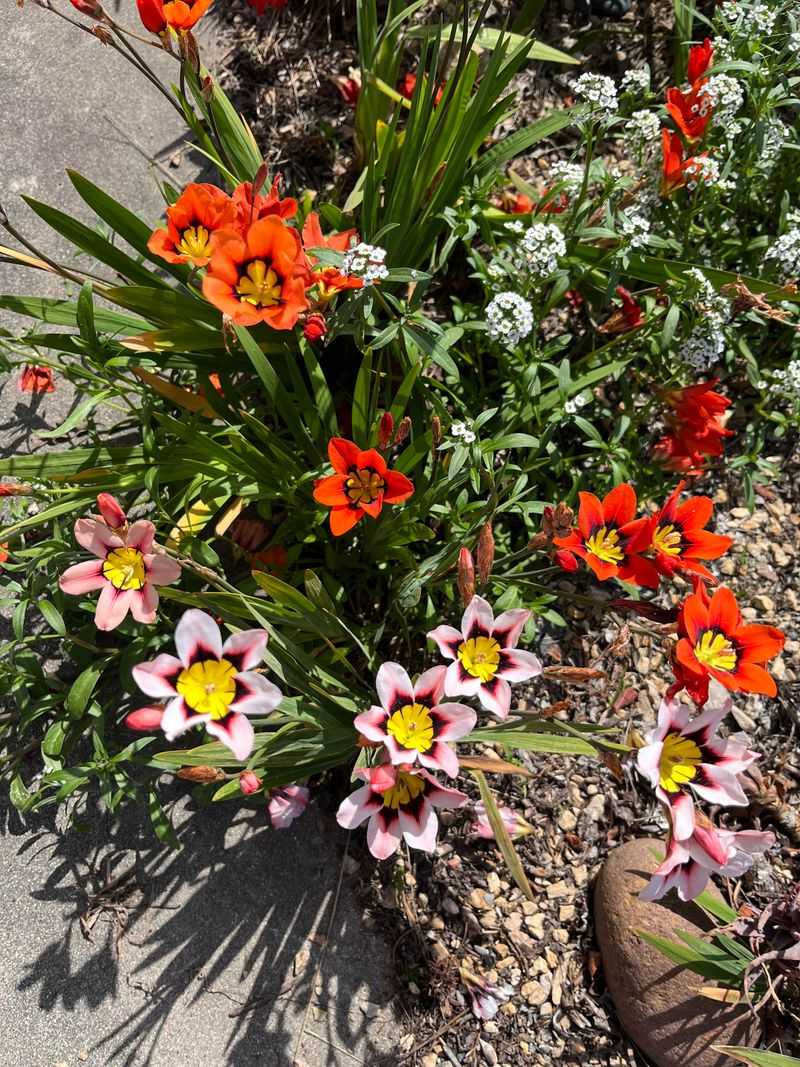
Neighbors may stop and ask about those wild, candy-colored flowers. Sparaxis, often called harlequin flower, blooms in bright orange, red, yellow, and magenta.
Many blooms carry bold centers ringed with black and gold, like a little target. The effect looks cheerful from across the yard.
Like freesia, sparaxis hails from South Africa. Dry summers and mild, rainy winters feel like home, which makes much of California a natural fit.
No pre-chilling is needed. October planting suits the small corms, set about two to three inches deep and three inches apart.
Sun matters a great deal. A hot, bright bed, a rock garden, or a slope with fast drainage suits them perfectly.
Little care is needed after planting. Winter rain usually supplies enough water, with an occasional soak helping in a dry year.
Blooms open in mid to late spring on stems about a foot tall. Summer then brings dormancy, as leaves turn brown and corms prefer to stay dry until fall.
Summer watering in that spot is best skipped, since it can lead to rot. Drought-tolerant companions with similar thirst levels make good neighbors.
Sparaxis can multiply over time in happy spots, turning a small patch into a bright carpet within a few years. That spreading habit calls for a watchful eye near wildlands, since the plant can wander beyond garden borders.
Homes beside open space may do better growing it in pots.
7. Tulips And Hyacinths Need Chilling First
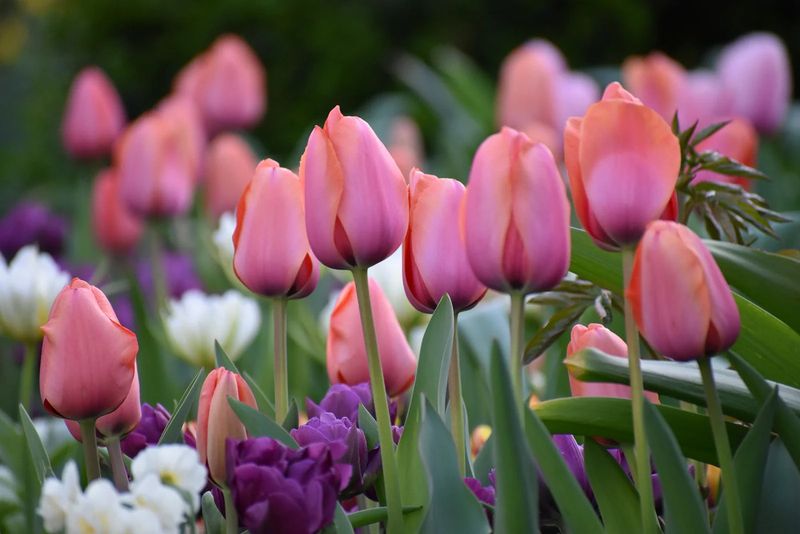
A tulip planted straight from the store in a Los Angeles yard may produce stubby stems with flowers hiding in the leaves. Hyacinths can act the same way.
Both bulbs expect a long, cold winter, and most of California simply doesn’t deliver one. The refrigerator offers a simple fix.
UC garden guidance recommends chilling tulips and hyacinths for about 6 to 12 weeks before planting. Many sources suggest temperatures around 40 to 45 degrees.
That artificial winter signals the bulb to grow tall and bloom. A paper bag or mesh sack works better than sealed plastic, and a date label keeps track of timing.
Apples, pears, and other ripening fruit are best kept far away. Fruit gives off ethylene gas, which can harm the developing flower inside the bulb.
Safety deserves attention, too. Chilled bulbs belong out of reach of kids, and a clear label keeps anyone from mistaking them for onions.
The ASPCA lists tulips and hyacinths as toxic to pets, with the bulbs carrying the most toxin. Eating them can cause stomach upset in people, too.
October makes the perfect month to start chilling. Many gardeners begin now and plant in late December or early January, once soil turns cool.
Tulips go about six to eight inches deep, and hyacinths about four to six.
Most gardeners in warm areas treat them as annuals. Species tulips stand as the exception, often naturalizing and returning in mild climates without any chilling at all.
8. Native Brodiaeas Bring Late Spring Blue
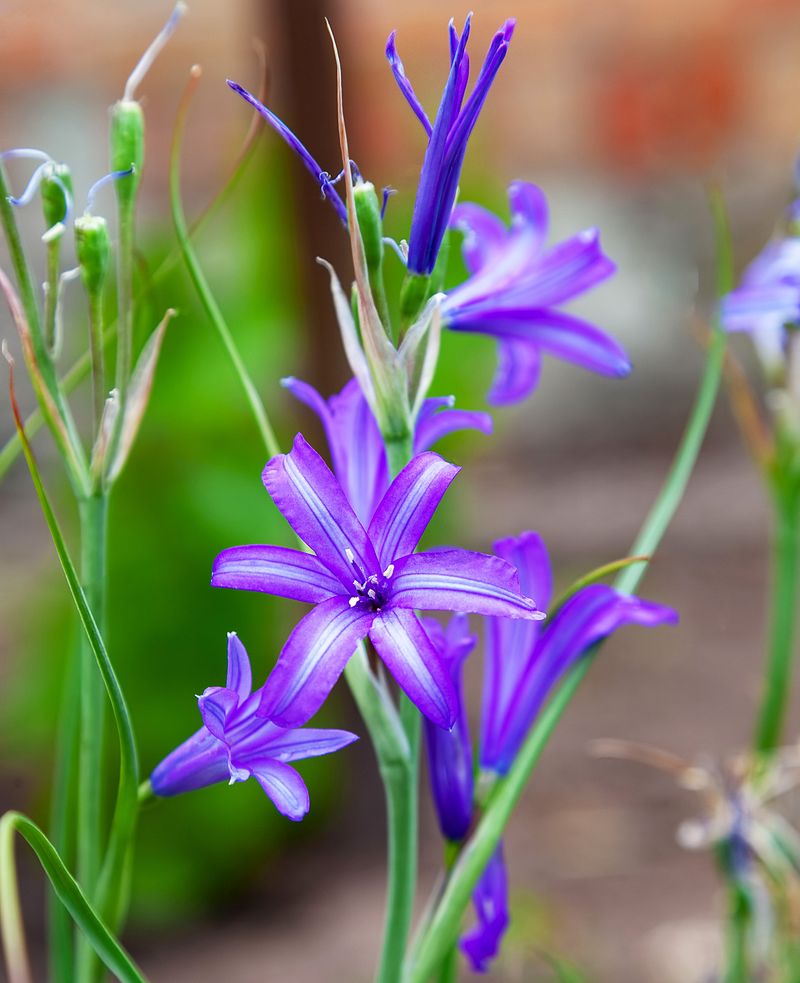
Long after the daffodils fade, a different kind of bulb takes the stage. Loose clusters of violet-blue trumpets rise on slender stems in late spring, often swaying above dry grasses.
These are brodiaeas, a group of California native bulbs that includes the popular Ithuriel’s spear. They grow wild across foothills, valleys, and grasslands throughout much of the state.
Native status brings real advantages. These bulbs evolved for wet winters and bone-dry summers, so they fit local gardens without any special treatment.
No pre-chilling is needed. October planting matches their natural rhythm, letting roots settle in as the first rains arrive.
The small corms belong about three inches deep and three to four inches apart. Full sun suits them best, though light shade works in hot inland areas.
Well-drained soil helps, yet many brodiaeas tolerate heavier ground better than most bulbs. Ithuriel’s spear often grows naturally in clay grasslands.
Flowers open from April into June, on stems one to two feet tall. Native bees and butterflies visit the blooms eagerly.
Summer brings dormancy, and the corms prefer to stay completely dry until fall rains return. Summer watering in that spot is best skipped.
Gophers find the corms tasty, so wire baskets offer wise protection.
Native plant nurseries and fall CNPS plant sales often carry them, making October a perfect time to add a touch of wild California blue.