White Mushrooms That Melt Into Black Ink Are Showing Up On Indiana Lawns
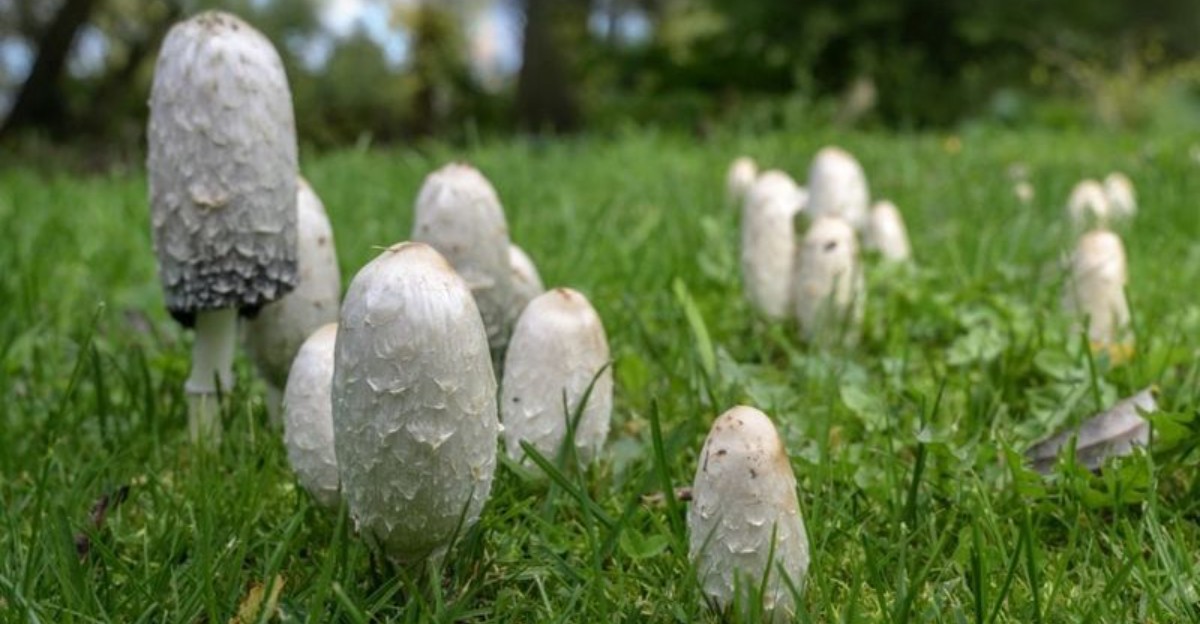
One crisp October morning, tall white shapes start poking up through your damp green Indiana lawn. They look like fuzzy little umbrellas, standing in neat clusters as if they arrived overnight.
By afternoon, the crisp white caps start slowly curling, darkening, and dripping at their ragged edges. Within a day, the whole thing can slump into a puddle that looks like spilled ink.
Homeowners across Indiana may notice this odd show after a few cool, rainy nights. Some people worry their grass is sick, while others wonder if pets are in any danger.
The explanation is harmless for lawns and more interesting than most people expect. These mushrooms tend to surprise people, and this one has an especially odd way of disappearing.
The Fungus Behind The Inky Mess
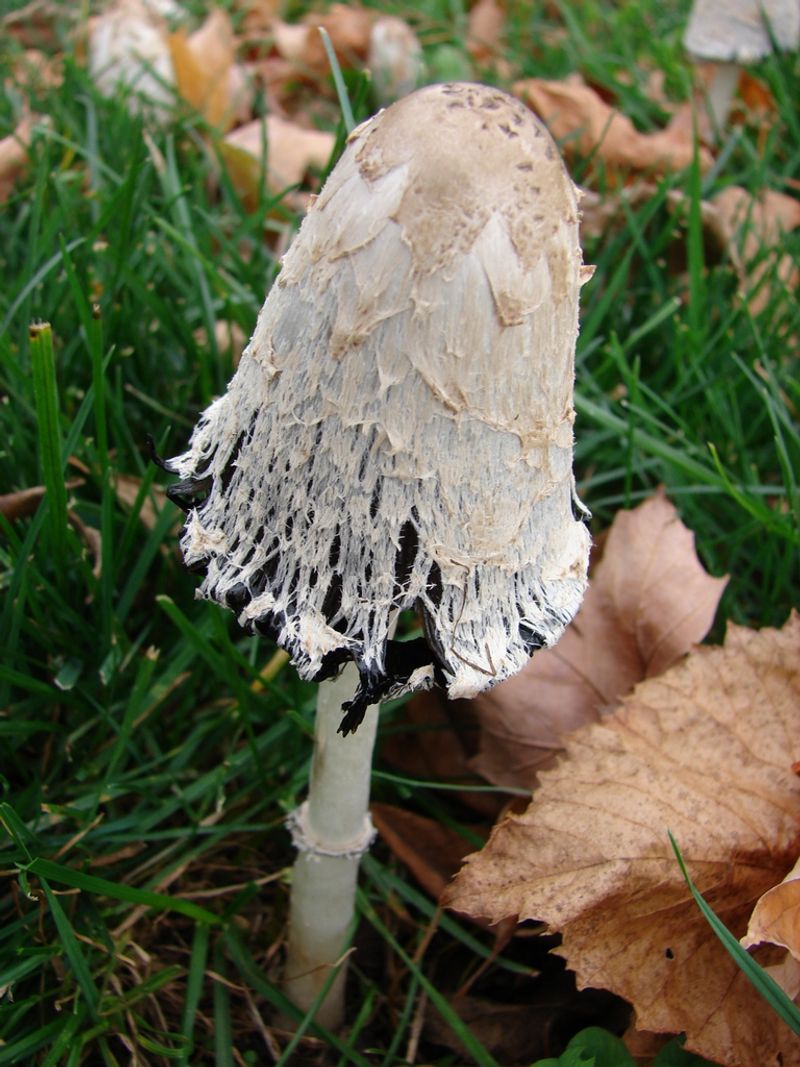
Picture a tall white cap covered in curly scales, a bit like a wig that needs a good brushing. That shaggy look gives the shaggy mane mushroom its name, and it fits the strange visitor rather well.
Scientists call it Coprinus comatus, and many people also know it by the friendly nickname lawyer’s wig. It belongs to a group often called inky caps, because so many of them turn into dark liquid.
The melting trick has a name too, and mushroom fans call the process deliquescence, which sounds quite fancy. In plain words, the cap digests itself from the bottom edge upward to release its tiny dark spores.
As the gills soften and drip, the spores are released along with the black fluid. This works well for a mushroom that grows close to the ground.
The black fluid from inky cap mushrooms has been used to make writing ink, and some people still make it today as a craft project.
Young shaggy manes are edible when fresh, but wild mushrooms should only be eaten after an expert confirms the identification. Some look-alikes can make people quite sick, so admire them with your eyes before reaching for a basket.
Most of the time, these mushrooms cause no harm to your grass. Think of them as a short, slightly messy autumn display that usually fades within a few days.
Hidden Food Sources Behind The Fall Flush
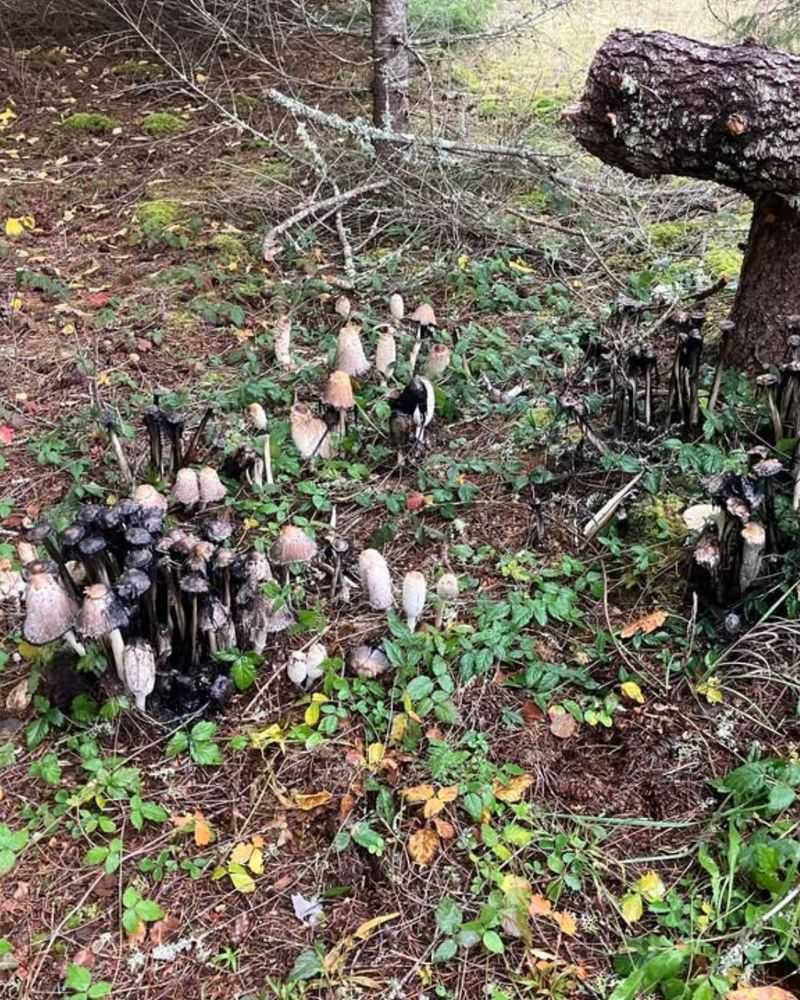
A mushroom is only the visible part of a much bigger network living under the soil. That network is made of thin white threads called mycelium, and it spreads quietly through your yard.
Shaggy manes are decomposers, which means they feed on organic material like buried wood, old roots, and other plant debris. They are nature’s cleanup crew, slowly breaking down buried stuff and turning it back into rich soil.
Some Indiana yards have old tree stumps, rotting roots, or scraps of lumber left behind by builders. Buried wood like this can feed the mycelium living a few inches down.
Shaggy manes also love freshly disturbed ground, so new lawns, fresh sod, and recent digging attract them. If a pipe was laid or a garden bed was added recently, watch that area closely this fall.
Your Indiana Garden Changes Every Week. Your Plan Should Too.
Gardening in Indiana changes quickly throughout the season. Every Friday you’ll receive a simple weekly plan showing exactly what to plant, prune, fertilize, harvest, and protect so you never miss the right timing.
Compacted soil near driveways and sidewalks can also host them, and shaggy manes often grow along paths and roadsides. You may notice mushrooms lining up along the edge of a path like little white fence posts.
The fungus also helps recycle nutrients while it feeds. As old wood breaks down, those nutrients return to the ground, and your grass can use them next spring.
So when you spot a cluster, try to remember what used to stand in that part of the yard. An old maple or a removed shed could be the hidden reason behind your surprise mushroom party.
Early October Rain Sets The Stage
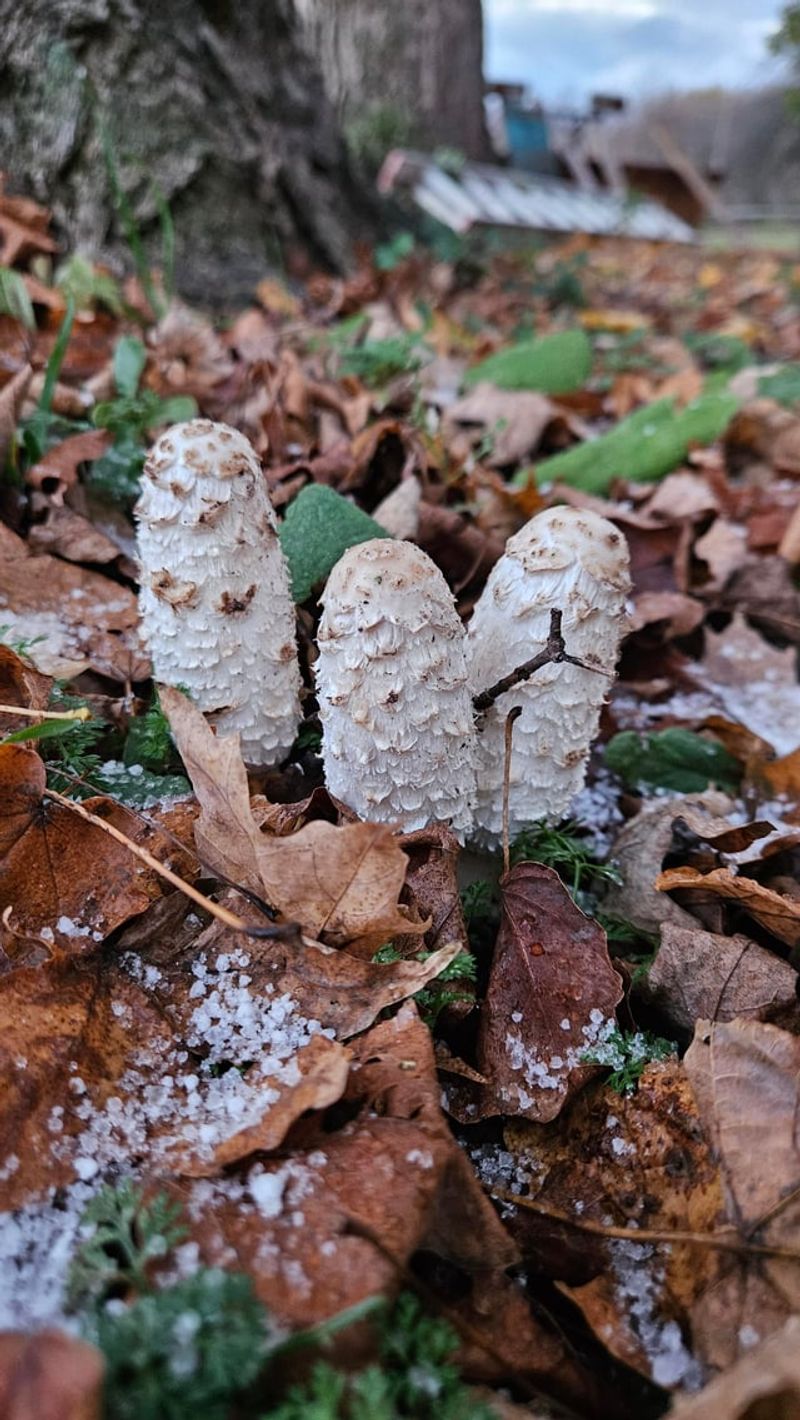
Weather plays the role of an alarm clock for shaggy manes, waking them up right on schedule. Once the hot days fade and cool, soaking rains arrive, the hidden fungus decides it is time to bloom.
In Indiana, cool nights and wet soil often arrive from late September through October. Shaggy manes tend to appear in cool, damp fall weather, which suits them like a cozy sweater suits us.
After a good rain, you might see a cluster appear overnight where there was only grass the evening before. They grow quickly, so a patch can look very different from one morning to the next.
The show does not last long, though, since each mushroom usually melts into ink within one or two days. That short window explains why some neighbors spot them while others miss the whole quick event.
New flushes can keep popping up through October and sometimes into November, as long as rain keeps falling. A dry spell often pauses the action, and the next soggy weekend can bring a fresh crop.
Want to catch them at their prettiest stage before they turn gooey and drip into the grass? Take a quick walk around the yard the morning after a rainy night, when caps are still bright white.
Snap a photo early, because by lunchtime the edges may already be curling up and turning dark gray. Kids especially love checking back every few hours to watch the slow melt happen in real time.
The Mower Mistake Many Homeowners Make
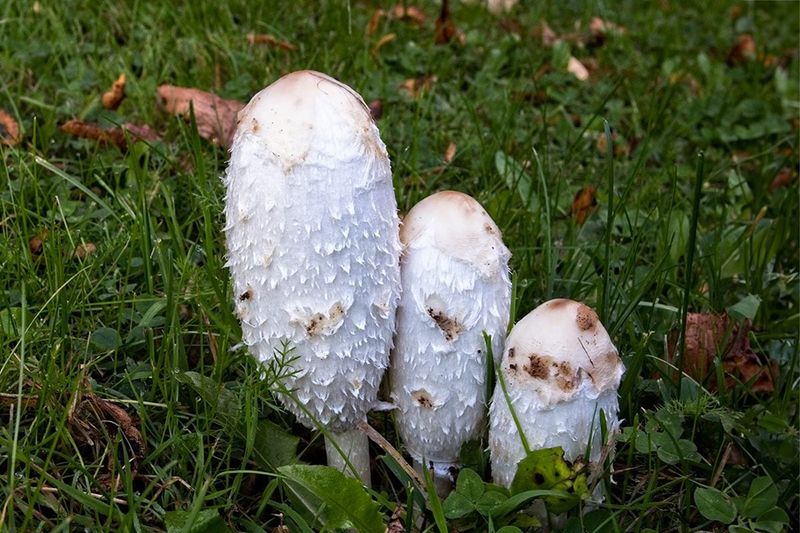
Rolling the mower straight over a patch of shaggy manes feels like a quick fix on a busy Saturday. Sadly, that shortcut tends to create a bigger, messier problem than the mushrooms ever caused alone.
Those ripe caps are packed with black spore goo, and mower blades spray it across grass, sidewalks, and shoes. The dark ink can stain light concrete, siding, and the underside of your mower deck.
Mowing also scatters spores around the yard, though mushrooms spread this way naturally too. It does not harm the lawn, but it makes the cleanup much messier.
Another common slip is reaching for a fungicide spray, hoping to stop the mushrooms from coming back. Sprays rarely reach the hidden mycelium underground, so they mostly waste money and add chemicals to your yard.
Some folks also kick the caps apart for fun, especially kids who think the inky splatter looks awesome. It is mostly harmless, but stained sneakers and jeans can be tricky to clean once that ink sets.
Pet owners should keep an eye out too, since curious dogs sometimes sniff or nibble on lawn mushrooms. Shaggy manes are considered edible, but other lawn mushrooms can make pets sick, so steer pets away.
A smarter plan is to deal with the mushrooms before you mow, while caps are still firm and white. A few minutes of prep can save you from scrubbing black streaks off the driveway later this week.
Simple Lawn Cleanup For Inky Caps
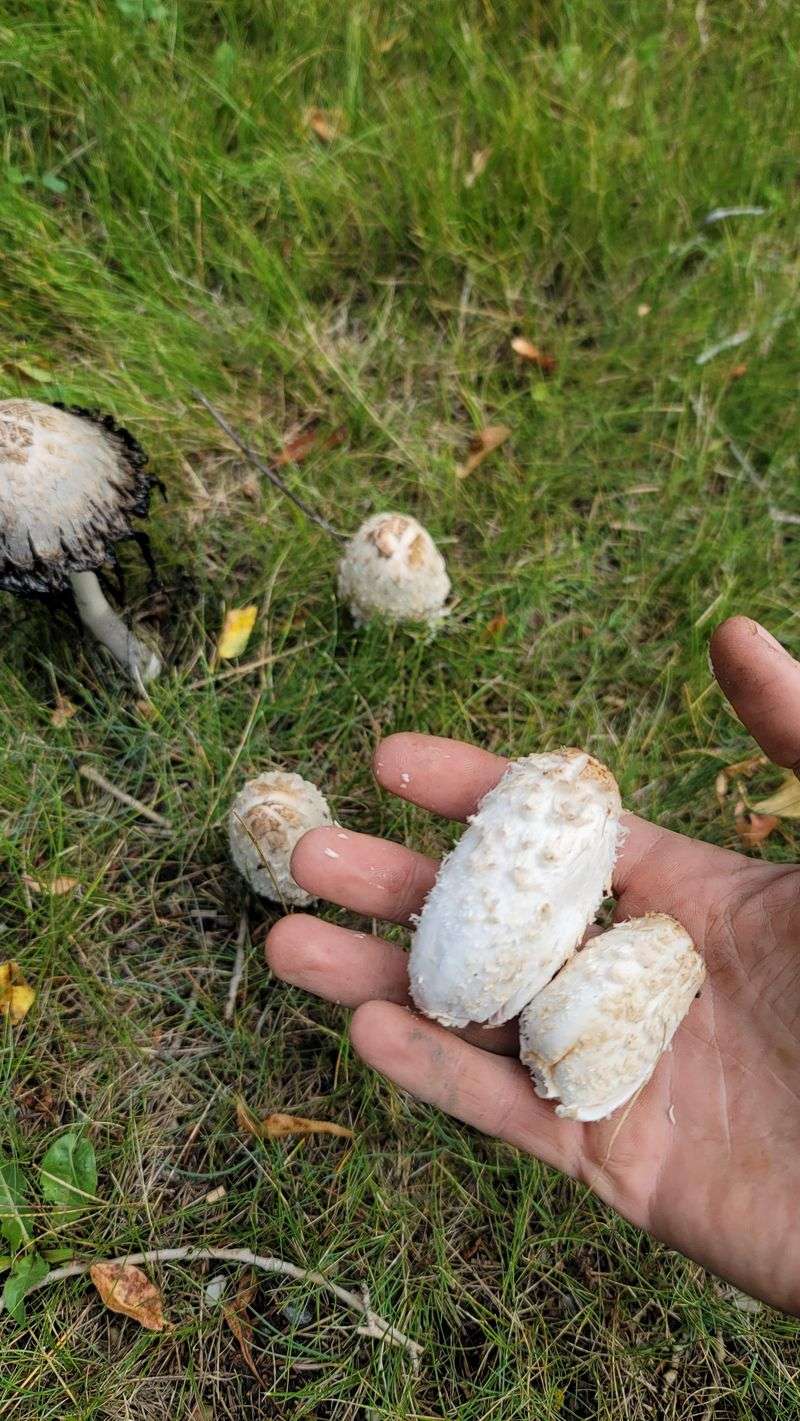
Grab a pair of garden gloves, a small trowel, and a plastic bag before heading out on a cool morning. These three simple tools make it easy to tidy up shaggy manes without a big mess.
Start with the young, firm mushrooms, since they are still white and have not started dripping any ink. Gently twist them at the base or scoop them up with the trowel, then drop them into the bag.
For caps that have already started melting, slide the trowel underneath and lift them out like a pancake. Move slowly, because rushing can splash the black goo onto your gloves, clothes, and nearby grass blades.
Tie the bag tightly and toss it in the trash. This keeps the black ink contained until pickup day.
If ink spills on a sidewalk, a quick scrub with warm soapy water usually lifts it before it sets. Stubborn spots on concrete may need a stiff brush and a little baking soda paste to fade.
Plan on doing this cleanup a few times during October, since new mushrooms can pop up after each rain. It only takes five minutes, and it keeps your lawn looking neat for neighbors and trick-or-treaters alike.
Wash your hands afterward, even with gloves on, and rinse the trowel so ink does not dry on it. Some families even turn the chore into a fun science moment, comparing fresh caps with melting ones.
Long-Term Lawn Habits That Reduce Mushroom Surprises
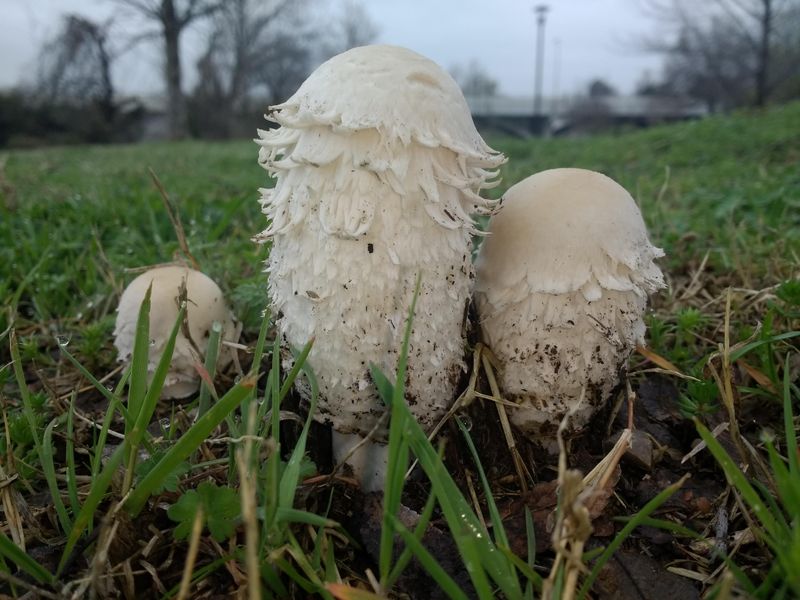
Mushrooms are a normal part of many lawns in fall. The goal is to make your yard a little less inviting to them, though some will still appear.
Start by fixing soggy spots, since shaggy manes love soil that stays wet for days after a storm. Core aeration in early fall can help water drain faster, and September through early October works well for cool-season lawns in Indiana.
Water your lawn in the early morning rather than evening, so the grass dries out before cool nights. By October, most Indiana lawns need little extra watering at all, because fall rains usually handle the job.
Rake up fallen leaves regularly, since thick soggy piles hold moisture and feed the fungus hiding below. Mulching leaves into small bits with your mower is fine, as long as they do not form mats.
Old stumps and buried roots can feed fungi for years, so grinding a stump may reduce future flushes. Leftover wood underground can take several years to break down, so patience helps.
Keep in mind that a few mushrooms in fall are a normal sign of active soil life underfoot. Worms, fungi, and tiny microbes all work together to keep your grass strong and green year after year.
So the next time white caps melt into ink on your lawn, take a moment to enjoy the show. Your yard is simply going through a normal fall cycle, one strange little mushroom at a time.