Indiana Homeowners Are Swapping Their Lawns For This Native Groundcover
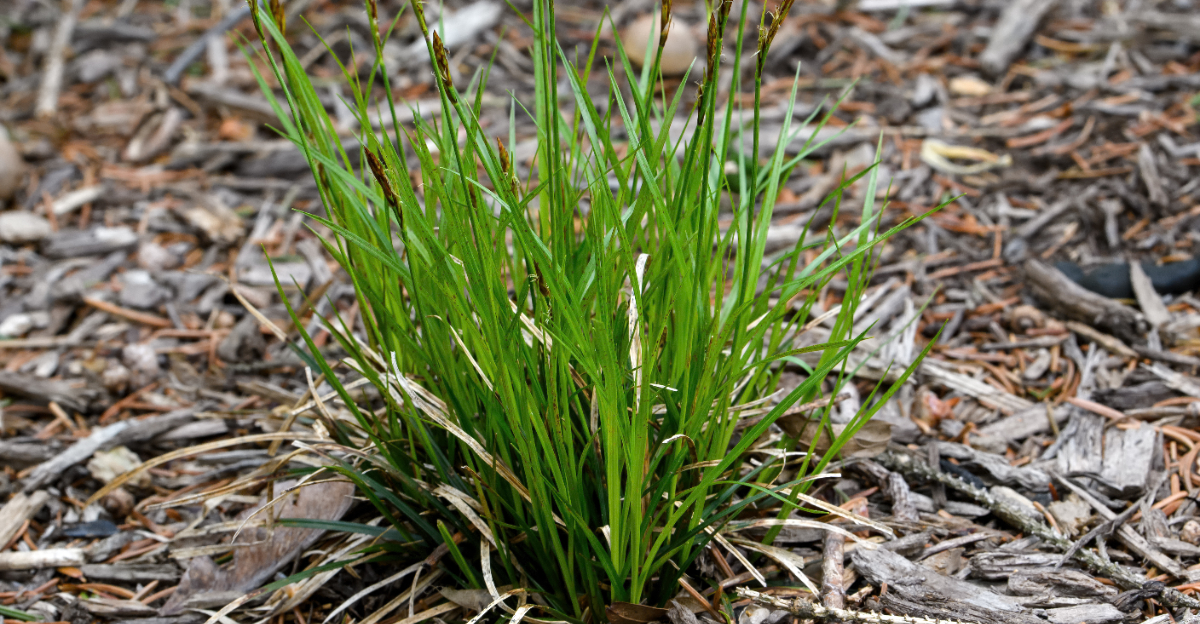
You can feel a change spreading across Indiana lawns already. Your neighbors are quietly swapping grass for something better. Across Indiana, more homeowners are choosing something you might appreciate.
A quiet groundcover is gently taking the place of your very old grass. This plant stays green long after your mowing days end. Tough soil barely troubles it, and neither will your climate.
Watering costs ease quickly once you make the switch yourself. Mowing hours you used to spend now finally belong to you. Curious neighbors will soon ask you questions you never expected to answer.
Many assume grass is grass, but you will know better. Every yard you transform shows how dated your old turf feels. Nothing about this shift feels temporary once you actually try it.
Curb appeal rises fast the moment you finally make this change. Once you finally see it, your lawn will never look the same again.
Pennsylvania Sedge Is Native To Indiana’s Woodlands
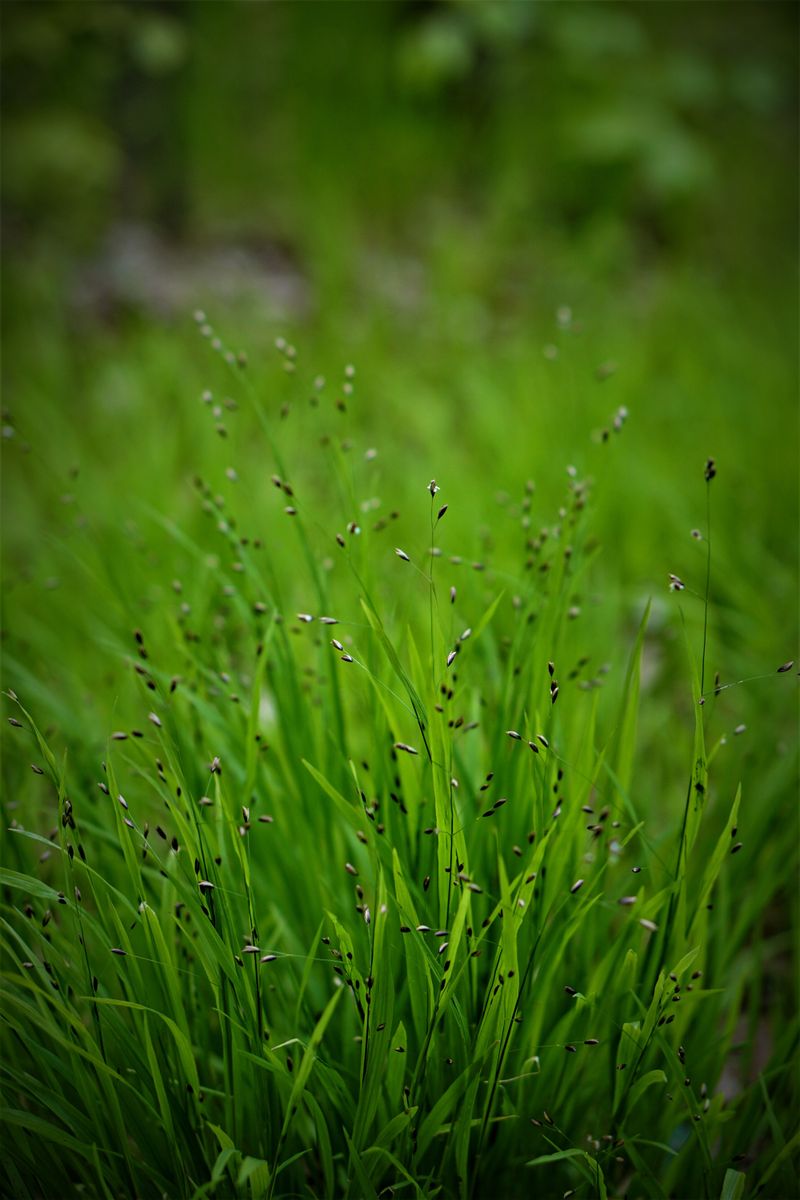
Walk into almost any Indiana woodland and you will find it growing quietly underfoot. Pennsylvania Sedge, known scientifically as Carex pensylvanica, is a fine-textured, low-growing plant that blankets forest floors across the Midwest.
It has been thriving in this region long before anyone ever planted a single blade of turf grass. That long history means it is perfectly tuned to local weather, soil, and rainfall patterns.
Unlike imported lawn grasses, this sedge evolved alongside native trees, insects, and birds. It does not need help adapting because it is already home.
Many Indiana gardeners are surprised to learn it can be used as a full lawn replacement. The blades grow only four to six inches tall and have a soft, arching shape that looks intentional and polished.
Sedge lawns are becoming more common in front yards across parts of Indiana. Neighbors often stop to ask what that beautiful green carpet is.
Once established, Pennsylvania Sedge forms a tight, weed-resistant mat. It provides ground-level shelter for insects and small wildlife, giving your yard a purpose beyond just looking good.
Choosing a plant native to your region is one of the smartest gardening decisions you can make. With sedge, you are not fighting nature, you are working with it every single day.
Thrives In Shade Where Traditional Lawns Struggle
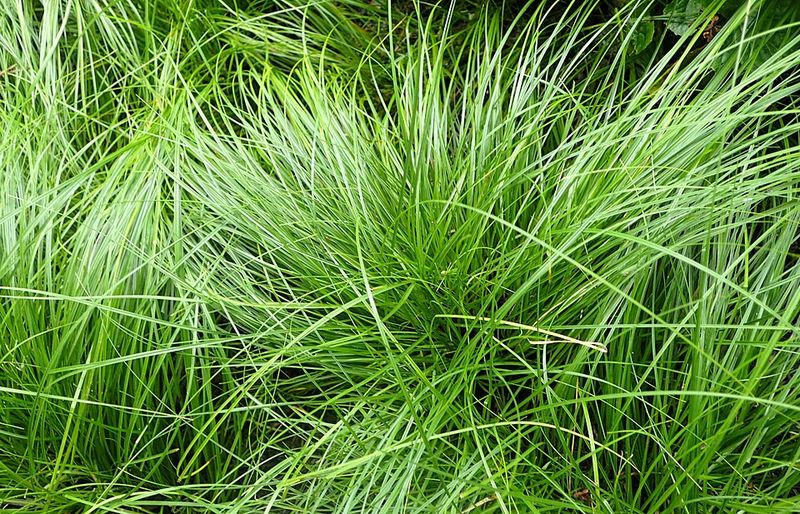
Every homeowner knows that spot under the big oak tree where grass just refuses to grow. Bare dirt, patchy thinning turf, and muddy mess every time it rains, it is one of the most frustrating yard problems around.
Pennsylvania Sedge was practically born for those conditions. It evolved under the canopy of Indiana’s native forests, where sunlight is filtered and scarce.
Most traditional lawn grasses need full sun to stay healthy and thick. Even shade-tolerant turf varieties often turn yellow and thin out under dense tree cover.
Sedge handles deep shade without complaint. It stays consistently green even when oak, maple, or walnut trees block most of the afternoon light.
Your Indiana Garden Changes Every Week. Your Plan Should Too.
Gardening in Indiana changes quickly throughout the season. Every Friday you’ll receive a simple weekly plan showing exactly what to plant, prune, fertilize, harvest, and protect so you never miss the right timing.
Homeowners who have struggled with shady spots for years report that sedge fills those areas within one to two growing seasons. The change can be noticeable within a season or two.
Planting sedge under trees also benefits the trees themselves. Its shallow roots do not compete aggressively with tree roots the way some grass species do.
You can mix sedge with other shade-loving native plants like wild ginger or trillium for a layered, natural look. The combination creates a yard that feels like a peaceful woodland retreat.
If your shady spots have always been your yard’s biggest weakness, sedge turns them into your strongest feature. Shade is no longer a problem, it becomes an opportunity.
Requires Little To No Mowing Or Watering
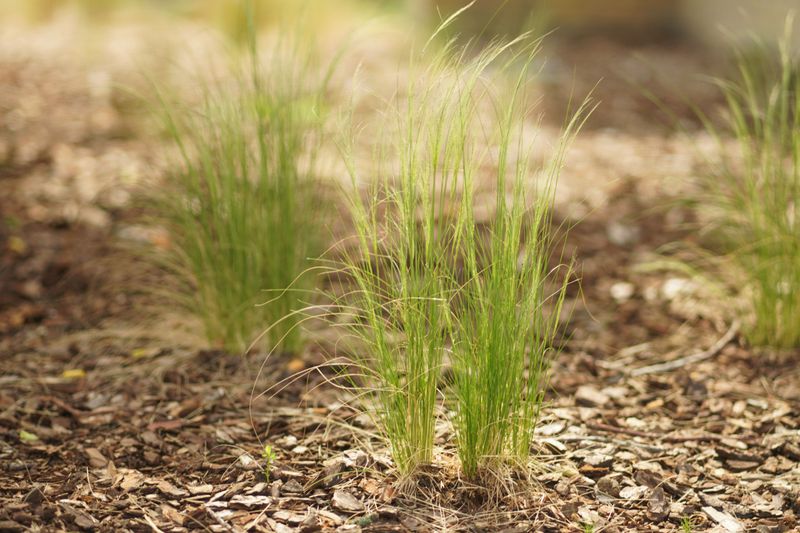
Imagine putting your lawnmower in storage and leaving it there all summer. That is not a fantasy for sedge lawn owners, it is just a regular Saturday.
Pennsylvania Sedge grows slowly and stays naturally short, topping out at around four to six inches without any cutting needed. Most homeowners who grow it mow just once a year, or skip it entirely.
That single change saves hours of weekend labor every single season. Add in the fuel, maintenance, and wear on equipment, and the savings add up fast.
Watering needs are equally minimal once the plant is established. Sedge draws on deep soil moisture and handles dry Indiana summers without needing sprinklers or irrigation systems.
Traditional lawn grasses can need one inch of water per week during summer heat. Sedge can go weeks without rainfall and still bounce back looking fresh and green.
For homeowners with water restrictions or high utility bills, this offers a significant benefit. Cutting your outdoor water use can lower your utility bill over time.
Beyond the financial side, reducing mowing also cuts noise pollution and carbon emissions from gas-powered equipment. Your neighbors might actually thank you for the quiet weekends.
Low maintenance does not mean low quality. A sedge lawn can look just as neat and intentional as a traditional turf yard, with a fraction of the effort required.
Handles Indiana’s Clay Soil With Ease
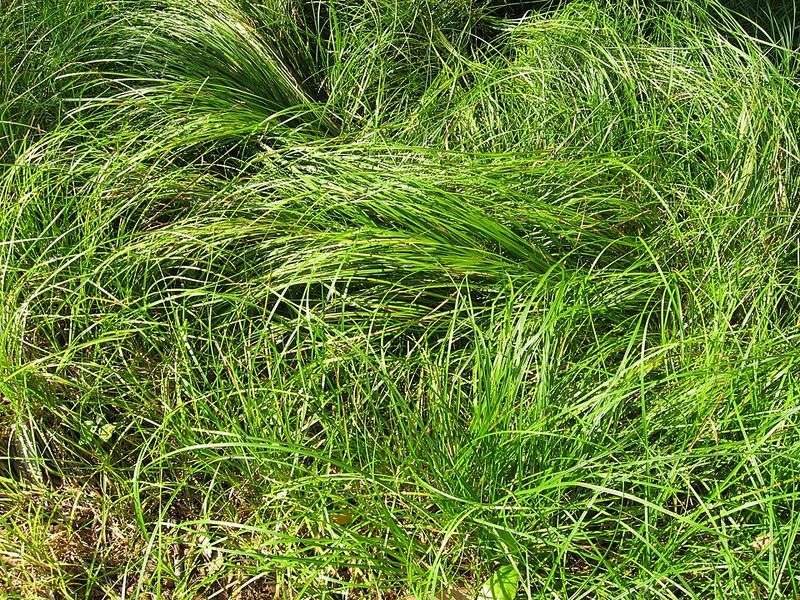
Clay soil is a common challenge for traditional lawn grass. It compacts, it drains poorly, and it turns into a sticky mess after rain.
Much of central and northern Indiana sits on heavy clay-based soils left behind by ancient glaciers. Getting grass to grow well in those conditions takes serious work, constant amendments, and sometimes professional help.
Pennsylvania Sedge has a completely different relationship with clay. It does not just tolerate it, it actually performs well in it.
The plant’s fibrous root system is adapted to handle compacted, low-oxygen soils that would overwhelm traditional turf. Those roots find pathways through clay and anchor the plant firmly.
Gardeners in central Indiana, where clay is especially heavy, often establish sedge without adding topsoil or expensive amendments. That alone saves significant time and money upfront.
Clay soil also retains moisture longer than sandy or loamy soil. Sedge takes advantage of that stored water during dry stretches, making it even more drought-resilient in those conditions.
If you have ever tried to grow a lush lawn on clay and failed, you know the frustration of watching bare patches spread every summer. Sedge breaks that cycle completely.
Working with your soil instead of against it is a widely recommended landscaping approach. Sedge and Indiana clay are a compatible pairing that rewards patient gardeners.
Spreads Naturally To Crowd Out Weeds
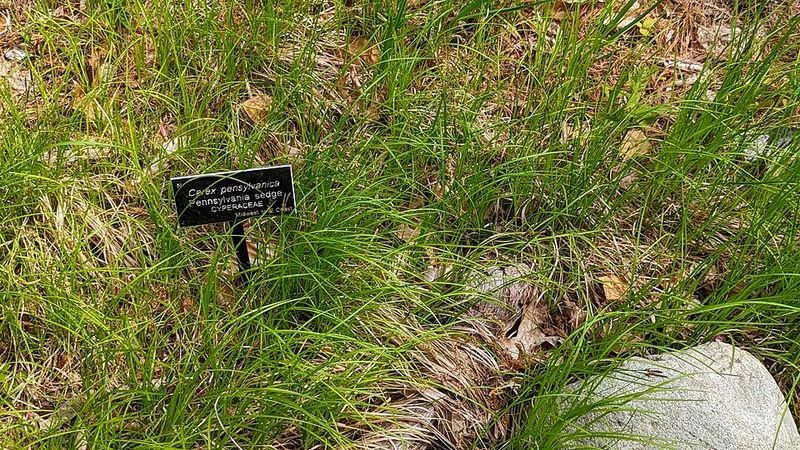
Weeding is a chore most homeowners try to avoid. Hours spent pulling the same plants week after week can be time-consuming.
Pennsylvania Sedge has a natural strategy that makes weeding largely unnecessary. It spreads through underground rhizomes, sending out new shoots that slowly fill every gap in the soil.
As it fills in, it creates a dense mat that physically blocks weed seeds from reaching the soil surface. Sunlight cannot penetrate the canopy of blades, so weed seedlings simply cannot establish.
It takes a full growing season or two for sedge to fill in completely. But once it does, the weed suppression is remarkably effective without any chemical help.
Homeowners who have converted even a small section of lawn to sedge often report that surrounding areas need far less weeding too. The dense growth creates a natural buffer zone.
Unlike aggressive spreaders that can become invasive, Pennsylvania Sedge spreads at a steady, manageable pace. You can guide its growth with simple edging along walkways or garden beds.
No herbicides, no pre-emergent sprays, no weekend weeding sessions. The plant does the work while you do something you actually enjoy.
Watching sedge slowly reclaim a weedy patch is a visible improvement for many homeowners. By the second season, you will wonder why you ever spent so much time fighting your yard instead of enjoying it.
How To Start Replacing Your Lawn With Sedge
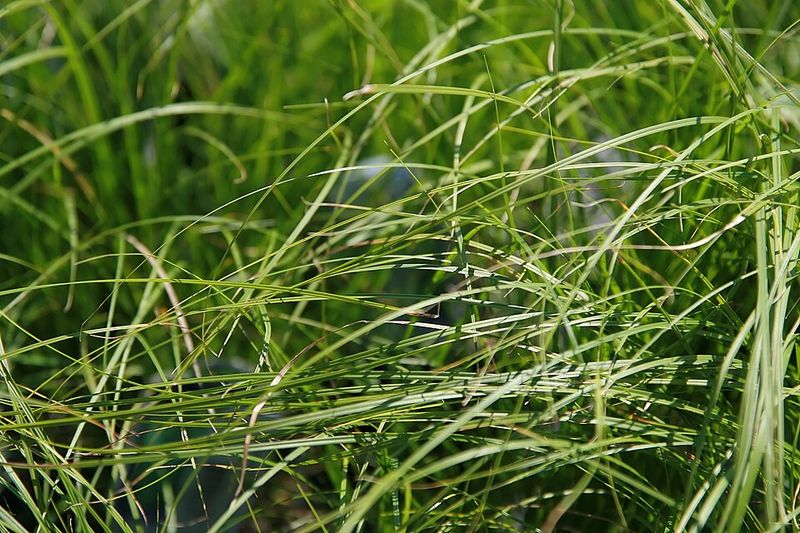
Starting a sedge lawn feels intimidating at first, but the process is simpler than most people expect. You do not need to rip out your entire yard on day one.
Most experts recommend starting with a small test area, around 100 to 200 square feet. Pick a shady or problem spot where grass already struggles.
Sedge is most commonly planted using small plugs, which are starter plants about the size of a coffee cup. Space them eight to twelve inches apart for best coverage.
Before planting, remove existing grass by smothering it with cardboard and a few inches of compost for several weeks. This removes the turf without digging or chemicals.
Plant your plugs in early spring or early fall when temperatures are mild and rainfall is more reliable. Avoid planting during the hottest weeks of summer.
Water consistently for the first six to eight weeks while roots establish. After that, supplemental watering becomes optional in most Indiana climates.
You can find Pennsylvania Sedge plugs at native plant nurseries, local garden centers, and online retailers that specialize in Midwest natives. Buying locally grown plants gives you the best results.
The first season, your new sedge patch may look sparse. This early stage is normal and temporary.
By the second spring, you will have a groundcover that makes the whole yard look intentional and alive.