The One Thing Michigan Soil Needs In October Before The Ground Freezes
October is the month most Michigan gardeners mentally clock out, and honestly, that instinct is understandable. The tomatoes are done, the peppers are picked, and the rake has been waiting patiently for its moment.
But the soil underneath all those tired beds is still very much open for business, and there is one thing it genuinely benefits from before the ground freezes and the whole yard goes quiet for winter.
That thing is compost, and it is about as unglamorous as garden advice gets.
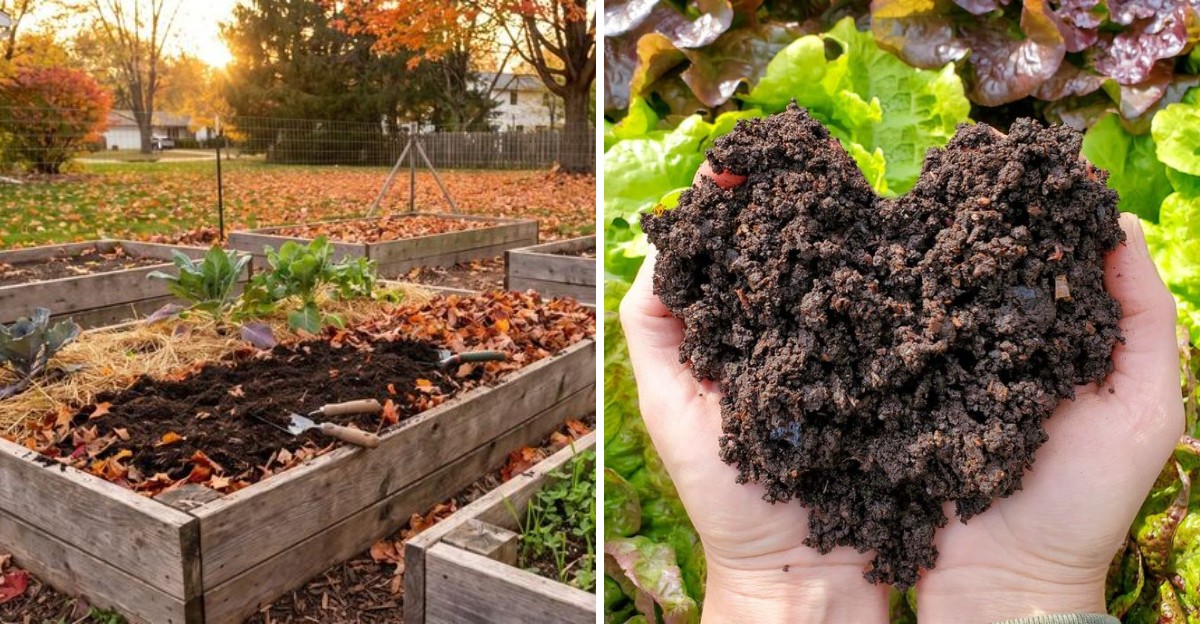
No fancy product, no complicated application process, and no expensive equipment required. Just dark, crumbly, finished organic matter spread across the beds while the soil is still workable.
The worms will handle most of the rest, and by April, the difference tends to be immediately obvious.
1. October Is The Best Month To Add Compost
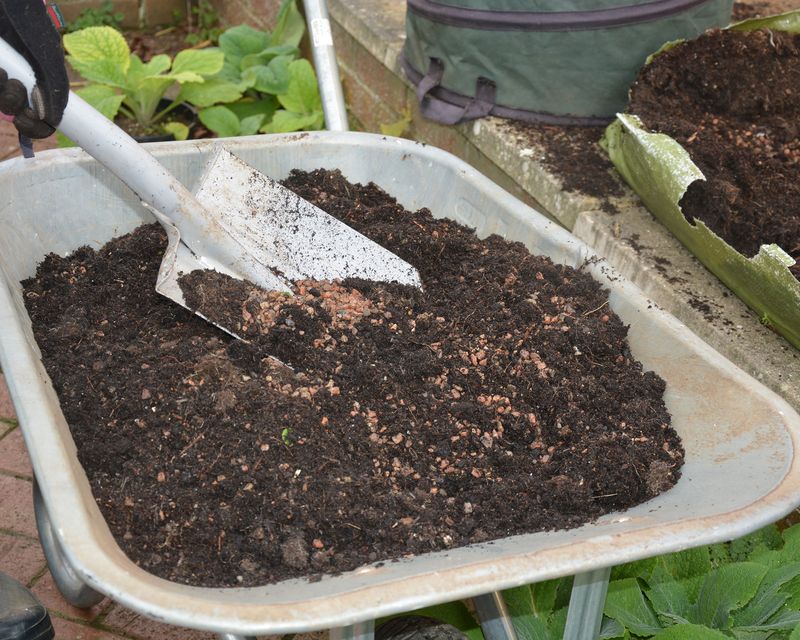
Timing is everything, and October gives you a sweet spot that no other month can match. The soil is still soft and workable, but the busy growing season is finally behind you.
In Michigan, most gardens have been harvested by early to mid October. That leaves empty beds that are ready to soak up something good before the cold sets in.
Compost is the single most trusted fall soil addition for gardens across the state. It feeds the tiny living things in the dirt, improves texture, and adds slow nutrients your plants will use later.
Spreading it now also saves you a rush in spring. April and May are often soggy, and working wet soil can squish out the air pockets roots need.
Another bonus is that the ground still holds some summer warmth. Worms and microbes stay active for a few more weeks, so they start pulling compost down right away.
Try to get the job done before your first hard freeze. In southern areas that might be early November, while the Upper Peninsula can freeze weeks sooner.
Check your local weather and plan a free weekend afternoon. A wheelbarrow, a shovel, and a few bags or a truckload of compost are all you need.
Think of it as tucking your garden into bed with a warm blanket. Your future self will thank you when the beds look rich and ready next year.
2. Compost Keeps Working All Winter Long
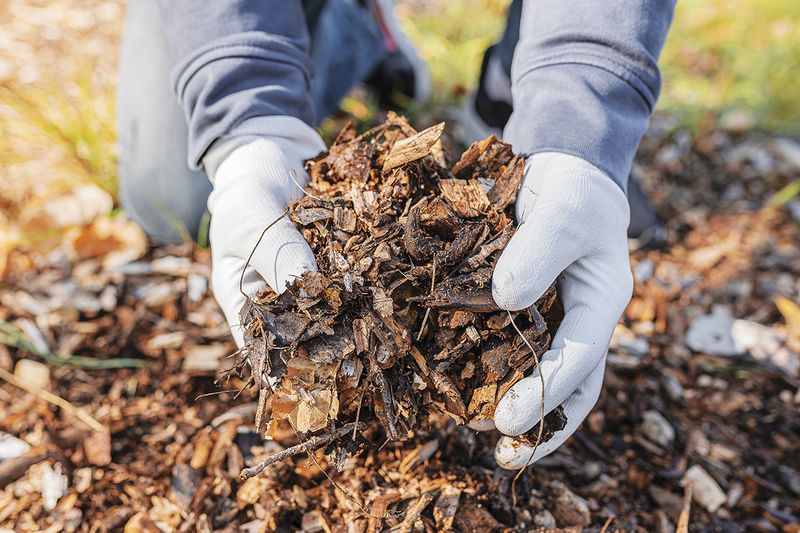
Snow may cover the yard, but underground the party does not fully stop. Earthworms, fungi, and bacteria keep nibbling away whenever the soil is not frozen solid.
Michigan winters bring plenty of freeze and thaw cycles. Each time the ground softens a bit, those tiny workers go back to breaking down your compost.
Freezing and thawing also help in a sneaky way. As water in the soil expands and shrinks, it gently cracks apart clumps and mixes compost deeper.
Here is a fun fact for you. A single teaspoon of healthy soil can hold more living microbes than there are people on Earth.
Those microbes turn compost into food that plant roots can actually use. By spring, much of the work is done, and the nutrients are waiting in place.
Your Michigan Garden Changes Every Week. Your Plan Should Too.
Gardening in Michigan changes quickly throughout the season. Every Friday you’ll receive a simple weekly plan showing exactly what to plant, prune, fertilize, harvest, and protect so you never miss the right timing.
Snow cover helps too, acting like a fluffy quilt. It keeps soil temperatures steadier, which protects the helpful life living below the surface.
If you add compost in spring instead, it has less time to settle in. Fall compost gets a head start of four or five months.
So while you are shoveling the driveway, your garden is quietly improving. It is one of the easiest kinds of progress you will ever make.
No extra watering or checking is needed until spring. Just let nature handle the slow, steady work while you stay cozy indoors.
3. Michigan Garden Beds Do Not Need As Much Compost As You Think
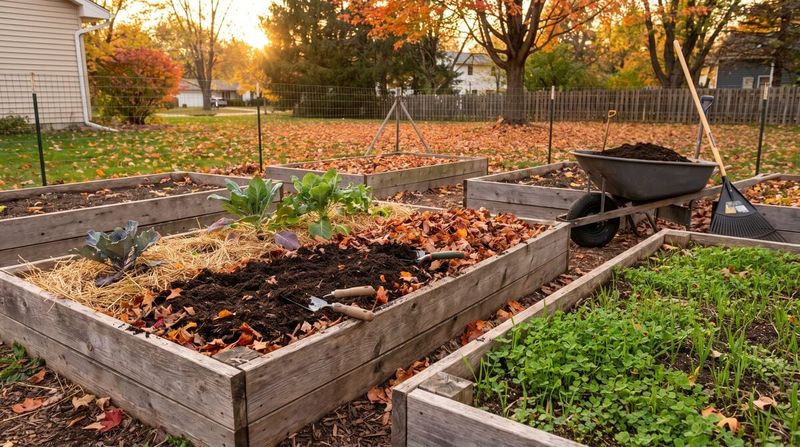
More is better, right? Not when it comes to compost, and plenty of eager gardeners learn that lesson the hard way.
For most established vegetable and flower beds, one inch or less spread on top is the standard annual recommendation. New beds or worn-out spots that are being built up for the first time can handle two to three inches worked into the soil, but that higher rate is the exception rather than the rule.
One inch of compost works out to roughly one cubic yard for every 325 square feet. At two inches, that same cubic yard covers about 160 square feet.
Knowing those numbers before you order saves both money and a sore back.
Piling on too much can actually cause trouble. Compost often contains a lot of phosphorus, and extra phosphorus can build up and wash into lakes and streams.
The Great Lakes state cares a lot about clean water. Too much runoff can feed algae blooms, which hurt fish and make beaches less fun.
A soil test is the smartest first step. Michigan State University Extension offers affordable home kits that tell you what your beds really need.
If your test shows high phosphorus, go lighter with compost. You might use half an inch or choose a leaf-based compost, which tends to carry less of it.
Beds that have been fed for years usually need less. Saving compost also saves money and sore muscles.
You can spread what is left onto the lawn or around trees.
A modest layer done each fall adds up beautifully over time. Steady habits beat one giant dump every single season.
4. Finished Compost Is The Only Kind Worth Adding In October
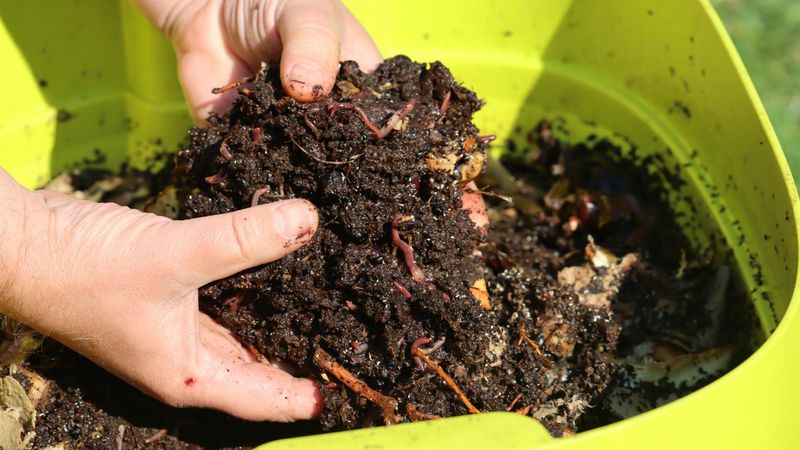
Grab a handful and give it a sniff. Good compost smells like a forest floor after rain, not like old banana peels or a garbage bin.
Finished compost is dark, crumbly, and cool to the touch. You should not be able to recognize the food scraps or leaves that went into it.
Half-done compost is a different story. It can still be heating up, and it may borrow nitrogen from the soil while it finishes breaking down.
Late fall in Michigan does not give rough material much time to finish. Cold weather slows decay way down, so chunky compost may still look messy in May.
Unfinished piles can also carry weed seeds or plant germs. A well-made finished batch reaches high heat that takes care of most of those problems.
Wondering if yours is ready? Seal a scoop in a plastic bag for a few days, and if it smells sour when opened, it needs more time.
Store-bought bags labeled finished or screened are a safe choice. Many cities and townships also sell or give away compost made from yard waste.
Keep your rough pile going through winter and use it next year. Meanwhile, save the polished stuff for your October beds.
Quality truly beats quantity here. A thinner layer of great compost does far more good than a thick layer of half-baked scraps.
5. Some Garden Beds Need Compost More Than Others
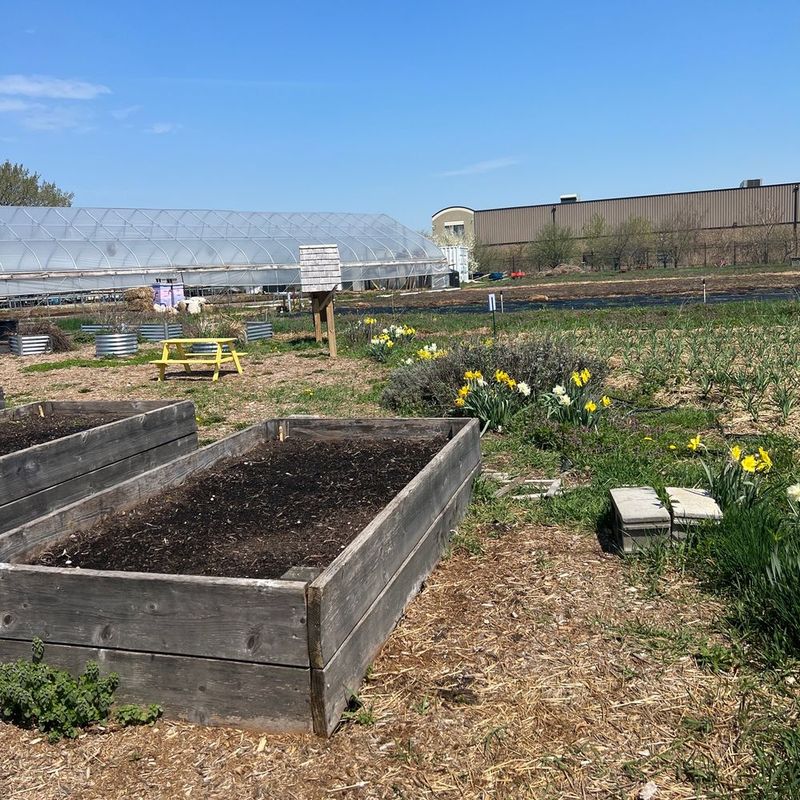
Not every corner of your yard is equally hungry. Some spots are practically waving their arms for attention, while others are doing just fine.
Vegetable beds usually top the list. Crops like tomatoes, squash, and corn pull a lot from the soil, so they appreciate a refill after harvest.
Brand new beds are another top pick. Many Michigan yards were built on scraped-off subsoil, which is often hard, pale, and low on life.
Spots where water puddles or soil cracks in summer deserve compost too. Those signs point to poor structure, and compost slowly fixes that.
On the flip side, established perennial borders need less. A thin sprinkle around plants, or a layer of shredded leaves, is often enough.
Native plant gardens may want very little at all. Plants like coneflowers and black-eyed Susans grew up in lean soil and can get floppy if overfed.
Walk your yard with a notebook this month. Jot down which areas struggled, which thrived, and which you plan to expand.
Then rank them from most needy to least. Spread your compost in that order so the best stuff lands where it matters most.
Gardening smarter, not harder, is the goal. A little planning stretches every bag and wheelbarrow load much further than you might guess.
6. How You Apply Compost Matters As Much As How Much You Use
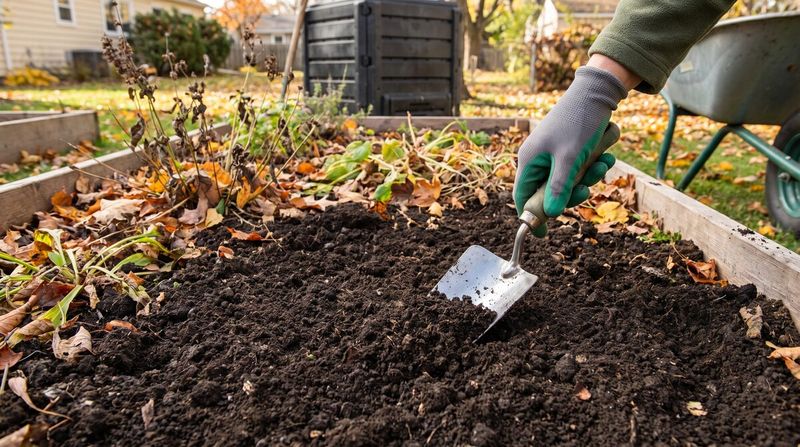
My neighbor once spent a whole Saturday digging compost a foot deep. By spring, his soil looked worse, and he could not figure out why.
Heavy digging breaks apart the natural tunnels worms and roots create. It also stirs up buried weed seeds and lets precious moisture escape.
A gentler method works better for most gardens. Simply spread compost on top and let worms and weather carry it downward.
If your soil is very compacted, a light touch with a garden fork is fine. Loosen the top few inches rather than flipping everything over.
Next, add a cover to hold it all in place. Shredded leaves, straw, or a cover crop keep compost from washing away during heavy fall rain.
Michigan Novembers can be windy and wet. Without a cover, bare beds can lose topsoil and nutrients faster than you would expect.
Avoid spreading compost on frozen ground or snow. It can slide off with melting water and end up in the street drain instead of your garden.
Keep compost a few inches away from tree trunks and shrub stems. Piling it against bark can hold moisture and invite rot.
Finally, rake it evenly so no spots are bare or buried. A smooth, even layer feeds every square foot fairly and looks tidy too.
7. Sandy And Clay Soils Both Respond Well To Fall Compost
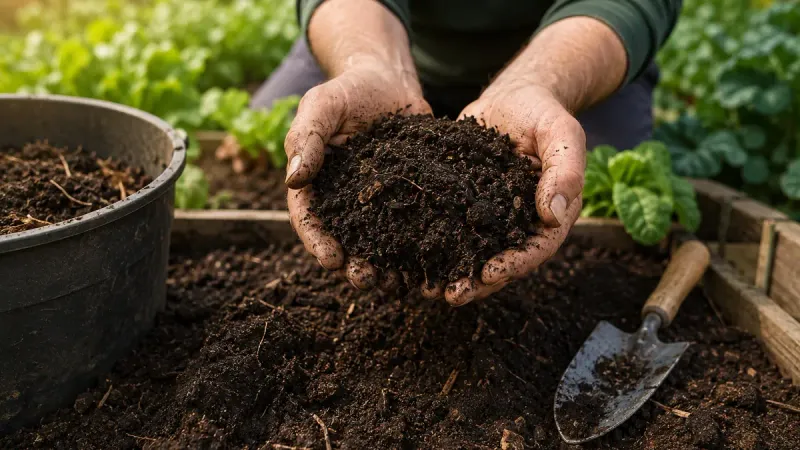
Michigan has a wild mix of dirt, thanks to glaciers that rolled through thousands of years ago. Western shoreline towns often have sugar-fine sand, while many areas around Detroit sit on heavy clay.
Good news, though, because compost helps both. It acts a bit like a referee, bringing balance no matter which side you start on.
Sandy soil drains so fast that water and food slip right past roots. Compost works like a sponge, holding moisture and nutrients where plants can reach them.
Gardeners near Lake Michigan often notice their beds dry out in just a day or two. A yearly compost layer can stretch that time and cut down on watering.
Clay soil has the opposite problem. Its tiny particles pack tightly, so it stays soggy in spring and bakes hard as a brick in August.
Compost helps clay particles clump into crumbs with air spaces between them. Roots can then wiggle through, and water drains instead of puddling.
Neither soil changes overnight. Expect steady improvement over three to five years of regular fall compost.
Do a simple squeeze test to know your type. Sandy soil falls apart in your fist, while clay holds a sticky, shiny ribbon.
Whatever you have, keep adding a little each October. Patience turns tough dirt into soil you will be proud of.
8. Fall Compost Sets Up A Stronger Garden Next Spring
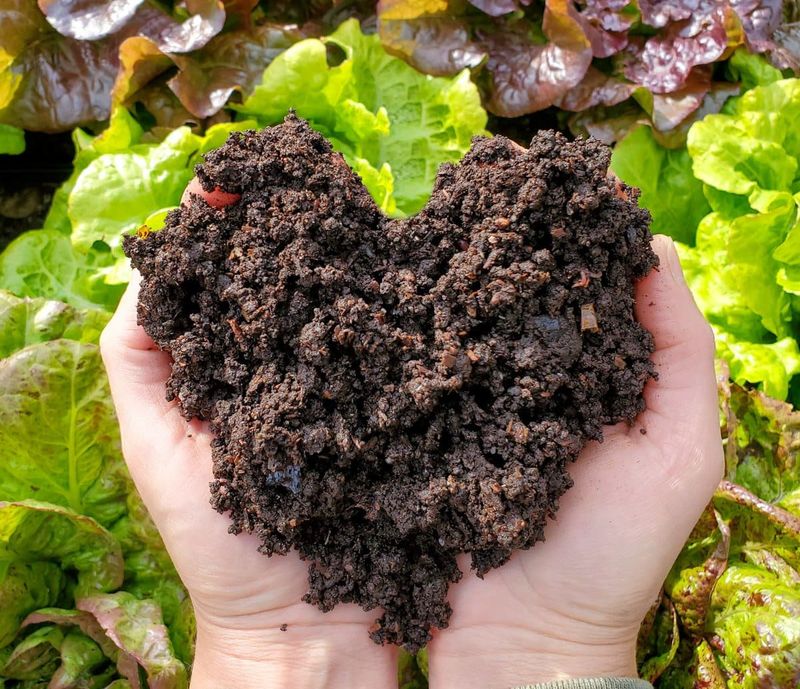
Spring planting day feels so different when the soil is ready. Your trowel slides in easily, and the dirt smells sweet and alive.
Beds that got compost in October usually warm up and dry out faster. That means you can plant peas, spinach, and lettuce a bit earlier than usual.
Seeds sprout more evenly in crumbly soil. They do not have to fight crusty surfaces or soggy clumps to push their way up.
Healthy soil also helps plants handle stress. Roots dig deeper, which helps them ride out the dry spells that often hit Michigan in July.
Many gardeners notice fewer plant problems over time too. Strong soil life can crowd out some of the germs that cause leaf spots and root trouble.
You may even need less fertilizer. Compost releases food slowly, so plants get a steady snack instead of a sudden sugar rush.
Keep a simple garden journal to track the difference. Write down planting dates, harvest amounts, and how the soil feels each year.
After a season or two, the pattern becomes easy to see. Bigger tomatoes and brighter flowers are hard to argue with.
So head out before the ground turns hard this fall. A few hours with compost now builds a garden that keeps rewarding you for years.