The Lawn Caterpillar That Strikes Pennsylvania Yards In October
This pest doesn’t even live in Pennsylvania year-round. It can’t handle our winters. Instead, it arrives each year on the wind, as moths drift north from the southern states and lay their eggs along the way.
Most years, it goes unnoticed. In others, it shows up in huge numbers and catches homeowners completely off guard.
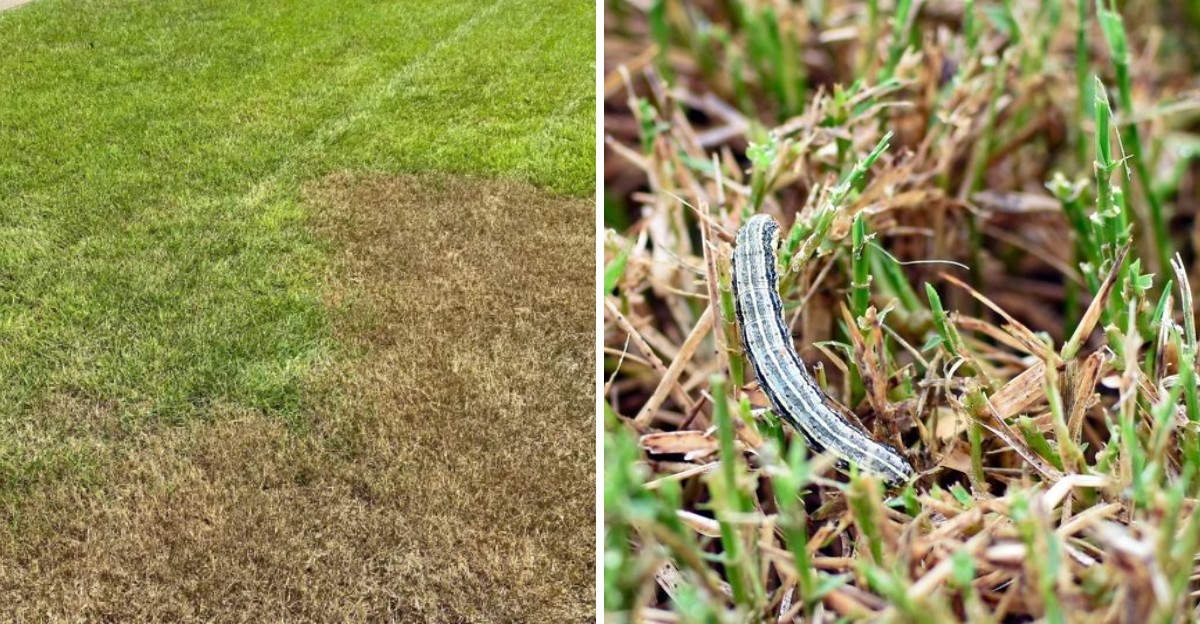
The damage can happen fast. A lawn that looked healthy on Monday can be patchy, ragged, and brown by the weekend.
The culprits are small, striped caterpillars that feed mostly in the early morning and evening, which makes them easy to miss.
Freshly seeded and newly sodded lawns are especially at risk, since tender grass is their favorite meal.
Because they show up late in the season, many people mistake the damage for drought or disease.
Catching the signs early gives your lawn its best chance to bounce back before winter.
An Occasional But Destructive Lawn Pest
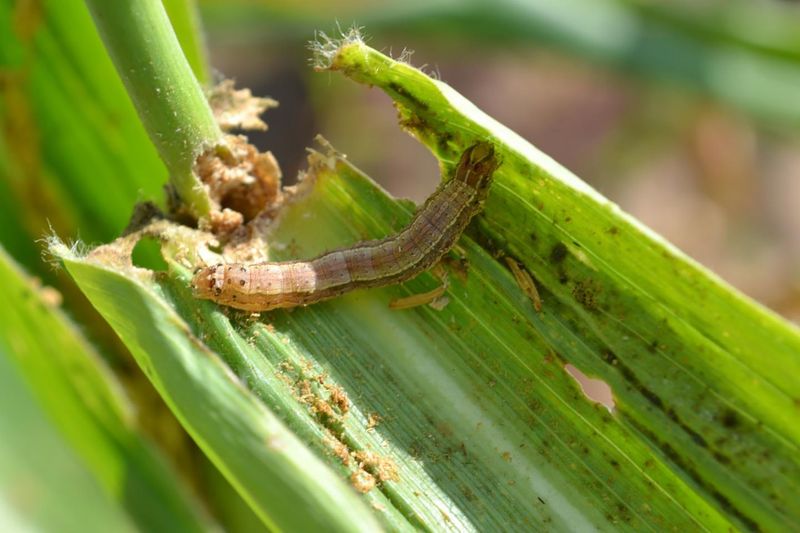
Most years, Pennsylvania lawns never see a single fall armyworm. Then a big year comes along, and suddenly everyone is talking about them. These small caterpillars can strip a healthy lawn of its green blades in just a few days.
Their name gives a hint about how they work. Armyworms travel in large groups, almost like soldiers moving across a field. Once one area of grass is eaten, they move on to the next spot together.
The year 2021 was a famous outbreak year. Lawns across the state, from Pittsburgh suburbs to towns near Philadelphia, suffered damage.
Many homeowners had never heard of the pest before that fall. Extension offices got flooded with calls from worried people.
So why do they matter so much? Their feeding is fast and heavy. A lawn can go from green to tan in a short time, which makes people panic. Sports fields, golf courses, and pastures can also get hit hard.
Fall armyworms are not picky eaters either. They feed on many grasses, including the tall fescue and Kentucky bluegrass common in Pennsylvania yards. They also attack crops like corn and hay, so farmers keep a close eye on them too.
Here is the helpful part. Because outbreaks come and go, you do not need to treat your lawn every year just in case. Spraying when no pests are around wastes money and can harm helpful insects.
Instead, stay alert from late summer into fall. Watch local news, gardening groups, and Penn State Extension updates.
If neighbors start reporting armyworms, take a closer look at your own grass. Being ready is far better than being surprised.
Why They Show Up So Late In The Season
Funny thing about these caterpillars is that they are not really from around here. Fall armyworms cannot survive cold Pennsylvania winters. Freezing weather wipes out every one of them by the time snow falls.
So where do they come from each year? The answer is the South. Adult moths live through winter in warm places like southern Texas and Florida.
When spring arrives, those moths start flying north, riding warm winds that carry them hundreds of miles.
Your Pennsylvania Garden Changes Every Week. Your Plan Should Too.
Gardening in Pennsylvania changes quickly throughout the season. Every Friday you’ll receive a simple weekly plan showing exactly what to plant, prune, fertilize, harvest, and protect so you never miss the right timing.
Along the way, each generation lays eggs. The eggs hatch into caterpillars, the caterpillars grow into moths, and the moths keep moving.
One female moth can lay over a thousand eggs in her short life. That is how numbers build up so quickly over the summer.
By the time they reach Pennsylvania, it is usually late summer. That is why damage here shows up in August and September. It can keep going into early October, right up until the first frost.
Fun fact: the word fall in their name does not mean autumn. It actually refers to the season when they cause the most trouble in northern states. Still, the timing fits nicely for Pennsylvania homeowners.
Weather plays a big role too. Storms and strong southern winds in summer can push more moths north than usual. A warm, long fall gives caterpillars extra time to eat.
Knowing this timeline helps you plan. You can relax in spring and early summer. Save your lawn checks for late August through October. Mark it on your calendar, and you will be one step ahead.
How To Recognize Them
Spotting a fall armyworm is a lot like solving a puzzle. You just need to know the right clues. Once you learn them, you will never confuse this pest with anything else.
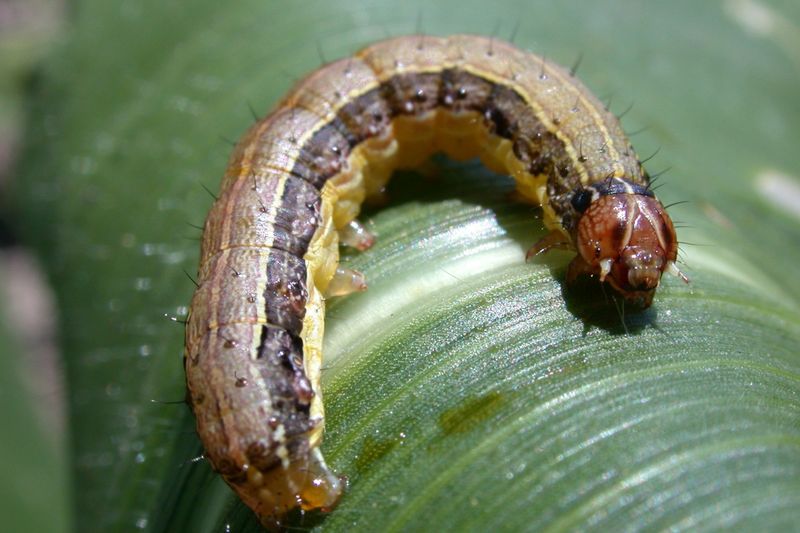
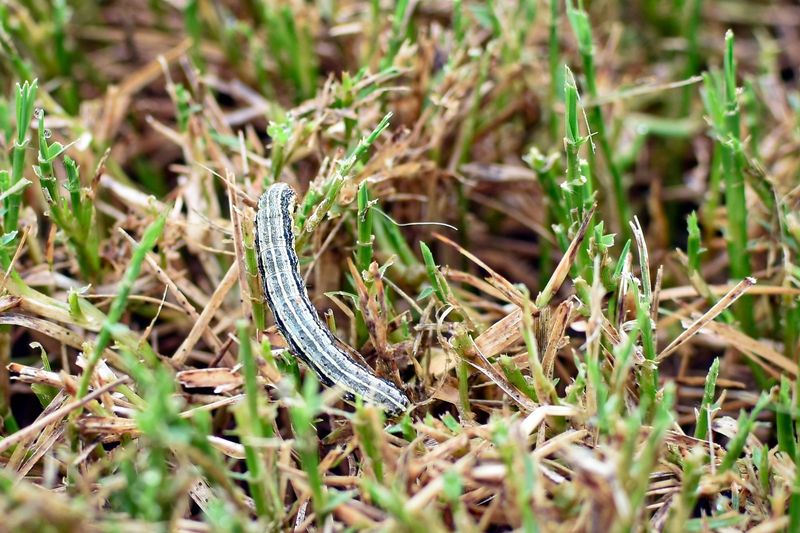
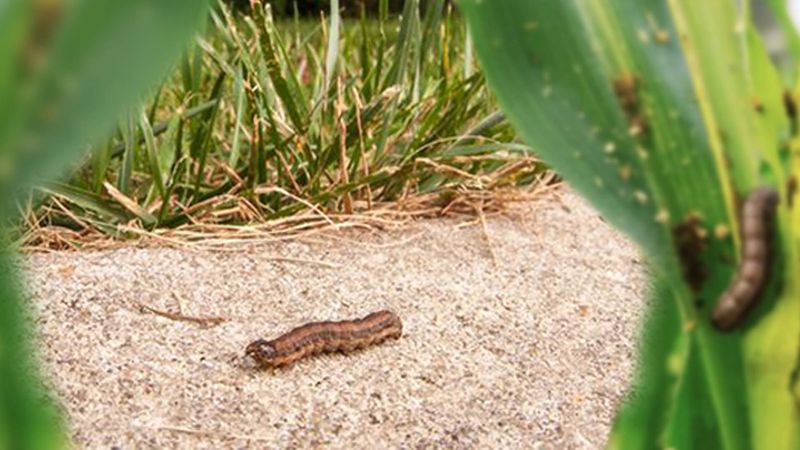
Start with color. Fall armyworms can be green, brown, or nearly black. That range can be confusing, so do not rely on color alone. Look for stripes running along their sides from head to tail.
Size is another hint. Young caterpillars are tiny and easy to miss. Older ones grow up to about one and a half inches long, roughly the length of a paperclip.
Now for the best clues. Look closely at the head. You should see a pale, upside-down letter Y on the front. It stands out against the darker head, almost like a little marking someone drew on purpose.
Next, check the back end. Near the rear, there are four dark dots arranged in a square. Many other caterpillars have spots, but this neat square pattern is a giveaway for fall armyworms.
A magnifying glass makes this much easier. Even the camera on your phone can help. Snap a close-up photo and zoom in to check for the Y and the square of dots.
Why does correct identification matter? Other lawn pests, like sod webworms or cutworms, can look similar.
Grubs also cause brown patches but live in the soil instead. Knowing exactly what you have helps you choose the right treatment and timing.
If you still feel unsure, take a sample to your county extension office. Experts there can confirm it for free or for a small fee.
Signs Of An Infestation
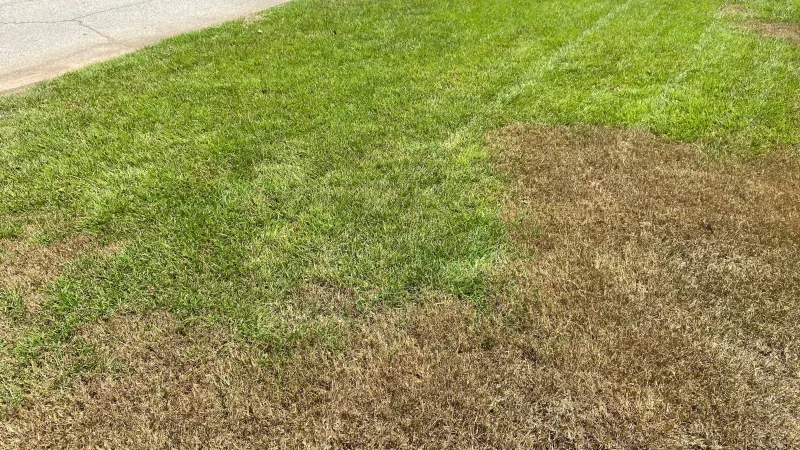
Brown grass in the morning, green grass the evening before. That is the story many Pennsylvania homeowners tell about armyworms. The change can seem almost magical, but it is really just hungry caterpillars at work.
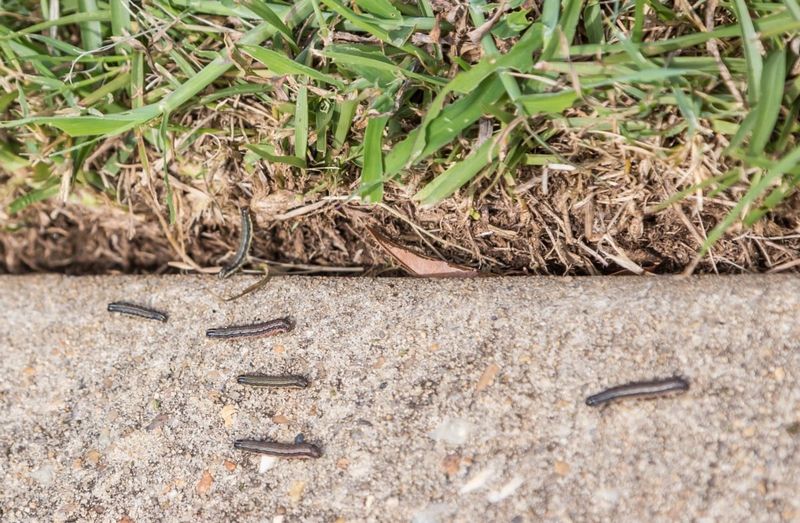
Damage usually starts in patches. You might notice a small area that looks dull or thin. Within a day or two, that spot grows bigger as the caterpillars march across the yard together.
Look at the edge of a brown patch. Often you will see a clear line between damaged grass and healthy green grass. That line is where the caterpillars are feeding right now. It moves forward as they eat.
Grass blades may look chewed or ragged up close. Sometimes the blades look see-through, like little windows, when young caterpillars scrape off the green layer. Older caterpillars eat whole blades down low.
Birds can give you an early warning. If you see flocks of starlings, robins, or grackles pecking all over your lawn, pay attention. Birds love a caterpillar buffet, and they often find armyworms before people do.
Here is a tip that saves a lot of headaches. Do not assume brown grass means your lawn is thirsty. Watering will not fix armyworm damage. Many folks waste days watering while the caterpillars keep eating.
Also check sunny areas first. Armyworm moths often lay eggs on light-colored surfaces near lawns, like fences, siding, or patio furniture. Lawns close to those spots may get hit first.
Take a quick walk around your yard every few days in late summer. Catching problems early means less damage and easier choices later.
How To Check For Them
Grab a bucket and some dish soap, because this test is easy and kind of fun. It is called a soap flush, and lawn experts use it all the time. You do not need any fancy tools.
First, fill a bucket with one gallon of water. Mix in a couple of tablespoons of regular dish soap. Lemon scented or plain both work fine. Stir it gently so it does not get too foamy.
Next, pick your spot carefully. Choose the edge of a brown patch, right where the damaged grass meets healthy green grass. That border is where caterpillars are most likely feeding.
Pour the soapy water over about a one square foot area. Go slowly so the liquid soaks into the grass and thatch. Then step back and wait.
Within a few minutes, you should see results. The soap bothers the caterpillars, so they wiggle up to the surface to escape it. They are much easier to spot this way.
Count what you find. A few caterpillars may not be a big deal. Many experts say finding several per square foot means action could be needed, especially on newer lawns.
Try the test in a few different spots. Damage can be spread out, and one test might not tell the whole story.
Timing helps too. Armyworms are most active in early morning and evening. Testing at those times can give you a clearer picture.
Kids often love helping with this job. It feels like a treasure hunt and teaches them about nature. Just rinse the area with plain water afterward if you are worried about the soap.
What To Do About Them
Take a deep breath before reaching for a sprayer. In many cases, your lawn will bounce back on its own. That surprises a lot of people who see their yard turn brown.
Here is why. Fall armyworms mostly eat the grass blades, not the growing points near the soil. Those growing points, called crowns, can push out new green blades once the caterpillars leave.
Established lawns with deep roots usually recover within a few weeks. A little water and some patience go a long way. Fall is also a good time for grass to grow in Pennsylvania, which helps.
Newly seeded lawns are a different story. Young grass has tiny roots and weak crowns. Armyworms can wipe out baby grass completely, so new lawns need closer watching and faster action.
If treatment is needed, choose wisely. Products with Bacillus thuringiensis, often called Bt, are a natural option.
Spinosad is another choice that comes from soil bacteria. Both work best on young, small caterpillars, so early action matters.
Always read and follow the label. Apply products in the late afternoon or evening, when caterpillars are most active. Skip mowing for a day or two afterward so the treatment stays on the blades.
Mother Nature also lends a hand. The first hard frost ends the armyworm problem for the year. Since they cannot survive winter here, you get a fresh start each spring.
After the danger passes, help your lawn heal. Rake damaged areas lightly, overseed thin spots, and give the grass a fall fertilizer. Next summer, your yard could look better than ever.