The One Thing To Do To Ohio Tomato Plants Now For More Ripe Fruit Before Frost
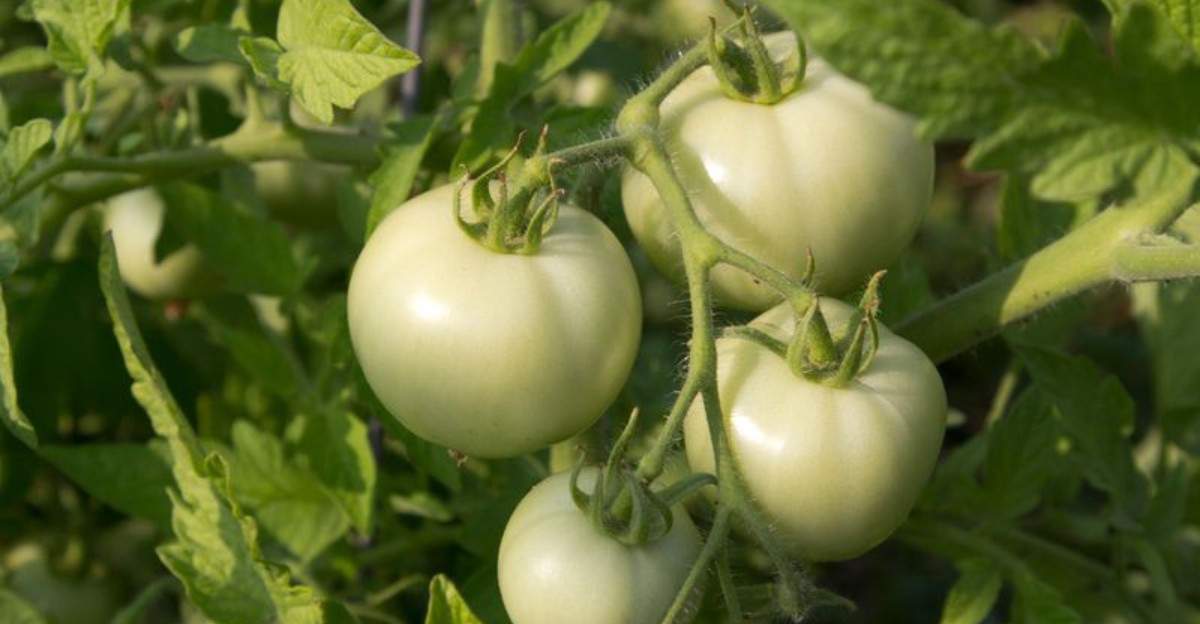
Frost has a date with your tomato plants, and the fruit still hanging green has about as many days left as the forecast allows.
Ohio gardeners hit this wall every fall. The vines keep pushing out new growth while half the crop sits there stubbornly green.
Something has to give, and the plant won’t make the call on its own.
One small move redirects the plant’s energy toward the fruit already on the vine. It takes a few minutes and a pair of hands, nothing more.
Skip it and the vine keeps spending effort on stuff that will never ripen in time.
Do it as soon as you can, while there’s still warmth left to work with. The earlier you start, the more tomatoes you save.
1. Snip Off New Flowers Now
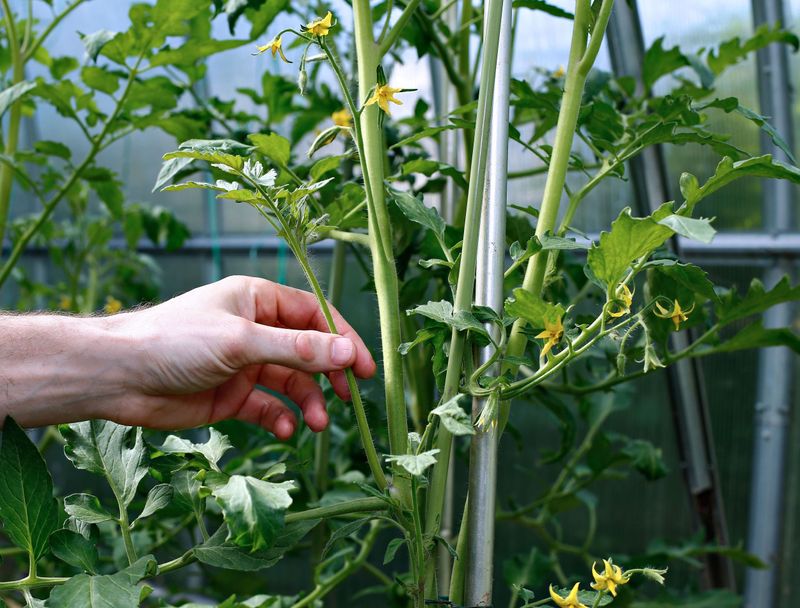
Picture a tomato plant as a busy kitchen with only so much food to share. Every new flower is another hungry guest asking for a plate.
By late summer in Ohio, those little yellow blossoms are more of a drain than a gift. Pinching them off tells the plant to stop planning new meals and finish cooking the ones already on the stove.
The energy that would have gone into fresh flowers now flows into the green tomatoes hanging lower down.
The job is simple and kind of satisfying. Walk along each plant and look for clusters of yellow flowers near the tips of the stems.
Use your fingers or clean snips to remove the whole cluster right where it joins the vine.
Try to do this in the morning when the plants are dry. Wet leaves can spread germs from plant to plant, and nobody wants that this late in the season.
Wipe your snips with rubbing alcohol between plants if you notice any spotted leaves.
Plan to repeat this every few days, since tomatoes are stubborn and keep blooming. Most Ohio gardeners start snipping in late August or early September.
In southern parts of the state, where frost may hold off until late October, you can wait a little longer before you begin.
Your future self, holding a bowl of red slices, will thank you.
2. New Blooms Won’t Have Time To Ripen
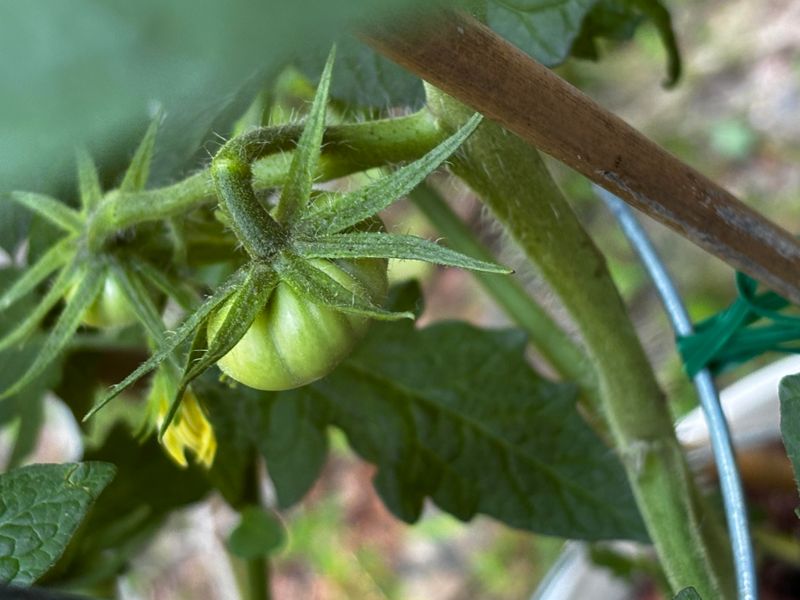
Here is some quick garden math. A tomato flower usually needs about six to eight weeks to turn into a ripe, juicy fruit.
Now count backward from frost. Cleveland often sees its first frost around October 14, while Mansfield averages closer to October 2.
A flower that opens in mid September simply runs out of road before it can finish the trip.
Cool fall nights make the clock tick even slower. When temperatures drop below about 50 degrees, tomatoes slow their growth and ripening to a crawl.
Shorter days also mean less sunlight to power the whole process.
So what should a healthy plant look like by early autumn? Most will have three or four trusses, or clusters, of fruit already set.
Anything that shows up after that is a long shot at best.
Your Ohio Garden Changes Every Week. Your Plan Should Too.
Gardening in Ohio changes quickly throughout the season. Every Friday you’ll receive a simple weekly plan showing exactly what to plant, prune, fertilize, harvest, and protect so you never miss the right timing.
Think of it like starting a long movie ten minutes before the theater closes. You might enjoy the opening scenes, but you are not going to see the ending.
Late flowers are the same story, full of promise with no time to deliver.
Knowing this makes it easier to be a little ruthless. Instead of feeling bad about removing pretty blooms, you can feel smart about it.
Every flower you skip saves energy for fruit that has a real shot at reaching your plate.
3. Remove The Tiniest Tomatoes Too
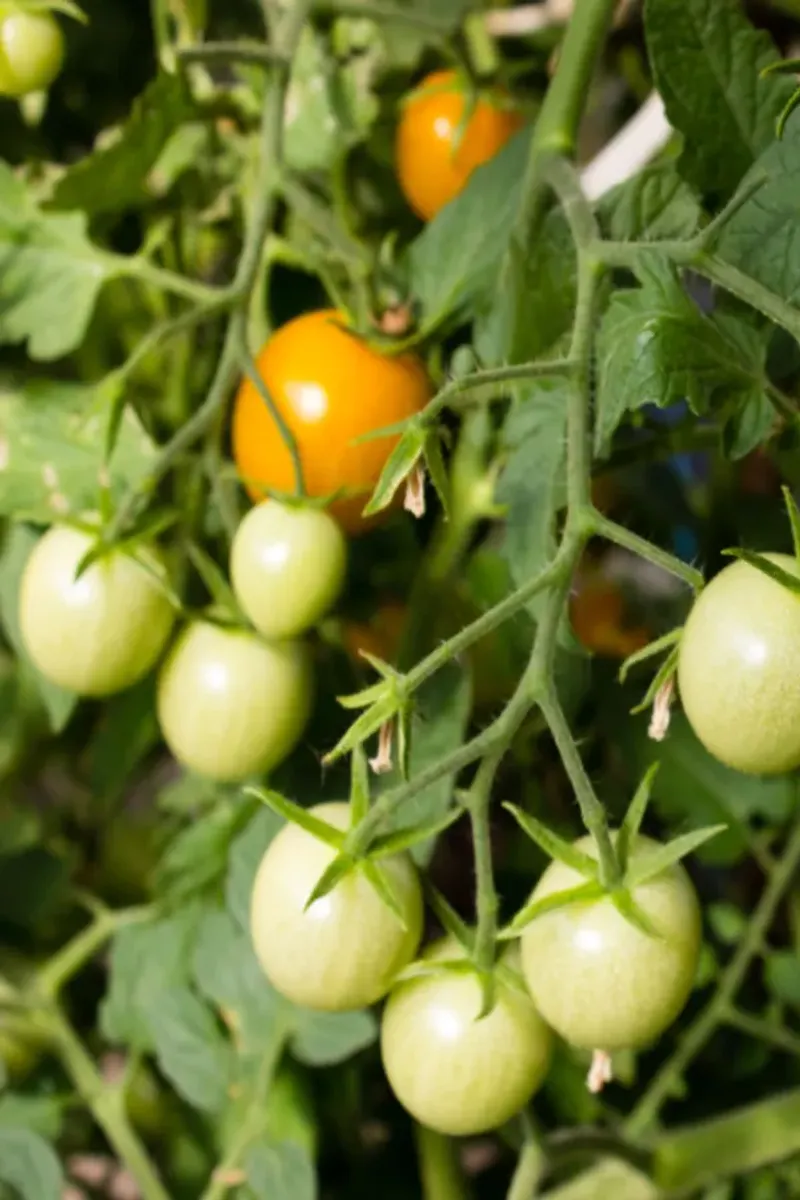
Marble-sized tomatoes are adorable, no doubt about it. Sadly, cute does not help them beat the calendar.
These tiny green fruits have almost no chance of ripening before frost. They also rarely ripen indoors after picking, since they have not built up enough inside to finish the job.
Leaving them on the vine just means the plant keeps feeding fruit that will not pay off.
Removing them lets the plant pour its sugars into the bigger tomatoes. Those larger fruits can then swell up and start changing color faster.
It is a bit like a coach giving the starting players more time on the field during the final quarter.
A good rule of thumb is to look at the size of fruit on the same plant. If a tomato is less than half the size of the biggest ones, it is probably a goner for this season.
Pinch it off gently or snip the tiny stem.
Do not toss them in the trash, though. Small green tomatoes make great food for your compost pile.
Next spring, that rich compost can feed a fresh round of plants.
Some cooks like to pickle very small green tomatoes too. If you enjoy a tangy snack, a quick online search will turn up easy recipes.
Either way, nothing goes to waste, and your main crop gets a real boost.
4. Top Tall Vines To Redirect Energy
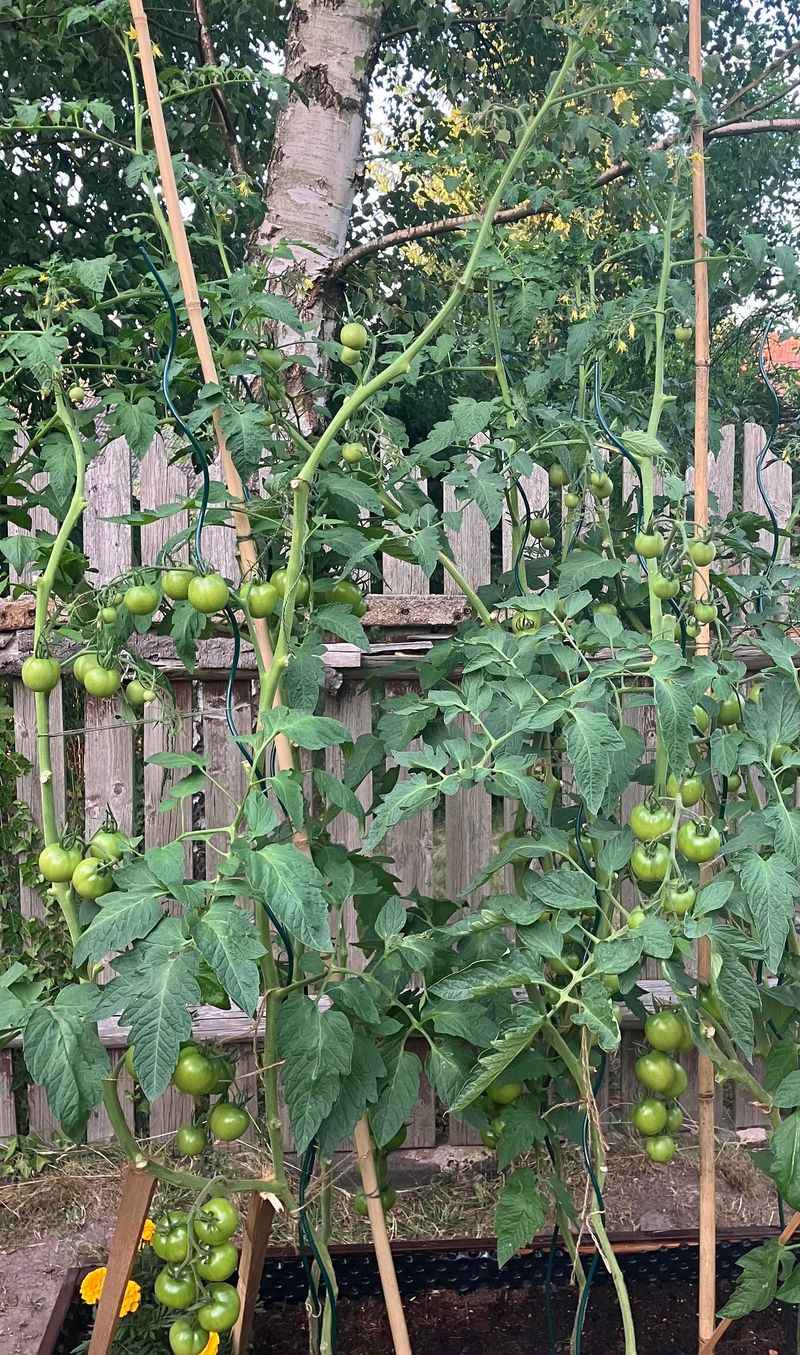
Tall tomato vines love to keep climbing, like a kid who refuses to go to bed. Topping is the gardener’s way of saying lights out.
Topping means cutting off the growing tip of each main stem. It works best on indeterminate tomatoes, the kind that keep growing all season long.
Big favorites like Brandywine, Cherokee Purple, and most cherry types fall into this group.
Timing matters here. Aim to top your plants about four to six weeks before your expected first frost.
For much of Ohio, that lands somewhere between late August and early September.
Once the tip is gone, the plant stops making new flowers and fruit. All those sugars get sent down to the tomatoes already hanging on the vine.
The result is often faster ripening and fruit that is better prepared to finish indoors if you need to pick early.
To do it, find the top of each main stem and cut just above a healthy set of leaves. Use clean, sharp pruners so the cut heals quickly.
If you have several main stems, top each one.
Determinate varieties, like Roma and Celebrity, mostly stop growing on their own. They usually do not need this step.
If you are not sure which type you planted, check the old plant tag or seed packet.
5. Leave The Leaves Near The Fruit Alone
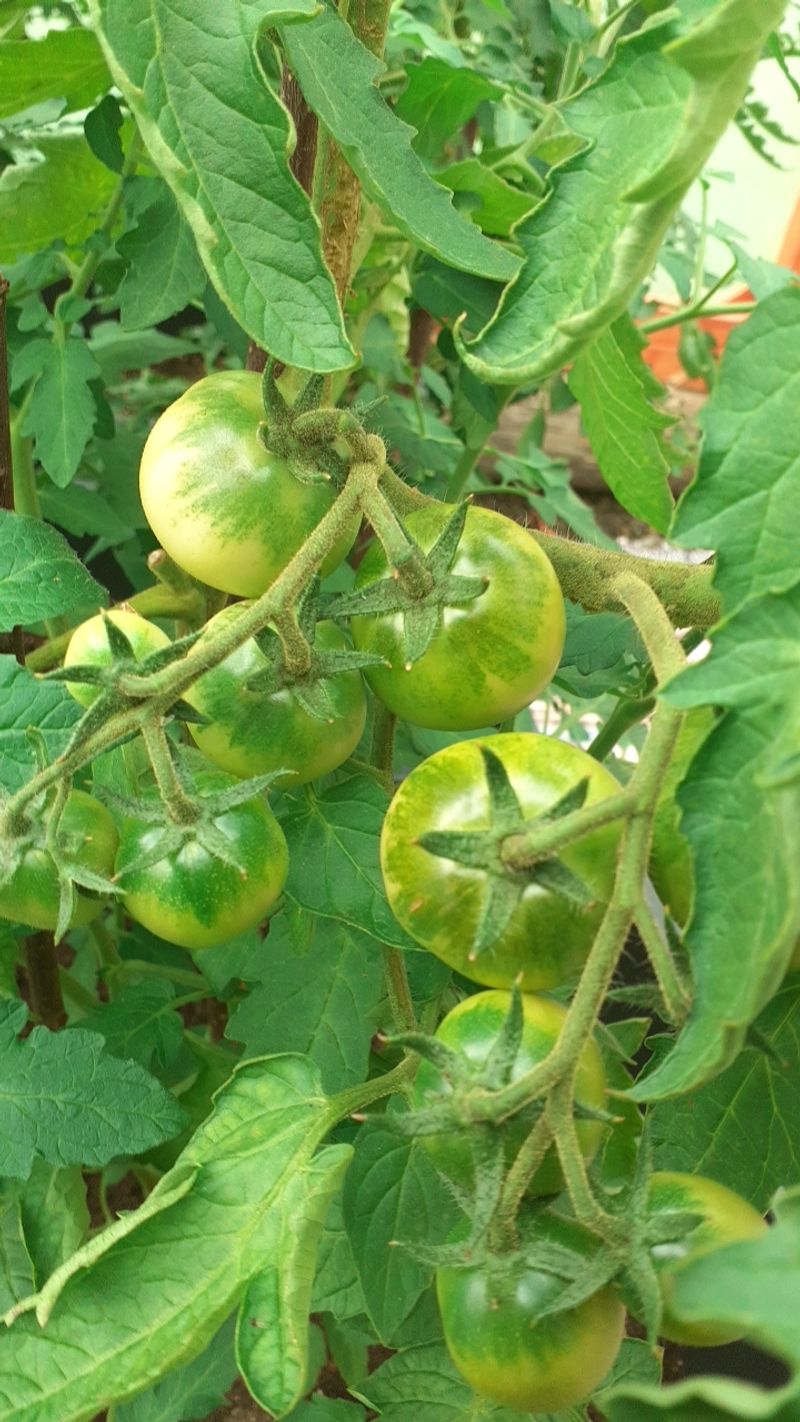
It is tempting to strip off leaves so the sun can bake your green tomatoes. That plan sounds smart, but it can backfire.
Leaves are the plant’s solar panels. They catch sunlight and turn it into the sugars that feed every growing fruit.
Fewer leaves means less power, and less power means slower ripening, not faster.
Leaves also act like sunscreen. Tomatoes that suddenly face harsh afternoon sun can get pale, tough patches called sunscald.
That damage is the opposite of the sweet, red reward you are hoping for.
A little tidying is fine, though. Feel free to remove leaves that are yellow, spotted, crispy, or clearly sick.
Taking out a few crowded leaves below ripening clusters can also help air move around and make picking easier.
The goal is to let in a bit more light and breeze, not to put every tomato on full display. Think of it as a light trim rather than a buzz cut.
If you are unsure about a leaf, it is usually safer to leave it.
Here is a fun fact. Fruit color mostly comes from temperature, not direct light.
Warmth triggers the red pigments, which is why tomatoes can ripen on a counter far from a window. So those leafy shadows are not holding your harvest back at all.
6. Cover Plants On Chilly Nights
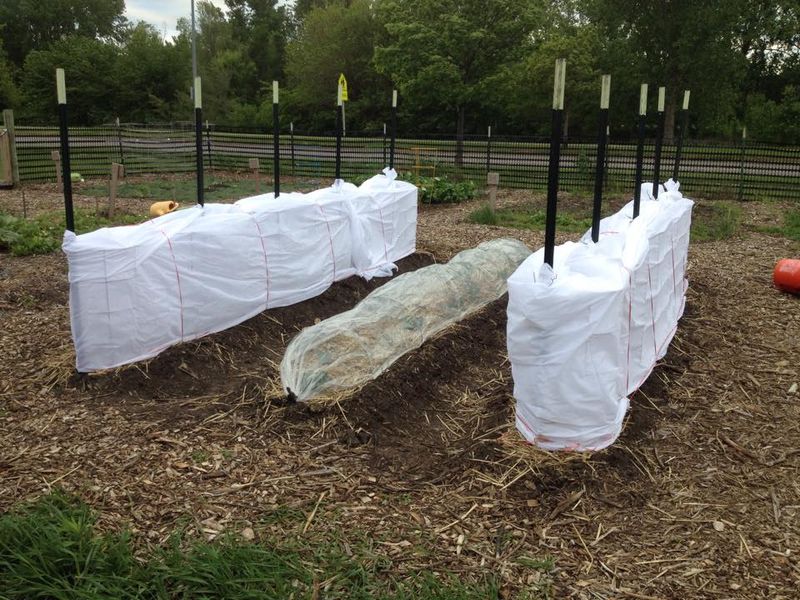
Ohio weather loves a surprise. A sunny 65 degree afternoon can turn into a frosty 31 degree night before you finish dinner.
Tomatoes cannot handle frost at all, but a simple cover can buy you extra days or even weeks. Old bed sheets, light blankets, burlap, drop cloths, or garden row covers all work well.
Raid your linen closet for anything you will not miss.
Drape the fabric loosely over the plants so it reaches all the way to the ground. Weigh down the edges with bricks, rocks, or boards.
This traps warmth rising from the soil, creating a cozy little tent around your vines.
Try to cover plants before the sun goes down. The ground holds the most heat in late afternoon, so earlier is better.
Skip plastic touching the leaves, since it can actually pass the cold right through.
In the morning, pull the covers off once temperatures climb above freezing. Plants need sunlight and fresh air during the day.
Leaving covers on too long can make things damp and stuffy underneath.
Keep an eye on the forecast each evening this time of year. A light frost happens between 28 and 32 degrees, and covering helps most in that range.
Many falls bring one chilly night followed by weeks of mild weather, so this trick can pay off big.
7. Pick Before A Hard Freeze Hits 28 Degrees
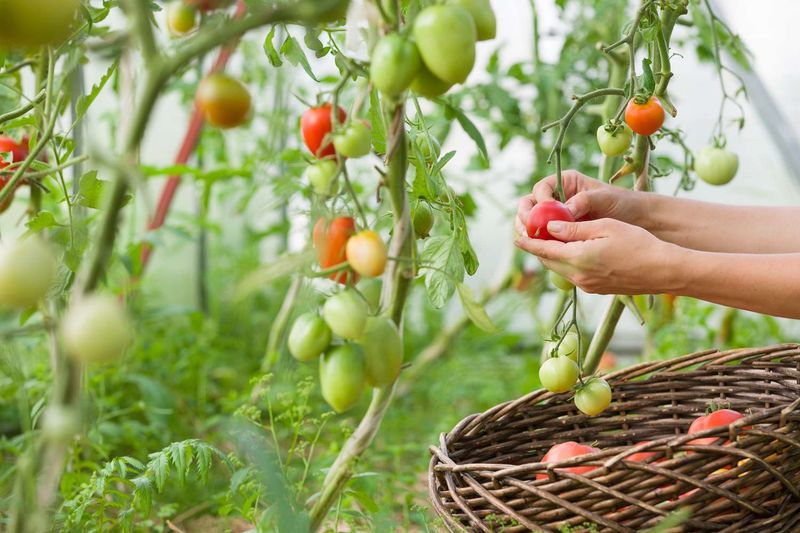
Sheets and blankets have their limits. When the forecast drops to 28 degrees or lower, it is time to call in the harvest crew.
A hard freeze means temperatures sit at 28 degrees or below for several hours. That kind of cold usually ruins tomato plants and any fruit still hanging on them.
Covers simply cannot hold back that much chill.
So when you see a hard freeze coming, grab a basket and pick everything worth saving. Focus on full-sized tomatoes first, especially ones showing any color at the bottom end.
That spot, called the blossom end, is where the first blush of yellow or pink appears.
Harvest during the warmest part of the day if you can. Dry fruit stores better and is less likely to spoil.
Handle each tomato gently, since bruises can lead to soft spots later.
Leave a little bit of stem attached if it snaps off easily. Toss out any fruit with cracks, holes, or mushy spots, because those will not keep well indoors.
Sort as you go so the best ones are easy to find.
It can feel a little sad to strip the vines bare. Still, a kitchen full of ripening tomatoes beats a garden full of frozen mush.
Think of it as moving the party indoors rather than ending it.
8. Tomatoes With A Blush Ripen Best Indoors
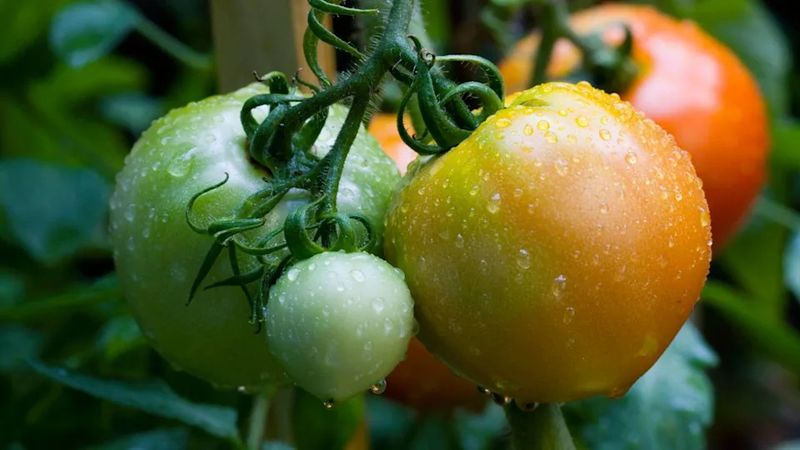
Gardeners have a secret that grocery stores know well. Once a tomato starts to blush, it can finish ripening off the vine with little change in flavor.
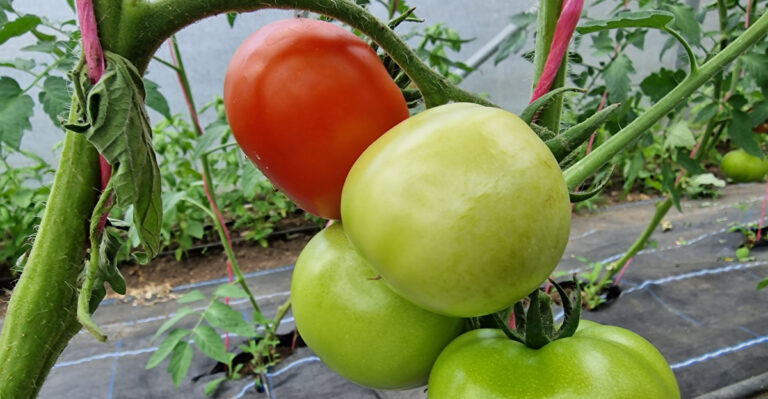
Look for full-sized fruit with a yellow, orange, or pink tint at the bottom. These tomatoes have already flipped the switch inside.
Taste and texture usually match ones that ripened on the plant.
Warmth is the key to finishing the job. Keep them at room temperature, ideally between 68 and 75 degrees.
A kitchen counter or a shelf away from drafts works nicely.
Want to speed things up? Tuck a few tomatoes into a paper bag with a ripe banana or apple.
Those fruits give off ethylene, a natural gas that tells tomatoes to hurry up and ripen.
Check the bag every day or two. Pull out any tomatoes that turn fully red so they do not get too soft.
Remove any that show mold right away to protect the rest.
One big tip is to keep them out of the fridge. Cold air dulls flavor and can make the flesh mealy.
Save the refrigerator for fully ripe tomatoes you cannot eat in a day or two, and let them warm up before serving. Soon your counter will look like a farm stand, with fall sandwiches and sauces ready to go.
9. Shiny Green Fruit Can Still Ripen On The Counter
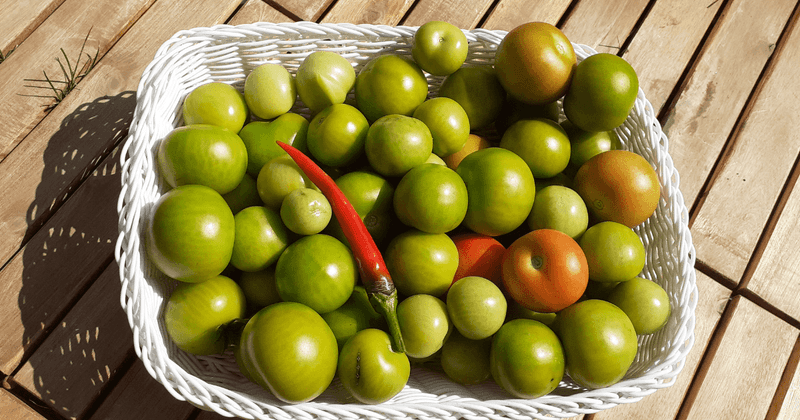
Not every green tomato is a lost cause. The trick is spotting the ones that are ready to grow up.
Look for fruit that has reached at least three-fourths of its full size. A mature green tomato has a glossy, almost waxy shine, and the color often fades to a lighter green.
Dull, hard, small fruit is less likely to make it.
These shiny green tomatoes can ripen on the counter, in a cardboard box, or wrapped one by one in newspaper. Wrapping helps hold in their natural ethylene and keeps them from touching.
Store them in a single layer so none get squished.
Sunlight is not needed, but warmth matters a lot. At 65 to 70 degrees, most will ripen in about two weeks.
In a cooler spot around 55 degrees, it may take closer to a month.
That slower pace can be handy. Keeping one batch warm and another cool spreads your harvest across several weeks.
Some Ohio families enjoy homegrown tomatoes right up to Thanksgiving this way.
Just avoid spots colder than 50 degrees, like a chilly garage or the fridge. Those temperatures often lead to bland, watery fruit.
Check your stash twice a week, pulling out ripe ones and any that start to spoil, and enjoy a fresh slice of summer in late fall.