The Pest Check Every New York Houseplant Owner Should Do Before Winter
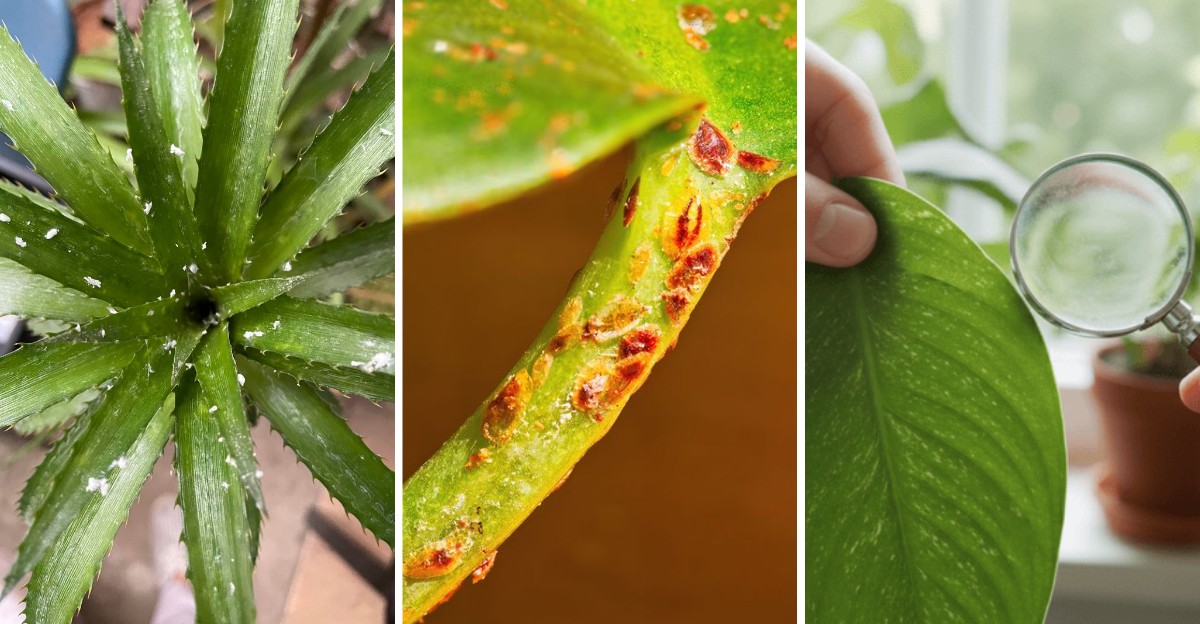
Your monstera looks happy, but something tiny might be throwing a party under its leaves. When radiators start hissing and windows stay shut, houseplant pests get cozy fast.
Dry, warm apartment air is a dream come true for spider mites, mealybugs, and their sneaky friends. Plants coming in for winter can carry unwanted guests right through the door.
A quick check now can save you weeks of frustration once the cold sets in New York. All it takes is good light, curious eyes, and maybe a magnifying glass.
1. Flip Leaves To Check The Undersides
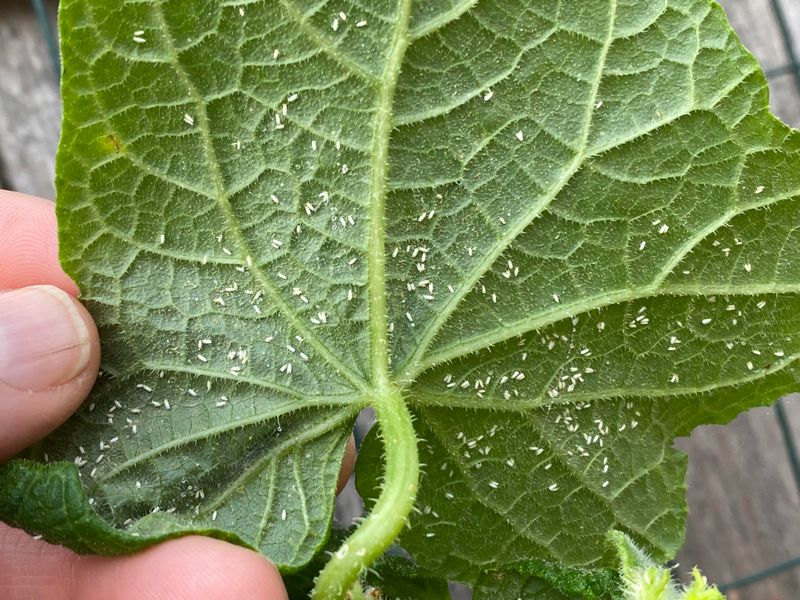
Picture a pest hiding spot that gets no sunlight and almost no attention. Leaf undersides fit that description perfectly, which is why bugs love them.
Most common houseplant pests lay eggs and feed on the bottom of leaves. From above, your plant may look totally healthy and green.
Start by holding each leaf gently in one hand for support. Then tilt it toward a window or lamp so the light hits the underside clearly.
Look along the central vein first, moving slowly from the stem toward the tip. After that, trace the smaller side veins where tiny pests like to tuck in.
Watch for specks, bumps, cottony spots, or anything that seems to move. Shiny patches or faint stains can also hint that something has been feeding there.
Plenty of New York apartments have dim corners, so bring plants to your brightest spot. A phone flashlight works nicely if your windows face a brick wall.
Big plants can feel overwhelming, but you can split the job into sections. Check the lowest leaves first, since pests often begin where air is still and shady.
Small plants are easier because you can lift the whole pot and tilt it. Just be careful not to bend stems or snap delicate leaves along the way.
Try to check a few leaves on every side of the plant. Pests rarely spread evenly, so one sunny side might look clean while the back hides trouble.
Make leaf flipping a weekly habit through fall and winter. Five minutes of looking can spare you a month of treatments later.
2. Look For Fine Webbing From Spider Mites
Spider mites are the uninvited guests that show up right when the heat clicks on. Dry indoor air in winters suits them perfectly.
Funny enough, these pests are not insects at all. They are tiny arachnids, which makes them distant cousins of spiders and ticks.
Early signs are easy to miss because the mites are so small. Look for pale, speckled dots on the upper leaf surface, sometimes called stippling.
Over time, leaves can look dull, dusty, or faded instead of glossy. Some even turn yellowish or bronze as the damage spreads across the plant.
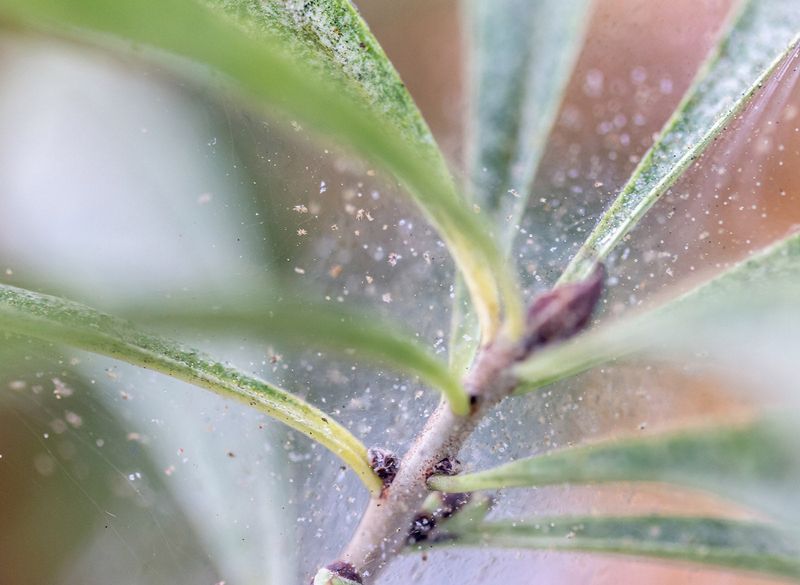
Webbing is the real giveaway once a colony grows. Check leaf undersides, stems, and the spots where leaves meet the stem.
Spider mite silk is fine and dense, almost like a thin veil. Unlike regular spider webs, it often feels powdery instead of sticky.
Your New York Garden Changes Every Week. Your Plan Should Too.
Gardening in New York changes quickly throughout the season. Every Friday you’ll receive a simple weekly plan showing exactly what to plant, prune, fertilize, harvest, and protect so you never miss the right timing.
Mites use the webbing as a shield for their eggs and colony. It also works like a highway, letting them travel easily from leaf to leaf.
Want a quick test? Hold a white sheet of paper under a branch and tap it gently.
Watch the paper for tiny red, tan, or white specks that start crawling. Dust stays still, but mites will wander around within a few seconds.
Plants near radiators tend to get hit hardest, so check those first. Raising humidity and rinsing leaves in the shower can help slow mites down.
3. Spot Cottony Clumps Of Mealybugs
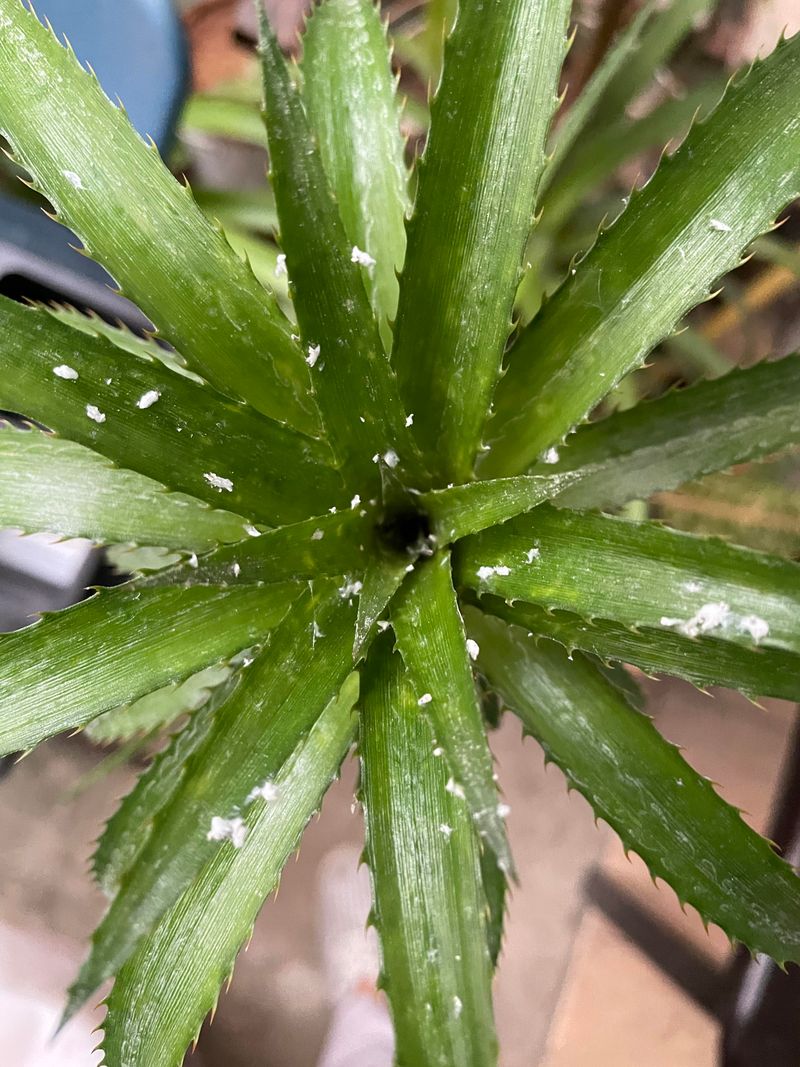
At first glance, a mealybug looks like a stray tuft of lint. Many plant owners brush it off without realizing it is a living pest.
Mealybugs are soft, oval insects about one tenth to one fifth of an inch long. A white, waxy coating gives them that fuzzy, cotton ball look.
Succulents, jade plants, hoyas, and orchids seem to attract them often. Still, almost any houseplant can host a colony if conditions are right.
Check the snug spots where leaves join stems. Mealybugs also hide along stems and on leaf undersides, usually in small clusters.
Feeding mealybugs leave behind a sugary liquid called honeydew. If leaves feel tacky or look shiny, a colony could be nearby.
Some mealybugs never show up above the soil at all. Root mealybugs live underground and slowly weaken a plant with no visible clues on top.
Suspect them if a plant keeps drooping even with good watering and light. Slide the plant out of its pot and look for white, waxy patches on the roots.
Got a small outbreak? Dab each bug with a cotton swab dipped in rubbing alcohol.
Repeat every few days, since eggs hidden in the wax can hatch later. Persistence matters more than strength with these stubborn critters.
Plenty of plant shops sell healthy stock, but mealybugs can still sneak in. Give every new plant a cottony check before it joins the family.
4. Feel For Sticky Residue From Scale And Aphids
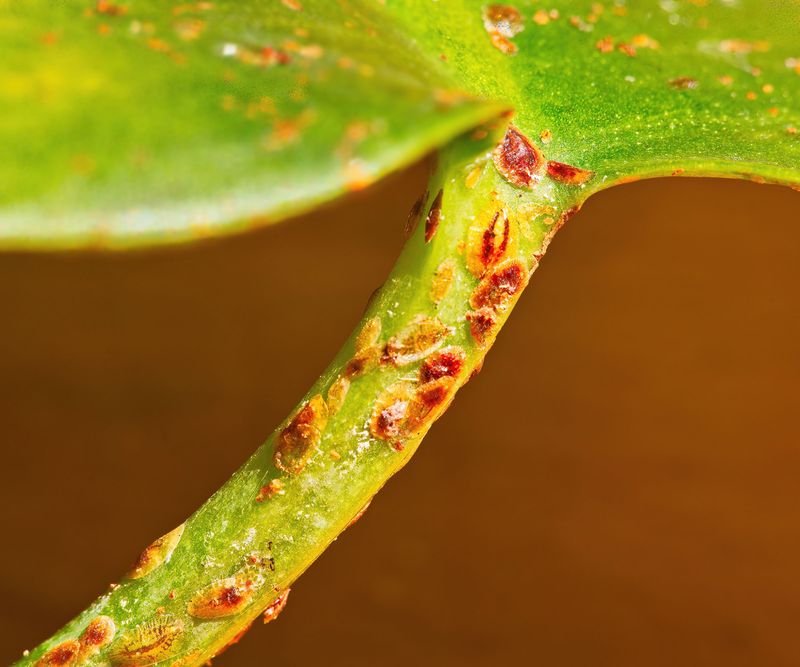
Ever touched a leaf and felt like it was coated in syrup? Your fingertips may have just found your first clue.
Sticky residue usually means honeydew, a sweet waste made by sap-sucking insects. Aphids and scale are two of the most common culprits.
Run your fingers lightly over leaves, especially lower ones. Honeydew often drips down and collects on leaves beneath the pests.
You might also spot sticky drops on furniture, windowsills, or the floor. Many apartments have tight plant shelves, so check surfaces under each pot too.
Aphids are small, pear-shaped insects with soft bodies. Green is common, though they can also be pink, brown, black, or yellow.
Look for them bunched on new growth, tender stems, and leaf undersides. Fresh shoots are their favorite snack because the sap flows easily there.
Scale insects look quite different and are easy to mistake for plant parts. They appear as firm brown or tan bumps on stems and leaf undersides.
Those bumps are actually protective shells. Try nudging one with a fingernail, and you will notice it clings tightly.
Left alone, honeydew can feed a black, powdery growth called sooty mold. The mold blocks light, making it harder for leaves to make food.
Wipe sticky leaves with warm, soapy water on a soft cloth. Then hunt for the source, because cleaning alone will not stop the pests.
5. Shake Plants To Reveal Whiteflies
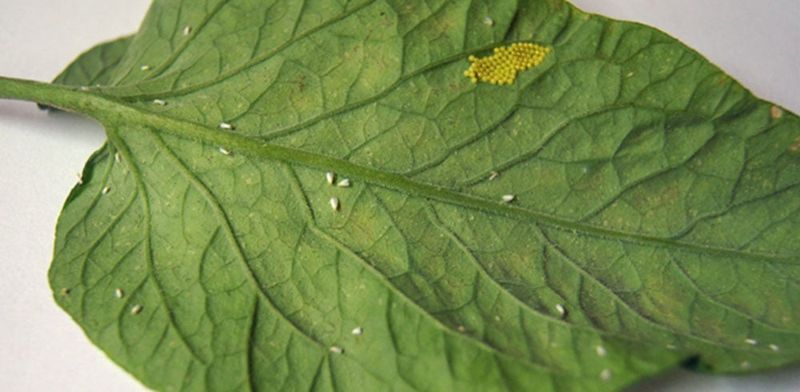
Here is a check that feels a little silly but works wonders. Give your plant a gentle shake and watch what happens.
Whiteflies are tiny winged insects covered in a powdery white coating. They rest on leaf undersides, so they stay hidden until something disturbs them.
When you shake the stems, they lift off in a small white cloud. It looks a bit like flakes in a snow globe.
Do this test somewhere bright so the little flyers stand out. A spot near a sunny window or under a lamp works best.
Hibiscus, herbs, and plants that summered outside are frequent targets. Anything that spent warm months on a Brooklyn fire escape deserves a careful shake.
Flying adults are only part of the story. Eggs and young nymphs sit on leaf undersides and look like tiny pale ovals.
Nymphs do not fly, so shaking will not reveal them. Flip a few leaves afterward and look closely for flat, see-through specks.
Similar to aphids and scale, whiteflies drip sticky honeydew. Shiny or tacky leaves can back up what your shake test suggests.
Yellow sticky traps are a handy follow-up tool. Whiteflies are drawn to the bright color and get stuck, helping you track their numbers.
Catching them before winter helps a lot. Closed windows and warm rooms let whiteflies multiply quickly if you skip this simple step.
6. Check The Soil For Fungus Gnats
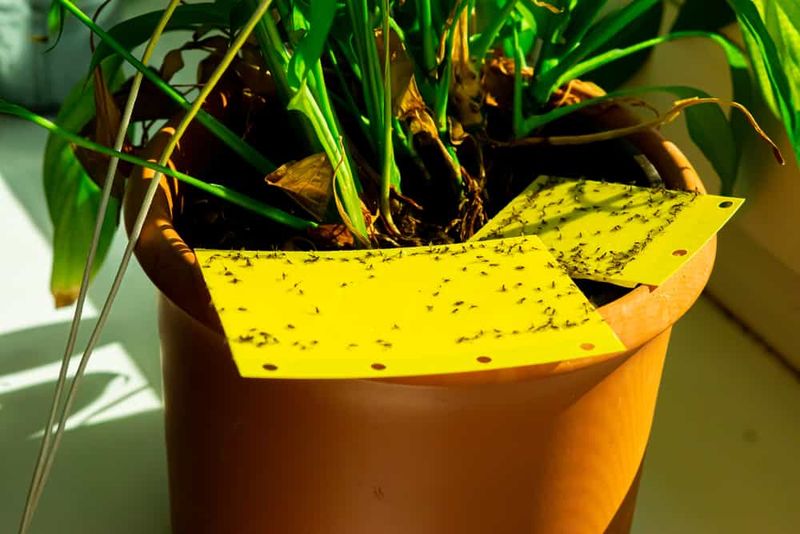
Few things are more annoying than tiny flies buzzing around your face during dinner. Fungus gnats are often the reason, and they start in the soil.
Adults are small, dark, and delicate, around one eighth of an inch long. You will usually see them running across the soil or flying near the pot.
Damp soil is their favorite hangout. Overwatering creates the moist, rich conditions they need to lay eggs.
Larvae are the hidden half of the problem. They look like whitish worms with shiny black heads and grow up to a quarter inch.
Most larvae munch on decaying matter and fungi in the soil. Some will also nibble roots, which can stress young plants and seedlings.
For a quick check, gently scratch the top inch of soil with a spoon. Look for wiggling larvae or tiny clear trails.
A slice of raw potato set on the soil can also help. Lift it after a day or two to see if larvae have gathered underneath.
Shorter days mean plants drink less water in winter. Let the top inch or two of soil dry out before you water again.
Yellow sticky stakes catch flying adults and show how big the problem is. Bottom watering keeps the surface drier, making pots less inviting.
Fix the watering habits, and gnat numbers usually drop fast. Soggy soil is basically a welcome mat for these pests.
7. Inspect Stems And Leaf Joints Closely
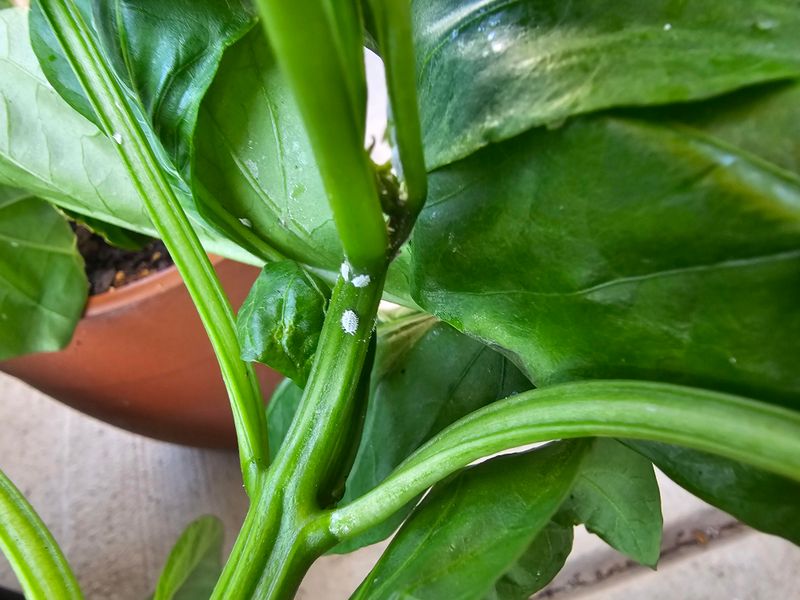
Think of leaf joints as the cozy nooks of your plant. Pests love tight, sheltered spots, and these joints offer plenty of them.
Gardeners call the angle where a leaf meets the stem a leaf axil. Mealybugs and scale often settle there because it protects them from being brushed off.
Start at the base of the plant and work your way up slowly. Turn the pot as you go so you can see every side of each stem.
Pay attention to fresh growth near the top as well. Aphids love tender new stems and young flower buds where sap flows freely.
Watch for anything that looks out of place on the stem. Bumps, crusty spots, fuzzy patches, or odd swellings all deserve a closer look.
Color changes can also be warning signs. Brown streaks, yellow patches, or dark spots near joints may point to feeding damage.
Plants with lots of branches take more time, but the effort pays off. Trailing pothos and bushy ficus have dozens of joints worth checking.
A soft paintbrush can help you peek into tight spaces. Gently brush apart crowded leaves without tearing them.
Many New York homes pack plants close together on shelves. That makes stem checks even more valuable, since pests can crawl between touching leaves.
Write down what you find in a small notebook or phone note. Tracking changes over a few weeks helps you spot trouble before it grows.
8. Peek Into Drainage Holes For Hitchhikers
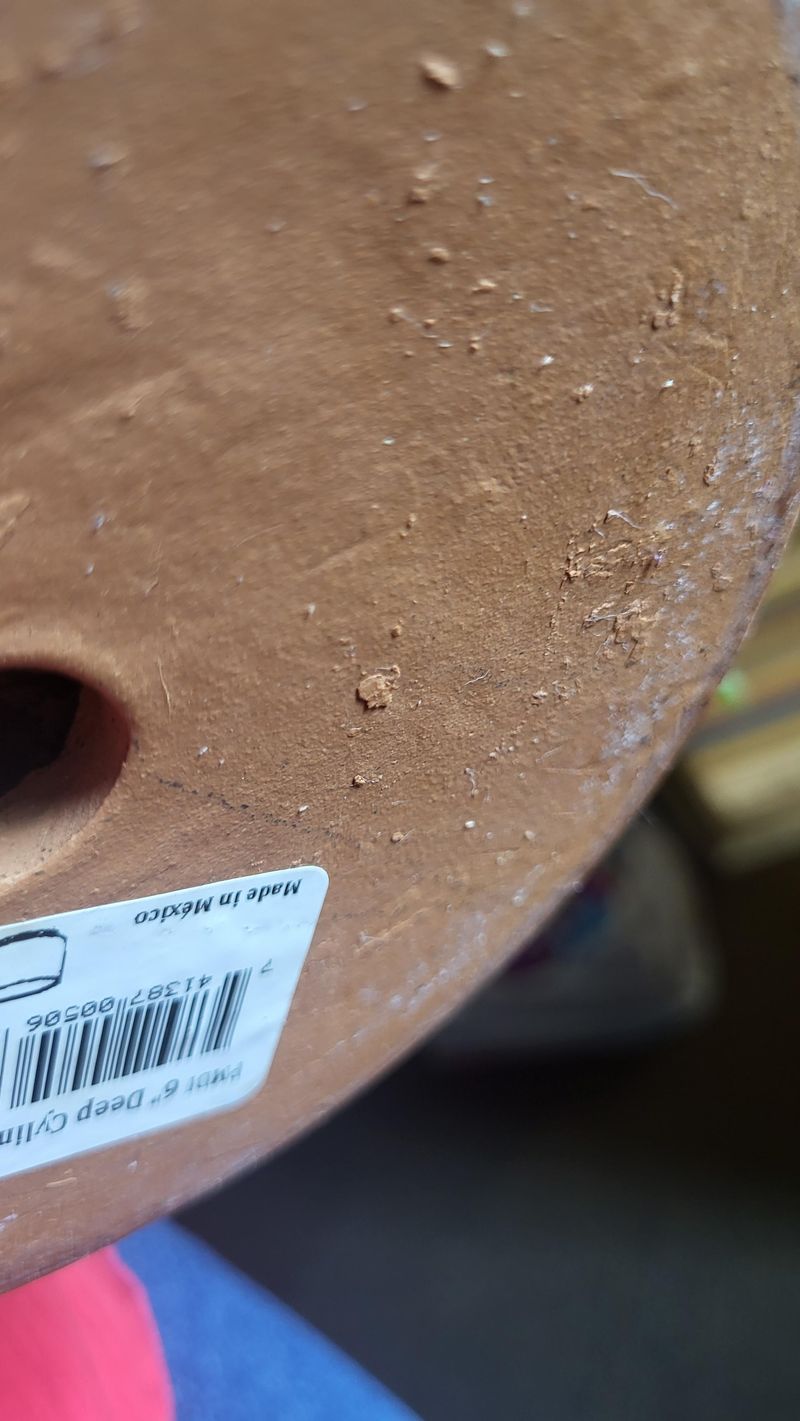
Plants that spent summer outdoors may bring home more than a tan. Drainage holes are open doors for crawling critters looking for a warm winter spot.
Tilt each pot carefully and look into the holes with a flashlight. Ants, pill bugs, slugs, and earwigs sometimes move in from patios and rooftops.
Check the saucer next, since moisture there attracts hidden guests. Wipe it clean and peek into any small cracks or ridges.
Pot rims deserve attention as well. Tiny pests often tuck themselves into the lip where soil meets the container edge.
See white, fluffy material near the holes? Root mealybugs could be living in the soil, so look deeper.
Fall is a smart time to repot plants coming inside. Slide the root ball out and inspect the soil and outer roots closely.
Healthy roots usually look firm and light colored. Mushy roots, waxy patches, or wriggling bugs mean the plant needs extra care.
Soaking pots briefly in a bucket of water can push out some hiding pests. Bugs often float or crawl to the surface within minutes.
Do this outside if you can, before the plant crosses your doorstep. A balcony, stoop, or building courtyard makes a handy staging area.
Covering drainage holes with mesh before repotting helps too. It keeps soil in and makes it harder for visitors to sneak through.
9. Grab A Magnifying Glass For Tiny Pests
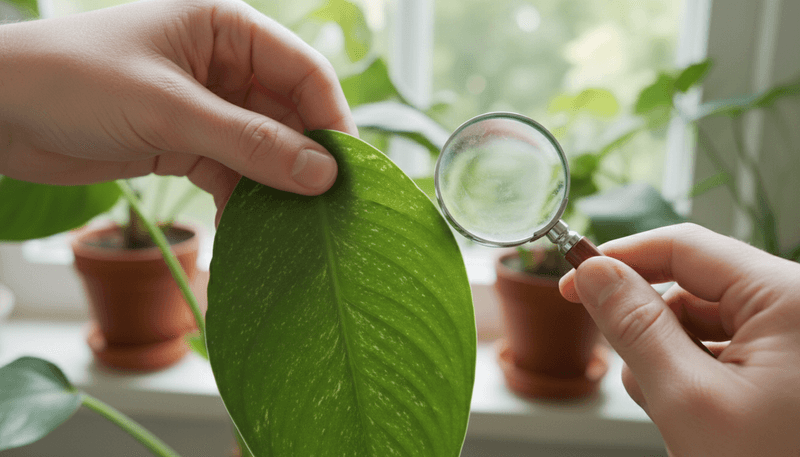
Some pests are so small they look like dust or dirt. A little magnification turns those mystery specks into clear answers.
Plant experts often suggest a 10x lens for this job. Many people use a jeweler’s loupe, which is cheap, small, and easy to store.
Hold the loupe close to your eye, then bring the leaf toward it. Moving the plant instead of the lens keeps the view steady and sharp.
With magnification, you can spot eggs and young pests, not just adults. Catching that early stage gives you a big head start.
Spider mites, thrips, and young scale are much easier to identify this way. You might even see mites crawling across the leaf.
Your smartphone can help, too. Macro camera modes and magnifier apps zoom in on details your eyes might miss.
Snap a photo when you find something odd. Comparing pictures over time shows whether a problem is growing or shrinking.
Photos are also handy for asking for help. Local garden centers and New York plant groups can often identify pests from a clear picture.
Good lighting makes a huge difference with any lens. Daylight from a window or a bright desk lamp works best.
Keep your loupe right next to your watering can. When it is easy to grab, quick checks become part of your normal plant routine.
10. Quarantine Anything Suspicious
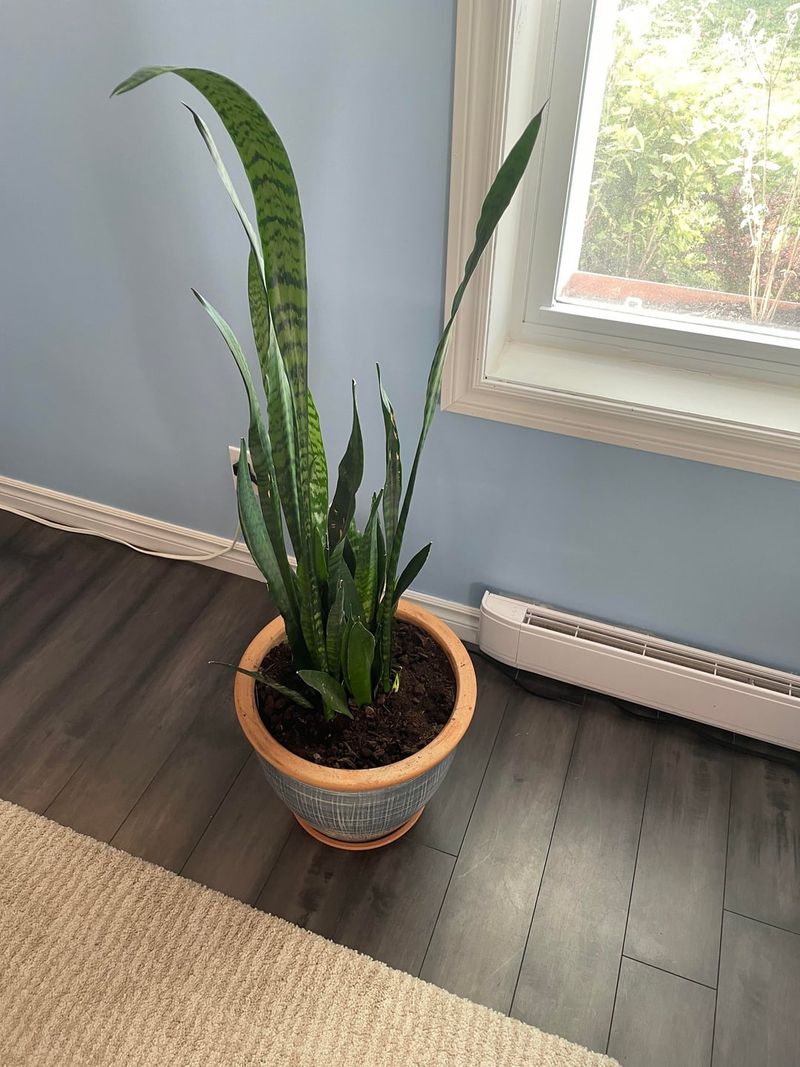
Hospitals isolate contagious patients, and your plant collection deserves the same smart thinking. One infested plant can spread trouble across a whole windowsill.
Quarantine means keeping a plant apart from the rest of your collection. Ideally, it should sit in a different room, not just a different shelf.
Why the extra distance? Spider mites and thrips can travel short gaps, and fungus gnats fly wherever they please.
Small New York apartments can make this tricky. A bathroom, bedroom corner, or spot near a separate window can work in a pinch.
Most experts recommend a quarantine period of two to six weeks. Some pests take time to hatch, so a short break may not reveal them.
Inspect quarantined plants about once a week. Flip leaves, check stems, and look at the soil just as you would during any pest check.
Wash your hands after handling them, especially before touching other plants. Clean your tools too, since pests can ride along on scissors and cloths.
New purchases should go through quarantine before joining the group. Gifts and plant swaps count as well, no matter how healthy they look.
Plants returning from summer outdoors need the same treatment. Rooftops and fire escapes across the city expose them to all kinds of bugs.
Treat any problems you find during quarantine right away. Once a plant stays clean for several weeks, it can rejoin its leafy friends.