What To Do With Your Pennsylvania Fig Tree After Harvest
The last fig is gone, your fingers are still a little sticky, and the tree is dropping leaves like it has somewhere better to be. It feels like the season is wrapping itself up and handing you permission to do nothing until spring.
Not so fast. The weeks right after harvest are actually some of the most important of the entire fig-growing year in Pennsylvania, and what you do now quietly decides what happens next August.
A bigger harvest, stronger branches, and a tree that shrugs off a tough winter all start with a handful of simple tasks that most people skip because the fruit is already gone and the motivation tends to disappear with it.
Completely understandable.
Also a mistake worth avoiding. Grab your garden gloves and a hot drink because there is still work worth doing out there.
1. Clean Up Fallen Fruit And Leaves
Rotten figs on the ground are basically a party invitation for bugs. Wasps, fruit flies, and beetles will show up fast and stay too long.
Start by picking up every soft or moldy fig you can find. Toss them in the trash rather than the compost pile, since some fungus spores can survive in a cool heap.
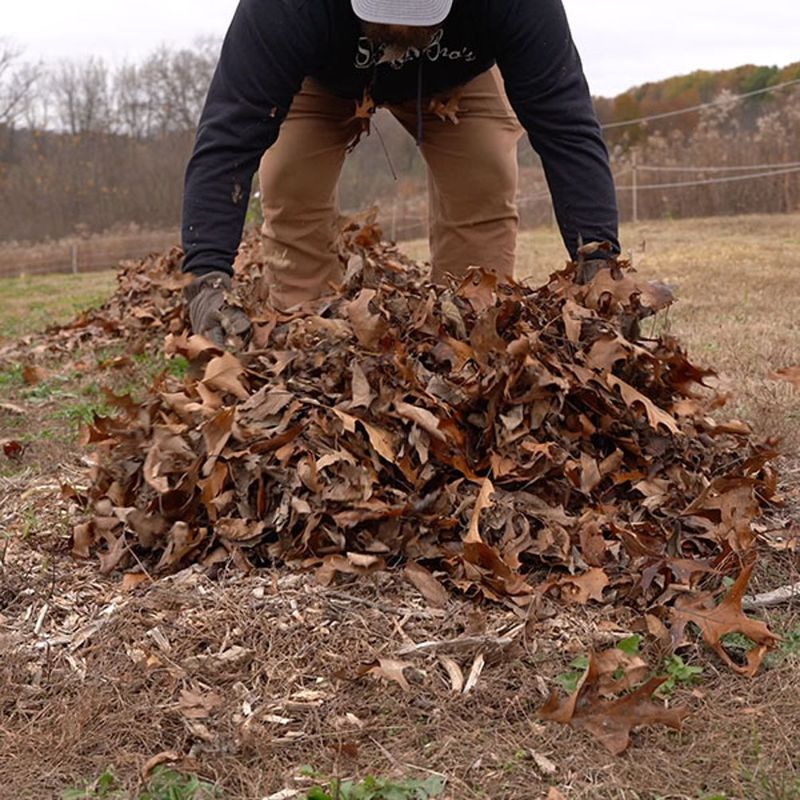
Next, rake up the fallen leaves under the tree. Fig rust and leaf spot can hide in old leaves and come back next spring to cause trouble.
Many gardeners in Pennsylvania see heavy leaf drop after the first frost in October. Wait until most leaves are down, then do one big cleanup instead of five small ones.
A clean base also helps you spot problems early. You can see cracks in the bark, holes from boring insects, or little mushrooms near the roots.
Use a leaf rake with soft tines so you don’t scrape shallow roots. Fig roots sit close to the surface, and rough raking can bruise them.
Bag the leaves if they look spotted or rusty. Healthy, clean leaves can go into the compost or be shredded for mulch later.
Fun fact: fig leaves were used as wrapping for food in ancient Mediterranean kitchens. Yours may not end up in a recipe, but tidying them is still a tasty step toward next year.
2. Give Your Fig A Final Deep Drink
Water might seem like a summer job, yet fall watering matters more than most people guess. Roots keep growing even after the leaves fall off.
A dry fall can leave your tree thirsty going into winter. Thirsty wood is more likely to crack when hard freezes arrive.
Plan one or two deep soakings in late October or early November. Let a hose trickle slowly at the base for about 30 to 45 minutes.
The goal is moist soil about a foot down, not a muddy swamp. Push a screwdriver into the ground to check how far the water went.
In Pennsylvania, autumn rain can be hit or miss. Some years bring steady showers, and other years stay oddly dry until December.
Your Pennsylvania Garden Changes Every Week. Your Plan Should Too.
Gardening in Pennsylvania changes quickly throughout the season. Every Friday you’ll receive a simple weekly plan showing exactly what to plant, prune, fertilize, harvest, and protect so you never miss the right timing.
Skip watering if the ground is already soggy. Figs dislike wet feet, and standing water can lead to root rot during cold months.
Potted figs need extra attention here. Containers dry out faster, so check them every week until you move them inside.
Once the soil starts to freeze, stop watering for the season. Frozen water can’t reach roots anyway, and ice around the base adds stress.
Think of this step as packing a water bottle before a long hike. Your tree will carry that moisture through the quiet, chilly months and wake up ready to grow.
3. Hold Off On Fertilizer For Your Tree
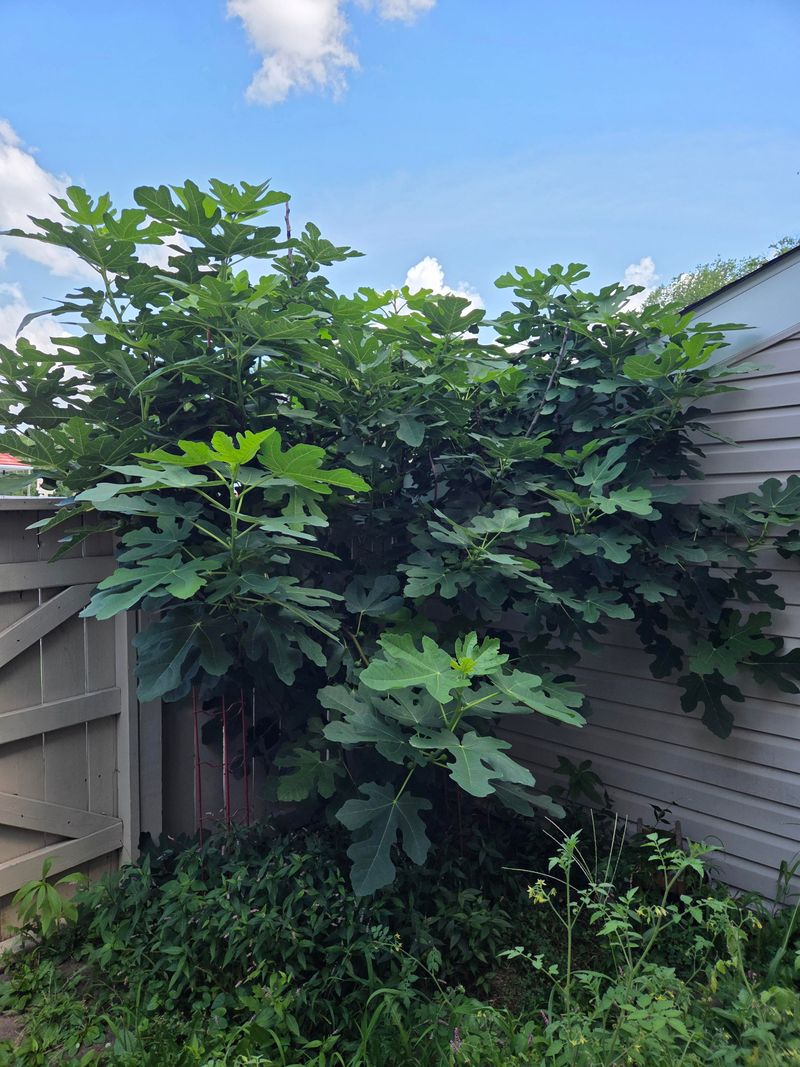
Feeding your tree in fall sounds kind, but it can backfire in a big way. Fertilizer tells a fig to push out fresh, tender growth.
That new growth won’t have time to harden before frost. When the cold hits, those soft green shoots often turn black and mushy.
The best plan is to stop fertilizing by midsummer, around late July. After that, let the tree slow down naturally as days get shorter.
Gardeners across Pennsylvania sometimes get tempted by fall fertilizer sales. Save that bag for spring instead, when the tree can actually use it.
If you want to help the soil, try a thin layer of compost. Compost feeds soil life slowly and won’t spark a growth spurt the way chemical fertilizer can.
Watch out for lawn fertilizer too. If you feed your grass near the fig, some of that nitrogen can wash into the root zone.
A quick soil test in late fall is a smart move. Penn State Extension offers affordable test kits that show what your ground is missing.
Then you’ll know exactly what to add next April. No guessing, no wasted money, and no confused tree trying to grow in November.
Patience pays off here. A rested fig often bounces back with stronger branches and more fruit when warm weather returns.
4. Prune Lightly Before Pennsylvania Winter Sets In
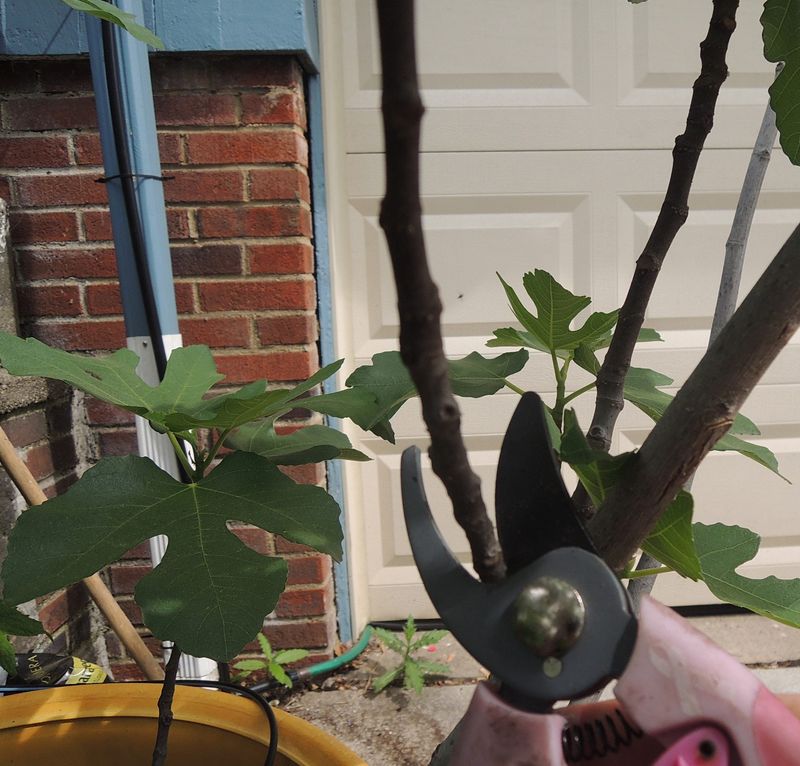
Grab your pruners, but don’t go wild just yet. Heavy cutting in fall can leave open wounds right before freezing weather.
For now, focus only on the obvious problems. Remove broken branches, damaged wood, and stems rubbing against each other.
Use clean, sharp bypass pruners for clean cuts. Wipe the blades with rubbing alcohol between trees to avoid spreading disease.
Cut just outside the branch collar, which is the small swollen ring where a branch meets a larger limb. That spot heals fastest.
Most big shaping work should wait until late winter or early spring. In Pennsylvania, March is a great time, after the worst cold has passed.
By then, you’ll also see which branches survived winter. There’s no point shaping wood that froze back anyway.
Light fall pruning does make wrapping and covering easier. A tidier tree is simpler to bundle up, especially if branches stick out in odd directions.
Here’s a useful note about fruiting: figs produce their main crop on new wood each season, and some varieties also produce an earlier crop called a breba crop on wood that survived from the previous year. Chicago Hardy, one of the most popular choices for Pennsylvania, fruits reliably on new wood and produces little to no breba crop, which actually works in its favor since it can bounce back and still fruit even after a hard winter strips away the previous season’s growth.
So keep healthy, strong branches whenever you can. Those are the ones that give your tree the best foundation for a productive season ahead.
Small cuts now, bigger decisions later. That simple rule keeps your tree safe and your pruning stress-free.
5. Mulch Thickly Around Your Fig Roots
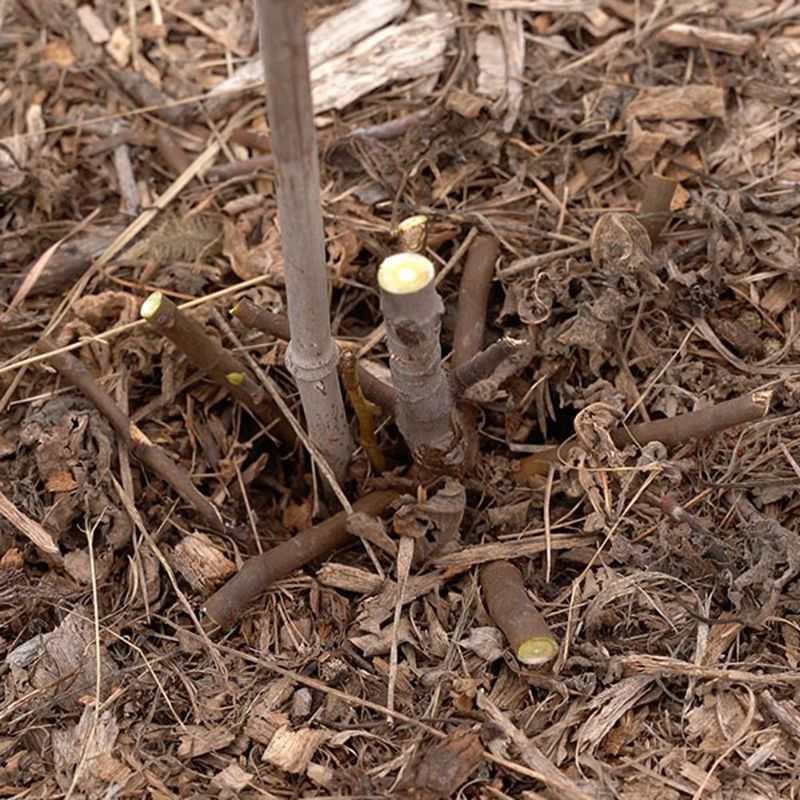
Roots are the secret engine of your fig tree. Protect them well, and even a frozen top can grow back strong.
A thick blanket of mulch keeps soil temperatures steady. It slows down freezing and stops the ground from heaving up and down.
Spread about 6 to 12 inches of mulch in a wide circle. Straw, shredded leaves, and wood chips all work nicely.
Keep the mulch a few inches away from the trunk itself. Mulch piled against bark can trap moisture and invite mice to chew.
Timing matters a bit. Wait until after the first hard frost, usually late October or November in Pennsylvania.
Mulching too early can keep soil warm and confuse the tree. You want it to settle into sleep before you tuck it in.
Those leaves you raked earlier? Clean ones can be shredded with a lawn mower and reused here for free.
Gardeners in colder northern counties may want to pile mulch even higher. Up near the New York border, winters can bite harder than in the southeast.
In spring, pull the mulch back slowly over a couple of weeks. That lets the soil warm up and gives new shoots room to pop through.
Honestly, mulch might be the cheapest insurance policy in gardening. A few bags of straw can save years of growth.
6. Wrap Your Fig For Cold Protection
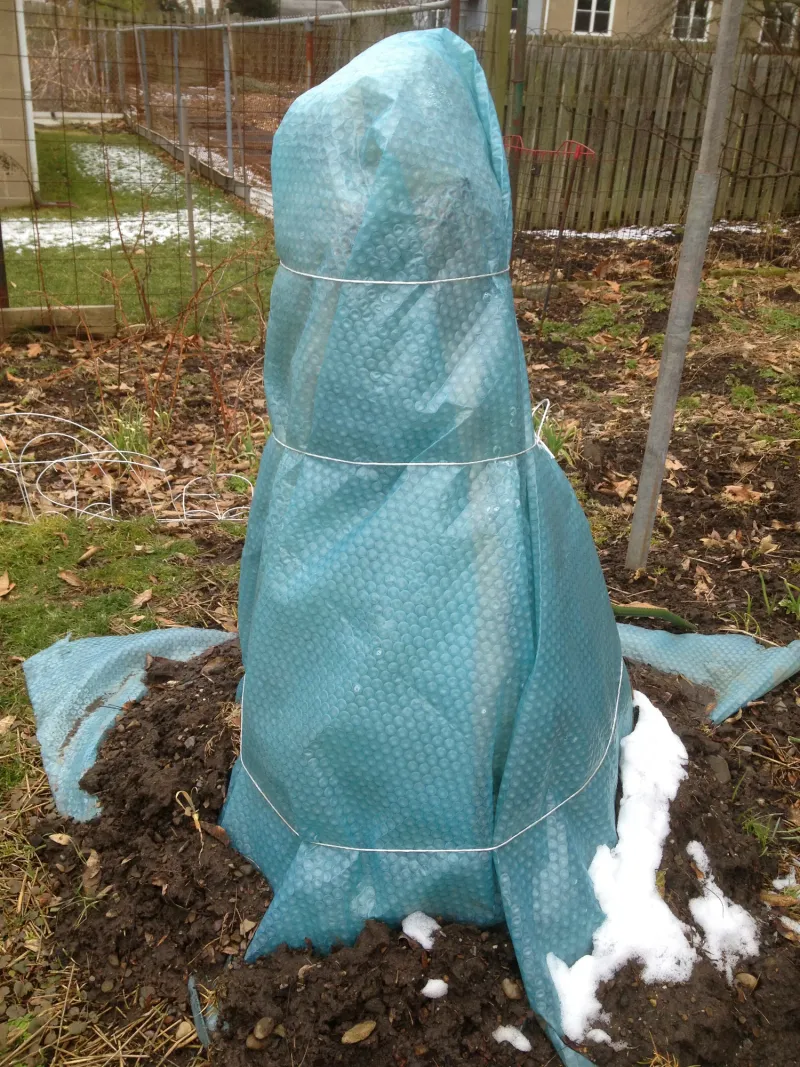
Old-timers in South Philly have a famous trick for figs. They bundle up their trees in burlap and buckets like grandpas heading out in a snowstorm.
The tradition came from Italian immigrants who brought fig cuttings from home. Many of those wrapped trees are still producing fruit today.
Start by gently tying branches together with soft twine. Pulling them into a tighter bundle makes the tree easier to cover.
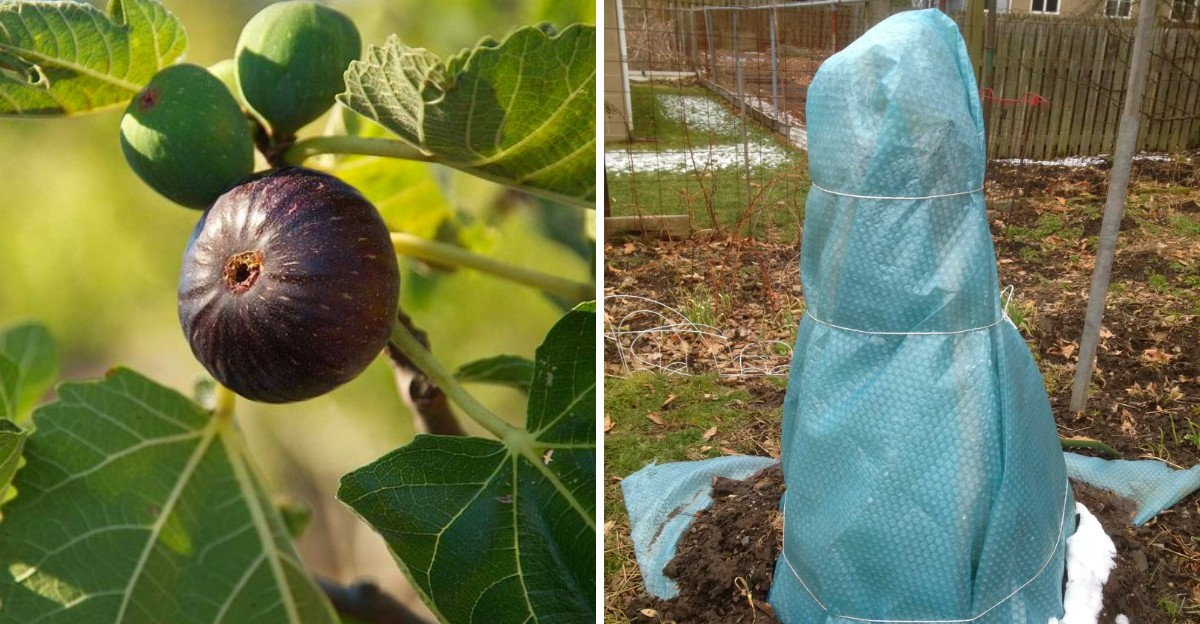
Next, wrap the bundle in burlap or frost cloth. Some gardeners add a layer of old blankets or bubble wrap for extra warmth.
Avoid plain plastic touching the branches. Plastic can trap moisture and heat on sunny days, which may cause mold or early budding.
Many folks build a chicken wire cage around the tree. They stuff the cage with dry leaves for a cozy, insulated shell.
Top it off with a bucket or waterproof cover. That keeps rain and snow from soaking the leaves inside.
Wrap after a few hard frosts, often around Thanksgiving in Pennsylvania. When it comes to unwrapping in spring, Penn State Extension and the Philadelphia Orchard Project both suggest waiting until nighttime temperatures consistently stay above freezing, typically in March or early April, before removing protection.
Unwrapping too early while nights are still dropping well below 32 degrees can expose vulnerable new growth to damaging cold.
Yes, a wrapped fig looks a little silly in the yard. Neighbors may ask questions, but you’ll be the one with figs next August.
7. Move Potted Figs Into Shelter
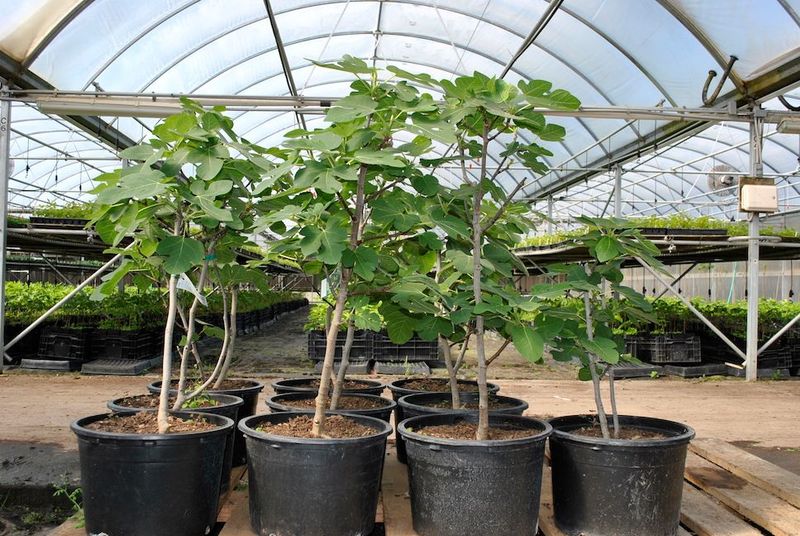
Container figs have one huge advantage: wheels. Well, maybe not wheels, but you can move them somewhere safer for winter.
Roots in a pot are much more exposed than roots in the ground. Cold air surrounds the container on all sides and freezes it fast.
The sweet spot is a cool, dark place that stays between 25 and 45 degrees. An unheated garage, shed, or basement works well.
Let the tree go dormant outside first. A few light frosts will drop the leaves and signal that it’s time to rest.
Then roll it inside before temperatures dip into the low 20s. In much of Pennsylvania, that’s usually mid to late November.
Avoid warm living rooms. Too much heat wakes the fig up early, and weak spring growth will struggle once it heads back outside.
Water lightly about once a month during storage. You just want the soil barely damp, never bone dry or soggy.
A plant dolly with casters makes heavy pots much easier to handle. Your back will thank you every spring and fall.
Bring the tree outside again in April or early May. Set it in shade first so the new leaves don’t get sunburned.
Treat it like a slow wake-up from a long nap. Gentle steps lead to a happier, healthier plant.
8. Watch For Pests On Your Fig
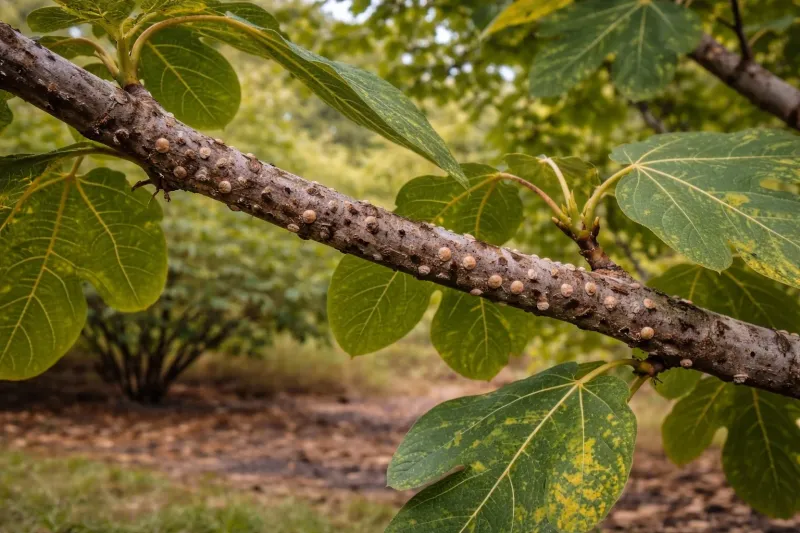
Some bugs pack their bags for winter, and others try to move in. A quick checkup now helps you catch sneaky guests early.
Scale insects are a common problem on figs. They look like tiny bumps stuck to stems and are easy to miss.
Rub a suspicious bump with your fingernail. If it comes off and leaves a smear, you’ve likely found scale.
Spraying dormant oil in late fall or early spring can smother them. Follow the label carefully and spray only on calm, mild days.
Spotted lanternflies have become a big concern in Pennsylvania. They lay gray, mud-like egg masses on bark, fences, and outdoor furniture.
Scrape any egg masses into a bag with rubbing alcohol. Every mass you remove stops 30 to 50 new hoppers in spring.
Mice and voles can also chew bark under mulch. A simple wire guard around the trunk keeps their little teeth away.
For potted trees in storage, check for spider mites or mealybugs. Wipe them off with a damp cloth or a dab of insecticidal soap.
Fun fact: the state Department of Agriculture actually asks residents to report lanternfly sightings. Your fig cleanup could help science too.
A few minutes of detective work goes a long way. Healthy wood heading into winter means fewer headaches come spring.
9. Plan Next Season For Your Fig Harvest
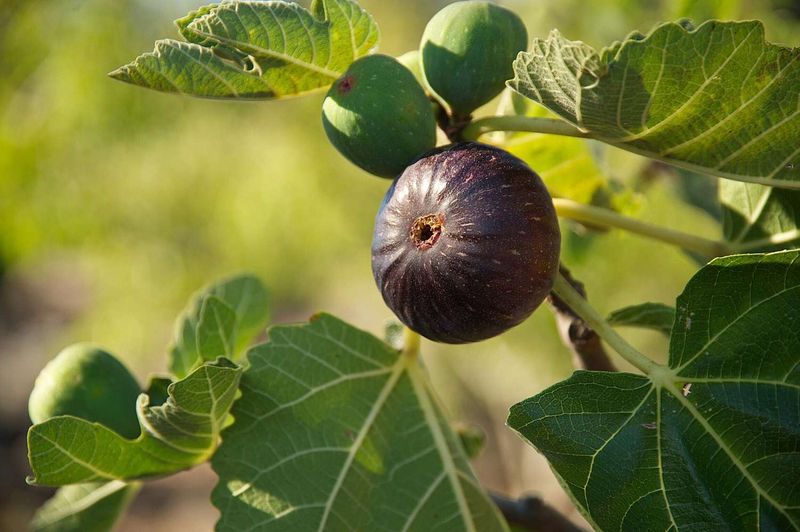
Winter is the perfect time to dream a little. While your tree naps, you can think about how to make next year even sweeter.
Grab a notebook and jot down how this season went. Write when the first figs ripened, how many you picked, and any problems you noticed.
Those notes become gold over the years. Patterns pop out, like which weeks bring the best fruit or when birds start stealing.
Think about adding a second variety too. Hardy types like Chicago Hardy, Celeste, and Brown Turkey tend to do well in Pennsylvania gardens.
Different varieties ripen at different times. Planting two can stretch your fig season by several weeks.
Consider taking cuttings in late winter. Fig branches root easily in a pot of damp soil, and they make wonderful gifts for friends.
Map out bird protection as well. Netting set up in July can save a big chunk of your crop from hungry catbirds and robins.
Look into local garden clubs or fig swaps. Plenty of growers love trading tips, stories, and cuttings during the quiet months.
Finally, order supplies early, like frost cloth, twine, and organic fertilizer. Sales often pop up in January and February.
A little planning now turns next summer into something special. Fresh figs, warm sun, and a tree that keeps giving back.