The Florida Grass With Roots So Deep It Can Take Years To Get Rid Of
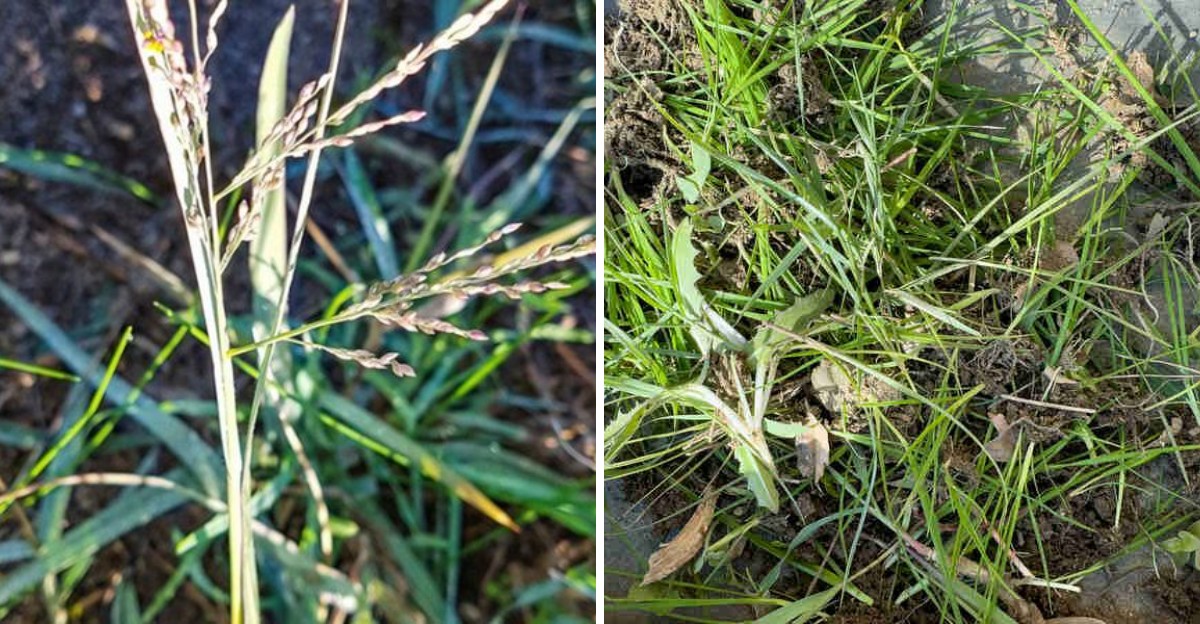
Pull it, spray it, dig it out, and it still laughs at you by spring. Some grasses play by rules that don’t exist for the rest of your lawn.
This Florida troublemaker sends roots so deep and so tangled that one missed scrap can restart the whole mess. Gardeners who win the fight usually lose a year or two of patience first.
Many never win at all.
Most people mistake it for harmless turf at the start. That error buys it time, and time is exactly what it needs.
Learn what you’re up against before you swing a shovel. A smart plan today could save you years of losing the same battle.
1. Meet Torpedograss, One Of Florida’s Most Invasive Grasses
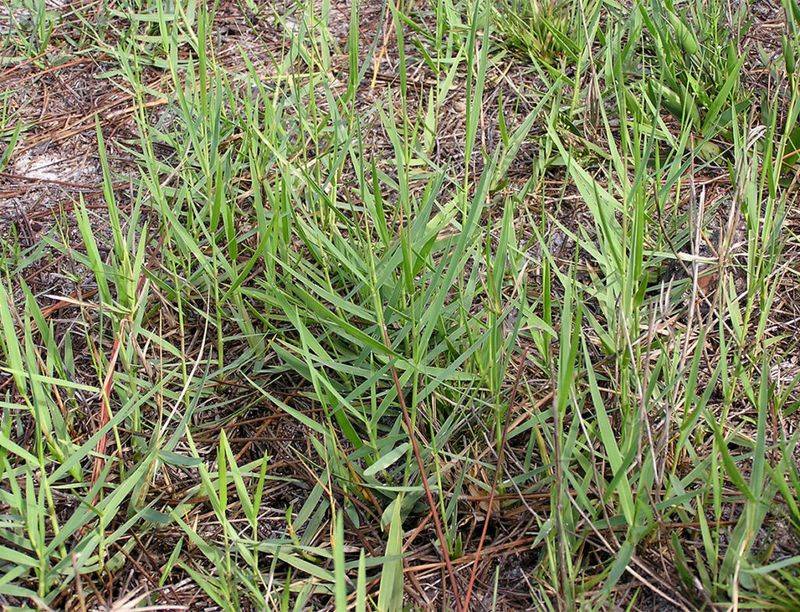
Some weeds are a small annoyance. Torpedograss, known to scientists as Panicum repens, is more like a long-term tenant who refuses to leave.
The Florida Invasive Species Council lists it as a Category I invasive. That is the top warning level, and it means the plant changes native plant communities in harmful ways.
You can find it all over the state. It grows in more than 70 percent of Florida’s public waters, from lake edges to canals and ditches.
From a distance, it looks fairly ordinary. The leaves are waxy and silver-green, and the stems can reach about three feet tall if nobody cuts them.
Up close, the trouble becomes clear. It forms thick, even patches that crowd out native plants, which leaves less food and shelter for local wildlife.
In home landscapes, it sneaks into St. Augustine lawns, centipede lawns, and flower beds. Many homeowners do not notice it until a large section of the yard looks off.
Spotting it early gives you the best shot at control. Look for stiff, upright blades that stand taller and grayer than your regular lawn grass.
If something seems different, dig gently around one plant. Pale, hard underground stems are a strong clue you have met this unwelcome guest.
2. Its Name Comes From Sharp, Torpedo-Shaped Rhizomes
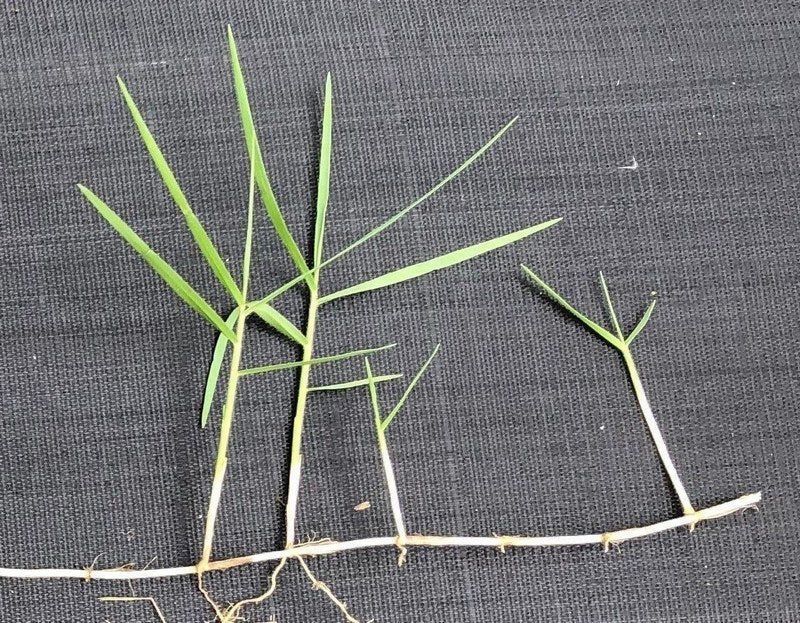
Dig up a clump and you will understand the name right away. The underground stems look like tiny white spears, each ending in a hard, sharp point.
Those stems are called rhizomes. They grow sideways under the soil and send up new shoots along the way.
The tips are shaped a lot like a torpedo. They are long, rigid, and pointed, built for pushing forward through just about anything.
How tough are they? Reports describe these rhizomes poking through landscape fabric, wood, and even asphalt.
That strength explains why so many garden beds get invaded. A layer of weed fabric might stop softer weeds, but these spears can slip right through it.
Here is a quick tip if you are unsure what you are looking at. Run your fingers along a piece of root and feel the end.
Soft, stringy roots usually belong to other plants. A firm, shiny, needle-like tip is a classic sign of torpedograss.
Your Florida Garden Changes Every Week. Your Plan Should Too.
Gardening in Florida changes quickly throughout the season. Every Friday you’ll receive a simple weekly plan showing exactly what to plant, prune, fertilize, harvest, and protect so you never miss the right timing.
Knowing this trait helps you plan better barriers. Thick metal or plastic edging set deep into the ground holds up far better than thin fabric.
Fun fact: gardeners sometimes say pulling these stems feels like tugging on stiff wire. It is a hands-on lesson in why this grass earned its dramatic name.
3. Most Rhizomes Sit In The Top 24 Inches Of Soil
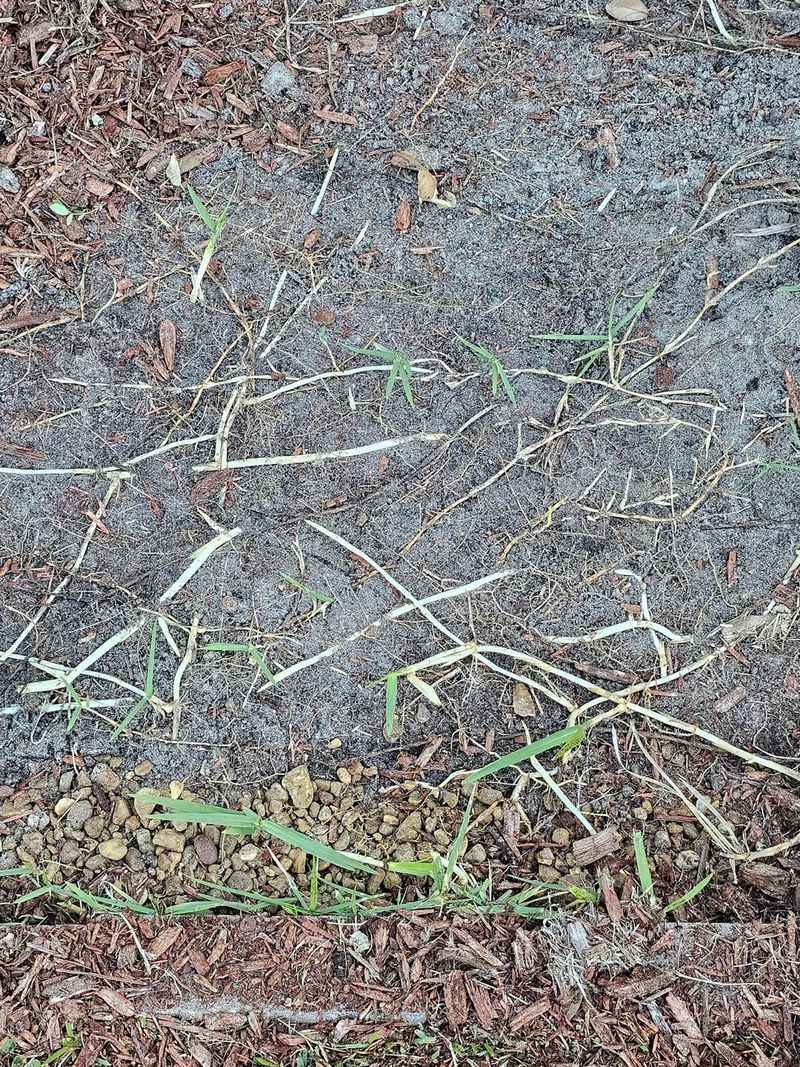
Imagine an iceberg made of grass. What you see above the lawn is only a small slice of the whole plant.
Most torpedograss rhizomes live in the top 24 inches of soil. That is about the length of a kitchen counter, which is a lot deeper than most people dig.
A few stems go much farther down. Some have been found as deep as 23 feet, though that is rare.
A study on a Florida golf course found something eye-opening. About 87 percent of the plant’s total weight was hiding underground in its rhizome network.
These stems can stretch up to 20 feet long. They also store plenty of carbohydrates, which work like a packed lunch for regrowth.
That stored energy is the reason the grass bounces back so fast. Cut the top, and the roots simply fund a fresh round of shoots.
So what does this mean for you? Quick fixes that only touch the leaves rarely make a lasting dent.
Plan for repeated treatments over a season or more. Each round slowly drains the hidden energy bank.
Patience is your best tool here. Many homeowners see real progress only after a couple of years of steady effort.
4. Rhizome Fragments Can Start New Plants
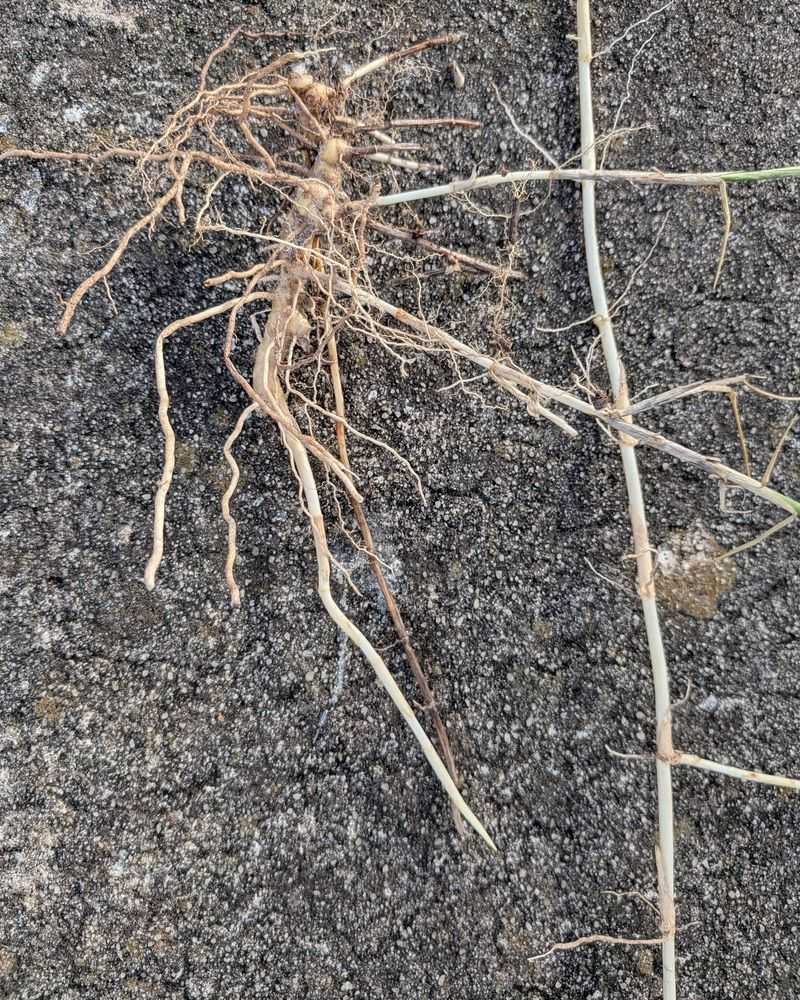
Ever snapped a piece off a houseplant and watched it grow roots in water? Torpedograss does something similar, only underground and without your help.
This grass spreads mostly through its rhizomes and stem pieces. Its seeds have little or patchy ability to sprout in North America, so seeds are not the main worry.
Along each rhizome sit small buds, spaced from end to end. Every bud has the potential to wake up and grow a brand-new plant.
Break one long stem into five pieces, and you might end up with five plants. That is a frustrating kind of math for any gardener.
Even tiny scraps left in the dirt can sprout. A bit no longer than your finger may be enough to start a fresh patch.
Keep this in mind whenever you work in an infested area. Bag any pieces you pull instead of tossing them on a compost pile.
Home compost piles often do not get hot enough to stop the sprouts. Sending the bagged pieces out with your yard trash is usually safer.
Also check the soil you move around your yard. A wheelbarrow of dirt from a weedy corner can quietly plant trouble somewhere new.
5. Digging It Out Only Works In Small Beds
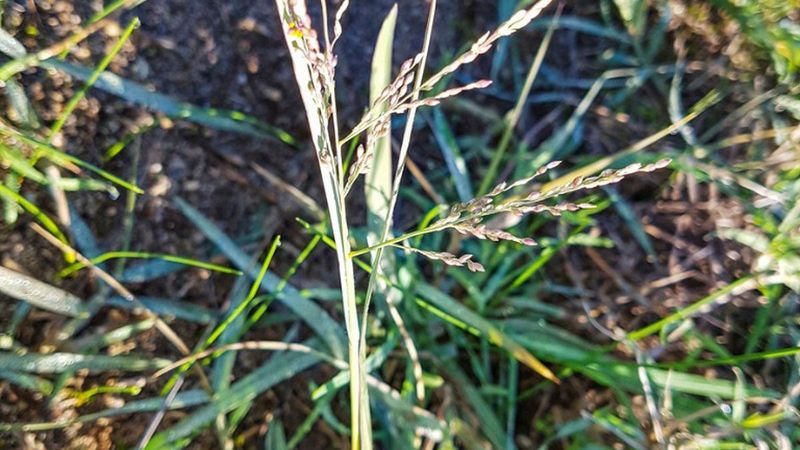
Grab a shovel and get to work, right? For a tiny flower bed, that plan can actually pay off.
Hand digging works best in small, contained spaces, especially when the invasion is new. A fresh patch has fewer rhizomes, so you have a real chance of getting them out.
The secret is being thorough. You need to remove every bit of rhizome you can find, or the leftovers will sprout again.
Try loosening the soil with a garden fork instead of chopping with a spade. A fork lifts the stems out in longer pieces rather than slicing them up.
Sift the soil with your hands or a screen as you go. It is slow work, but it catches the small scraps that cause regrowth.
Large areas are a different story. Digging up a whole lawn is costly, tiring, and tends to scatter pieces everywhere.
In big spaces, digging may turn one problem patch into several. That is when other methods make more sense.
After digging a bed, watch it closely for a few months. Pull any new shoots the moment they appear, roots and all.
Think of it like weeding with a detective’s eye. Small, steady checks beat one giant cleanup.
6. Mowers And Tillers Can Spread The Pieces
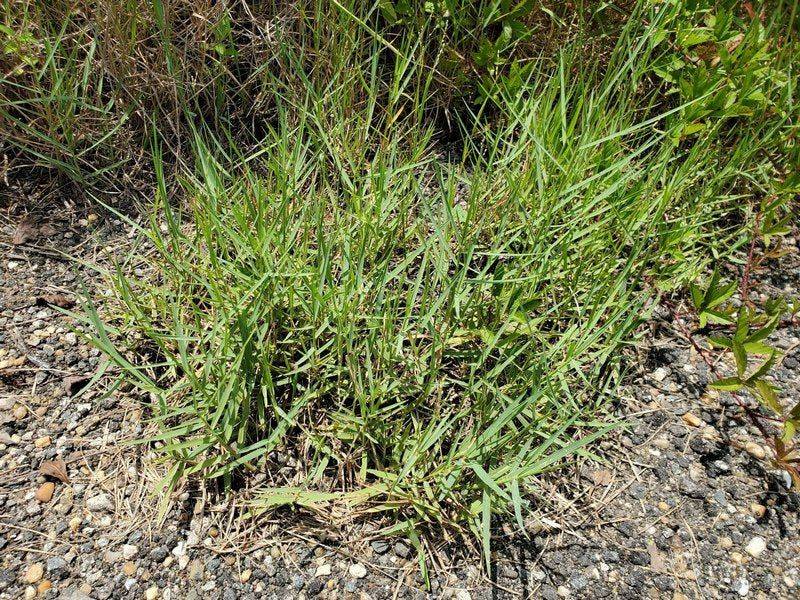
Here is a twist that surprises plenty of homeowners. The machines meant to tidy your yard can end up helping this weed travel.
Mowing gives only small control over torpedograss. It trims the tops, but the rhizomes below keep growing strong.
Worse, mower blades and wheels can pick up stem pieces. Those pieces may drop off in a clean part of the lawn and start fresh patches.
Tillers create an even bigger mess. As the tines churn the soil, they chop rhizomes into many small bits.
Each chopped bit can sprout, and tilling also seems to wake up new growth. One afternoon of tilling might multiply your problem instead of shrinking it.
So what should you do instead? Mow infested spots last, after the rest of the lawn is finished.
That simple change keeps pieces from riding into healthy areas. It costs nothing and only takes a little planning.
Skip the tiller if you know torpedograss is present. Use targeted treatments first, and save soil work for later.
If you hire a lawn service, mention the problem patches. Crews can adjust their route so they do not carry pieces from yard to yard.
7. Clean Your Mower After Cutting Infested Areas
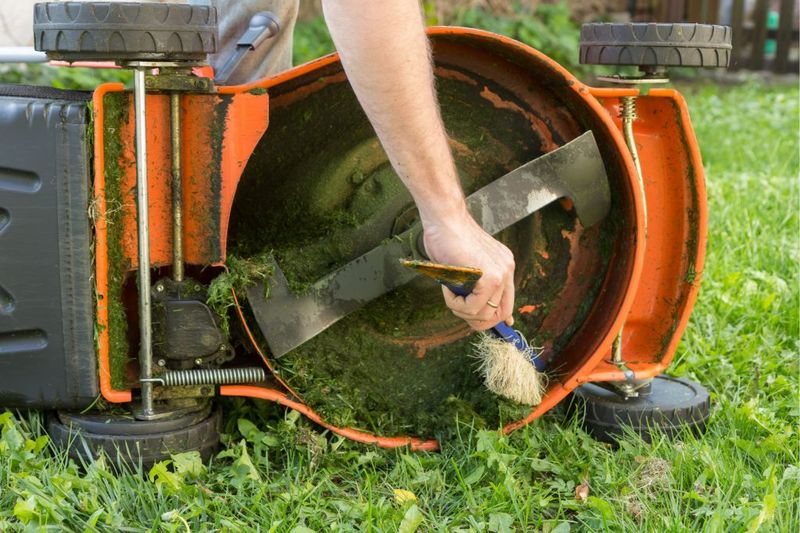
Nobody loves cleaning a mower. Still, ten minutes with a scraper can save you from months of chasing new weed patches.
After you cut an area with torpedograss, check the mower deck, wheels, and string trimmer. Bits of stem and soil like to hide in those spots.
Scrape clippings off the blades and the underside of the deck right away. Wet debris gets packed and harder to remove if it sits.
Safety comes first with a walk-behind mower. Disconnect the spark plug before you tilt it, so the blade cannot start by accident.
Tilt the mower with the air filter side up to keep fuel and oil where they belong. Then you will have a clear view of the underside.
A stiff brush, a plastic scraper, and a hose make the job quick. Do the cleaning on a driveway or patio so loose bits are easy to sweep up.
Bag what you sweep instead of rinsing it into the lawn. That keeps those clever fragments from finding a new home.
Boats and trailers near lakes need the same care. Clean gear protects your yard and the waterways nearby.
8. Preemergent Herbicides Won’t Stop It
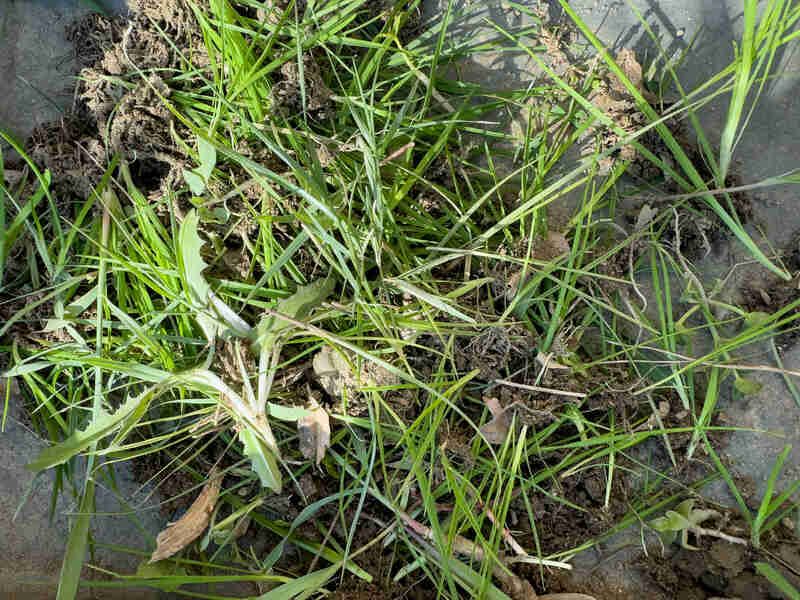
Walk down any garden store aisle in spring, and preemergent products are everywhere. They are great for some weeds, but torpedograss is not one of them.
Preemergent herbicides work by stopping seeds from sprouting. They form a barrier in the top layer of soil where young seedlings start.
Torpedograss does not depend on seeds to spread. It grows from tough rhizomes that are already alive and well underground.
Since those stems skip the seed stage, the barrier has nothing to block. The grass simply keeps pushing up new shoots from below.
Spending money on preemergent for this weed is like locking the front door while the visitor is already in the kitchen. It just does not match the problem.
Better choices depend on your lawn type. Some herbicides that are safe on Bermudagrass or zoysia, such as quinclorac, can help manage torpedograss.
St. Augustine and centipede lawns are trickier because fewer products are safe for them. A local extension office can point you to options that fit your yard.
Always read and follow the product label carefully. The right product used the right way works far better than guessing.
9. Badly Infested Lawns May Need New Sod
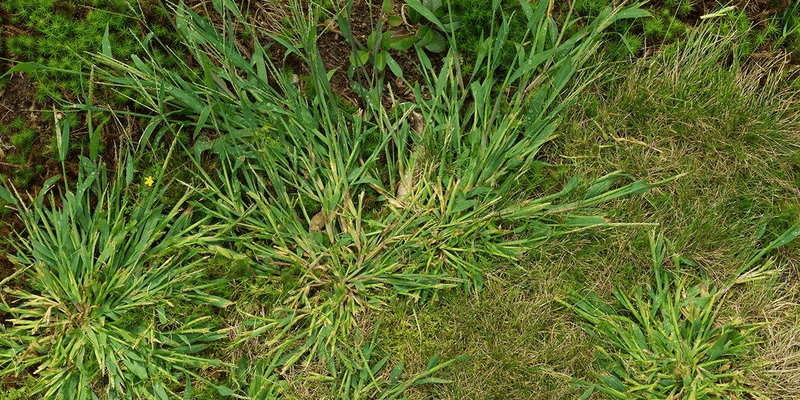
Sometimes the smartest move is a fresh start. When torpedograss has taken over large parts of a lawn, renovation may be the most practical path.
The process usually begins with a non-selective herbicide like glyphosate. It clears out all the plants in the area, including the turf and the weed.
More than one round is often needed. Waiting a few weeks and treating any regrowth helps drain those stubborn rhizomes.
Once the area is clear, you can prepare the soil and lay new sod. Many St. Augustine and centipede lawns with heavy invasions end up going this route.
Some experts suggest choosing zoysia or Bermudagrass for the new lawn. These grasses handle certain selective herbicides, which makes future flare-ups easier to manage.
Talk with a sod supplier about what grows well in your sun and soil. The best choice for a shady Orlando yard may differ from a sunny Miami lot.
Renovation costs more upfront, but it can save years of frustration. It also gives you a clean slate to set up good habits.
Keep watching the edges after installation. A quick response to any new spears helps your fresh lawn stay healthy.