This Fall Lantana Mistake Could Lead To A Weaker Spring Comeback In Georgia
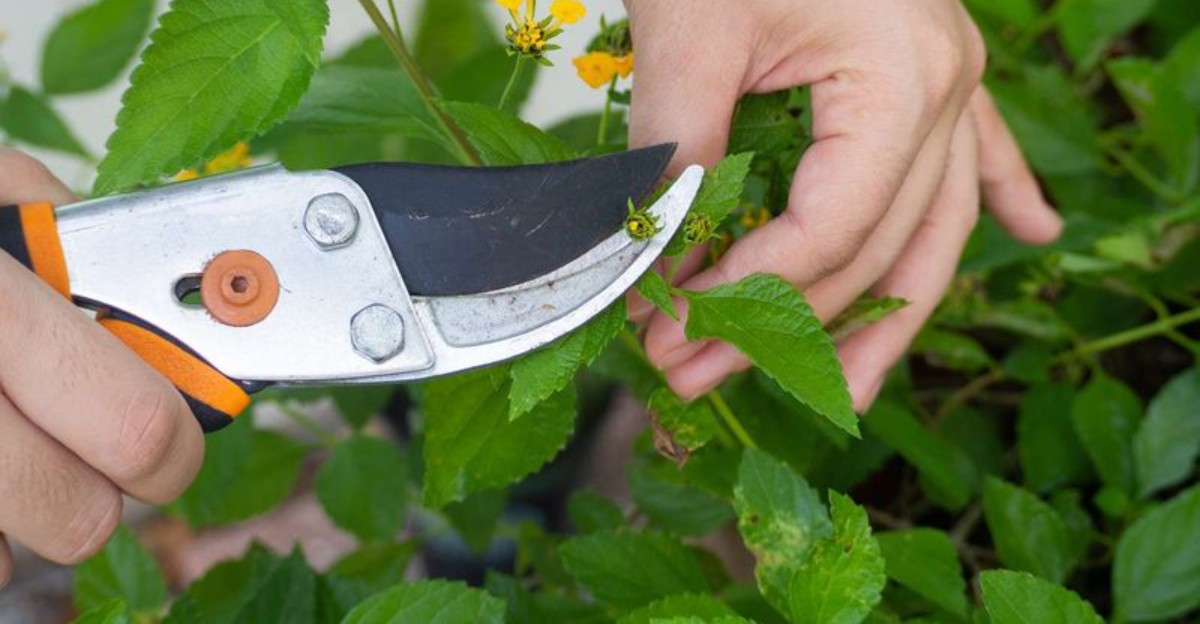
Lantana that bloomed nonstop through the heat can look ragged by the time cooler weather settles over Georgia.
Its flowers start thinning, and frost eventually turns the foliage dry and crispy. At that point, cleaning it up can feel like the natural next step.
That instinct makes sense, but one common fall habit can leave the plant more exposed than you realize.
In many parts of the state, lantana comes back from its base, and what happens to that base over winter matters.
A plant that goes into the cold season unprotected may return slowly or not at all. Even when it does come back, the regrowth can be thinner than the year before.
Think carefully about how you usually handle your lantana once the first frost turns it brown.
1. Some Well-Meant Fall Chores Can Set Lantana Back
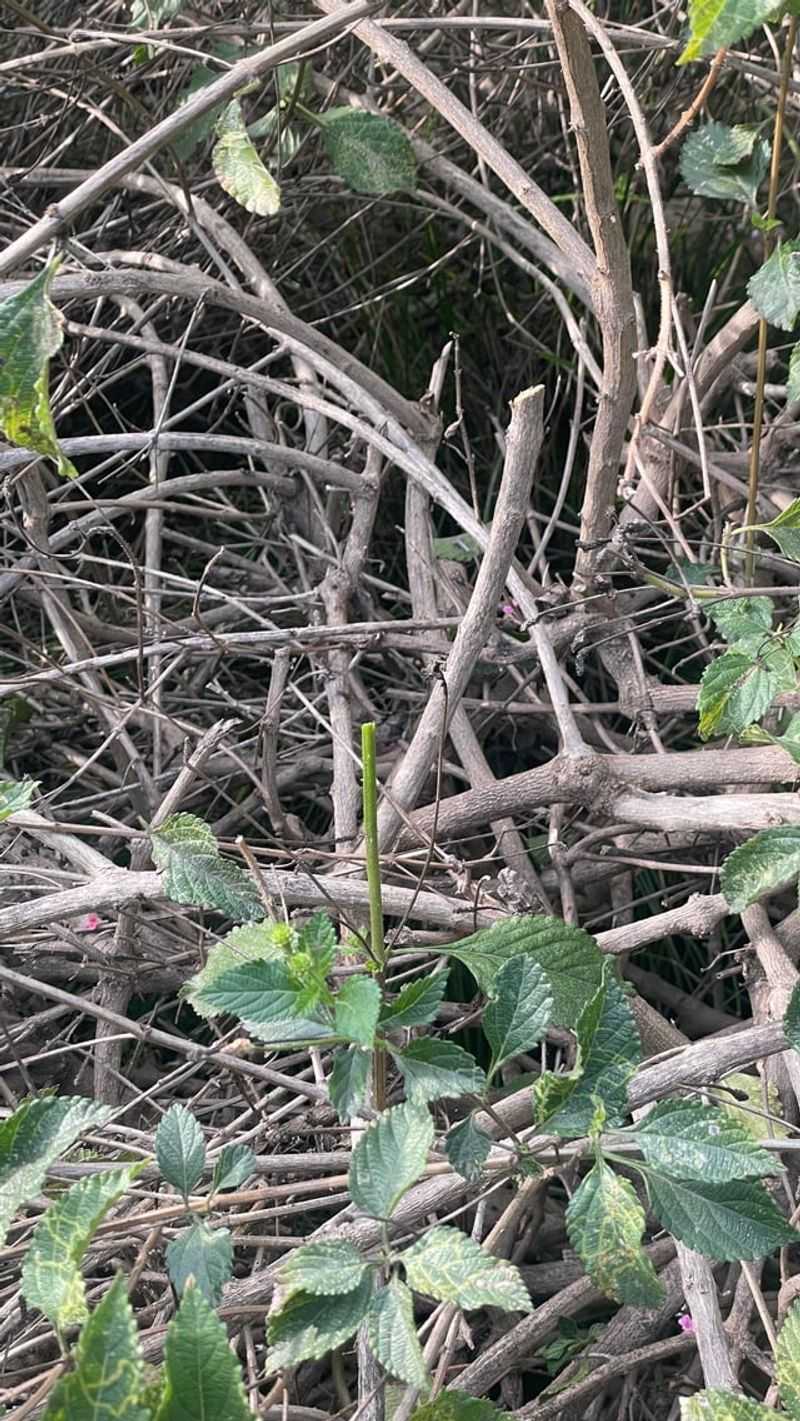
Tidy beds can come at a price. In a Georgia yard, the urge to clean up after the last blooms fade is strong, and lantana often takes the hardest hit.
The mistake in question is cutting lantana back hard in fall instead of waiting until spring.
Shearing the stems close to the ground looks neat for a few weeks. Over winter, though, it removes the woody growth that helps buffer the crown from freezing air.
Fresh cuts can also nudge the plant to push tender new shoots during a warm spell.
Those soft shoots are easily damaged when temperatures drop again, and the plant spends energy it might have saved. A weaker plant heading into spring may leaf out later or grow more slowly.
Raking every leaf away from the base is another chore that can backfire a little.
A light layer of fallen leaves near the crown offers some cover. Removing heavy piles is fine, but there is no need to scrape the soil bare.
Fertilizing in fall also tends to do more harm than good with lantana, since it can encourage growth at the wrong time.
So what should fall care look like? Snip off a few broken branches, pull weeds, and let the rest of the plant stay put until warmer weather returns.
2. Leaving Fall Pruning Until Spring Reduces Cold Injury Risk
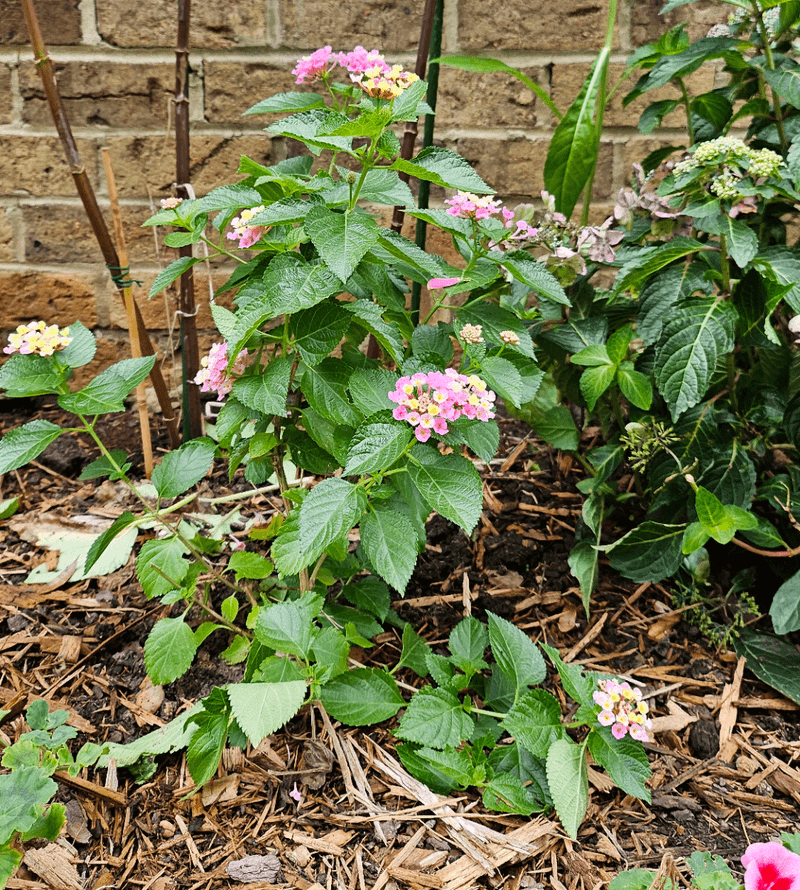
Ugly stems can be useful stems. Those brittle, brown branches standing in a winter bed are doing quiet work around the base of the plant.
Old growth tends to trap a little still air and catch leaves, which can soften the bite of a hard frost near the crown.
When a freeze does damage the upper branches, the injury usually stays in those outer stems. The lower wood and roots have a better chance of staying healthy underneath.
Picture it as a sacrificial layer you will trim off later anyway.
Cold injury on lantana often shows up as blackened tips or stems that snap easily in late winter. Seeing that is not a reason to panic, since the damage may be limited to the top portion.
Gardeners in north Georgia, where freezes come more often, may notice this benefit more than folks near the coast.
Your Georgia Garden Changes Every Week. Your Plan Should Too.
Gardening in Georgia changes quickly throughout the season. Every Friday you’ll receive a simple weekly plan showing exactly what to plant, prune, fertilize, harvest, and protect so you never miss the right timing.
Of course, leaving stems standing is not a promise of survival. A severe or long cold stretch can still harm a plant, especially a young one in its first winter.
Still, holding off on pruning tilts the odds in your favor without costing you anything.
If the look bothers you, trim only the tallest wild branches by a few inches and leave the bulk of the framework alone.
3. Hardy Varieties Like Miss Huff Often Return From The Roots
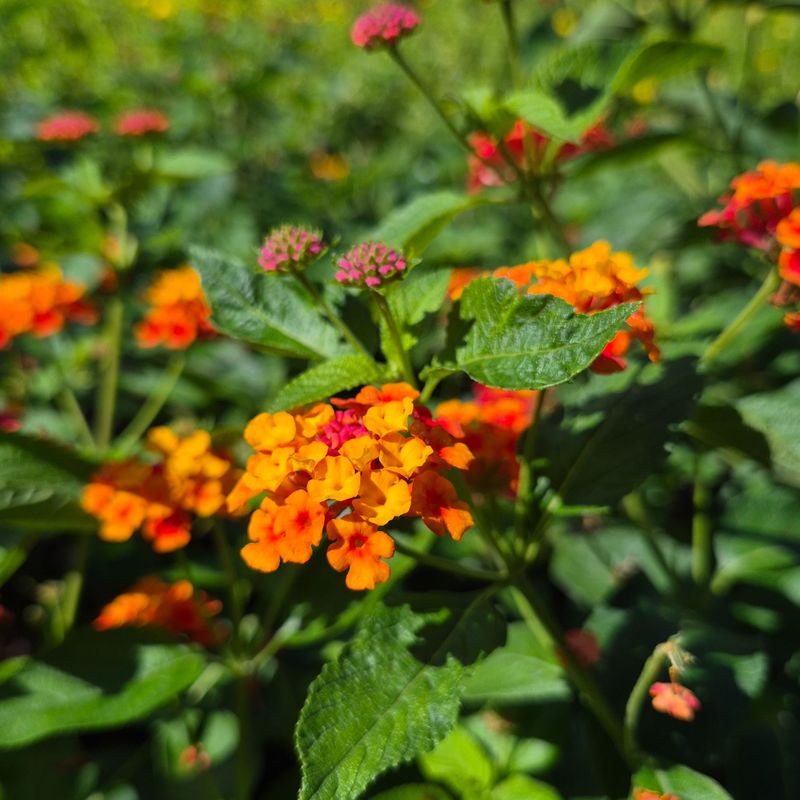
Miss Huff has earned a loyal following across the South. Gardeners like it because it often sprouts again from the roots after cold winters that flatten other types.
Varieties differ a lot in toughness, so the name on the tag matters more than you might expect.
Miss Huff is commonly listed as hardy to around USDA zone 7, which covers a good part of Georgia. Many trailing and compact bedding lantanas are less cold tolerant and are often treated as annuals in cooler spots.
Even with a hardy type, the top growth may freeze back to the ground.
Spring regrowth then comes from the crown and roots, and it can show up later than you would like. Some years it waits until the soil warms well into late spring.
Healthy roots are what make that comeback possible, which is another reason to avoid stressing the plant in fall.
Wondering which type you have? Check old plant tags, nursery receipts, or ask a local garden center to help identify it from photos.
If you are planting new lantana where winters bite, a variety with a proven track record is a smart pick. Other reliable options exist too, so talking to your county extension office can point you in the right direction.
4. Pruning Late In The Season Can Leave The Base Less Protected
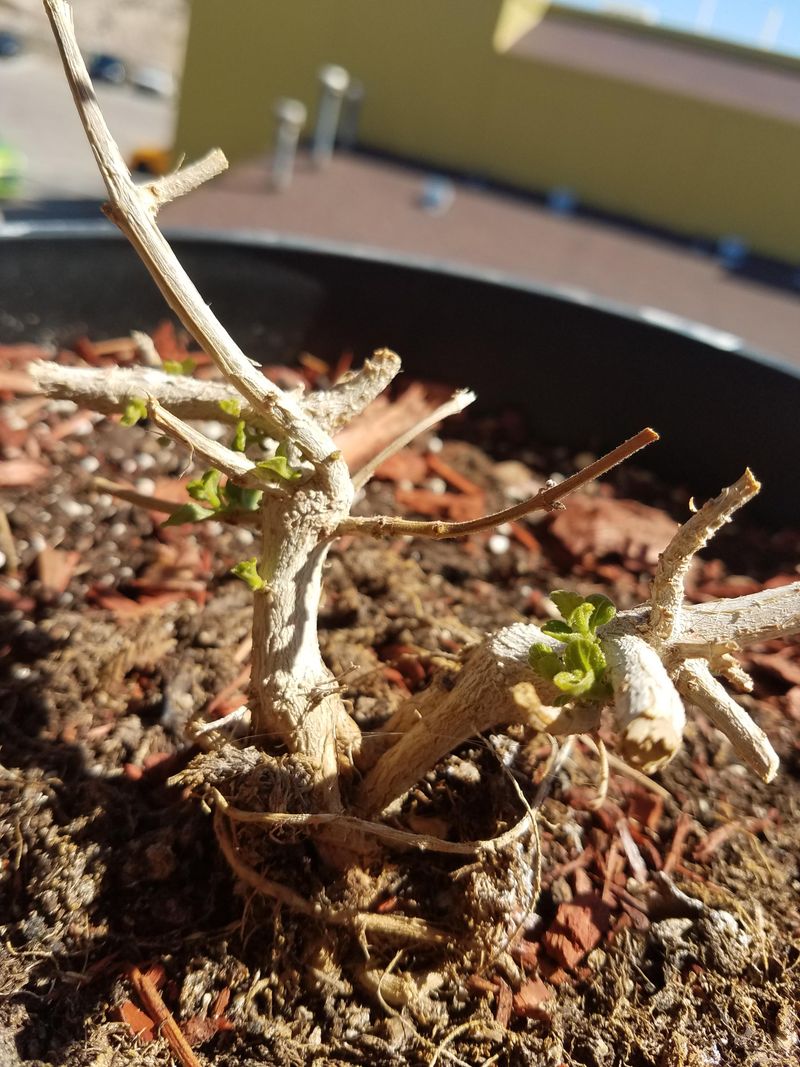
Short stubs sitting above bare soil tell a story. After a hard cut, the crown of the plant is left with very little between it and the winter wind.
Late fall pruning removes cover right when the coldest nights are on the way.
Every cut also opens a small wound on the stem.
In cold, wet weather, those wounds may take longer to seal, and damage can sometimes spread farther down the stem than expected. Timing matters as much as the cut itself.
A trim in early fall can spark new shoots that never get a chance to toughen before frost. A trim in late fall leaves stubs exposed for months with no regrowth to help.
Neither timing really suits lantana in most of Georgia, where hard freezes are possible from late fall into early spring.
Say the plant is blocking a walkway or crowding a neighbor shrub. In that case, cut only what is needed and leave at least a good portion of the stems in place.
Clean, sharp pruners help make smooth cuts that tend to recover better than ragged tears.
Once the trimming is done, avoid piling soil against the stubs, since that can hold moisture right where you want air to move.
5. Soggy Winter Soil Can Be Just As Harmful As Cold
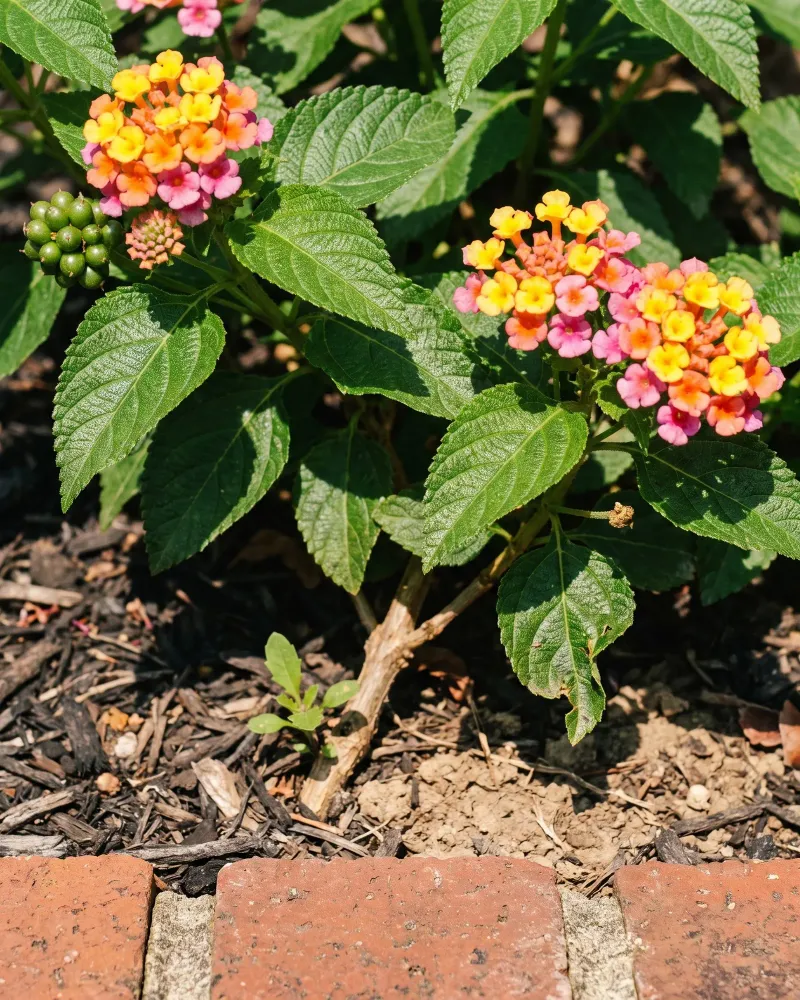
Wet feet trouble lantana more than most people realize. A plant that handles a frost just fine may still struggle if its roots sit in water for weeks.
Heavy red clay, which is common in much of Georgia, can hold moisture long after a winter rain ends.
Roots need air as well as water. When soil stays soggy and cold, roots may begin to rot, and the plant often has less strength to regrow in spring.
Drainage problems tend to show up in low spots and along downspouts.
Watch your beds after a heavy rain. If puddles linger for a day or more, that area may not suit lantana well over the long term.
Improving the site usually works better than trying to fix things once trouble shows.
Mixing compost into clay before planting can help loosen it over time. Raised beds or gentle mounds also lift the crown above the wettest soil.
Skip winter watering unless you have a long dry spell, since lantana is mostly dormant and uses little water then.
Plants in containers need a quick check too, so make sure drain holes are open and pots are not sitting in saucers full of water.
6. A Layer Of Mulch Adds Extra Insulation In Colder Areas
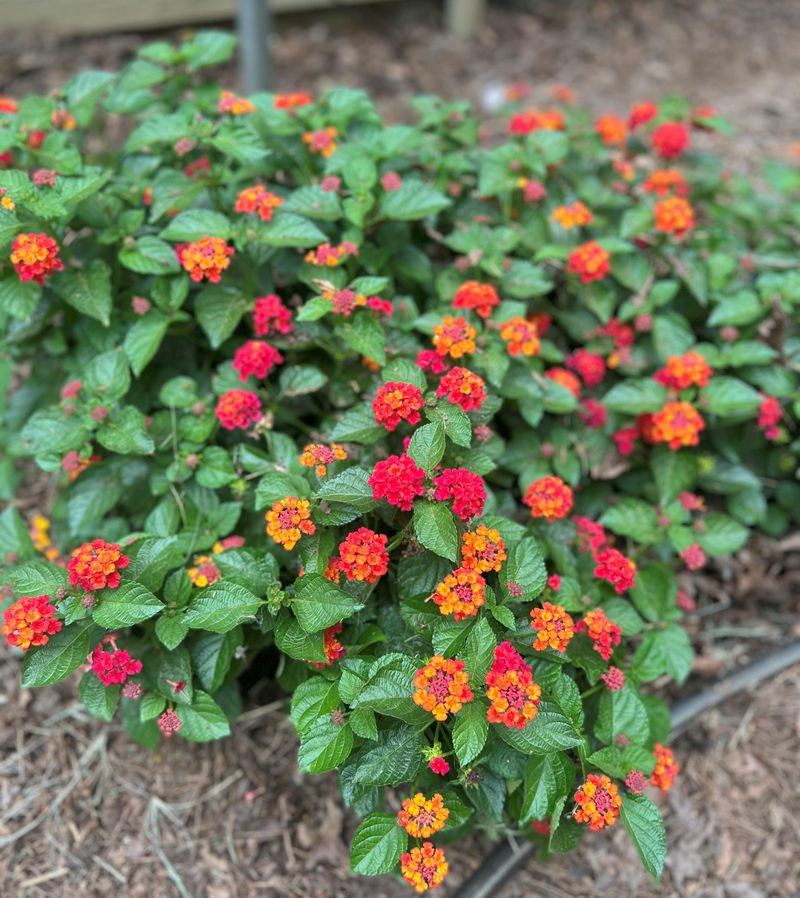
Pine straw is easy to find in the South, and lantana roots can benefit from it. A loose layer around the base helps even out soil temperatures during cold swings.
Mulch is most useful in colder parts of the state, such as the mountains and upper Piedmont.
Aim for about two to four inches spread over the root zone. Pine straw, shredded leaves, or bark all tend to work, and each breaks down at its own pace.
Keep a small gap right around the stems so the crown can breathe.
Packing mulch against the woody base can trap moisture and invite rot. That concern ties back to wet soil, so a thinner layer is wiser in beds that drain slowly.
Late fall, after a light frost or two, is a common time to apply it.
Mulching too early may keep soil warm enough to encourage late growth. Waiting a bit lets the plant settle into its slower winter mode first.
In spring, pull some of the mulch back once frost risk passes so the soil can warm faster.
No mulch can promise a plant will come back after a brutal winter, but it gives the roots a helpful bit of shelter.
7. Wait For New Spring Growth Before Trimming Back
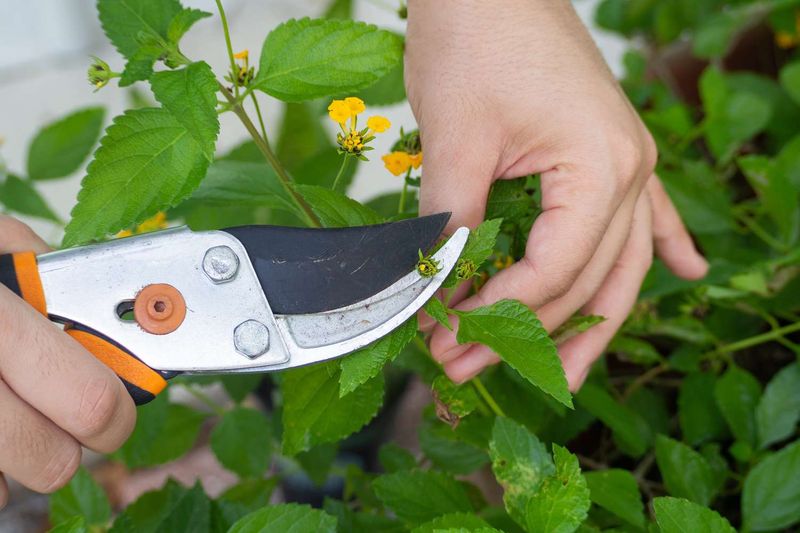
Green buds are the signal worth waiting for. Once you spot fresh shoots along the stems or near the soil, you can see exactly which wood is alive.
In many parts of Georgia, that usually happens somewhere between mid spring and late spring.
Warmer coastal areas may see growth sooner, while mountain gardens often lag behind. Weather also shifts the timing from year to year, so watch the plant rather than the calendar.
A simple scratch test can help if you are unsure.
Gently scrape a stem with your thumbnail. Green tissue underneath usually means that section is alive, while brown and dry tissue suggests it can go.
Cut stems back to just above healthy buds or new leaves.
If nothing appears on the upper branches, trim them down to a few inches and give the roots more time. Hardy types sometimes wait until warm soil before sending up shoots from below.
Patience pays off here, so try not to dig up a plant too early.
After pruning, a light feeding and steady watering during dry spells help the new growth fill in. Before long, the plant should be back to drawing butterflies and filling the bed with color again.