These Texas Tropicals Need Protection First This Fall
When the first real cold front rolls into Texas, it’s tempting to rush around and cover every plant in sight. But tropical plants don’t all feel the chill the same way.
Some barely flinch when temperatures dip into the 40s. Others start showing damage long before frost is even in the forecast.
Leaves may darken, curl, or drop, and tender stems can turn mushy almost overnight. By the time you notice, the harm is often already done.
That’s why knowing which plants to protect first makes such a difference. It helps you focus your time, space, and frost cloth where they matter most, instead of scrambling at the last minute.
Consider this your priority list for the yard. A few tropicals need help right away, while others can wait a little longer before heading for cover.
1. Crotons Come Inside Before Anything Else
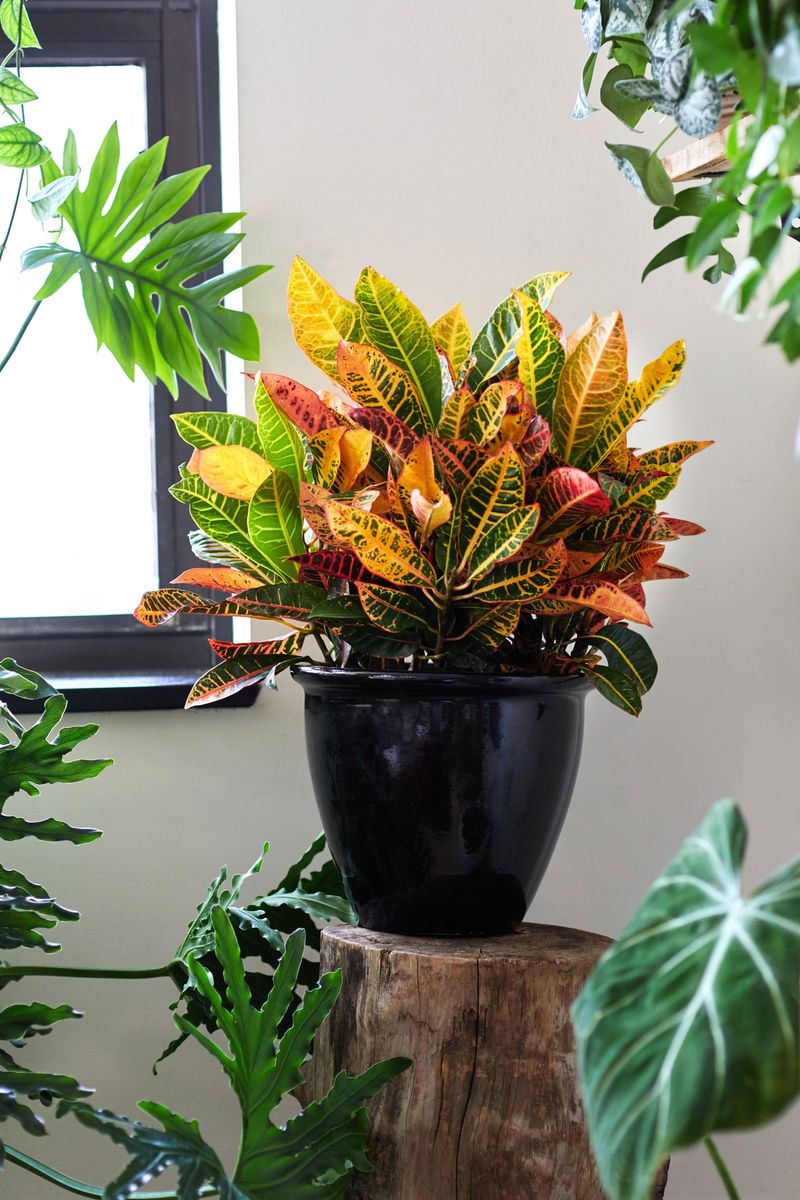
Bright as a box of crayons, crotons are often the first plants to throw a fit when fall arrives. Their bold red, yellow, and orange leaves look tough.
They are not. Once nights slip to around 50°F, crotons can start dropping leaves or showing dark, damaged spots.
That damage happens well before any frost. Many Texas gardeners get fooled because the days still feel warm. A sunny 80-degree afternoon can follow a 48-degree night, and the croton will remember that chill.
So what should you do? Watch the forecast closely starting in late September or early October.
When the first real cool front is on the way, move potted crotons inside or into a sheltered spot. A bright window facing south or west works well indoors.
Expect a little drama after the move. Crotons often drop a few leaves when their light or temperature changes. Stay calm and keep caring for them. New growth usually appears within a few weeks.
Here are a few simple tips for indoor success. Water only when the top inch of soil feels dry. Mist the leaves now and then, since indoor air gets dry when the heater runs. Keep the plant away from cold doors and drafty windows.
Fun fact: croton leaves get their brightest colors from strong light. If your plant turns mostly green indoors, it simply wants more sun. Add a small grow light if your home is dim.
Moving crotons first gives you peace of mind. After that, you can focus on the rest of your tropical collection without worry.
2. Plumeria Wants A Dry, Cozy Winter Nap
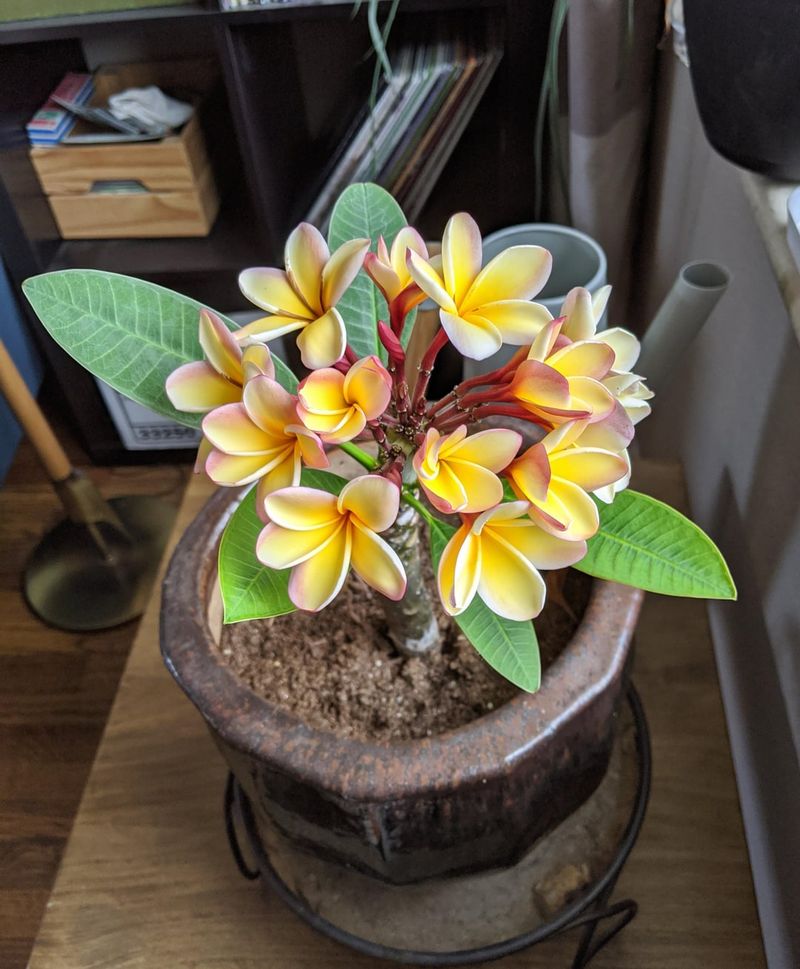
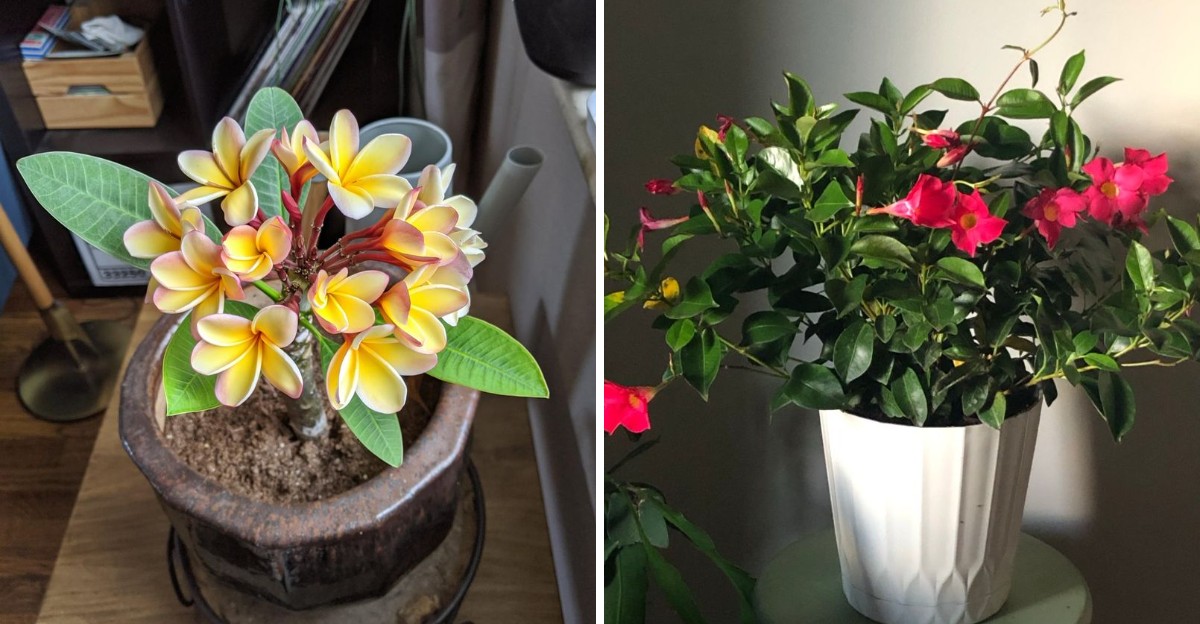
Ask any Hawaiian lei maker about plumeria, and they will talk about its sweet scent. In Texas, that same tropical charm comes with a weak spot. Plumeria hates cold, and it hates wet soil even more.
The combo of chilly air and soggy roots can cause rot fast. Once nights regularly dip into the 40s, it is time to act. Do not wait for a freeze warning.
Plenty of gardeners let plumeria go dormant for winter. That means the plant drops its leaves and rests until spring. It sounds strange, but it works very well.
Your Texas Garden Changes Every Week. Your Plan Should Too.
Gardening in Texas changes quickly throughout the season. Every Friday you’ll receive a simple weekly plan showing exactly what to plant, prune, fertilize, harvest, and protect so you never miss the right timing.
Start by cutting back on water in early fall. Then move the pot into a garage, shed, or spare room that stays above about 40°F. Light is not very important while the plant sleeps. Keep the soil almost completely dry until spring.
Some people even pull plumeria out of the pot and store it bare-root. They lay it in a box or lean it in a corner. Since the stems hold water like a cactus, the plant stays healthy for months.
Check stored plants once a month. Firm stems are a good sign. Soft or mushy spots mean rot, so trim those areas with clean pruners.
When spring nights stay above 55°F, bring your plumeria back outside. Start watering slowly and give it gentle morning sun at first. Soon you will see fresh leaves and, by summer, those famous blooms.
Treat plumeria like a sleepy bear. Give it a dry, quiet den, and it will wake up ready to shine.
3. Ixora Shivers Way Above Freezing
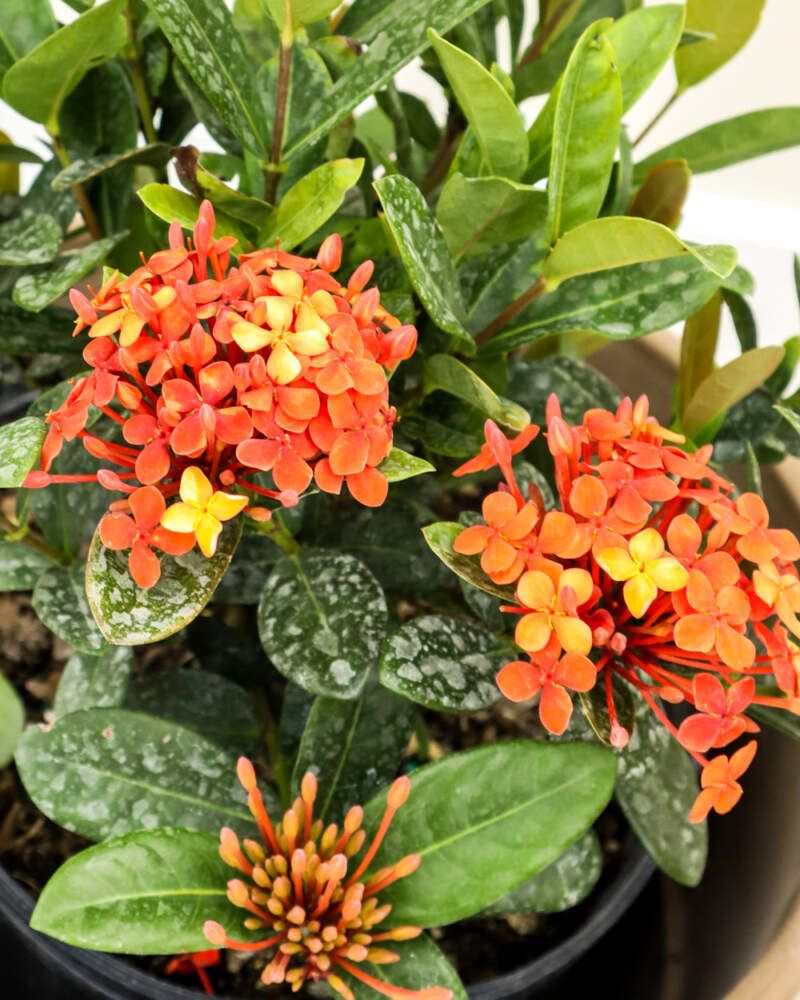
Butterflies love ixora, and so do gardeners who crave nonstop color. Those round clusters of red, orange, or pink flowers look like little bouquets all summer. Sadly, the party ends quickly when cool weather rolls in.
Ixora can be damaged by temperatures well above freezing. Even nights in the low 40s can turn leaves yellow, purple, or brown. A hard frost can wipe out the whole top of the plant.
For potted ixora, the plan is simple. Bring it inside early, around the same time you move crotons. Pick a bright spot with a few hours of sun each day.
Ixora also likes acidic soil, which is tricky in much of Texas. Indoors, use rainwater or distilled water if your tap water is hard. That small change helps keep the leaves green instead of pale.
In-ground ixora is more common in South Texas, where winters stay mild. Even there, a surprise cold snap can do real harm. Keep frost cloth or old bedsheets handy all season long.
When a cold night is forecast, cover the plant all the way to the ground. Use bricks or rocks to hold the edges down.
That traps heat rising from the soil. Remove the cover the next morning so the plant does not overheat.
A thick layer of mulch around the base also helps. It protects the roots, which gives the plant a better chance to bounce back.
Here is a handy tip. Avoid pruning ixora in fall. New tender growth gets hurt even more easily by cold.
4. Mandevilla Needs A Trim And A Sunny Window
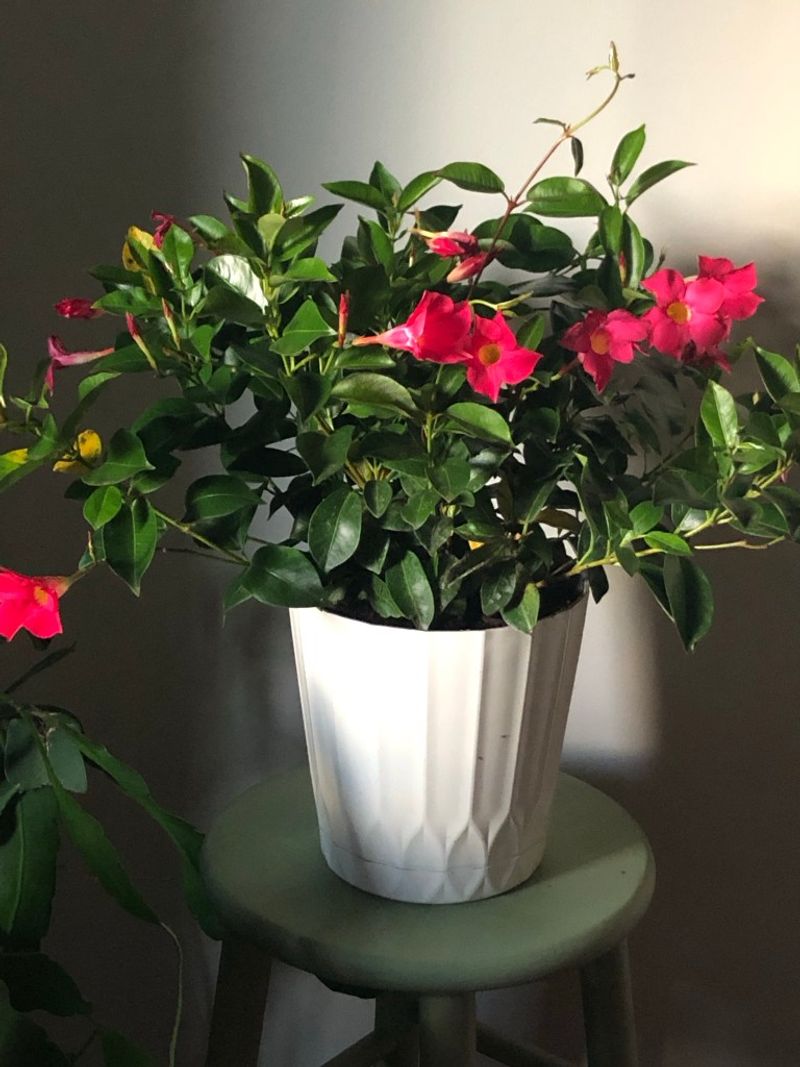
Summer in Texas often means a mandevilla climbing a mailbox or porch post. Its big pink, red, or white trumpet flowers seem to never quit. Then October arrives, and the vine suddenly looks tired.
Once temperatures drop below about 50°F, mandevilla starts to struggle. Blooms slow down, leaves turn yellow, and growth stops. If it stays out in the cold too long, the damage can be hard to reverse.
The good news is that mandevilla is easy to bring indoors. First, give it a trim. Cut the long vines back by about one third, or even more if space is tight. A smaller plant fits better inside and handles the move with less stress.
Next, check for bugs. Spray the leaves with water and look under them for mealybugs or spider mites. Nobody wants to bring pests into the house.
Find the brightest window you have. A south-facing spot is ideal. Mandevilla does not need much water in winter, so let the top couple inches of soil dry out between drinks.
Do not expect many flowers during the cooler months. Your goal is simply to keep the plant healthy and resting. Skip fertilizer until spring.
Quick fact: mandevilla is related to the oleander, which is why its sap can bother sensitive skin. Wear gloves when pruning to stay safe.
When spring warms up and nights stay mild, move it back outside little by little. Feed it, give it a trellis, and watch it take off again for another bright Texas summer.
5. Monstera Gets Chilly On Shady Patios
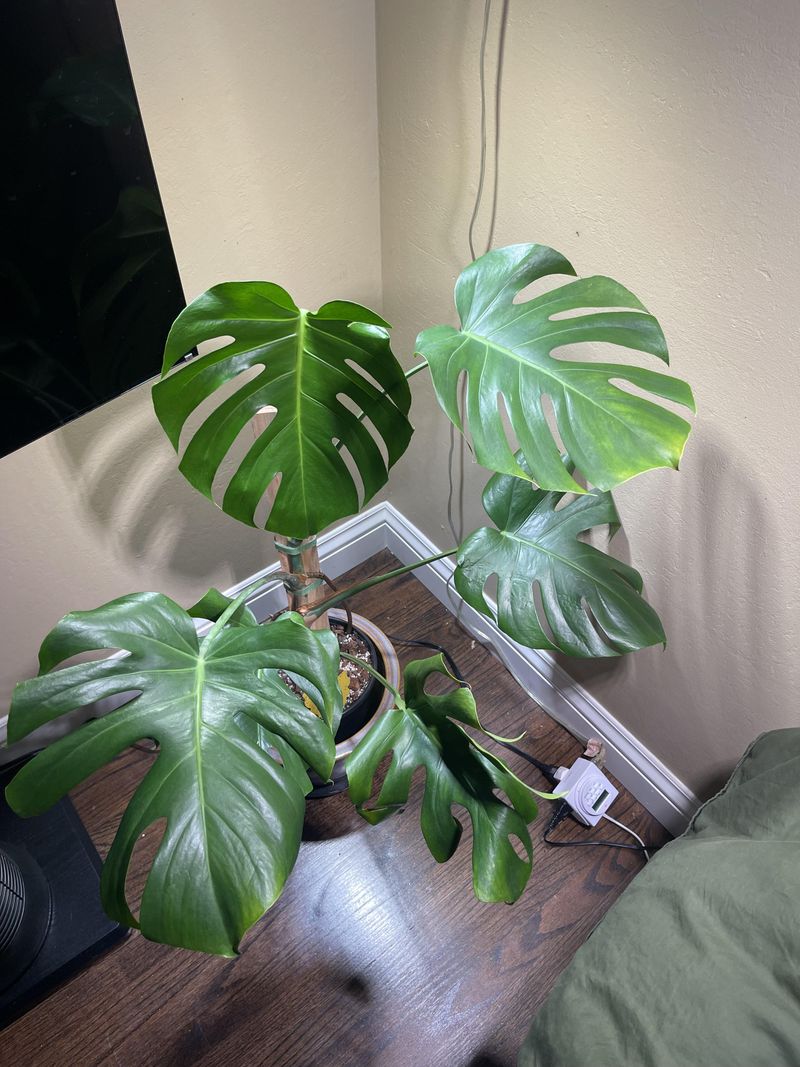
Lots of Texans treat their monstera like a summer vacationer. It spends warm months lounging on a shady patio, growing huge, split leaves. When fall cool fronts blow through, though, that vacation needs to end.
Monstera comes from warm rainforests in Central America. It is used to steady warmth. Once nights fall below about 50°F, the leaves can develop dark patches, curl, or turn yellow.
Plan to bring it indoors before the first big front arrives. Find a bright spot with indirect light, like near an east-facing window. A few feet back from a sunny south window also works great.
Placement matters a lot inside the house. Keep monstera away from cold drafts near doors and windows.
Also keep it clear of heating vents. Hot, dry air blowing on the leaves can make the edges crispy and brown.
Before moving it, wipe the leaves with a damp cloth. Dust and patio grime block light. Clean leaves look better and help the plant stay strong through winter.
Water less often in the cooler months. Monstera grows slower in winter and does not use as much water. Wait until the top two inches of soil feel dry.
Did you know? Those famous holes in the leaves may help the plant handle strong winds and share light with lower leaves in the jungle.
If your monstera is very large, ask a friend for help moving it. A plant dolly with wheels can make the job much easier. Your back will thank you, and so will your plant.
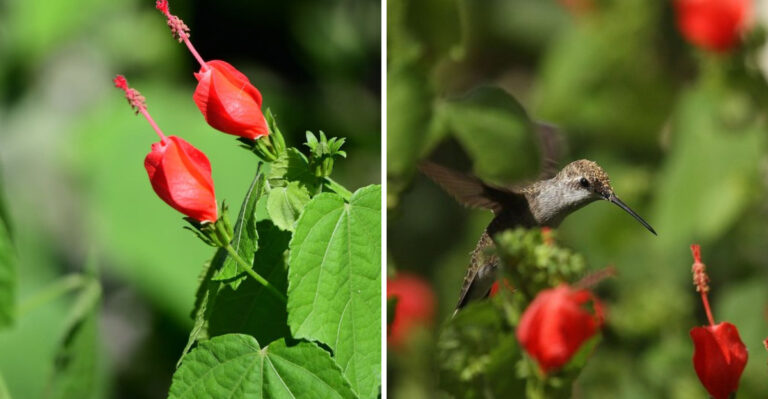
6. Tropical Hibiscus Slows Down In The Cold
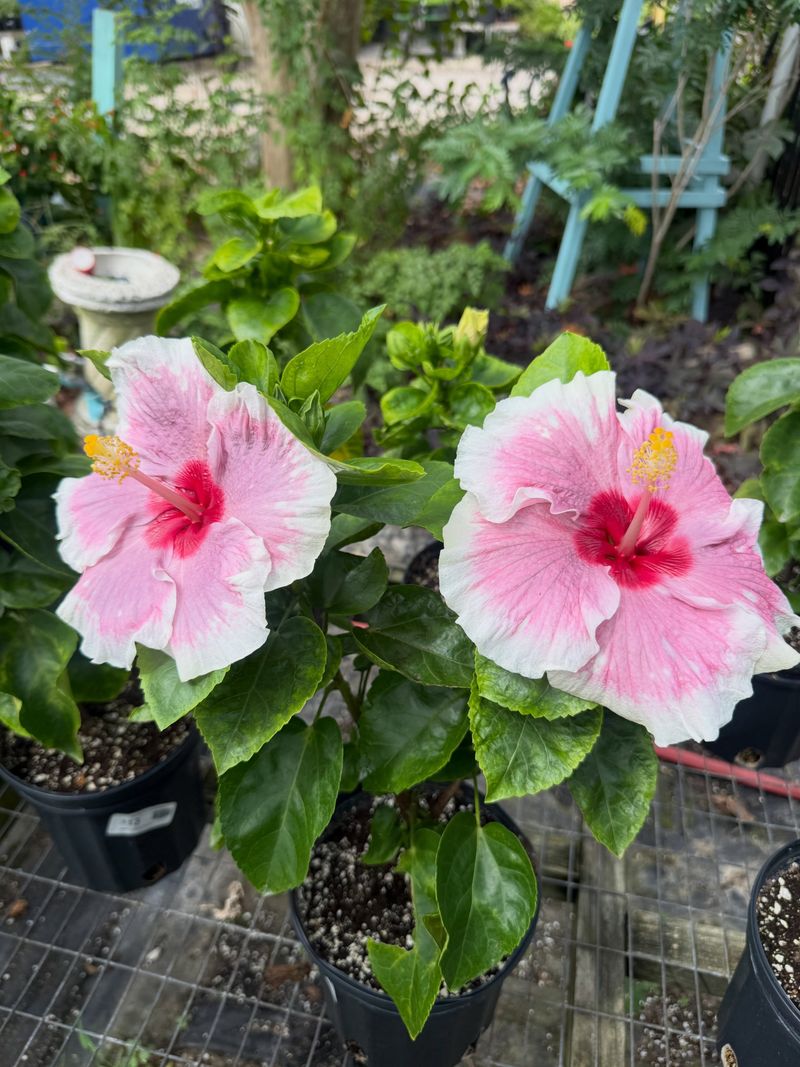
Few flowers say tropical like a giant hibiscus bloom the size of a dinner plate. Each flower lasts only a day or two, but the plant keeps making more all summer. Cool fall weather changes that quickly.
Tropical hibiscus slows way down when temperatures drop. Growth stops, buds may fall off, and leaves can turn yellow. Frost is a much bigger problem, because it can wipe out the plant completely.
Be careful not to mix it up with hardy hibiscus. Hardy types have dull leaves and come back from the roots each spring. Tropical types have shiny, dark green leaves and need more help.
For potted plants, move them inside once nights drop into the 40s. Put them by your sunniest window. Hibiscus loves light, even in winter.
Indoor hibiscus can attract whiteflies and aphids. Check the plant once a week. A gentle spray of insecticidal soap usually solves small problems fast.
In southern Texas, many people grow tropical hibiscus right in the ground. Those plants need covering when a freeze is forecast.
Use frost cloth that reaches the soil. For extra warmth, string old-style holiday lights under the cover, since they give off a bit of heat. Water the soil the day before a freeze. Moist ground holds heat better than dry ground.
If a freeze does damage the branches, do not rush to prune. Wait until spring to see where new growth starts. Then trim off the brown, dry parts and let the plant fill back in.
7. Bougainvillea Can Wait A Little Longer
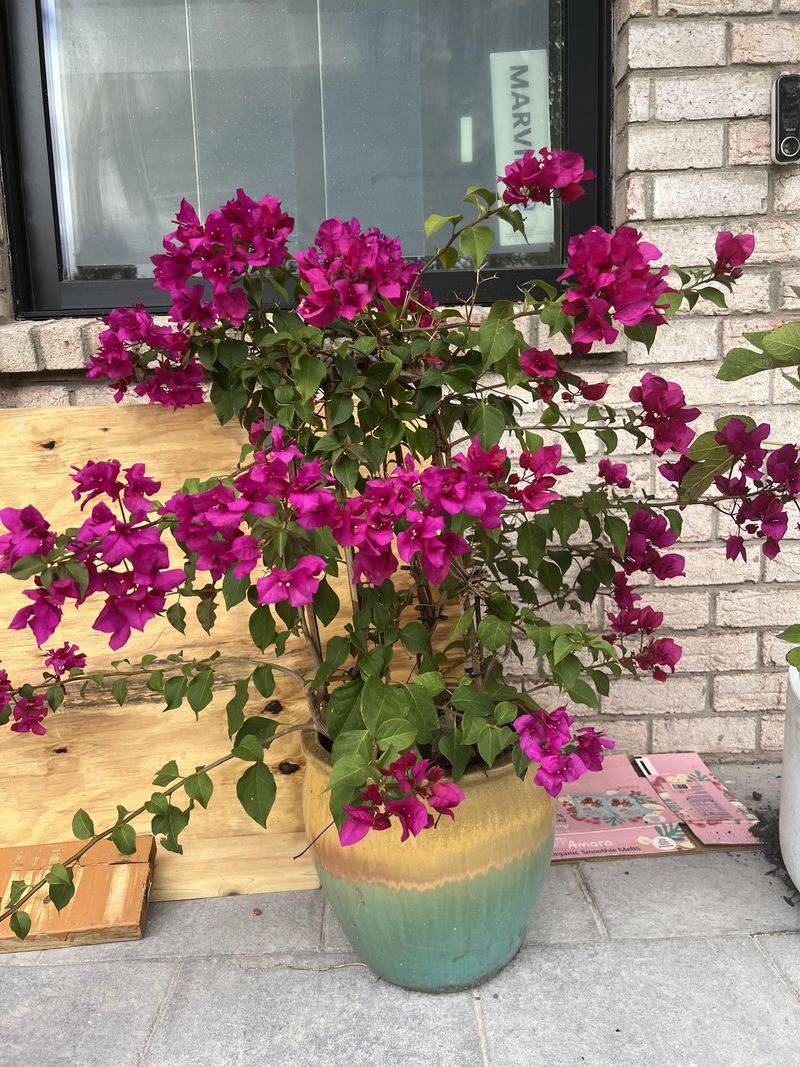
Good news for busy gardeners: bougainvillea is the toughest plant on this list. Its paper-thin magenta, orange, or purple bracts seem fragile. In truth, this plant shrugs off cool nights that would upset a croton.
Fun fact: the colorful parts are not actually flowers. They are special leaves called bracts. The real flowers are tiny and white, tucked right in the middle.
Bougainvillea can handle temperatures in the 40s without much fuss. In fact, slightly cooler weather and drier soil can push it to bloom more. Many Texas gardeners see a big burst of color in fall.
Frost is where the trouble starts. Freezing temperatures can damage leaves and stems quickly. Leaves may turn brown and drop, and thin branches can dry out.
Potted bougainvillea should move to shelter before a freeze. A garage, covered porch, or sunroom works fine. Water lightly through winter, and let the soil dry between drinks.
Watch out for those sharp thorns when you move it. Thick gloves and long sleeves make the job much more comfortable.
In South Texas, established plants growing in the ground are pretty resilient. After a light freeze, they often regrow from the roots in spring.
Still, covering them during a cold night helps protect the top growth. A thick layer of mulch over the root zone adds extra insurance.
Since bougainvillea can wait longer, save it for last. Handle your most tender plants first, then turn your attention here. With a little planning, your whole tropical collection can make it through winter in great shape.