The New Jersey Native Shrub That Feeds Migrating Birds And Lights Up Your Yard In Fall
Why do cedar waxwings harvest a whole shrub within days? You can watch it happen from your window this October in New Jersey.
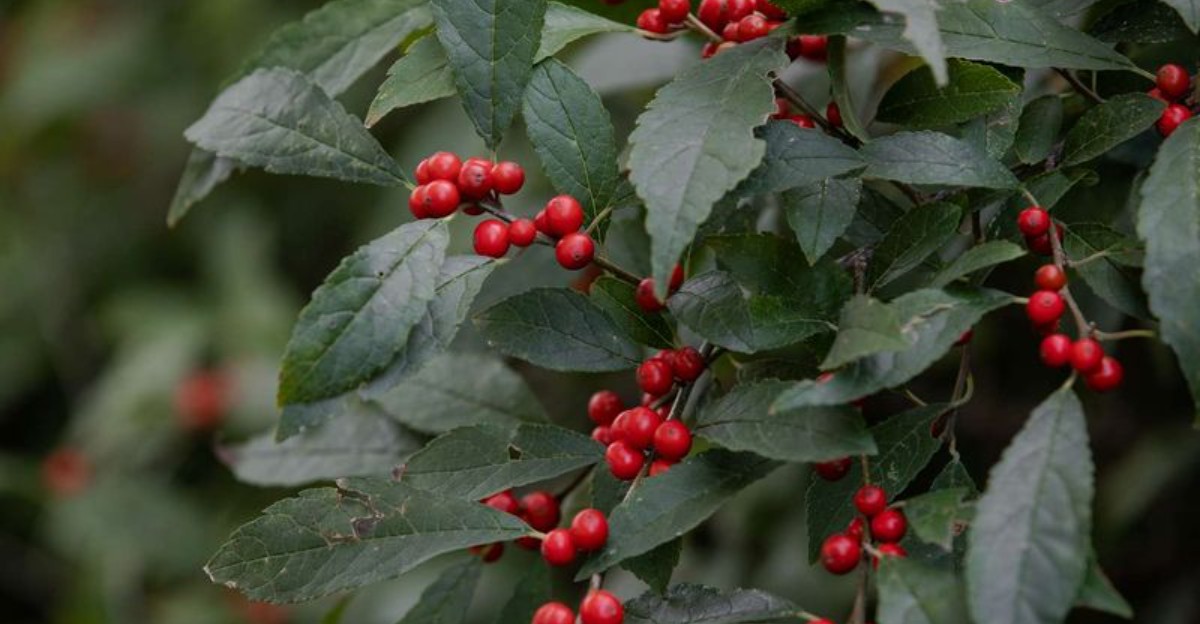
Winterberry holly lights up leafless branches with crimson fruit after the leaves drop. Migrating thrushes, bluebirds, and robins find you faster than any garden center ever could.
Those berries hang on through winter, feeding stragglers when insects fade. Boggy corners that challenge your other shrubs suit this holly fine.
Skip fertilizer and fussy pruning, but water your young plants. Pair a male with a few females, since only females carry berries.
Choose a compact cultivar like Red Sprite if space feels tight. Then step back and watch neighbors slow their cars to admire.
Bright fruit glows against silver November skies, and you get front-row seats. Soon you can claim full credit for this feathered New Jersey party.
Winterberry Holly Is The Shrub Behind The Glow
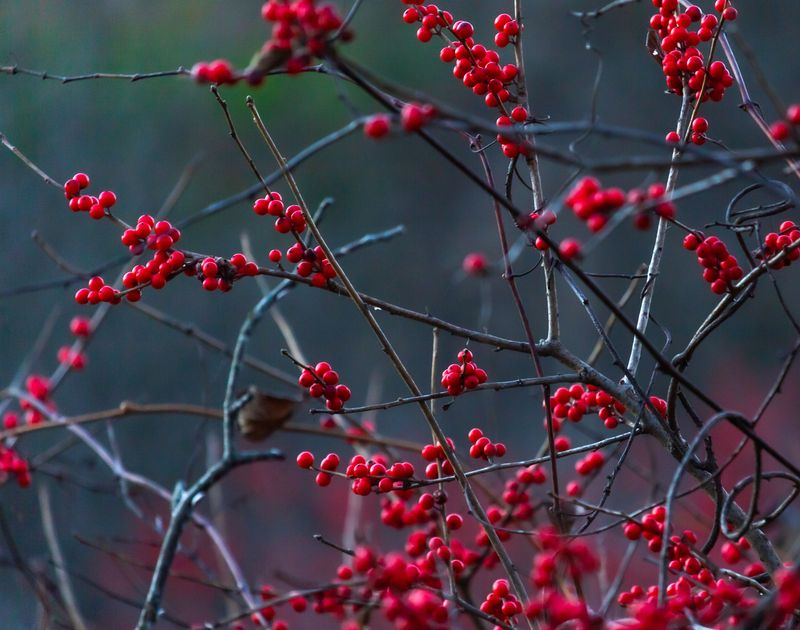
Winterberry holly, or Ilex verticillata, is the native shrub that turns October yards into a red fireworks show. It grows wild across New Jersey, from Pine Barrens bogs to North Jersey swamps.
Unlike the shiny holly you see at holidays, winterberry drops its leaves each fall. That leaf drop is the secret behind its glow, because nothing hides the berries anymore.
Most plants grow between six and ten feet tall and spread into a loose, rounded clump. Smaller garden types stay closer to three or four feet, which fits neat front beds.
The berries are about a quarter inch wide and cling tightly along the stems. A healthy female shrub can carry hundreds of berries, packed like beads on a necklace.
Birds care a lot about that crop, especially in October when migration hits its peak. Robins, bluebirds, cedar waxwings, and thrushes all stop by for a quick refuel.
Because it is native, winterberry fits right into the local food web without any fuss. Its summer flowers feed bees, and its leaves even host a few native caterpillars.
Think of it as a bird feeder that refills itself and needs no seed shopping. That suits a low-effort yard well.
Many local nurseries stock winterberry in fall, so call ahead to check availability. Look for plants with berries already showing so you know what you are getting.
Red Berries That Fuel The Fall Migration
Imagine flying from Canada to Georgia on nothing but a few bites of breakfast. Migrating birds face that challenge each fall, and New Jersey sits right on their busy route.
The Atlantic Flyway funnels millions of songbirds along our coast and river valleys in autumn. Many songbirds land in backyards at dawn, tired and hungry after an overnight flight.
Winterberry fruit can supplement the diet of birds passing through. The berries offer carbohydrates, though they hold less fat than some other wild fruits.
Robins are often the first to find a loaded shrub, and they bring friends. Cedar waxwings arrive in large flocks and can clear a branch in minutes.
Your New Jersey Garden Changes Every Week. Your Plan Should Too.
Gardening in New Jersey changes quickly throughout the season. Every Friday you’ll receive a simple weekly plan showing exactly what to plant, prune, fertilize, harvest, and protect so you never miss the right timing.
Eastern bluebirds, hermit thrushes, and northern mockingbirds also enjoy the bright snacks. Some fruit stays on into winter, feeding birds that stick around through January.
That timing matters because insect numbers drop once frost arrives in late fall. A berry shrub fills the gap, acting like a roadside diner for travelers.
Place your shrubs where you can see them from a kitchen or living room window. Morning coffee becomes a lot more exciting with a flock of waxwings outside.
Keep a birdbath nearby, since fruit eaters also need fresh water to drink and bathe. Add a small brush pile, and shy birds will have a safe hiding spot too.
Skip pesticides around the shrub so the birds get clean, healthy food. Your yard can become a reliable rest stop that birds return to year after year.
October Timing And The Big Berry Show
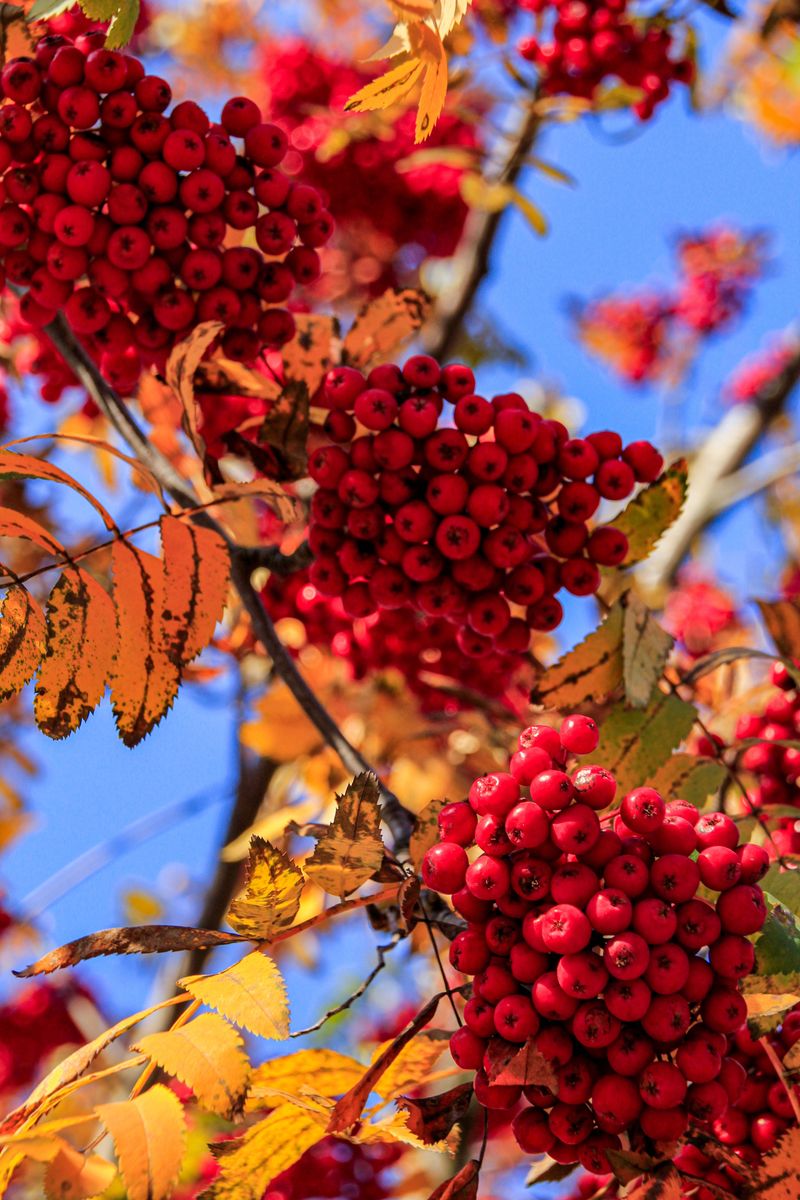
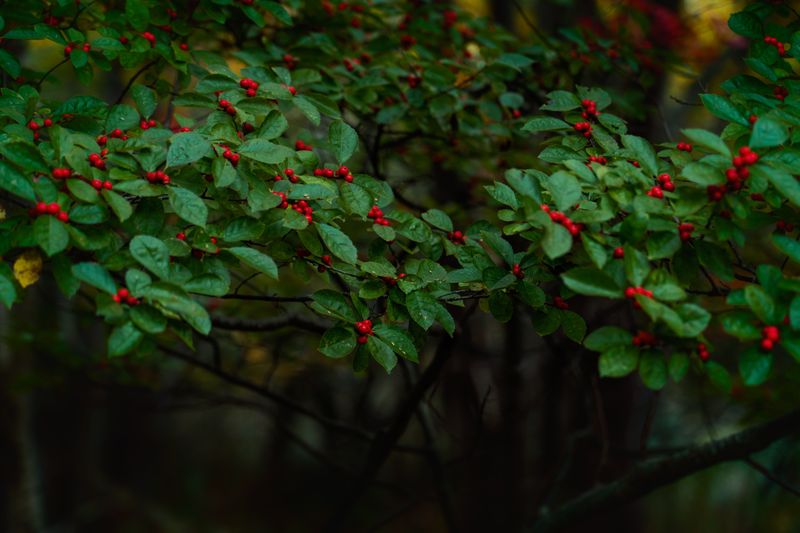
By early October, many winterberry shrubs already show red fruit. Berries that stayed green through summer turn orange, then deepen to cherry red.
By mid-October in much of New Jersey, the color often reaches full strength. The leaves usually turn yellow or bronze first, then drop away within a few weeks.
Once the foliage falls, the leafless stems look like they were dipped in red paint. Against a gray sky or fresh snow, the contrast stands out.
Weather plays a role in how bright the show becomes each year. A sunny, mild fall may lead to richer color than a cloudy, wet one.
South Jersey gardens may see berries color up somewhat earlier. North Jersey yards in places like Sussex County can run a little behind.
Bird traffic also follows a schedule you can learn to predict. Big flocks often hit the shrubs hardest from late October through November.
Some years the berries disappear quickly, while other years they last until February. It depends on how many birds pass through and what other food is around.
Snap a photo of your shrub each week this month to track the changes. Kids may enjoy comparing the pictures.
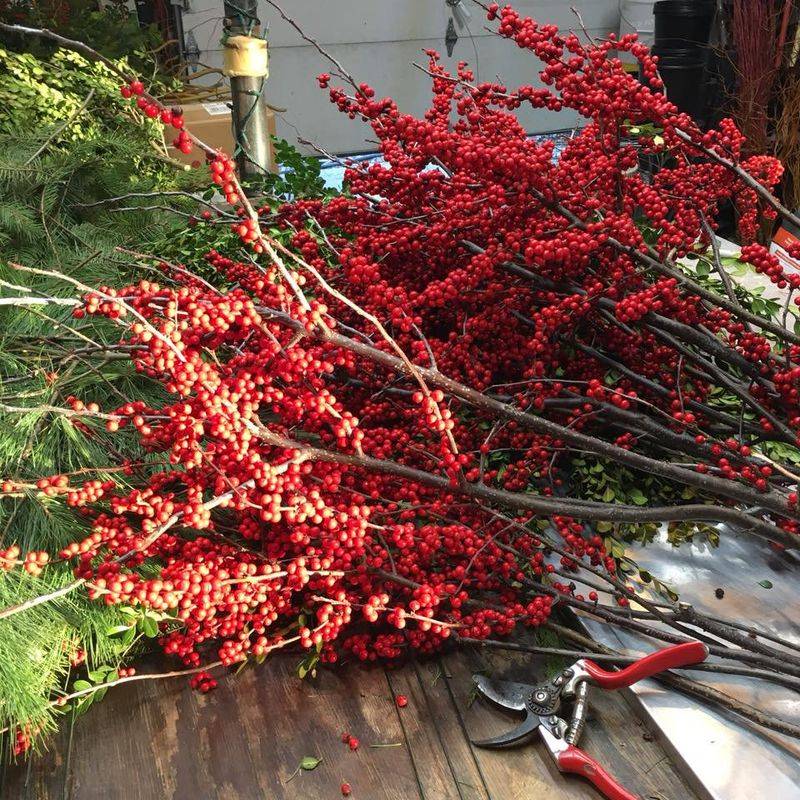
October is also prime time to cut a few branches for indoor decorations. Leave plenty behind, though, because the birds were counting on that buffet first.
A tall vase of red stems by the front door looks cheerful for weeks. Dry stems hold up well in a vase, though berries may eventually shrivel or drop.
Why Your Winterberry Needs A Male Plant
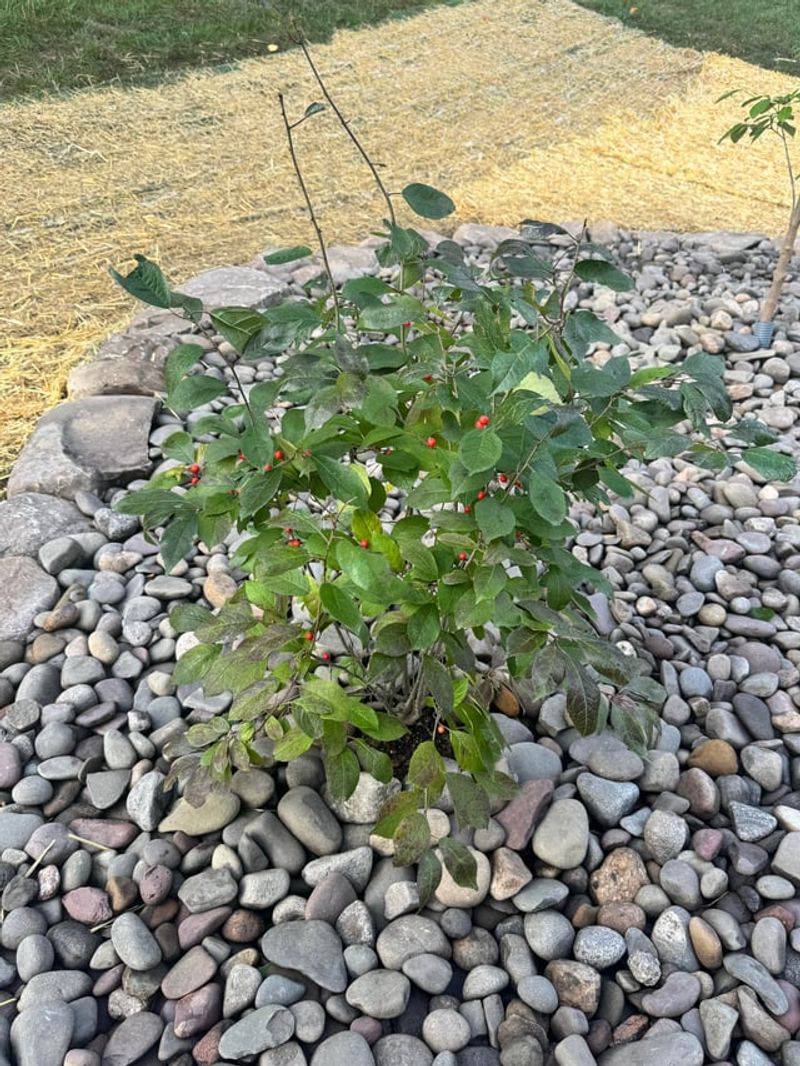
Plenty of gardeners plant a winterberry, wait all year, and get no berries. A common reason is not bad soil or weather, but a missing pollinator.
Winterberry plants are either male or female, and only females make berries. They still need a male nearby to supply pollen in early summer.
Without a male partner, the female flowers bloom and then simply fade away. Bees cannot carry pollen from a plant that is not there.
The fix is simple once you know the rule. Plant one male for every five to ten females, within about fifty feet.
Timing matters too, since the male must bloom at the same time as the females. Nurseries pair them up by variety, so read the tags carefully before buying.
Popular females like Red Sprite match well with the male Jim Dandy, while Berry Poppins pairs with Mr. Poppins. Bigger females such as Winter Red pair best with Southern Gentleman.
Plant labels sometimes just say male or pollinator, which is your clue. If a shop has only females in stock, ask whether they can order a match.
A neighbor’s male plant can sometimes do the job if it grows close enough. Wild winterberry in nearby wetlands may help too, but counting on luck is risky.
Place the male toward the back of a bed, since it carries no berries. Its plain green leaves make a nice backdrop for the bright females up front.
Treat it like a matchmaking service for your yard. Get the pairing right once, and the payoff can last for many years.
Planting Winterberry In Soggy Or Clay Soil
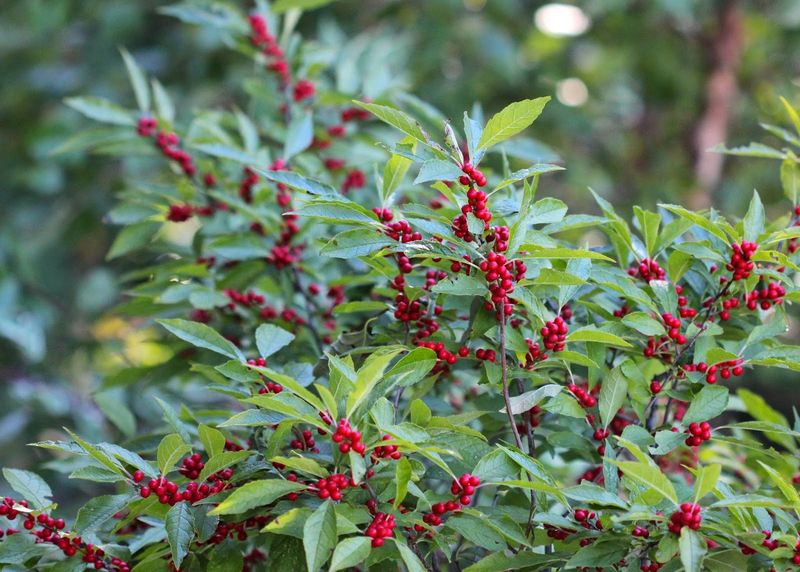
That soggy corner where grass turns to mud each spring might be your best planting spot. Winterberry grows naturally in swamps and stream banks, so wet feet do not bother it.
It also handles heavy clay, which covers many yards across central New Jersey. Average garden soil works fine, as long as it does not dry out often.
Acidic soil keeps the leaves green and healthy over time. If your soil leans alkaline, the foliage may turn yellow and growth can slow down.
October is a great month to plant, since cool air and warm soil help roots settle. Aim to finish at least six weeks before the ground freezes.
Dig a hole twice as wide as the pot but no deeper. Set the plant level with the ground, then backfill with the same soil you removed.
Water deeply right after planting and keep the soil moist through fall. A layer of shredded leaves or bark mulch, about two inches thick, helps hold moisture.
Full sun gives you the most berries, though the shrub tolerates partial shade. Try for at least six hours of direct light for the best show.
Give each plant room to spread, about four to six feet apart for most types. Grouping three or more together creates a strong block of color that birds spot easily.
Rain gardens and drainage swales are perfect homes for this tough native. You put a wet spot to use and gain a bird buffet at the same time.
Long-Term Care For A Brighter Yard Each Year
This shrub rewards patience more than hard work. Most winterberry plants need just a little attention to look better each passing year.
Young plants may produce only a few berries their first season. By year three, they usually settle in and put on a much bigger display.
Water during dry summer spells, especially in the first two years. Once roots are established, rainfall usually covers most of the shrub’s needs.
Prune in late winter or early spring, before new growth appears. Berries form along established stems, so heavy pruning can reduce your fruit crop.
Remove a few of the oldest stems at ground level every couple of years. Fresh shoots will replace them and keep the shrub full and lively.
Fertilizer is seldom needed in decent soil, and too much can mean leaves instead of berries. A yearly layer of compost or leaf mulch keeps things balanced.
Watch for suckers spreading out from the base over time. Dig them up to share with friends, or let them fill a wild corner naturally.
Rabbits sometimes nibble young stems during winter, so a wire cage helps early on. Deer often browse winterberry less than other shrubs, though heavy pressure can still cause damage.
Pests and diseases cause few problems for this hardy native. Leaf spot may show up in humid summers, but it seldom does serious harm.
Over the years, your planting becomes a reliable stop on the migration map. Each October, the red glow returns, and so do the hungry travelers who love it.