Why You’re Suddenly Seeing More Asian Lady Beetles On Georgia Homes This Fall
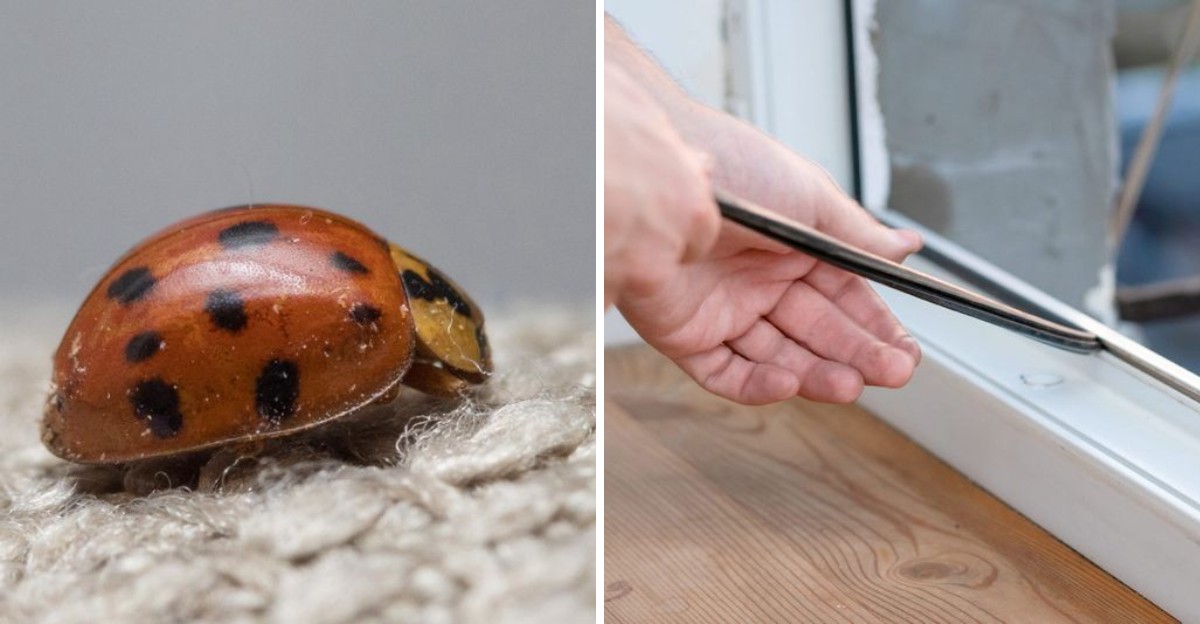
Dozens of orange beetles crawling across the sunny side of your house can surprise you on a mild fall afternoon.
At a glance, they look like the ladybugs you might be glad to see in the garden. Asian lady beetles behave differently once they gather on walls and window frames.
As nights cool, they look for protected places to spend the winter, and homes fit that need well.
They favor walls that catch afternoon sun, especially lighter ones. Once a few find a gap around a window, many more can follow inside.
Squashing them may seem like the quickest fix, but it can leave stains and a sharp smell behind.
Watch which side of your house draws the biggest crowd, since warm Georgia days often bring them out in waves.
1. Swarms Often Show Up On Warm Days Right After A Chilly Spell
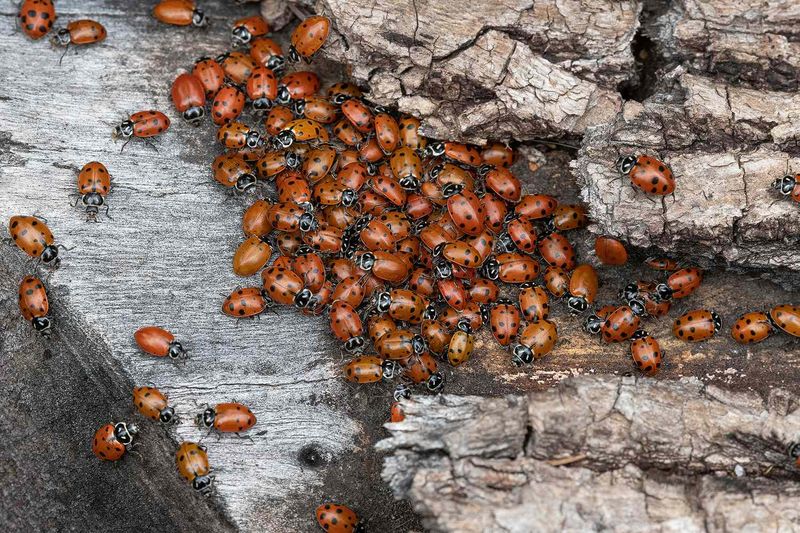
Timing tells most of the story here. A cool night or two followed by a bright, mild afternoon is often when beetles suddenly appear in big numbers.
Shorter days and dropping temperatures seem to signal that winter is coming soon.
Once that happens, the beetles start moving from fields, trees, and gardens toward places that might offer shelter. In north Georgia, that shift often lands in October, while areas farther south may see it later in the fall.
Warm afternoons matter because these insects are much more active when they heat up.
On chilly mornings, they mostly stay tucked away and move slowly. By early afternoon, the sun warms them enough to fly, and you may see clouds of them drifting around your roofline.
Weather patterns can change the timing from year to year, so there is no exact calendar date to circle.
Some falls bring one big flight, while others bring a few smaller waves spread over several weeks. A long stretch of warm weather can also delay things until a sharper cold front finally moves through.
Paying attention to the forecast can actually help you prepare a little ahead of time.
When you see a cold snap followed by sunny, mild days, that is a good week to check window screens and keep doors closed. Small steps like that may reduce how many beetles slip inside.
2. They’re Searching For A Protected Place To Spend The Winter
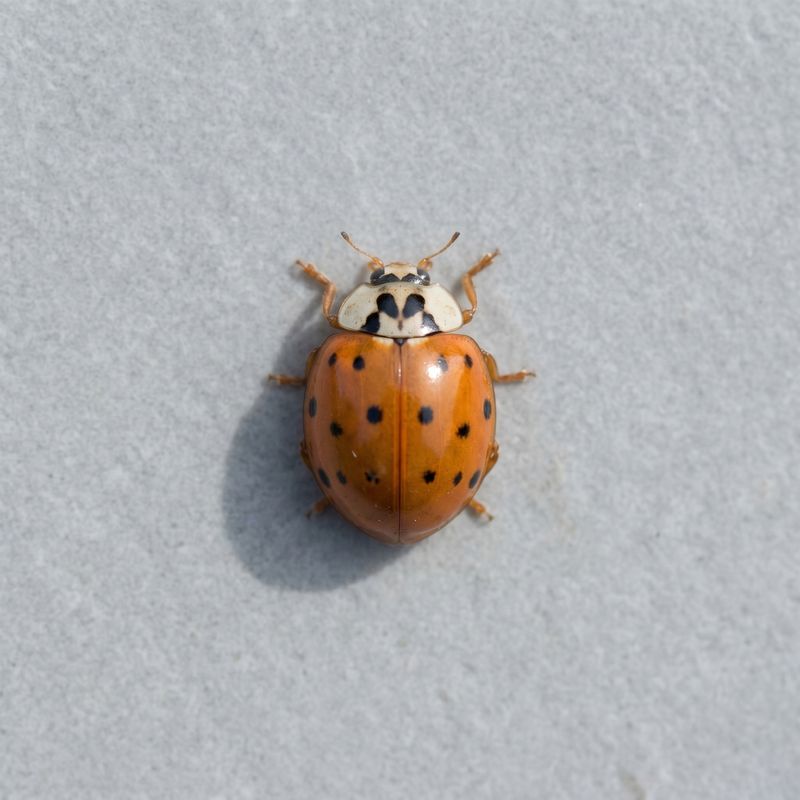
Your house is not the target, but it looks a lot like one. In their native range in Asia, these beetles often spend winter packed into rock cliffs and crevices.
A tall home with gaps around trim and siding can seem like a reasonable substitute to them.
During winter, the beetles go into a resting state where they eat very little and stay mostly still. They need a spot that stays sheltered from harsh wind and wide temperature swings.
Wall voids, attics, and spaces behind window frames often fit that need surprisingly well.
Once a few beetles settle in, others tend to gather close by. They give off chemical signals that seem to help draw more beetles to the same area, which may explain why some homes get hit harder than others.
Your Georgia Garden Changes Every Week. Your Plan Should Too.
Gardening in Georgia changes quickly throughout the season. Every Friday you’ll receive a simple weekly plan showing exactly what to plant, prune, fertilize, harvest, and protect so you never miss the right timing.
Houses near wooded areas, pecan orchards, or soybean fields sometimes see more activity in fall.
Rural parts of Georgia with lots of trees and crops can offer plenty of beetles looking for winter shelter at the same time. Even so, suburban homes see them too, especially near mature trees.
On warm winter days, some hidden beetles may wake up and wander into living spaces. Seeing a few in January does not mean a new group moved in.
They were likely there since fall, simply reacting to warmer air inside the house.
3. Sun-Warmed, Light-Colored Walls Seem To Catch Their Attention
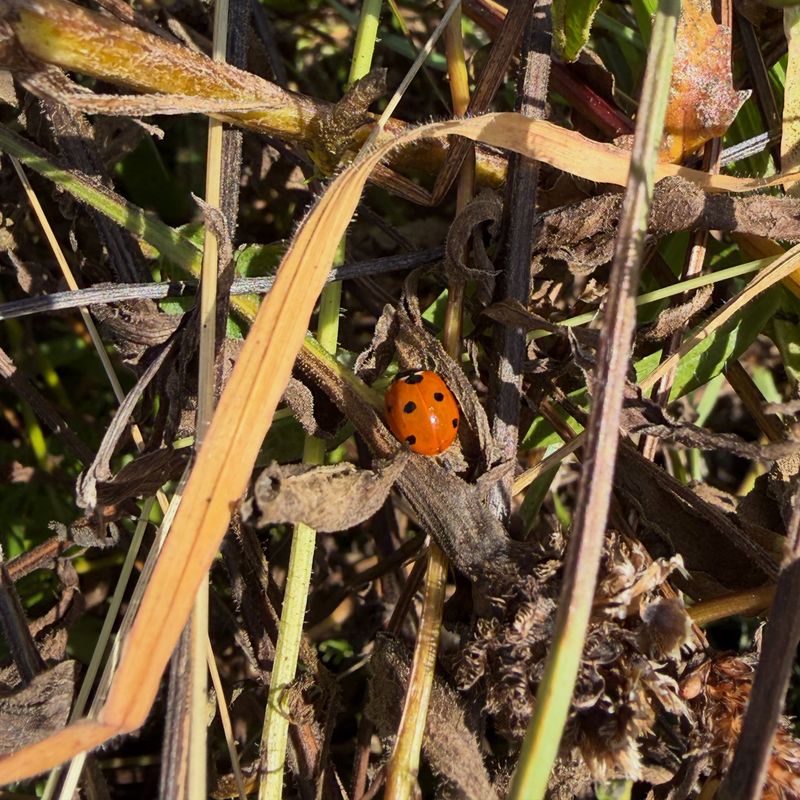
Not every wall gets the same crowd. Homeowners often notice the beetles bunching up on one side of the house while other sides stay fairly quiet.
South and west facing walls usually soak up the most afternoon sun, and that warmth seems to appeal to them.
Color appears to play a part as well. Light shades like white, cream, or pale yellow tend to stand out against darker trees and fields, which may help the beetles spot a building from a distance.
Contrast seems especially important, so a bright house beside a dark tree line can look very noticeable to them.
Height may matter too. Tall homes or those sitting on a hill might attract more beetles, likely because they resemble the high, sunny landmarks the insects use in nature.
None of this means you should repaint your home just to avoid beetles.
A better plan is to pay extra attention to the sunniest sides during fall. In Georgia, afternoon sun can stay strong well into autumn, so those walls may stay busy for weeks.
Check window frames, vents, and siding joints on those sides first, since beetles that land there often crawl around looking for openings.
Focusing your sealing work on the warmest walls can be an efficient use of time. It also helps you notice problem spots you might otherwise miss.
4. A Black M Behind The Head Helps Identify Them
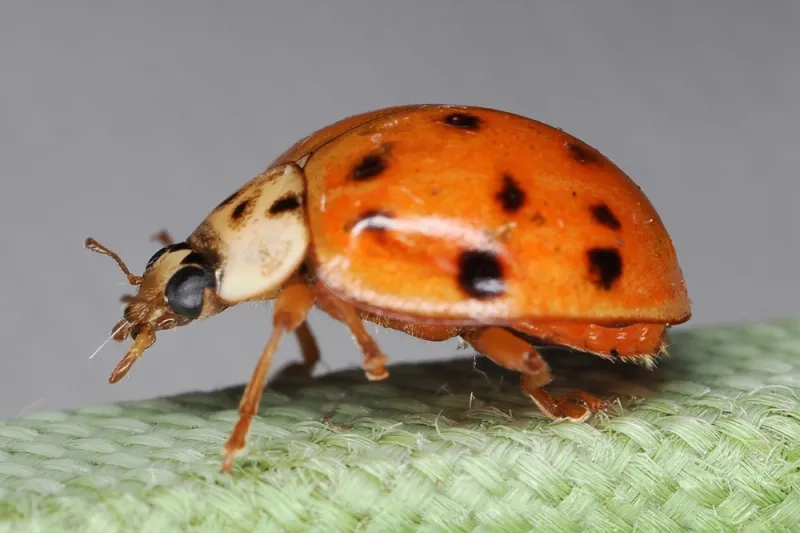
Look closely and you may spot a tiny letter. Right behind the head of an Asian lady beetle, on the white section, there is usually a black mark shaped like an M or W.
Depending on which way the beetle faces you, that marking can read either way.
Color alone can be confusing, since these beetles range from pale yellow to deep orange or red. Some have many black spots, while others have just a few or none at all.
Native ladybugs common in Georgia, like the convergent lady beetle, tend to look a bit different around the head area.
Size can offer another small clue. Asian lady beetles often appear slightly larger and rounder than some native species, though the difference is hard to judge without seeing them side by side.
Getting the identity right matters because native lady beetles rarely gather on homes in big groups.
If you find large clusters on your walls in fall, there is a strong chance they are the Asian species. A quick look with your phone camera zoomed in can usually settle the question.
Knowing what you have also helps you choose a calm response instead of reaching for harsh sprays you may not need.
Plenty of folks mistake them for something worse at first. Once you know about the M, telling them apart gets much easier.
5. These Beetles Feed Heavily On Aphids And Other Small Pests
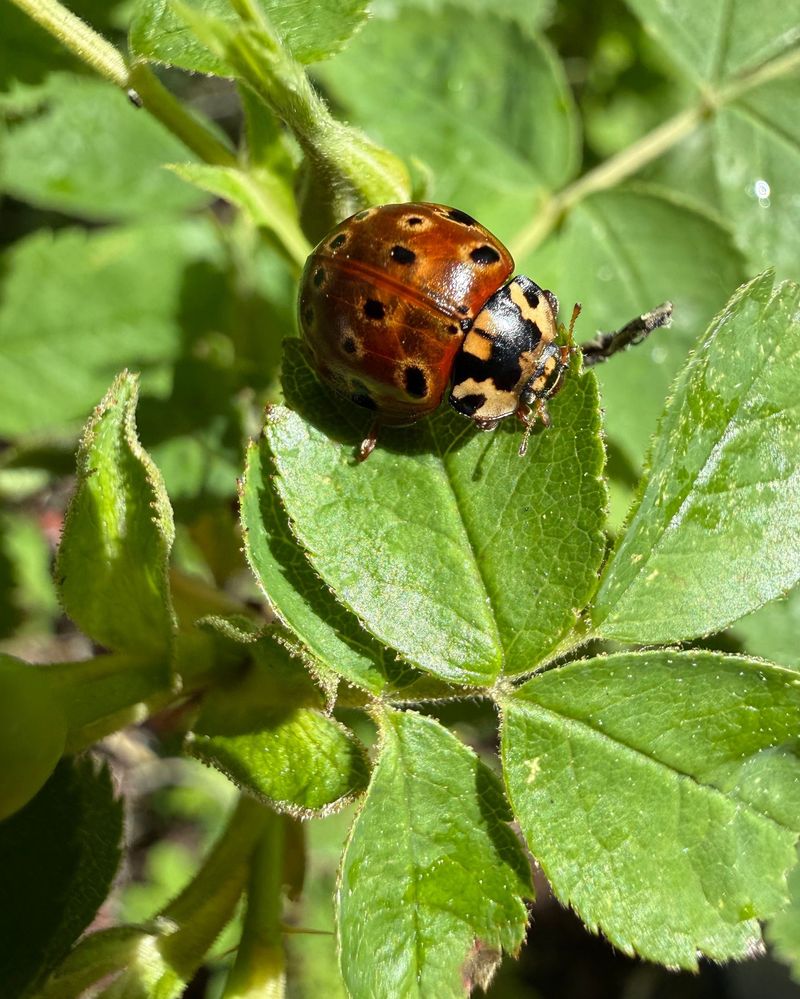
Out in the garden, they are working for you.
Asian lady beetles and their spiky larvae eat large numbers of aphids, which are tiny sap-sucking insects that can weaken plants.
Their appetite for aphids is one reason Asian lady beetles were intentionally introduced in the United States as biological control insects.
Gardeners in Georgia often see aphids on roses, crepe myrtles, pecans, and vegetable plants. When lady beetles show up, aphid numbers may drop, though results depend on how bad the problem is and how many beetles are around.
Besides aphids, they will also eat scale insects, mites, and other soft-bodied pests.
Their larvae look nothing like the adults, so people sometimes mistake them for harmful bugs. Before squishing anything strange on your plants, take a quick look to see if it might be a young lady beetle.
Skipping broad-spectrum sprays when possible can help protect these helpful insects during the growing season.
That garden benefit is worth keeping in mind when fall frustration kicks in. The same insect bugging you on the porch may have protected your tomatoes or roses a few months earlier.
Treating them as outdoor helpers and indoor nuisances is a fair, balanced way to look at them.
6. Crushing Them Indoors Can Leave Smelly Yellow Stains
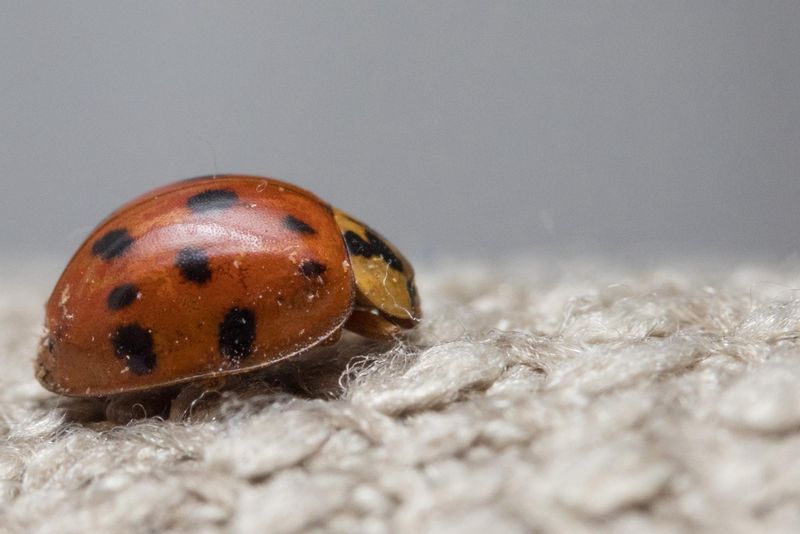
Swatting one seems harmless until you see the mess. When these beetles feel threatened, they can release a yellowish fluid from their leg joints, a defense called reflex bleeding.
That fluid carries a sharp, unpleasant odor that some people compare to old leaves or something bitter.
On light walls, curtains, or carpet, the liquid may leave yellow-orange marks that can be tough to remove. Results vary by surface, and some fabrics stain more easily than others.
Blotting gently with mild soap and water right away gives you the best chance of lifting a fresh spot.
Grabbing them with bare hands can also cause trouble. Some beetles pinch skin lightly, which usually feels like a small prick rather than a real bite that causes harm.
Pets sometimes try to eat them, which is another reason to handle beetles carefully indoors.
A few dogs have had beetles get stuck in the roof of the mouth, though this is uncommon. If your pet seems to be pawing at its face or drooling more than usual, a vet visit is a smart idea.
Some people in Georgia homes also notice allergy-like symptoms when large numbers gather inside.
Gentle removal methods help you avoid stains, smells, and unnecessary stress. Treating them softly really does pay off here.
7. Sealing Gaps And Using A Vacuum Keep Them In Check Indoors
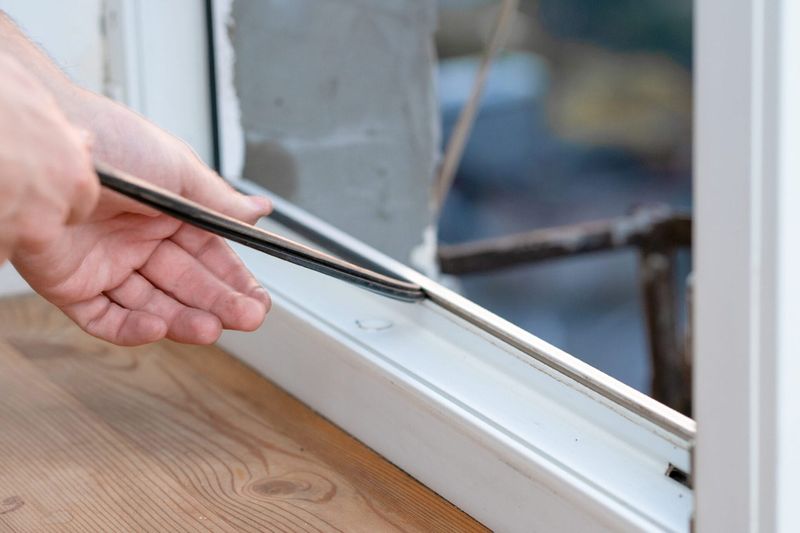
Prevention beats cleanup every single fall. The best time to seal your home is late summer or early fall, before the beetles start moving toward buildings.
Walk around the house and look for cracks around windows, doors, utility pipes, and siding joints.
Caulk works well for small gaps, while foam sealant can fill larger openings around pipes or wires. Repair torn window screens and add weather stripping under doors that let light show through.
Covering attic vents with fine mesh may also help, as long as airflow is not blocked.
Even with good sealing, a few beetles usually find a way in. A vacuum is the gentlest tool for removing them without stains or smells.
Slipping a knee-high stocking into the vacuum tube and holding it with a rubber band lets you catch beetles before they hit the bag.
Afterward, you can release them outdoors far from the house or seal them in a bag for the trash. Emptying the vacuum quickly helps prevent lingering odors.
Indoor sprays tend to offer little benefit and may leave behind stained or smelly beetles.
If the problem stays heavy year after year, a licensed pest professional in Georgia can apply outdoor treatments before fall. Results vary, so combining sealing with professional help often works better than relying on one method alone.