Why Spotted Lanternfly Egg Masses Are The Real Ohio Problem This Fall
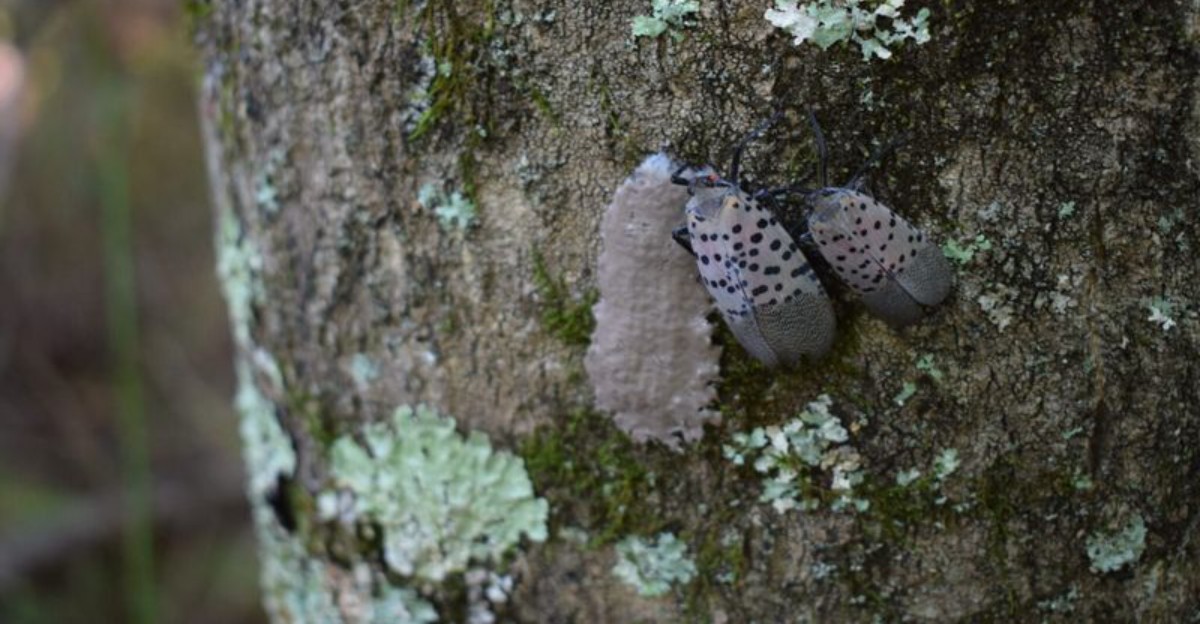
Seeing fewer spotted lanternflies on your trees as the weather cools can feel like a sign the problem is winding down.
The adults do slow down and eventually perish once hard freezes arrive. Before that happens, though, females lay egg masses that can carry the next generation through winter.
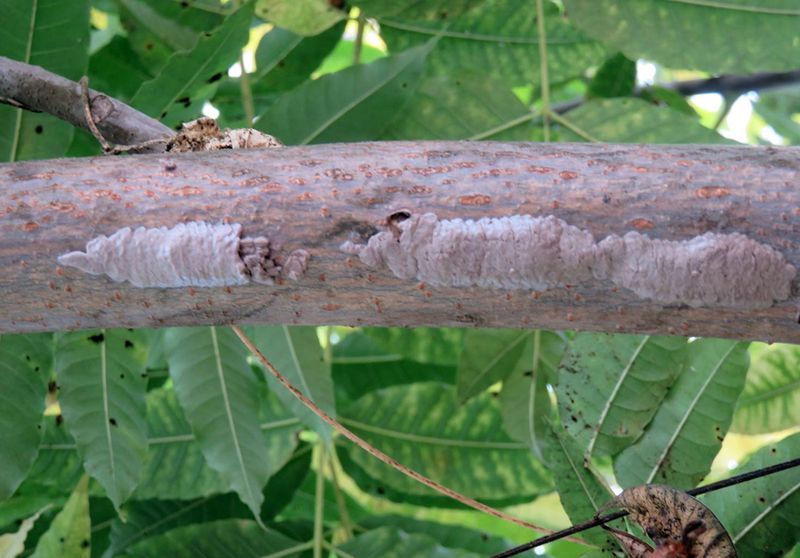
Those masses are easy to miss because they often look like a flat smear of dried mud.
In Ohio, they can turn up on tree trunks, outdoor furniture, and even vehicles parked outside. That last spot is one reason the insect keeps showing up in new areas.
Every mass you overlook now could mean dozens of new insects hatching on your property next spring.
Check the surfaces around your yard and driveway closely in the coming weeks, before winter settles in.
1. Adult Lanternflies Fade With Frost But Their Eggs Survive
Cold weather ends the adult season, yet it does not end the problem. Once hard frosts arrive, adult spotted lanternflies slow down and gradually disappear from yards and trees.
Their eggs are a different story, because they are built to make it through winter.
Each egg mass has a protective coating that helps shield the eggs from cold, wind, and moisture. Under that layer, the eggs wait until warmer spring weather signals that it is time to hatch.
Timing for the first hard frost varies across the state, so adult activity can linger longer in some places.
Southern Ohio often stays milder later into fall than northern areas. Spots near Lake Erie can also hold onto warmth a bit longer, which may stretch the egg-laying window.
Plenty of gardeners relax once they stop seeing adults on the porch or grapevines, and that is understandable.
Still, a quiet yard in November does not mean the pest is gone. Eggs laid in September and October usually hatch in late spring, often around May or June, depending on the weather.
Keep watching after the adults vanish, since late fall and winter are good times to search bare branches and outdoor items for egg masses you might have missed earlier.
2. Dozens Of Eggs Can Hide Beneath One Mud Colored Patch
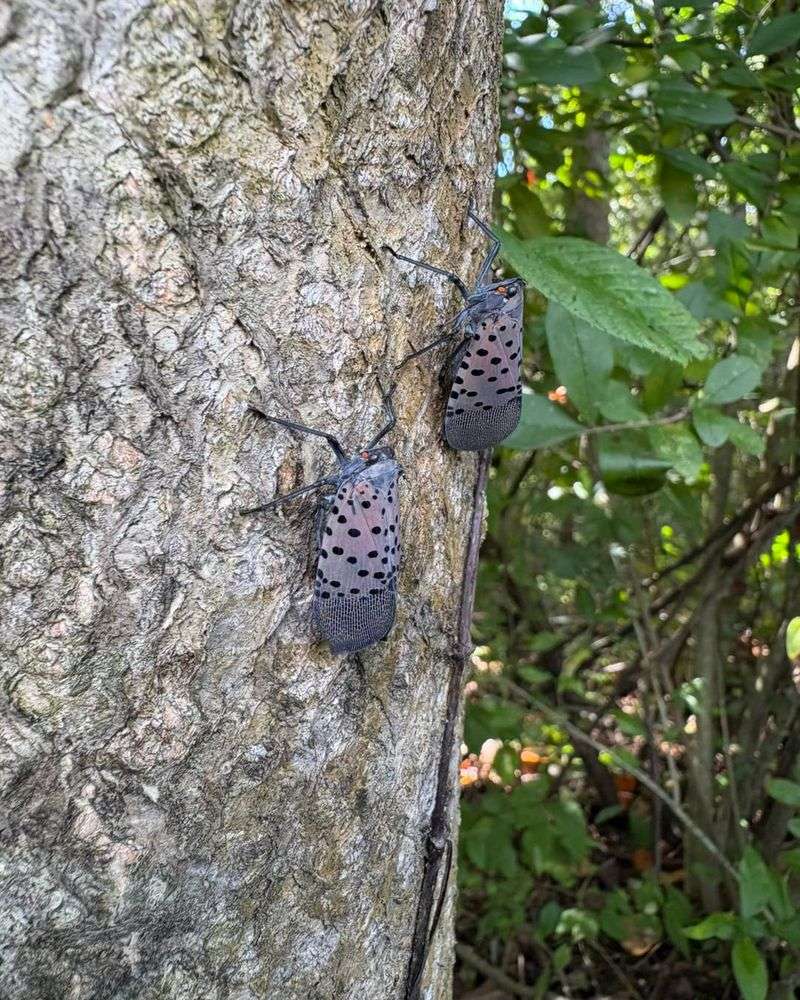
Small patches can carry a big payload. A single spotted lanternfly egg mass usually holds around 30 to 50 eggs lined up in neat rows.
Most masses measure about an inch or two long, which makes them easy to overlook on rough bark.
Their color does a lot of the hiding work. Many look like a smear of dried mud or putty, and they blend in well with gray trunks and stone.
Picture a female laying more than one mass before cold weather hits.
Add a few females on the same tree, and the number of eggs grows quickly. A single maple in an Ohio yard could end up hosting hundreds of future nymphs if nobody checks it.
Not every egg will hatch, since weather, predators, and parasites can lower the count.
Even so, finding one patch is worth celebrating, because scraping it removes dozens of potential pests in one quick swipe. That kind of payoff is hard to get with any other control method.
Your Ohio Garden Changes Every Week. Your Plan Should Too.
Gardening in Ohio changes quickly throughout the season. Every Friday you’ll receive a simple weekly plan showing exactly what to plant, prune, fertilize, harvest, and protect so you never miss the right timing.
Keep a small flashlight handy when checking shady trunks, since low light can make these patches nearly invisible to the eye.
3. Trees Rocks Vehicles And Outdoor Furniture Can All Hold Egg Masses
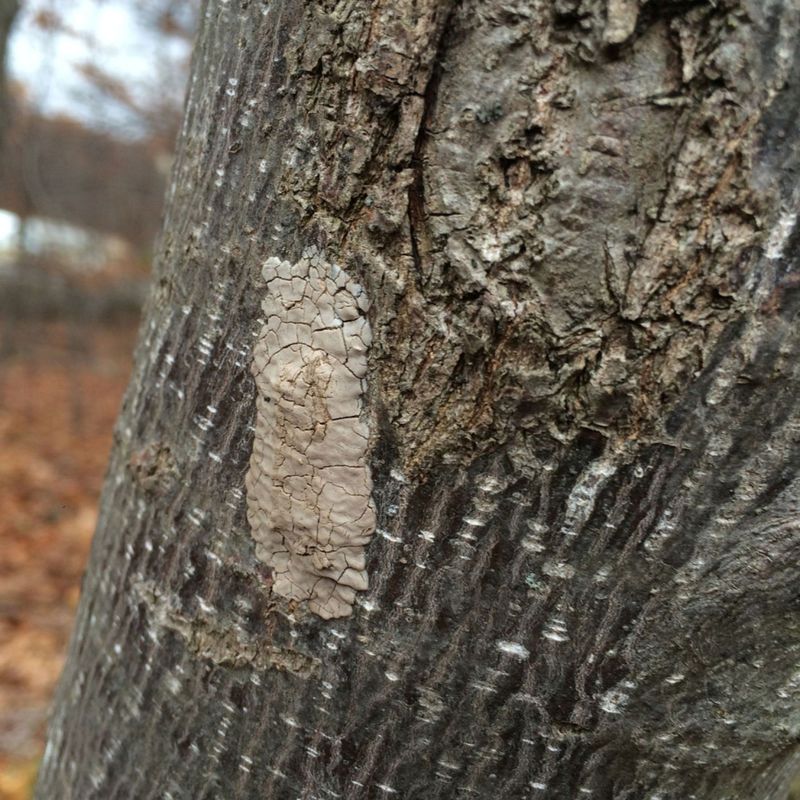
Picky is not a word that fits lanternflies. Females will lay eggs on almost any flat, sturdy surface they land on, living or not.
Tree of heaven is a favorite host, but maples, black walnut, and willows often get egg masses too.
Look beyond the trees in your yard. Landscape boulders, stone walls, fence posts, and wooden sheds are all common spots for egg laying.
Outdoor gear gets used as well, which surprises a lot of people.
Grills, patio chairs, kids’ play sets, firewood stacks, and stored pots can all hold egg masses. Undersides and back panels deserve extra attention because they stay hidden from casual glances.
Vehicles count too, including campers, boat trailers, and trucks that sit outside for weeks.
Anything parked near infested trees in Ohio during fall carries a higher chance of being used. Moving items into a garage or shed before egg laying peaks can help, though it may not prevent every mass.
Walk your property slowly and check one item at a time, since rushing makes it easy to miss a patch tucked under a chair seat.
4. Unnoticed Masses Can Hitchhike On Vehicles And Reach New Areas
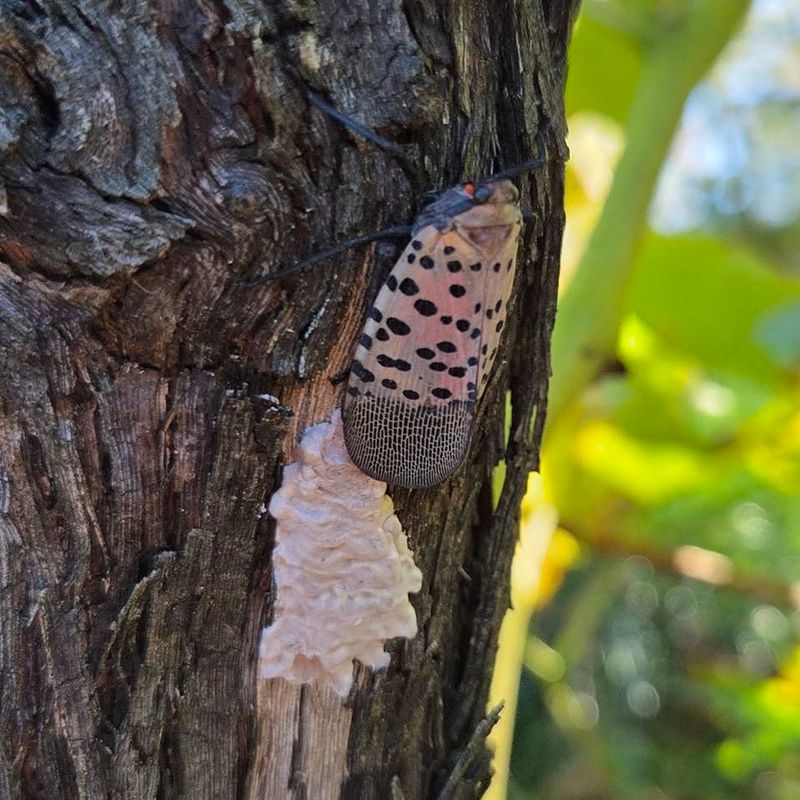
Lanternflies are weak fliers, so most long trips happen by car. People often move them by accident on vehicles, trailers, and outdoor equipment.
An egg mass on a bumper can travel dozens of miles without anyone noticing.
Once those eggs hatch somewhere new, a fresh population can start. Spread like this is one big reason the pest has jumped across counties so quickly.
Check with the Ohio Department of Agriculture for current guidance if you haul goods or equipment. Businesses moving items out of regulated areas may need permits or inspections.
Everyday drivers can help with a simple habit before leaving an infested area.
Walk around your vehicle and look at wheel wells, bumpers, trailer hitches, and roof racks. Check firewood, camping chairs, and coolers too, especially after weekend trips.
Moving firewood is a particular risk, so buy it near where you plan to burn it.
Report new sightings in areas without known infestations, since early reports help experts respond faster and slow the spread to new neighborhoods.
5. Fresh Coverings Look Smooth And Gray Before Becoming Dry And Cracked
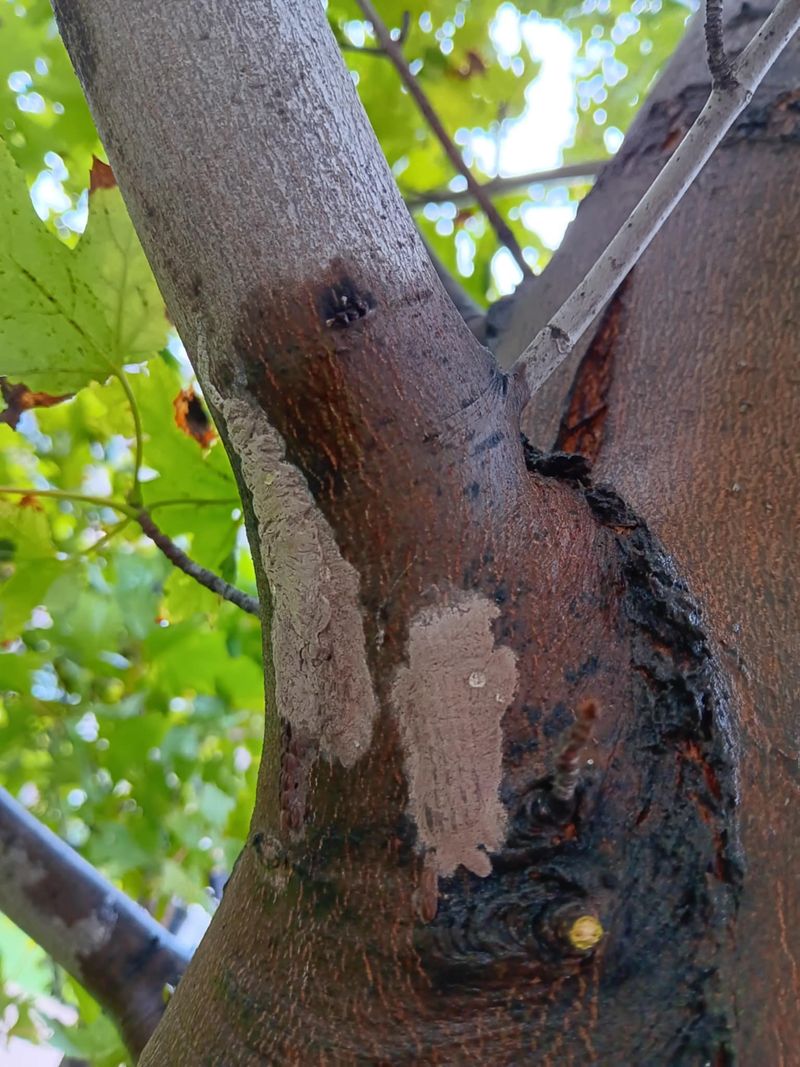
Spotting egg masses gets easier once you know how they change with age.
Freshly laid masses have a smooth, light gray coating that can look a bit shiny or wet. Some people compare it to a thin smear of putty or caulk.
Over a few weeks, that covering dries out and starts to look dull and cracked, almost like old dried mud.
Weathered masses may show visible rows of tiny seed-like eggs where the coating has flaked off. Hatched masses often have small holes at the end of each egg, which means nymphs already left.
Telling old from new matters when deciding where to focus your effort.
Masses with holes from last spring are empty and no longer a threat. Unhatched masses, whether smooth or cracked, still need attention before warm weather returns.
Lighting plays tricks, so check from a few angles before deciding what you are seeing.
Lichens and bird droppings can fool even careful gardeners in Ohio woods. A quick test is to scrape gently, since egg masses usually reveal small rows of eggs underneath the coating.
Take photos of what you find, which helps you learn the look and compare finds over time.
6. Scraping And Destroying Egg Masses Stops Them From Hatching In Spring
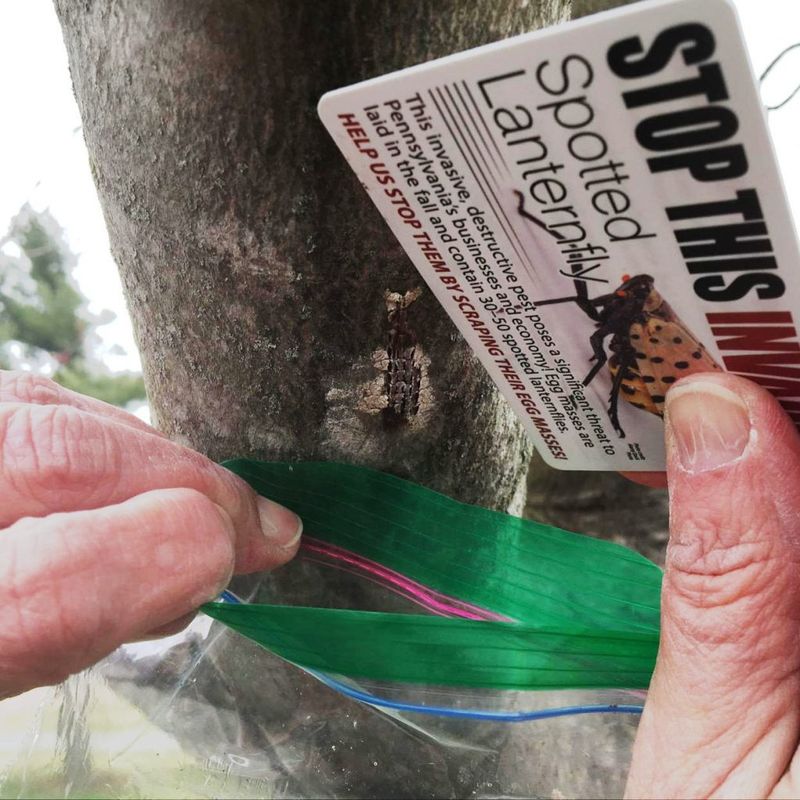
Scraping is one of the simplest jobs in the fight against lanternflies, and it works well.
Grab a plastic card, putty knife, or similar flat tool. Hold a zip-top bag or container just below the mass to catch everything as it falls.
Press firmly and scrape downward so the eggs pop loose instead of smearing across the bark.
Gentle pressure matters on young trees, since thin bark can be damaged easily. A plastic card is often safer than metal for tender trunks.
Collected eggs need to be destroyed, not just knocked to the ground.
Seal them in a bag with hand sanitizer or rubbing isopropyl solution, then toss the bag in the trash. Smashing them firmly also works if you can crush every egg.
Hard-to-reach masses high in trees are tricky, and you may not get them all.
A long-handled scraper can help, but do not climb ladders in unsafe spots. Ohio State University Extension offers guidance if you are unsure how to handle a large infestation.
Wear gloves while working, and keep checking the same trees later, because a missed patch can turn up after a second look.
7. Careful Fall Checks Can Reveal Egg Masses Hidden On Outdoor Surfaces
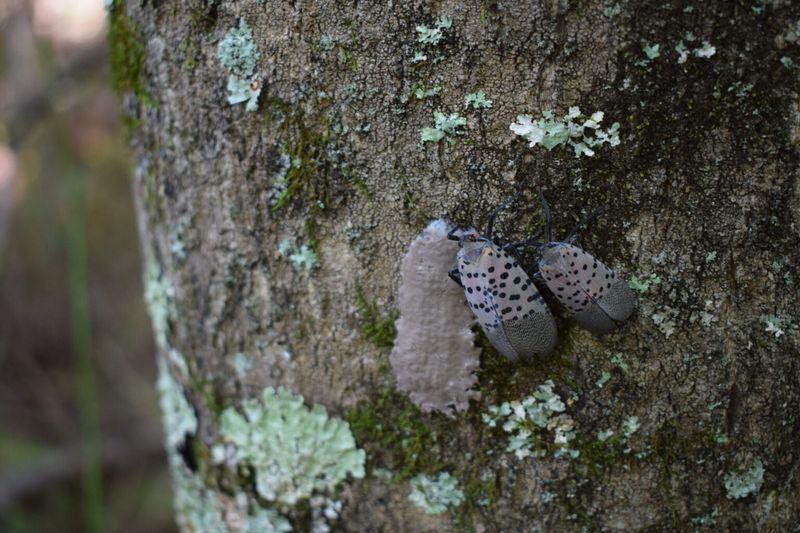
Patience pays off more than speed when hunting egg masses.
Plan a slow walk through your yard every couple of weeks from late September into winter. Egg laying often continues until hard frost, so one check usually is not enough.
Bare branches after leaf drop make trunks and limbs much easier to scan.
Start low and work your way up each tree trunk. Pay close attention to the shaded side, branch forks, and spots just under limbs.
Outdoor surfaces deserve the same care as trees, especially items left out all season.
Flip over patio chairs, look behind grills, and check the back side of sheds and fences. Stacked firewood and stored planters often hide masses in tight corners.
A short checklist can keep you from skipping spots during busy fall weekends.
Results will vary depending on where you live and how heavy local populations are. Some Ohio neighborhoods see very few lanternflies, while others deal with large numbers each year.
Share what you learn with neighbors, since one cleared yard helps most when nearby yards get checked too.