The Florida Herb Worth Planting In Your Fall Garden This October
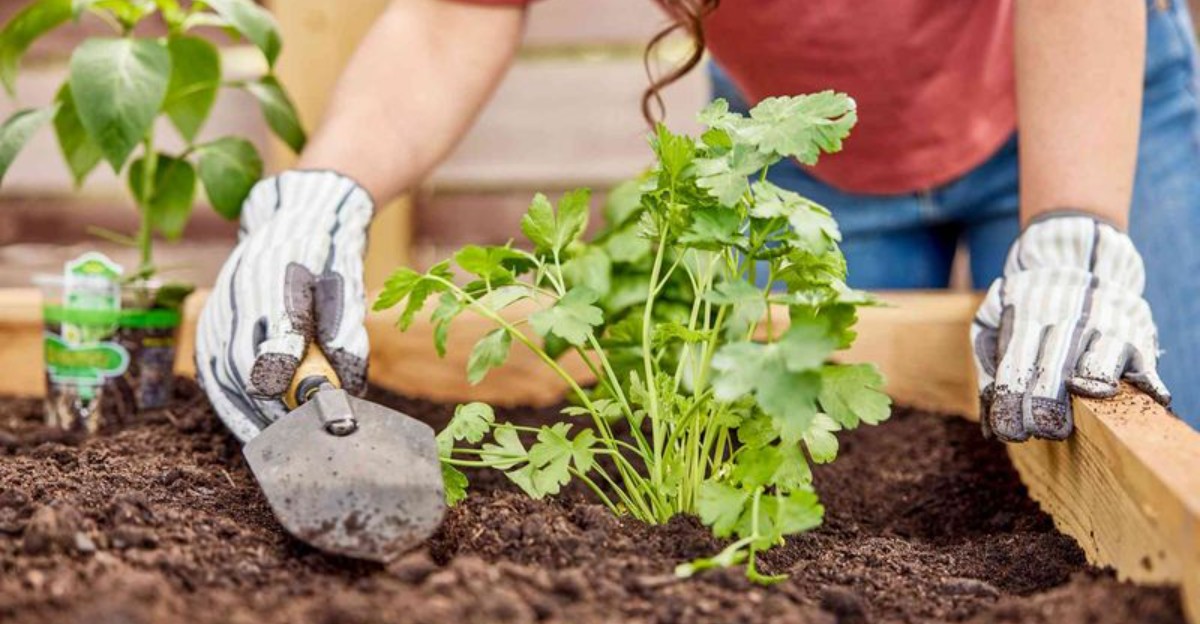
Florida gardeners spend months waiting for that first morning when the air feels crisp instead of soupy. Once that breeze arrives, the garden suddenly feels like a fresh notebook waiting for new ideas and seeds.
One leafy herb thrives in this cooler stretch like few others in a backyard bed. Its scent is bright and zesty, like someone squeezed a lime over a pile of fresh green leaves.
Some people adore the flavor, while others insist it tastes like soap, which makes dinner conversations lively. Love it or not, this plant has a way of sparking strong opinions at nearly every family table.
In summer, the heat makes this herb sulk, flop, and rush toward flowers far too soon. Fall flips the script, giving it the mild sunshine and gentle nights it quietly craves all season long.
A Bright Feathery Annual Built For Florida’s Cooler Months
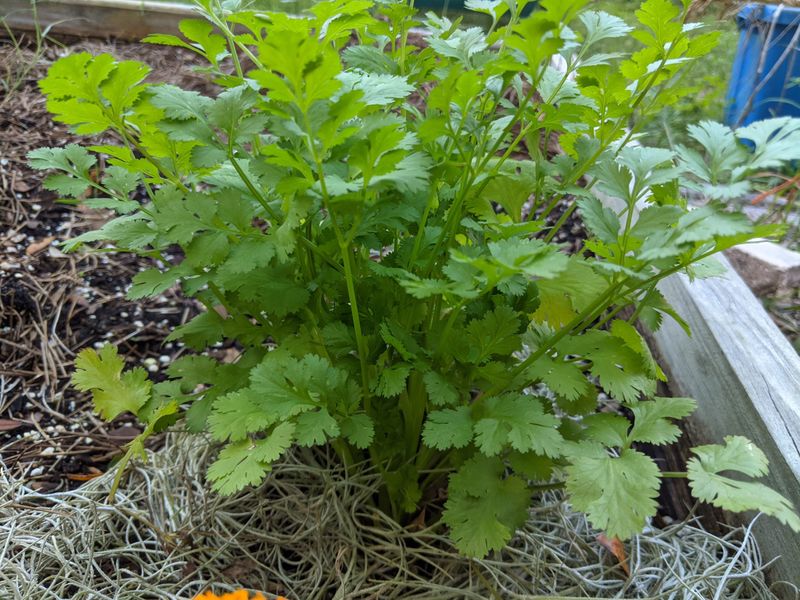
Picture a plant that smells like a fresh taco stand and grows lacy leaves as soft as parsley. Cilantro is a fast-growing annual, which means it sprouts, grows, flowers, and sets seed in one season.
Its whole life plays out quickly, so gardeners get rewarded with harvests just a few weeks after planting. That speed makes it a cheerful choice for beginners who want to see progress without waiting all winter.
Cool weather is the secret ingredient, since this herb thrives when daytime temperatures stay between fifty and eighty degrees. Florida’s fall and winter months hit that sweet spot almost perfectly, especially in central and southern parts of the state.
Northern Florida gardeners can still enjoy plenty of success, though a hard freeze might call for a light cover. Frost cloth or an old bedsheet tossed over the bed overnight usually keeps those tender leaves looking happy.
Fun fact time, because this herb has been grown by people for thousands of years across many continents. Coriander seeds have even turned up in ancient Egyptian archaeological finds, showing how long people have valued its flavor.
The leaves bring a citrusy punch to salsa, curry, soups, and rice, while the roots add earthy depth. Thai cooks often grind the roots into pastes, so nothing from the plant needs to go to waste.
Growing your own also saves money, since store bunches often wilt in the fridge before you use them. A small patch outside your kitchen door means fresh sprigs are ready whenever a recipe calls for them.
The Mid-October Planting Window For Florida Gardens
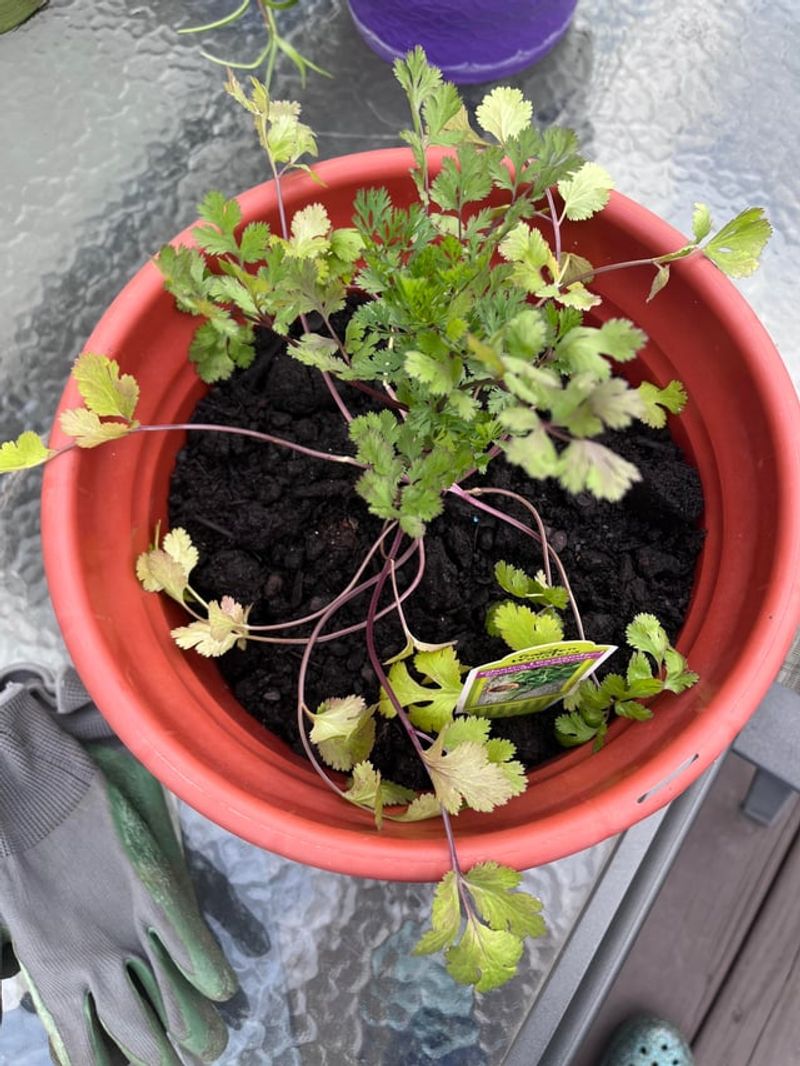
Mark your calendar, because the middle of October is when Florida soil begins cooling enough for happy seeds. Cilantro seeds sprout best when the soil sits around fifty-five to seventy degrees, and October soil can still run warmer than that, so a soil thermometer helps.
Planting too early often leads to weak seedlings that rush into flowers before you snip a single leaf. Waiting just a few extra weeks gives the young plants a calmer start and a much longer life.
Location within the state shifts the timing a little, so it helps to know your region before sowing. North Florida gardeners can start in late September or early October, as nights there cool down sooner.
Your Florida Garden Changes Every Week. Your Plan Should Too.
Gardening in Florida changes quickly throughout the season. Every Friday you’ll receive a simple weekly plan showing exactly what to plant, prune, fertilize, harvest, and protect so you never miss the right timing.
Central Florida hits its stride around mid-October, while South Florida often waits until late October or November. A simple soil thermometer, which costs only a few dollars, takes the guesswork out of choosing the day.
Before planting, try cracking the round seed husks gently with a rolling pin to help them sprout faster. Each husk actually holds two seeds, so splitting them can improve your chances of seeing green shoots.
Soaking the seeds in water overnight also softens the tough coat and can speed up germination. Sow them about a quarter inch deep, then keep the soil evenly moist until sprouts poke through the surface.
Expect seedlings in about one to two weeks, depending on how warm those October afternoons turn out to be. Patience during this stretch pays off, since a strong start leads to fuller plants by Thanksgiving dinner.
Slow-Bolt Varieties That Handle Warm Florida Days
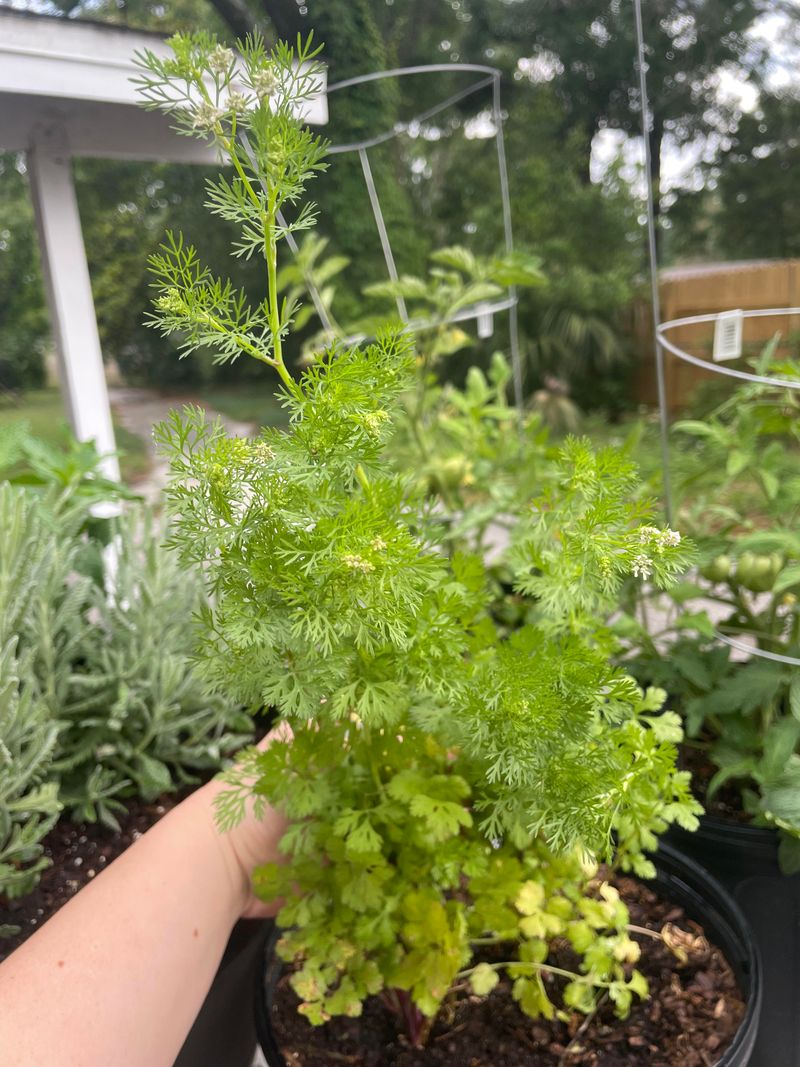
Ever watched a healthy herb shoot up a tall flower stalk within days and suddenly taste bitter and harsh? Gardeners call that bolting, and warm spells are the main trigger that pushes cilantro into flowering mode early.
Even in fall, the weather can toss out a surprise eighty-five degree afternoon that stresses young plants quite a bit. Choosing slow-bolt varieties is one of the easiest ways to stretch your harvest through those warm surprises.
Santo is a popular pick, known for producing plenty of leafy growth before it even thinks about flowering. Calypso is another favorite, with compact plants that can keep sending out new leaves for many weeks.
Leisure and Long Standing are also worth hunting down, since both were bred to resist early bolting. Seed packets usually label these types clearly, so look for words like slow bolt or long standing.
Cutting regularly also helps, because frequent snipping encourages the plant to focus on leaves rather than seeds. Afternoon shade from a taller crop or a patio umbrella can lower stress on especially warm October days.
Curious gardeners might also try culantro, a tropical herb with long jagged leaves and a similar strong flavor. Culantro handles heat much better, making it a handy backup if your regular plants start to fade early.
Vietnamese coriander is another heat-tolerant option, though its taste leans a bit more peppery and bold. Mixing a few types together helps keep a steady supply of zesty greens coming through changing weather.
Rich Well-Drained Soil With Morning Sun
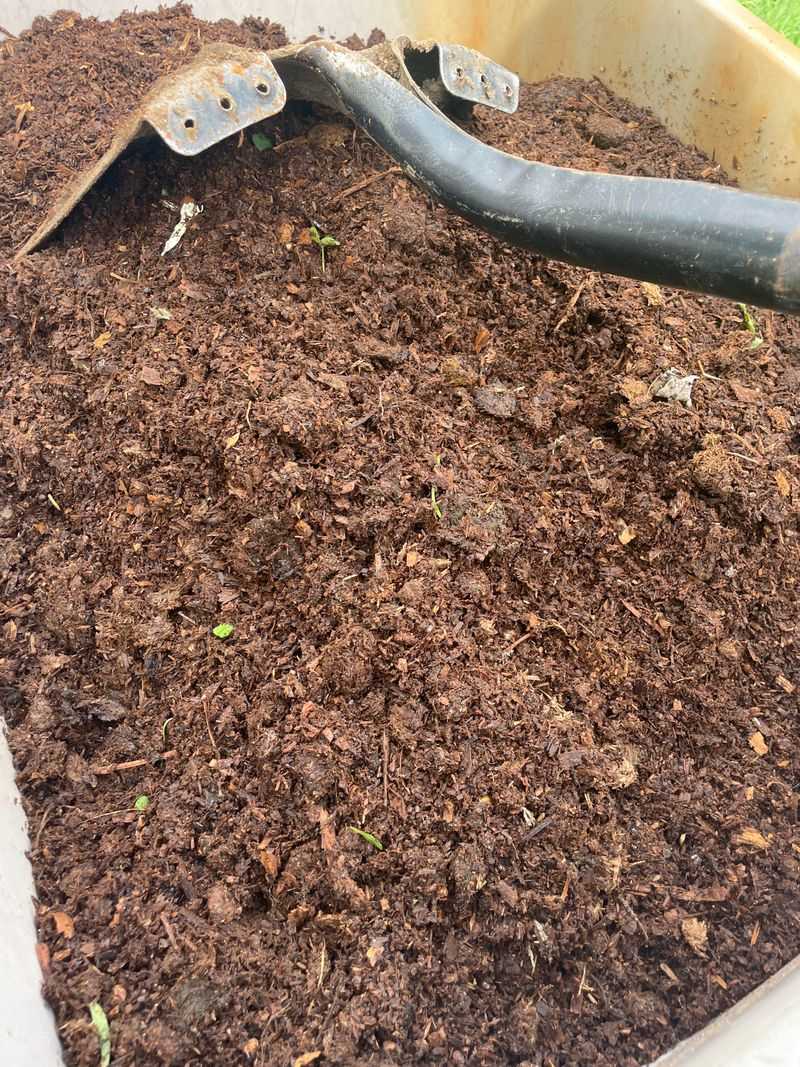
Think of soil as a cozy bed for roots, and cilantro prefers a soft, fluffy mattress. Sandy native ground drains fast but holds very few nutrients for hungry plants.
Mixing two or three inches of compost into the top layer boosts both moisture and food for roots. Aged manure or worm castings work nicely too, adding rich organic matter that feeds the soil slowly.
Drainage still matters, because soggy roots can rot quickly during a rainy week in early fall. Raised beds and large containers solve this problem nicely, letting extra water slip away after heavy showers.
Aim for a soil pH between six and seven, which most compost-rich garden mixes reach without much fuss. A simple test kit from the garden center can confirm your numbers in just a few short minutes.
Sunlight is the other half of the recipe, and morning rays are the sweetest gift for this herb. Four to six hours of direct sun keeps the plants bushy without baking them during the afternoon.
An east-facing spot near a fence or wall works beautifully, catching gentle light and skipping the harshest glare. As winter days shorten, you can shift potted plants into fuller sun so they keep growing strong.
Water deeply about twice a week, letting the top inch of soil dry slightly before the next drink. A thin layer of straw mulch helps hold moisture and keeps splashing mud off those delicate, frilly leaves.
Succession Sowing Every Few Weeks For Steady Harvests
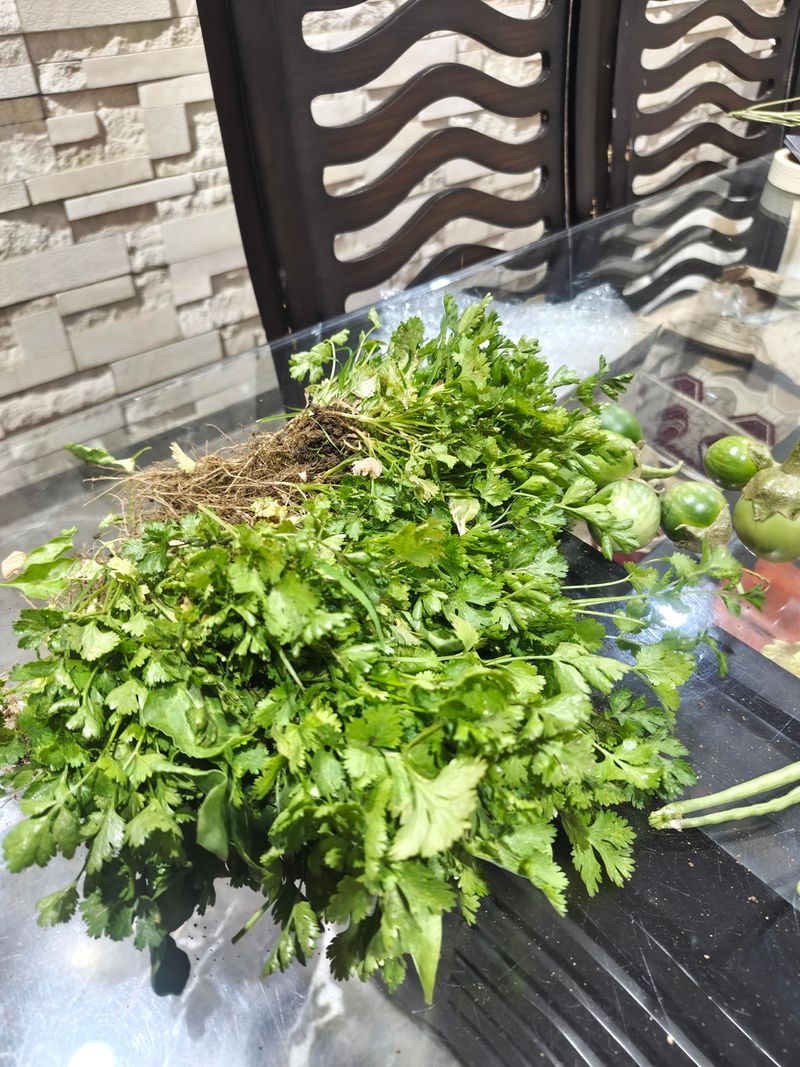
One of the most common cilantro stories goes like this: a gardener plants a big batch, then everything flowers together. Suddenly there are piles of leaves for one week, followed by an empty bed and a sad salsa bowl.
Succession sowing helps solve that feast-or-famine problem by planting small amounts of seed every two to three weeks. Each new row matures a little later than the last, creating a steady relay race of fresh greens.
Starting in mid-October, you might sow again in early November, late November, and mid-December for continuous harvests. Many gardeners keep this rhythm going until February or March, when warmer weather slows things down again.
Space is rarely a problem, since a two-foot strip of soil can hold several small sowings at once. Containers work well too, so you can rotate pots on a patio and label each one with its date.
Setting a reminder on your phone makes the schedule easy to follow, even during the busy holiday season. A quick sprinkle of seeds takes only five minutes, yet it keeps your kitchen stocked for months ahead.
Pairing sowings with companions like lettuce, spinach, or green onions makes the bed look full and tidy. Those cool-season neighbors enjoy similar conditions, so they grow side by side without competing too much for space.
Flowering cilantro also attracts helpful insects like ladybugs and hoverflies, which snack on pesky aphids nearby. Letting an older batch bloom while younger rows grow gives you both pest control and fresh leaves together.
Harvest Timing From Six Inches To Coriander Seeds
About three to four weeks after sprouting, most cilantro plants reach six inches tall and are ready for snipping. That height is the magic signal, because the leaves are tender, flavorful, and plentiful enough to share.
Grab clean scissors and cut the outer stems first, leaving the center growth to keep producing new leaves. Try to take no more than one third of the plant at once, so it recovers quickly afterward.
Morning is the best time to harvest, since the leaves are crisp and full of fragrant oils then. Store fresh bunches in a glass of water in the fridge, loosely covered with a plastic bag.
Eventually the plant will send up a tall stalk topped with delicate white or pale pink flowers. Instead of pulling it out right away, let those blooms stay and turn into round green seeds.
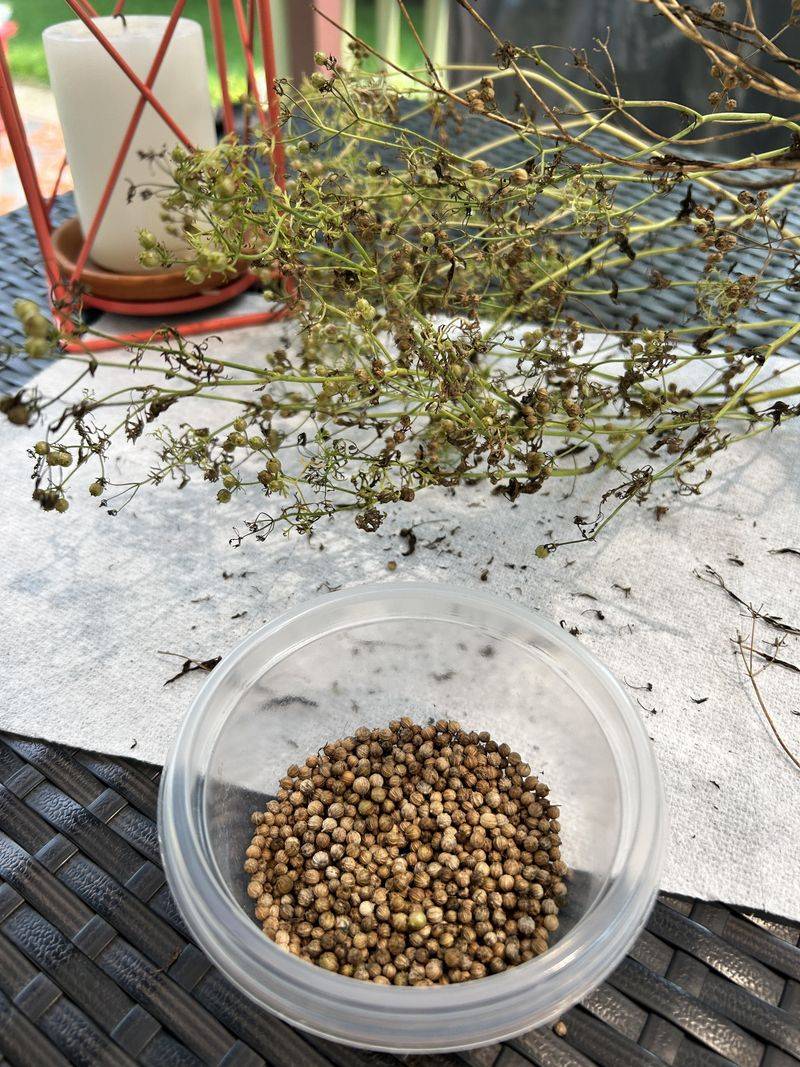
Those seeds are coriander, the warm, lemony spice found in curry powder, pickles, and many baked goods. One plant really gives you two ingredients, which feels like getting a bonus prize from your garden.
Wait until the seeds turn tan and dry, then clip the stalks and drop them into a paper bag. A gentle shake knocks the seeds loose, and a sealed jar keeps them fresh for about a year.
Save a handful for planting next October, since homegrown seed is free and easy to store. Toasting the rest in a dry skillet releases a nutty aroma that makes the whole kitchen smell wonderful.