What Florida’s Return To Once-A-Week Watering Means For Your Grass
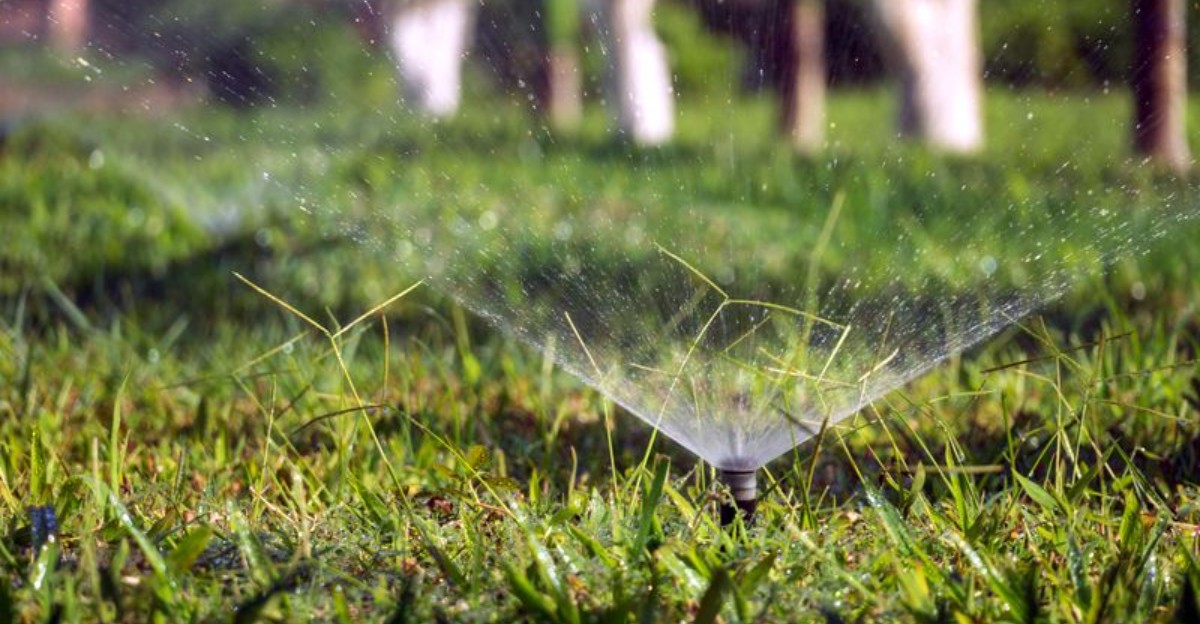
Once a week. That’s the whole ration your sprinkler gets once the clocks fall back, and your Florida lawn has to make it count.
Some lawns take the switch in stride. Others start sulking within a couple of weeks.
The difference has little to do with how much you love your yard, and a lot to do with how you handle that one watering day.
Homeowners tend to treat the rule as a simple cap on water. It works more like a new routine, with its own days, hours, and limits.
Get it wrong and you could end up with a stressed lawn, or a fine.
Your one watering day carries more weight now than it did all summer. A few smart moves around it decide whose grass glides through winter and whose looks tired by spring.
Learn those moves before the time change sneaks up on you.
1. The Switch Happens When Daylight Saving Time Ends Nov. 1
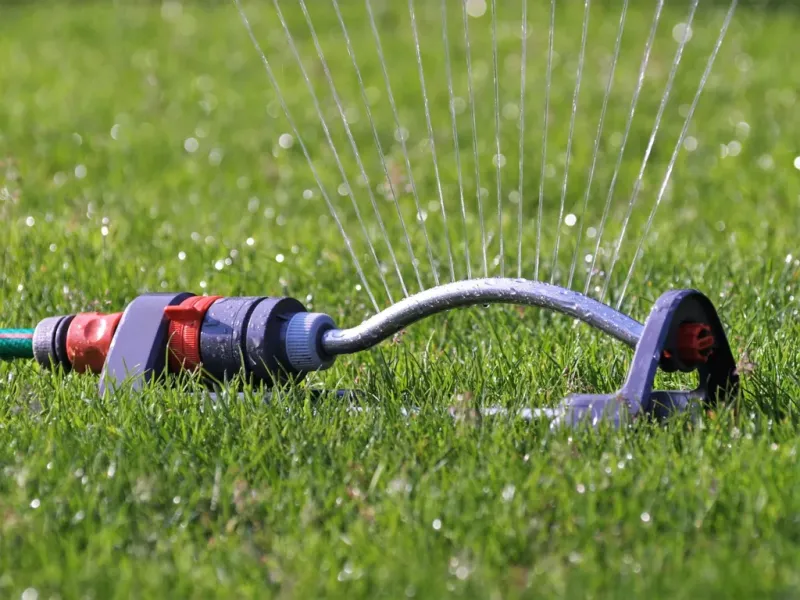
Clocks fall back, and your sprinkler schedule falls back too. Many water management districts tie watering rules to the time change.
When Eastern Standard Time begins in early November, most districts shift from two watering days a week to just one. The St. Johns River Water Management District, for example, starts its once-a-week limit right around the first Sunday in November.
That reduced schedule usually sticks around until the second Sunday in March. So for about four months, your lawn gets one chance per week to drink from the sprinklers.
Here is a simple trick that helps. Set a phone reminder for the same weekend you change your clocks.
Then walk out to your irrigation controller and update the program right away. Most timers let you pick specific days, so remove the extra day and save the change.
Fun fact: the idea of matching watering to the clock change is mostly about making rules easy to remember. Nobody has to guess, because the switch happens on a date most people already notice.
Write the new watering day on a sticky note and place it near the controller. Family members, house sitters, or lawn crews will see it and stay on track.
A few minutes of setup now can save you from fines and wasted water. Your grass will barely notice the change if you plan ahead.
2. Not Every Part Of The State Follows The Same Schedule
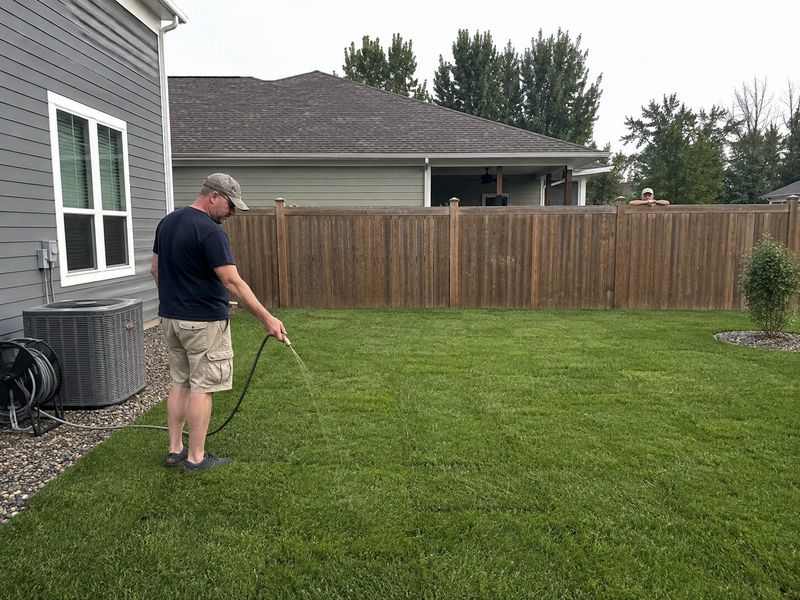
Ask three Floridians about watering rules, and you might hear three different answers. That is not confusion, because the state really is split into zones.
Watering schedules come from different water management districts. The big ones include the St. Johns River, Southwest Florida, and South Florida Water Management Districts.
Each district sets its own baseline rules. On top of that, cities and counties can make even stricter rules if local water supplies need extra protection.
Miami-Dade County, for instance, has its own specific guidelines. Northeast Cape Coral has dealt with tougher Phase IV restrictions to help protect its aquifer.
So what does that mean for you? Advice from a cousin in Tampa may not apply to your yard in Jacksonville or Fort Lauderdale.
Your Florida Garden Changes Every Week. Your Plan Should Too.
Gardening in Florida changes quickly throughout the season. Every Friday you’ll receive a simple weekly plan showing exactly what to plant, prune, fertilize, harvest, and protect so you never miss the right timing.
The best move is to check two places. First, visit your water management district website, then look at your city or county utility page.
If the two sources disagree, follow the stricter rule. Local rules usually win when they are tighter than the district rules.
Many utilities also offer email or text alerts about changes. Signing up takes a minute and keeps you from missing surprise updates during dry spells.
Knowing your exact zone turns guesswork into confidence. You will water the right way, and your lawn and wallet will thank you.
3. Cooler Weather Means Your Lawn Needs Less Water
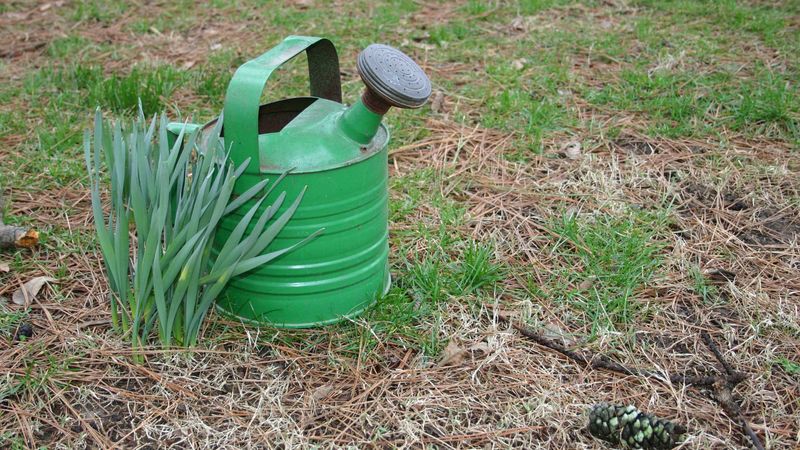
Picture yourself after a summer jog compared to a slow winter stroll. You gulp far more water in July, and your grass works the same way.
As days get shorter and temperatures drop, lawns slow their growth. Less sunlight and cooler air mean less water escapes from the soil and leaves.
Many Florida lawns enter a quieter, slower phase in winter. They are resting, not struggling, so they simply ask for less.
That is why the once-a-week rule makes good sense. Extra water during cool months mostly sits in the soil or runs off into storm drains.
Too much moisture can even hurt your turf. Soggy roots grow shallow and weak, and fungus loves damp, cool conditions.
Try this easy habit each fall. Lower your controller run times or use the seasonal adjust feature if your timer has one.
A rain sensor or soil moisture sensor is another smart helper. These gadgets skip a cycle when nature already did the watering for you.
Also, mow a bit higher during cooler months. Taller grass shades the soil, holds moisture longer, and handles stress better.
Think of winter as your lawn’s chill season. Give it a lighter drink, and it will bounce back strong when spring warmth returns.
4. Your Address Sets Your Watering Day
Your mailbox holds a secret beyond letters and bills. The number on it decides which day your sprinklers can run.
Across most water management districts, watering days depend on whether your address ends in an odd or even number. It is a simple system that spreads demand across the week.
Under St. Johns River Water Management District rules during Eastern Standard Time, odd-numbered addresses usually water on Saturday. Even-numbered addresses typically water on Sunday.
Why split it up like this? If everyone watered on the same morning, water pressure could drop and treatment plants would strain.
Homes with no address or mixed properties, like some businesses, may have separate days. Those properties often follow a weekday schedule, so check your district rules to be sure.
A quick tip helps busy families. Look at the last digit only, since that single number decides everything.
So 1234 Palm Street is even, while 1235 is odd. It sounds obvious, but plenty of people mix this up during the seasonal switch.
Once you know your day, program it into your timer and leave it alone. Fiddling with the schedule week after week invites mistakes.
Neighbors on opposite sides of the street may water on different days. That is perfectly normal, so no need to worry when their sprinklers run and yours stay quiet.
5. Skip The Hours Between 10 A.M. And 4 P.M.
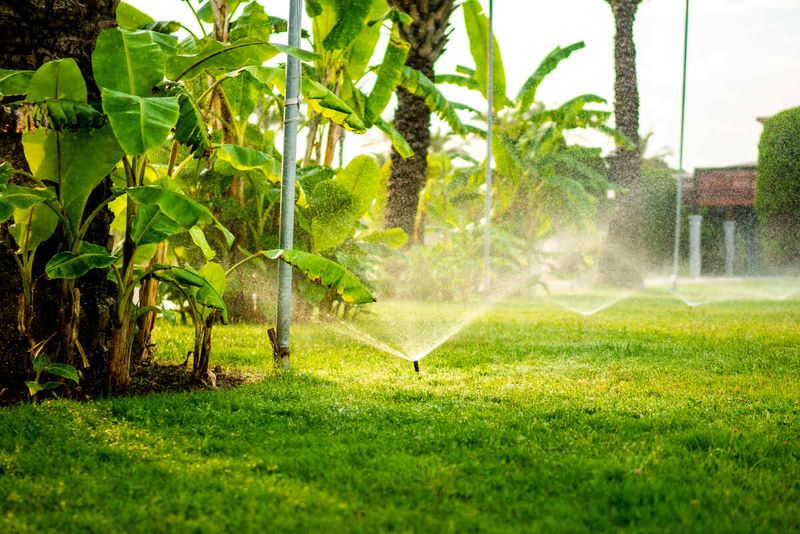
Watering at noon is a bit like pouring lemonade on a hot sidewalk. Much of it disappears before it does any good.
Most Florida districts ban irrigation between 10 a.m. and 4 p.m. The sun is strongest then, and evaporation steals a big share of the water.
Wind tends to pick up in the afternoon too. Spray drifts onto driveways and streets instead of landing on the grass.
Some regions use slightly different hours, so double-check your local rules. The main idea stays the same everywhere, which is to avoid the middle of the day.
So when is the best time? Early morning, just before sunrise, is the sweet spot for most lawns.
The air is cool and calm, so water soaks deep into the soil. Grass blades also dry quickly once the sun comes up.
Evening watering is allowed in many areas, but it has a downside. Wet blades sitting overnight can invite fungus, especially in fall.
Set your timer for the early morning hours your district allows on your assigned day. You will sleep through it, and your lawn will wake up refreshed.
Hand watering of new plants may follow different rules in some places. Still, sticking to early hours is a smart habit for every part of your yard.
6. Stop At 3/4 Inch Or One Hour Per Zone
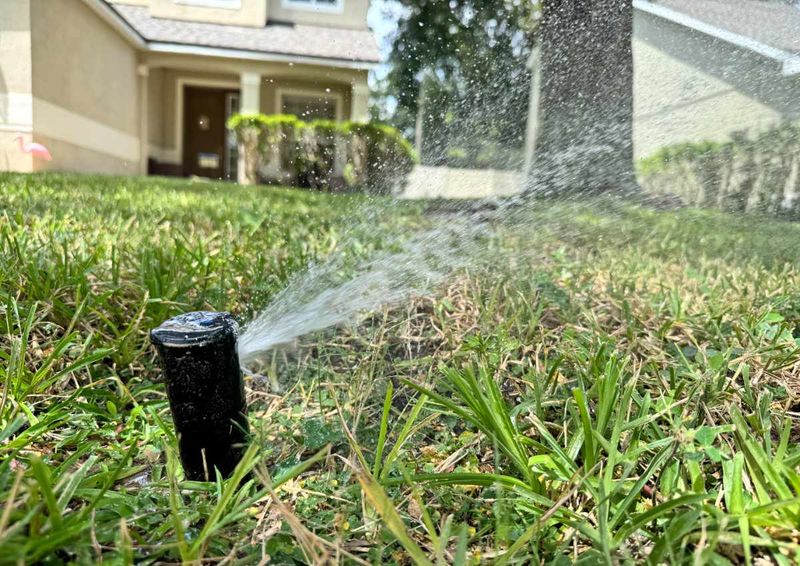
Here is a kitchen trick that doubles as a lawn tool. An empty tuna can can tell you exactly how much water your sprinklers deliver.
Many Florida rules say you should not apply more than three-quarters of an inch of water per zone. Others set a limit of one hour per zone on each watering day.
That amount is plenty for healthy grass. Going beyond it mostly wastes water and pushes fertilizer past the roots.
To measure, set several shallow cans around one zone. Run the sprinklers for 15 minutes, then check the depth with a ruler.
If the cans hold a quarter inch, you know about 45 minutes reaches three-quarters of an inch. Repeat the test for each zone, since spray heads and rotors put out water at different rates.
Rotor zones often need longer run times than spray zones. Spray heads can hit the target in 20 to 30 minutes in some yards.
Watch for puddles or runoff during the test. If water runs onto the sidewalk, split the time into two shorter cycles with a break between.
Fun fact: an inch of water across 1,000 square feet equals more than 600 gallons. That makes careful measuring worth the effort.
A little math now keeps your lawn deep-rooted and your water bill reasonable.
7. Let Folded Leaf Blades Tell You When To Water
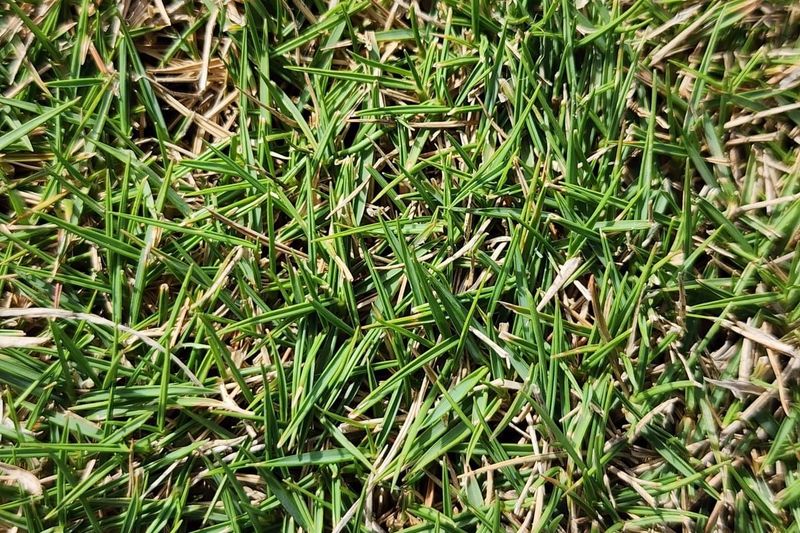
Grass cannot talk, but it sure knows how to send signals. Learning its body language is one of the smartest lawn skills around.
The University of Florida IFAS Extension suggests watering based on what your lawn needs, not just the calendar. Your grass gives clear clues when it gets thirsty.
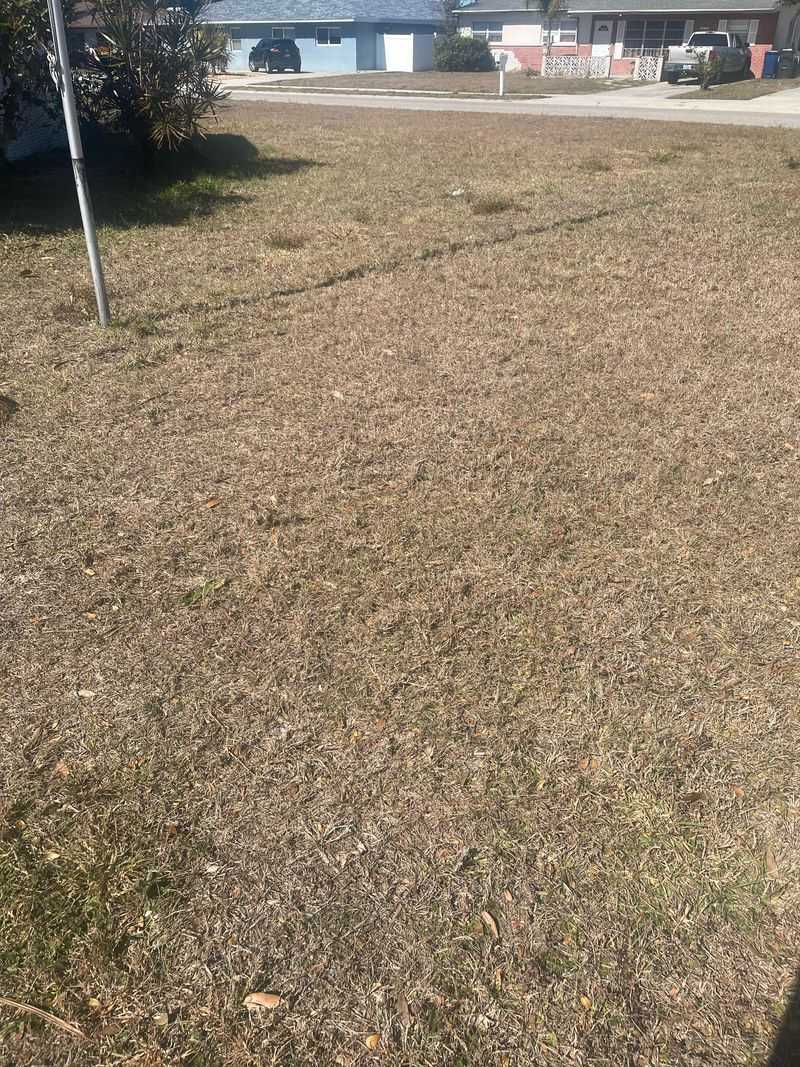
The first sign is leaf blades folding in half lengthwise. Grass does this to cut down on water loss, a bit like curling up for warmth.
Next, watch the color. A thirsty lawn shifts from bright green to a dull blue-gray tint.
The third clue is the footprint test. Walk across the yard, then look back after a few minutes.
If your steps stay pressed into the grass, the blades lack the water to spring back. Tire tracks that linger send the same message.
When about one-third of your lawn shows these signs, it is time to water. Apply about three-quarters of an inch on your allowed day.
In winter, you may notice these signs less often. Cooler weather means your lawn might skip a week without any trouble.
Trusting these cues trains roots to grow deeper. Deep roots handle dry spells better, so your lawn becomes tougher over time.
8. Overwatering In Fall Can Invite Large Patch
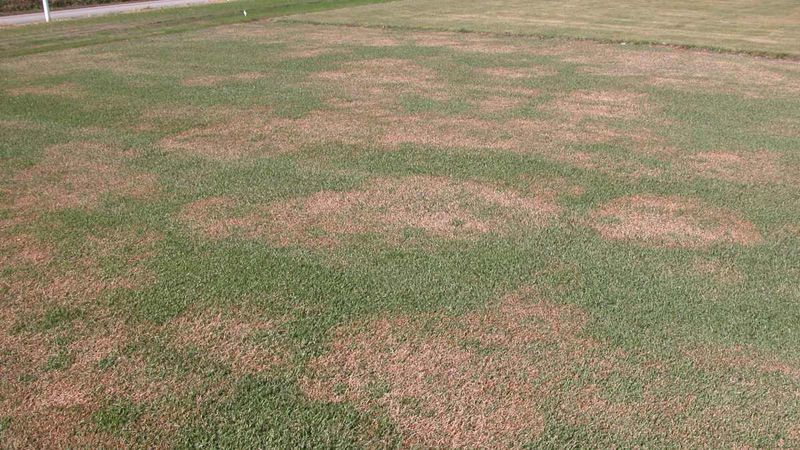
Brown circles appearing in your lawn overnight can feel like a mystery. Often, the culprit is a fungus called large patch, and soggy soil rolls out the welcome mat.
Large patch comes from a fungus named Rhizoctonia solani. It thrives when nighttime temperatures sit between 60 and 75 degrees and moisture stays high.
Fall in the state hits that range perfectly. Add extra watering, and you create a cozy spa for the fungus.
The patches start small and can spread into rings several feet wide. Edges may look orange or yellow, while the center slowly fills back in.
St. Augustine and zoysia grasses are common targets. Even well-kept lawns can get hit when conditions line up.
Prevention starts with your sprinklers. Stick to the once-a-week schedule and water early in the morning so blades dry fast.
Go easy on nitrogen fertilizer in the fall too. Lush, tender growth gives the fungus an easy snack.
Improving drainage in low spots helps as well. Water that pools after rain keeps roots soggy for days.
If patches show up, a fungicide labeled for large patch may help. Your local extension office can confirm the problem before you spend money on treatment.
9. Drought Kept Some Northeast Florida Lawns On Once-A-Week All Year
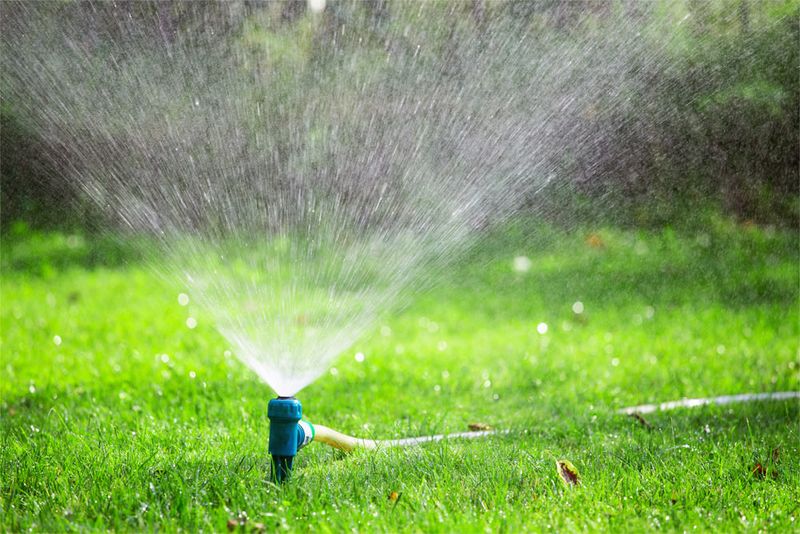
For some homeowners, the seasonal switch was no switch at all. Long dry spells kept their sprinklers on a once-a-week plan through every season.
Persistent drought pushed some areas, including parts of North Central Florida like Alachua County, to hold year-round weekly limits. These areas sit within the St. Johns River Water Management District.
Farther south, the Southwest Florida Water Management District extended its one-day-per-week rules through March 31, 2027. Big rainfall shortfalls over the past year drove that decision.
Why so strict? The state gets most of its drinking water from underground aquifers, and lawns use a large share of home water.
When rain stays scarce, those aquifers refill slowly. Cutting back on irrigation helps protect supplies for drinking, cooking, and firefighting.
If you live in one of these areas, your lawn can still look nice. Mow high, water deeply, and skip extra fertilizer during hot stretches.
Consider swapping thirsty spots for drought-friendly plants or mulched beds. Shady corners where grass struggles are great places to start.
Fixing leaks in your irrigation system matters too. A single broken head can waste hundreds of gallons on one cycle.
Every gallon saved helps your whole community. Your neighbors, and future Floridians, benefit from those small choices.