These Are The 8 Florida Native Wildflowers That Outperform Annuals
Nobody talks enough about Florida’s native wildflowers, and that’s a serious gap in the conversation. Annuals get all the glory, the end caps at every garden center, the “buy two get one” deals, the Pinterest boards.
But here’s the truth: most annuals are high-maintenance guests that overstay their welcome and underdeliver by midsummer. Native wildflowers?
A completely different story. They evolved right here, in this exact heat, this exact soil, under this exact relentless sun.
No babying, no constant fertilizing, no crossing your fingers every time a heat wave rolls through. They just perform, season after season, without making you work for it.
On top of that, they pull in pollinators, support local ecosystems, and look absolutely stunning doing it.
We found a few Florida native wildflowers that consistently outshine annuals, and once you see what they can do, you’ll wonder why you waited so long to make the switch.
1. Plant Coreopsis For Season Long Sunshine
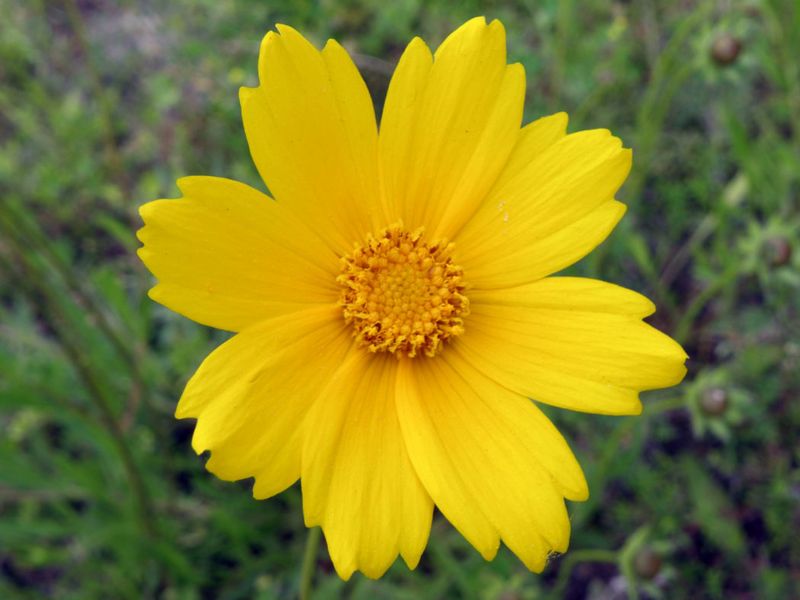
Florida actually made it official: coreopsis is the state wildflower genus, and it earned that title for good reason.
These cheerful yellow blooms light up roadsides, meadows, and home gardens across the state from late winter through early summer, often without any help from the gardener at all.
That kind of reliability is hard to find in an annual flat from the garden center.
Coreopsis thrives in full sun and well-drained, even sandy soil, which describes a huge portion of Florida’s residential landscapes. Once established, it handles dry spells with ease and does not need fertilizing or fussing to keep going.
Many species reseed where conditions suit them, so a planting can spread and return without replanting costs.
Rather than scattering individual plants across a bed, try massing coreopsis in groups of five or more. A block of yellow blooms draws pollinators from a distance and makes a much stronger visual statement than a lone plant tucked between other things.
Bees and butterflies visit the flowers regularly, making it genuinely useful for wildlife gardening.
Look for Florida-native species like Coreopsis leavenworthii or Coreopsis floridana from reputable native plant nurseries. Avoid cultivars or hybrids if your goal is a true Florida-native planting.
UF/IFAS and the Florida Wildflower Foundation both recognize coreopsis as a top choice for Florida gardens, and the results speak for themselves each blooming season.
2. Grow Blazing Star For Tall Purple Spikes
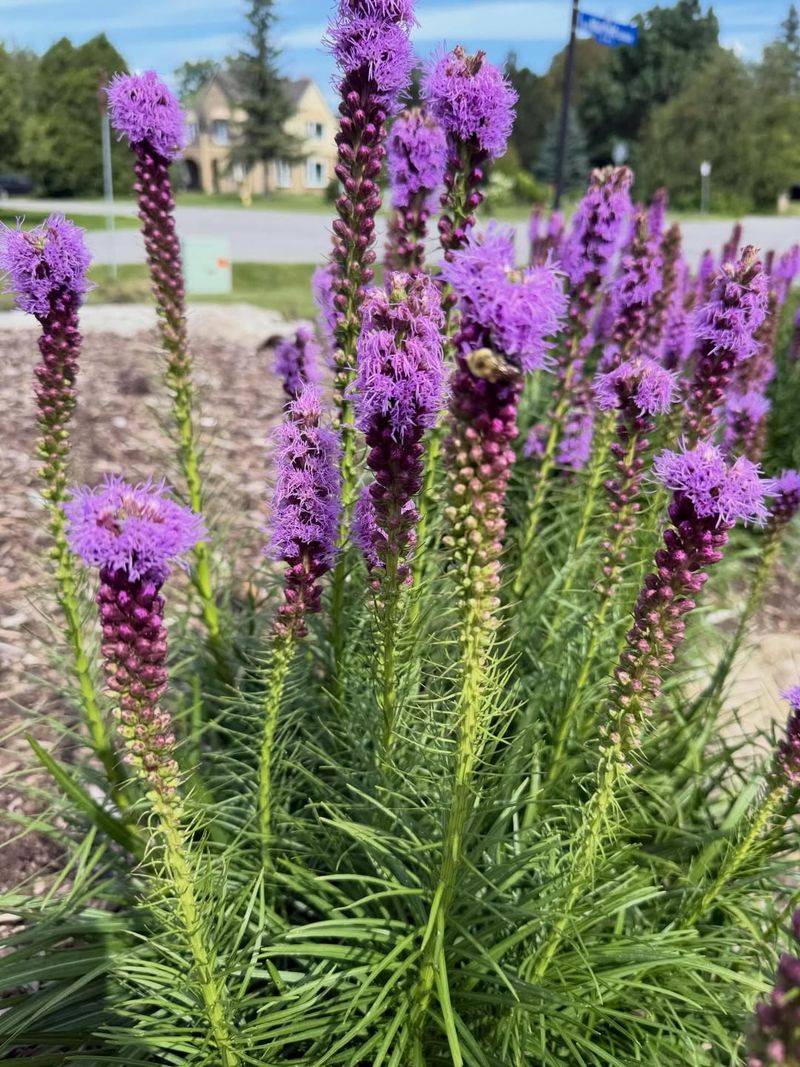
Few native wildflowers command attention quite like blazing star, with its tall upright spikes of purple flowers rising above surrounding plants like small torches.
The genus Liatris includes several Florida-native species, and they bring a vertical element that most annuals simply cannot match.
That structure alone makes blazing star worth growing in any sunny Florida bed.
Blazing star works especially well placed toward the middle or back of a planting, where its height adds depth without blocking shorter plants in front.
It blooms in late summer and fall, a time when many annuals are struggling in the heat, so it fills a seasonal gap that would otherwise leave a bed looking bare.
Your Florida Garden Changes Every Week. Your Plan Should Too.
Gardening in Florida changes quickly throughout the season. Every Friday you’ll receive a simple weekly plan showing exactly what to plant, prune, fertilize, harvest, and protect so you never miss the right timing.
Butterflies, bees, and other pollinators are strongly attracted to the flowers.
Full sun and well-drained soil are the key requirements. Blazing star does not like sitting in wet or waterlogged spots, so avoid low-lying areas that hold water after heavy rain.
Space plants according to the species you choose, and give them room to develop a healthy root system through the first season.
Always source blazing star from nurseries that sell verified Florida-native Liatris species. Some non-native Liatris varieties are sold in general garden centers, and they may not perform as well or provide the same ecological value.
The Florida Native Plant Society is a helpful resource for finding reputable native plant nurseries in your region.
3. Choose Black Eyed Susan For Tough Blooms
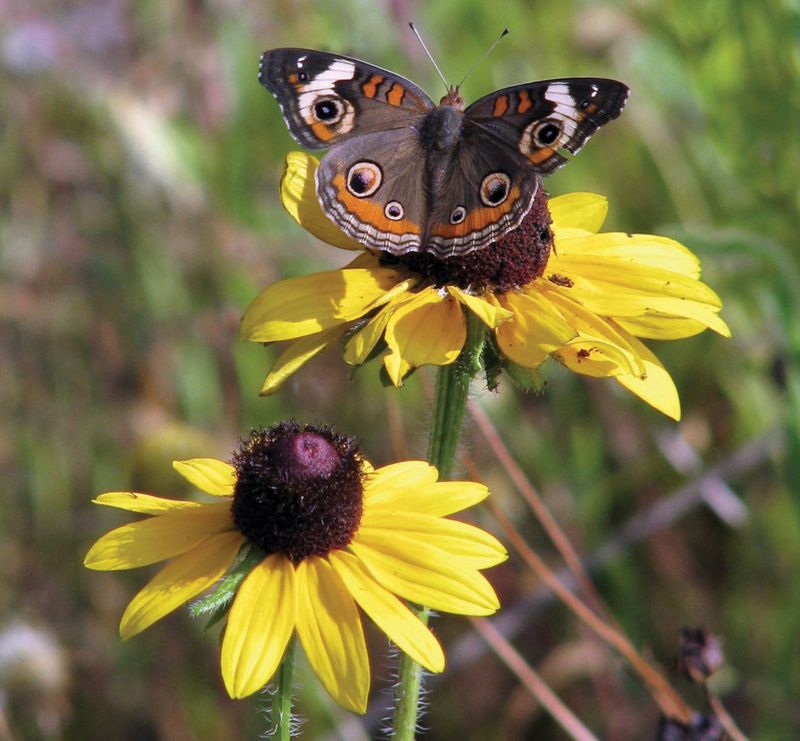
Black eyed Susan is the kind of wildflower that keeps blooming when everything else around it starts looking tired.
The golden petals and nearly black centers are instantly recognizable, and Florida-native Rudbeckia species handle the state’s punishing summer heat with a toughness that most bedding annuals never develop.
That durability is exactly what makes it such a smart swap for the typical summer annual.
Plant black eyed Susan in full sun and well-drained soil for the best results. It tolerates less-than-ideal soil conditions better than most plants, which makes it useful in spots where other flowers have struggled.
Informal beds, meadow-style plantings, and curbside gardens are all excellent places to let it naturalize and spread at its own pace.
Pollinators absolutely love the flowers. Bees, butterflies, and beneficial insects visit regularly through the blooming season, giving the garden real ecological value beyond just good looks.
When blooming slows, consider leaving some seedheads in place rather than cutting everything back. Birds like goldfinches feed on the seeds, and the remaining seedheads also allow natural reseeding for next season.
Look for Florida-native Rudbeckia species such as Rudbeckia hirta, which is native throughout much of the state. UF/IFAS includes black eyed Susan among recommended Florida-native wildflowers for home landscapes.
A well-placed mass planting of black eyed Susan in a sunny bed can look genuinely impressive while requiring far less seasonal input than annual replacements.
4. Use Scarlet Salvia For Hummingbird Action
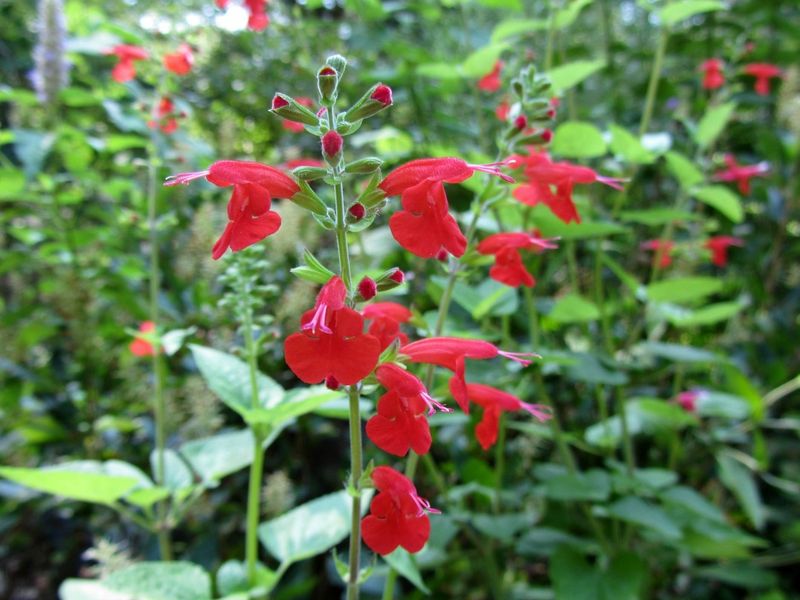
Watching a ruby-throated hummingbird hover at a cluster of red flowers is one of the genuine thrills of Florida gardening, and scarlet salvia makes that happen reliably.
Salvia coccinea is a true Florida native with tubular red flowers perfectly shaped for hummingbird feeding.
It blooms across a long season in Florida’s warm climate and keeps producing nectar long after many annual bedding plants have given up.
Full sun to partial shade works well for scarlet salvia, giving it more placement flexibility than strictly sun-loving plants.
It grows to a moderate height, typically two to four feet, which lets it stand above lower groundcovers and edging plants so the red flowers remain visible and accessible to pollinators.
Butterflies also visit regularly alongside the hummingbirds.
Well-drained soil is preferred, and once established, scarlet salvia handles dry periods without much supplemental watering.
It often reseeds in Florida gardens, meaning a planting can sustain itself and spread modestly over time without needing annual replacement.
That self-sustaining quality is one of the clearest ways it outperforms short-lived bedding plants.
One important sourcing note: many ornamental salvias sold in garden centers are non-native species or cultivars that do not share the same Florida-native status or wildlife value.
When the goal is a true Florida-native planting, seek out Salvia coccinea specifically from a Florida native plant nursery.
The Florida Wildflower Foundation and UF/IFAS both recognize it as a reliable and ecologically valuable Florida native.
5. Plant Spotted Beebalm For Pollinator Buzz
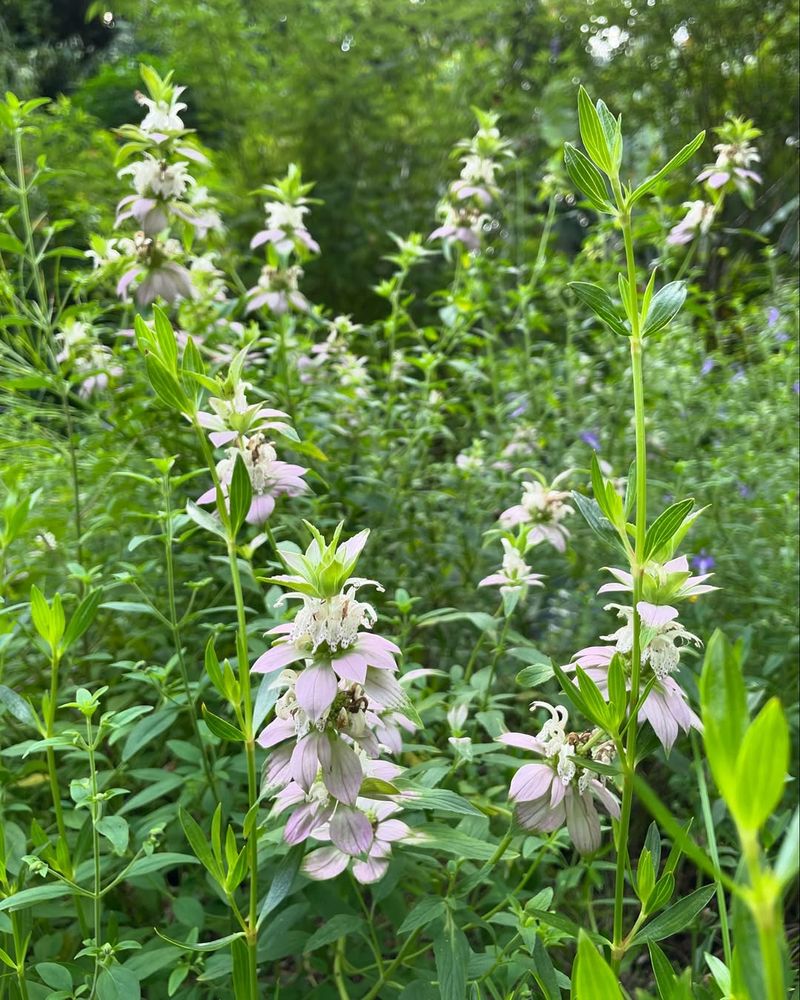
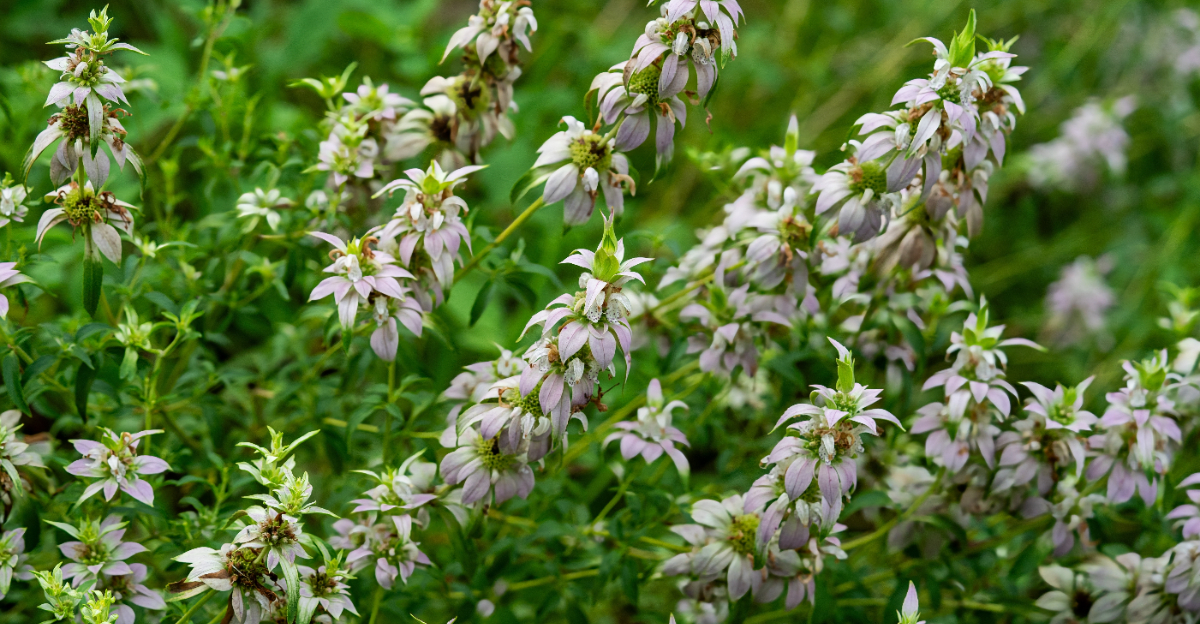
Spotted beebalm has a look unlike anything else in a Florida garden. The layered whorls of spotted, tubular flowers and pale pinkish bracts give Monarda punctata an almost architectural quality that standard annuals never approach.
Bees absolutely swarm it during bloom, which is exactly what the name promises, and butterflies and beneficial insects follow close behind.
This wildflower is native to Florida and grows best in full sun with sandy, well-drained soil, conditions that describe many Florida yards perfectly.
Once established, spotted beebalm handles dry stretches without complaint, making it a genuinely low-input plant for the right site.
It does not want wet feet, so avoid planting it in areas prone to standing water after summer rains.
Spotted beebalm fits best in naturalistic or meadow-style plantings rather than formal bedding rows.
Its growth habit is open and somewhat sprawling, and it can look informal in a way that suits a wildflower garden but might feel out of place in a tightly manicured border.
Embrace that natural quality rather than fighting it.
The pollinator value here is genuinely impressive. UF/IFAS notes that Monarda punctata supports a wide range of native bees and other beneficial insects, making it one of the more ecologically productive wildflowers available to Florida gardeners.
Planting it near vegetable gardens or other flowering plants creates a pollinator-friendly zone that benefits the whole yard well beyond the blooming season.
6. Grow Stokes Aster For Big Native Blooms
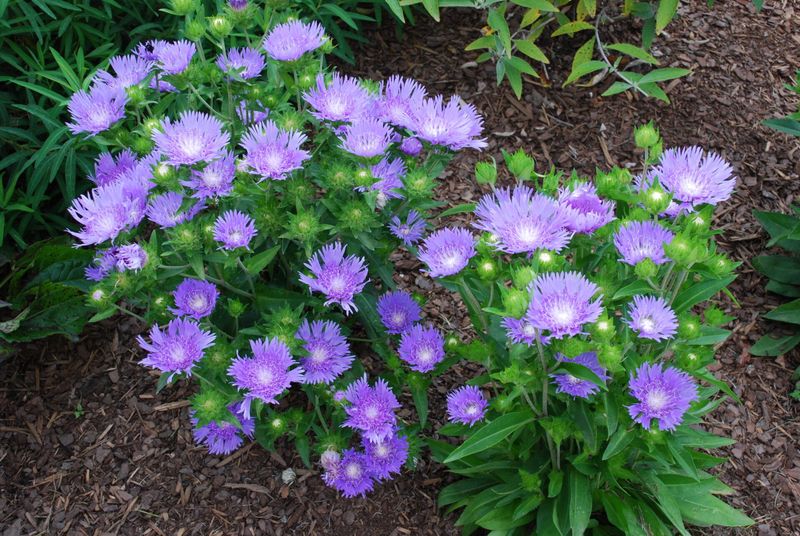
Most people are genuinely surprised the first time they see Stokes’ aster in bloom. The flowers are large, fringed, and lavender-blue to soft purple, much showier than the typical expectation for a native wildflower.
Stokesia laevis is native to the southeastern United States including Florida, and it brings a cottage-garden charm to native plantings that few other wildflowers can match.
Unlike annuals that need seasonal swapping, Stokes’ aster can return in suitable sites year after year, building a stronger root system and producing more flowers over time. That perennial habit is a clear advantage over plants that require replanting every season.
Bees and butterflies visit the blooms regularly, adding wildlife value to the showy flowers.
Sun to part sun works well, and Stokes’ aster prefers moist but well-drained soil. It is not the right choice for the driest, harshest spots in a yard unless supplemental irrigation is available during dry stretches.
In borders, cottage-style beds, and pollinator-focused plantings, it performs reliably and looks genuinely impressive during its spring and early summer bloom period.
Regional suitability matters with Stokes’ aster. It performs best in northern and central Florida, where conditions align most closely with its native range.
Gardeners in south Florida should check with local UF/IFAS extension offices about suitability before planting.
Sourcing from Florida native plant nurseries ensures you are getting plants suited to local conditions rather than generic cultivars from outside the region.
7. Choose Sunshine Mimosa For Blooming Groundcover
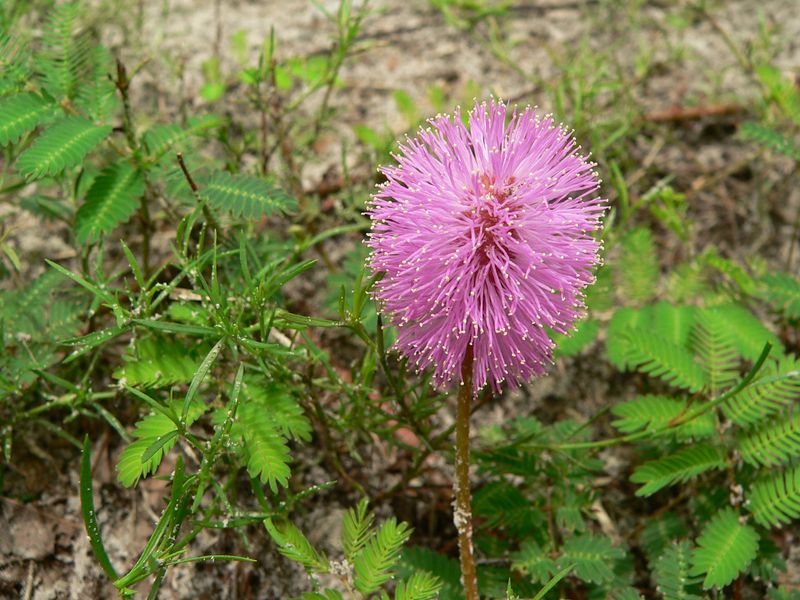
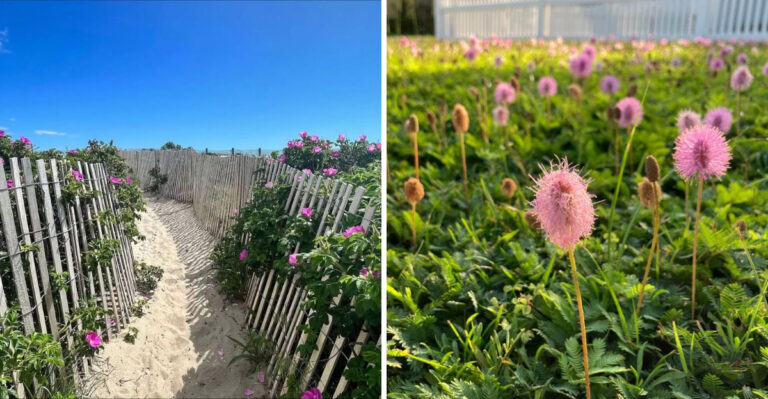
There is something genuinely fun about a flowering groundcover that covers bare soil, feeds pollinators, and produces cheerful pink powderpuff blooms all at once.
Sunshine mimosa, Mimosa strigillosa, is a Florida-native groundcover that does exactly that, spreading low across sunny spots while offering real seasonal color and pollinator value.
It outperforms annual edging plants by returning each year and filling in without repeated planting costs.
Full sun is where sunshine mimosa performs best. It spreads horizontally rather than growing tall, typically staying just a few inches high, which makes it useful along walkways, mailbox beds, lawn edges, and sunny slopes where traditional groundcovers struggle.
Drought tolerance once established is a genuine strength, especially during Florida’s dry season.
Give sunshine mimosa room to spread, because it will. In the right spot, that spreading habit is exactly what you want from a groundcover.
In tighter, more formal beds where a controlled edge is required, it may need regular trimming to stay in bounds. Plan placement thoughtfully so its natural growth pattern works with the space rather than against it.
Pollinators respond well to the flowers, and the plant supports native bees and other beneficial insects throughout its blooming season.
UF/IFAS and the Florida Wildflower Foundation both recognize sunshine mimosa as a Florida-native groundcover worth using in home landscapes.
For gardeners tired of replanting annual edging every season, this is a genuinely practical and ecologically sound swap.
8. Use Frogfruit For A Living Flower Carpet
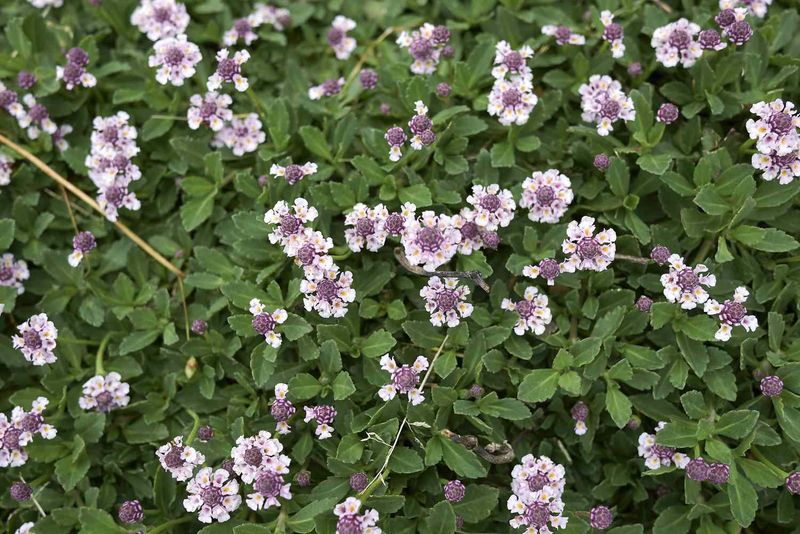
Frogfruit might have the most underrated name in Florida native gardening, but the plant itself earns serious respect once you see what it does. Phyla nodiflora spreads into a dense, low mat covered in tiny white and pink flowers that pollinators find irresistible.
Buckeye butterflies in particular use it as a larval host plant, which means planting frogfruit is a direct investment in local butterfly populations.
It works well as a replacement for short-lived annual edging in sunny to part-shade areas where a low, living mat is desired. The spreading habit fills in bare soil naturally, reducing the need for seasonal replanting and the ongoing cost that comes with it.
In the right spot, frogfruit essentially takes care of itself once established.
Low-traffic areas suit frogfruit best, since heavy foot traffic can thin it out over time. Along garden borders, around landscape beds, and in areas where lawn grass struggles to fill in, frogfruit creates a functional and ecologically active surface.
Trim the edges as needed to keep it from creeping into areas where a tighter boundary is preferred.
Frogfruit tolerates a range of soil and moisture conditions, which adds to its usefulness across different Florida sites. UF/IFAS recognizes it as a Florida-native species with strong pollinator and butterfly value.
For gardeners who want a living carpet that works harder than standard annual edging while supporting local wildlife, frogfruit is a straightforward and rewarding choice.