What It Means When Dragonflies Gather Before An Ohio Thunderstorm
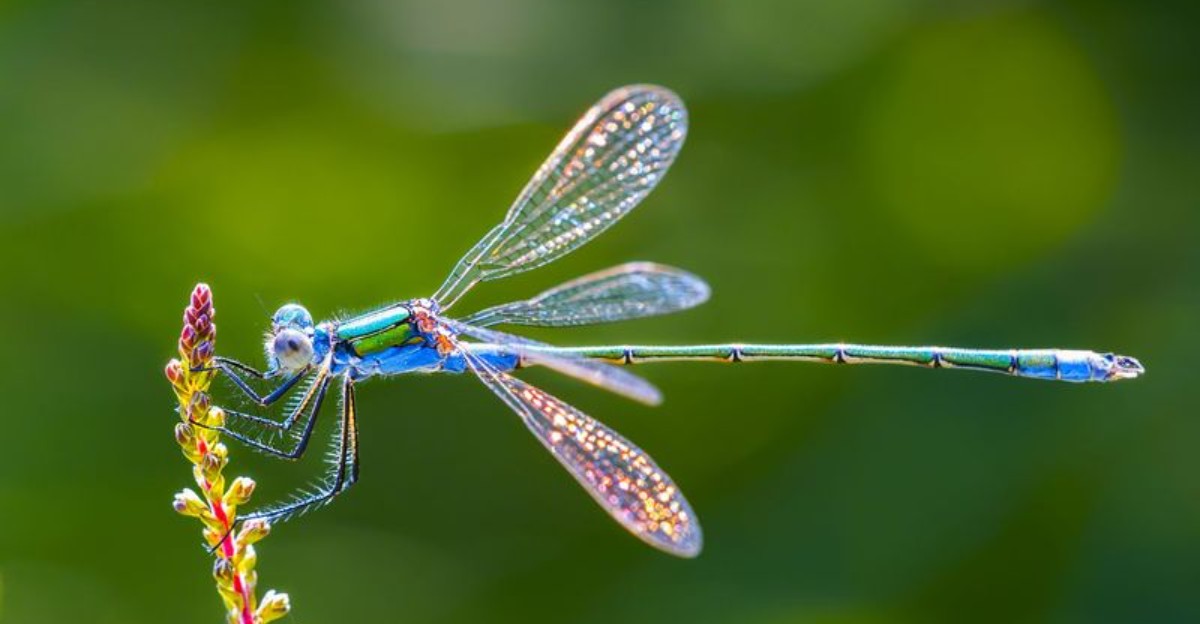
The air feels thick and sticky, and the sky over your backyard turns a heavy, smoky gray. Suddenly, dozens of shimmering winged hunters appear, zipping back and forth like tiny helicopters above the grass.
Ohio folks have noticed this odd air show for generations, often right before rumbling thunder rolls in from the west. Some people call it a lucky sign, while others treat it as a handy hint that rain may be close.
The truth sits somewhere between old farm wisdom and real science, which makes the whole scene even more fascinating. Nature tends to drop little hints before big weather arrives, if you know where to look and listen.
Early October in Ohio brings crisp mornings, golden fields, and the occasional warm afternoon that sparks a surprise storm. Those stormy fall days are perfect moments to step outside, smell the rain coming, and watch carefully.
Those shimmering hunters seem to know something about the weather. Or at least they act like the smartest guests at a backyard party.
A Hungry Swarm Chasing Storm-Driven Insects
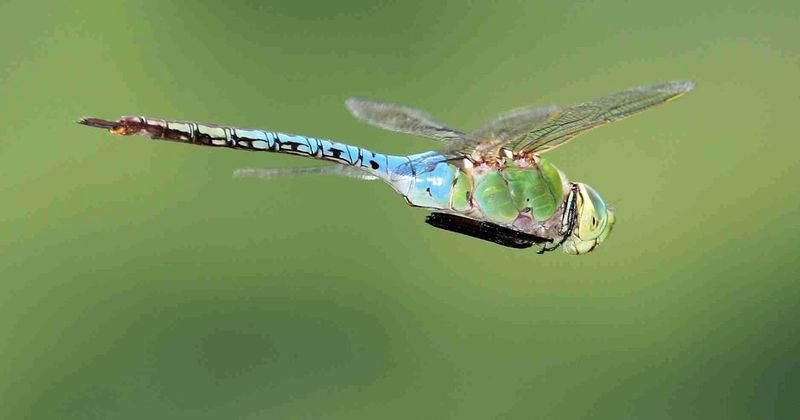
Picture a buffet suddenly appearing in midair, packed with gnats, mosquitoes, and flying ants all at once. That is basically what a dragonfly sees when a thunderstorm starts building over an Ohio field.
When dragonflies gather before a storm, they are mostly hunting, not predicting the weather like tiny forecasters. Small insects get stirred up by shifting winds and humid air, which makes them easy targets for hungry hunters.
Dragonflies are skilled aerial hunters. Scientists have found they can catch their prey in midair roughly ninety percent of the time.
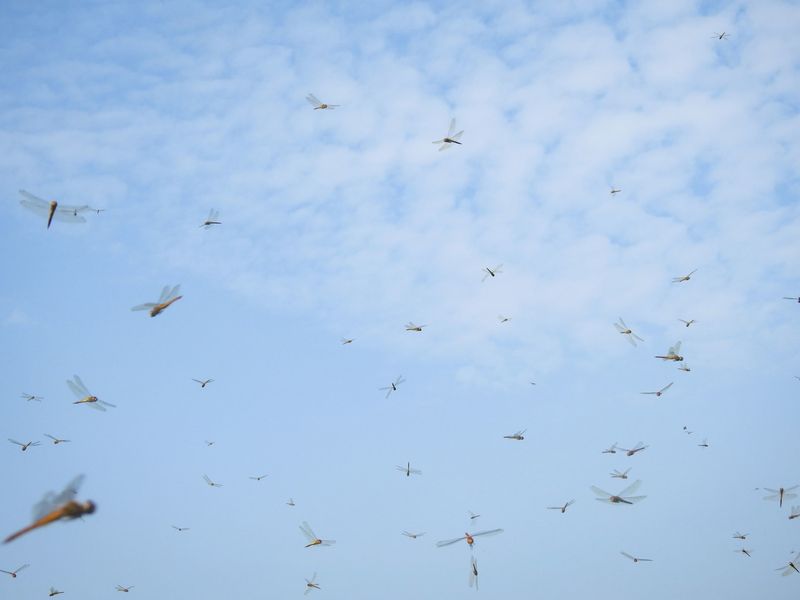
So when a cloud of bugs rises from the grass, the dragonflies swoop in quickly to take advantage. You might see dozens of them flying in loose loops just a few feet above lawns or ponds.
Experts call this a feeding swarm, and it looks a bit like a busy airport with no traffic control. Each dragonfly zips through the group, snatching snacks without bumping into its neighbors, which is pretty impressive.
In early October, these feeding swarms can feel extra exciting because fewer insects are buzzing around than in warmer months. A stormy afternoon gives the hunters one more big meal before cooler nights slow everything down.
Next time you spot a swarm, look closely for tiny bugs floating in the air around the hunters. Seeing the prey helps you understand the whole picture, and it turns a simple glance into a nature lesson.
Falling Air Pressure Behind The Feeding Frenzy
Ever had your ears pop on a road trip through the rolling hills of southern Ohio near Hocking Hills? That pop comes from a change in air pressure, and insects notice similar changes before a storm arrives.
As a thunderstorm approaches, the air pressure usually drops, and the air fills with extra moisture and warmth. Some small flying insects may stay lower to the ground, where the air feels calmer to them.
Swallows and bats often follow those low-flying bugs, which is why old sayings link low birds with rain. Dragonflies join the party for the same reason, since their dinner is suddenly packed into a smaller space.
Your Ohio Garden Changes Every Week. Your Plan Should Too.
Gardening in Ohio changes quickly throughout the season. Every Friday you’ll receive a simple weekly plan showing exactly what to plant, prune, fertilize, harvest, and protect so you never miss the right timing.
Warm, rising air in front of a storm can also lift swarms of tiny insects into the sky. Gusty winds push those bugs together into clumps, creating what looks like floating clouds of pepper flakes.
Dragonflies have huge eyes with up to thirty thousand tiny lenses, so they spot these clumps right away. Their vision lets them see almost all the way around their heads, which helps during a crowded hunt.
Dragonflies most likely follow the insects moving around them, since no study has confirmed that they sense air pressure directly. Whatever the trigger, the change in the air sets off a chain reaction that you can watch from your porch.
If you own a simple barometer, try checking it the next time a swarm forms over your yard. Writing down the reading next to what you see makes a fun backyard science project for the whole family.
Timing Clues Hidden In The Swarm
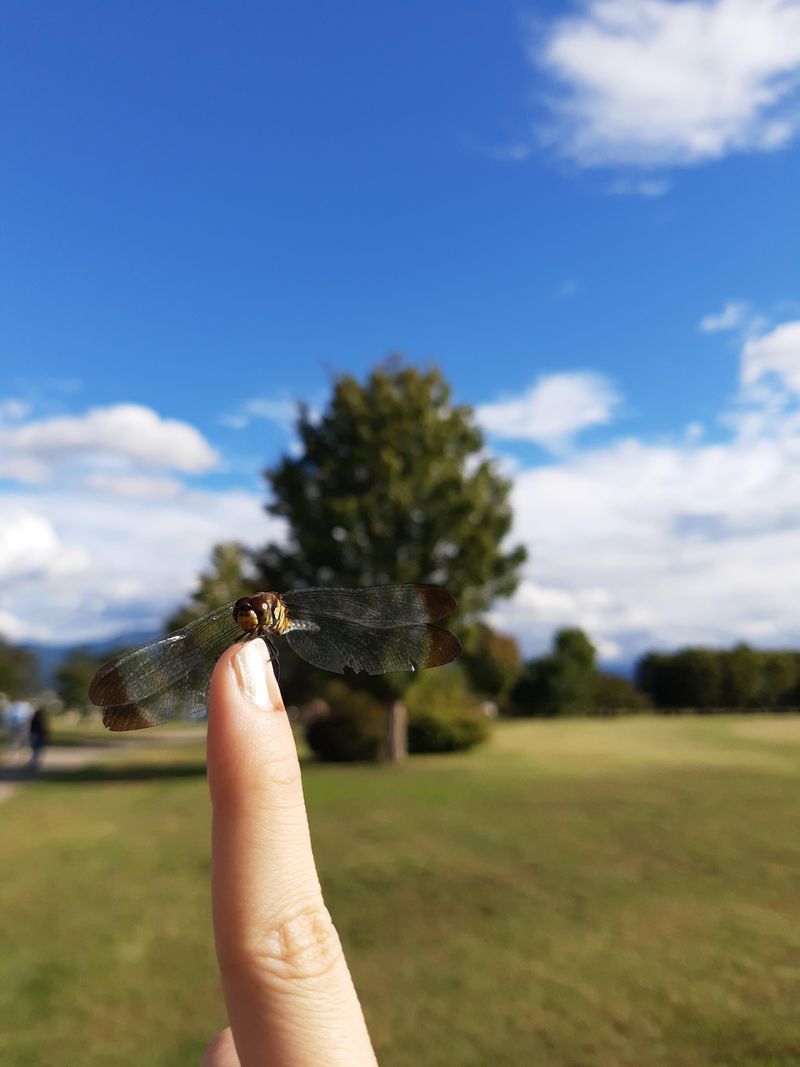
Grandpa used to say the dragonflies showed up about an hour before the first raindrops hit his tomato patch. That timing can match some storms, although it varies quite a bit from one storm to the next.
Feeding swarms can appear anywhere from a few minutes to a couple of hours before a thunderstorm rolls across Ohio farmland. That window lines up with the time when warm, muggy air is rising and pulling insects off the ground.
Once the wind turns gusty and cool, the swarm usually breaks apart quickly as the hunters seek shelter. Dragonflies tuck themselves under leaves, tall grass, or tree bark to ride out the heavy rain safely.
That sudden disappearing act can be a clue that the storm is getting close. If the air goes quiet and the fliers vanish, it is smart to head indoors without waiting around.
Time of day matters too, since most fall storms in Ohio pop up during warm late afternoons. Dragonflies need sunshine and warmth to fly well, so morning swarms in early October are fairly rare.
Because they are cold-blooded, these insects often bask on sunny fence posts to warm their flight muscles first. Chilly mornings keep them grounded, which means a big afternoon swarm stands out even more against the season.
Try jotting down the time you see a swarm and the time the first thunder rumbles overhead. After a few storms, you may notice your own local pattern, which feels like having a secret weather clue.
A Common Mistake About Weather Predictions
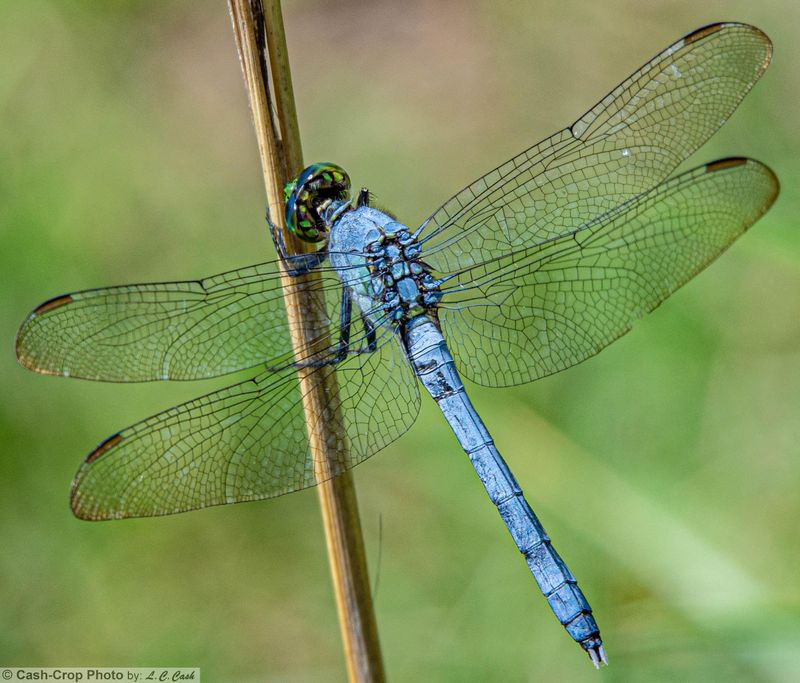
Plenty of backyard watchers have spotted a swarm, grabbed the umbrella, and then stared at clear skies all evening. It feels a little silly, but it happens because swarms are clues, not guarantees of a coming storm.
The biggest mistake people make is treating every dragonfly gathering like an official weather warning from the sky. Swarms can form on any warm, buggy evening, especially near ponds, creeks, and freshly mowed fields.
Lake Erie shorelines and marshy spots like the Ottawa National Wildlife Refuge can host large dragonfly gatherings on calm days too. Loads of insects hatch from the water there, so dragonflies gather even when no storm is anywhere near.
Another common mix-up happens when people confuse migrating dragonflies with a feeding swarm before bad weather arrives. Migrating groups fly in one steady direction, while feeding groups loop and circle over the same small area.
Some folks also assume dragonflies can sting or bite, so they run inside before checking the actual sky. These insects have no stinger, and they rarely bother people, even when dozens zoom past your head.
Relying on bugs alone can also lead to the opposite problem, which is ignoring real storm warnings. A thunderstorm can roll in without any swarm at all, especially on cooler October days with fewer insects.
Think of the swarm as a friendly nudge to look up, check the clouds, and pay closer attention. Nature offers hints, but it works best as a partner to real forecasts rather than a full replacement.
Sky Signs Worth Pairing With The Swarm
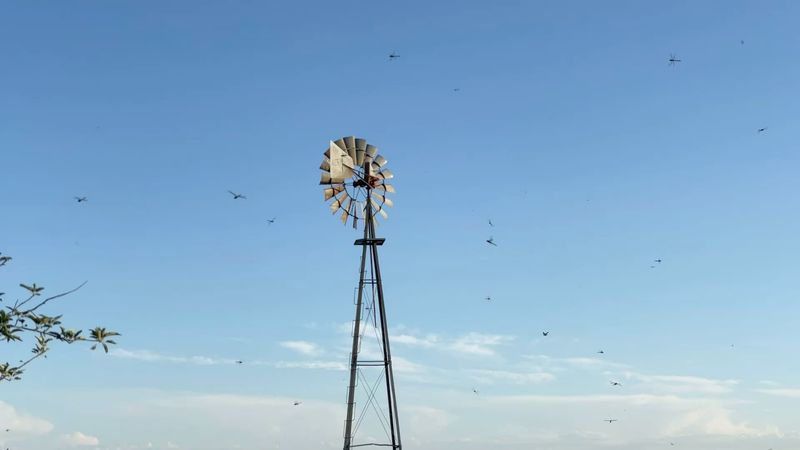
Old sailors watched the clouds, farmers watched the cows, and smart Ohio kids can watch both sky and swarm. Putting several clues together gives you a much better guess about the chance of a storm heading your way.
Start by looking west, since most thunderstorms in Ohio travel from the west or southwest toward the east. Tall, puffy clouds that grow upward like giant heads of cauliflower are a strong hint of building storms.
When those clouds flatten at the top into an anvil shape, the storm is mature and likely packing lightning. A darkening sky with a greenish or gray tint also suggests heavy rain or hail could be on the way.
Your nose and skin can help too, because the air often smells earthy and feels heavy before rain. That fresh scent even has a name, petrichor, and it comes from oils released by plants and soil.
Leaves flipping over to show their pale undersides are another classic sign that gusty storm winds are arriving. Maples and oaks around Ohio neighborhoods make this easy to spot, especially as their colors start changing in October.
Finally, compare what you notice with a trusted weather app or the local radio station before making plans. The National Weather Service offices in Cleveland and Wilmington issue alerts that cover most of the state.
When swarming dragonflies, towering clouds, and an official alert all line up, a storm is very likely close. Combining those signals turns guesswork into smart planning, which keeps your evening calm and well prepared.
Safety Habits For Curious Swarm Watchers

Watching a swarm of glittering wings swirl above a cornfield is one of the coolest free shows in Ohio. Still, the same weather that brings the show can turn risky fast, so a little planning goes a long way.
A popular rule says that when thunder roars, you should head indoors right away without waiting for rain. Lightning can strike miles ahead of a storm, even while the sky directly above you still looks blue.
Watch swarms from a porch, garage doorway, or window whenever clouds start stacking up in the west. Open fields, tall trees, and metal fences are poor places to stand once the sky begins to grumble.
Bring a phone or camera if you want to capture the swarm, but keep your outings short and close. Slow-motion video can reveal how dragonflies snatch bugs, which looks amazing when you replay it later indoors.
Be kind to the hunters too, since netting or grabbing them can easily tear their delicate, papery wings. Enjoy them from a short distance, and you will often notice colors like emerald green or bright blue.
Adding a small backyard pond or letting native plants grow tall can invite more dragonflies to your yard. Cutting back on garden sprays also helps, because dragonflies need plenty of healthy insects to munch on each season.
As October cools, Ohio dragonflies slowly fade from view, and some kinds even fly south for winter. Catching one last storm swarm this fall is a nice way to wrap up the season before the quiet, chilly months arrive.