7 Texas Plants You Should Never Prune In October
In Texas, October often feels like a second spring. The heat finally breaks, plants perk up, and gardeners head outside with fresh energy and a sharp pair of pruners.
It’s tempting to tidy everything up while the weather is this nice. For some plants, though, a fall trim is a big mistake.
Pruning sends a signal to grow. Cut certain shrubs and perennials now, and they’ll push out a flush of soft, tender shoots.
That new growth won’t have time to toughen up before the first freeze rolls in, and a sudden cold snap can leave it badly damaged.
Other plants have already set the flower buds for next spring. Prune them now, and you’ll be staring at a bloomless shrub come March.
Before you start clipping, it’s worth knowing which plants should be left alone until later.
1. Azaleas Are Already Planning Their Spring Show
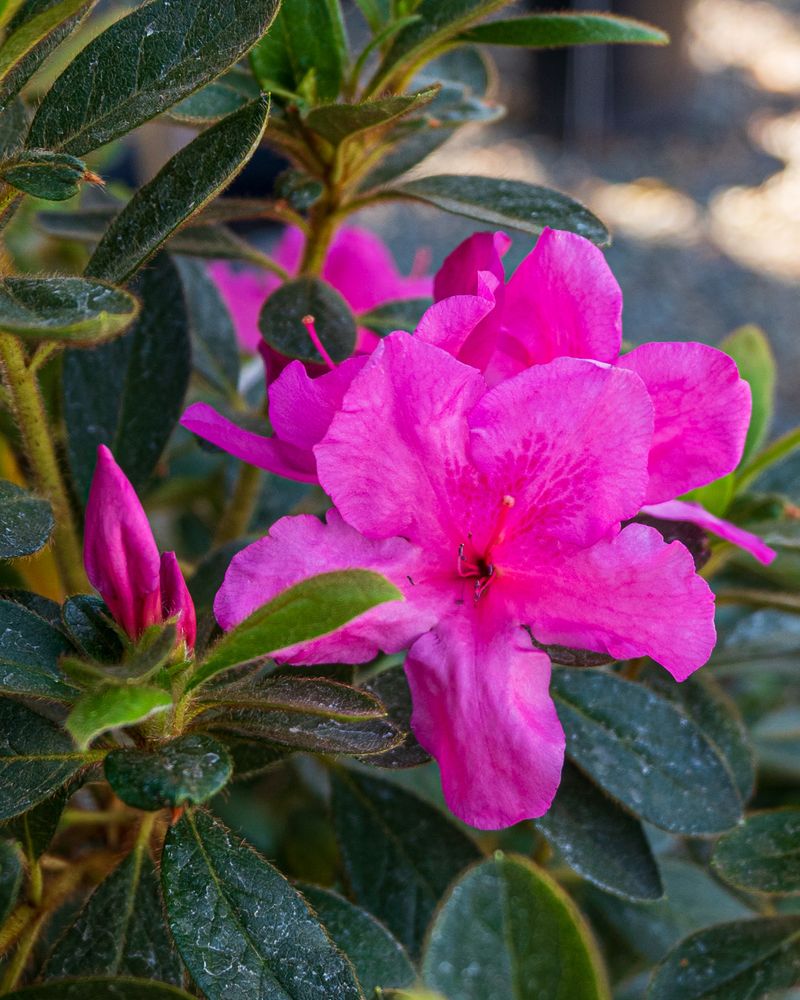
Every spring, whole neighborhoods in East Texas burst into pink, white, and red as azaleas take center stage. Tyler even holds a famous Azalea Trail each year. That big show does not happen by accident, though.
Azaleas start building next year’s flower buds in summer and keep working on them through fall.
By October, those tiny buds are sitting right at the tips of the branches. They are small and easy to miss, but they hold every bloom you will see next spring.
When you trim an azalea now, you snip those buds right off. The shrub may look neat for a while. Then spring arrives, and you get plenty of green leaves but very few flowers.
Many gardeners blame the weather or the soil when the real problem was the timing of their shears.
So when should you prune? The best window is right after the plant finishes blooming in spring. At that point, the shrub has time to grow new stems over the summer. Those stems will then set fresh buds for the following year.
If a branch is broken or clearly dry, you can remove it any time. Just cut it back to healthy wood with clean, sharp tools. Leave the rest of the shrub alone until after the flowers fade.
Fall is still a great time to care for azaleas in other ways. Add a fresh layer of pine straw or shredded bark to keep the roots cool and moist.
Water deeply during dry spells, since azaleas have shallow roots. A little patience now pays off with a shrub covered in color later.
2. Texas Mountain Laurel Holds A Sweet Secret
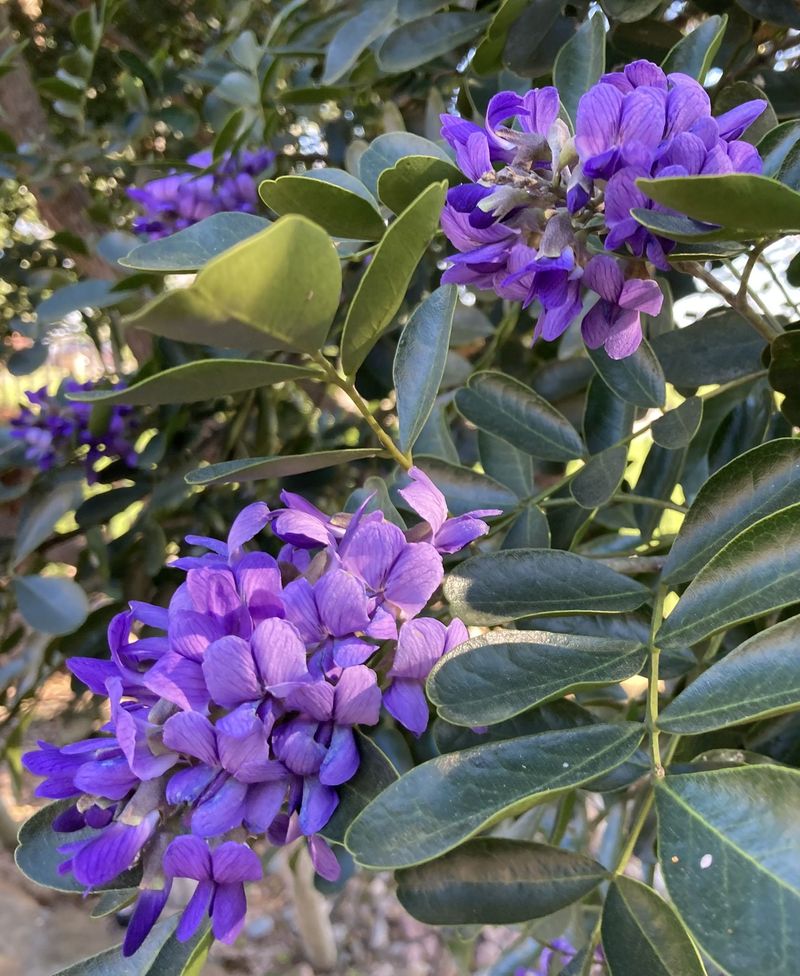
Ask anyone who has smelled a Texas mountain laurel in bloom, and they will probably say the same thing.
It smells just like grape soda or grape bubble gum. That sweet scent is one of the best parts of late winter in the Hill Country.
Native to Central and West Texas, this tough evergreen shrub handles heat, drought, and rocky soil like a champ.
It also has a sneaky habit that catches many gardeners off guard. It forms its flower buds in the fall, months before you ever see a purple bloom.
Your Texas Garden Changes Every Week. Your Plan Should Too.
Gardening in Texas changes quickly throughout the season. Every Friday you’ll receive a simple weekly plan showing exactly what to plant, prune, fertilize, harvest, and protect so you never miss the right timing.
Look closely at the branch tips in October. You may spot small, fuzzy clusters starting to form. Those are next year’s flowers getting ready. Cut them off, and you lose that whole fragrant show.
Mountain laurels also grow slowly. A careless trim can take years to fill back in. That is one more reason to keep the pruners in the shed this month.
Here is the simple rule. Prune only right after the plant finishes blooming in spring. That gives it a full growing season to make new buds. Even then, keep cuts light, since this plant looks best with its natural, rounded shape.
A quick fun fact might surprise you. The bright red seeds inside the pods are pretty but poisonous, so keep them away from kids and pets. Some folks pick the pods off for safety, and that is fine to do in fall.
For now, enjoy the glossy leaves and let the buds grow. Your nose will thank you when those grape-scented flowers open in February or March.
3. Give Texas Redbuds A Break From The Shears
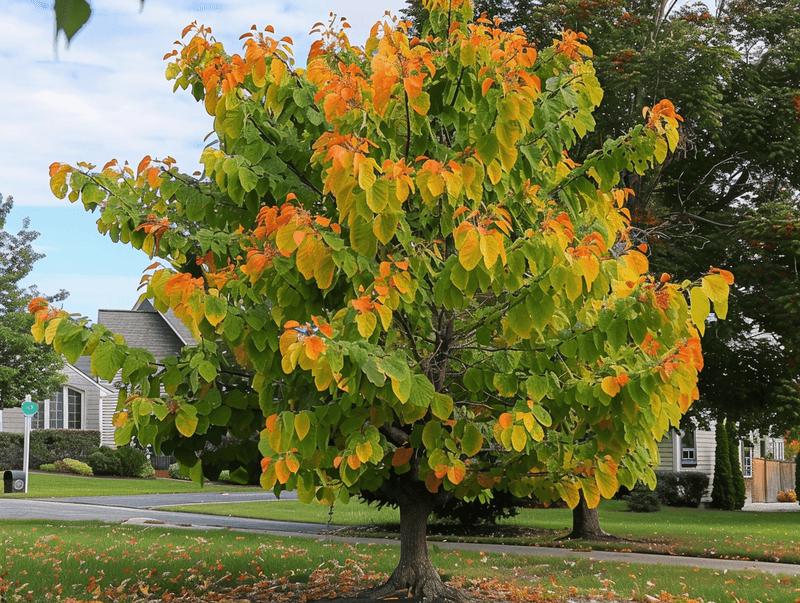
Few trees announce spring in Texas quite like the redbud. Long before most trees wake up, its bare branches get covered in bright magenta flowers. It feels like nature’s way of saying winter is almost over.
Here is the catch. Redbuds bloom on wood that grew the year before. That means the flower buds for next spring are already sitting on the branches by fall. Some even pop right out of the trunk, which is a fun trait few trees share.
If you trim your redbud in October, you cut away those hidden buds. You might not notice anything wrong until March.
Then you will see a tree that looks a little bare while your neighbor’s tree glows pink down the street.
That does not mean you have to ignore your tree completely. You can still remove branches that are dry, broken, or rubbing against each other. Those cuts help keep the tree healthy and safe. Just stop there and save bigger shaping jobs for later.
The best time for real pruning is right after the flowers fade in spring. The tree will then have plenty of time to grow new wood for the next bloom season.
Texas redbuds are a great choice for our state. They handle heat, alkaline soil, and dry spells better than many trees. Their shiny, heart-shaped leaves also add a nice touch to small yards.
So this fall, rake the leaves, water during dry weeks, and admire the shape of your tree. Leave the pruning saw alone, and spring will reward you with a burst of color.
4. Bigleaf Hydrangeas Hide Next Year’s Flowers
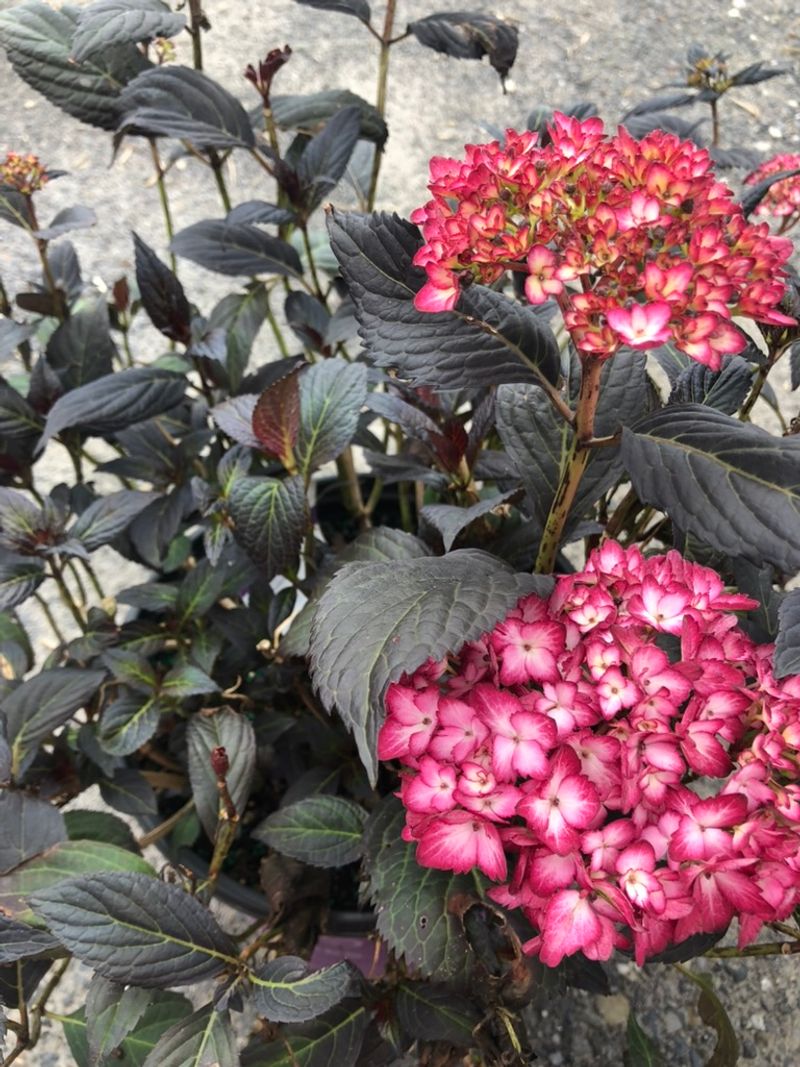
Picture-perfect blue and pink snowballs make bigleaf hydrangeas a favorite in East Texas shade gardens.
Many Southern families have grown them for generations. Some folks even remember cuttings passed down from a grandmother’s porch.
Bigleaf hydrangeas bloom on old wood. In plain words, the flowers come from stems that grew the year before.
Next year’s buds start forming in late summer and fall. By October, they are tucked along those older stems, waiting for spring.
Cutting the plant back now removes those buds. The shrub will still leaf out next year, but it may have few flowers or none at all.
Many people think their hydrangea is broken when this happens. In truth, it simply lost its buds to an autumn trim.
So what can you do instead? You can snip off the old, dried flower heads if they bother you. Cut just below the faded bloom and stop there. Also remove any stems that are clearly dry or damaged.
Save any bigger shaping for right after the shrub blooms in early summer. That timing gives new stems plenty of weeks to form buds before fall.
Here is a fun bit of trivia. The color of many bigleaf hydrangeas depends on your soil. Acidic soil often gives blue flowers, while alkaline soil tends to give pink ones. That is why East Texas gardens with acidic soil often show off rich blues.
Keep the roots mulched and watered this fall. If a hard freeze is coming, toss a light sheet over the shrub to protect the buds you worked so hard to save.
5. Hold Off On Crape Myrtle Cuts Until Late Winter
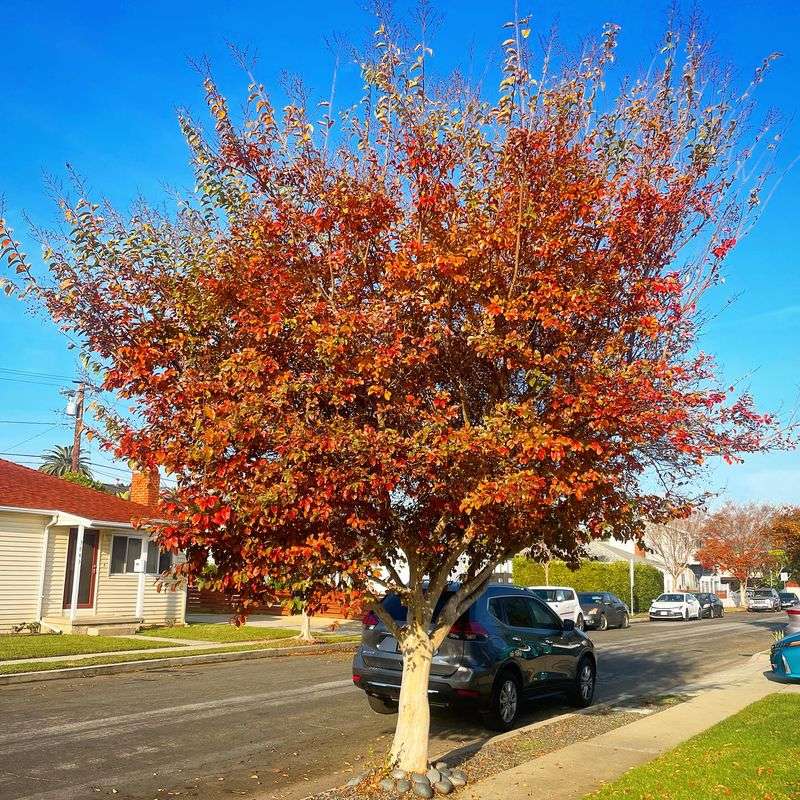
Drive through almost any Texas town, and you will spot crape myrtles lining streets and parking lots. They bloom all summer long in pink, red, purple, and white. Texans love them for good reason.
October can tempt you to tidy them up. Leaves start turning orange and red, and seed pods hang from the branches. Still, this is one of the worst times to prune them.
When you cut a crape myrtle in fall, the tree may push out soft new growth. That fresh growth has no time to harden before cold weather arrives.
An early freeze can then damage it badly. Instead of a stronger tree, you end up with hurt branches and extra cleanup.
The better plan is to wait until late winter, usually February in much of Texas. The tree is fully resting by then, and spring growth is only a few weeks away.
Even then, skip the habit some people call crape murder. That means chopping the tree down to thick stubs every year.
Severe topping weakens the tree. It also leads to thin, floppy branches that bend under the weight of their flowers.
Good pruning is gentle. Remove suckers at the base, crossing branches, and small twigs growing toward the center. Keep the natural vase shape so the smooth, peeling bark can shine in winter.
A quick tip helps a lot. If your crape myrtle is too big for its spot, consider a dwarf variety next time instead of cutting hard each year. For now, enjoy the fall colors and let your tree rest.
6. Roses Only Need A Light Touch Right Now
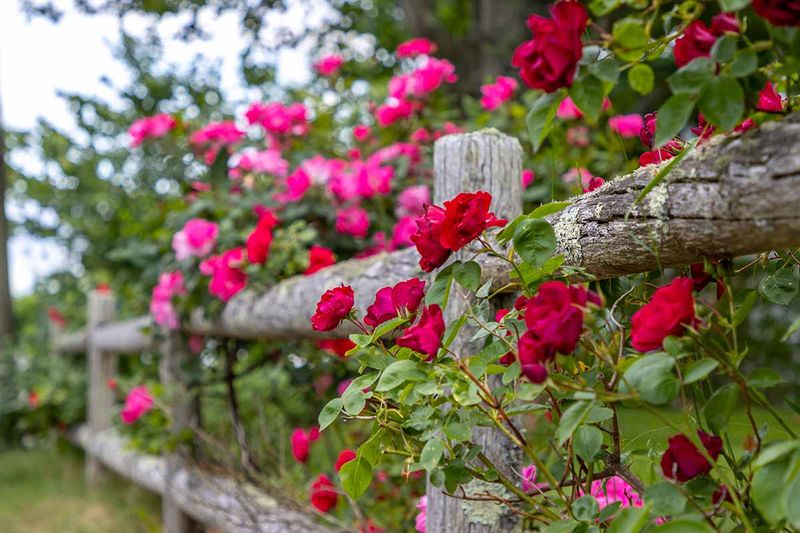
Fall roses in Texas can be some of the prettiest of the year. Cooler nights bring richer colors and stronger scents. Many rose lovers say October blooms rival the spring flush.
With all that beauty, it makes sense to want to keep things neat. A little grooming is fine. Big cuts, though, should wait.
In October, stick to light deadheading. Snip off faded blooms just above a healthy leaf. Also remove any canes that look dry, black, or sick with disease. Toss diseased pieces in the trash instead of the compost pile.
Heavy pruning is a different story. Cutting roses back hard now can push the plant into fresh, tender growth.
Those new shoots are not ready for winter. A sudden cold front can damage them and stress the whole bush.
Old-time gardeners have a handy rule for timing. Many prune roses around Valentine’s Day, in mid-February.
By then, the worst cold has usually passed in much of the state, and spring growth is close. North Texas gardeners may wait a bit longer, while folks near the coast can go a little earlier.
You can also slow down on feeding now. Stop heavy fertilizing about six weeks before your average first freeze. That helps the plant settle in for its winter rest.
Some gardeners leave a few blooms on the bush to form rose hips. These round fruits add color and can even feed birds.
Keep watering during dry spells, and add mulch around the base. Your roses will be well rested and ready to shine come spring.
7. Lantana Likes To Keep Its Winter Coat
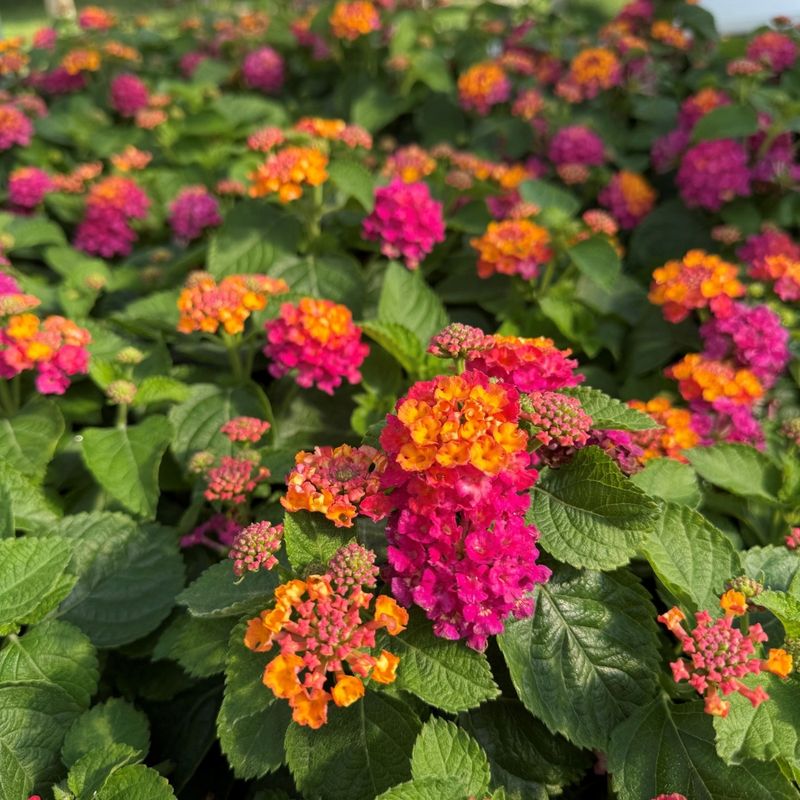
Butterflies seem to have a favorite hangout in Texas gardens, and it is often lantana. This tough plant blooms in bright orange, yellow, pink, and purple. It shrugs off heat and drought that would wilt many other flowers.
By October, your lantana might look big and a bit wild. You may feel the urge to trim it down to a neat mound. Resist that urge for now.
Those stems serve a real purpose in winter. Leaving them in place helps protect the crown and roots from freezing weather.
The woody growth acts like a cozy blanket over the base of the plant. In many parts of Texas, lantana loses its top growth in a freeze but returns from the roots in spring.
If you cut it back too early, you remove that natural shield. Cold air can then reach the crown more easily. A harsh winter could leave you waiting a long time for new shoots, or wondering if they will ever show up.
So when is the right time? Wait until spring, after your last frost date has passed. Look for little green shoots near the base. Once you see them, cut the old stems down to a few inches above the ground.
Fall still offers plenty to enjoy. Lantana often keeps blooming until the first freeze, feeding migrating monarchs along the way. Those late flowers are a big help to butterflies heading south to Mexico.
Add some mulch around the base for extra warmth. Then sit back and watch the butterflies. Spring cleanup can wait.