What Slow Fall Growth In Your North Carolina Garden Says About Your Soil pH
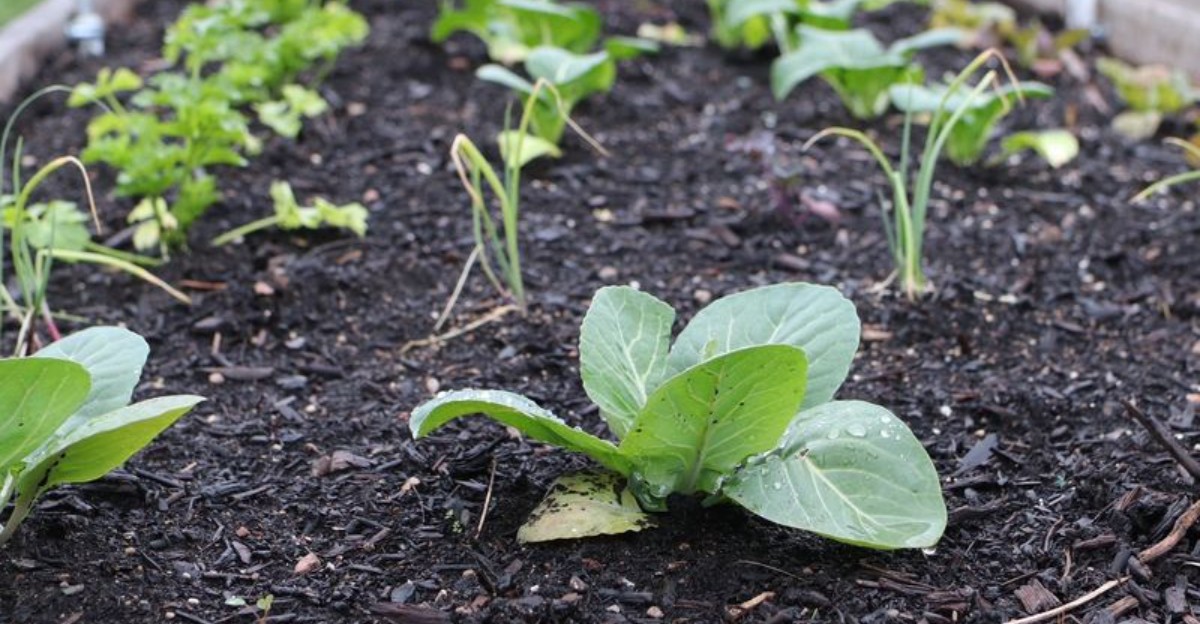
Your fall plants are in the ground, the weather is right, and nothing seems to move. Leaves stay small. Color looks pale.
Growth crawls. Most gardeners blame the weather or the seeds. But the problem may be hiding in the soil itself.
Soil pH controls how well roots can take up nutrients. When the number is off, plants can sit in rich ground and still go hungry. Cooler fall temperatures make this worse, because roots already work more slowly.
North Carolina soils range from acidic clay to sandy coastal ground, so guessing rarely works. Slow growth is often a clue pointing straight to pH. Learning to read it can save a whole fall garden.
1. Slow Fall Growth Isn’t Always About pH
Take a deep breath before you blame your soil. A fall garden simply moves at a slower pace than a summer one, and that is perfectly normal. Even the best soil in the world cannot make lettuce race in November.
Plants run on sunlight and warmth. As days get shorter and nights grow cooler, they make less energy, so new leaves appear more slowly and roots spread at a gentler rate. Your kale may look like it is standing still, yet it is still growing, just quietly.
So how can you tell normal slowing from a real soil issue? Start by comparing your crops with what is expected for the season. Seed packets list days to harvest, but those numbers usually assume warmer weather, so fall crops often take a week or two longer.
Next, look for clues that point to trouble. Plants that are much smaller than the same crop in a neighbor’s garden or another bed deserve a closer look.
Leaves that turn yellow or purple, or plants that barely respond after you feed them, can hint at a soil problem rather than a weather one.
Here in North Carolina, October and November bring crisp nights and shrinking daylight from the mountains to the coast.
Collards, spinach, pansies, and other fall favorites naturally shift into a lower gear during those weeks. Knowing this helps you avoid adding extra fertilizer or lime when nothing is actually wrong.
A simple notebook can help a lot. Jot down planting dates, weather, and how your crops look each week. After a season or two, you will know exactly what normal looks like in your own backyard, and real warning signs will stand out quickly.
2. Acidic Soil Locks Up Key Nutrients
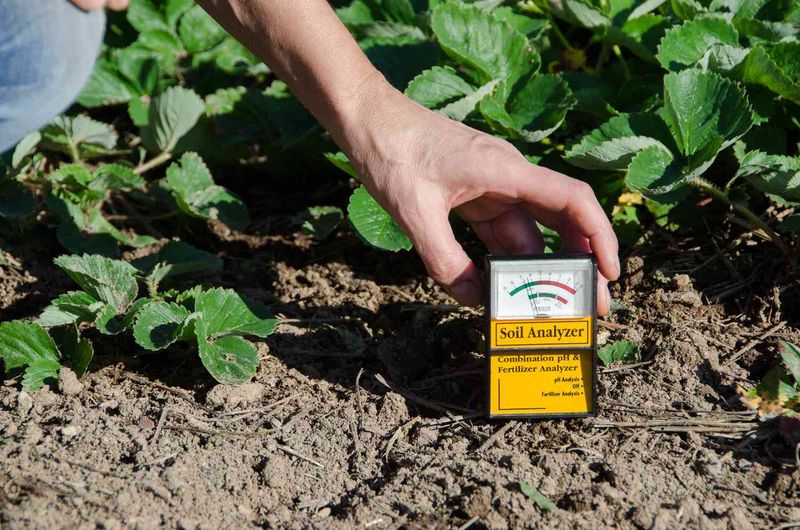
Imagine a pantry full of food behind a locked door. That is what acidic soil can do to your plants. The nutrients are sitting right there, but roots have a hard time reaching them.
When soil pH drops too low, important nutrients like phosphorus, calcium, and magnesium become less available. Phosphorus helps roots grow and plants build energy.
Calcium builds strong cell walls, and magnesium sits at the center of the green pigment plants use to catch sunlight. Without enough of these, growth slows even when the soil technically contains plenty of them.
Your North Carolina Garden Changes Every Week. Your Plan Should Too.
Gardening in North Carolina changes quickly throughout the season. Every Friday you’ll receive a simple weekly plan showing exactly what to plant, prune, fertilize, harvest, and protect so you never miss the right timing.
The good news is that this problem has a clear fix. First, test your soil so you know its actual pH. Guessing can lead you to add too much or too little lime, and neither helps your garden.
Most vegetables grow best when soil pH sits around 6.0 to 6.5. If your test shows a lower number, apply lime at the rate the report recommends. Lime gently raises pH over time, and that unlocks those trapped nutrients for your plants to use.
Many gardeners like dolomitic lime because it adds magnesium along with calcium. Your soil test will tell you if your ground needs that extra magnesium boost.
North Carolina gardeners deal with this a lot. Many soils across the state, from Piedmont red clay to sandy Coastal Plain ground, are naturally acidic because of heavy rainfall and the type of rock they formed from.
That is why lime is such a common part of growing vegetables and keeping lawns green here. A little correction can turn a sluggish bed into a thriving one.
3. Very Acidic Soil Can Stunt Roots
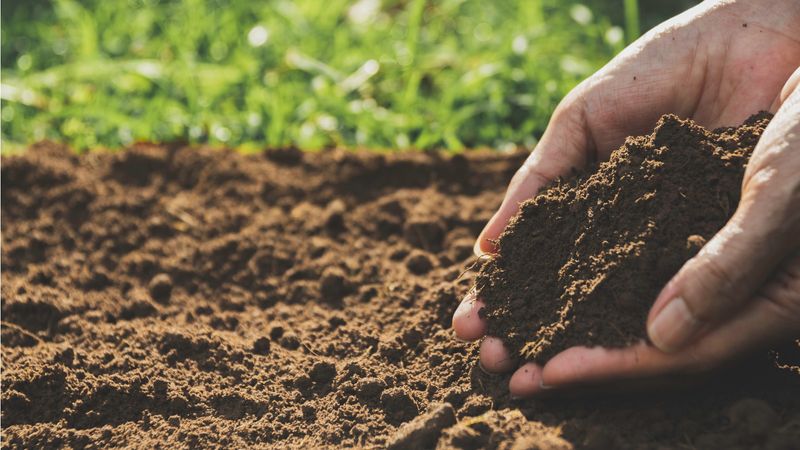
Roots tell the real story. A plant can look fine above ground for a while, but if its roots are struggling, slow growth will follow. Very acidic soil is one of the sneakiest reasons roots stay small.
Here is what happens underground. When pH drops very low, often below about 5.0, elements like aluminum and manganese dissolve more easily in the soil water.
At high enough levels, aluminum harms the tips of roots, which are the parts that grow and explore for water.
Too much manganese can also cause harm, mostly to leaves. The result is a short, stubby root system that cannot feed the plant well.
Want to check for yourself? Gently pull up one struggling plant, ideally a weaker one you would thin out anyway. Shake off the soil and look closely.
Healthy roots spread out with plenty of fine branches, while affected roots look thick, short, and poorly developed.
Compare that plant with the same crop growing in a different bed or spot. If one area thrives and another lags, soil chemistry could be the difference.
Still, roots can also be stunted by compacted soil, poor drainage, or pests like nematodes, so do not jump to conclusions.
That is why a soil test should come before any lime. The test confirms whether pH is truly low and tells you how much lime to add.
In North Carolina, untreated soils, especially newly opened garden spots or land that was once woods, can be acidic enough to cause these root problems. Correcting pH gives roots room to stretch, and stronger roots mean happier plants all season long.
4. Purple Or Yellow Leaves Can Point To pH Problems
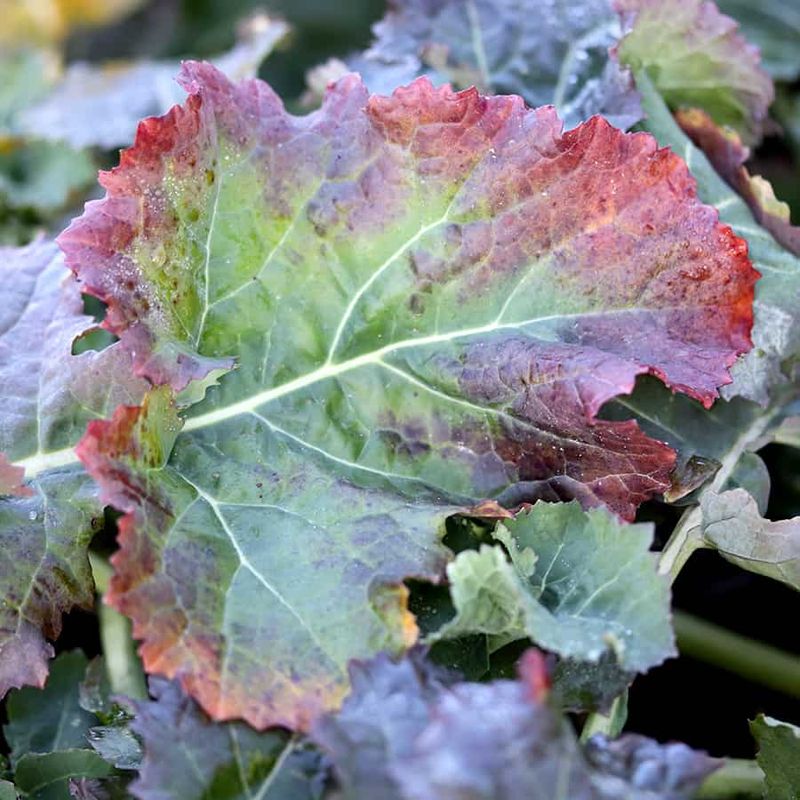
Leaves are like little message boards. When their color shifts, your plants may be trying to tell you something about the soil beneath them. Learning to read those colors is a handy garden skill.
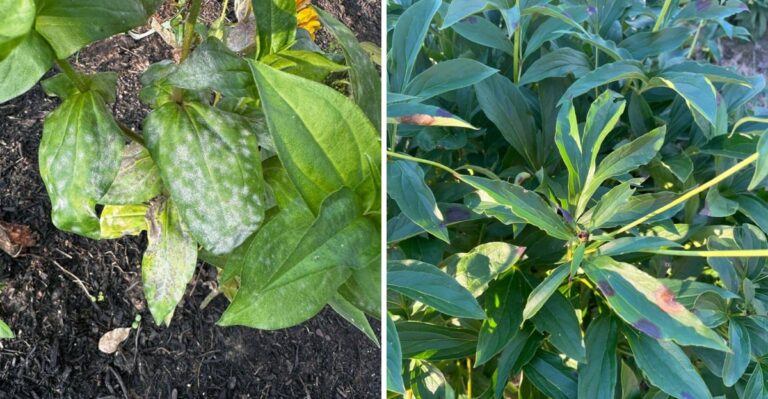
Purple leaves often signal that a plant is not getting enough phosphorus. Since acidic soil makes phosphorus harder to absorb, purpling can be an early sign of low pH.
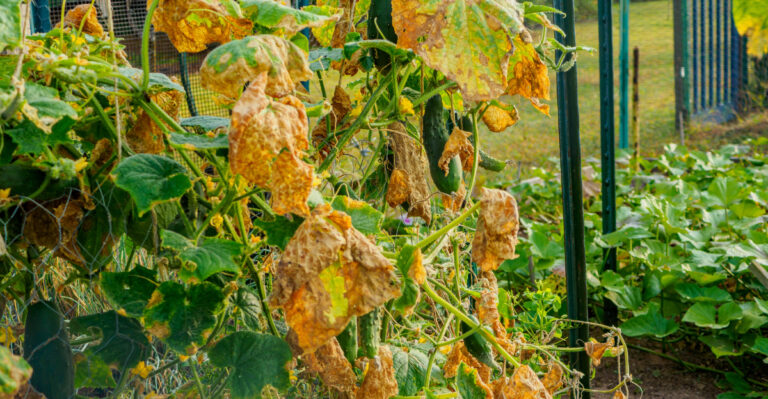
Yellow leaves have more possible causes, including low nitrogen, magnesium, or other nutrients whose availability depends on pH.
There is a catch, though. Cool weather alone can cause some purpling, because cold soil slows how fast roots take up phosphorus. Some plants, like certain kale and cabbage varieties, also turn purple naturally, so color by itself does not prove a soil problem.
Be a garden detective. Notice which leaves are affected first. Problems on older, lower leaves often point to nutrients like nitrogen, phosphorus, or magnesium, which plants move toward new growth when supplies run short.
Yellowing on newer leaves can suggest a different issue, such as iron or sulfur.
Also check whether the whole bed shows the same signs or just a few plants. Bedwide symptoms suggest a soil issue, while scattered ones may come from pests, disease, or watering problems. Once you have your notes, confirm with a soil test instead of guessing.
North Carolina falls make these clues extra noticeable. Chilly nights in October and November, paired with naturally acidic soils, can push leaf colors to change fast.
Knowing the difference between a cold snap and a true soil issue keeps you from making costly fixes you do not need.
5. Fertilizer May Not Be Working Like It Should
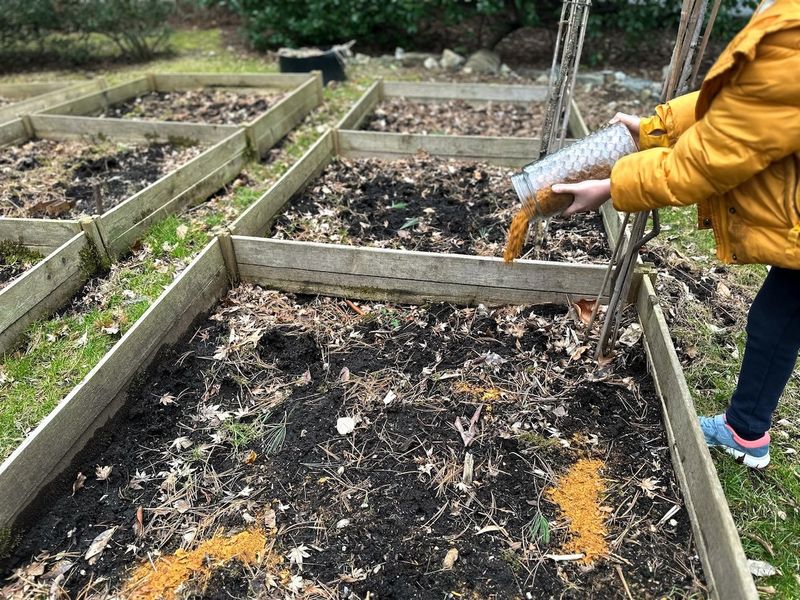
More fertilizer is not always the answer. Plenty of gardeners see slow growth, grab the bag, and sprinkle on another round, only to see little change. If that sounds familiar, soil pH might be the hidden reason.
Fertilizer works best when soil pH sits in the right range for your crops. When pH is far too low or too high, plants cannot take up some nutrients efficiently, no matter how much you add. It is a bit like pouring water into a cup with a lid on it.
Piling on extra fertilizer brings its own trouble. It can waste money, build up salts that stress roots, and wash into nearby streams and rivers after heavy rain. Your plants will not thank you for it.
A smarter path starts with a soil test before you buy more fertilizer. The report shows your pH plus levels of key nutrients, so you know what your garden really lacks.
Sometimes the soil already has plenty of phosphorus or potassium, and you only needed to adjust pH.
If the test says pH is off, correct it first. Add lime to raise low pH, or follow the advice in your report if pH runs high. Once that is in place, fertilize based on the recommendations, using the amounts and types listed for your specific crops.
For North Carolina gardeners, this order of steps makes a real difference. With so many acidic soils across the state, fixing pH is often the first step in getting full value from every bag of fertilizer. Your plants grow better, and your wallet stays a little heavier.
6. Struggling Cabbage Family Crops May Have Clubroot
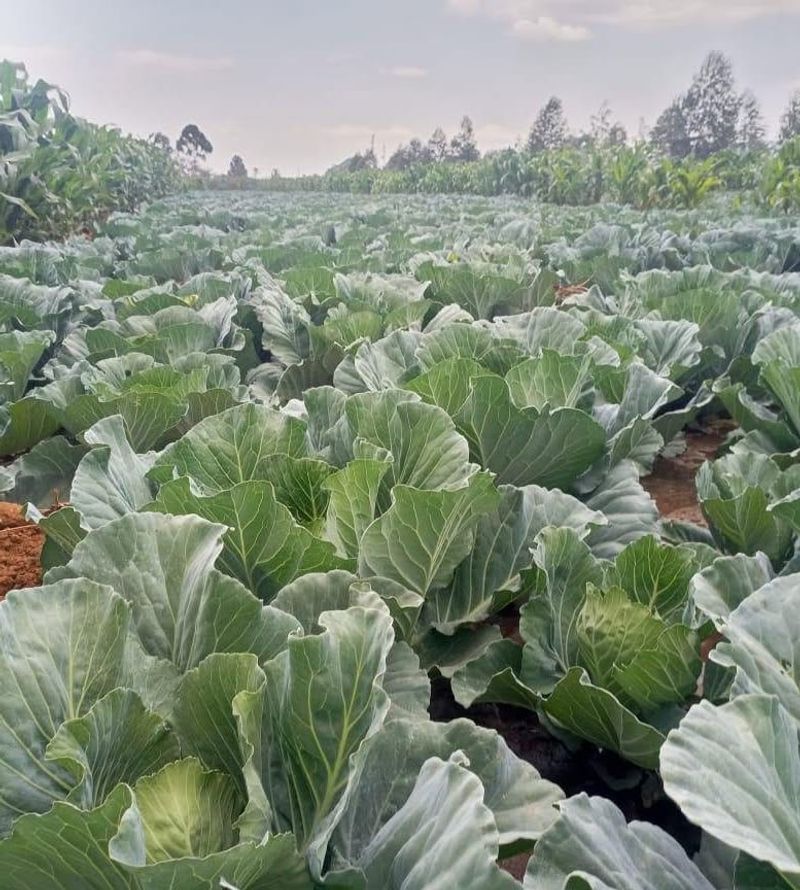
Broccoli wilting at noon on a cool fall day? That odd sight could point to clubroot, a soil-borne disease that loves acidic ground. It attacks cabbage, broccoli, kale, collards, cauliflower, turnips, and other members of the cabbage family.
Clubroot is caused by a tiny organism that lives in the soil and infects roots. Infected roots swell into thick, twisted shapes that look like clubs or knobby fingers.
Those damaged roots cannot move water and nutrients well, so plants wilt during the day, perk up at night, turn yellow, and grow slowly.
Checking is simple. Pull up a weak plant and look at the roots. Healthy brassica roots are fairly slender and branched, while clubroot leaves them swollen and lumpy.
If you find clubroot, act quickly. Remove infected plants, roots and all, and throw them in the trash instead of the compost pile. Clean tools and boots so you do not carry infected soil to other beds.
The organism can survive in soil for many years, so avoid planting any cabbage family crops in that spot for several years.
Grow lettuce, beans, onions, or flowers there instead. Meanwhile, raise soil pH with lime as your soil test recommends, since a pH around 7.2 makes it much harder for clubroot to take hold.
This matters a great deal in North Carolina, where collards, cabbage, and broccoli rank among the most loved fall crops.
Pair that popularity with widespread acidic soils, and you have a setup clubroot enjoys. Smart rotation and proper liming keep your brassicas strong and your fall harvest full.
7. Fall Is The Right Time To Test And Lime
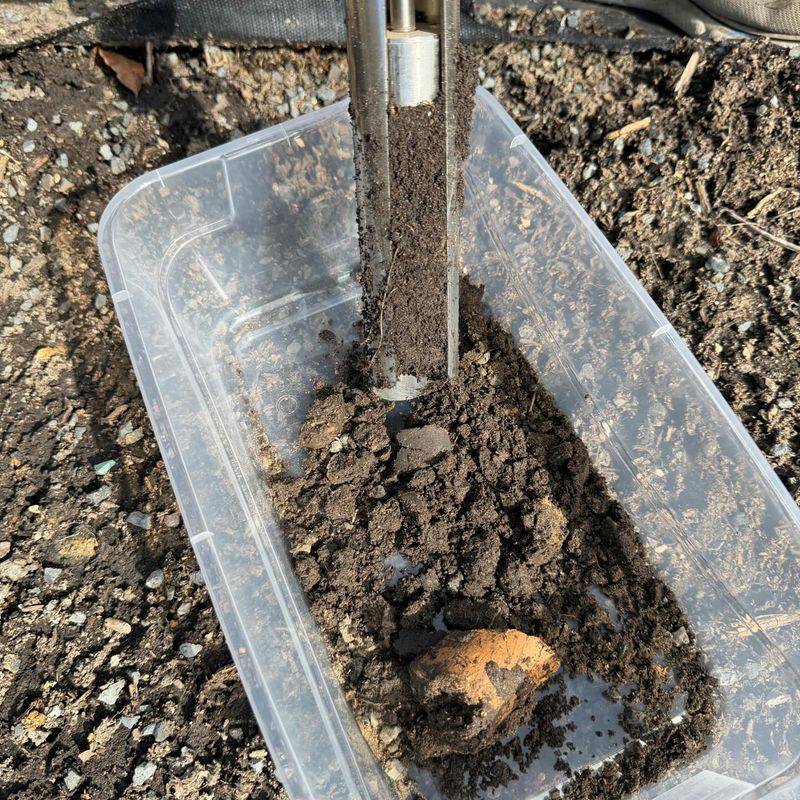
Timing is everything with lime. Unlike fertilizer, which works fairly fast, lime reacts slowly with soil. It can take several months to change pH in a meaningful way.
That slow pace is exactly why fall shines. Apply lime in October or November, and winter rain helps it work into the soil. By the time spring planting rolls around, your beds are ready for tomatoes, peppers, and beans.
Getting started is easy. Pick up free soil sample boxes and forms from your local N.C. Cooperative Extension county center.
Each box holds one sample, so plan one box for each garden area, such as the vegetable bed, the lawn, and the flower border.
To collect a sample, dig small amounts from about 10 to 15 spots in one area, going roughly 4 to 6 inches deep for gardens. Mix them in a clean plastic bucket, then fill the box. Label it clearly and fill out the form with the crop you plan to grow.
Send your boxes to the North Carolina Department of Agriculture and Consumer Services soil testing lab in Raleigh. Results come back with a clear report, including how much lime to apply. Follow those numbers closely for the best results.
Here is a money tip. The lab charges a small fee per sample during its busy season, roughly December through March, but testing is generally free the rest of the year for North Carolina residents.
Sending samples in early fall helps you skip that fee and get faster results. Best of all, the state tailors its advice to local soils and crops. Few gardeners anywhere get such helpful guidance so easily.