November Cold-Weather Readiness for Your Arizona Lemon Tree
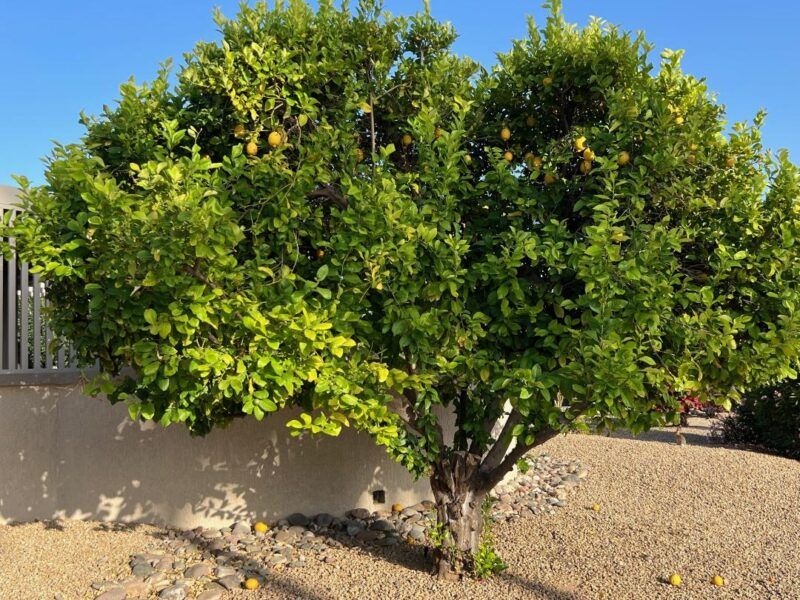
Lemon trees look tough in the desert sun, but a cold night can catch them off guard. November is when many Arizona yards start to see the first chilly evenings.
A little planning now can spare your tree some stress. Here is what to do, what to skip, and what no chore can promise.
A November check can reduce risk, not set next year’s harvest
No single November chore has been shown to decide how many lemons your tree makes next year. Anyone promising that is overselling.
The better November goal is getting ready for cold.
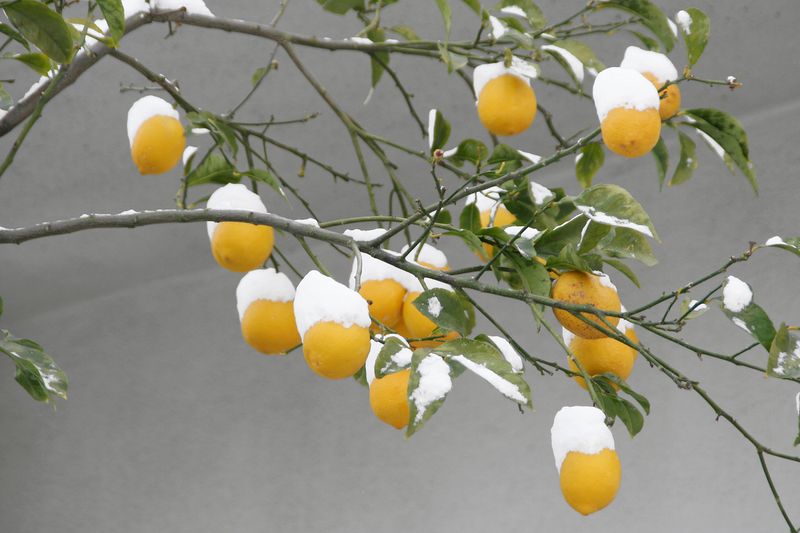
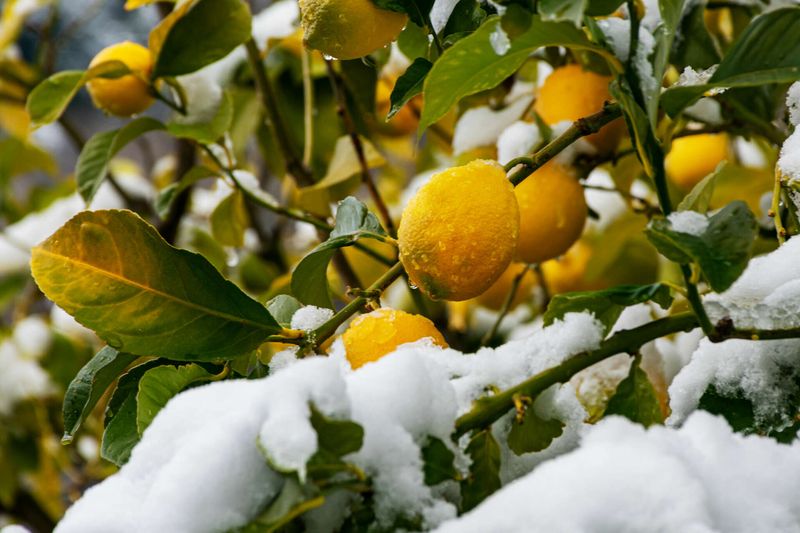
Lemons are among the least cold-tolerant citrus trees. According to Arizona Extension guidance on protecting citrus from cold, lemons can suffer damage below 25°F.
Cold can also harm the fruit and the dormant flower buds that sit on the branches. That is why a quick readiness check makes sense, even in a warm low desert city.
Think of it as lowering your risk, not buying a bigger harvest. Your tree’s age, location, and the kind of cold night we get all matter.
Even a University of Arizona lemon nitrogen trial compared yearly fertilizer treatments. It did not test a special November task or show that one month sets the next crop.
Prepare protection before a cold night
Have your covering supplies sitting by the back door before the forecast turns cold. For a small tree, Extension frost protection advice says a cover traps warmth best when it reaches the ground, with no gaps for heat to escape.
In the morning, take off sheets or blankets once the temperature underneath reaches 50°F. Frost cloth may be fine to leave on longer, depending on its specifications, so check the label.
A young tree has another need: its trunk. A loose wrap of weatherproof paper or cloth can run from the ground up to the lower branches and stay in place through winter, as described in the Extension cold protection publication.
Neither method promises zero damage. A cover helps most on a calm, clear frost night, and a wind-driven freeze is a tougher challenge.
Water the root zone according to conditions
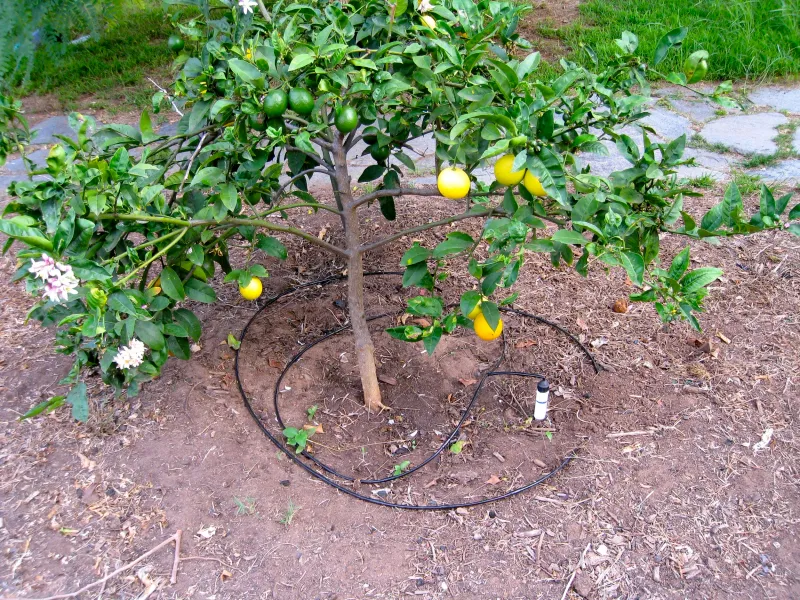
Cooler days mean your tree needs water differently than in July, but there is no one schedule for every yard. Tree age, soil type, recent weather, and your irrigation method all shape the right timing.
Extension’s citrus irrigation guide says to wet the soil from the trunk to beyond the drip line, to at least two feet deep. That reaches the roots that actually feed the tree.
For October through November, the guide lists intervals of 10 to 14 days for trees 1 to 2 years old, and 14 to 21 days for trees 3 years or older. Treat these as guidelines for the irrigation methods the source specifies, not rules for every yard.
Before changing anything, check the soil. Push a probe or long screwdriver down and see how moist it is at depth.
Sandy soil dries faster than heavy clay, and a rainy week may let you skip a turn. Do not add extra water without looking at these conditions first.
Your Arizona Garden Changes Every Week. Your Plan Should Too.
Gardening in Arizona changes quickly throughout the season. Every Friday you’ll receive a simple weekly plan showing exactly what to plant, prune, fertilize, harvest, and protect so you never miss the right timing.
November is not the lemon’s fertilizer window
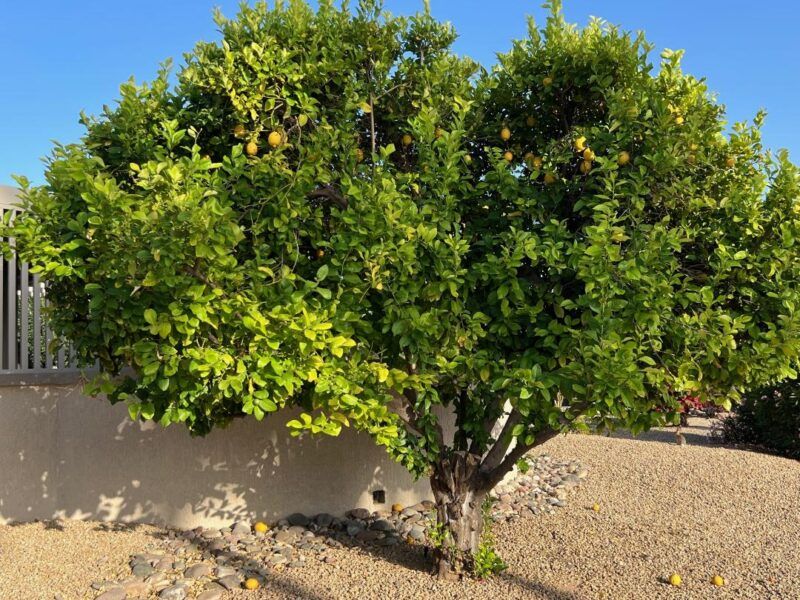
It is tempting to feed a tree in hopes of more lemons next year. In November, that backfires.
Arizona’s November gardening guide for Pima County says not to fertilize citrus now, because fertilizer can push soft new growth that cold can easily damage.
Lemons do have good windows. The Arizona citrus fertilization chart lists lemon and lime feedings in January to February, March to April, and August to September.
Mark those on your calendar and let November pass.
Fertilizer can matter for yield over time. Still, a lemon nitrogen trial compared annual treatments and found yield differences among them.
It did not test a November application, so it gives no reason to feed now.
Save extensive citrus pruning for spring
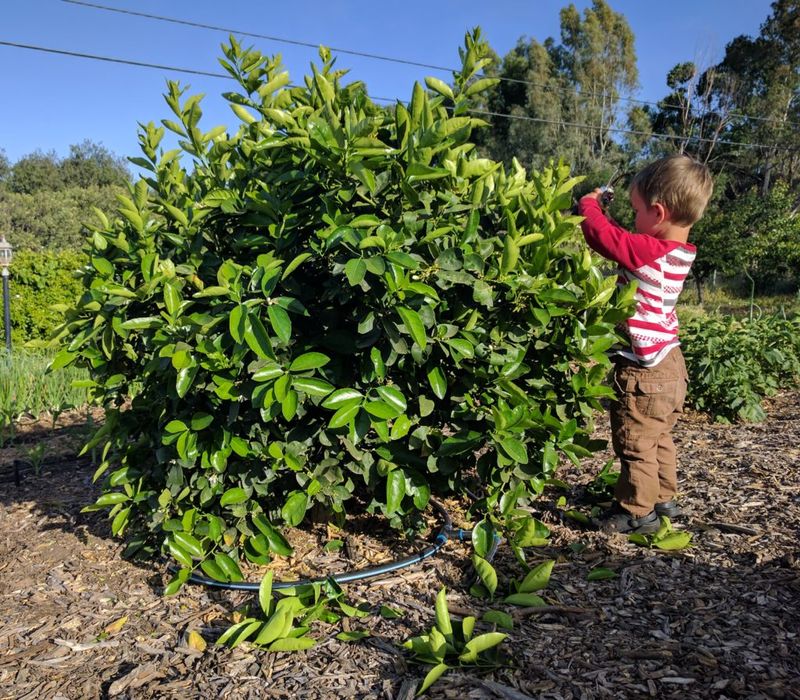
A big haircut may seem like a way to wake the tree up for a larger crop. It is not a reliable one.
Heavy cutting can trigger fresh growth, and that tender growth is exposed when a freeze arrives.
Extension’s citrus pruning guidance suggests regular pruning in spring, generally February to April in desert areas. It also advises against extensive pruning from November through January.
The key word is extensive. Light maintenance is a different matter and does not carry the same risk as removing a large share of the canopy.
If you are unsure, wait for the spring window.
For now, leave the canopy intact. Those leaves also help shelter the tree on a cold night.
Match your cold-weather plan to your location
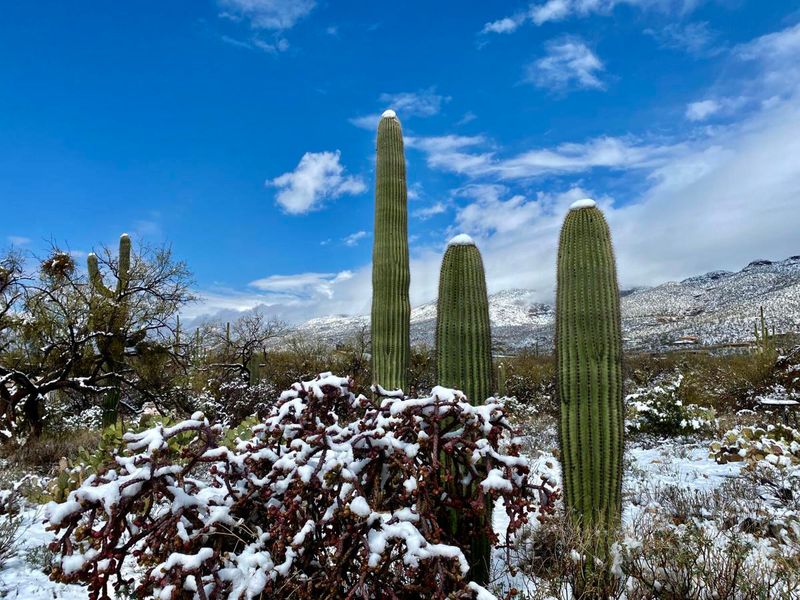
Cold protection lowers risk. It cannot promise a bigger harvest, because results depend on the actual cold event and your tree’s circumstances.
A sheltered tree near a south-facing wall faces a different night than one in an open, windy yard, as the Extension cold protection guide suggests.
Timing varies too. The Tucson-area Pima County guide says first frost sometimes arrives in mid-to-late November.
That reflects Pima County, not a forecast for all of Arizona.
Get covers ready, water to match your soil and weather, and hold fertilizer and heavy pruning until their windows.
A lemon tree rewards patience more than November heroics.