Does Arizona Mint Really Help Mosquitoes Lose Your Trail?
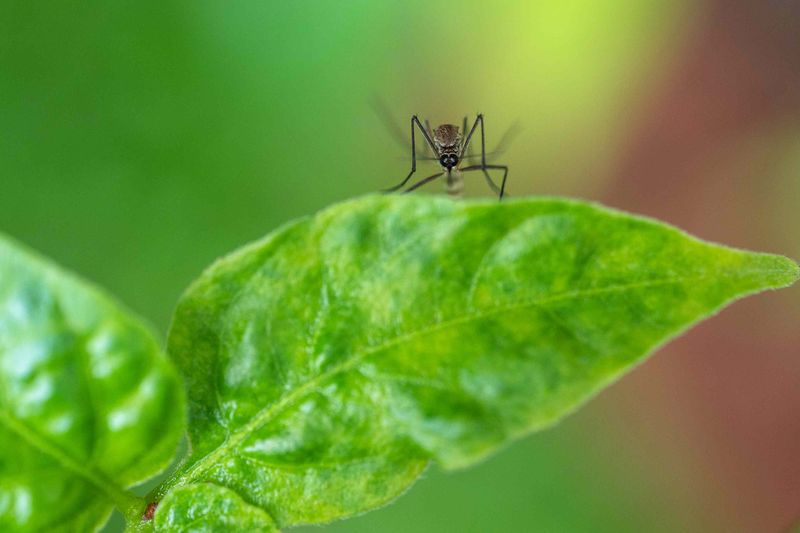
Mint smells amazing, and plenty of people hope it can keep mosquitoes away from the patio. The idea sounds neat, but mosquitoes are better trackers than a leafy pot might suggest.
Here is what mint has and has not been shown to do, how to grow it in Southern Arizona, and what works better for fewer bites.
Does mint make mosquitoes lose your trail?
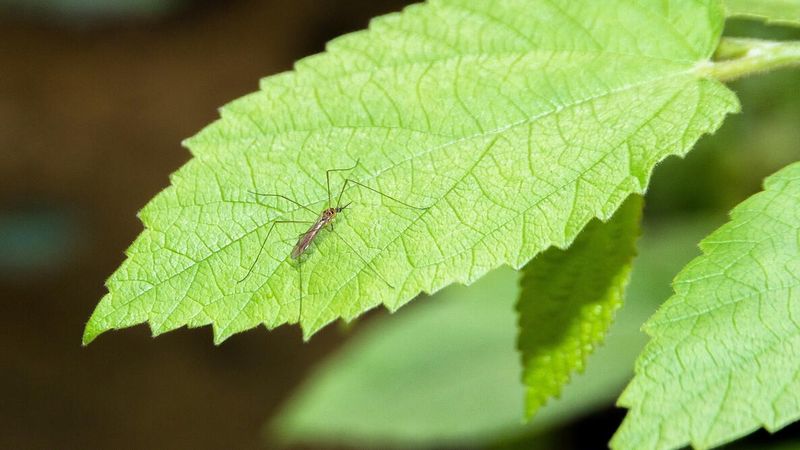
Nobody has shown that a living mint plant makes mosquitoes lose a person’s trail. The catchy idea is that mint scent floods the air and turns a mosquito’s scent map into static.
Real mosquito behavior is more complicated than that.
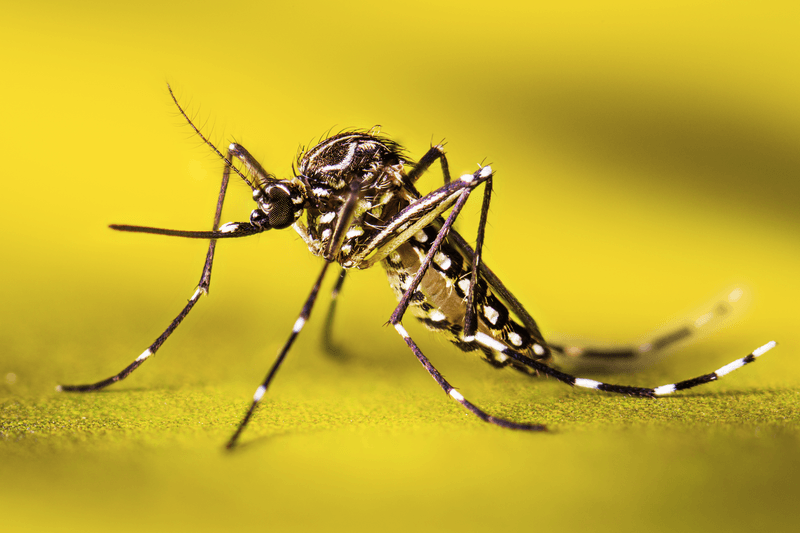
Mosquitoes hunt with several signals at once. Research on mosquito attraction to humans describes how carbon dioxide from your breath, skin odors, body heat, and visual cues work together to guide them toward a person.
Because scent is only one piece of that puzzle, a pleasant plant smell cannot be assumed to erase the others. Your breath still gives you away, and your warm body still stands out.
A pot of mint on the table does not change that.
So the fair question is not whether mint scrambles the trail, but whether it does anything measurable at all outdoors. For a living plant on a patio, that has not been shown.
Peppermint oil passed a narrow test
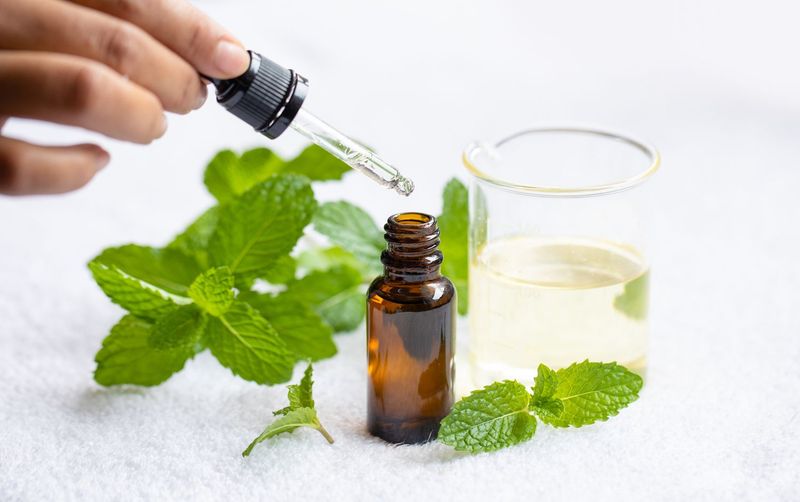
Mint’s mosquito reputation has a real root. In a human-bait study of peppermint essential oil, the oil was applied to volunteers’ arms and tested against Aedes aegypti mosquitoes.
Researchers reported 150 minutes of complete protection under those test conditions.
That is a specific result, and each detail matters. The product was essential oil, not leaves.
It went onto skin, not into open air. The mosquito was one species, and the setting was a controlled test, not a breezy backyard.
Change any of those pieces and the result may change too. A finding about oil on an arm cannot simply be moved over to a pot of mint on a patio in Tucson or Phoenix.
Think of the study as a promising lab clue about oil, not proof that growing mint keeps bites away.
A living plant is not a tested repellent
Concentrated oil and an intact plant are very different things. Oil is packed with scent and placed right on skin.
A growing plant lets out an unmeasured amount of scent into moving, open air, and nobody has tested whether that is enough to matter.
The wider research on plant oils is also patchy. CDC guidance on complementary approaches notes that results vary by mosquito species and study method, so one finding does not cover every mosquito or every setting.
Labels can add to the confusion. EPA explains that some peppermint products are exempt from registration, and that exempt products have not been evaluated for effectiveness.
Exempt does not mean proven.
For skin protection, choose a repellent that carries an EPA registration and follow its label. Skip homemade oil mixes, and never put undiluted essential oil on your skin.
Your Arizona Garden Changes Every Week. Your Plan Should Too.
Gardening in Arizona changes quickly throughout the season. Every Friday you’ll receive a simple weekly plan showing exactly what to plant, prune, fertilize, harvest, and protect so you never miss the right timing.
Grow mint in a Southern Arizona container
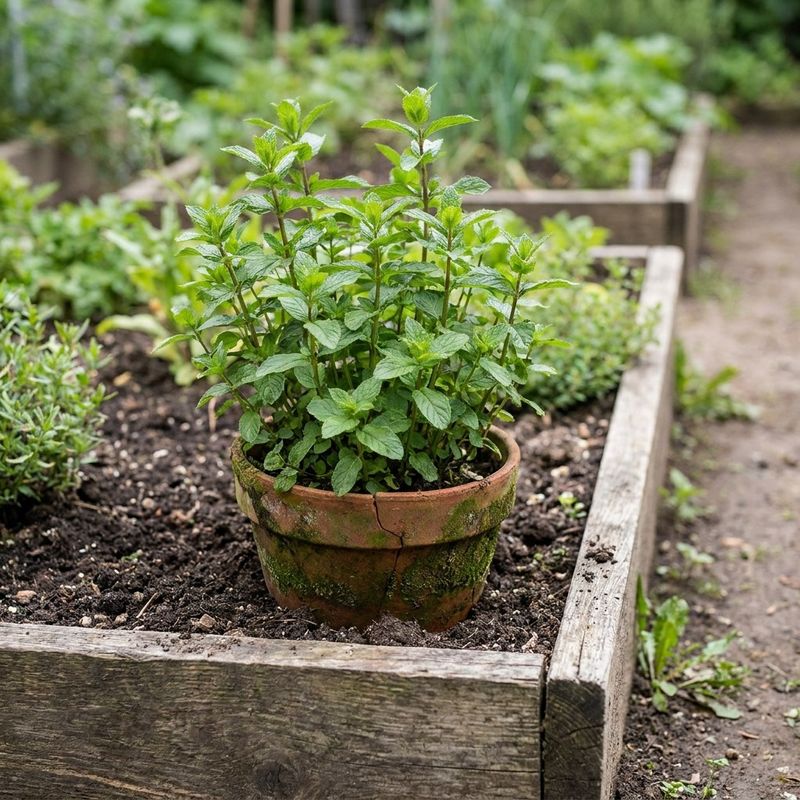
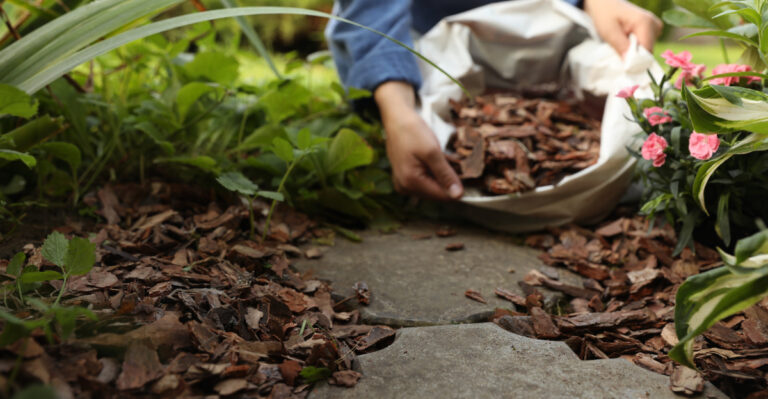
Mint is still a fun herb for tea, salads, and drinks, and it can grow in Southern Arizona. University of Arizona Extension says it does well in medium-rich soil with partial shade or full sun, and that it spreads quickly.
Keep it in a pot or another controlled spot so it does not take over.
Desert containers need extra care. Extension container guidance notes that pots dry out fast and roots can overheat in intense direct sun.
Shade the pot itself while the leaves still get light, and use a well-draining mix.
Set your expectations too. Peppermint is native to Europe, according to an Arizona herb guide, and mint likes moisture.
It is not a native, water-wise pick, so plan on regular watering checks in hot months.
Reduce bites with water management and protection
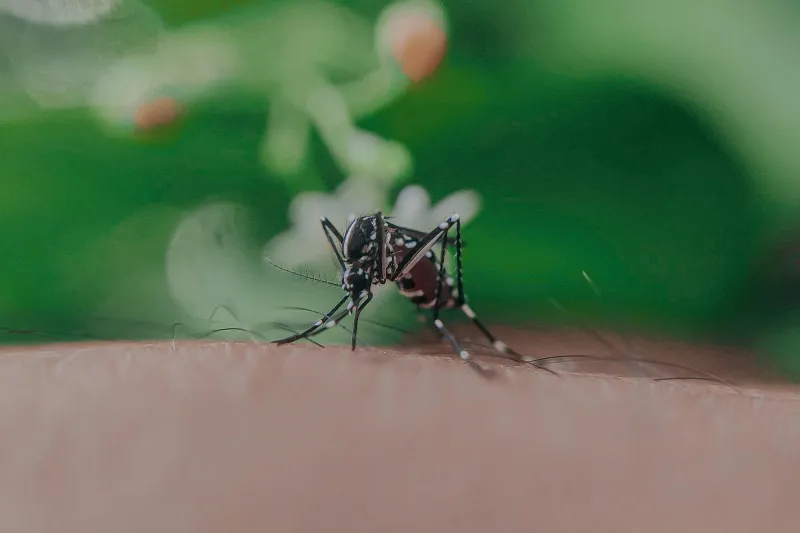
Mosquitoes need standing water to breed, so the strongest move is taking it away. Maricopa County’s backyard checklist advises not letting outdoor water stand for more than four days, and it recommends draining or removing water from common containers.
Walk your yard weekly. Empty the saucers under pots, including the one under your mint.
Check buckets, toys, birdbaths, and anything that catches monsoon rain.
Next, keep window and door screens in good repair so mosquitoes stay outside. When you are out at dusk, cover up with long sleeves and pants.
For exposed skin, CDC guidance says EPA-registered repellents have been evaluated for safety and effectiveness when used as directed. Its only botanical suggestion is a registered product with oil of lemon eucalyptus, not an untested oil or a plant in the yard.
Enjoy mint without counting on it for protection

Grow mint because you love the leaves, the fresh smell when you brush past, and the green look on a desert patio. Just do not count on it to hide you from mosquitoes.
The peppermint study was about oil on skin in a test, not a plant in a pot.
Your real protection plan is simple: dump standing water, following the county checklist, and use an EPA-registered repellent.
Let the mint make the tea, and let the saucer check make the difference.