15 Arizona Vegetables You Can Still Direct Sow in Late October for a Winter Harvest
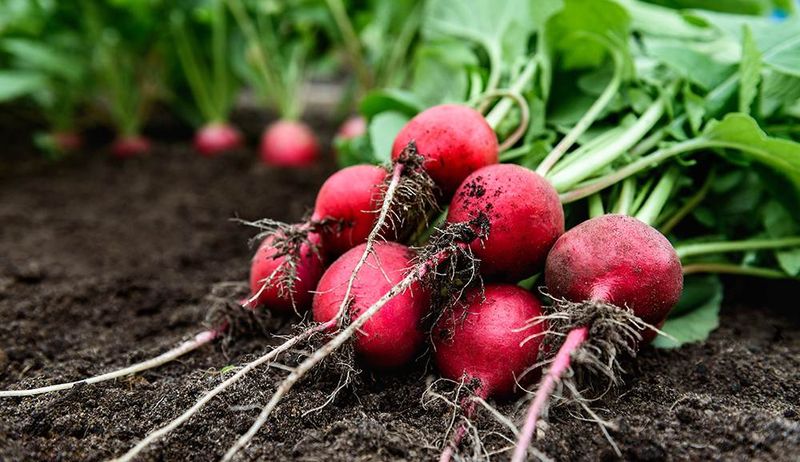
Late October in the low desert feels like a reward after a long, scorching summer. The soil is still warm, the nights are finally cooling, and seeds sprout fast without frying.
If you missed the early fall planting rush, you have not missed your chance at a garden full of fresh food. Here are 15 vegetables you can still sow straight into the ground now and start picking through the mild Arizona winter.
1. Arugula
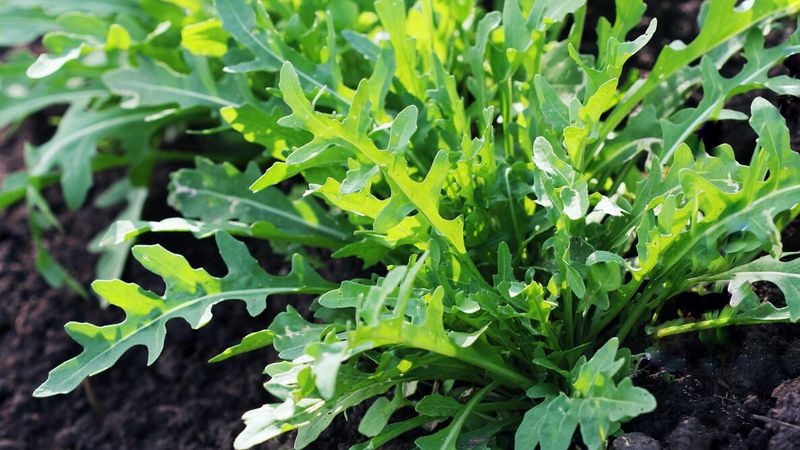
Few crops reward impatience like arugula. Scatter the seeds in late October and you may be snipping peppery baby leaves in as little as three to four weeks, long before most of your garden has done much of anything.
In the low desert, arugula loves the window between the last hot spell and the first light frost. Warm soil speeds up germination, while cooler air keeps the leaves tender and mild instead of harsh.
Sow seeds about a quarter inch deep in loose soil, and keep the top layer moist until sprouts appear.
Watering is simple once plants settle in. A light drink every few days usually does the trick in fall, and you can stretch that out as winter arrives.
Mulching with straw helps hold moisture in our dry air.
Here is a handy trick: sow a short row every two weeks through November. That way you get a steady supply rather than a giant wave all at once.
Harvest outer leaves and let the center keep growing.
When spring heat arrives, arugula bolts and sends up small cream-colored flowers. Leave a few.
Native bees and other pollinators visit them eagerly, giving your yard a bonus habitat boost before summer.
2. Beets
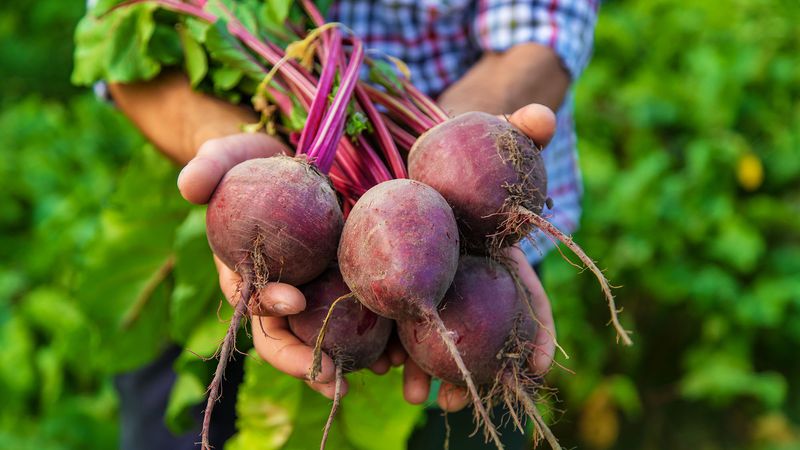
Two harvests from one seed packet sounds almost too good to be true, but beets deliver exactly that. You get earthy, sweet roots plus leafy greens that taste a lot like chard.
Beets thrive in the cool soil that settles in across Phoenix and Tucson by November. Direct sow them half an inch deep and about two inches apart.
Each wrinkly beet seed is actually a cluster of several seeds, so expect a few sprouts popping up together.
Thinning matters here. Once seedlings reach a couple of inches tall, snip the extras at soil level rather than pulling them, which protects the roots of neighbors.
Toss those baby greens into a salad so nothing goes to waste.
Desert soils are often alkaline and packed with caliche, which can leave roots stunted or oddly shaped. Working in compost or growing in a raised bed gives beets the loose, crumbly ground they prefer.
Most varieties are ready in about two months. Try golden or striped Chioggia types for color on the dinner table.
Beets also handle light frost with little fuss, making them a reliable choice for gardeners who want something steady in the ground all winter long.
3. Bok Choy
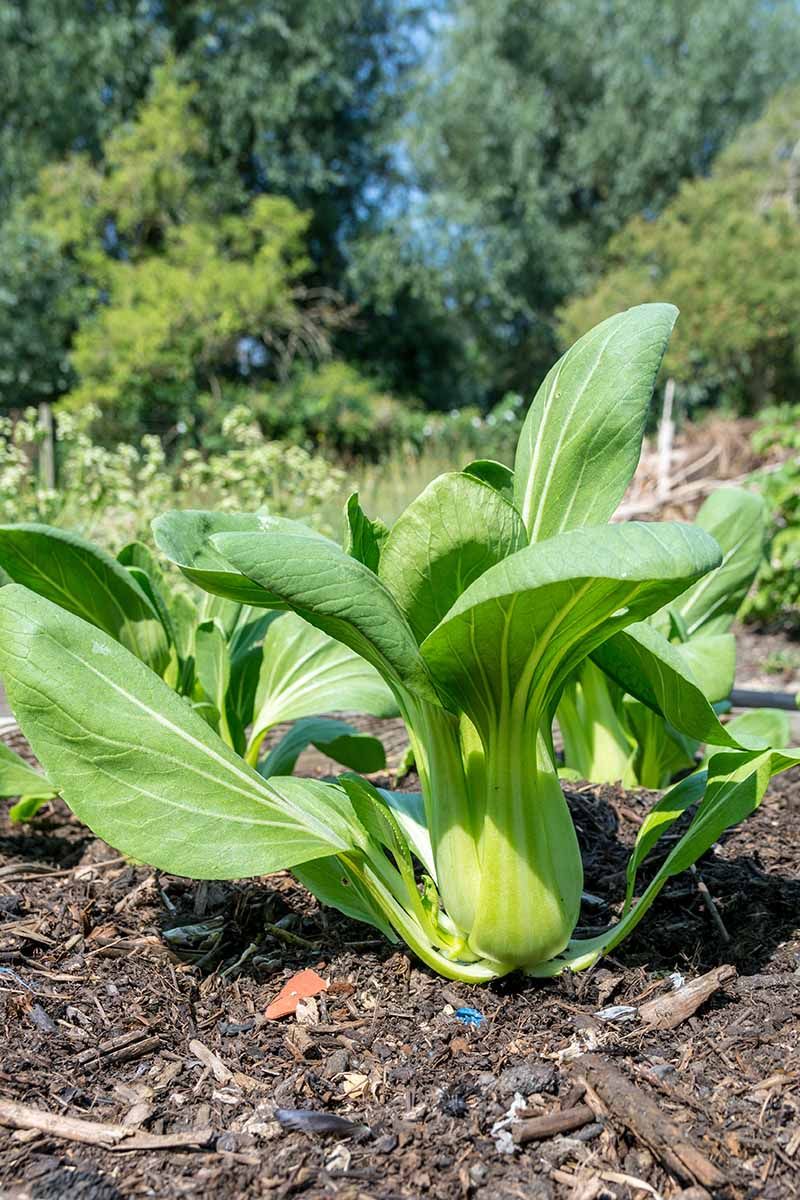
Picture a stir-fry made with greens you pulled from the yard twenty minutes earlier. Bok choy makes that dinner easy, and it grows quickly enough to land on your plate before the holidays.
Your Arizona Garden Changes Every Week. Your Plan Should Too.
Gardening in Arizona changes quickly throughout the season. Every Friday you’ll receive a simple weekly plan showing exactly what to plant, prune, fertilize, harvest, and protect so you never miss the right timing.
Crisp white stems and glossy leaves form in roughly 45 to 60 days for full heads, and baby bok choy can be ready even sooner. Sow seeds a quarter inch deep and thin plants to six or eight inches apart for full-size heads.
Cool weather is the secret. When bok choy grows in heat, it rushes to flower and turns bitter.
Late October planting in the low desert lines up nicely with the steady, mild days it craves.
Consistent moisture keeps stalks juicy. A drip line on a timer works wonders and saves water compared to overhead sprinklers that lose much of their spray to dry air and wind.
Watch for aphids clustering under leaves. A firm spray of water often knocks them loose, and lady beetles tend to show up to help if you avoid harsh sprays.
Planting a few flowers nearby may draw in even more of those helpful hunters, turning your veggie bed into a tiny working ecosystem.
4. Carrots
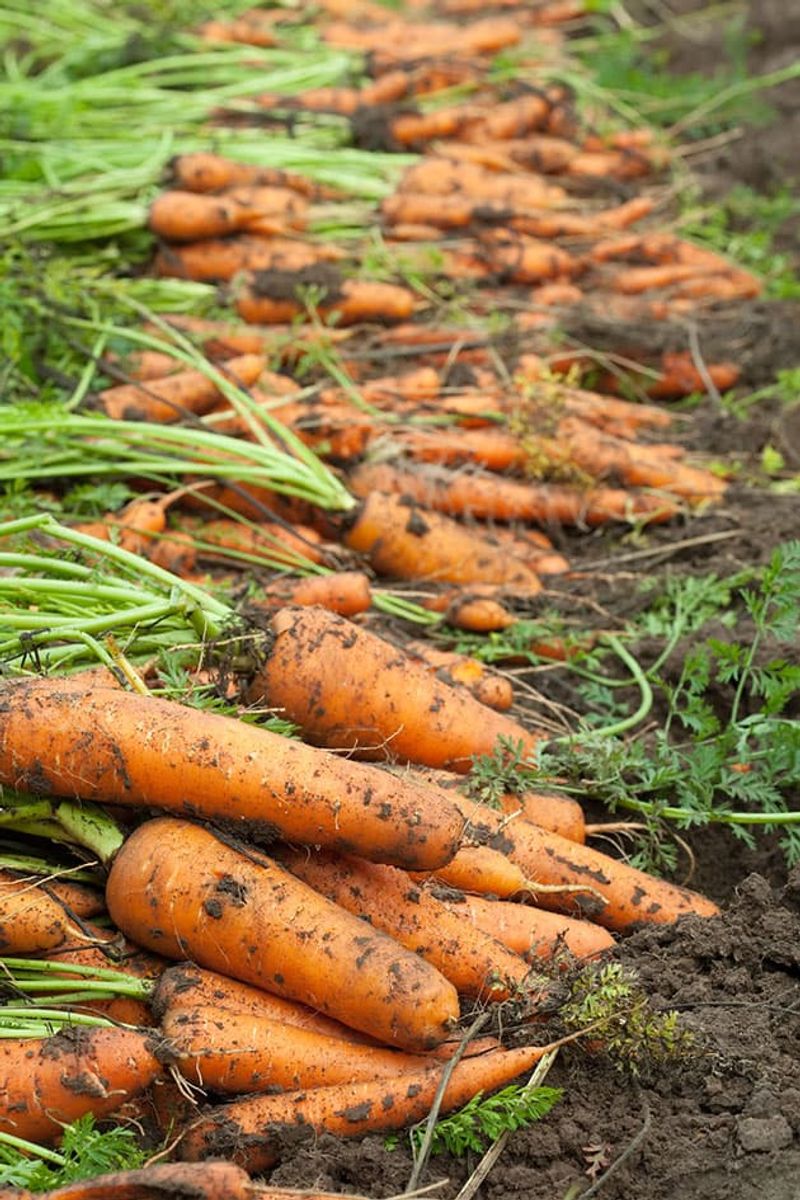
Ask any desert gardener about winter carrots and you will likely hear the same thing: they taste sweeter here than store-bought ones ever do. Chilly nights push the roots to store more sugar.
Carrots grow best in loose, sandy soil, which some Arizona yards already have. If your ground is heavy or full of caliche, a raised bed filled with a sandy mix makes a huge difference.
Short varieties like Danvers or round Paris Market types handle tougher soil better than long, skinny ones.
The tricky part is germination. Carrot seeds are tiny and slow, sometimes taking two weeks to sprout.
Sow them shallowly, barely covered, and keep the surface damp the whole time. Laying a board or burlap over the row for a few days helps hold moisture, just remove it once sprouts show.
Thin seedlings to about two inches apart so roots have space to fill out.
Patience pays off in roughly 70 to 80 days. You can leave mature carrots in the ground through winter and pull them as needed, almost like a living pantry.
If a few bloom in spring, their lacy flowers draw tiny beneficial wasps that help keep garden pests in check.
5. Celery
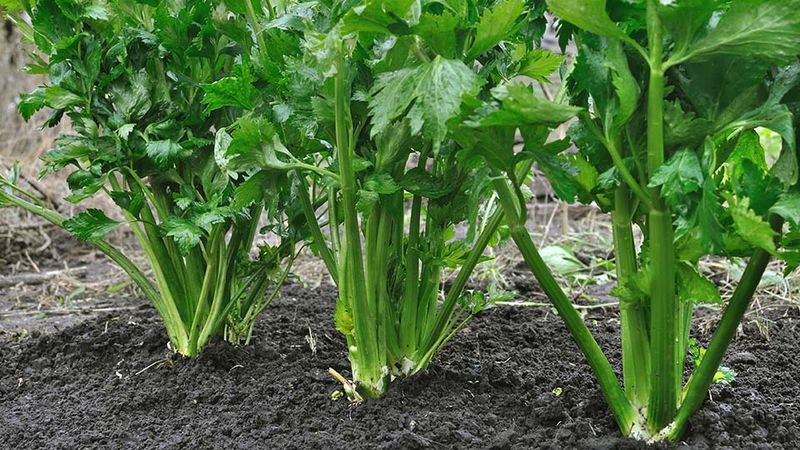
Celery has a reputation as a fussy diva, and honestly, it earned some of that. Still, low-desert gardeners who give it a try in fall often end up surprised by how flavorful homegrown stalks can be.
The key is moisture. Celery evolved in marshy places, so dry spells make stalks stringy and bitter.
A thick layer of mulch and steady drip irrigation help mimic the damp conditions it enjoys, even in our arid climate.
Seeds are very small and need light to sprout, so press them onto the soil surface instead of burying them. Keep that surface moist, which may mean misting daily for the first couple of weeks.
Germination can be slow, so do not give up early.
Celery takes its time, often needing four months or more. October sowing means harvests may start in late winter and continue into early spring, before real heat returns.
Not up for whole stalks? Cut individual outer ribs as you need them, and the plant keeps producing from the center.
Leaves are packed with flavor for soups and stocks. If plants flower in spring, the umbrella-shaped blooms attract hoverflies, whose larvae feast on aphids around the garden.
6. Swiss Chard
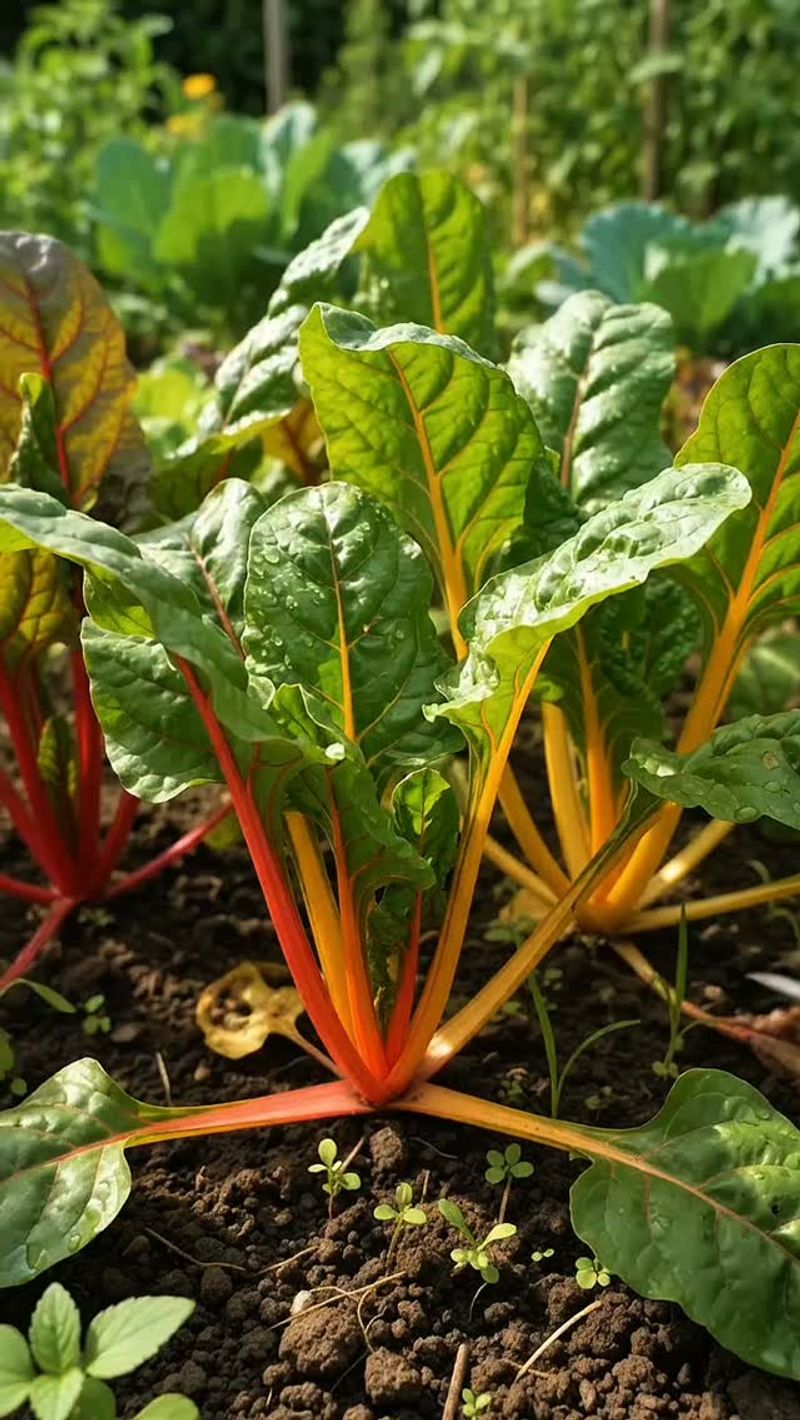
If one vegetable could be called the workhorse of the winter garden, Swiss chard would win the title. Plant it once in October and it may keep feeding you well into spring.
Chard is related to beets but grows for leaves instead of roots. Rainbow varieties bring stems in ruby red, gold, and hot pink, which look stunning tucked into front-yard beds alongside desert shrubs.
Neighbors often ask what that colorful plant is.
Sow seeds half an inch deep and about four inches apart, then thin to roughly a foot once plants grow. Like beets, each seed may produce several sprouts.
Harvesting is easy and generous. Snap off outer leaves near the base, leaving the center to push out new growth.
A handful of plants can supply a small family with greens for sautéing, soups, and wraps.
Chard is tougher than many leafy greens. It shrugs off light frost and handles warm spells better than lettuce or spinach, so it rarely sulks during a surprise 85-degree day in February.
Water deeply but less often to encourage deeper roots, which helps plants handle dry desert air and cuts down on water use.
7. Cilantro
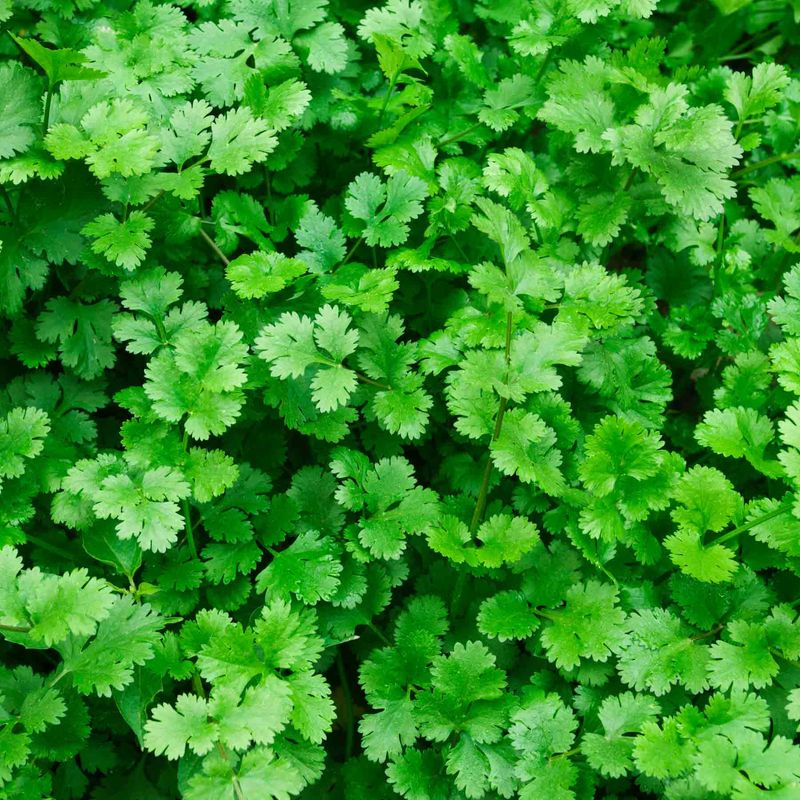
Summer in Arizona is basically cilantro’s worst nightmare. The moment temperatures climb, it bolts and goes to seed.
Winter, though, is when this herb finally relaxes and grows into full, leafy clumps.
Late October is a perfect time to sow. Crush or gently roll the round seeds before planting to help them sprout faster, then cover with about a quarter inch of soil.
Keep them moist, and sprouts usually appear within a week or two.
Cilantro does not like being moved, so direct sowing works better than transplants. Sow small patches every few weeks for a continuous harvest through the cool season.
Fun fact: the seeds are the spice coriander. If your plants eventually bolt in spring, let them set seed and collect them for cooking or for next fall’s planting.
Those flowers carry another perk. Cilantro blooms are tiny and open, which suits small beneficial insects like hoverflies and parasitic wasps.
Those visitors may help lower aphid numbers around your garden, giving you a little natural pest control.
Pair your harvest with homegrown radishes and lettuce, and fresh salsa or tacos become a backyard project.
8. Collard Greens
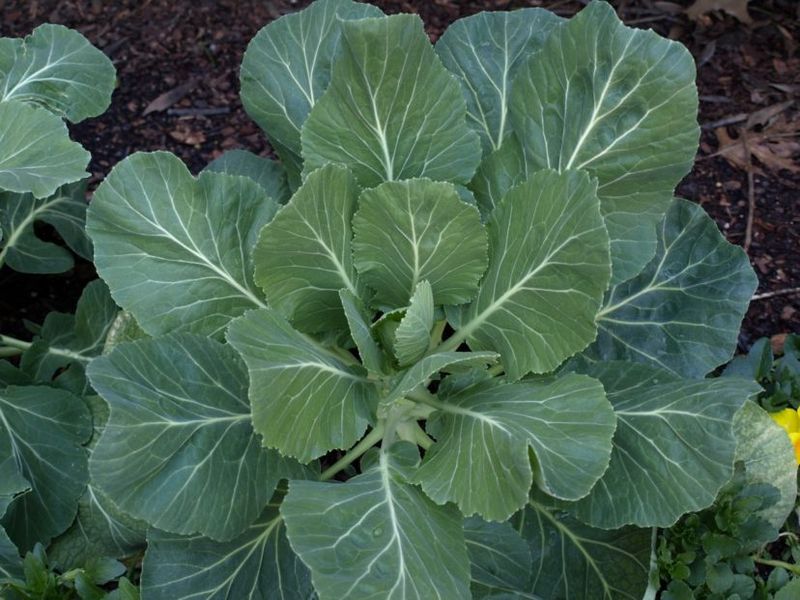
Grandma knew something when she said collards taste best after a cold snap. A light chill nudges the leaves to convert starches into sugars, softening that sharp cabbage-like bite.
Collards grow into big, sturdy plants with broad blue-green leaves. They are one of the most forgiving greens for Arizona beginners, handling both cool nights and the occasional warm afternoon without much drama.
Sow seeds about half an inch deep and thin plants to roughly 18 inches apart. They need room, because a happy collard can reach two feet tall or more by midwinter.
Harvest from the bottom up, taking the lower leaves when they reach about hand size. The plant keeps growing taller from the top, sometimes looking like a little palm tree by spring.
Cabbage loopers, small green caterpillars, may nibble holes in the leaves. Hand-picking works fine for small gardens.
Birds like verdins and wrens also tend to snack on caterpillars, so a nearby native shrub can turn your yard into a helpful hunting ground.
Collards freeze well after blanching, so a big harvest can stock your freezer for months. Slow-cooked with onions, they make a cozy winter dinner.
9. Endive
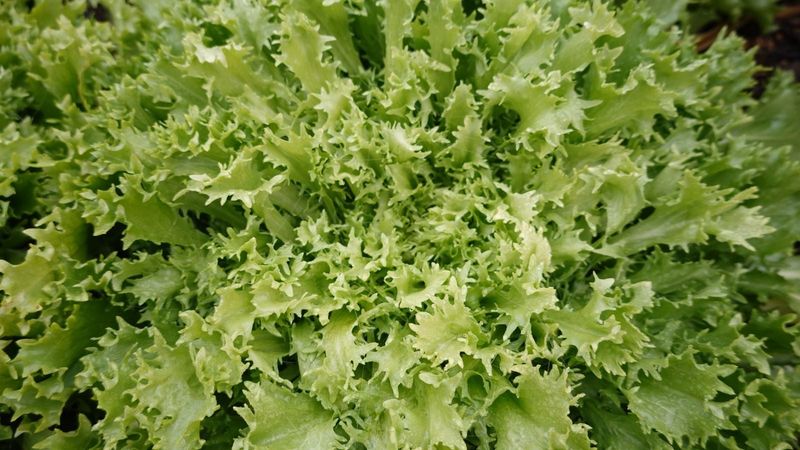
Looking for something a bit fancier than everyday lettuce? Endive brings restaurant flair to a backyard bed, with frilly or broad leaves and a pleasant, slightly bitter flavor.
There are two main types. Curly endive, sometimes called frisée, forms lacy, ruffled heads.
Escarole has wider, smoother leaves and a milder taste. Both grow well when sown in the low desert during late October.
Plant seeds about a quarter inch deep and thin to around ten inches apart. Endive likes steady moisture and rich soil, so mix in compost before planting.
Here is an old-world trick worth trying: a week or two before harvest, gently tie the outer leaves together or cover the center with an upside-down plate. Blocking light blanches the inner leaves, making them paler, more tender, and less bitter.
French gardeners have done this for centuries.
Endive handles cool nights far better than tender lettuce, so it keeps producing during chilly stretches in December and January.
Use it in salads, toss it on the grill, or wilt it into soups. Its sturdy texture holds up to warm dressings, and it adds an elegant touch when you want to impress guests with homegrown greens.
10. Kale
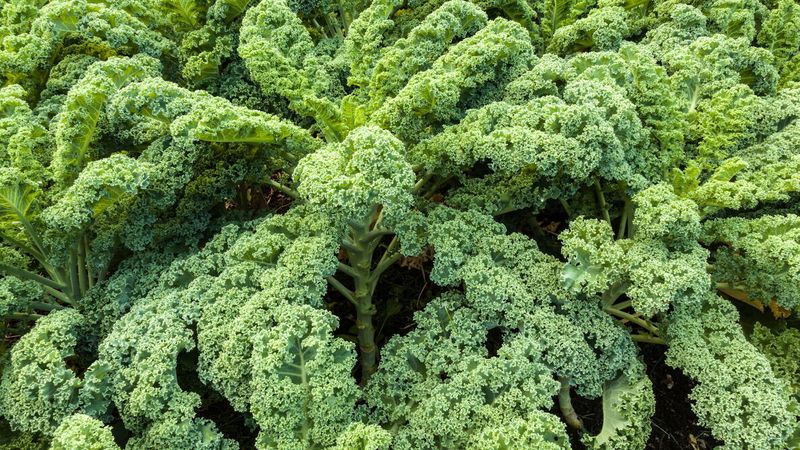
Kale fans, rejoice. Arizona winters are basically a kale spa, with mild days and cool nights that keep leaves tender and sweet rather than tough.
Varieties are fun to mix. Curly kale makes great chips, lacinato or dinosaur kale has bumpy dark leaves perfect for soups, and Red Russian offers purple-tinged stems that look lovely in the garden.
Direct sow seeds half an inch deep, then thin plants to about a foot apart. Kale grows fairly quickly, and you can start picking baby leaves within a month.
For bigger harvests, wait until plants are larger, then pick the lower leaves. A single plant may keep producing from November into April, which makes it one of the best values in your seed collection.
Kale tolerates frost easily, and a little cold actually improves its flavor. On the rare freezing night in the valley, it usually needs no cover at all.
As days warm in spring, kale sends up clusters of yellow flowers. Bees love them, and those blooms can give early pollinators a boost before desert wildflowers peak.
Leave a plant or two standing to support the buzzing visitors your fruit trees will soon need.
11. Kohlrabi
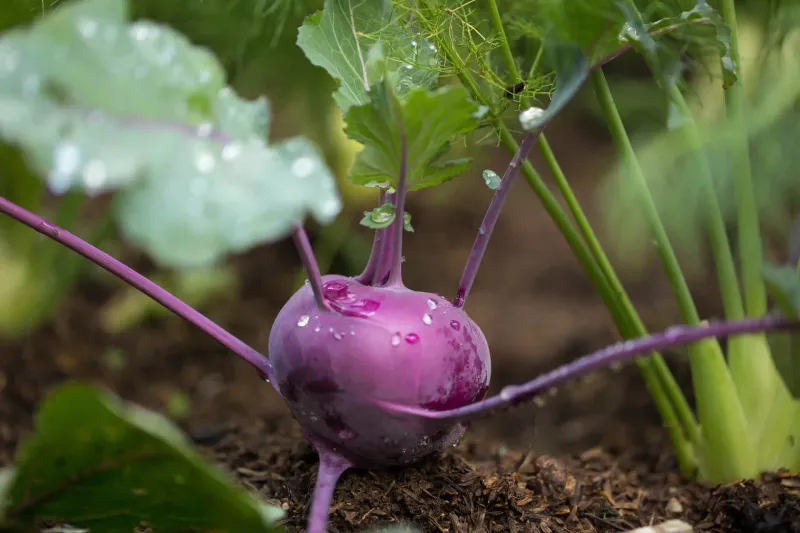
Kohlrabi looks like a vegetable designed by a cartoonist. A round, swollen stem sits just above the soil, with leaves sprouting out like little antennae.
Kids tend to find it hilarious, which can make them excited to taste it.
Flavor-wise, think of a crisp cross between broccoli stems and a sweet turnip. Raw slices are crunchy and refreshing with dip, and roasted kohlrabi turns mellow and nutty.
Late October sowing suits it well in the low desert. Plant seeds about a quarter inch deep and thin to six inches apart.
Kohlrabi is quicker than its cabbage cousins, often ready in 45 to 60 days.
Timing the harvest matters. Pick the bulbs when they reach roughly two to three inches across, about the size of a tennis ball.
Left too long, they can turn woody and tough.
Purple and green varieties both thrive here, and the purple ones add a splash of color to beds. Inside, both are pale and crisp.
Consistent watering prevents splitting. Because kohlrabi stays fairly compact, it fits nicely in smaller raised beds or large containers on a patio, making it a smart pick for limited spaces.
12. Lettuce
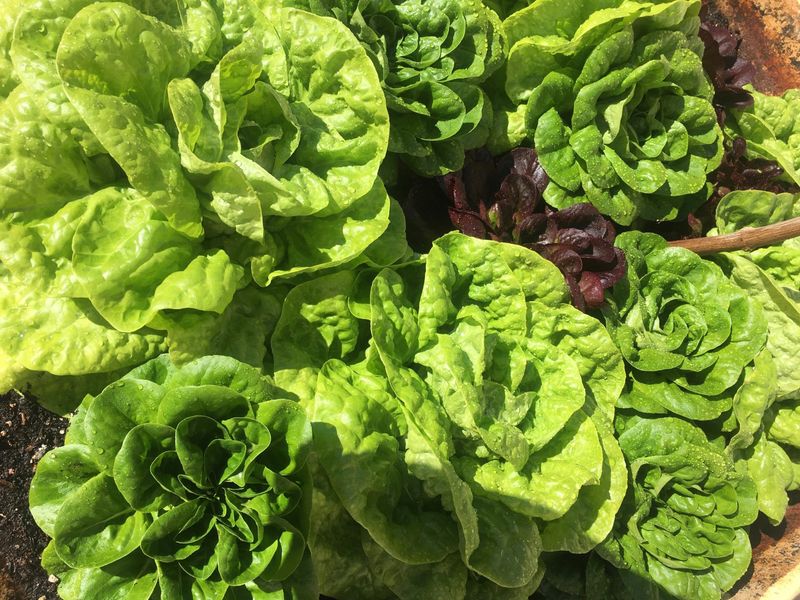
Nothing beats the crunch of a salad picked minutes before dinner. In the low desert, winter is the only real season for lettuce, and late October gets you right in the sweet spot.
Romaine, butterhead, oakleaf, and loose-leaf varieties all flourish when planted now. Mixing several types gives you a salad bowl full of color and texture.
Red-leaf types are especially pretty and tend to handle sun well.
Lettuce seeds need light to germinate, so barely cover them with soil. Keep the surface consistently moist, since dry desert air can wick water away fast.
Seedlings usually pop up within a week.
Steady moisture is what produces soft, sweet leaves. When lettuce dries out, it can turn bitter.
Drip irrigation and a light mulch help keep things even without wasting water.
For loose-leaf types, use the cut-and-come-again method. Snip leaves an inch above the base, and the plant regrows for another round.
Watch the calendar in spring. Once temperatures push into the high 80s, lettuce bolts quickly.
A light shade cloth can stretch your harvest a few extra weeks, buying you more fresh salads before summer heat takes over.
13. Mustard Greens
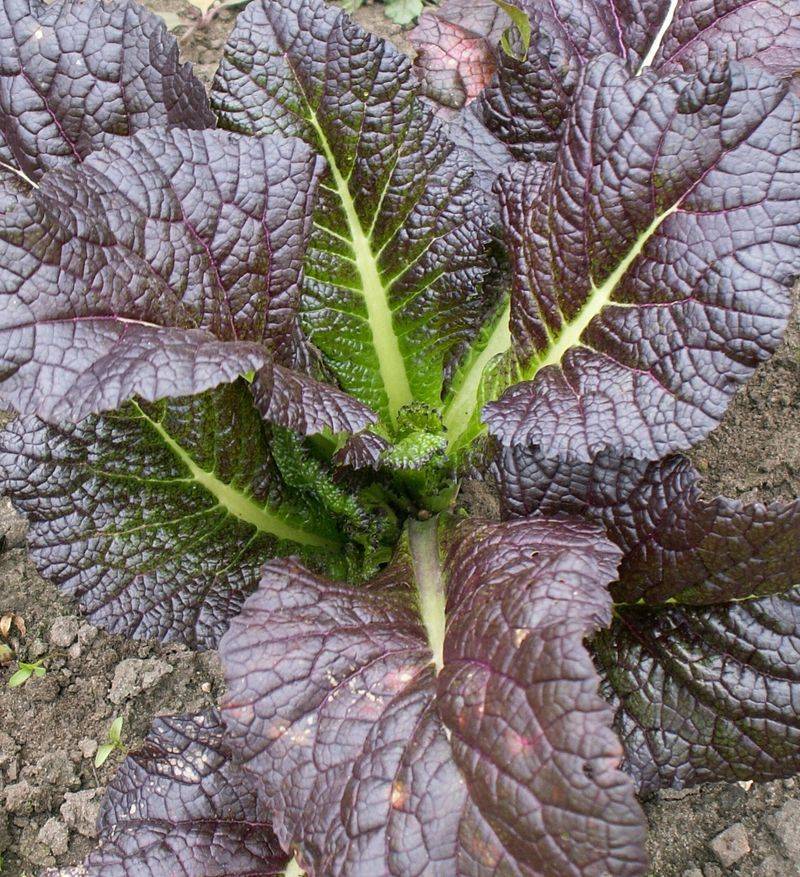
Spicy, bold, and a little bit wild, mustard greens are for gardeners who like flavor with attitude. Young leaves have a gentle zing, while mature ones pack a peppery kick similar to horseradish.
They also happen to be among the fastest greens you can grow. Baby leaves may be ready in about three weeks, with full-size plants following in six or so.
That speed makes them a great late-season pick if you are behind on fall planting.
Sow seeds a quarter inch deep and thin to about six inches apart. Varieties like Red Giant and Mizuna bring purple tones and feathery shapes that look striking in any garden bed.
Cool weather tames their heat. Leaves grown in December and January tend to be milder than those picked in warmer months.
Mustard greens also serve a clever purpose. Some gardeners use them as a trap crop, since certain pests like flea beetles and harlequin bugs often prefer mustard over nearby cabbage or kale.
That can help protect your other greens.
Toss them into stir-fries, braise them, or add a handful to sandwiches. The spicy bite cooks down into a rich, savory flavor.
14. Peas
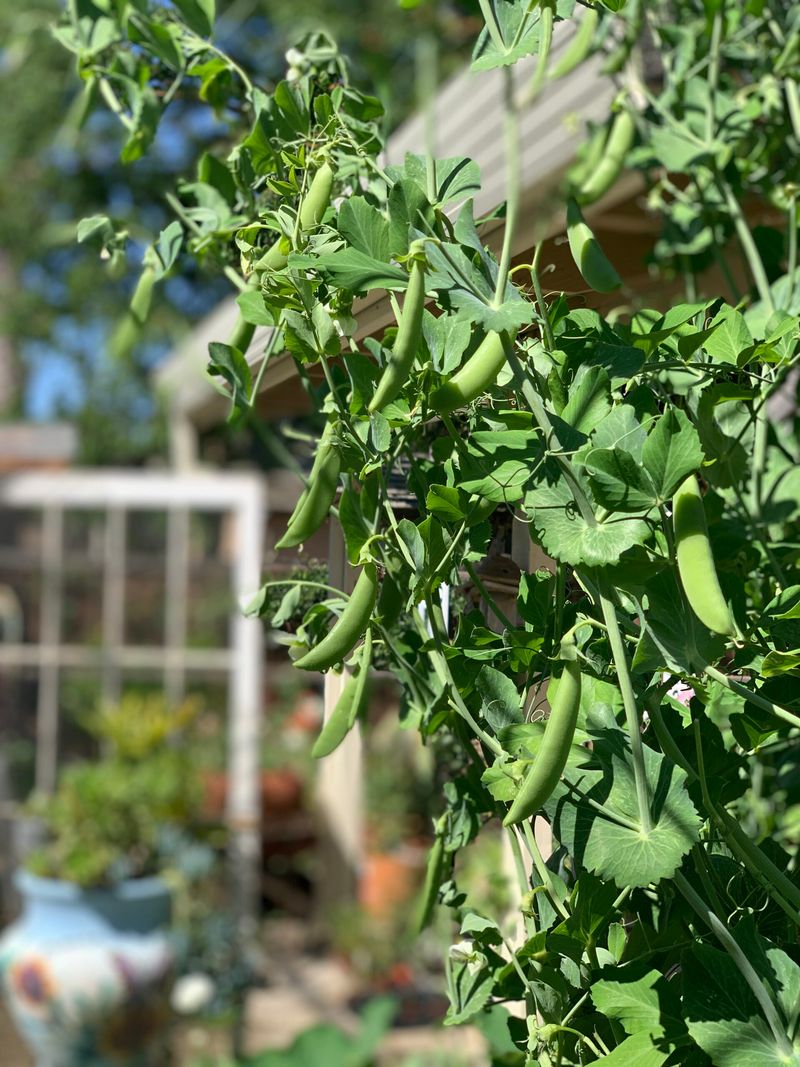
Eating sweet peas right off the vine might be the best snack a garden can offer. Many kids who refuse cooked vegetables will happily graze on fresh snap peas.
Peas love cool, dry weather, which describes an Arizona winter almost perfectly. Snow peas, sugar snaps, and shelling English peas can all be direct sown in late October.
Plant seeds one inch deep and two inches apart along a trellis or fence.
Soaking seeds overnight before planting can help them sprout faster. Just avoid soggy soil afterward, since peas prefer well-drained ground and can rot when overwatered.
Here is a hidden bonus: peas are legumes, and their roots team up with soil bacteria to capture nitrogen from the air. When the season ends, cut the vines and leave the roots in the ground.
They can enrich the soil for whatever you plant next.
Flowers appear in winter, followed by pods. Pick often, because frequent harvesting signals plants to keep producing.
Peas also make an easy, low-water crop. Their blooms invite early bees, and the vines provide a little cover for small lizards that may snack on garden insects nearby.
15. Radishes
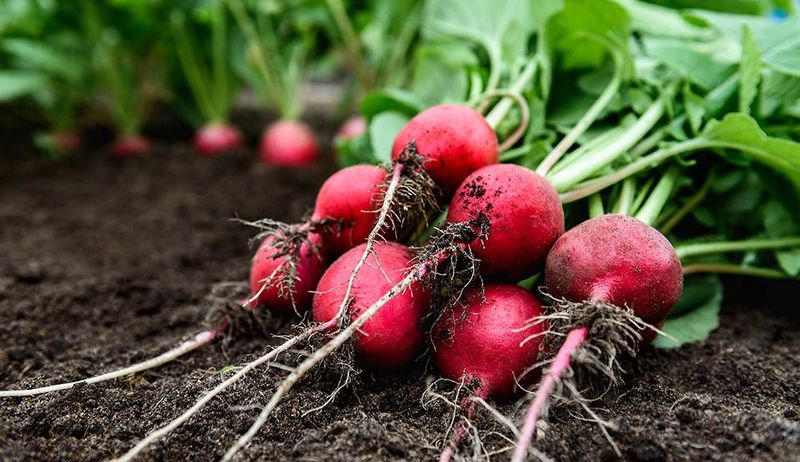
Planting radishes with kids feels a bit like a magic trick. Seeds go in, and roughly three to four weeks later, bright red roots pop out of the soil ready to eat.
No crop on this list grows faster, which makes radishes the perfect confidence builder for new gardeners. They also fit almost anywhere, from narrow beds to patio containers.
Sow seeds half an inch deep and about an inch apart, then thin to two inches once they sprout. Keep the soil evenly moist.
Uneven watering can cause roots to crack or turn spicy and pithy.
Variety adds fun. Cherry Belle is classic and round, French Breakfast is long with a white tip, and watermelon radishes hide pink centers inside pale skins.
Daikon grows longer and needs more time but stores well.
Gardeners sometimes mix radish seeds into carrot rows. Radishes sprout first, marking the row and loosening soil for slower carrots.
Harvest promptly. Left too long, radishes get woody.
Leftover plants that flower in spring produce edible seed pods and pale blossoms that pollinators visit, so a forgotten radish or two can still pull its weight. Sow every couple of weeks for steady crunch.