The California Native Plants Worth Getting In The Ground This Horticultural New Year
For California gardeners, the real new year doesn’t arrive in January. It shows up quietly in October, somewhere between the last heat wave and the first real storm.
Cooler mornings and the promise of rain open a planting window that many people overlook. Soil still holds summer warmth, and roots get months to settle in before July returns.
Some native plants respond to an October start with remarkable results, from waves of spring color to winter fruit and late-season visitors buzzing through the yard.
Each one brings its own personality, along with a few quirks worth knowing before the shovel hits the soil.
This month quietly sets the stage, and the gardens that start now often steal the show by spring.
1. Ceanothus Bursts Into Spring Bloom
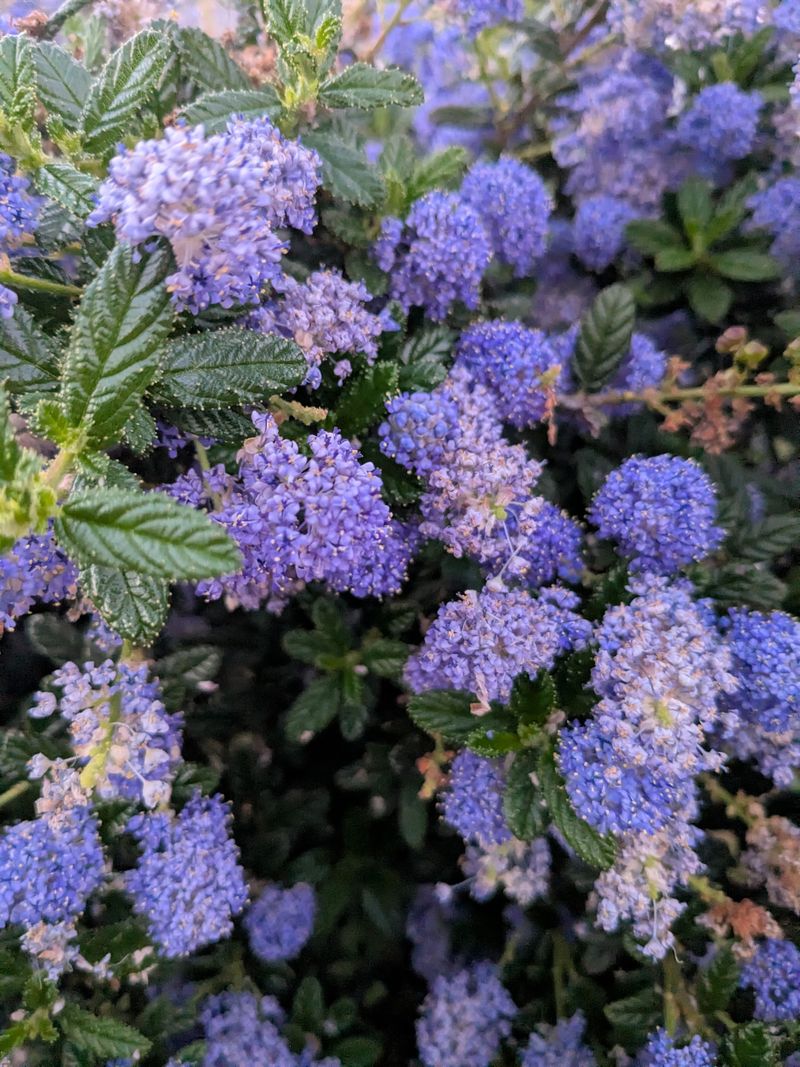
A March hillside glowing in sky blue and deep violet ranks among California’s great spring sights. Much of that color comes from ceanothus, often called California lilac.
A shrub tucked into the ground this October can join that show by its first or second spring. Planting now gives it a real head start.
Roots spread through warm October soil, then cool winter ground, while the top barely seems to move. By spring, the plant has enough energy to push out new growth and fuzzy flower clusters.
Bees flock to the blooms, and a honey-like scent drifts across the yard. Drainage matters more than almost anything else here.
Ceanothus dislikes soggy roots, especially in heavy clay that stays wet. A slope or gentle mound works well where soil drains slowly.
Spots near lawns and sprinklers are best avoided, since frequent summer water can shorten its life. October often stays dry, so regular watering until winter rains take over helps the shrub settle.
During its first dry season, a deep soak every week or two keeps it on track. Once established, most kinds want little or no summer water.
Variety choice deserves care. Some ceanothus hug the ground, while others grow into small trees over ten feet tall.
Coastal types may struggle in hot inland valleys, so a Calscape profile for the local zip code helps narrow choices. The right pick this month means fewer headaches later, and a lot more blue.
2. Manzanita Settles In Over Winter
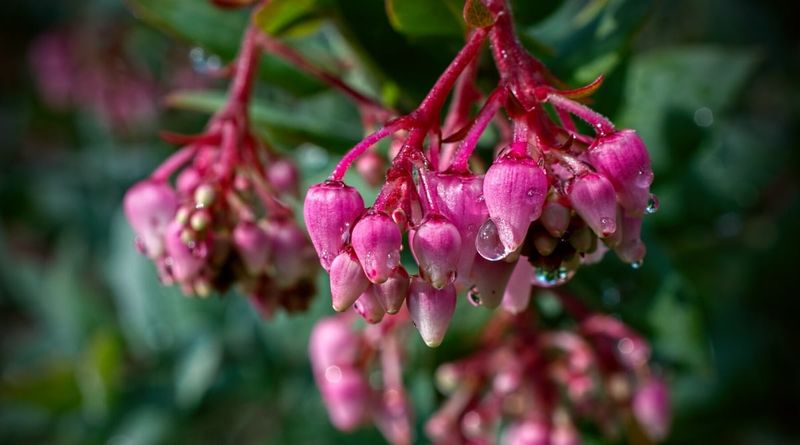
Plenty of new gardeners plant manzanita in May, water it all summer, and wonder why it sulks. The fix often comes down to simple timing.
These shrubs much prefer starting life as the cool, wet months begin, which makes October an ideal moment. In the wild, manzanita seedlings sprout and grow roots during winter rains.
An October planting copies that natural rhythm. Mild soil, followed by steady winter moisture, helps roots dig in, so the shrub enters summer far better prepared.
Fast drainage matters most. Manzanita grows in rocky, sandy, or gritty soils in nature, and wet feet can lead to root rot.
Rich compost in the planting hole is best skipped, since it can hold too much water. On heavy clay, a mound or a variety known to tolerate clay makes the safer choice.
Your California Garden Changes Every Week. Your Plan Should Too.
Gardening in California changes quickly throughout the season. Every Friday you’ll receive a simple weekly plan showing exactly what to plant, prune, fertilize, harvest, and protect so you never miss the right timing.
Watering deserves close attention during that first year. Dry October weeks call for lightly moist soil until rains begin, and nature can handle most of the work after that.
The following summer calls for occasional deep drinks rather than frequent sprinkles. After a couple of years, many manzanitas need little to no summer water.
The payoff rewards the patience. Smooth, twisting bark in red and mahogany tones looks almost polished.
Tiny pink or white bell flowers appear in winter, feeding early hummingbirds and bees. Some types stay low as groundcovers, while others grow into small sculptural trees with serious bark-itecture.
3. Toyon Adds Berries And Structure
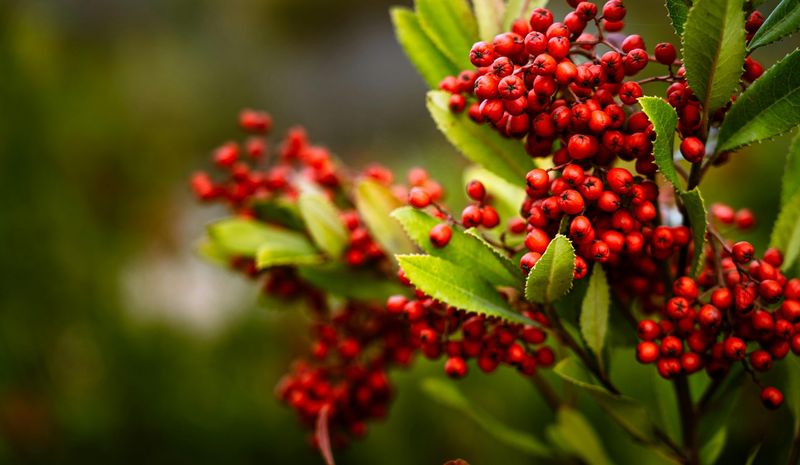
Bright red berries glowing against glossy green leaves bring a holiday look to December gardens, no string lights required. Toyon earned the old nickname Christmas berry for good reason.
Some say that nickname may have inspired the name Hollywood, though historians still debate the story. Either way, the shrub has deep roots in California culture.
Toyon is an evergreen that can grow into a small tree, often reaching 6 to 15 feet tall. Its dense shape makes it handy as a screen, a hedge, or a backbone plant in a mixed border.
Pruning keeps it tidy, though it also looks lovely left natural and full. October makes a smart time to plant one, while nurseries are well stocked.
Roots grow strong over the rainy season, and the shrub becomes more drought tolerant over time. Regular watering through dry October weeks and the first summer, then gradual cutbacks, help it settle in.
Toyon handles many soil types, including clay, which makes it friendlier than some natives. Flowers come first, in early summer.
Small white clusters attract bees, butterflies, and other insects. By late fall and winter, those flowers turn into berries that birds love, drawing robins, cedar waxwings, and mockingbirds.
Full sun to part shade produces the best berry show. In hot inland areas, a little afternoon shade can help.
Patience pays off with this one, since young plants may take a few years to produce heavy crops. The wait turns out berry worthwhile.
4. Cleveland Sage Brings Fragrance And Pollinators
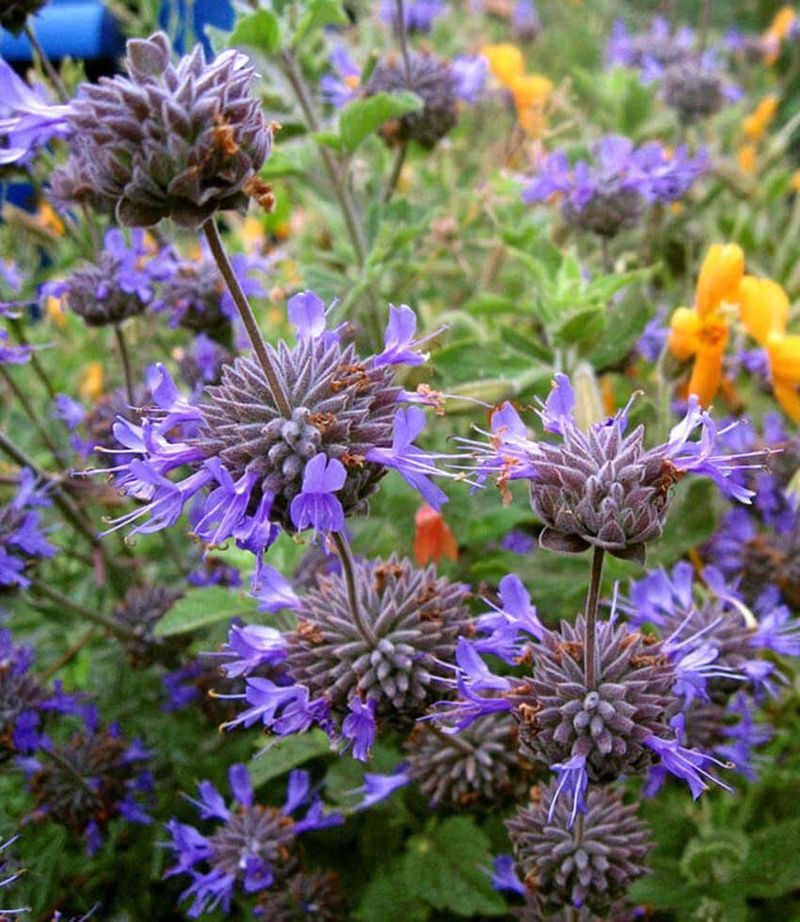
A warm afternoon brush against this shrub releases its scent before the plant even comes into view. Cleveland sage carries one of the boldest fragrances in the California plant world.
Its gray-green leaves give off a sweet, resinous aroma that lingers on the hands. Native to Southern California and northern Baja California, it forms a rounded shrub about three to five feet tall and wide.
In late spring and summer, tall stems carry round whorls of purple-blue flowers. They stack along each stem like little pompoms.
Pollinators find it fast. Native bees, honeybees, butterflies, and hummingbirds all visit the blooms.
Later, finches and other small birds may pick at the seeds. Even one shrub can turn a quiet corner into a busy little airport for wildlife.
October planting helps Cleveland sage build roots well before hot weather returns. Regular water until rains arrive and through its first summer gets it established.
After that, occasional deep watering covers its needs. Too much water can make it floppy or short-lived, while full sun and well-drained soil keep it happiest.
A few care habits make a big difference. A light trim of spent flower stems after bloom keeps the plant tidy, though cuts into old bare wood are best avoided.
Plants often live several years, so letting a few seeds drop can help replace older shrubs. Popular selections like ‘Winifred Gilman’ offer deeper flower color and a sage-ly wonderful scent.
5. California Buckwheat Feeds Native Insects
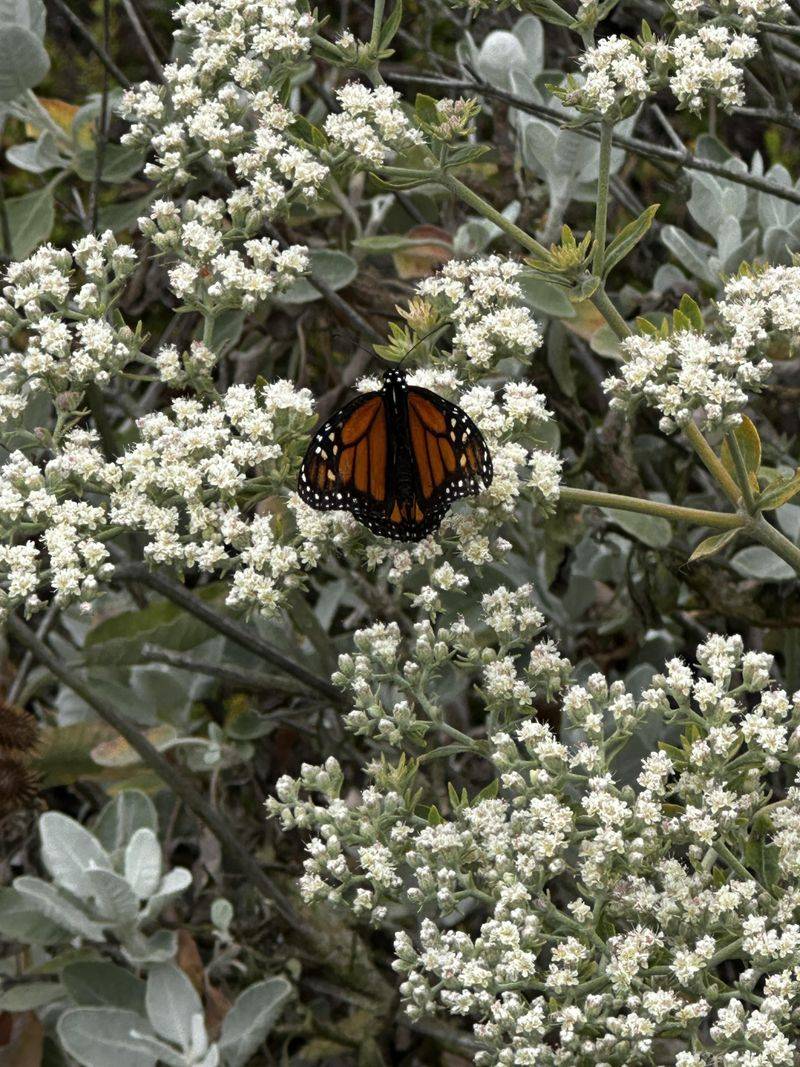
June brings a steady hum to any yard where this shrub is in bloom. Buzzing comes from every direction, since few native plants feed as many insects as California buckwheat.
Its flowers form creamy white to pale pink clusters that last for months. Native bees, butterflies, beetles, and helpful wasps all stop by for nectar and pollen.
Several butterflies, including some blues and hairstreaks, use buckwheats as host plants for their caterpillars. That makes the shrub a nursery as well as a snack bar.
As summer fades into October, the flowers turn a rusty brown that many gardeners find just as pretty. The wildlife value keeps going after bloom.
Birds eat the seeds, and small animals use the twiggy shrub for cover. Leaving dried flower heads in place through October gives these creatures a steady food source.
California buckwheat is tough and fast-growing. It handles poor soil, full sun, and long dry summers once established.
October planting lets winter rain help roots settle. Water through the first summer, followed by a gradual cutback, works best, since too much summer water can shorten its life.
A mounded shrub around two to four feet tall and wider than it is high needs some elbow room. A light trim in fall or winter keeps it from getting woody and leggy.
Smaller cultivars work well in tight spaces or along paths. For a garden that hums with life, this plant makes a truly buzz-worthy pick.
6. Deer Grass Adds Movement Without Fuss
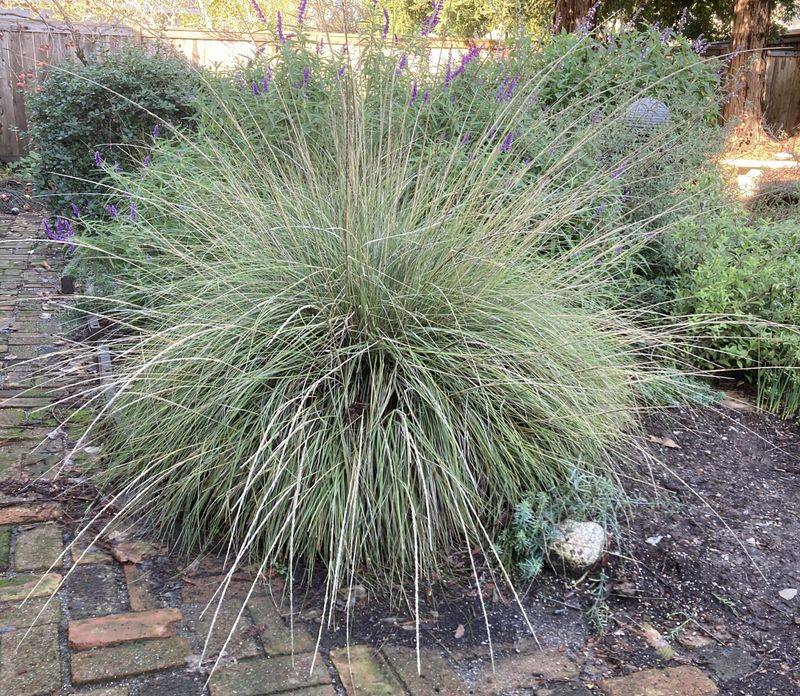
A gentle breeze moves across the yard, and long, slender blades begin to sway. Deer grass turns ordinary wind into a soft, flowing dance that few shrubs can match.
Native across much of California, it forms a large, fountain-like clump. Mature plants often reach three to four feet tall and wide, with flower spikes rising higher in summer.
Native Californian basket makers have long gathered its flower stalks for weaving. That tradition continues today among many California Indian communities.
October planting suits it well. Roots spread through the cool season, and the grass stands ready to grow when warm weather returns.
Regular water during the first year, followed by a gradual cutback, works well. Established clumps handle drought fairly well, though they look greener with occasional summer water.
Deer grass tolerates many soils, including clay. A fire-safety note matters here, too.
Dry grass can carry flames, especially in late summer and October, when fire season often peaks. In fire-prone areas, deer grass belongs well away from houses, decks, and fences.
Removing spent material and trimming clumps back as needed keeps old, dry thatch from building up. CAL FIRE and local fire agencies share defensible space rules on plant spacing near buildings.
Groups along slopes, in rain gardens, or as a soft border show it off best. Mass plantings create a meadow feel with very little effort, and the swaying effect rarely gets old.
7. California Fuchsia Draws Late Hummingbirds
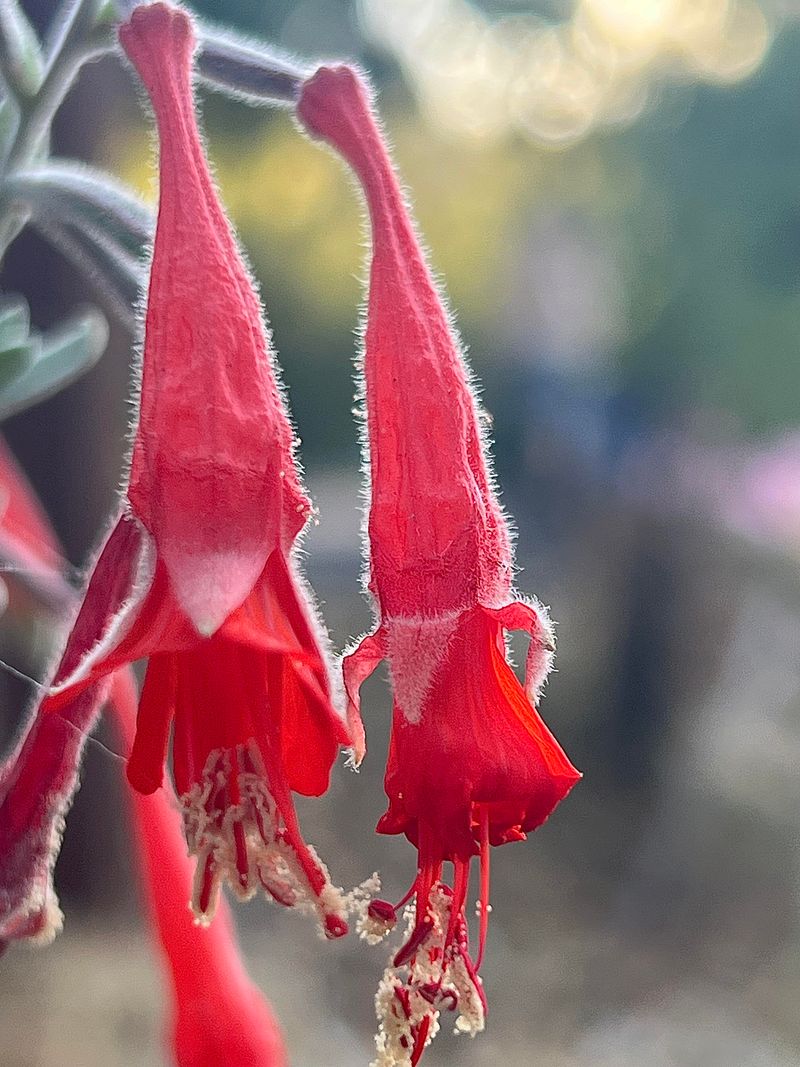
Late August often leaves gardens looking tired and crispy. California fuchsia then bursts into bright scarlet flowers just when hummingbirds need them most, often blooming well into October.
The flowers are long, tubular, and red-orange, built for a hummingbird’s beak. They often appear when many other nectar sources have faded.
Anna’s hummingbirds and migrating species often defend a patch like a personal diner. Watching them zip between flowers makes for pure backyard entertainment.
Plants grow as low, spreading perennials, usually one to two feet tall. Foliage ranges from green to silvery gray, depending on the type.
Many spread by underground stems, which helps them cover slopes and fill gaps in rocky spots. Extra space, or a spot where wandering is welcome, suits them well.
Planting in October lets roots settle before summer heat, even while nursery plants are still in bloom. Regular water during the first year helps them establish.
Once settled, California fuchsia is very drought tolerant and does best with good drainage and full sun. A little summer water can stretch out the bloom, though overwatering can make plants floppy.
After blooming ends and plants look shabby in late fall or winter, a hard cutback close to the ground works well. Fresh shoots return in spring looking neat and full.
Selections like ‘Everett’s Choice’ stay low, while others grow taller and looser. Planted this October, it will be ready to serve as next year’s hummingbird hot spot, fashionably late as always.
8. Western Redbud Rewards An Early Start
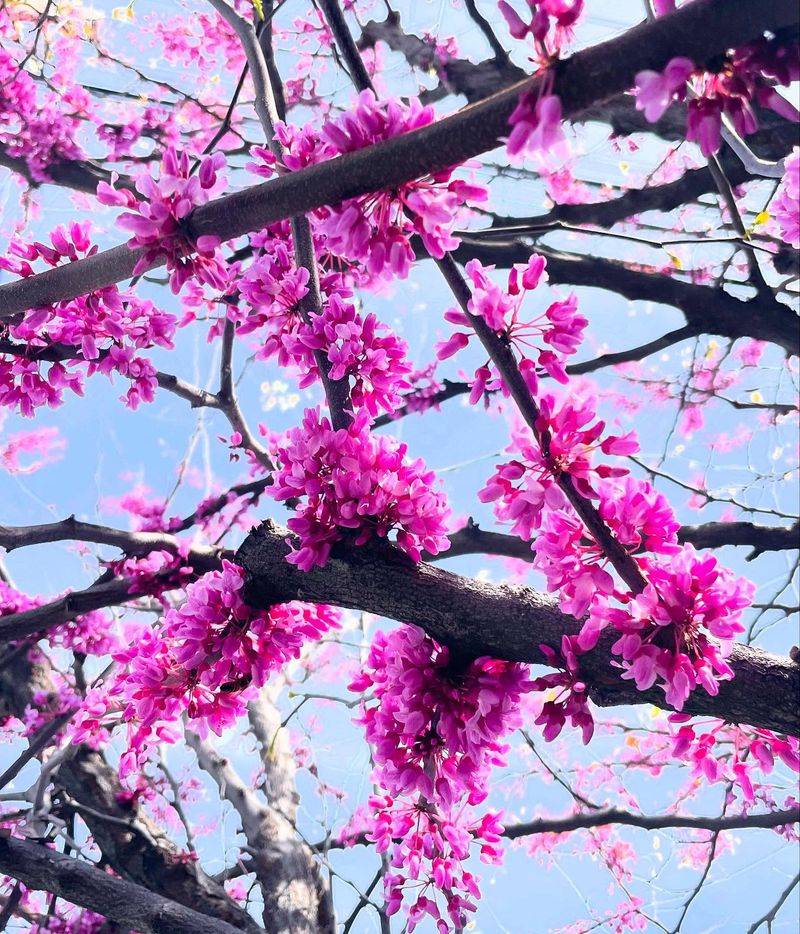
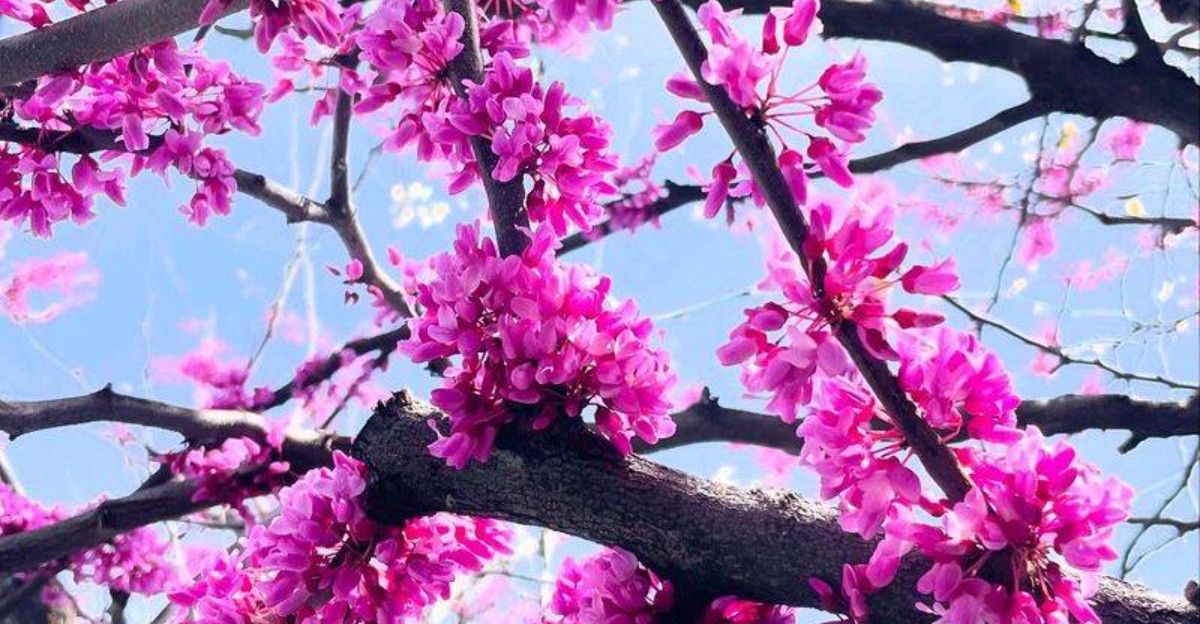
Bare gray branches in February might not look like much. A few weeks later, western redbud explodes in magenta-pink blossoms before a single leaf appears.
That burst ranks among the earliest and showiest spring signals in California. The tree is deciduous, dropping its leaves in fall and staying bare through winter.
Some gardeners worry when a new tree drops its leaves soon after an October planting, though that look is perfectly normal. In spring, rounded, heart-shaped leaves follow the flowers.
In autumn, many trees turn yellow or reddish before the leaves fall again. Flat seed pods add interest through winter.
October makes a great time to plant one. A tree heading toward dormancy puts its energy into roots instead of leaves, and winter rain helps it settle.
Spring growth then starts strong. Regular watering through the first couple of summers matters, since young trees need steady moisture to establish.
Western redbud grows as a large shrub or small multi-trunk tree, often 10 to 20 feet tall. It handles many soils as long as they drain reasonably well.
Full sun to part shade works, with afternoon shade helpful in hot inland valleys. Flowering is often best in areas with some winter chill, so very mild coastal gardens may see fewer blooms.
Bees love the early flowers, which open when food is scarce. A tree planted this October in a sunny spot with room to spread makes next spring well worth the wait.