The Mum Watering Mistakes Virginia Gardeners Should Avoid This Fall
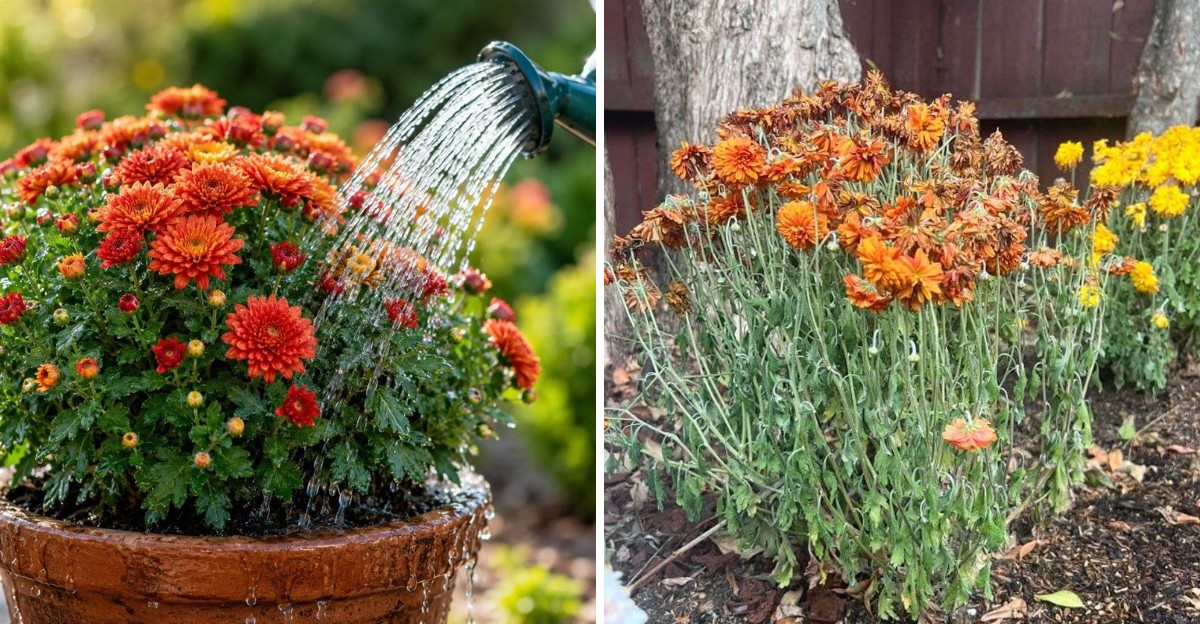
You bring home a trio of gorgeous mums, park them by the front steps, and bask in the compliments from the mailman.
Seven days later, those same plants look like they just pulled an all-nighter. Droopy leaves, blooms fading fast, and a lot of confused staring from you.
Blame Virginia’s fall weather, which can swing between sticky warmth and breezy chill before your coffee gets cold. Mums have strong opinions about water, and all that mood swinging makes watering day a guessing game.
The good news is that the fix is easier than you would expect. A few small habits can help keep those cheerful blooms going well past Halloween.
Think of it as emotional support for your plants, minus the therapy bill. Your porch might even win the neighborhood decorating contest.
1. Watering On A Rigid Schedule
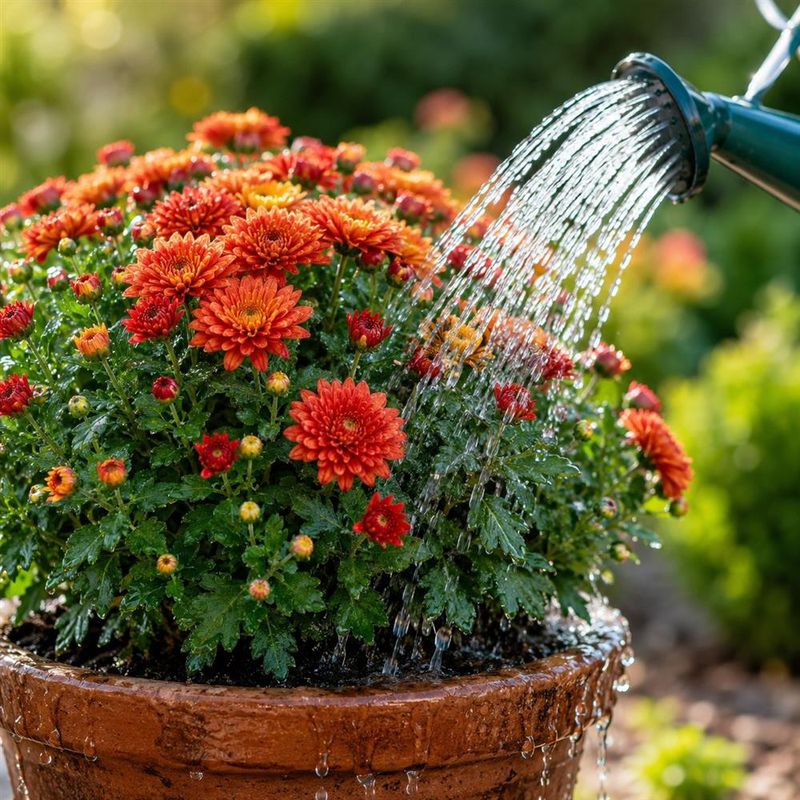
Calendars work great for dentist visits, but plants do not read them. Many Virginia gardeners water mums every Monday and Thursday, no matter what the sky is doing.
Fall weather here jumps around a lot. One week might bring warm, dry days near 80 degrees, while the next brings steady rain and cool nights.
A fixed routine ignores those changes, so plants end up either soaked or thirsty.
A smarter habit is checking the soil first. Push your finger about an inch into the pot or bed.
If it feels dry, go ahead and water. If it still feels damp, wait another day and check again.
Potted mums in full sun may need a drink daily during warm spells. Mums planted in the ground need water less often once roots settle in.
Virginia Cooperative Extension suggests soaking the ground thoroughly every week or two, and watering sooner during dry stretches.
Shade, wind, and pot size all change the answer too.
Some people like to lift their pots to feel the weight. A light pot usually means dry soil, while a heavy pot tells you water is still there.
Kids often enjoy helping with that test, and it builds great garden instincts.
Keep a small notebook if you want. Jot down the weather and how quickly the soil dried out.
After a couple of weeks, you will spot patterns that fit your own yard far better than any calendar could.
2. Sprinkling The Leaves Instead Of The Roots
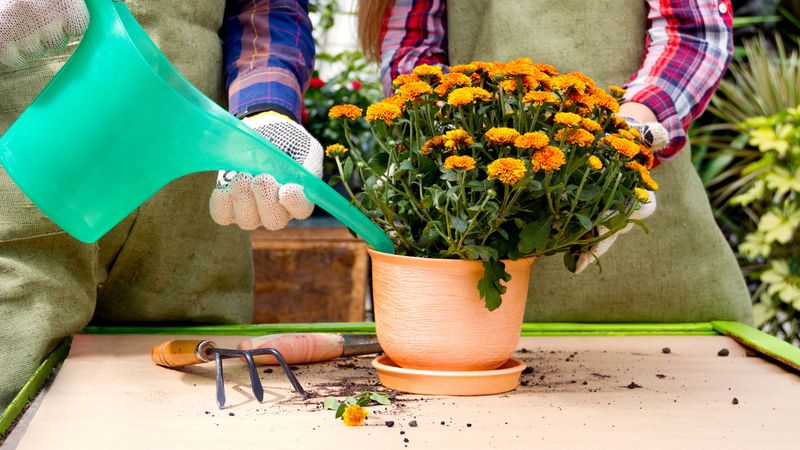
Splashing water over the top of a mum feels refreshing, kind of like a summer shower. Sadly, the plant does not enjoy it nearly as much as you might think.
Virginia Cooperative Extension notes that leaf diseases are less troublesome when mum foliage stays dry, especially at night. Wet leaves and flowers invite leaf spot and other fungal problems, and the cool, humid nights common across Virginia in October make things worse.
Humidity alone can also bring on powdery mildew, so crowded, damp plants deserve a close look.
Once those problems show up, leaves turn gray, spotted, or yellow, and blooms lose their shine.
Roots are the parts that actually drink. Aim your hose or watering can right at the base of the plant, near the soil line.
Your Virginia Garden Changes Every Week. Your Plan Should Too.
Gardening in Virginia changes quickly throughout the season. Every Friday you’ll receive a simple weekly plan showing exactly what to plant, prune, fertilize, harvest, and protect so you never miss the right timing.
Move slowly around the stem so water spreads evenly instead of running off to one side.
A watering can with a long spout makes this job easy. You can tuck it under the foliage without soaking the flowers.
Soaker hoses are another handy tool for garden beds, since they drip water straight into the ground.
Mums are packed so tightly with buds that water poured on top often rolls right off the dome. The soil underneath may stay dry even when the plant looks drenched.
That sneaky effect fools plenty of folks.
So skip the overhead spray. Give the roots your attention, and the leaves will stay cleaner, greener, and healthier through the season.
3. Forgetting That Store Pots Dry Out Fast
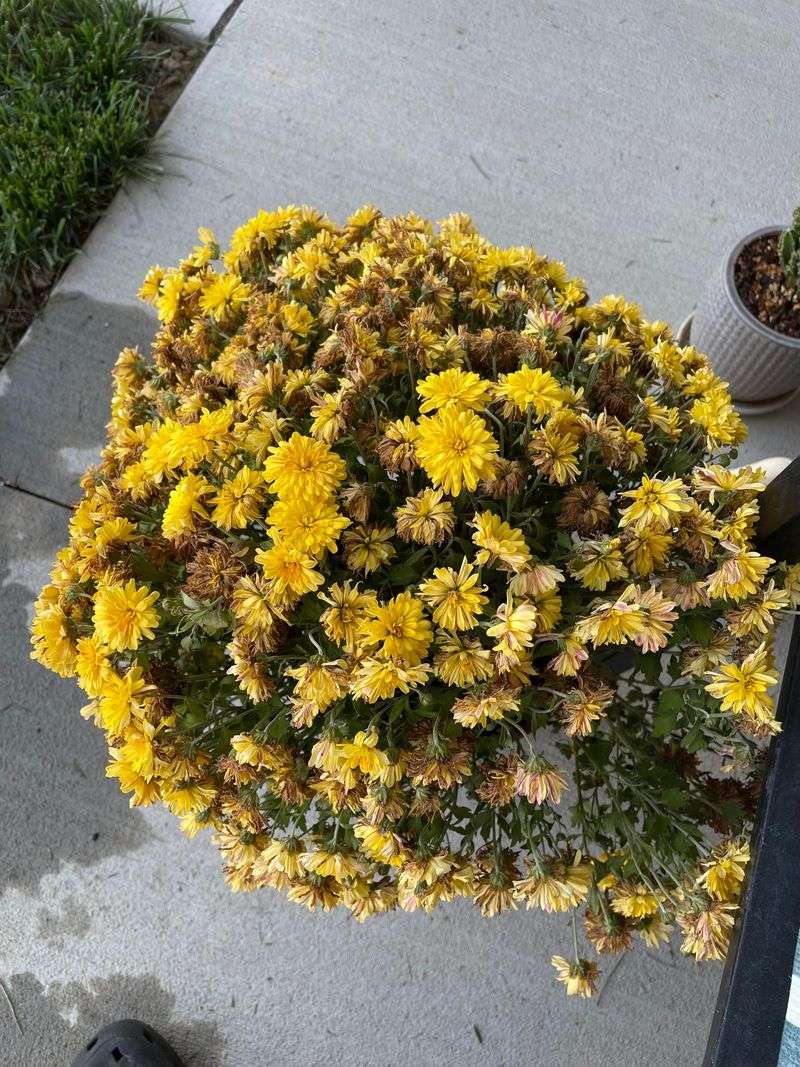
Garden center mums are grown to look amazing on the shelf. What most buyers miss is the crowded root ball hiding inside that cheap plastic pot.
Growers pack mums into small containers so they bloom fast and ship easily. By the time they reach a store in Virginia, roots often fill nearly every inch of space.
With so little soil left, water drains out in a flash, and the plant can wilt in a single sunny afternoon.
Here is a quick test. Slide the mum out of its pot and peek at the roots.
If you see a thick, tangled web circling the bottom, the plant is root-bound and needs help.
Repotting into a container one or two sizes bigger gives roots fresh soil to hold moisture. Gently loosen the outer roots with your fingers first.
Use a good potting mix rather than heavy garden dirt.
Not ready to repot? Try soaking the whole pot in a bucket of water for about 20 minutes.
Bubbles will rise as dry pockets fill up. Let it drain well afterward.
Either fix buys you more time between waterings. Your mums will look perkier, and you will spend fewer evenings racing out with the hose because the plant flopped over again.
4. Drowning Mums After A Rainy Week
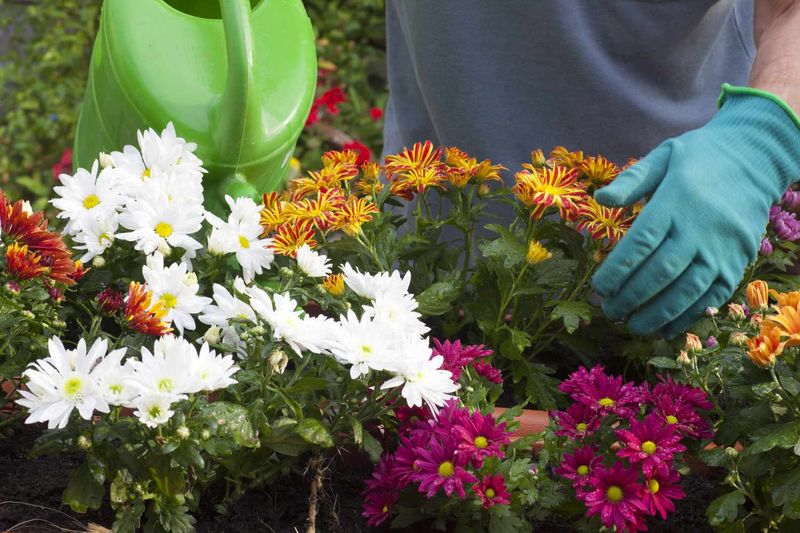
Too much love can be just as rough as too little. Overwatering ranks as one of the sneakiest problems for fall mums, especially after a soggy stretch.
Virginia often gets heavy autumn rain from coastal storms and tropical leftovers moving up from the south. After a few wet days, soil can stay soaked for a long time.
Adding more water on top leaves roots sitting in a puddle with no air.
Roots need oxygen to work. When they stay waterlogged, they start to rot, and the plant actually wilts because it cannot take up moisture.
That droop tricks many gardeners into watering even more, which makes things worse.
Watch for these clues:
Yellow lower leaves, mushy stems near the soil, and a sour smell from the pot. If you notice any of them, hold off on watering and let things dry out.
Saucers under pots are another hidden trap. They catch rainwater and keep the bottom of the soil wet for days.
Empty them after storms, or set pots on small feet or bricks so water can escape.
Moving potted mums under a porch roof during long rainy spells helps too. A little shelter keeps the soil balanced, and the blooms will thank you with steady color.
5. Watering At The Wrong Time Of Day
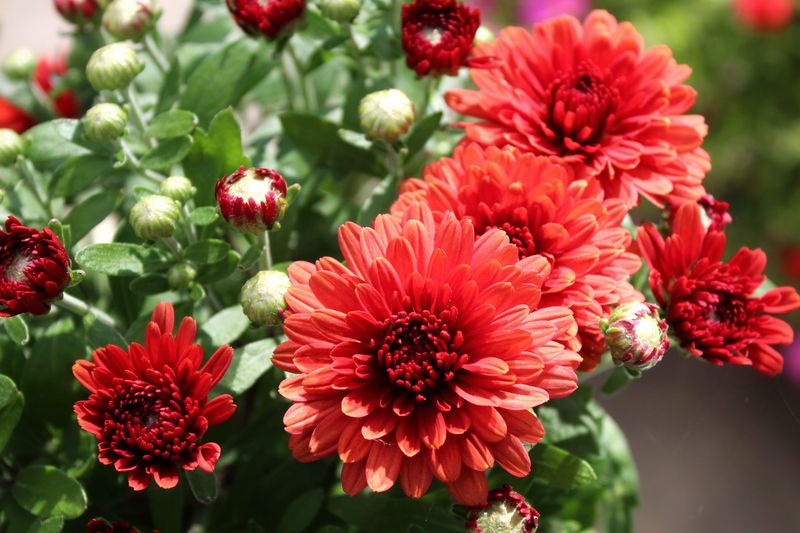
Timing matters more than most people realize. A splash of water at 8 a.m. does a very different job than the same splash at 8 p.m.
Morning is the sweet spot. Watering early gives roots a full drink before the sun warms things up.
Any stray drops on the leaves dry off quickly, which keeps fungus from settling in.
Evening watering feels convenient after work, but it comes with a catch. Fall nights in Virginia turn cool and damp, so wet leaves stay wet until sunrise.
That long soggy stretch invites mildew and rot.
Midday watering is not terrible in a pinch, yet a lot of moisture escapes into the air before reaching the roots. On hot Indian summer afternoons, you may lose a good chunk to evaporation.
If mornings are hectic, try setting up the watering can the night before. Fill it, place it by the door, and give your mums a quick pour while you grab the newspaper or walk the dog.
The whole thing takes maybe two minutes.
An inexpensive hose timer can help with garden beds as well. Set it for an early hour and let it handle the chore.
Your plants get consistent care, and you get a little extra sleep.
6. Skipping Mulch Around Mums
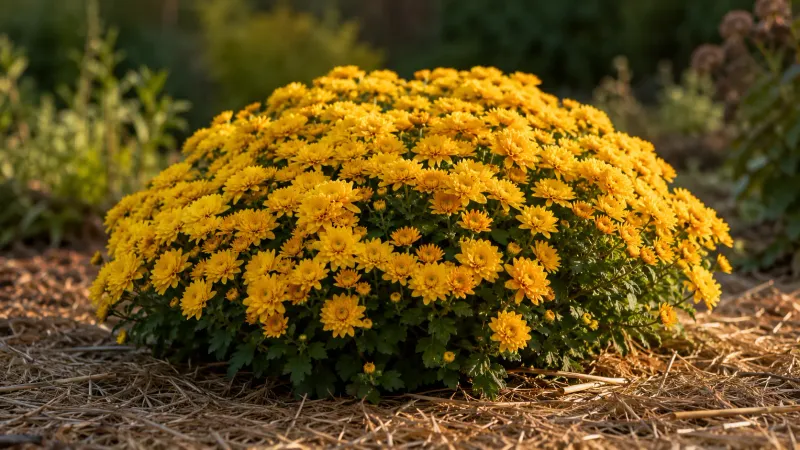
Bare soil is a bit like an open window on a breezy day. Moisture slips out fast, and you end up working twice as hard to keep things comfortable.
A layer of mulch works like a cozy blanket for mum roots. It slows evaporation, keeps soil temperatures steady, and cuts down on weeds that steal water.
For gardeners in Virginia, that steadiness matters because fall days can swing from warm to chilly overnight.
Shredded hardwood, pine straw, or chopped leaves all do the trick. Pine straw is especially popular across the South and looks tidy in beds.
Spread about two to three inches around each plant.
Keep the mulch a couple of inches away from the stems, though. Piling it right against the base traps moisture and can lead to rot.
Think of a donut shape, not a volcano.
Got a yard full of fallen leaves? Run them over with the mower first.
Shredded leaves break down nicely, feed the soil, and cost nothing at all.
Mulch also helps hardy garden mums survive winter if you hope to see them return next year. Many folks add an extra layer after the first hard frost to protect the crown through cold snaps.
7. Ignoring Thirsty Signals From Virginia Mums
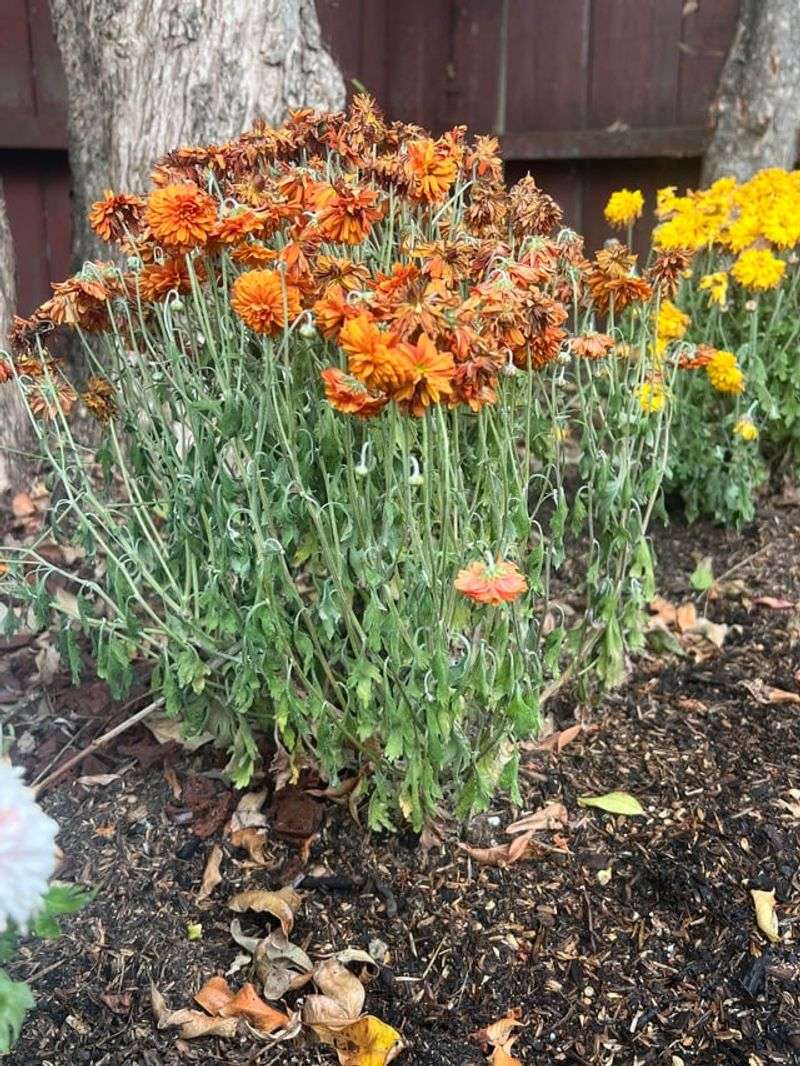
Mums are surprisingly good at telling you what they need. The trick is learning their body language before small issues turn into big ones.
A thirsty mum usually droops at the top first. Leaves may feel soft and limp instead of firm.
Blooms can look dull or slightly crinkled around the edges, and lower leaves might turn crispy and brown.
Quick action helps a lot. Water slowly and deeply, then give the plant an hour or two.
Most mums bounce back fast if the dry spell was short.
Repeated wilting is a different story. Every time a mum dries out completely, it gets stressed and loses a few buds.
After several rounds, blooming slows and the plant looks tired well before the season ends.
Here is something many people in Virginia notice. Mums often look a little droopy on a hot afternoon even with damp soil, then perk up by evening.
That is just the plant protecting itself from heat, so check the soil before reaching for the hose.
Make a habit of a quick walk past your plants each day. A glance at the leaves and a finger in the soil takes seconds.
Over time, you will spot trouble early and keep those blooms looking fresh for weeks.
8. Choosing Pots Without Drainage
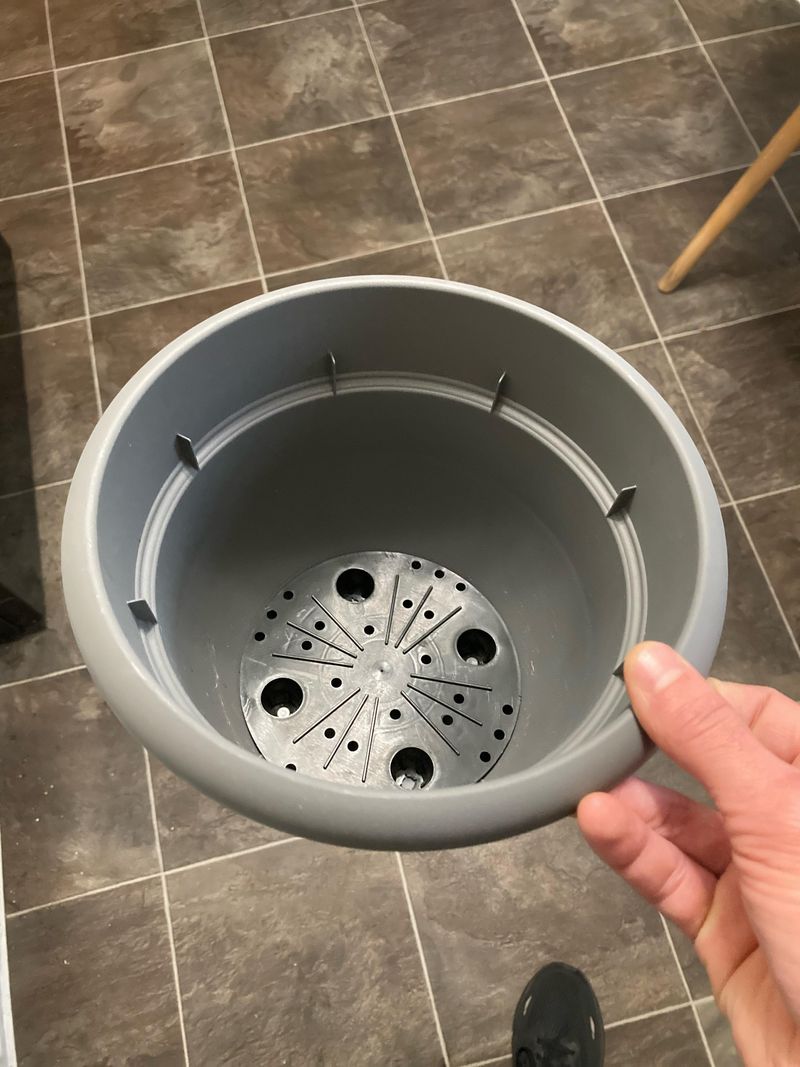
Pretty containers can hide an ugly secret. Lots of decorative pots, buckets, and baskets have no holes at the bottom at all.
Without drainage, extra water has nowhere to go. It pools at the base, soaks the roots, and slowly turns the soil sour.
Even careful watering can lead to trouble because there is no escape route.
Fall decorating trends in Virginia love galvanized tubs, wooden crates, and glazed ceramic planters. They look fantastic beside pumpkins and hay bales.
Just flip them over before planting and check for holes.
No holes? You have a few options:
Drill a few small openings with the right bit for the material. Or use the double-pot method, where you keep the mum in its plastic nursery pot and set it inside the fancy one.
Lift it out to drain after watering.
A layer of gravel at the bottom does not really fix poor drainage, despite the old advice. Water still collects in the soil above the rocks.
Real holes work much better.
Good drainage makes watering almost foolproof. You can pour until water runs out the bottom, knowing the roots got a full drink and the extra slipped away.
That simple feature saves plenty of headaches all season long.
9. Stopping Water Too Soon As Virginia Cools Down
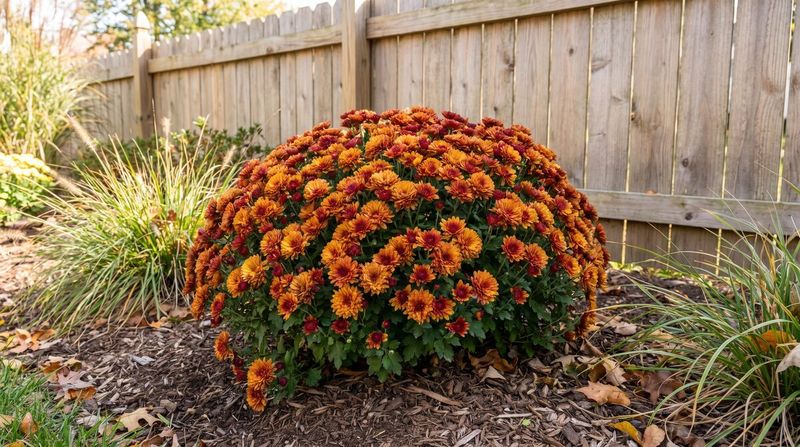
Cooler weather tricks a lot of people into putting the hose away early. After all, chilly days feel like plants should need less, right?
Partly true. Mums do drink less once temperatures drop, but they still need steady moisture.
Virginia Cooperative Extension recommends watering until the first hard frost, then gradually reducing as winter approaches.
Dry autumn winds can pull water from leaves and soil in late October and November faster than you might guess, so keep checking the soil.
Here is something worth knowing before you plant. Mums are naturally wired to flower in fall instead of growing roots, so a mum tucked into the ground late has a hard time getting established.
Extension experts say the later a mum goes in, the lower its chances of returning, and large mums planted in the ground after blooming are unlikely to make it through winter.
For the best shot at next year’s blooms, plant garden mums in late August or early September. Mums bought in bud usually work better for this than ones already in full color.
Already planted late? Keep the soil lightly moist, add a layer of mulch for insulation, and water on mild afternoons when the ground is not frozen.
Another option from Extension is to keep the mum protected in its original container for the winter. Water lightly every few weeks so the soil does not turn bone dry.
With a little care and some good timing, you may get fresh color from the same plants next fall, though fall-planted mums are not a sure thing.