8 Arizona Cool-Season Crops That Produce Through Christmas Without Protection
While most of the country is putting gardens to bed, low-desert Arizona is just getting started. Our mild winter days and rare frosts make December one of the best times to pick fresh food right outside your door.
The trick is choosing tough crops that shrug off chilly nights without covers, blankets, or extra work. Here are eight dependable picks that can keep your Phoenix or Tucson garden producing straight through the holidays.
1. Arugula
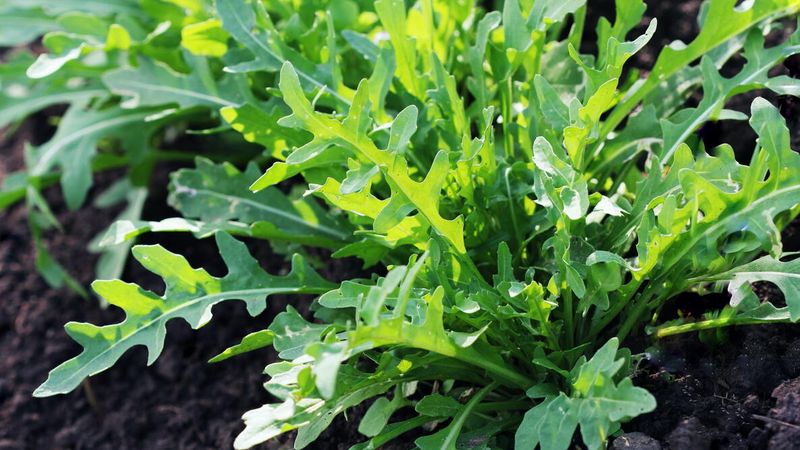
Sow a pinch of seed in October, and you could be tossing peppery salads by Thanksgiving. Arugula is the sprinter of the winter garden, often ready to cut in about four weeks.
A cold snap rarely slows it down, and chilly nights can actually sharpen its bold, nutty bite.
Beyond the salad bowl, arugula pulls its weight as a garden helper. Its spicy scent may make neighboring greens less inviting to aphids, flea beetles, and cabbage moths.
Tuck a few clumps beside lettuce or spinach for a little natural backup.
Let a handful of plants bolt in late winter, too. The small cream flowers can draw bees, ladybugs, and lacewings at a time when blooms are scarce in the desert.
Those predators may help keep pest numbers in check without sprays.
Care is refreshingly simple. Arugula likes steady moisture rather than soggy soil, so a thin layer of mulch helps hold water in our dry air.
Morning sun and afternoon dappled light suit it best in early fall, while full sun works fine by December. Cut outer leaves often, and the plants keep pushing out fresh growth well into the new year.
2. Kale
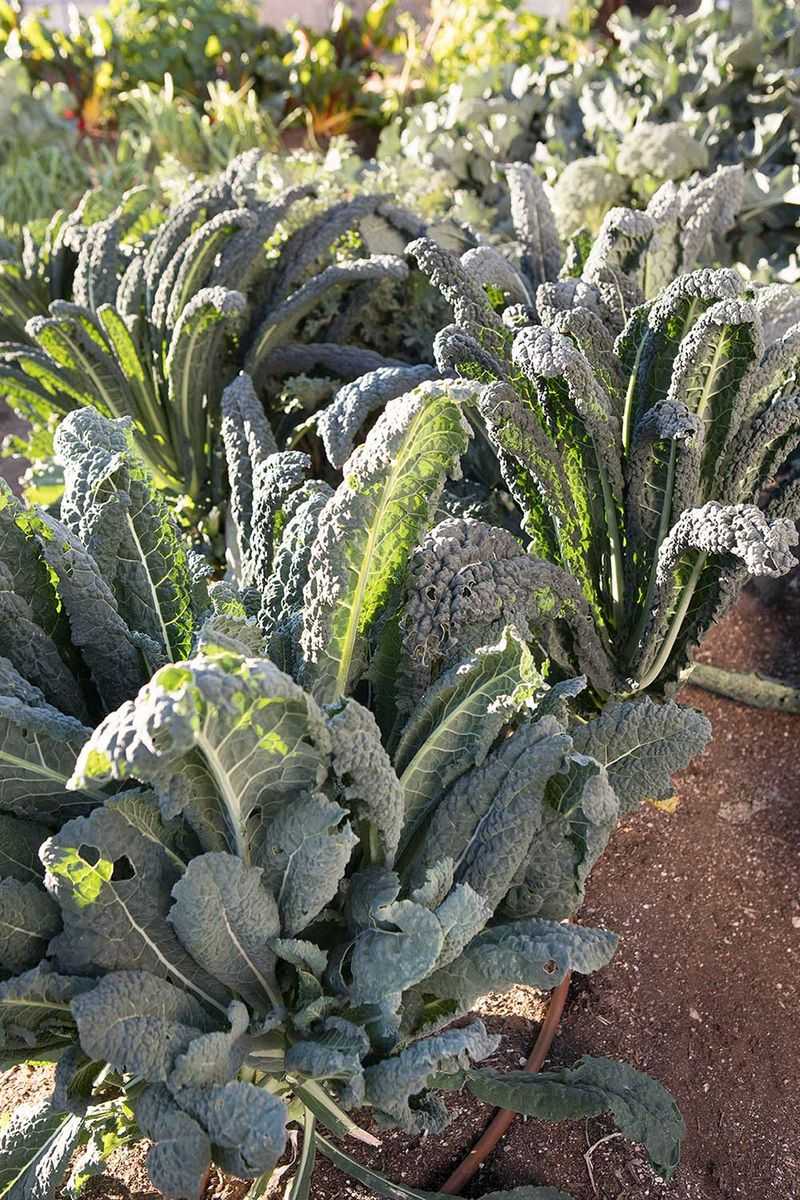
Picture a Christmas morning stroll to the garden, coffee in hand, snapping off crisp kale leaves for breakfast. That scene is completely realistic in the low desert.
Kale handles temperatures that dip a bit below freezing, and a touch of frost tends to make the leaves sweeter.
Plant transplants in late September through October so they settle in before the coldest stretch. Pick a spot with full winter sun and soil that drains well, since heavy caliche can hold water and stress the roots.
Mixing compost into the planting hole goes a long way in alkaline ground.
Kale is a slow and steady producer. Harvest the lower leaves and leave the top crown growing, and one plant can feed you for months.
Varieties like Lacinato and Red Russian are especially reliable here.
There is a wildlife bonus as well. The broad leaves offer shelter for small creatures, and the insects that visit kale can become snacks for wrens, sparrows, and other backyard birds.
Strong roots also help the plant cope with dry spells, which matters when you are trying to stretch every gallon. If a few aphids show up, a quick blast of water from the hose usually settles things down.
3. Swiss Chard
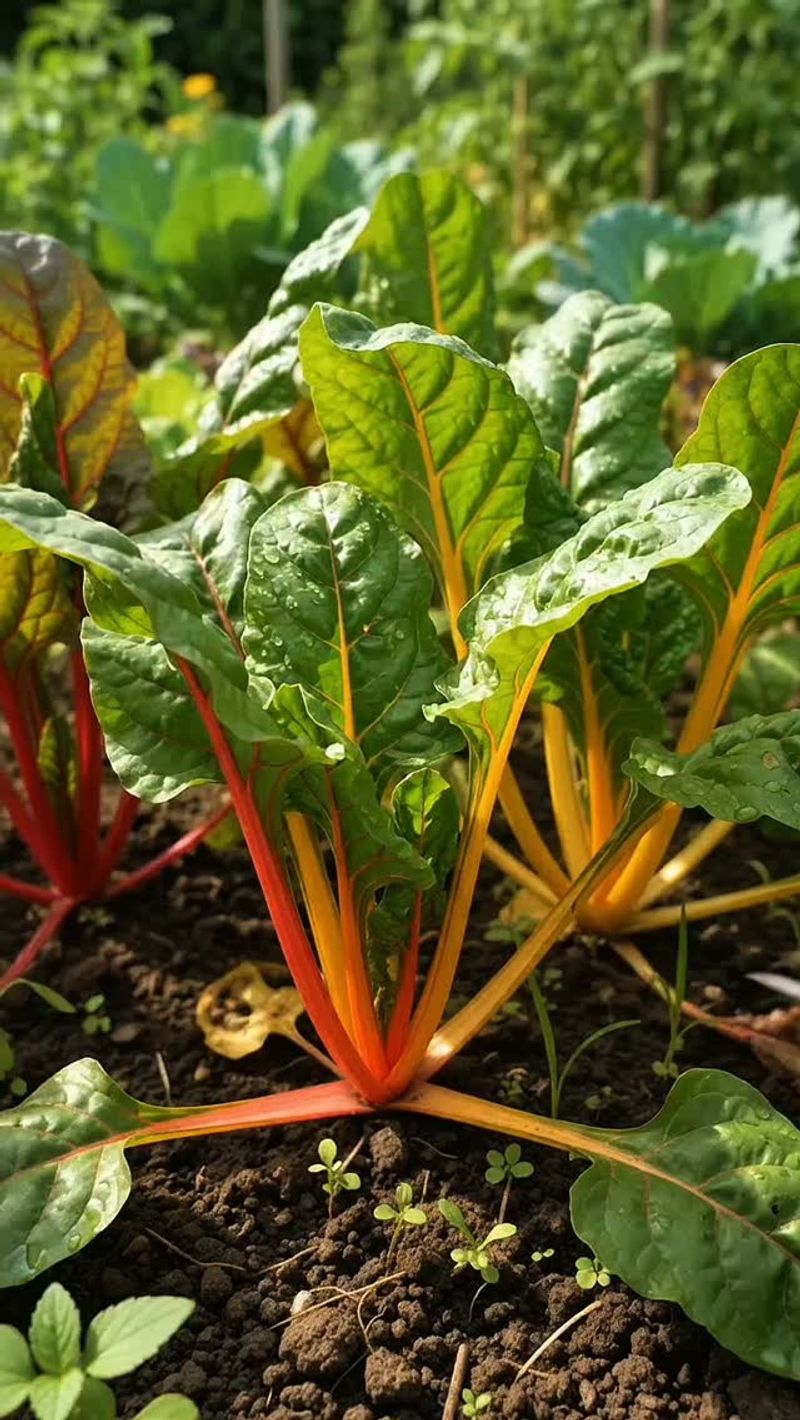
Few vegetables look this good while asking for so little. Rainbow Swiss chard brings neon pink, gold, and ruby stems to a winter yard that might otherwise feel beige.
Your Arizona Garden Changes Every Week. Your Plan Should Too.
Gardening in Arizona changes quickly throughout the season. Every Friday you’ll receive a simple weekly plan showing exactly what to plant, prune, fertilize, harvest, and protect so you never miss the right timing.
Honestly, some neighbors may think you planted flowers.
Chard is famously forgiving. It grows in a wide range of soils, tolerates the alkaline conditions common around Phoenix, and handles light frost without fuss.
It also is not especially thirsty, which makes it a smart fit for water-wise gardeners.
Start seeds or transplants from September through November. Give each plant about a foot of room, because chard grows big and leafy fast.
A deep soak once or twice a week is usually enough during cool months, with a little more during dry, windy spells.
Harvesting works like a cut-and-come-again salad bar. Twist off the outer stalks at the base, and new ones keep sprouting from the center.
Young leaves are tender enough for salads, while older ones shine in soups and sautes.
Here is a fun bit of trivia: chard is actually a close cousin of the beet, just bred for leaves instead of roots. In mild years, plants may keep producing right into late spring before summer heat finally takes over.
4. Carrots
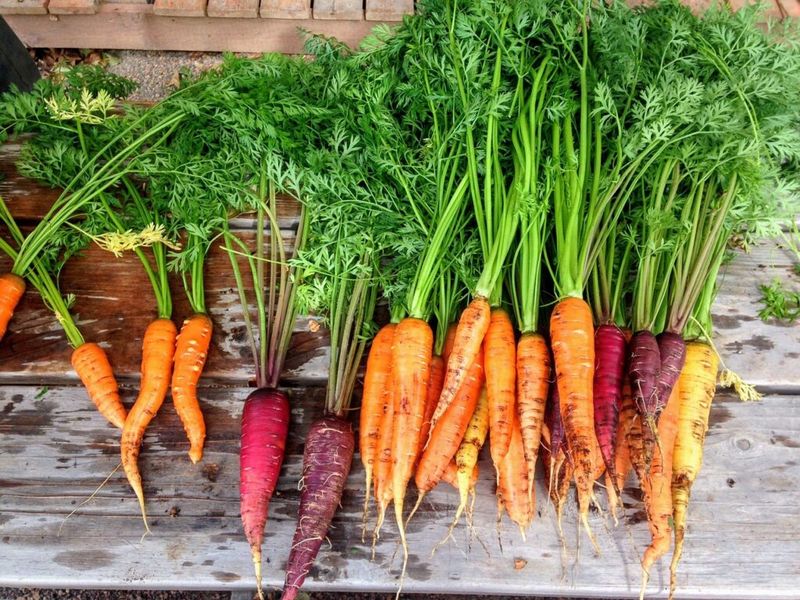
Ever bitten into a carrot so sweet it tasted like candy? Winter-grown desert carrots can do that.
When nights turn cold, the roots convert starches into sugars, and a light frost may boost that sweetness even more.
Timing is everything. Sow seeds directly in the ground from October through December, because carrots dislike being transplanted.
Keep the seedbed evenly moist for the first two weeks, since tiny seeds dry out quickly in our low humidity. A board or burlap laid over the row can hold moisture until sprouts appear.
Soil matters more for carrots than almost any other crop. Hard caliche leads to forked, stubby roots, so loosen the ground deeply or grow them in a raised bed filled with loose, sandy mix.
Shorter types like Danvers, Chantenay, or round Paris Market handle tricky soil better.
Patience pays off here. Most carrots need around 70 days, so an early fall sowing should be ready by the holidays.
The best part is that mature carrots can stay right in the ground through winter, almost like a living refrigerator. Pull what you need for dinner and leave the rest waiting.
Feathery leftover tops even make a tasty pesto.
5. Radishes
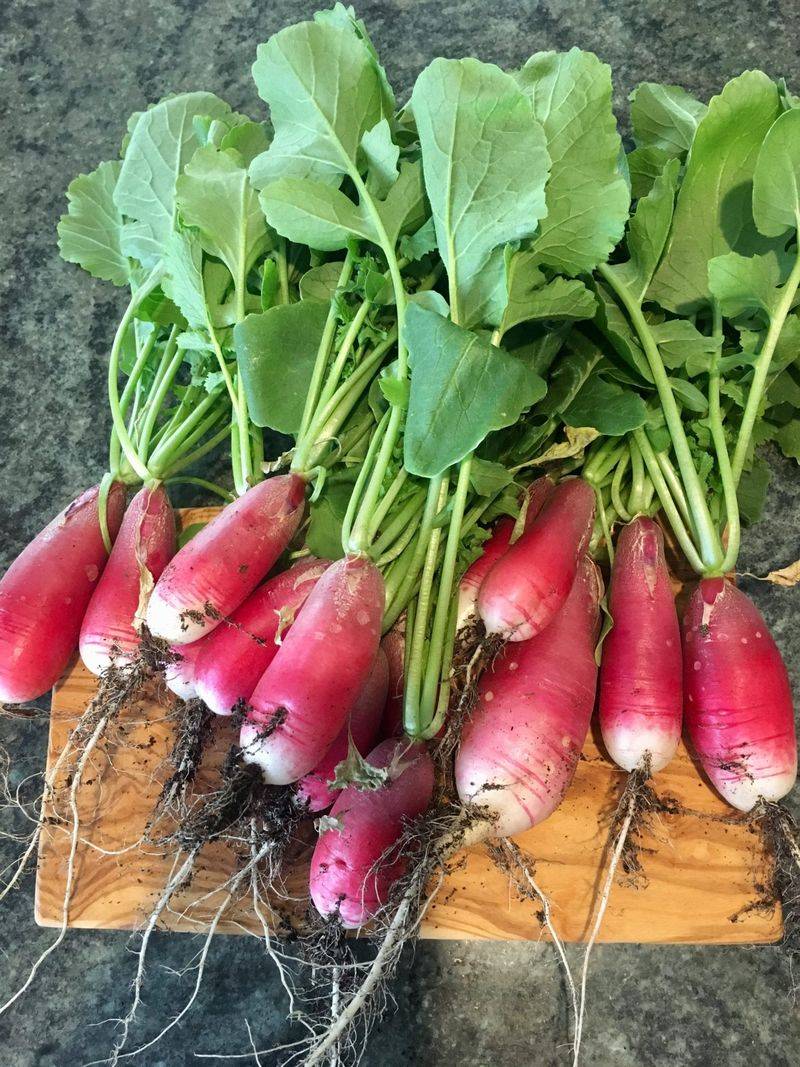
Impatient gardeners, meet your new favorite crop. Radishes can go from seed to salad in as little as 25 days, which means you can sow a row in late November and still have a crunchy holiday garnish.
Cool weather is where radishes really shine. Light frost does not bother them, and chilly temperatures may give them a cleaner, milder bite.
Summer radishes in Arizona often turn woody and fiery, so winter is truly their season.
These little roots are also clever companions. Their scent may confuse or repel some pest insects, so scatter them between rows of greens and other vegetables.
Sow a small batch every two weeks from October through February for a nonstop supply.
Leave a few plants in the ground past their prime and something lovely happens. Delicate white and pink flowers appear, offering food for bees and helpful predators when little else is blooming.
Birds and small critters may visit for the seed pods, too, turning a forgotten corner into a mini habitat.
Deep-rooted types like daikon can even help break up compacted soil, improving how water soaks in. That is a real perk in caliche-heavy yards.
Try varieties like Cherry Belle, French Breakfast, or Watermelon for fun colors.
6. Beets
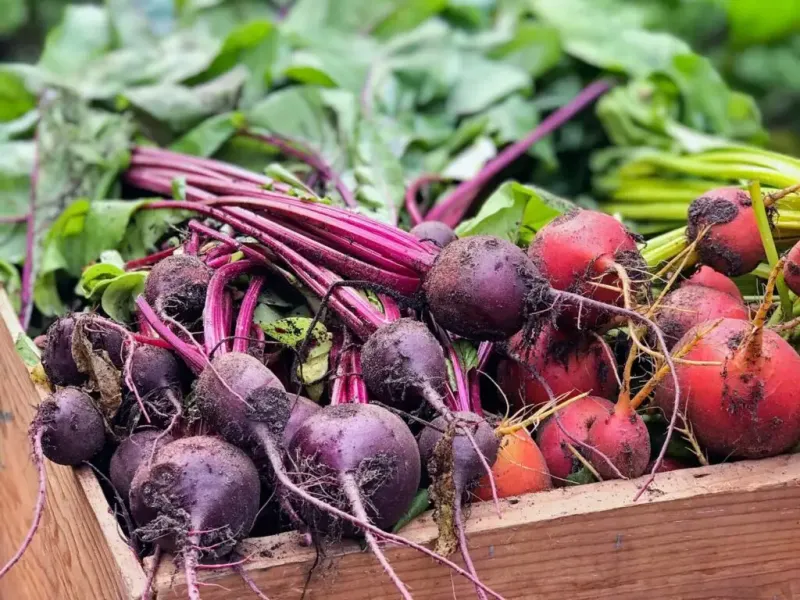
Two harvests from one plant is a pretty good deal. Beets give you earthy, ruby roots underground and tender, nutritious greens on top.
Many gardeners snip a few leaves for salads while the roots keep sizing up below.
In the low desert, beets are a natural fit for fall planting. Sow seeds from October through early December, about half an inch deep.
Each wrinkly seed is actually a cluster, so thin seedlings to three inches apart once they sprout, and toss the extras into a salad.
Water is the main thing to watch. Beets want regular moisture to form smooth, round roots, but soggy soil can cause rot.
Drip irrigation on a timer works beautifully, especially paired with a layer of straw mulch to slow evaporation. Raised beds help with drainage in heavy ground.
Frost is not a worry for these sturdy roots. A chilly week in December barely slows them, and cold weather can deepen their sweetness.
Expect harvests roughly 55 to 70 days after planting.
For variety, try Detroit Dark Red for classic flavor, Chioggia for candy-cane stripes, or Golden for a milder taste that will not stain your cutting board or your fingers.
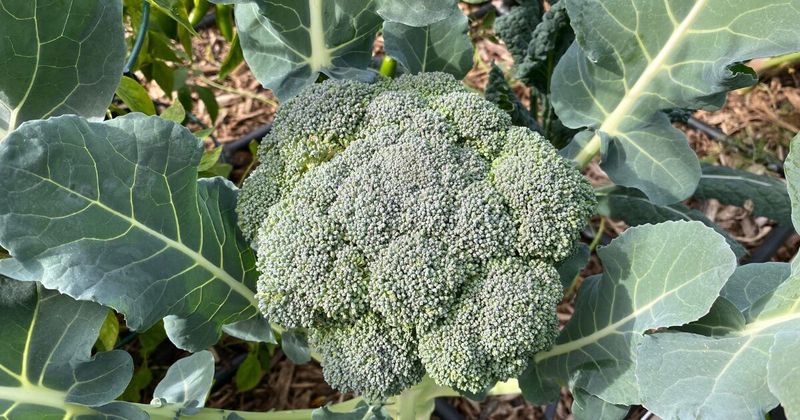
7. Broccoli
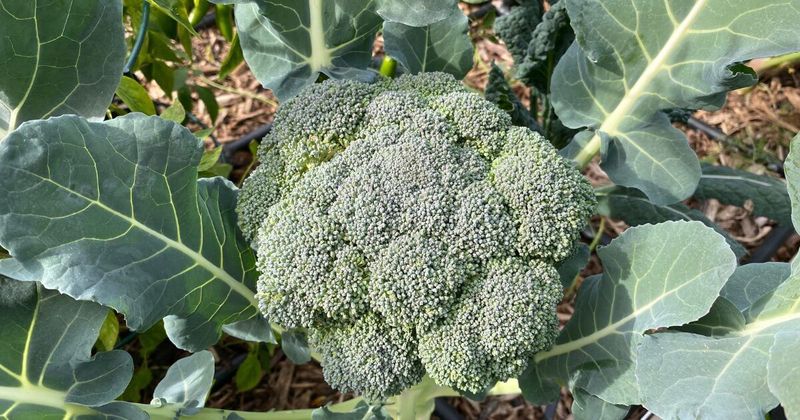
Homegrown broccoli might surprise you. Picked fresh from a desert garden in December, the heads taste sweeter and more tender than anything from a store shelf.
Kids who swear they hate broccoli have been known to change their minds.
Getting the timing right is key in Arizona. Set out transplants from late August through October so plants mature during cool weather.
If heads form while it is still hot, they can turn bitter or flower too soon. Once winter arrives, broccoli happily handles light frost.
The plant has a few smart defenses built in. Broccoli naturally produces compounds called glucosinolates, which can make it less appealing to certain insects.
It also uses less water than many other crops, a welcome trait when every drop counts.
After you cut the main head, do not pull the plant. Side shoots keep forming for weeks, giving you smaller bonus florets right through the holidays.
Varieties like Waltham 29, Green Goliath, and Packman are reliable here.
Eventually, leftover shoots will open into sunny yellow flowers. Rather than tossing them, let them bloom for a bit.
Bees and helpful insects may flock to the blossoms during the leanest stretch of the year.
8. Cilantro
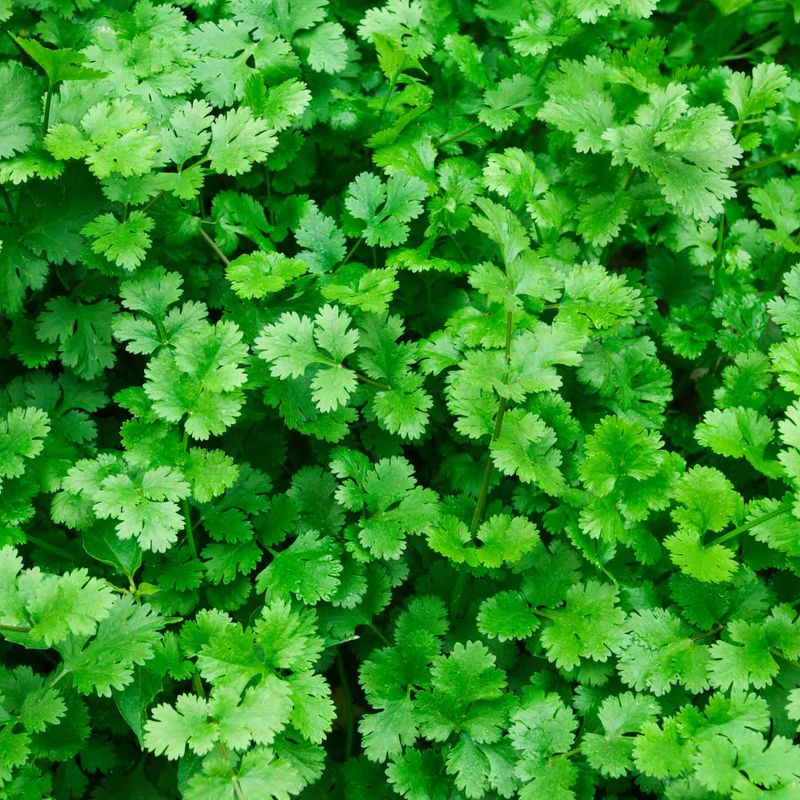
Arizona gardeners know the frustration well. Plant cilantro in spring, and it bolts the moment temperatures climb.
Plant it in fall instead, and the story completely changes, with lush, leafy bunches ready for salsa all winter long.
Cilantro loves cool days and shrugs off light frost. Sow seeds directly from October through February, either in garden beds or containers.
Crushing the round seeds gently before planting can help them sprout faster. A fresh sowing every three weeks keeps the harvest steady.
The aromatic leaves pull double duty. That strong scent may make the garden less tempting to rabbits, a common nibbler in desert neighborhoods.
Tuck cilantro around lettuce and other tender greens as a fragrant border.
When plants finally flower, resist the urge to clean them up. The lacy white blooms attract hoverflies and tiny parasitic wasps, which prey on aphids, caterpillars, and whiteflies.
Think of it as hiring a free pest crew for your yard.
And here is a fun twist: let the flowers set seed, and you have coriander, the warm spice used in curries and baking. Leftover seeds dropped on the ground will often sprout on their own next fall.