Early Fall Soil Amendments Every Virginia Yard Should Get Before November
Frost is approaching your Virginia lawn, yet you still have time left. Summer warmed your red clay, packed it tight, then soaked it repeatedly.
Roots need room to push through dense soil, and you can change that. Cool air above and warm soil below give you a short, generous opening.
Use it to aerate, amend, and feed before overnight temperatures drop. Warm soil keeps roots active well into fall, so you gain ground.
Compacted clay sheds water, so your fertilizer runs off. Core aeration opens channels, letting air, water, and nutrients reach your roots.
Test your soil, because Virginia clay runs acidic and locks up nutrients. Spread lime now if your test shows acidic soil, helping spring growth.
Thin patches fill in, and you crowd out weeds. Act this weekend, and you can walk on thicker, springier turf by April.
1. Test Your Soil Before Adding Anything
Guessing what your yard needs is like buying shoes without knowing your size. A simple soil test takes the mystery out of fall care and helps you avoid buying products your soil does not need.
Virginia Cooperative Extension offers affordable test kits through local county offices across the state. You scoop samples, mail them to the Virginia Tech lab, and receive results after a short wait, so check the lab’s current turnaround time.
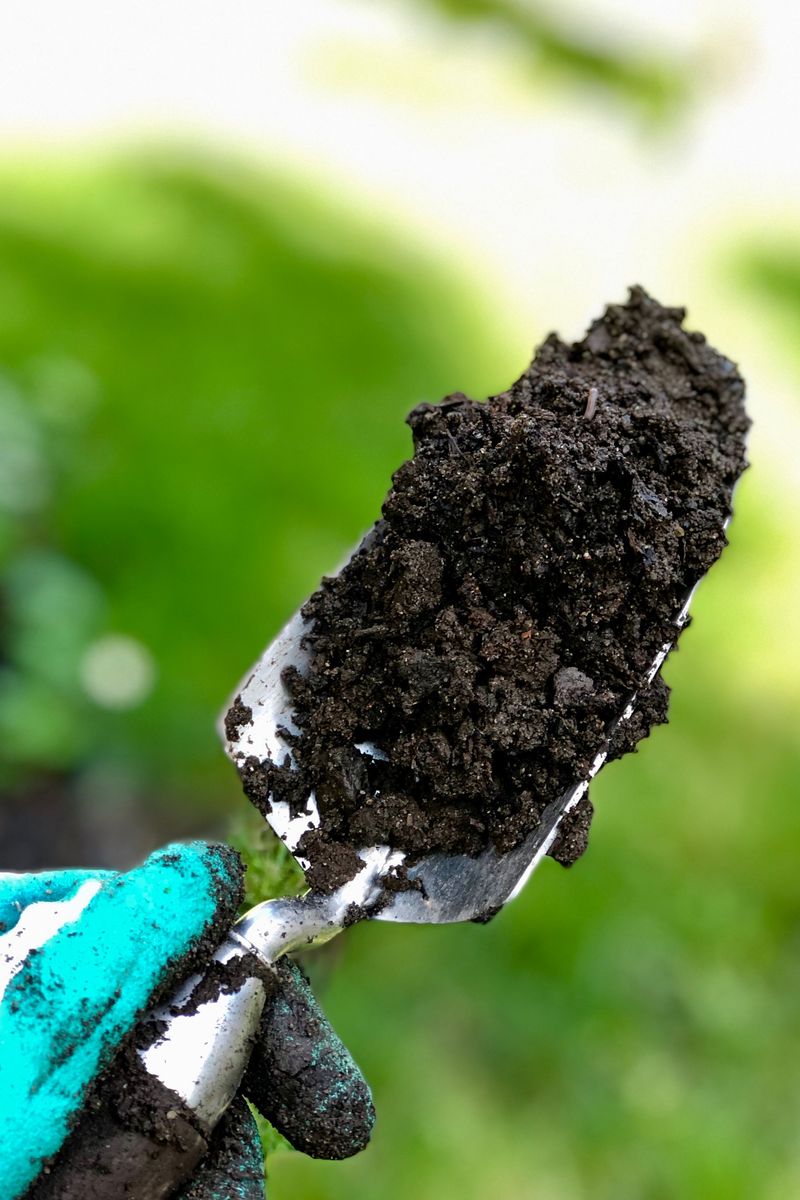
Grab a clean bucket and a trowel, then dig in several spots to the depth your kit’s instructions recommend for lawns or garden beds. Mix those scoops together so the sample shows the whole yard, not one odd corner.
Keep lawn samples separate from vegetable bed samples, since each area has different needs. Label every bag clearly with a marker, or you might mix up the tomatoes with the front lawn.
Your report will show pH, which measures how sour or sweet the soil is. It also lists nutrients like phosphorus and potassium, plus exact suggestions for what to add.
Many Virginia soils lean acidic, thanks to heavy rain and common red clay. Without a test, though, you could add lime where it is not needed at all.
October is a smart time to test because you can still act on the results before frost. Check the lab’s current turnaround so results reach you before November frosts arrive.
Think of the report as a handy shopping list written just for your own yard. Many other steps on this list work better once you know what is going on underground.
2. Spread Garden Lime On Sour Clay

Picture a lawn that gets fertilizer but still looks pale. Acidic soil can be one cause, and garden lime is a common fix.
When soil gets too acidic, grass roots struggle to grab the nutrients already sitting there. Lime raises the pH, unlocking that food so plants can finally use it.
Lawns grow best in slightly acidic to neutral soil, so follow the target pH on your soil report. Some yards test closer to 5.5, which is below the ideal range.
Your Virginia Garden Changes Every Week. Your Plan Should Too.
Gardening in Virginia changes quickly throughout the season. Every Friday you’ll receive a simple weekly plan showing exactly what to plant, prune, fertilize, harvest, and protect so you never miss the right timing.
Fall is prime time because lime works slowly, taking months to change the soil. Spread it in October, and winter moisture will help it begin working into the soil.
Pelletized lime is the easiest choice for homeowners because it flows smoothly through a regular spreader. It also creates far less dust than powdered lime, so your clothes stay cleaner.
Follow the rate on your soil test, since it depends on your soil and the product. Avoid piling on extra, because too much lime causes its own set of problems.
Walk the spreader in two directions, like making a checkerboard across the yard. Crisscrossing helps prevent stripes of green and yellow grass next spring.
Keep lime away from azaleas, blueberries, and rhododendrons, which love acidic soil. Those plants may struggle if the soil becomes less acidic.
Water lightly after spreading to help the pellets break down. By spring, your grass may look healthier as the pH improves.
3. Work In Compost For Richer Soil
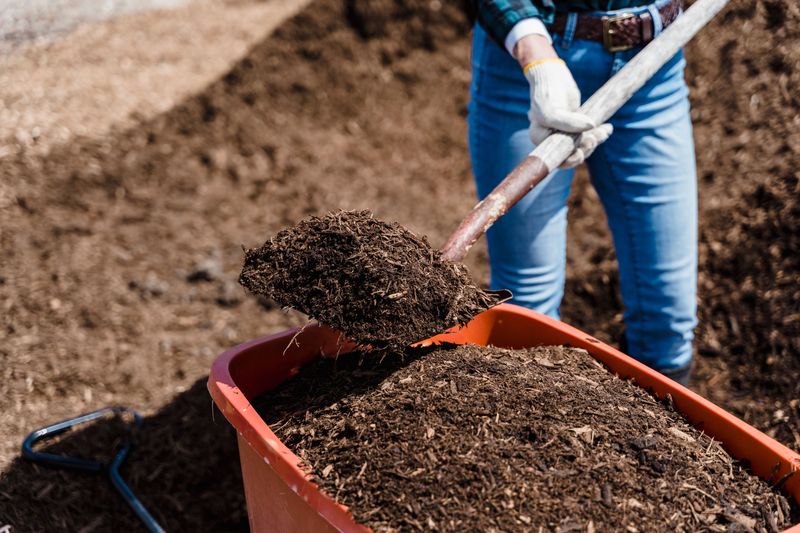
Gardeners often call compost black gold, and for good reason. A few shovelfuls can improve depleted soil by adding organic matter.
Compost is simply broken-down leaves, grass, food scraps, and other once-living material. It feeds the tiny worms, fungi, and bacteria that keep soil healthy and loose.
Heavy clay is common across much of Virginia, and it packs down like modeling clay. Compost creates little air pockets so roots can wiggle through and water can drain.
Sandy soils near the coast have the opposite problem, since water rushes right through them. Compost acts like a sponge there, holding moisture where plant roots can reach it.
For garden beds, spread about two to three inches of compost across the surface. Then use a garden fork to mix it into the top six inches of soil.
Lawns can benefit too through a trick called topdressing. Rake a quarter inch of fine compost over the grass, especially right after aerating.
October weather suits this job well because the soil is still warm and workable. Soil life stays busy for weeks, digesting compost before the ground gets cold.
You can make your own from kitchen scraps and yard waste, or buy it in bags. Some Virginia localities also offer bulk compost made from collected leaves, so check with your county or city.
Sniff it before using it, because good compost smells sweet and earthy like a forest floor. A sour or rotten smell means it needs more time to finish.
4. Use Gypsum Only Where Soil Tests Call For It

Ever dug a hole after a rainstorm and pulled up a sticky orange brick? Many Virginia homeowners work with this dense clay each year.
Gypsum is a natural mineral called calcium sulfate, mined from the earth for centuries. Ancient Egyptians even used gypsum-based mortar in pyramid construction.
In sodic, high-sodium soil, gypsum helps clay particles clump into bigger crumbs. Those crumbs leave more space for air, water, and roots to move around.
Unlike lime, gypsum does not change your soil pH in any meaningful way. That makes it a safe choice around acid-loving shrubs like azaleas and camellias.
Gypsum works mainly on clay that is high in sodium, which a soil test can confirm. Yards near roads that get winter salt may be candidates, but test first.
If your soil test recommends gypsum, spread it at the rate on the report or product label using a regular lawn spreader. Pelletized gypsum is cleaner to handle and flows more evenly than the powder.
Core aeration is a smart move this time of year for compacted soil. If your test calls for gypsum, apply it after aerating.
Be patient, because gypsum will not change most clay on its own. Compost and aeration usually do more to loosen compacted soil.
Even small steps toward looser soil make digging, planting, and mowing easier. Check your soil test before buying a bag, since gypsum only helps where the soil needs it.
5. Feed Cool-Season Grass With Slow Nitrogen
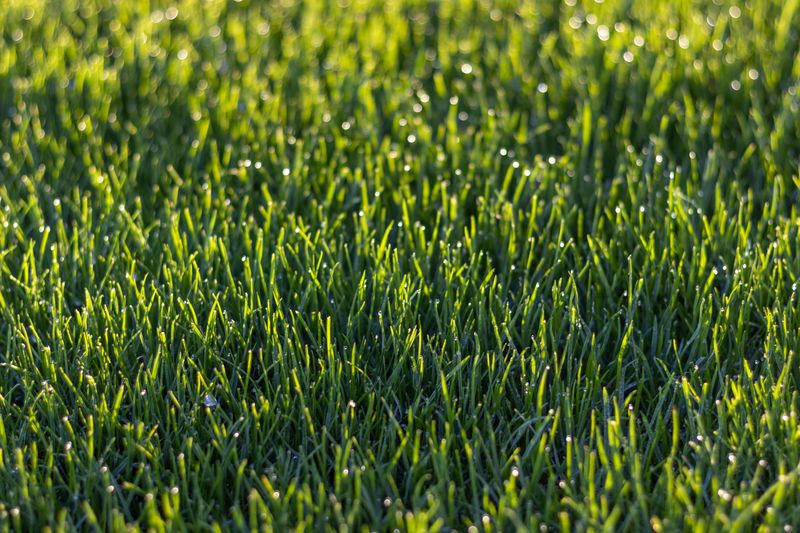
Turf experts at Virginia Tech say fall is the most important feeding time for cool-season lawns. Spring gets all the attention, but autumn is when grass quietly builds its strength.
Tall fescue, a widely planted lawn grass in Virginia, grows well in cooler weather. Its roots keep growing even after the blades slow down in late fall.
A dose of nitrogen now helps grass store energy in its roots for winter. That stored fuel means a faster green-up when spring finally rolls around.
Slow-release nitrogen feeds the lawn little by little over several weeks. Fast-release types can be lost to runoff in heavy rain and may burn grass if over-applied.
Look for bags that say slow-release or list water-insoluble nitrogen on the label. Organic choices like feather meal also break down slowly, though they release less in cold soil.
Virginia has fertilizer rules to reduce nutrient runoff into waterways, including the Chesapeake Bay.
For cool-season lawns, the state recommends no more than 0.9 pound of total nitrogen per 1,000 square feet in any 30-day period, and no more than 0.7 pound of that as quick-release nitrogen. Check the product label for its application rates.
Check Virginia Cooperative Extension’s lawn calendar for the best fall feeding dates in your region. If you missed September, an October feeding can still give your grass a boost.
Sweep any granules off sidewalks and driveways back onto the grass. Pellets left on pavement can wash into storm drains with the next rain.
Skip this step for warm-season grasses like Bermuda or zoysia, which are heading into dormancy now. Feeding them in fall can make them more likely to sustain winter injury.
6. Mulch Shredded Leaves Into Beds
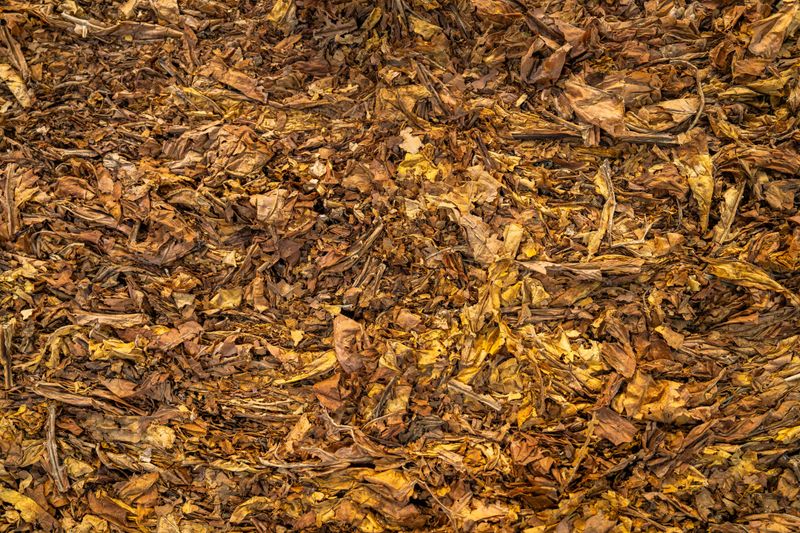
Each fall, Virginia trees drop free organic matter right on your lawn. Many people rake it up, bag it, and haul it away.
Fallen leaves contain minerals that tree roots pulled from deep underground. Shredding them turns that crunchy pile into a low-cost soil booster.
Whole leaves can mat together like wet paper and cover small plants. Running a mower over them chops them into bits that break down much faster.
Try mowing with the bag attached to collect the shredded pieces in one easy pass. Your lawn gets tidied up, and you get a big batch of mulch.
Spread two or three inches of shredded leaves over empty vegetable beds and around perennials. Leave a little gap near tree trunks and shrub stems to prevent rot.
Over the winter, earthworms will tug the pieces down into the soil like tiny farmers. By spring, much of the layer will have broken down into rich, dark earth.
Oak leaves take longer to break down, while maple and tulip poplar leaves soften quickly. Mixing different kinds gives you a nice balance of fast and slow feeding.
You can also leave a thin layer of chopped leaves right on the lawn. As long as grass blades still peek through, the bits will feed the turf.
Keep an extra pile in a corner to use as compost material next year. Your neighbors may be curious, but your garden may benefit.
7. Sow A Cover Crop In Empty Beds
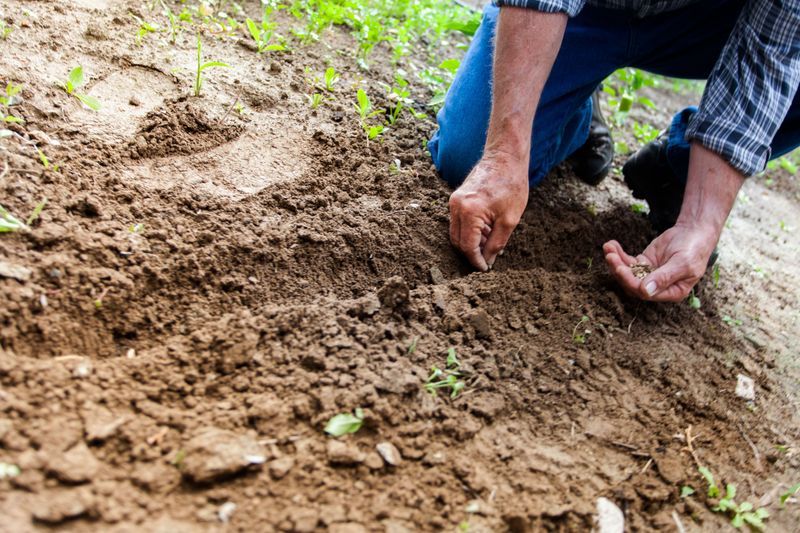
George Washington used clover and crop rotation at Mount Vernon to restore his depleted Virginia fields. Centuries later, similar methods still work in backyard gardens.
A cover crop is a plant grown to protect and feed the soil instead of your dinner table. Think of it as a cozy green blanket for beds that would otherwise sit bare.
Bare soil washes away in heavy winter rain and gets crusty and hard. Roots from a cover crop hold the dirt in place and keep it loose.
Cereal rye is a top pick for Virginia because it sprouts even in chilly weather. Crimson clover can add nitrogen to the soil, especially with inoculated seed, and its red spring flowers look attractive.
Timing matters, so try to sow by mid-October in most of the state. Gardeners in the cooler mountain regions should aim for late September or early October.
Rake the bed smooth, scatter the seed, and lightly rake again to cover it. Water well, and you should see tiny green sprouts within about a week.
Through winter, the plants keep growing slowly whenever the weather warms up a little. They also give earthworms and helpful soil microbes something to snack on.
In early spring, chop the plants down a few weeks before you plan to plant vegetables. Leave them on top as mulch or turn them into the soil, but keep in mind that rye mulch can slow small seeds from sprouting.
Many local feed stores and garden centers sell cover crop seed by the pound. One small bag can cover several raised beds with plenty to spare.
8. Add Bone Meal Under Spring Bulbs Only If Soil Is Low In Phosphorus
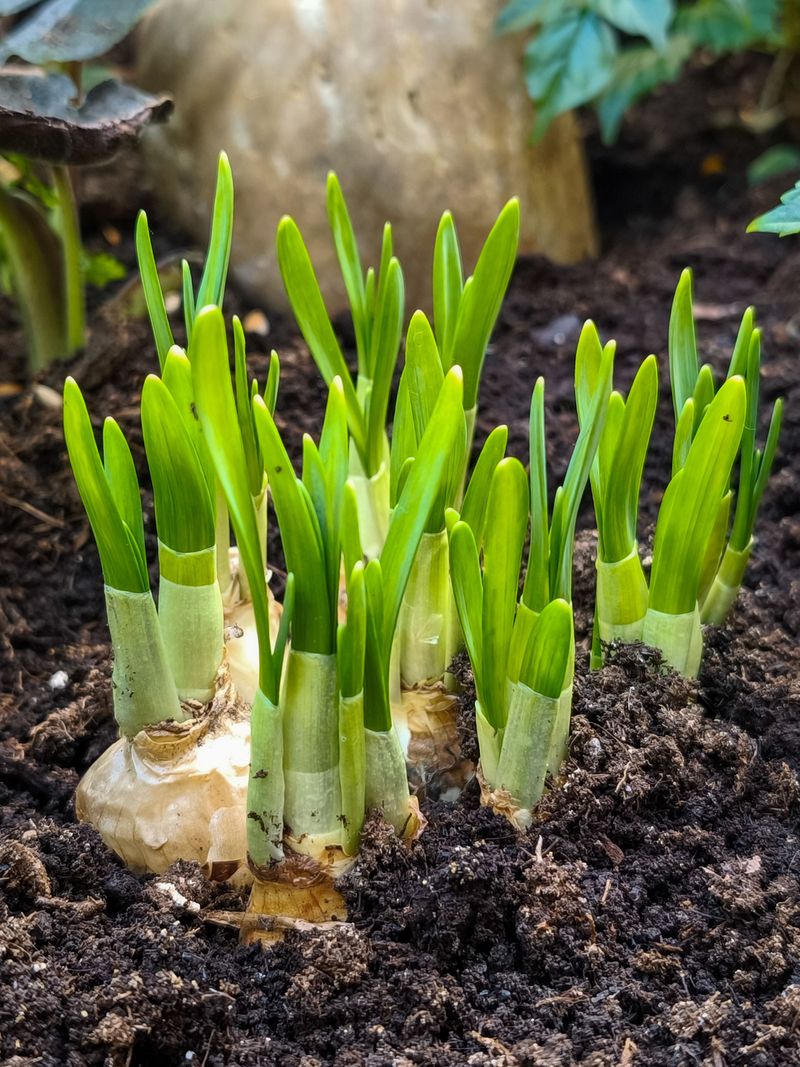
A row of yellow daffodils nodding beside an old farmhouse fence is a classic sign of spring in Virginia. Those cheerful blooms start their journey underground in October.
Bone meal is ground animal bone, and it is rich in phosphorus and calcium. Phosphorus supports root growth, but bulbs also carry their own stored energy, so many yards do not need extra.
Check your soil test first, since many Virginia yards already have plenty of phosphorus. Adding more than plants need can wash into creeks and harm local waterways.
If your report shows low phosphorus, mix bone meal into each planting hole at the rate on the product label. Stir it into the loose soil at the bottom so roots can reach it.
Plant tulips, daffodils, and hyacinths about three times as deep as the bulb is tall. Set them pointy side up, then cover and water them well.
Dogs and raccoons are often drawn to the smell of bone meal and may dig up your work. Eating it can upset a dog’s stomach, so keep pets away from the bed. Covering the spot with chicken wire or a layer of leaves can discourage curious diggers.
Bulb booster blends are another option if you want extra nutrients beyond phosphorus. They usually include nitrogen and potassium for well-rounded feeding.
Squirrels adore tulip bulbs, so consider planting daffodils if they cause trouble in your yard. Daffodils are toxic, so most critters leave them alone. Keep pets and children from eating the bulbs.
Plant bulbs once the soil cools in fall and before the ground freezes, which often means October through November in Virginia. Come March, you will be glad you spent one chilly afternoon digging.