When To Expect The First Frost In New Jersey And How To Protect Your Plants
Frost can damage your dahlias between midnight and sunrise. You live in New Jersey, where northern gardens meet frost weeks ahead of southern ones.
Your basil, impatiens, and tomatoes can turn limp and blackened after a single icy night. Water your beds in the afternoon, because damp soil releases stored warmth after dark.
Drape bedsheets or row cover over your plants before sunset, then anchor the edges. Lift the fabric when sunlight hits the bed, or you risk overheating leaves.
Pumpkins on your stoop tolerate light frost, yet a hard freeze can turn them soft. Watch your forecast during October in New Jersey, because clear, calm nights drop temperatures fast.
Choose cover days wisely, and you stretch color across weeks of extra bloom. Mums, asters, kale, and pansies tolerate chilly mornings, so you can plant them now. Blooms may last longer.
Expect Frost In North Jersey From Late September To Mid October
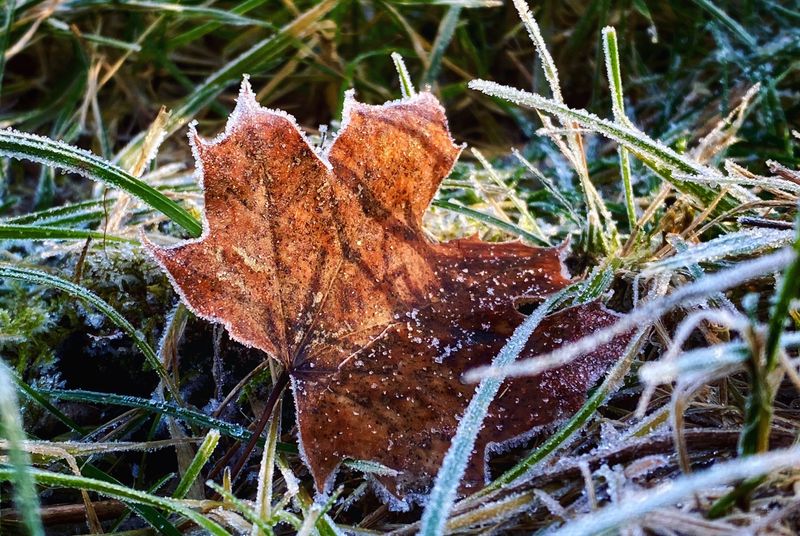
Picture a crisp morning in Sussex County, with silvery grass crunching under your sneakers. Up in the hills of North Jersey, that scene can show up early.
Gardeners in Sussex, Warren, and Morris counties often see first frost from late September to mid October. These dates are long-term averages, so frost can arrive earlier or later in any given year.
Places like High Point and the Kittatinny Ridge sit much higher than towns near the coast. That extra height means nights there can run noticeably cooler than in Newark.
Valleys play a role as well. Cold air is heavy, so it slides downhill and pools in low spots like water in a bowl.
In October, it is time to pay close attention. Check the forecast every evening, and look for nights dipping into the mid thirties.
Frost can form even when the thermometer reads 36 degrees, especially on clear and calm nights. Without clouds acting like a blanket, the ground loses heat fast after sunset.
A simple outdoor thermometer placed near your garden beds gives you better info than a phone app. Your yard may run colder than the weather station miles away.
Keep a small notebook and jot down the date your first frost arrives each year. A little monitoring now prevents plant losses later.
Watch For Frost In Central Jersey From Mid To Late October
Think of Central New Jersey as the middle child of frost season. It usually gets its first chilly visit after the north but before the shore.
Towns in Somerset, Middlesex, Mercer, and Hunterdon counties typically see first frost from mid to late October. Hunterdon can run a little earlier because of its higher, rolling terrain.
Gardeners around New Brunswick and Princeton usually circle the third week of October on their calendars. Still, an early cold snap can sneak in a week or two sooner.
Rutgers University, located in this region, has studied New Jersey weather and farming for well over a century. Its Cooperative Extension publishes gardening guidance, so check its website for current frost information.
Your New Jersey Garden Changes Every Week. Your Plan Should Too.
Gardening in New Jersey changes quickly throughout the season. Every Friday you’ll receive a simple weekly plan showing exactly what to plant, prune, fertilize, harvest, and protect so you never miss the right timing.
Cities heat things up a bit too. Pavement and buildings soak up sunshine all day and release that warmth slowly at night.
So a backyard in Trenton may stay frost free while a farm field outside town turns white. Your exact spot matters just as much as your county.
Watch for frost advisories from the National Weather Service, which covers most of the state from Mount Holly and the northeast counties from its New York office. They post alerts when temperatures may drop low enough to harm tender plants.
Another clue is the sky itself. Clear, starry nights with no wind are the classic setup for a frosty sunrise.
Look at your garden at dusk on those nights and make a quick plan. Ten minutes of prep can protect a season of work.
Central Jersey gives you a little extra time, so use it wisely. Late October is the moment to have covers and buckets ready.
Plan For Frost In South Jersey From Late October And At The Shore In November
Down along the Jersey Shore, the ocean acts like a giant hot water bottle. All summer it soaks up heat, then gives it back slowly through fall.
Coastal towns like Cape May and Atlantic City often avoid frost until early or mid November. Some years, the first frost waits until nearly Thanksgiving.
Inland South Jersey is a different story. Spots in the Pine Barrens can see frost in mid October, weeks ahead of nearby beach towns.
The sandy soil of the Pinelands holds very little heat after dark. Low, open areas there can get quite cold, even when the coast feels mild.
Gloucester, Salem, and Cumberland counties usually land somewhere in between, around late October. Farmers there grow large quantities of tomatoes, peppers, and sweet corn, so they watch the forecast closely.
Living near water helps, but bays and rivers work on a smaller scale than the ocean. A home right on the Delaware River may stay slightly warmer.
If you just moved south from North Jersey, enjoy the bonus weeks. Your neighbors up north may be pulling plants while you are still picking ripe peppers.
Even so, do not get too relaxed. A sudden blast of Canadian air can push frost toward the coast faster than expected.
Keep a few old bedsheets folded by the back door from late October onward. That way you can toss them over plants the moment a cold warning pops up.
South Jersey gardeners get the longest season in the state. With a little attention, flowers can keep blooming well into November.
Cover Tender Plants With Sheets Or Frost Cloth At Night

Grandma had the right idea when she draped old bedsheets over her tomato plants on chilly nights. A cover traps warmth rising from the ground and keeps icy crystals off leaves.
Frost cloth, also called a row cover, is a lightweight fabric made just for this job. It lets air and light through while holding in a few degrees.
Bedsheets, old blankets, and cardboard boxes work well too. Avoid plastic touching leaves directly, since cold passes right through it and can damage the plant.
One detail makes a big difference. Let the cover reach all the way to the ground like a tent, not a hat.
The warmth you want comes from the soil, not the air. If the fabric stops halfway, that heat floats away into the night sky.
Use rocks, bricks, or garden pins to hold the edges down. Fall winds in New Jersey can be gusty, and a loose sheet offers little protection.
Timing matters as much as the cover itself. Put it on in the late afternoon, before the sun drops and the air cools.
In the morning, pull covers off once temperatures climb above freezing. Plants need sunlight, and leaving them wrapped all day can make them weak and soggy.
Stakes or tomato cages help keep heavy blankets from crushing delicate stems. A few sticks pushed into the soil create a simple frame in minutes.
For small plants, an upside-down bucket or flowerpot does the job nicely. It is cheap, quick, and your seedlings will thank you by sunrise.
Water The Soil Deeply Before A Cold Night

Watering your garden before a freeze sounds backward, almost like giving someone ice cream in a snowstorm. Yet wet soil holds far more heat than dry soil, and it releases that warmth overnight.
Think of moist ground as a slow cooker for your plants. It soaks up sunshine during the day and gives it back after dark.
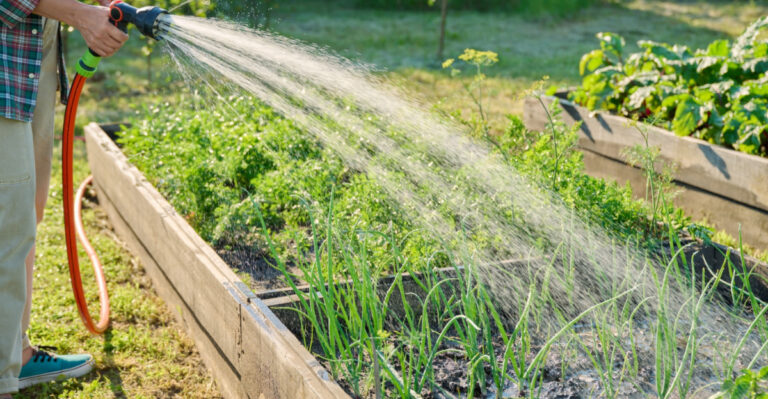
Water deeply in the morning or early afternoon on the day a frost is forecast. That gives the soil time to absorb the moisture and warm up in the sun.
Skip the late evening sprinkle, though. A single evening sprinkle can leave water on leaves that freezes and causes harm.
Aim the hose at the base of each plant rather than spraying the tops. A soaker hose or watering can makes it easy to target the roots.
Well-watered plants handle stress better in general. Thirsty plants are already struggling, so a cold night hits them harder.
Fall in New Jersey can be dry, especially during a sunny October stretch. Stick a finger two inches into the soil to check moisture before a chilly night.
If the soil feels dusty, give it a long, slow drink. If it already feels damp, a light watering is plenty.
Some farmers take this idea further by running sprinklers all night during a frost. As water freezes, it actually releases a tiny bit of heat that protects the fruit.
That method takes careful planning and lots of water, so home gardeners can stick with a daytime soak. It is free, simple, and effective.
Spread A Thick Layer Of Mulch Around Roots And Beds
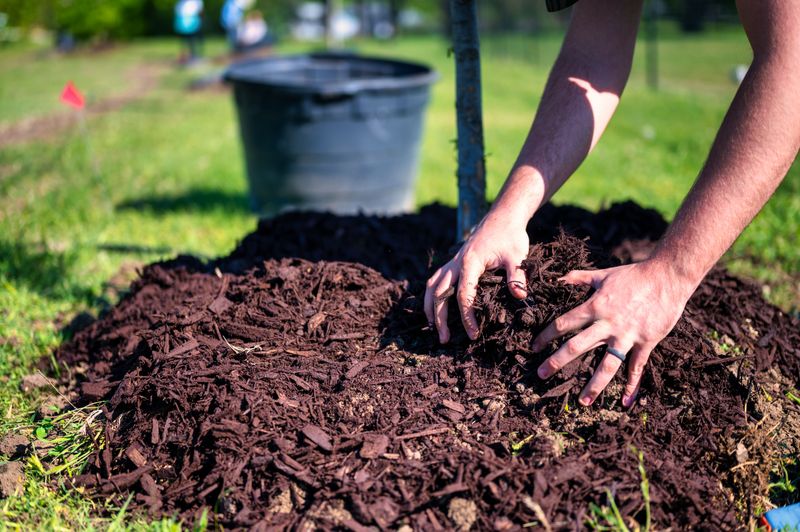
A good layer of mulch is like a cozy winter scarf for your garden beds. It keeps the soil warmer and steadier when nighttime temperatures start bouncing around.
Shredded leaves, straw, pine needles, and wood chips all make great mulch. Many New Jersey yards already have a free supply falling from the trees right now.
Rake up those October leaves and run the mower over them a few times. Shredded leaves stay put better and will not mat down into a soggy pile.
Spread mulch about two to four inches deep around the base of your plants. Pull it back an inch or so from stems to prevent rot and mold.
Mulch works best around perennials, shrubs, bulbs, and root crops like carrots. On frost nights, bare, moist soil releases more heat to nearby tender foliage, so keep mulch away from frost-tender annuals.
Carrots and parsnips left in the ground can even taste sweeter after a few cold nights. Wait until the soil has cooled a bit before piling mulch on perennials for winter. Mulching too early can keep plants confused and growing when they should rest.
For frost protection on a single chilly night, you can pile loose straw right over low plants. Remove it the next morning so the leaves can soak up sunlight.
Mulch also stops soil from heaving up and down during winter freeze and thaw cycles. That movement can push roots right out of the ground.
Best of all, mulch breaks down over time and feeds your soil. Your garden gets a warm blanket now and a healthy snack by spring.
Move Potted Plants Into A Garage Or Sunny Porch
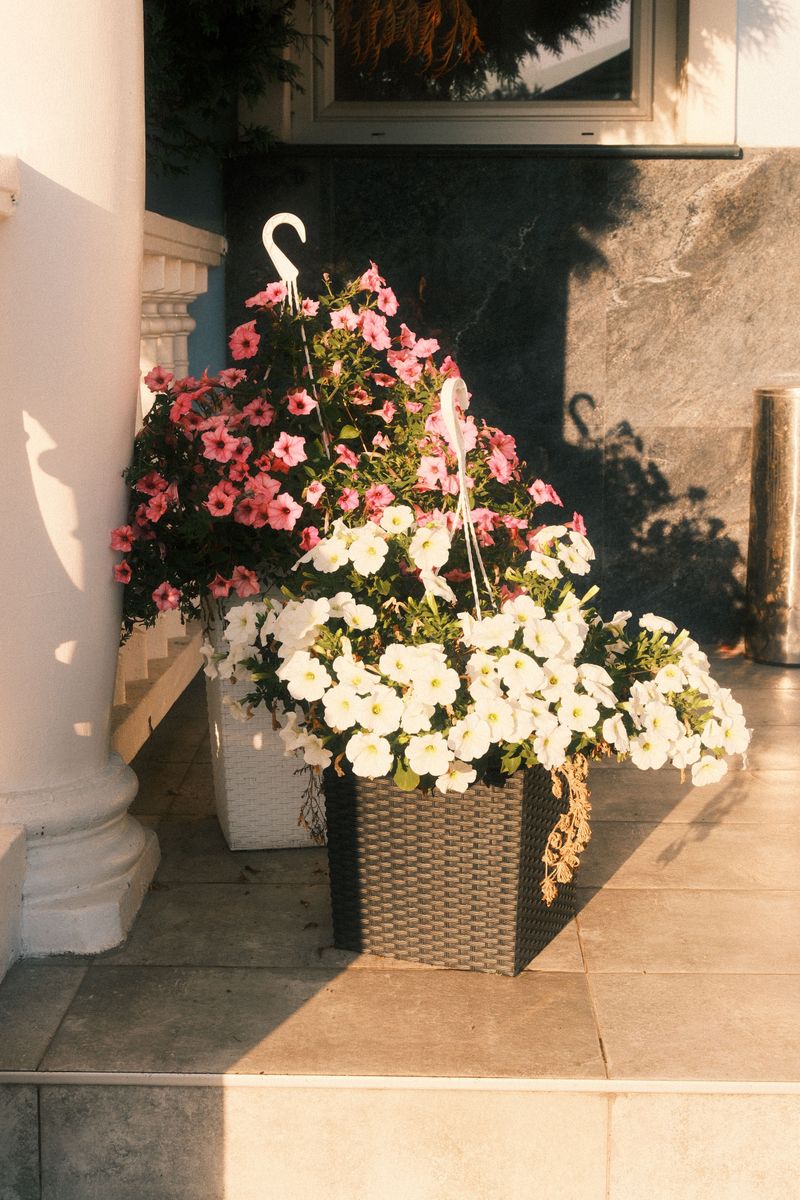
Container plants have one big advantage over their in-ground cousins. They can move indoors when temperatures drop.
Pots get cold faster than garden soil because chilly air hits them from every side. Roots inside a container have far less protection than roots tucked in the ground.
Bring tender potted plants inside when nights start dipping into the forties. Geraniums, hibiscus, mandevilla, and tender herbs like basil all appreciate coming indoors early.
Before you move anything, check carefully for hitchhikers. Look under leaves and around the pot for spiders, aphids, and other tiny guests.
A gentle spray with the hose a few days earlier can wash most bugs away. Nobody wants a surprise bug party in the living room.
A garage, enclosed porch, or sunroom makes a great temporary shelter for a cold night or two. Even a spot against the house offers a few degrees of protection.
For plants staying indoors all winter, pick the sunniest window you have. South-facing windows are ideal, since daylight gets short in New Jersey by December.
Expect some leaf drop after the move. Plants need time to adjust to dry indoor air and lower light, so be patient.
Cut back on watering once plants come inside. They grow slower in winter and can rot if the soil stays soggy.
Heavy pots can be tricky, so a small plant dolly with wheels makes moving much easier. Your back will be grateful every October from now on.
Harvest Warm Season Crops Before The Temperature Drops

Sometimes the smartest move is to harvest everything ripe promptly. Before a hard freeze arrives, pick your warm-season veggies and enjoy the final feast.
Tomatoes, peppers, eggplant, squash, cucumbers, and basil are all sensitive to cold weather. Even one night near freezing can damage their leaves and turn their fruit mushy.
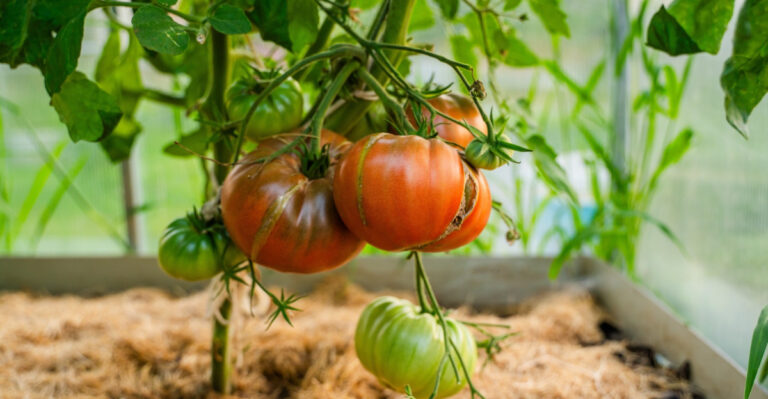
Green tomatoes do not have to go to waste. Wrap mature green tomatoes in newspaper or set them in a paper bag, and many will ripen indoors. Very small, hard green fruit will not ripen.
Adding a ripe banana or apple to the bag can speed things up. Those fruits give off ethylene gas, a natural ripening helper.
Fried green tomatoes are another tasty option, especially in a state famous for its Jersey tomatoes. Some families treat that last batch as a yearly fall tradition.
Pick peppers at any color, since green ones are simply less mature. Pumpkins and winter squash should be cut with a few inches of stem attached.
Basil is especially cold-sensitive and wilts at the first chill. Harvest it early and blend it into pesto for the freezer.
Cool-season crops are a different story. Kale, collards, Brussels sprouts, and spinach can handle light frost and often taste better afterward.
Cold nights make those plants store more sugar, which gives them a sweeter flavor. Leave them in the garden and harvest as needed through November.
Keep a basket and garden shears by the door during October. When a cold warning pops up, you will be ready to pick in minutes.