Why Some California Native Plants Take Years To Show Their Full Potential
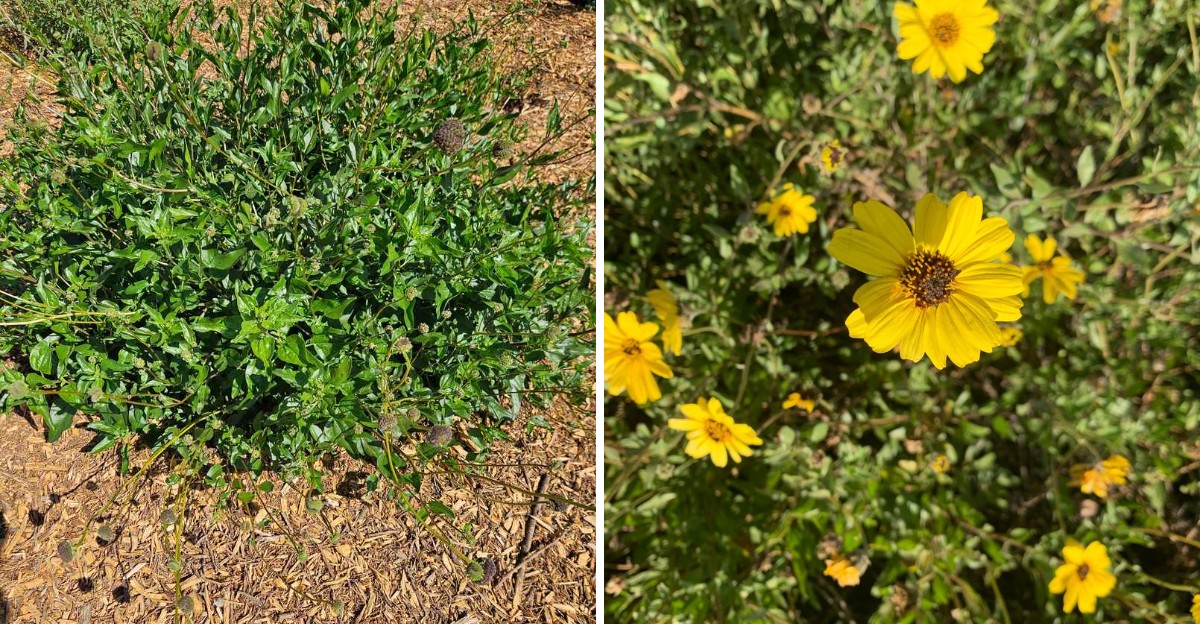
Some native plants spend months looking as if nothing is happening at all. A shrub tucked into the ground in spring can reach fall with barely a new leaf to show for it.
That stillness often sparks worry, second-guessing, and a few well-meant mistakes that actually set young plants back.
Behind the scenes, though, a very different story is unfolding.
California’s long dry summers shaped these plants in ways that reward patience far more than effort. Their timeline follows an old rhythm that many gardeners only learn after a season or two of fretting.
Once that rhythm makes sense, a slow start stops looking like failure and starts looking like a plant quietly preparing for something big.
First Year Growth Happens Underground
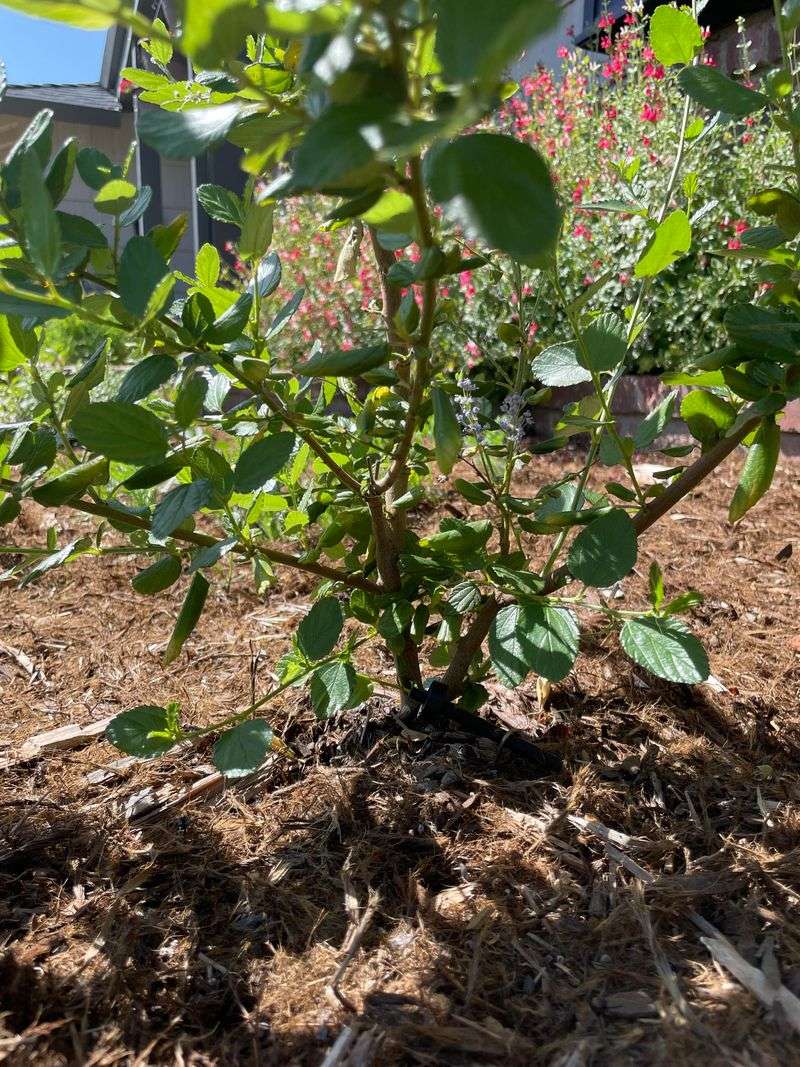
A one-year-old manzanita lifted from the ground would reveal a surprise. The top might be the size of a coffee mug, while the roots stretch far wider and deeper.
Most of the action stays hidden in the soil. Young natives make a smart trade in their first season, sending energy downward instead of upward.
UC ANR explains that establishing a root system is the main job for many new perennials and shrubs. That’s especially true for plants built for dry summers.
The reason ties back to California’s weather. Rain usually falls from fall through spring, then stops for months.
A plant with a big leafy top and tiny roots would run out of water fast. Early root growth prepares it to find moisture long after the rain is gone.
Planting time matters, too. UC ANR and the California Native Plant Society both suggest planting most natives in fall, when cool weather and winter rain give roots a head start.
A spring planting can still work, though the plant faces its first hot season with a smaller root system. Year one calls for a few simple habits.
Regular watering helps roots settle, weeding removes competition for moisture, and a layer of mulch keeps soil cool. Judging the plant by its size is best postponed.
A small top often means a busy bottom. That hidden growth sets up everything that follows.
Sleep Creep Leap Describes The Timeline
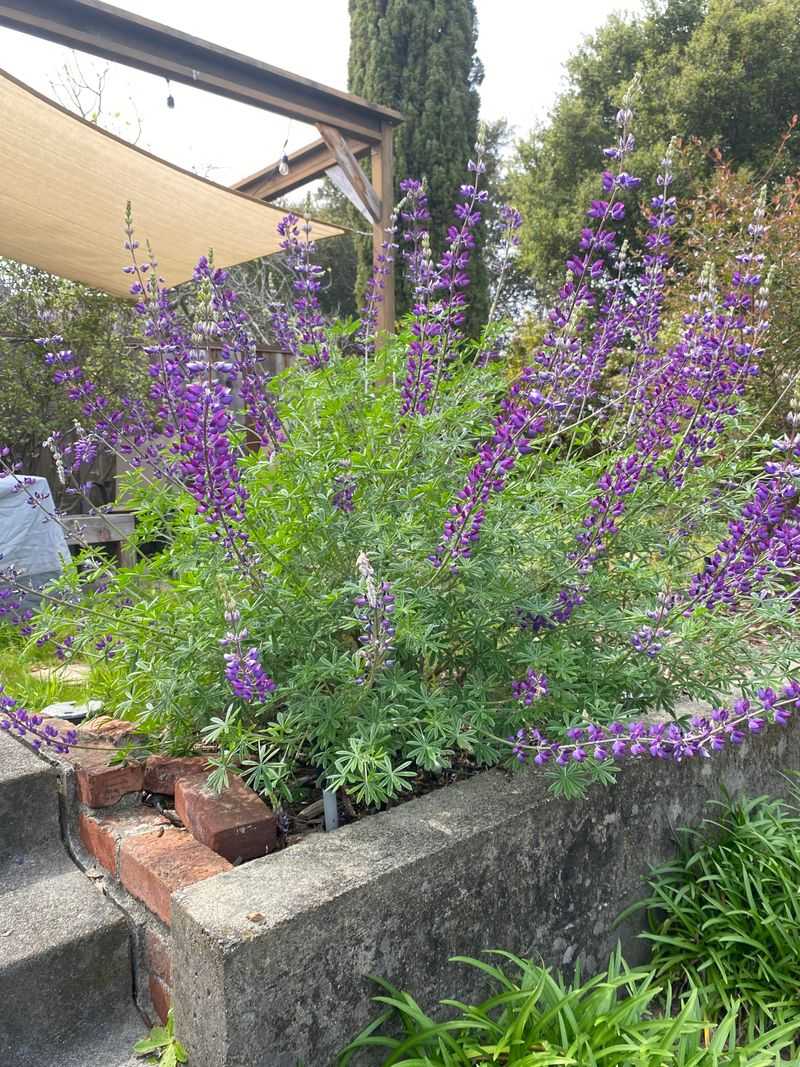
Three short words have calmed countless nervous gardeners: sleep, creep, leap. California Native Plant Society chapters and native nurseries often use this old saying to describe how perennials grow.
The pattern usually plays out over three years. In year one, the plant seems to sleep, showing very little new growth while roots do the work.
In year two, it starts to creep. Steady but modest growth appears above ground.
Year three brings the fun part. The plant often leaps, filling out, spreading wider, and blooming more heavily.
Many gardeners say it feels like the plant woke up overnight, even though it was busy the whole time. The saying works best as a rule of thumb rather than a promise.
Some natives move much faster. California poppies, many annual wildflowers, and quick growers like some buckwheats or monkeyflowers can look great in a single season.
Your California Garden Changes Every Week. Your Plan Should Too.
Gardening in California changes quickly throughout the season. Every Friday you’ll receive a simple weekly plan showing exactly what to plant, prune, fertilize, harvest, and protect so you never miss the right timing.
Other plants, like certain oaks or manzanitas, may take longer than three years to reach a mature look. Weather, soil, sun, and plant size at planting all change the pace.
A plant set out from a one-gallon pot may follow the pattern closely, while a tiny seedling might need extra time. A wet winter can speed things up, and a dry one can slow them down.
A notebook or yearly photos help track each garden’s own rhythm. That record often brings more reassurance than any chart.
Dry Climate Plants Grow Slowly By Design
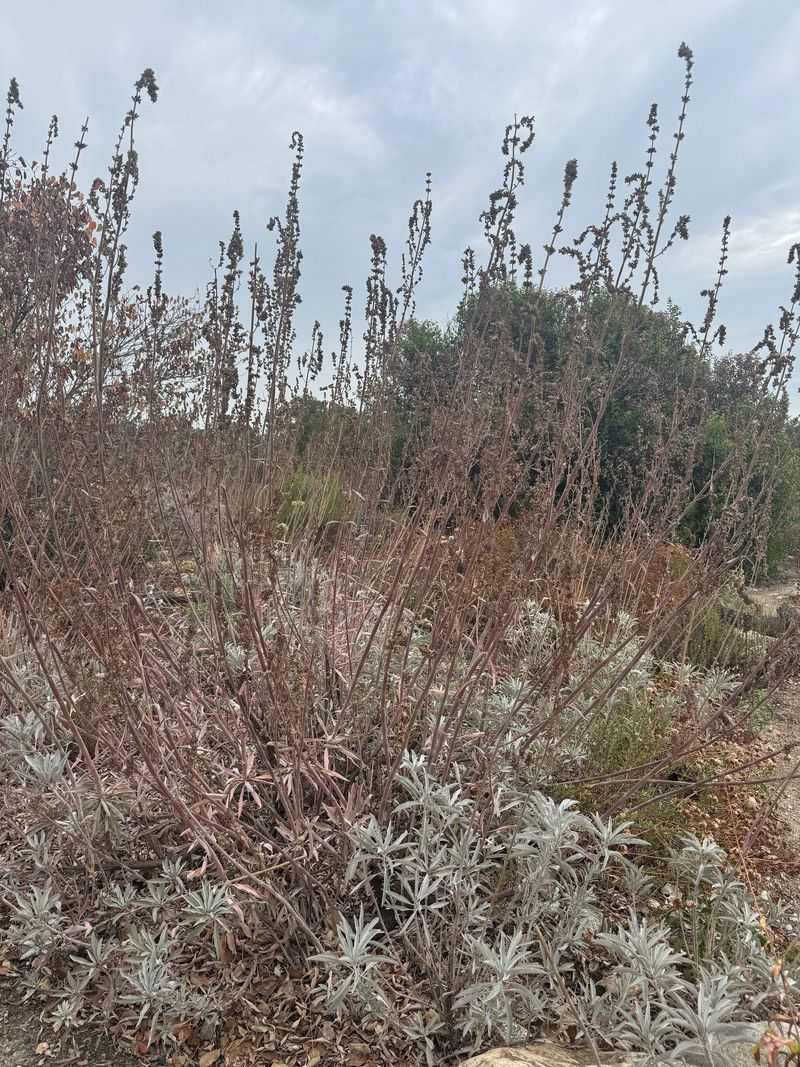
An August hillside tells the story well. The grass is golden, the soil is cracked, and yet sagebrush and chaparral shrubs still stand strong.
Their survival secret is patience. Slow growth isn’t a flaw for many California natives.
Plants from dry, rugged places learned to save resources. Growing fast takes plenty of water and nutrients, and both are hard to find during long, rainless summers.
A plant that grows carefully uses less and keeps going through tough months. Many natives also carry special features for dry living.
Some have small, tough, or fuzzy leaves that lose less water. Others, like California sagebrush and black sage, may drop some leaves or look tired in summer to save energy.
A few go nearly dormant until the rains return. Native soils add another layer to the story.
These soils are often lean, holding few nutrients. Plants that grow there are used to a simple diet, building strong, woody tissue slowly instead of soft, quick growth that wilts in heat.
A native shrub that barely budges is best seen as a careful saver rather than a lazy grower. The right spot for its needs, such as full sun and well-drained soil for most chaparral plants, lets that built-in toughness shine.
Over time, that slow and steady style creates a garden that handles heat and drought with far less help.
Root Systems Come Before Flowers
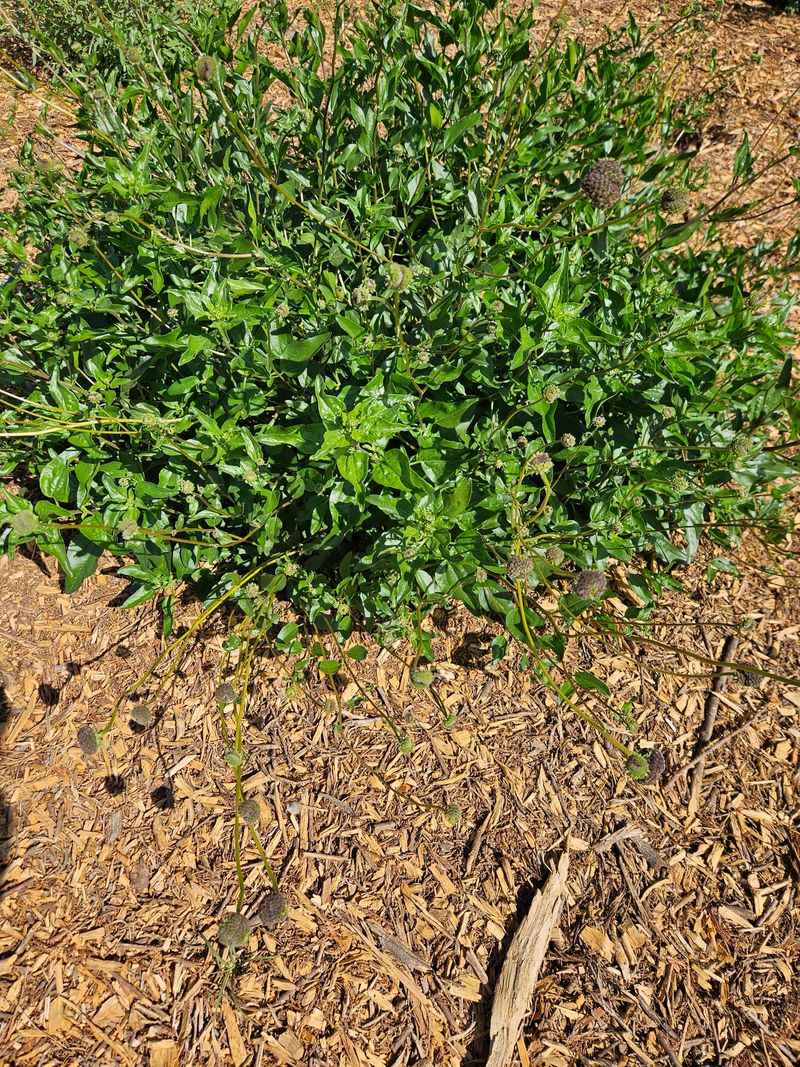
A sea of blue blossoms from a new ceanothus in its first spring rarely happens. A few flower clusters may appear, or none at all, since plenty of first-year natives skip the big show.
Flowers cost a plant a lot of energy. Making blooms, nectar, and seeds uses up stored food and water.
A young plant with a small root system simply can’t afford that kind of spending yet. It pays its bills first by building roots that can feed future flowers.
Size follows the same rule. Leaves and stems need water flowing up from the roots all day long.
Until roots can supply that steady flow, the plant keeps its top small. More roots mean more support, and more support means bigger growth.
Some gardeners notice light blooming in year one, then far more flowers in year two or three. That jump usually matches the moment roots have spread enough to handle the extra load.
A few habits help the process along. Hard cutbacks on young plants are best avoided, since leaves make food that feeds root growth.
Keeping foot traffic away from the root zone prevents packed soil. Wood chips or leaf litter keep soil cool, as long as a little space remains around the stem.
Those first flowers work like a preview. The full bloom arrives once the underground work is finished.
Overwatering Can Slow Real Progress
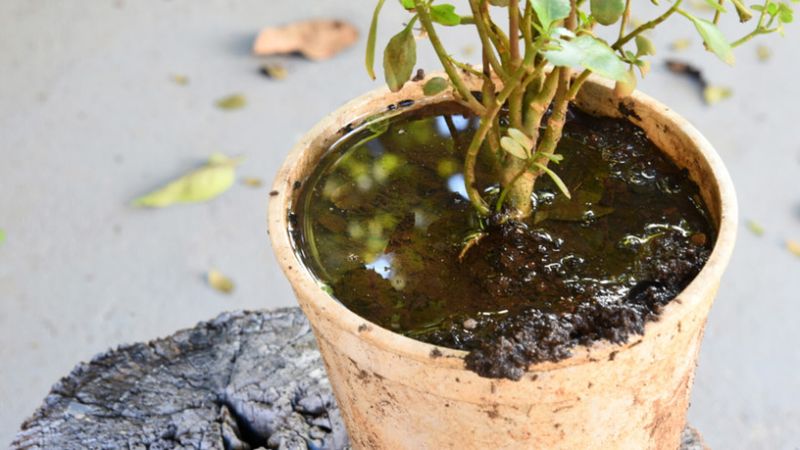
A common mistake starts with good intentions. A gardener sees a small plant, worries, and reaches for the hose every day.
All that extra care can smother the very roots the plant is trying to grow.
Many California natives come from places with dry summers. Their roots expect soil to dry out between drinks.
Constantly wet soil pushes out air, and roots need air to breathe. Soggy ground also invites root rot and other fungal problems, which UC ANR lists as a major summer risk for natives.
Manzanita, fremontodendron, and many ceanothus are especially sensitive. Regular summer watering in heavy clay can cause them to decline suddenly, sometimes after looking fine for a while.
New plants still need help at first. Establishment watering matters a great deal during the first year or two.
UC ANR suggests deep, occasional watering rather than frequent light sprinkles. Deep watering encourages roots to grow down, while shallow sprinkles keep them near the surface.
A simple test makes the call easier. A finger or small trowel pushed a few inches into the soil near the plant shows whether it’s time to water.
Dry soil at that depth signals a drink, ideally in early morning. In fall and winter, rain may handle the job.
Yellow leaves, mushy stems, or wilting in damp soil all point to too much water. Quick adjustments usually give the plant a good chance to recover.
Patchy Early Looks Are Normal
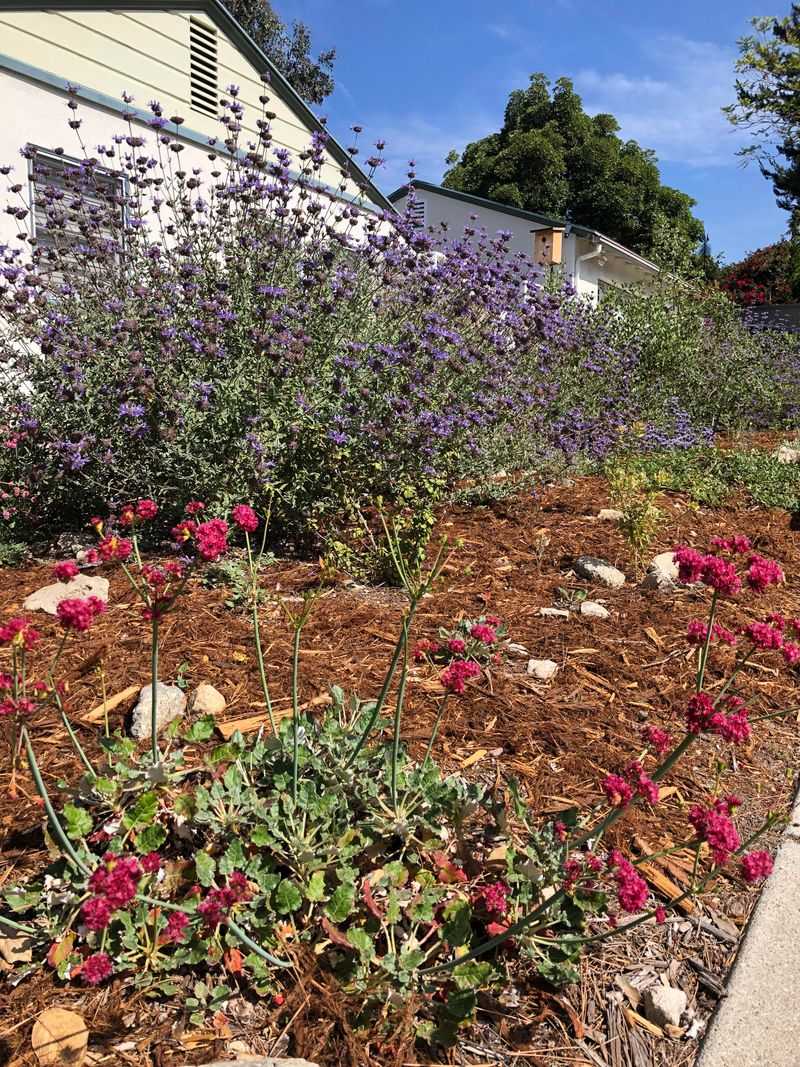
A new native garden can look like a polka-dot pattern at first. Tiny plants sit in a sea of mulch, with plenty of bare space between them.
Some look perky, while others seem to be pouting. Uneven early growth is very common.
Each plant settles in at its own speed. One might have landed in slightly better soil or a bit more shade.
Another might have arrived with a crowded root ball and needs extra time to spread out. Native designers often space plants for their adult size rather than their baby size.
A shrub headed for six feet wide will look lonely at first. That empty space is a feature, since crowding later can cause disease and poor airflow.
Native annual wildflowers fill the gaps nicely in the meantime. California poppies, tidy tips, and baby blue eyes grow fast, add color, and fade as the shrubs take over.
Mulch also helps the bare look feel tidy. Spotting a real problem comes down to a few clear signs.
Leaves that turn brown and crispy all over, stems that feel soft or mushy, or wilting in moist soil signal trouble. Chewed leaves can point to insects or gophers.
A small plant with healthy green color, even without much new growth, is usually just busy rooting. Patience beats panic here, and the garden fills in nicely with time.
Fertilizer Will Not Speed It Up
Plant food can look like a handy shortcut. A few pellets should send a young plant zooming ahead, yet with most California natives, that plan tends to backfire.
Many natives evolved in poor, rocky, or sandy soils with few nutrients. They’re used to a light diet.
UC ANR and the California Native Plant Society generally advise against fertilizing established natives. Extra nitrogen can push soft, leggy growth that wilts in heat and attracts pests like aphids.
Some natives also team up with helpful soil fungi called mycorrhizae. These fungi connect to roots and help the plant find water and nutrients.
Heavy fertilizer can weaken that partnership, leaving the plant more dependent on the gardener. A few plants, like ceanothus, even work with soil bacteria to gather nitrogen on their own.
Fertilizer can also shorten a plant’s life. Forced growth may look good for a season, then give way to weak branches and early decline.
Natives in rich, fed soil often look tired sooner than those left alone.
Organic mulch offers a gentler path. Shredded bark or leaf litter breaks down slowly, feeding soil life much like fallen leaves do in the wild.
Compost-heavy soil mixes are best skipped for chaparral plants, which prefer leaner ground. Container plants are the main exception, since potting soil runs out of nutrients over time.
A very light, diluted feeding may help those potted natives. In the garden bed, less usually works best.