Which Texas Perennials To Cut Down In Fall And Which To Leave Alone
Fall in the Texas garden smells like cool soil, crunchy leaves, and the faint promise of a hot cocoa break. Your hands itch to tidy everything up before winter settles in.
That itch can be a trap, though. Some plants love a good haircut, while others quietly beg you to put the shears down.
One wrong snip can leave birds hungry or stir up weak, tender growth. One smart choice can set up a bigger, brighter show next spring.
So which plants get the trim, and which get a pass? Grab your gloves and a cup of something warm, because the answers might surprise you.
1. Give Autumn Sage A Light Trim
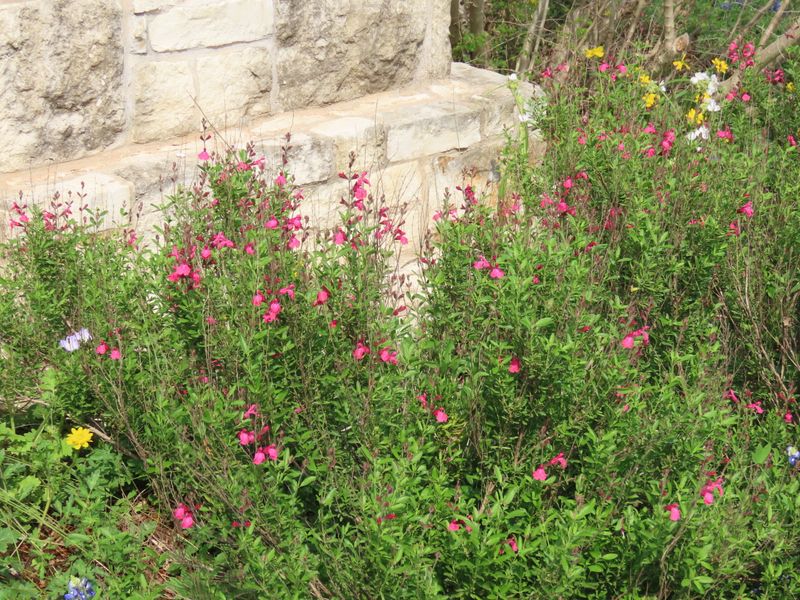
Hummingbirds treat autumn sage like a roadside diner, zipping in for one more sip of nectar. Salvia greggii blooms in waves from spring to fall across much of Texas, and it rewards a gardener who trims with a gentle hand.
After the last big flush of flowers fades, grab clean hand pruners. Snip back about one-third of the plant, shaping it into a neat mound.
Take off spent flower spikes and any long, floppy stems that lean over the path.
The goal is a tidy shape, not a buzz cut. Cutting too hard in fall can push tender new shoots that a sudden cold snap may damage.
Save any heavy pruning for late winter, when new buds start to swell.
A light fall trim helps the plant stay full instead of woody and leggy. Over time, autumn sage tends to get bare in the middle if nobody shapes it.
A little care each season keeps it dense and leafy.
Here is a handy tip from seasoned growers. Look for small green leaves along the stems, and cut just above a pair of them.
New branches will sprout from that spot, giving you more blooms later.
Fun fact: autumn sage is native to parts of west Texas and northern Mexico. That background makes it tough against heat and drought, so it asks for very little once settled in.
2. Cut Back Lantana After The First Texas Frost
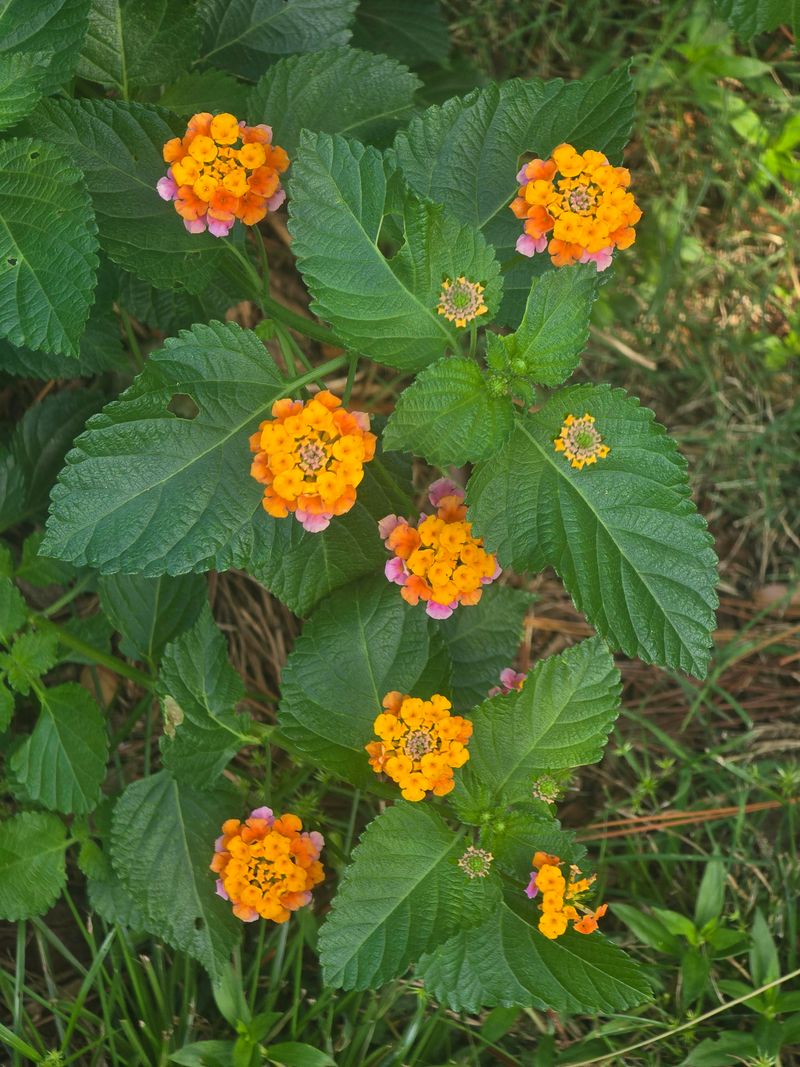
Lantana is the party guest who stays until the lights go off. It blooms in bright orange, pink, and yellow clusters all summer, shrugging off blazing afternoons like they are nothing.
Once the first frost hits, though, the party winds down. The leaves turn brown and crispy, and the top growth stops looking lively.
That moment is your signal to step in.
Wait until the frost has clearly browned the plant. Then cut the stems down to about 6 to 12 inches above the ground.
Some gardeners in warmer parts of the state wait until late winter, leaving the stems to shield the roots from cold.
Both choices can work well. If you live in north or central Texas, cutting after frost keeps the bed neat without much risk.
Down south, where frosts are light, a quick tidy may be all you need.
Wear gloves for the job. Lantana leaves can irritate skin, and the berries are not safe for pets or kids to eat.
Your Texas Garden Changes Every Week. Your Plan Should Too.
Gardening in Texas changes quickly throughout the season. Every Friday you’ll receive a simple weekly plan showing exactly what to plant, prune, fertilize, harvest, and protect so you never miss the right timing.
Toss a few inches of mulch over the roots once you finish. That blanket keeps the soil warmer during chilly nights.
Come spring, fresh green shoots will pop up from the base, and the colorful show starts all over again.
3. Turk’s Cap Welcomes A Post-Frost Haircut
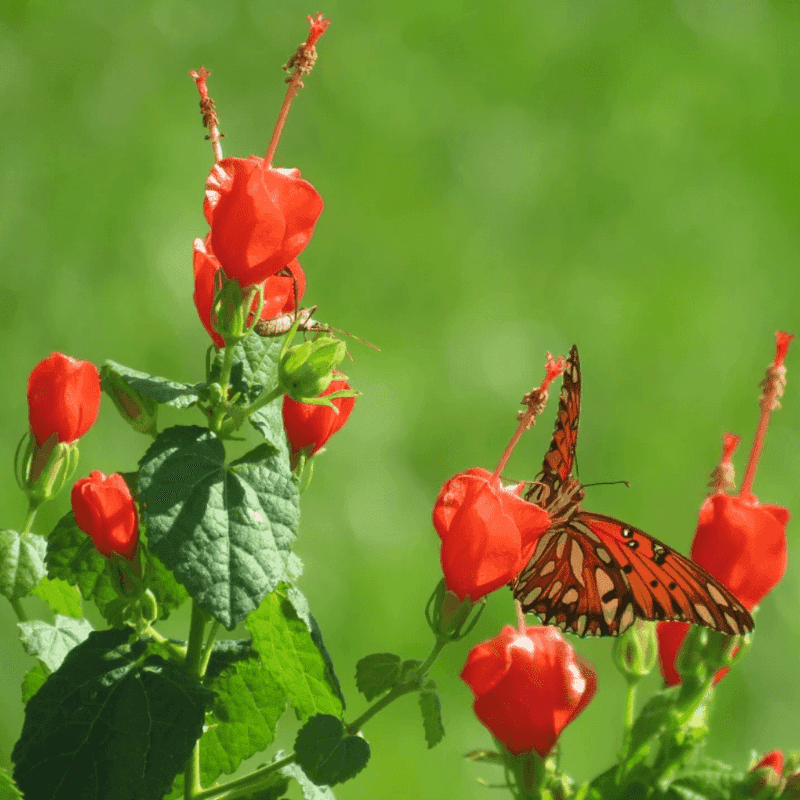
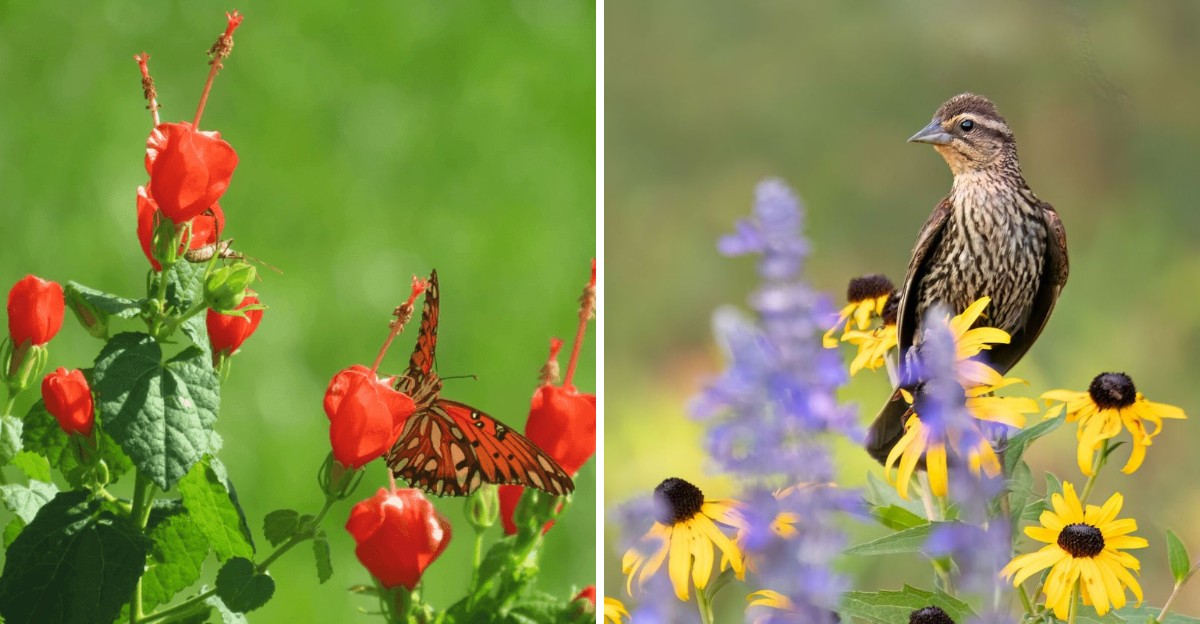
Ever seen a flower that looks like it never fully opened? Turk’s cap has red blooms twisted like tiny turbans, and hummingbirds and butterflies flock to them from summer into fall.
Malvaviscus arboreus is a true Texas native and a shade-loving champ. It grows happily under oak trees where many other bloomers sulk.
In the warmest areas, it may stay green for much of the year.
A hard frost changes the picture. The leaves wilt and drop, leaving bare, twiggy stems behind.
At that point, you can cut the whole plant down to about 6 inches tall.
Do not worry about being too rough. Turk’s cap bounces back with energy, often growing 3 to 5 feet in a single season.
A good cutback actually helps it grow fuller and less sprawly.
Some gardeners leave a few stems standing until late winter. Small insects and native bees sometimes tuck into hollow stems to wait out the cold.
Trimming in two rounds gives wildlife a bit of shelter.
Here is a sweet bonus. The small red fruits that follow the flowers are edible and have a mild, lightly sweet flavor that many people enjoy fresh off the plant.
Birds and small critters enjoy them too, so leave a few for your backyard visitors.
4. Trim Frost-Nipped Esperanza In Your Yard
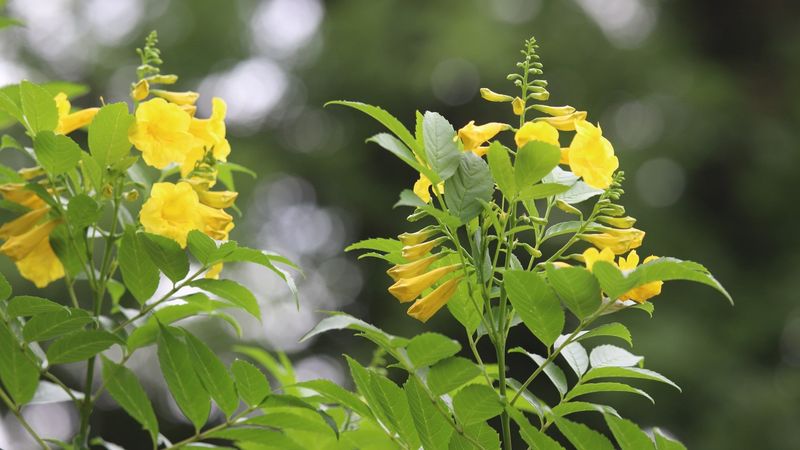
Golden trumpets dangling in the breeze make esperanza one of the cheeriest sights of late summer. The name means hope in Spanish, and the plant lives up to it by blooming when other shrubs give up.
Tecoma stans is the correct botanical name, though you may spot it misspelled as Tacoma on some garden tags or websites. It loves heat and sun.
In south Texas, it can grow into a small tree.
Farther north, cold weather knocks it back each winter.
After frost burns the leaves and tips, the plant looks pretty rough. Wait a bit and watch which stems turn brown and brittle.
Then prune away the damaged parts, cutting down to healthy wood or near the ground.
A quick scratch test helps. Scrape a stem gently with your thumbnail, and green underneath means the branch is still alive.
Brown and dry means it can go.
Many gardeners prefer to hold off until early spring for the final cut. The old stems give the roots a little extra protection on frosty nights.
Either way, the plant tends to return strong once the soil warms.
Feed it lightly in spring and give it full sun. Esperanza blooms on new growth, so a fresh start after pruning often means even more of those bright yellow bells by midsummer.
5. Mexican Bush Sage Needs A Frost Cutback
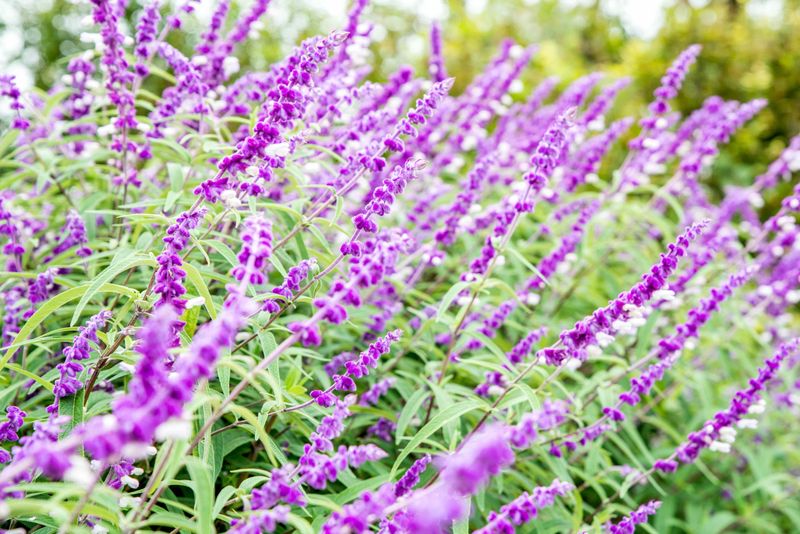
Run your fingers along a Mexican bush sage spike and you will feel soft velvet. Those fuzzy purple and white flowers light up gardens in fall, right when many plants are slowing down.
Salvia leucantha puts on its biggest show from September through the first cold spell. Butterflies and bees love it, and the arching stems sway beautifully in an autumn breeze.
It is a favorite fall bloomer in central Texas yards.
Once frost arrives, the party ends fast. The stems flop, and the leaves turn dark and limp.
That is the time to cut the plant down to a few inches above the soil.
Look closely at the base before you snip. You may spot small green shoots already forming down low.
Cut just above them, and they will become next year’s growth.
Mulch helps a lot after the trim. A thick layer of shredded leaves or bark keeps the roots cozy through winter.
In colder northern areas, this step can make a big difference.
One tip to remember for summer: give the plant a light pinch in June. That small trim keeps it from getting too tall and floppy by fall.
You will get a sturdier plant with even more velvet blooms.
6. Let Black-Eyed Susan Feed Birds All Winter
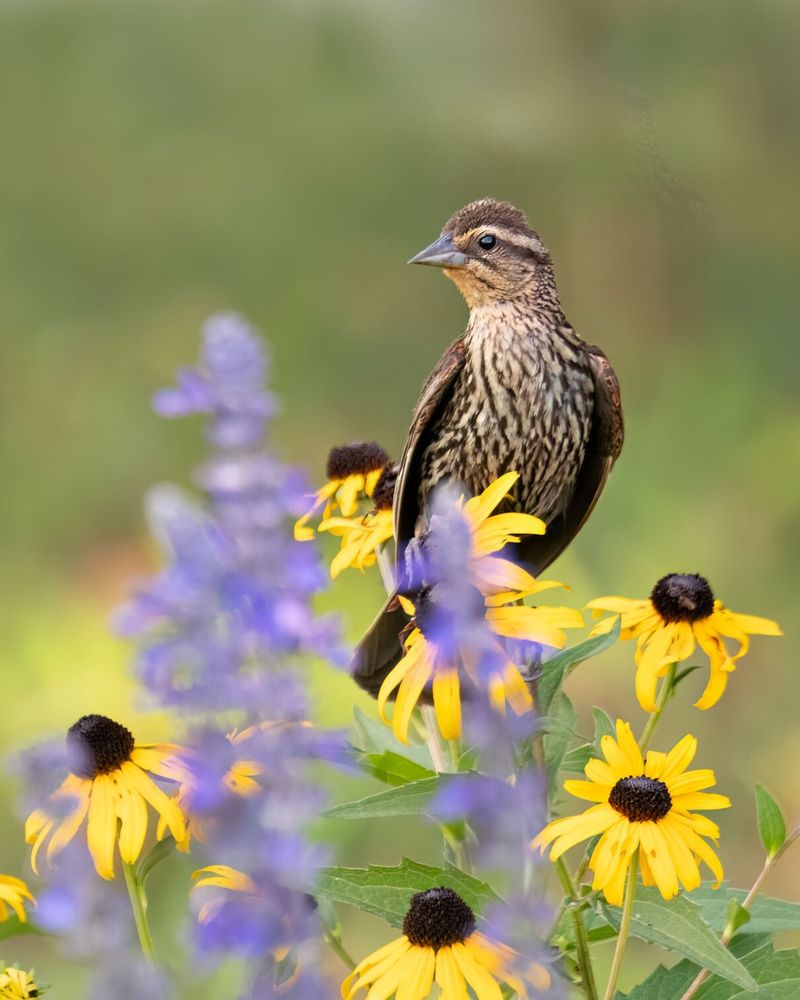
A goldfinch clinging to a dark seed head is one of winter’s small joys. Leave your black-eyed Susans standing, and you may get a front-row seat to that tiny breakfast show.
Rudbeckia hirta blooms in sunny yellow from early summer into fall. Once the petals drop, the brown centers stay behind, packed with seeds.
Finches, sparrows, and chickadees pick at them through the cold months.
Cutting those stems in fall takes away a free food source. Birds in Texas need extra energy during chilly nights, and native seeds are a natural snack bar.
Your garden becomes a little wildlife cafe without any feeders to clean.
There is another perk. The seeds that fall to the ground can sprout next spring, filling in bare spots for free.
Black-eyed Susans love to spread a bit, so you get more flowers with zero work.
If the stems look messy, pull a few that are blocking a path. Keep most of them standing, though, especially in back beds where neatness matters less.
Wait until late winter, when new leaves appear at the base, to clean up.
A quick tip: add a small sign that says wildlife garden in progress. Neighbors often get curious and may even start leaving their own seed heads up.
7. Gregg’s Mistflower Fuels Late Pollinators
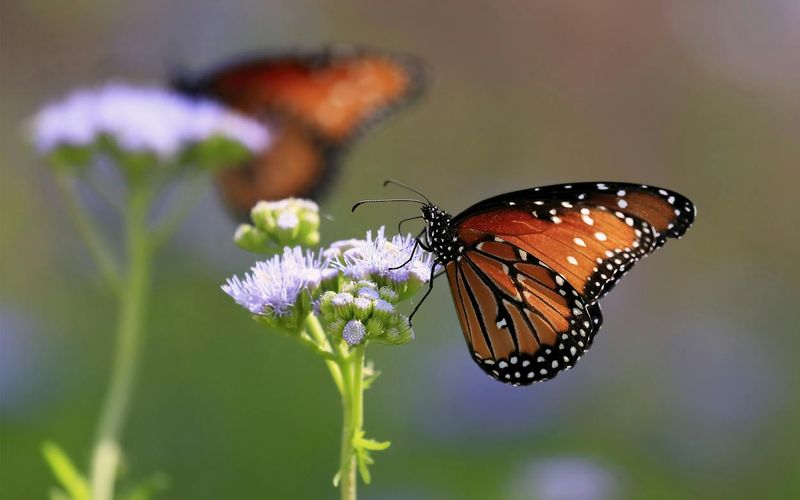
Monarchs flying south need fuel, and Gregg’s mistflower serves it up like a roadside snack stand. On a sunny October day, a single patch can be covered in fluttering orange wings.
Conoclinium greggii grows wild in west Texas and northern Mexico. Its fluffy lavender blooms look like little puffs of purple cotton.
Queen butterflies seem especially obsessed with it.
Fall is the season these plants matter most. Monarchs pass through the state on their long trip to Mexico, and they need nectar to keep going.
Late-blooming mistflower fills that gap when many flowers have faded.
So hold off on the pruners. Cutting it back now removes blooms that hungry travelers are counting on.
Even after flowering slows, the leaves and stems give small insects a place to hide.
Wait until late winter or early spring to tidy up. By then, the plant has finished its job, and new growth is ready to push up.
Trim the old stems down to a few inches, and it will refill quickly.
Gregg’s mistflower spreads through underground roots, which makes it great for filling larger spaces. If it wanders too far, simply dig up a clump in spring.
Share it with a friend, and help another garden become a butterfly stop.
8. Little Bluestem Adds Texas Winter Charm And Shelter
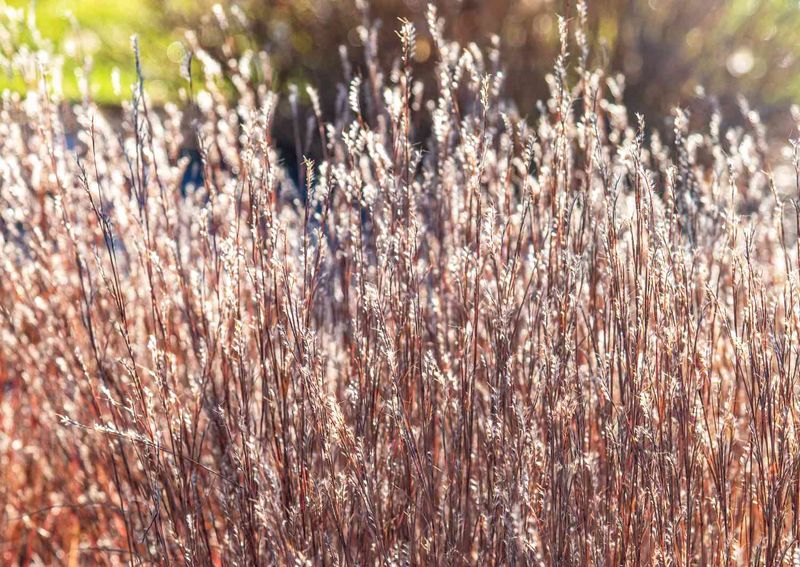
Few things glow like little bluestem on a cold winter morning. Its copper and rusty red blades catch the low sunlight and seem to burn with warm color.
Schizachyrium scoparium is a native prairie grass that once covered huge stretches of Texas. In summer, it shows off blue-green leaves.
By fall, it turns to bronze, orange, and burgundy, topped with fluffy silver seed tufts.
That is exactly why you should leave it standing. The clumps give your garden shape and movement when most plants have gone quiet.
A row of bluestem swaying in the wind looks lovely next to bare branches.
Birds love it too. Sparrows and quail tuck into the base of the clumps for shelter from wind and hawks.
Seeds offer a light meal, and the grass gives butterfly caterpillars a safe place to rest.
Cut it back in late winter, around February, before new green shoots come up. Trim the clump down to about 4 to 6 inches tall.
Use hedge shears or tie the grass with twine first for an easy, tidy cut.
Little bluestem handles poor soil and dry spells with ease. Skip the fertilizer, since rich soil can make it floppy.
Tough, simple, and gorgeous, it is a true workhorse in a native garden.
9. Gulf Muhly Keeps Its Texas Glow Through Winter
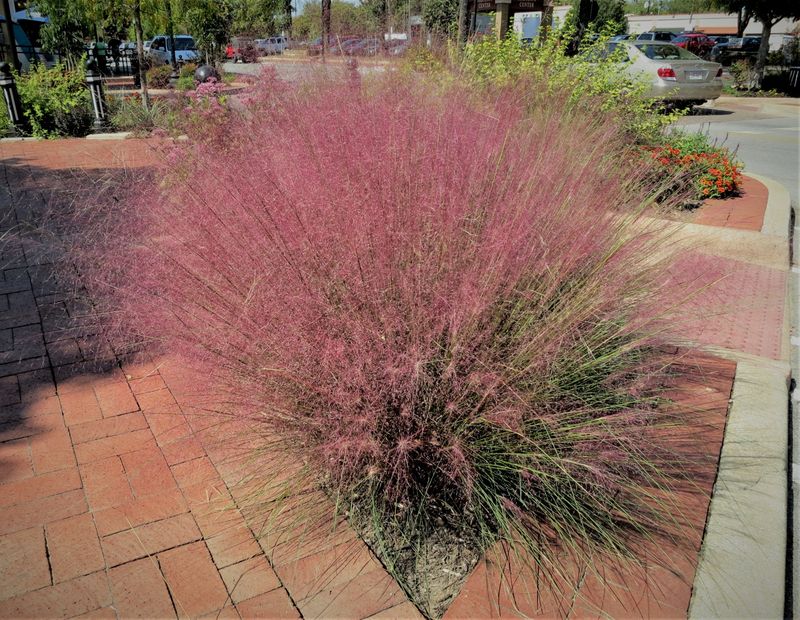
Pink clouds in the garden sound like a dream, yet gulf muhly makes it real every fall. When its airy plumes open, the whole planting looks like cotton candy floating above the ground.
Muhlenbergia capillaris grows naturally along the Gulf Coast and in parts of east Texas. It handles heat, drought, and sandy soil like a champ.
Backlit by an evening sun, the fluffy seed heads practically shimmer.
After a few weeks, the pink fades to soft tan and straw colors. Many people think it looks finished and reach for the shears.
Hold on, because those faded plumes still add texture and movement all winter.
The dried clumps also catch frost beautifully. On a crisp morning, every tiny strand can sparkle with ice.
Small birds and insects use the base for shelter too.
Wait until late winter to cut it back. Trim the clump to about 6 inches tall before new spring growth starts.
Avoid cutting into the green center, which can weaken the plant.
Plant it in groups of three or five for the best effect. A single clump looks nice, but a sweep of gulf muhly creates real drama.
Pair it with dark green shrubs, and those pink clouds will pop even more.
10. Maximilian Sunflower Seeds Feed Wildlife
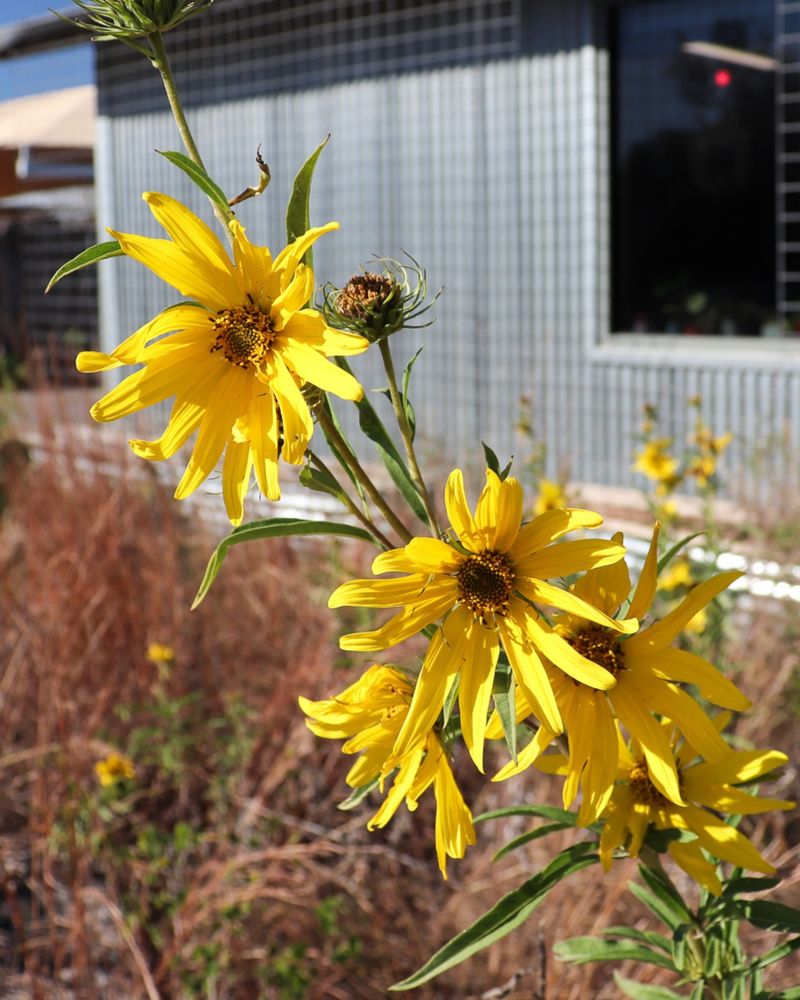
Standing 6 to 10 feet tall, Maximilian sunflower towers over most garden plants like a friendly giant. In September, its tall stalks burst into rows of golden blooms that can be seen from far away.
Helianthus maximiliani is a native prairie plant named after Maximilian of Wied-Neuwied, a German naturalist and explorer who traveled through North America in the 1830s documenting its wildlife and landscapes. It grows wild across Texas fields and roadsides.
Bees, butterflies, and beetles swarm the blooms in early fall.
When the flowers fade, the real treat begins. Each head fills with small seeds that cardinals, finches, chickadees, and doves love.
Leaving the stalks standing turns your yard into a winter buffet.
Those tall stems serve another purpose. Some native bees nest inside hollow stalks, and birds perch on them while scanning for food.
A patch of standing sunflowers feels lively even in January.
Wait until late winter to cut the stalks down to the ground. By then, birds have picked most seeds clean.
Chop the old stems into pieces and toss them in the compost pile.
Give this plant room, since it spreads by underground roots. It works best at the back of a bed or along a fence line.
Once settled, it needs little water and returns bigger each year.