That Nest In Your New York Tree Might Be Something Else Entirely
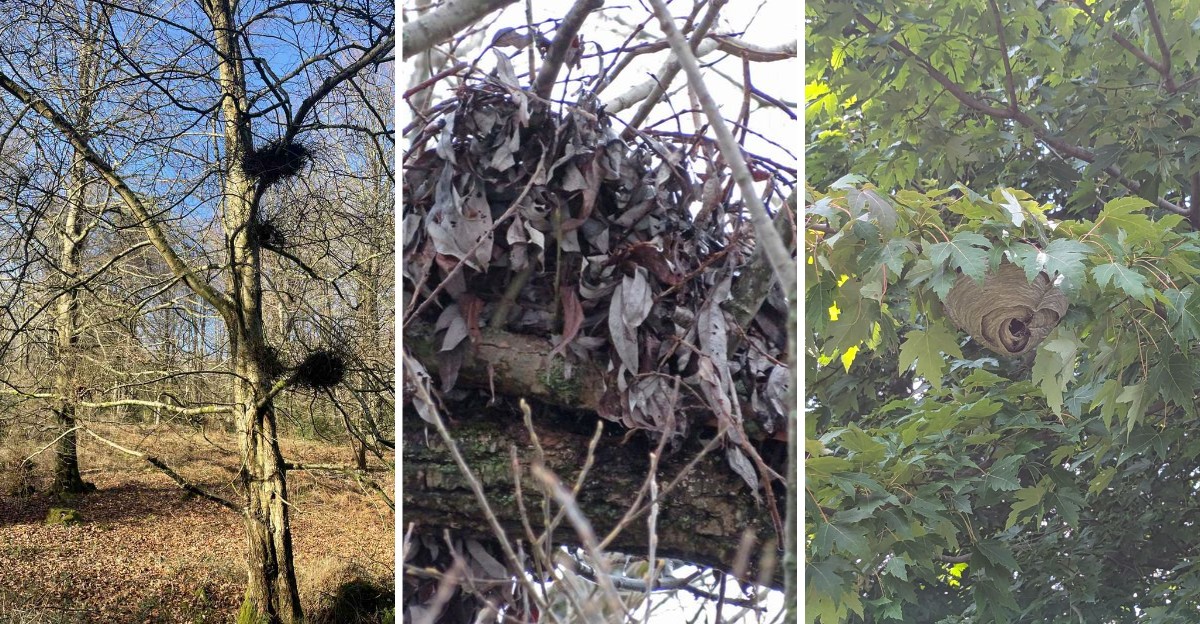
As the leaves drop, something lumpy suddenly shows up in your tree. It looks like a nest, all scruffy and brown against the gray sky.
In New York, that bundle could be a squirrel home, a hornet fortress, or a patch of strange twiggy growth. Some of these mystery shapes are harmless and fun to spot.
Others deserve a careful step back. Knowing the difference can protect your trees and keep your family from a painful sting.
Bare branches make this the best time of year to look. Papery gray globes, silky webs, and dangling bags all stand out once the foliage is gone.
The guide below shows what each one looks like and what it means. A simple walk around the yard can turn into a nature puzzle.
1. A Squirrel Drey Built From Leaves And Twigs
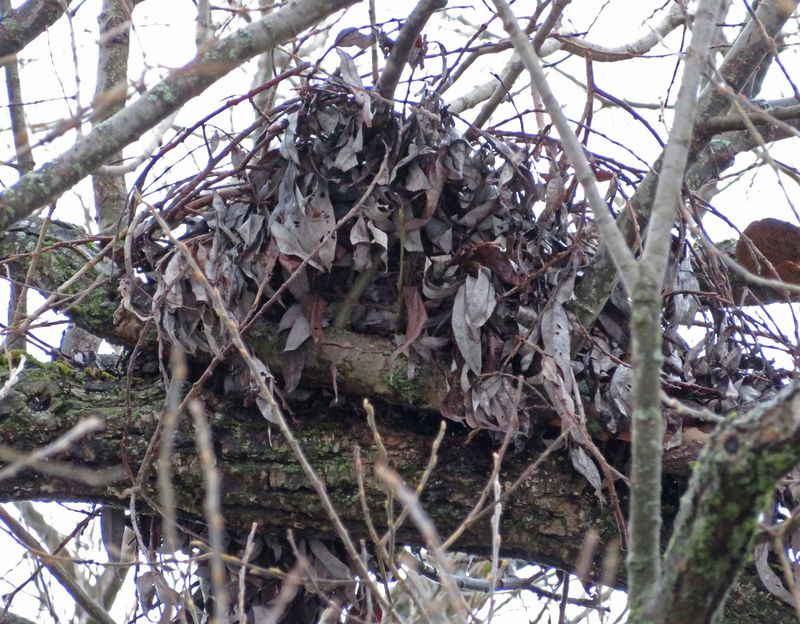
Picture a football made of crunchy leaves, tucked high in a tree. Chances are good you are looking at a squirrel drey.
Dreys are round, messy nests about one to two feet wide. Squirrels weave an outer shell of sticks and leaves first.
Inside, the builders add soft bedding for comfort. Moss, pine needles, feathers, fur, and grass all make the cut.
Height is a helpful clue when you spot one. Most dreys sit about 20 to 40 feet off the ground.
Squirrels like to build close to the trunk for extra support. You may also find them in the fork of thick branches.
Across New York, several kinds of squirrels make these homes. Eastern gray squirrels, red squirrels, and flying squirrels all build dreys.
Unlike many bird nests, dreys get used all year long. Squirrels sleep in them, hide from storms, and raise babies inside.
Fun fact time for curious readers. A single squirrel might build more than one drey, just in case the first gets damaged.
Want to confirm your guess without a ladder? Watch the tree in early morning, when squirrels often pop out to find breakfast.
Leaves still clinging in winter are another strong hint. Most bird nests are made of grass or twigs, not big dry leaves.
Here is a friendly tip for tree trimming season. Schedule pruning in late fall or winter, after spring babies have left home.
Leave the drey alone if it causes no trouble. Your furry neighbors are simply staying cozy until the weather warms up.
2. A Bald-Faced Hornet Nest Made Of Gray Paper
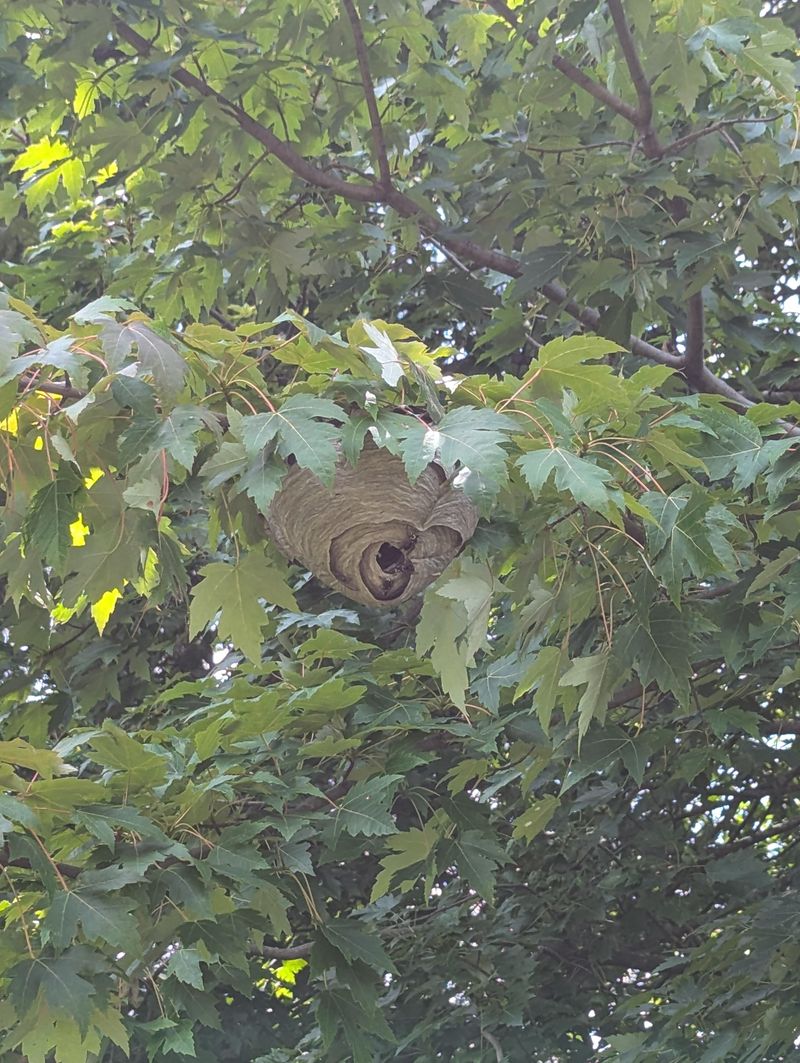
Nature’s best paper artists might be living right above your lawn chair. Bald-faced hornets build gray nests that look like crumpled construction paper.
Shapes vary, but most resemble an upside-down teardrop or a football. Some grow nearly as round as a basketball.
Workers make the paper by chewing wood fibers and mixing them with saliva. Layer by layer, the nest grows wavy, wrinkled, and gray.
Unlike paper wasp nests, these homes are fully closed. A small opening near the bottom serves as the front door.
Look for them hanging from trees, shrubs, or even house corners. Most sit at least three feet above the ground.
Your New York Garden Changes Every Week. Your Plan Should Too.
Gardening in New York changes quickly throughout the season. Every Friday you’ll receive a simple weekly plan showing exactly what to plant, prune, fertilize, harvest, and protect so you never miss the right timing.
Size can be shocking by late summer. Some nests stretch up to 24 inches long and 30 inches around.
Here is where caution really matters. Bald-faced hornets guard their home fiercely and can sting more than once.
Mowing near the tree can stir them up fast. Vibrations and loud noises often trigger a defensive swarm.
Spot one in summer? Keep kids and pets away, and call a pest professional if it sits near a doorway or path.
Good news arrives with cold weather, though. Hornet colonies fade out after the first hard frosts, and old nests are not reused.
Many folks only notice these nests after leaves drop in fall. By then, a winter nest is usually empty and safe to admire from below.
Gardeners also get a small bonus. Hornets snack on flies and other insects all summer long.
3. A Paper Wasp Nest Hanging From A Branch
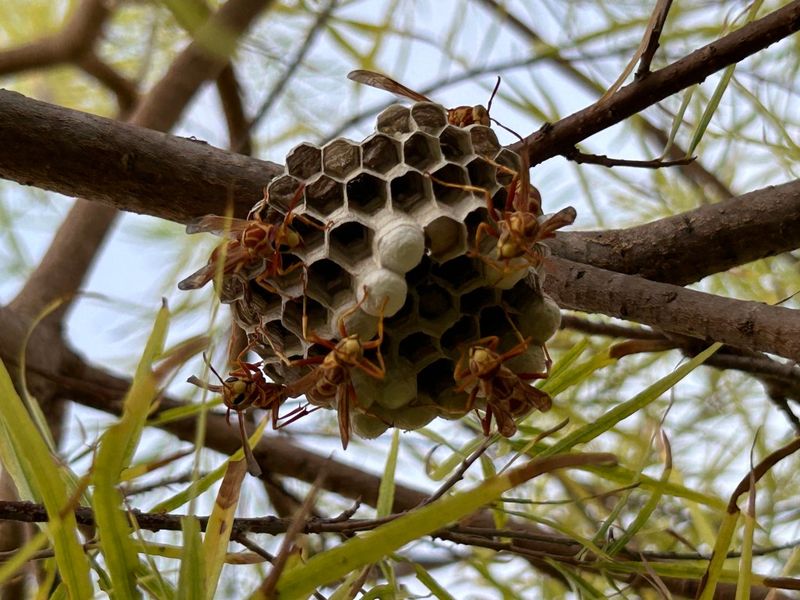
Ever seen a tiny gray umbrella hanging upside down from a twig? You probably found a paper wasp nest.
Shape is the giveaway with these builders. Their nests look like an open umbrella or an upside-down cone.
Flip your view underneath, and you will see rows of six-sided cells. Nothing covers them, so the honeycomb pattern shows clearly.
Texture feels dry and papery, much like a hornet nest. Wasps make it from chewed wood fibers mixed with saliva.
Each nest hangs from one thin stalk, called a petiole. Wasps pick shady, sheltered spots to keep the nest out of rain.
Around New York homes, favorite places include eaves, porch ceilings, and deck joists. Tree branches and thick shrubs work too.
One common resident is the European paper wasp. It is the most widespread non-native paper wasp in the Northeast.
Personality matters when sharing your yard. Paper wasps act calmer than yellow jackets but will defend their nest if bumped.
Early spring offers the easiest fix for unwanted nests. A queen starts small, so a golf-ball-sized nest is simpler to handle.
Small nests away from busy areas can often stay put. These wasps help gardeners by hunting caterpillars that chew on plants.
Check under deck rails and patio umbrellas each May. A quick look can prevent a surprise sting at your first barbecue.
Wear long sleeves if you must work nearby. Move slowly, and avoid swatting, which only invites trouble.
4. A Fall Webworm Tent Wrapped Around Branch Tips
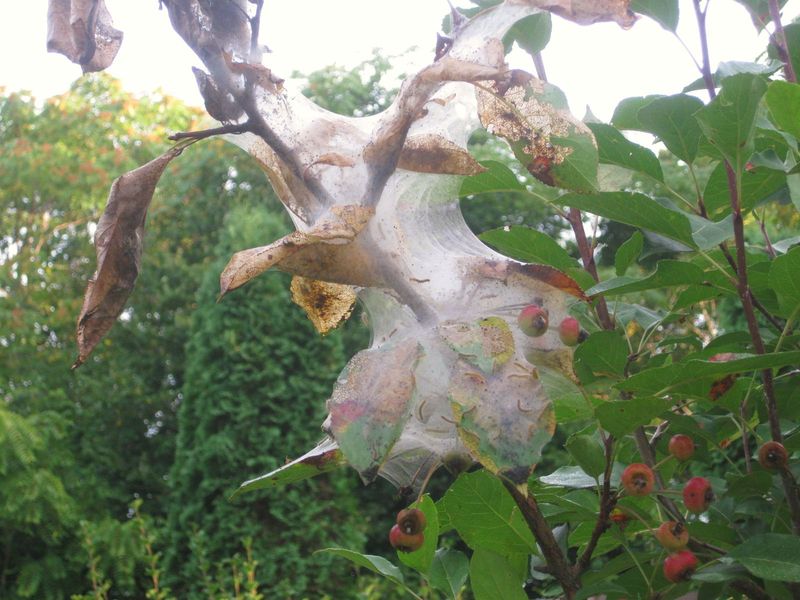
Halloween decorations sometimes show up early on New York trees. Those cobweb-like sheets at branch tips are usually fall webworm tents.
Webs look silky, loose, and pretty messy. They wrap around leaves at the outer ends of branches.
Inside, hairy caterpillars munch away in a group. As food runs out, they stretch the web over fresh leaves.
Peek closely, and you will spot more than caterpillars. Brown leaves, chewed bits, and tiny droppings called frass fill the tent.
Timing helps you tell them apart from look-alikes. Fall webworms appear from late summer through early fall.
Eastern tent caterpillars, by contrast, show up in spring. Their tents also sit in branch forks, not at the tips.
Hungry webworms are not picky eaters. Hickory, walnut, and cherry trees are common targets across the state.
Large colonies can cover a small tree entirely. The sight is alarming, but healthy trees typically bounce back next spring.
Here is a simple, chemical-free trick. Use a long stick or rake to tear open the web, letting birds grab a snack.
Small, reachable tents can be pruned off and bagged. Toss them in the trash rather than the compost pile.
Skip burning webs while they hang in the tree. Fire damages bark and creates real safety risks.
Keep trees watered during dry spells, too. A well-fed tree handles leaf loss much better than a stressed one.
5. A Witches’ Broom Of Crowded, Twiggy Growth
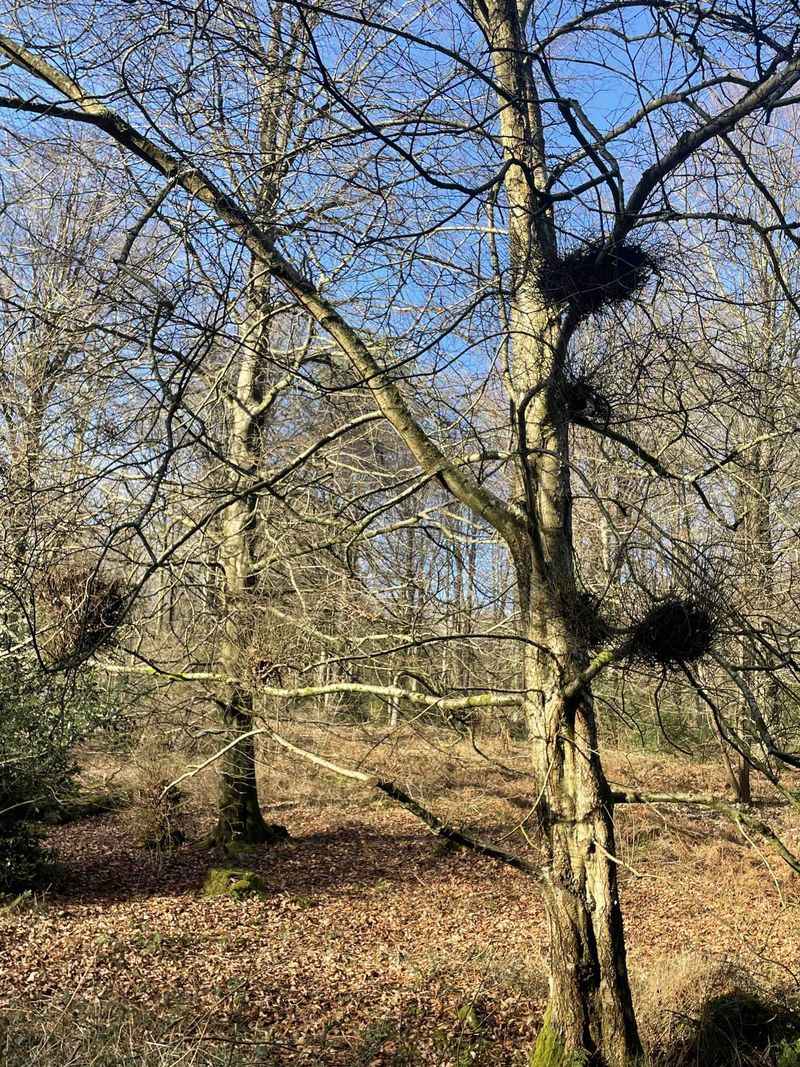
Sometimes the nest is not a nest at all, but the tree itself. Meet the witches’ broom, a spooky name for a strange growth.
Picture dozens of short twigs crammed into one tight cluster. Some brooms look like a ball, while others resemble a bushy bundle.
Winter is prime viewing season. Once leaves drop, the clumps stand out and fool many people into thinking squirrels moved in.
Look closely for one key difference. A broom’s twigs grow right out of the branch instead of being stacked loosely.
Several things can cause this odd growth. Fungi, bacteria, tiny mites, and parasitic dwarf mistletoe are common culprits.
Genetics can play a role as well. A random mutation may make one spot sprout far too many shoots.
Here in New York, brooms appear on oak, hackberry, and pine. Hackberry trees seem to grow them especially often.
Fun history bit for curious minds. Old European folklore claimed witches rested in these tangles, which explains the name.
Most brooms do little harm to a healthy tree. You can simply enjoy them as a neat winter oddity.
Prune the growth if it bothers you. Cut a few inches below the cluster, and clean your tools afterward.
Gardeners have a sweet surprise here too. Many dwarf conifers sold today started as cuttings from pine witches’ brooms.
Call an arborist if brooms multiply quickly. Rapid spread may point to a pest needing attention.
6. Bagworm Cocoons Dangling From Evergreens
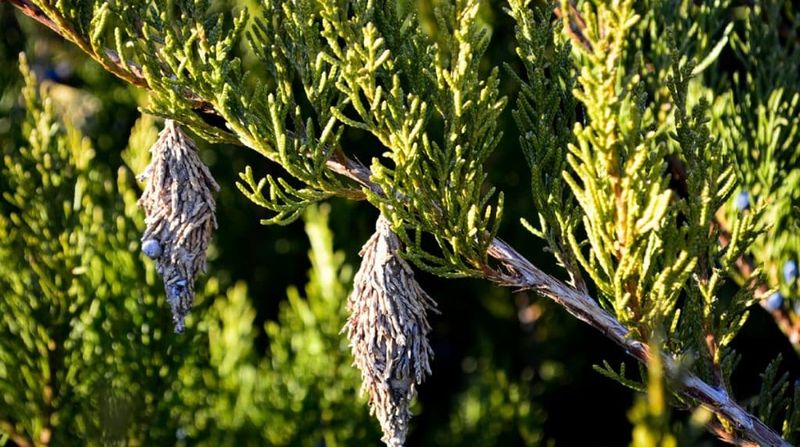
Why would your arborvitae grow pine cones? Spoiler alert, it does not, and those little cones might be hiding hungry guests.
Bagworm cocoons look like tiny brown ornaments hanging from branches. Their spindle shape fools plenty of homeowners.
Caterpillars build these bags from silk and pieces of the host plant. Needles, leaves, and twigs make perfect camouflage.
Fully grown bags measure roughly 1.5 to 2.5 inches long. The larva stays inside, poking out only to feed.
Bagworms are a frequent pest in New York. Arborvitae, juniper, spruce, and pine top their favorite menu.
Brown, thinning patches are the warning sign. Caterpillars chew foliage steadily, and evergreens struggle to regrow lost needles.
Heavy infestations can seriously weaken a shrub in one season. Evergreens may decline quickly if nobody steps in.
Thankfully, the easiest fix needs just your hands. Pick off bags in late fall, winter, or early spring before eggs hatch.
Each female bag can hold hundreds of eggs. Removing even a few dozen makes a huge difference next summer.
Drop the collected bags into a bucket of soapy water. Then seal them in a trash bag for pickup.
Snip the silk band holding each bag, too. Tight silk can girdle twigs as branches grow thicker.
Bigger problems in summer may need help from a tree pro. Treatments work best on young caterpillars in early summer.
7. A Hawk Or Owl Nest Built From Large Sticks
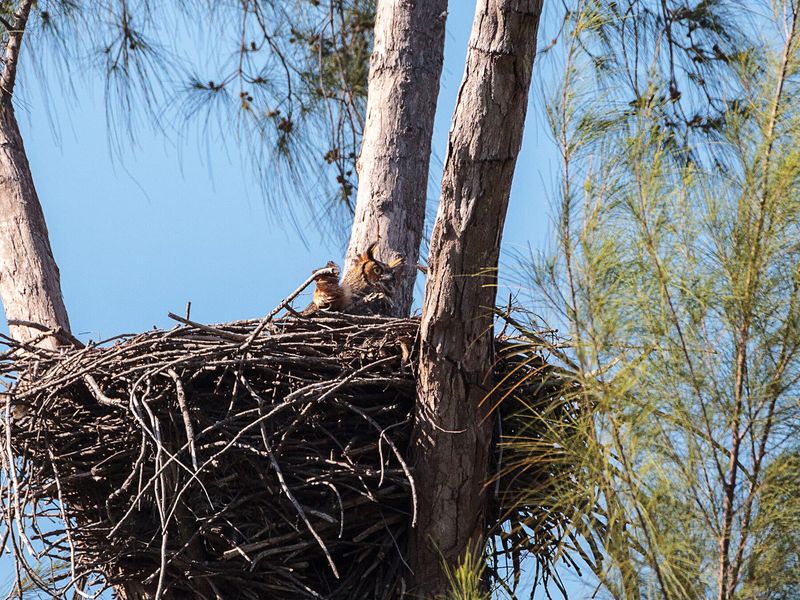
Sky-high stick piles carry a wild, rugged charm. Spot one near the treetop, and a hawk or owl may call it home.
Raptor nests are big, flat platforms made mostly of sticks. Some builders tuck leaves or bark into the mix.
Height offers a major clue. Red-tailed hawks may build as high as 120 feet off the ground.
Squirrel dreys, in comparison, usually sit lower. Dreys also look leafy and round instead of flat and woody.
Even busy New York City hosts these big birds. Cooper’s hawks and barn owls are confirmed breeders there.
Owls bring a sneaky twist to the story. Great horned owls often borrow old hawk nests instead of building their own.
Crows can confuse the picture a bit. Their nests sit high too, built from twigs and thin branches in a messy bowl.
Bring binoculars and some patience. Late winter and early spring are perfect times to watch hawks add fresh sticks.
Keep a respectful distance while you observe. Nesting raptors can become upset if people linger right underneath.
Hawks and owls are protected by federal law. Moving or disturbing an active nest without a permit is not allowed.
Planning tree work on your property? Check carefully for large stick nests before scheduling any removal.
Consider yourself lucky if raptors move in. These hunters keep mice and voles under control at no cost.
8. An Abandoned Bird Nest Left Over From Summer
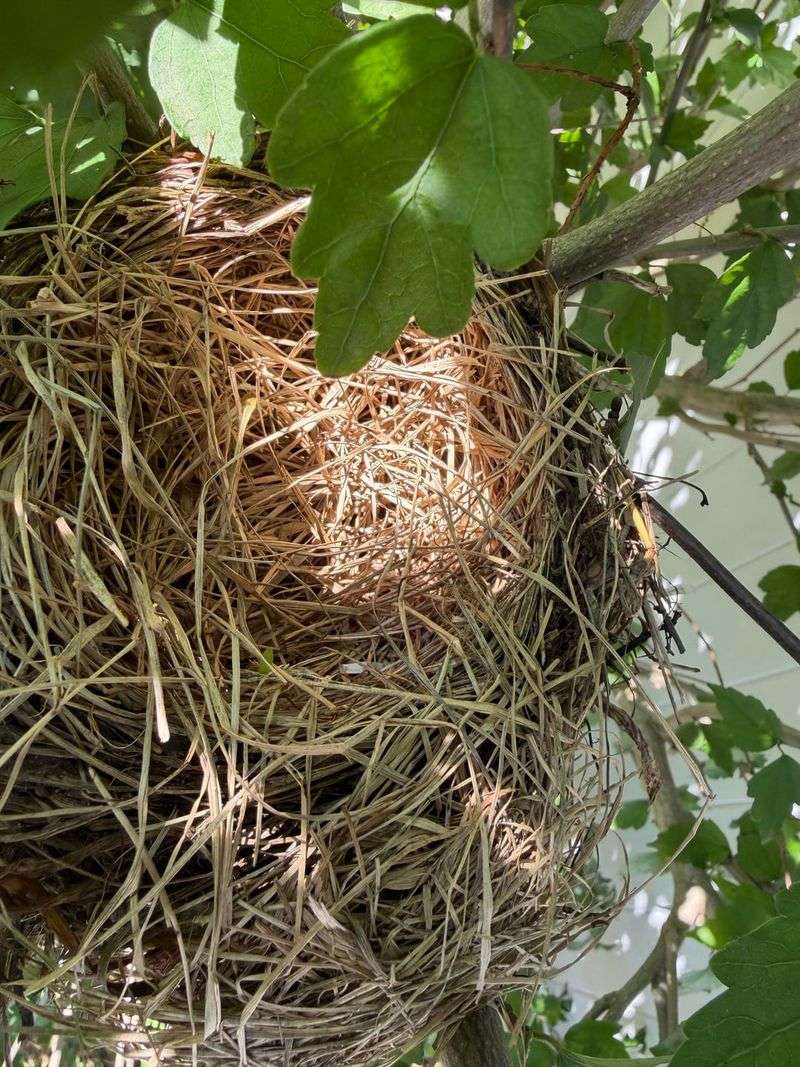
Some nests feel like a sweet reminder of warmer days. That tidy little cup on a bare branch may be a leftover summer home.
Bird nests come in many styles. Cups, saucers, balls, and hanging pouches all exist.
Builders use sturdy plant matter like grass, bark, twigs, and roots. Some birds glue things together with mud or spider silk.
Around New York, robins favor cup nests 10 to 20 feet up. Blue jays build anywhere from 5 to 20 feet high.
How can you tell a nest is empty? Weathered, flattened, or debris-filled nests are often finished for the year.
Other clues add up over time. No adults visiting for days, cold eggs, or insects inside all point to abandonment.
Patience is your best friend here. Watch from a distance for several days before deciding anything.
Remember that most songbirds are protected by federal law. Even empty nests should usually stay where they are.
Many birds build fresh nests each spring anyway. Old ones may become a snack pantry or shelter for mice and insects.
Fun fact for nature lovers. Some hummingbird nests stretch as babies grow, thanks to that stretchy spider silk.
Want to help birds next season? Leave twigs, dry grass, and a muddy patch in your yard for builders.
Winter walks make nest spotting easy. Every bare tree around the state becomes a guessing game worth playing.