The Beautiful Alabama Shrub That Can Irritate Skin And Is Harmful If Eaten
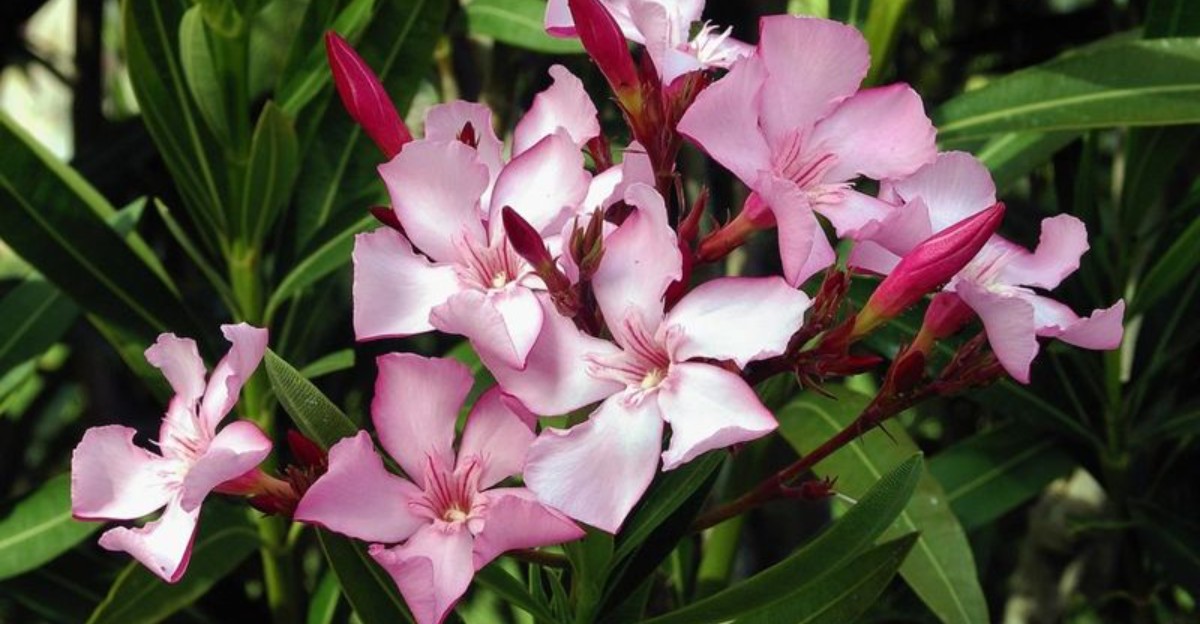
Oleander wears a pretty face, but you are cultivating a chemically potent plant. Alabama heat suits it well, so you spot those pink and white blooms along roads.
Bees visit, neighbors compliment it, and you accept the praise. Then you learn the truth about its chemistry.
Leaves, petals, stems, and roots hold cardiac glycosides that can unsettle your heartbeat. Pets, horses, and toddlers near you face real risk from a few chewed leaves.
Sap adds more trouble, because you can get red, itchy skin after trimming. Shears can carry that sap onto other surfaces too.
Gloves and long sleeves become your best defense during pruning. Across Alabama, you will find this shrub at gas stations, schools, and highways.
Rinse your tools and clothes after contact, because residue lingers. Now you can spot oleander from the road and steer pets clear.
Oleander, A Pretty Shrub With Toxic Parts
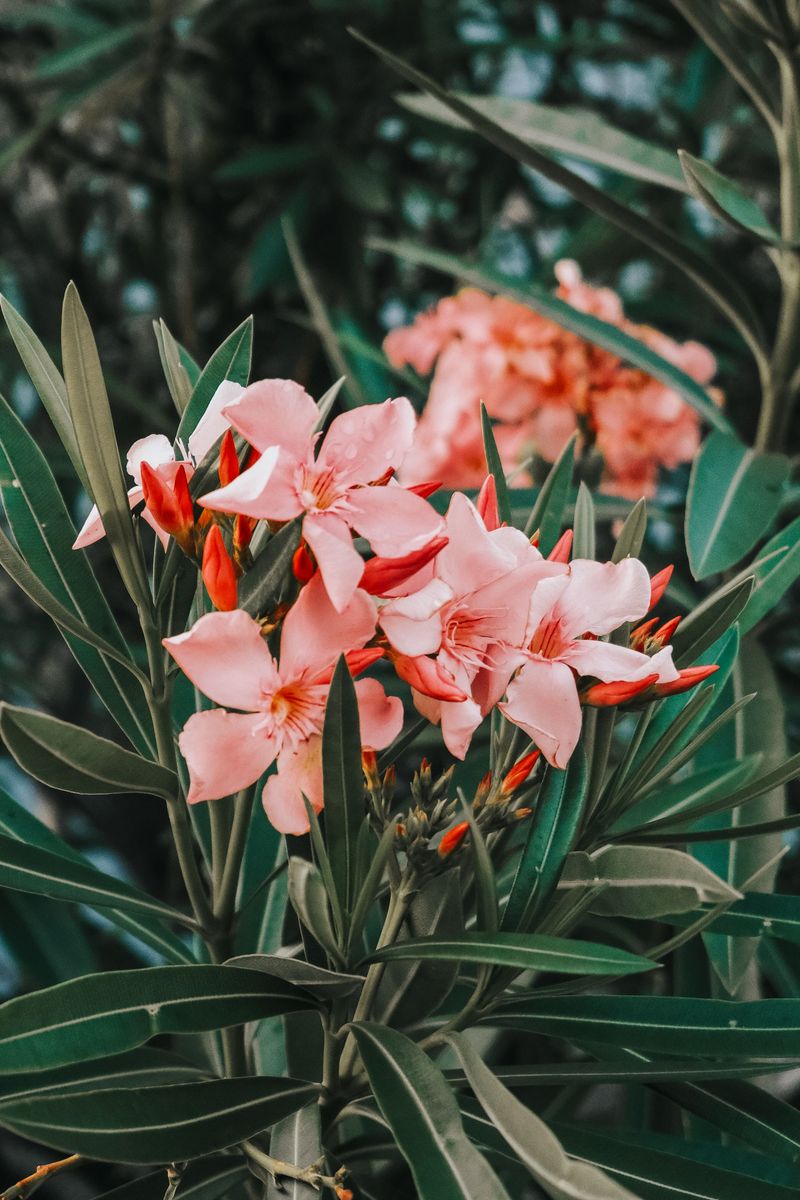
Drive through Mobile in summer, and you will spot tall bushes loaded with pink or white flowers. That showy shrub is oleander, and it thrives in Alabama yards.
Gardeners love it because it handles heat, drought, salty coastal air, and poor soil with ease. It can grow six to twelve feet tall, and sometimes taller, making a thick, private hedge.
The trouble hides inside the plant itself, throughout its tissues. Oleander contains natural chemicals called cardiac glycosides, which can disrupt the rhythm of the heart.
Every part carries these toxins, from roots and stems to leaves, flowers, and seeds. Even the milky sap holds enough to cause harm.
Touching the plant usually leads to skin irritation rather than serious illness. Eating any part, though, can bring on vomiting, dizziness, and serious heart effects.
Oleander came from the Mediterranean region and parts of Asia long ago. Settlers brought it to the Gulf Coast, where it spread through old neighborhoods and highway medians.
Many people own one without knowing its toxicity. Previous homeowners or builders often planted it simply because it looked good and needed little care.
Take a quick walk around your yard and look for long, narrow leaves often arranged in groups of three. Clusters of blooms at the branch tips are another strong clue.
You do not have to panic or remove yours tonight. Knowing what you have is the very first step toward enjoying it safely.
The Sap That Can Irritate Skin
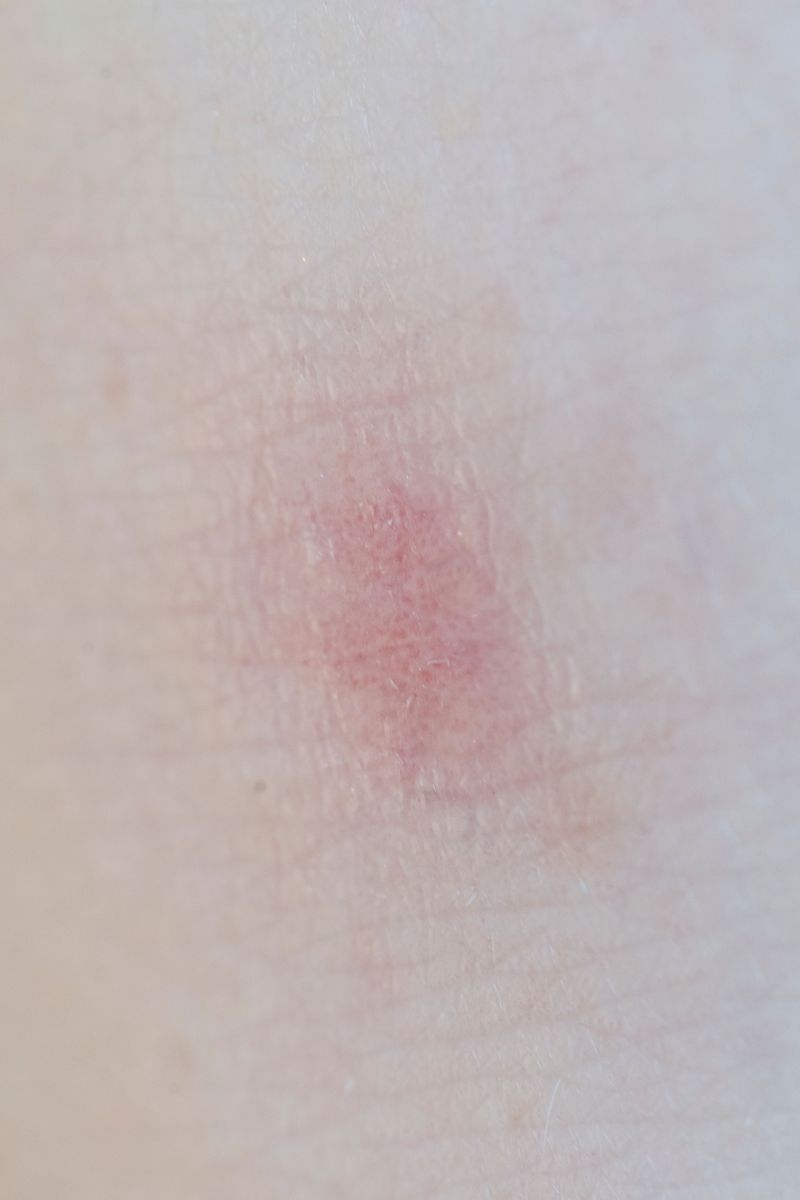
Imagine snapping off a branch for a flower vase and feeling a sticky white drip on your wrist. That milky sap is the main reason oleander can bother your skin.
For many people, contact causes redness, itching, or a bumpy rash within a few hours. Some folks with sensitive skin may also notice mild swelling or blisters.
The leaves themselves are tough and leathery, so brushing past them is usually harmless. Problems start when you crush, cut, or tear the plant and release the juice.
Your eyes are even more sensitive than your fingertips or palms. Rubbing your face after pruning can lead to stinging, watery eyes and an uncomfortable afternoon.
Your Alabama Garden Changes Every Week. Your Plan Should Too.
Gardening in Alabama changes quickly throughout the season. Every Friday you’ll receive a simple weekly plan showing exactly what to plant, prune, fertilize, harvest, and protect so you never miss the right timing.
If sap touches your skin, wash the spot right away with soap and cool water. Rinse thoroughly, then pat the area dry with a clean towel.
For eyes, rinse gently with clean running water for about fifteen minutes. Call a doctor if redness, pain, or blurry vision sticks around afterward.
A cool compress and an over-the-counter anti-itch cream can calm a mild rash. Avoid scratching, since broken skin can let germs sneak in and cause infection.
Kids who build forts or play tag near the bushes deserve a friendly heads-up. Teach them to admire the blooms, and keep their hands to themselves.
Gloves and long sleeves make a huge difference for grown-ups too. A little planning turns an itchy, frustrating chore into a calm and comfortable one.
Health Risks From Eating Any Part
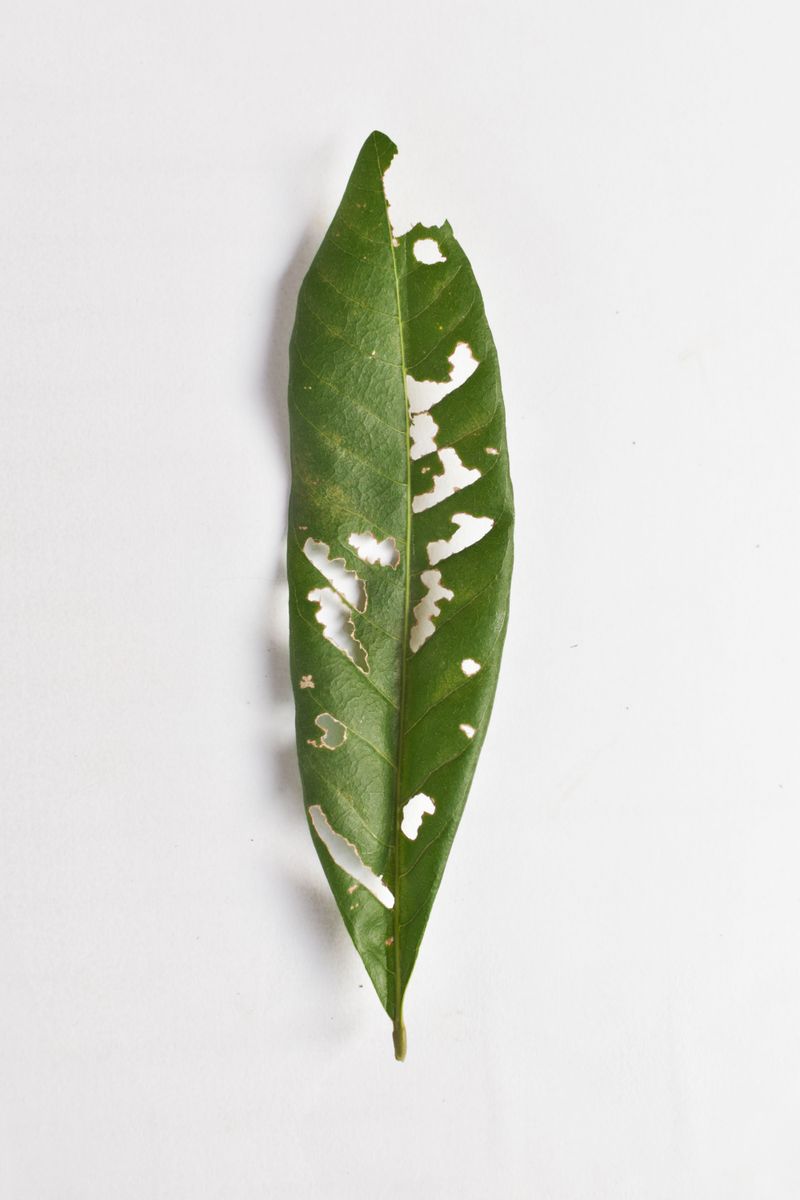
Poison control centers across the country get calls about oleander each year. Reported cases often involve curious toddlers or adults who mistake it for something else.
Swallowing even a small amount of leaf or flower can upset the stomach quickly. Nausea, vomiting, belly pain, and diarrhea often show up within a few hours.
The more significant concern is what happens to the heart. The plant’s toxins can cause a slow, fast, or uneven heartbeat, along with dizziness and confusion.
Dogs, cats, horses, and cattle face the same risk as people. Livestock sometimes nibble clippings tossed over a fence, which can turn into a veterinary emergency.
Dried leaves stay toxic, so a pile of old trimmings is still a hazard. Water from a vase holding cut blooms may also contain the plant’s compounds.
Some people have heard stories about hot dogs roasted on oleander sticks. Experts debate those tales, but using the branches as skewers is not recommended.
If you think someone has eaten any part of the plant, call Poison Control at 1-800-222-1222. Do not wait for symptoms, and do not try to cause vomiting at home.
For pets, contact your veterinarian or an animal poison hotline right away. Bring a piece of the plant along so the medical team knows exactly what they are treating.
Quick action can improve outcomes. Hospitals have medicines that can protect the heart when treatment starts early.
October Pruning Chores And Smart Safety Gear
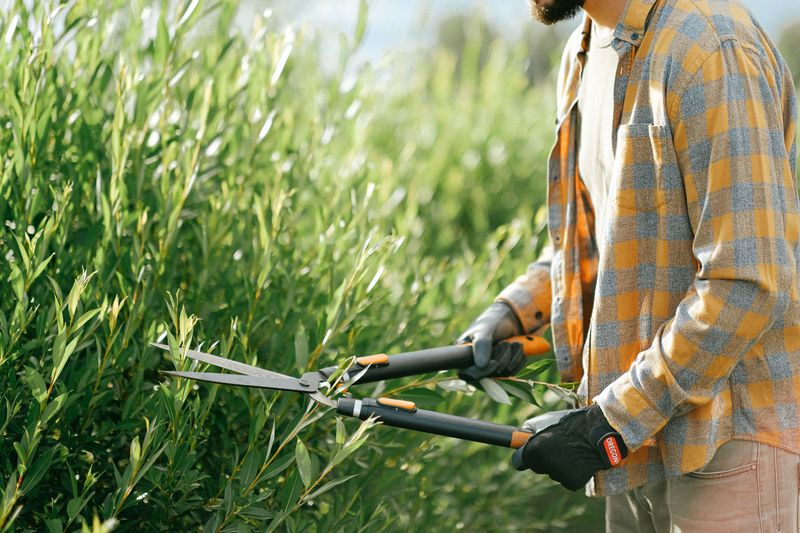
October in Alabama finally brings a break from sticky heat, and yard work feels pleasant again. It is also a smart month to tidy up an overgrown oleander.
Some blooms may remain, so expect to trim off a little summer color. Light shaping in early fall gives the shrub time to settle before winter.
Save heavy pruning for late winter or very early spring, right before new growth starts. Cutting hard in fall can trigger tender shoots that a frost may damage.
Before you grab the clippers, suit up like you are heading into a mild science experiment. Wear thick gloves, long sleeves, long pants, and closed-toe shoes.
Safety glasses are a wise addition, since sap can spray when you snip thick stems. Nitrile or rubber gloves under cotton work gloves give extra protection.
Keep a damp rag and a water bottle nearby for quick cleanups. If sap lands on bare skin, you can wipe it before it causes trouble.
Pick a calm, dry day so wind does not blow bits of leaves toward your face. Lay a tarp under the bush to catch every clipping as it falls.
Keep kids and pets indoors while you work, and finish cleanup before they come back out. Afterward, wash your tools, then toss your clothes straight into the laundry.
Treat it like a pruning ritual, and the job becomes routine. Your autumn yard will look neat, and your skin will thank you.
Why Yard Fires Aren’t Advised For Clippings
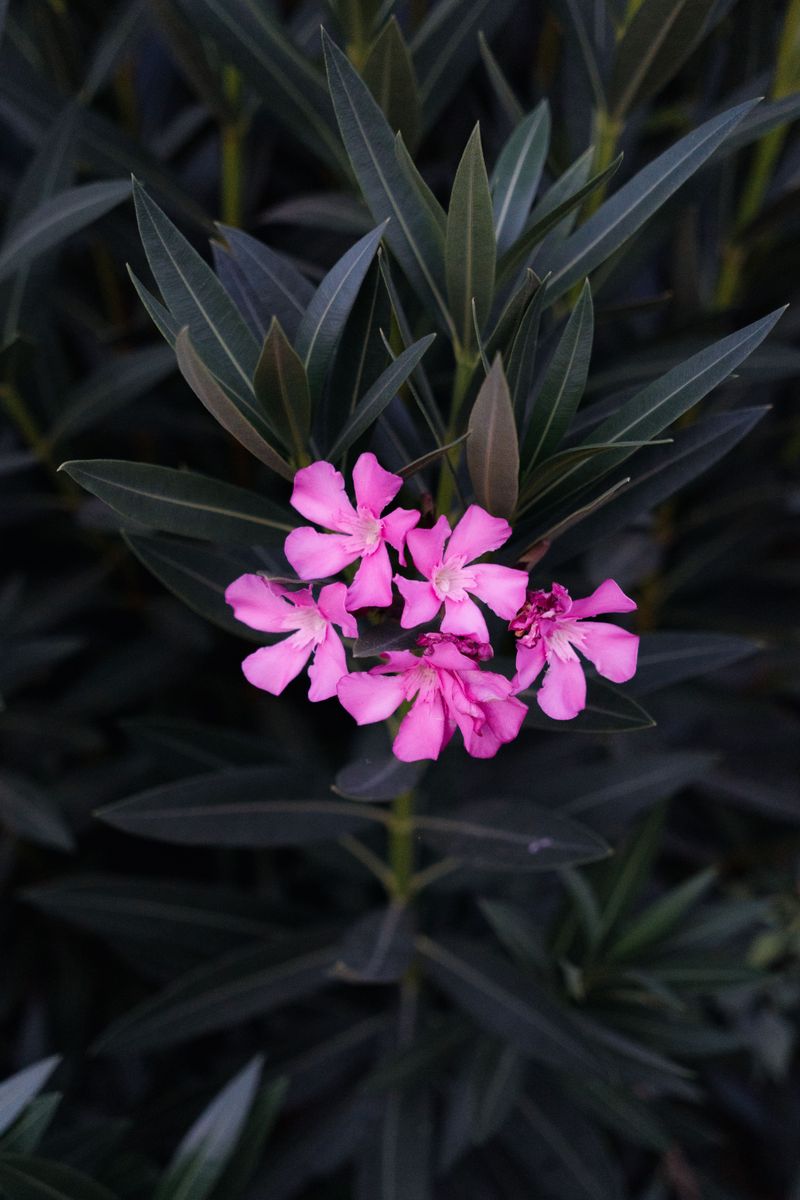
A crisp fall evening, a crackling yard fire, and a big pile of branches sounds cozy. Tossing oleander clippings onto those flames, though, creates a health risk.
Fire does not destroy its toxins. Smoke from oleander can irritate your eyes, nose, throat, and lungs, especially for people with asthma.
Alabama may require a burn permit, and many towns limit backyard fires during dry weeks. Check local rules and burn bans before you strike a match.
Composting is another tempting shortcut that can backfire. The toxins may persist, so homemade compost could end up near your tomatoes or herbs.
Running the branches through a chipper creates the same concern. Those chips could get spread around play areas, gardens, or places where pets dig.
A safer option is bagging the trimmings in sturdy yard waste bags. Ask your city whether its pickup program accepts them, since some turn yard waste into compost, or haul them to a local landfill.
Label the bags clearly so nobody reuses the branches for crafts or decorations. Fall wreaths look lovely, but oleander stems do not belong in them.
Avoid leaving clippings in a heap at the edge of the yard. Curious dogs, goats, or horses might wander over and sample them.
Neighbors who share a fence line will appreciate a quick warning too. A friendly chat about safe disposal can protect pastures and pets next door.
Proper disposal takes only a few extra minutes. That small effort keeps your family, your neighbors, and their animals out of harm’s way.
Plant Choices For Yards With Kids And Pets
Should you remove every oleander on your property? Not necessarily, because the right choice depends on who uses your yard each day.
Homes with toddlers, chewing puppies, or grazing animals may be better off removing it. Adults-only households can often keep the shrub with a few simple precautions.
If you keep it, make sure it sits away from play sets, patios, and pet runs. A back corner of the yard works well for showing off blooms safely.
Removing a mature bush takes patience and full protective gear. Dig out the root ball, since stumps can sprout fresh shoots for years.
October is a great time to plant a replacement in Alabama. Cooler air helps new roots settle in before spring.
Check each replacement before planting, because popular shrubs such as azaleas and hydrangeas can harm pets if eaten. The ASPCA plant list is a reliable place to confirm.
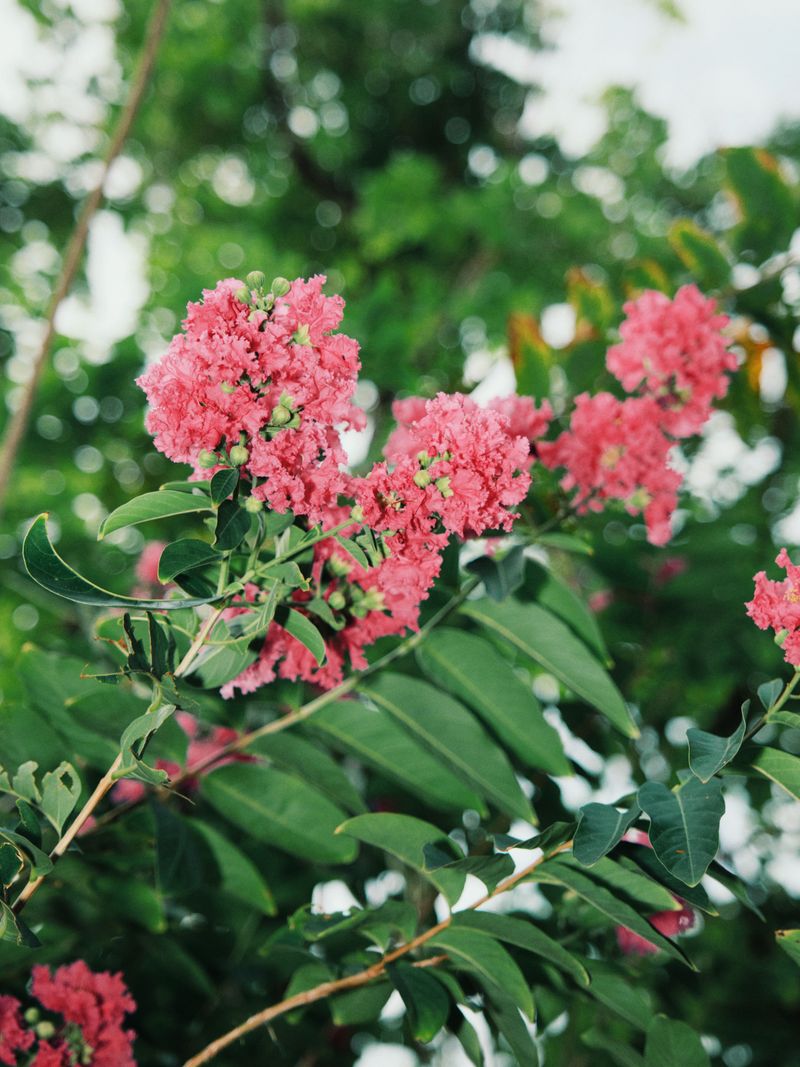
Crape myrtle is a tough, heat-loving shrub with summer flowers and is widely considered non-toxic. For coastal yards, confirm the safety of salt-tolerant choices such as yaupon holly with your local extension office.
Local extension offices across Alabama offer free advice on choosing safe plants. A quick call can help you match the perfect shrub to your soil and sunlight.
Whatever you choose, take time to teach kids which plants are look-only. A short garden walk turns safety into a fun family lesson.
Pet owners can keep the vet’s number and the poison hotline posted on the fridge. A little preparation lets everyone enjoy a beautiful yard with peace of mind.