The Best Bare Root Fruit Tree To Plant In California This October
October tends to send many California gardeners toward the nursery with fruit on their minds. Shelves look busy, catalogs start arriving, and one question keeps coming up: which tree deserves the sunniest spot in the yard?
The answer depends on more than flavor. Winter chill, summer heat, available space, and patience all shape the choice.
One tree checks nearly every box across the state, from foggy coastal towns to blazing inland valleys.
It asks for little, forgives plenty, and carries a long history in California soil.
Getting the timing right this month makes all the difference, and a few smart moves now can turn an ordinary corner of the yard into a sweet summer tradition.
Figs Fit Nearly Every California Region
Spanish missionaries brought figs to California centuries ago, and the trees have thrived here ever since. That long track record says plenty about how well they match the state’s climate.
Figs need very little winter chill compared with most deciduous fruit trees. UC ANR describes figs as low-chill trees, with many varieties getting by on roughly 100 to 300 chill hours.
That low requirement opens the door for coastal and Southern California gardens. Apples and cherries often struggle in those mild winters, while figs settle right in.
Heat suits them, too. Inland valleys that bake in July produce some of the sweetest figs around.
Even low desert gardens can grow them with afternoon shade and steady summer water. Few fruit trees cover that much ground so comfortably.
Cold tolerance is decent once trees mature. Established figs often handle temperatures down to around 15 to 20 degrees Fahrenheit while dormant.
Young trees are more tender, so frost-prone inland and foothill spots benefit from a sheltered planting site. A south-facing wall can add helpful warmth.
Drought tolerance adds to the appeal. Established figs handle dry spells better than many fruit trees, though regular deep watering produces better crops.
All of these traits explain why figs show up in old farmyards, city lots, and suburban gardens across the state. For a single tree that fits almost anywhere, few choices compete.
One Tree Is Enough For Fruit
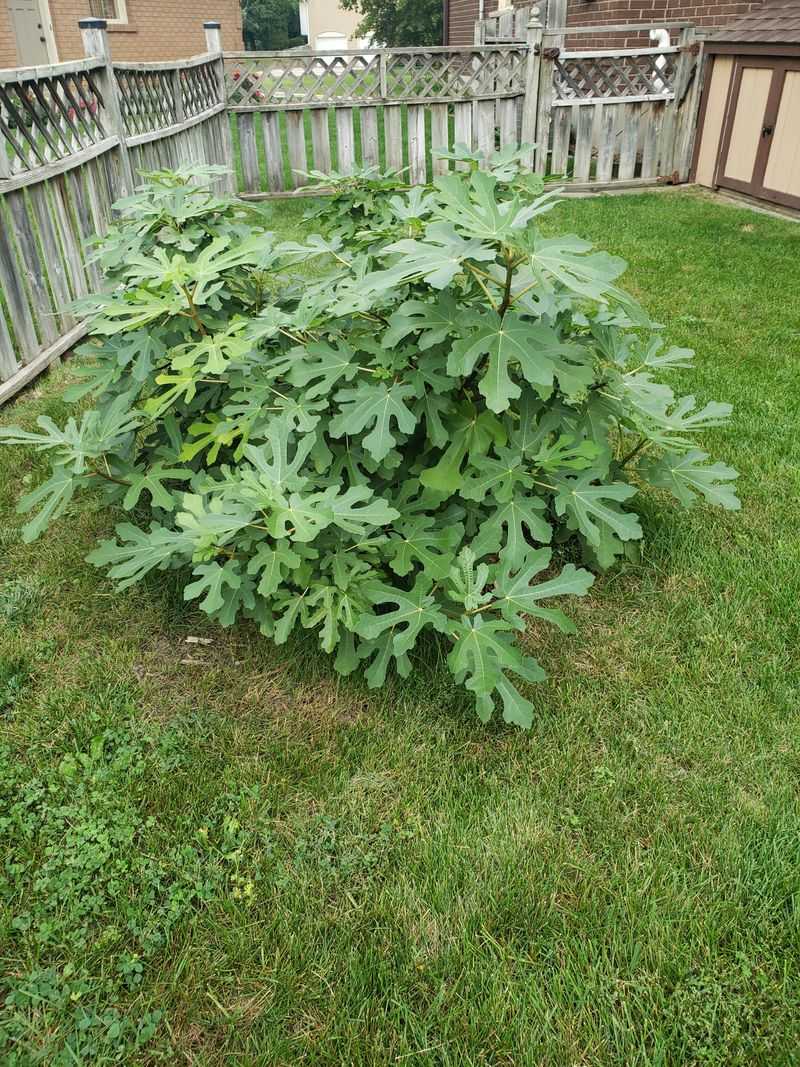
A single fig tree in a small yard can produce baskets of fruit without any partner nearby. That independence sets it apart from many plums, apples, and cherries.
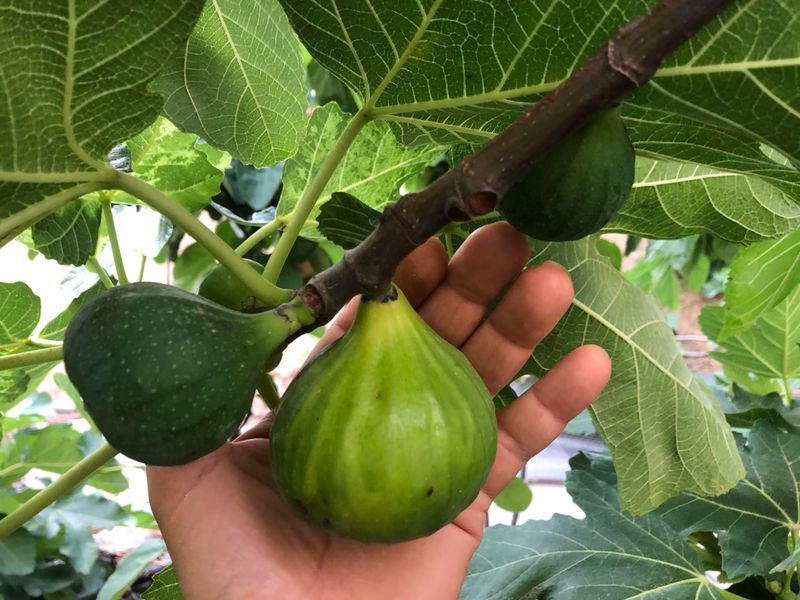
Most home garden figs belong to a group called common figs. These varieties set fruit without pollination, so no second tree is needed.
That fact surprises plenty of people who’ve heard about the fig’s unusual relationship with a tiny wasp. The story is real, though it mostly applies to a different group.
Smyrna-type figs, including the well-known Calimyrna grown in the San Joaquin Valley, need a specialized fig wasp to set fruit. Commercial growers handle that process with care.
Backyard growers can skip the complication entirely. Common varieties like Black Mission, Brown Turkey, and Kadota ripen fruit all on their own.
Space savings follow naturally. One tree delivers a full harvest, leaving room for vegetables, flowers, or a second fruit tree of a different kind.
Your California Garden Changes Every Week. Your Plan Should Too.
Gardening in California changes quickly throughout the season. Every Friday you’ll receive a simple weekly plan showing exactly what to plant, prune, fertilize, harvest, and protect so you never miss the right timing.
Many common figs also produce two crops in good years. An early breba crop forms on last year’s wood, followed by a main crop on new growth later in summer.
Pruning affects that pattern, since heavy winter cuts remove breba wood. Light pruning keeps both crops in play.
For gardeners who want reliable fruit without juggling pollination charts, a common fig makes life refreshingly simple. One tree, one spot, and plenty of sweet rewards.
Proven Varieties Suit Backyard Growers
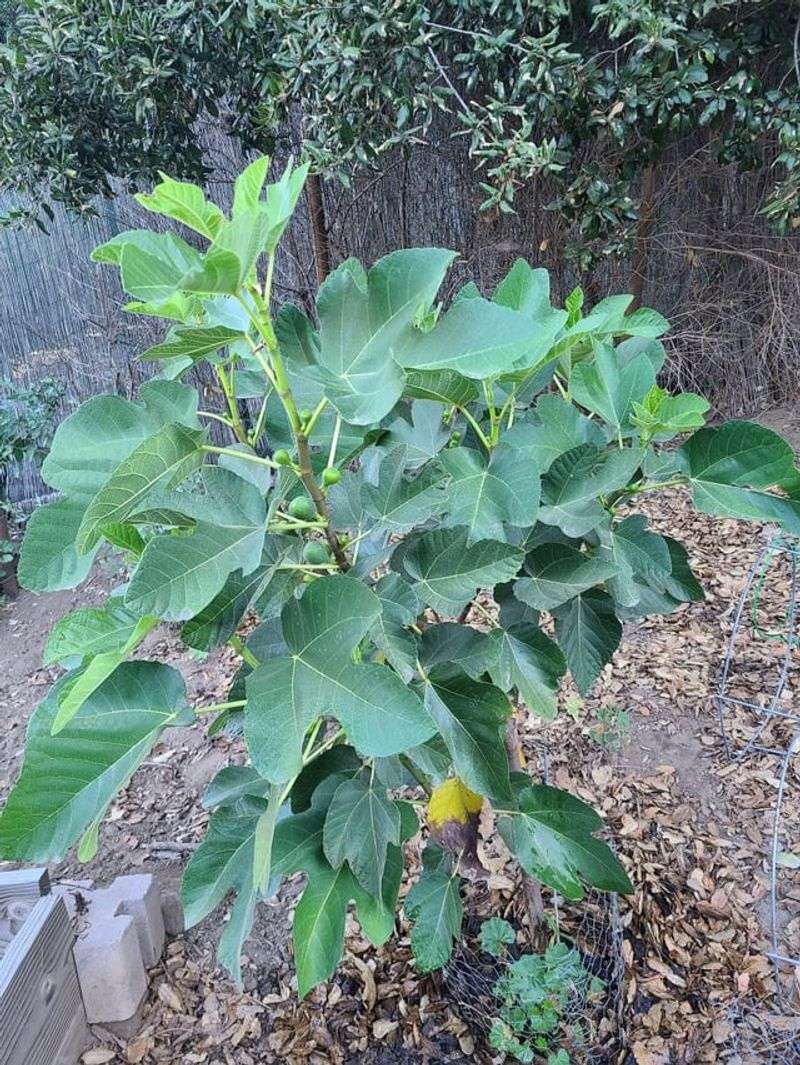
Choosing a fig variety ahead of time saves plenty of second-guessing at the nursery. A handful of proven types perform well across California.
Black Mission ranks as the classic choice. Its purplish-black skin and rich, strawberry-colored flesh made it a mission garden staple, and it grows vigorously in most regions.
Brown Turkey offers a milder, sweet flavor and adapts to a wide range of conditions. It also tends to stay a bit smaller than Black Mission.
Kadota produces pale green fruit with amber flesh and a honey-like taste. It thrives in hot inland valleys and makes excellent dried or preserved figs.
Panachee, sometimes called Tiger Stripe, adds a playful touch. Its green-and-yellow striped skin hides bright red flesh, though it prefers long, warm summers to ripen fully.
Cool coastal gardens call for a different approach. Desert King produces a heavy early breba crop that ripens even where summers stay foggy and mild.
Small spaces benefit from naturally compact varieties. Violette de Bordeaux stays smaller than many figs and works well in large containers or tight corners.
Taste matters as much as climate. Fresh eating, drying, and jam making all favor slightly different varieties, so a household’s favorite uses deserve a thought.
A quick conversation with a local nursery helps narrow the list further. Staff often know which figs ripen best in each neighborhood’s particular blend of heat and fog.
October Reservations Lock In Favorite Varieties
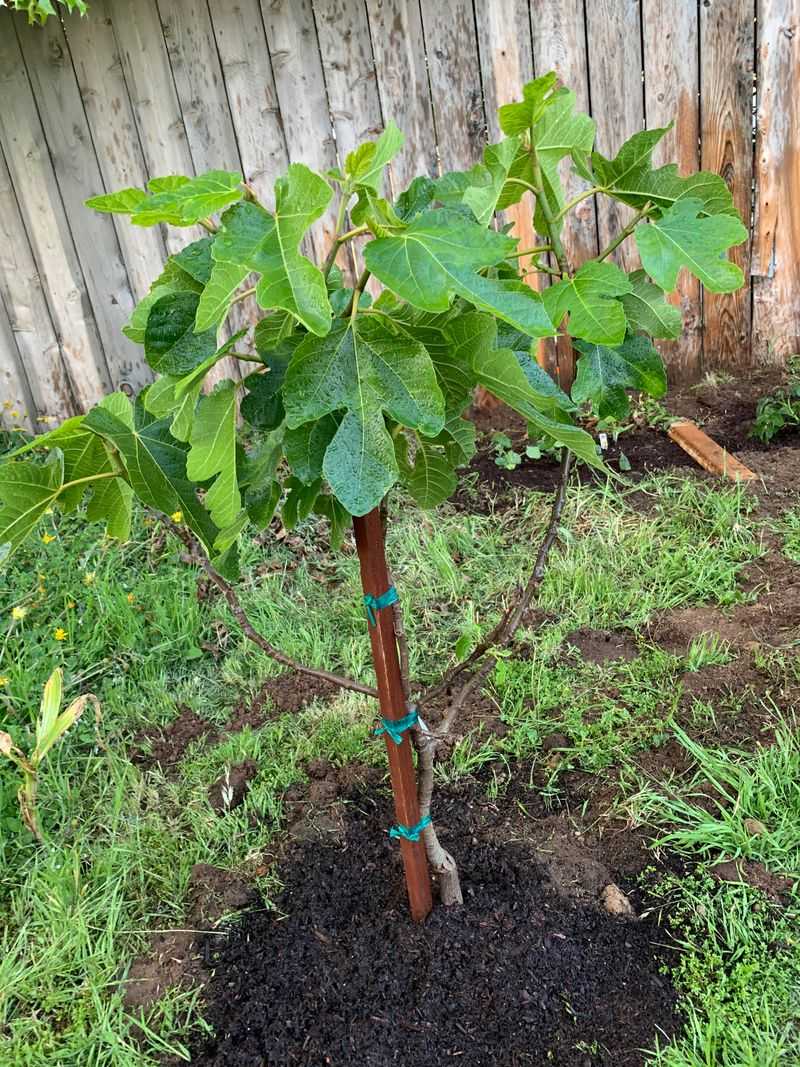
Popular fig varieties can disappear quickly once bare-root season opens. Gardeners who wait until January sometimes find their first choice already gone.
October makes the ideal month to claim a tree. Many mail-order nurseries and local garden centers open fall pre-orders, then ship or hold trees for pickup during the dormant season.
Bare-root figs typically arrive between December and February. Growers dig trees only after leaves drop and the plants fall fully asleep, which keeps transplant stress low.
A reservation placed now secures a spot in line. It also leaves plenty of time to compare varieties, tree sizes, and prices without pressure.
Bare-root trees offer real value. They usually cost less than potted trees of similar size, weigh far less, and come in a much wider range of varieties.
Roots stay visible, too, so any damage or problems show up right away. That transparency makes bare-root shopping surprisingly easy.
A short phone call to a local independent nursery often reveals when shipments usually arrive. Many keep free waiting lists for customers who ask early.
Mail-order catalogs list ship dates by region, so a quick check helps match delivery with local weather. Inland gardens may prefer later arrival, after the hardest freezes pass.
With a tree reserved in October, the rest of the season turns into simple preparation. Pickup day then feels a lot like unwrapping an early holiday gift.
A Potted Fig Can Go In The Ground Now
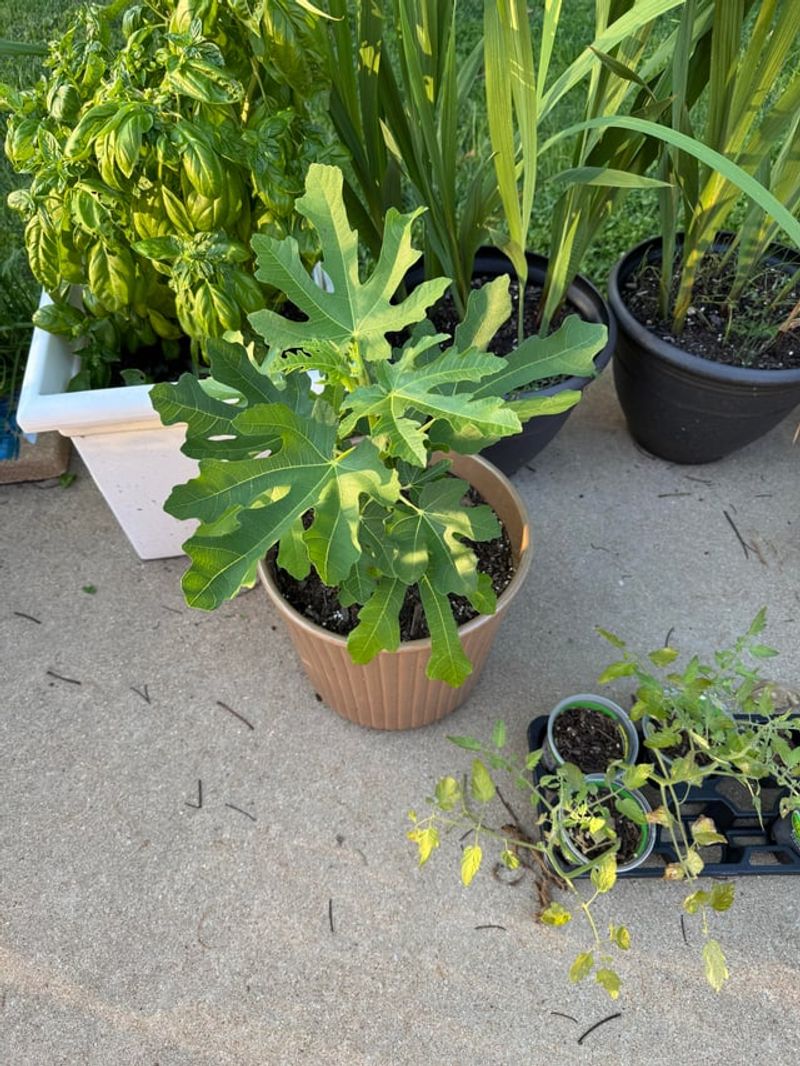
Gardeners eager to dig this month have a satisfying option. Figs grown in nursery containers can be planted right now, since their roots stay wrapped in soil during the move.
October offers real advantages for this approach. Soil still holds summer warmth, which encourages new root growth before winter.
Cooler air eases stress on leaves, and the coming rains help with watering. A potted fig planted now can settle in nicely before spring growth begins.
Container trees do cost more than bare-root trees of similar size. Variety choices may also be narrower, though common types like Black Mission and Brown Turkey often appear on fall shelves.
The root ball deserves a quick check before planting. Roots circling the outside can be gently teased loose or given a few shallow vertical cuts.
Planting at the same depth the tree sat in its pot works best, with soil level matching the top of the root ball. A deep watering settles everything in place.
Mulch spread a few inches away from the trunk holds moisture and evens out soil temperature. Coarse wood chips work especially well.
Frost-prone inland and foothill gardens call for a little extra care. Frost cloth draped over young trees on cold nights protects tender growth through the first winter.
Many growers plant a potted fig in fall for an early start, then add a bare-root tree in winter. That combination brings fresh figs to the table sooner.
October Prep Sets Up Winter Planting
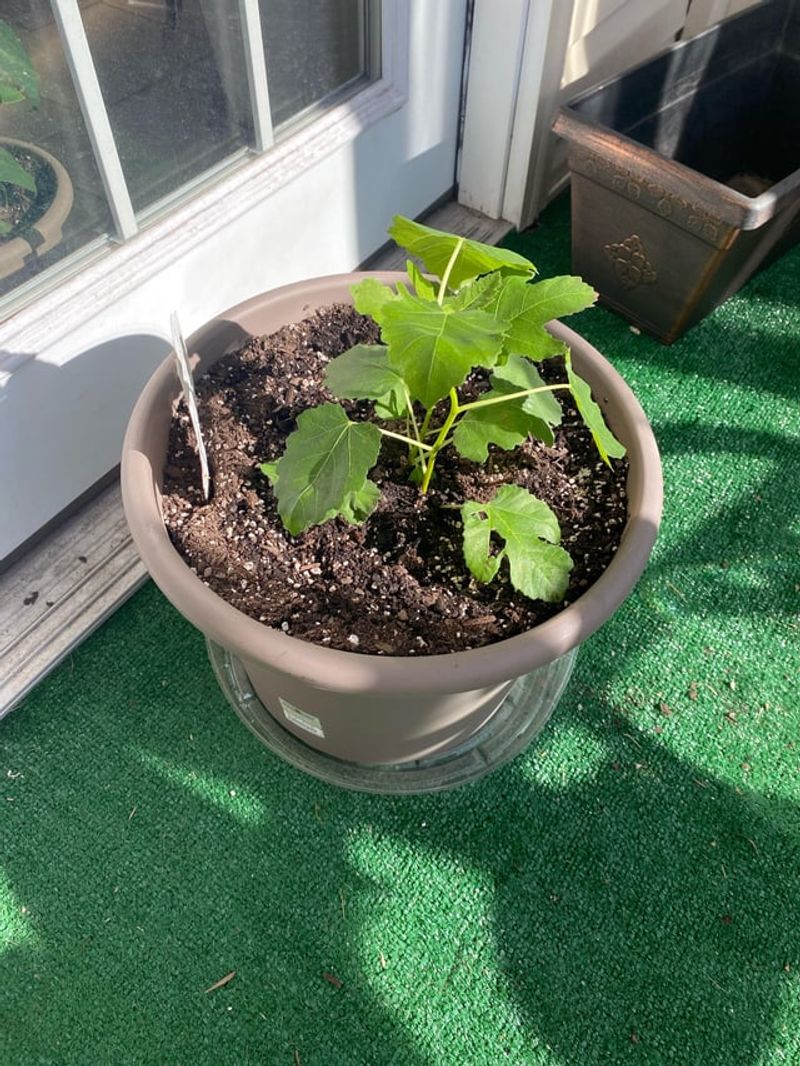
A little groundwork this month makes winter planting quick and easy. Bare-root trees need to go in soon after arrival, so a ready site saves a scramble later.
Sunlight comes first. Figs produce best with at least six to eight hours of direct sun daily, and more is better.
A full day of watching the yard shows where shadows fall. Low winter sun casts longer shadows than summer sun, so a spot that looks bright in October may change by January.
Drainage comes next. A hole about a foot deep and wide, filled with water twice, reveals how quickly the soil drains.
Water lingering for many hours points to heavy soil. UC ANR often suggests planting on a raised mound or berm in heavy clay, since figs dislike soggy roots.
Clearing weeds and grass in a circle several feet wide removes competition for water. A soil test can reveal pH and nutrient levels before planting.
Heavy amendments in the planting hole are best skipped. UC guidance generally favors native soil, which encourages roots to spread outward.
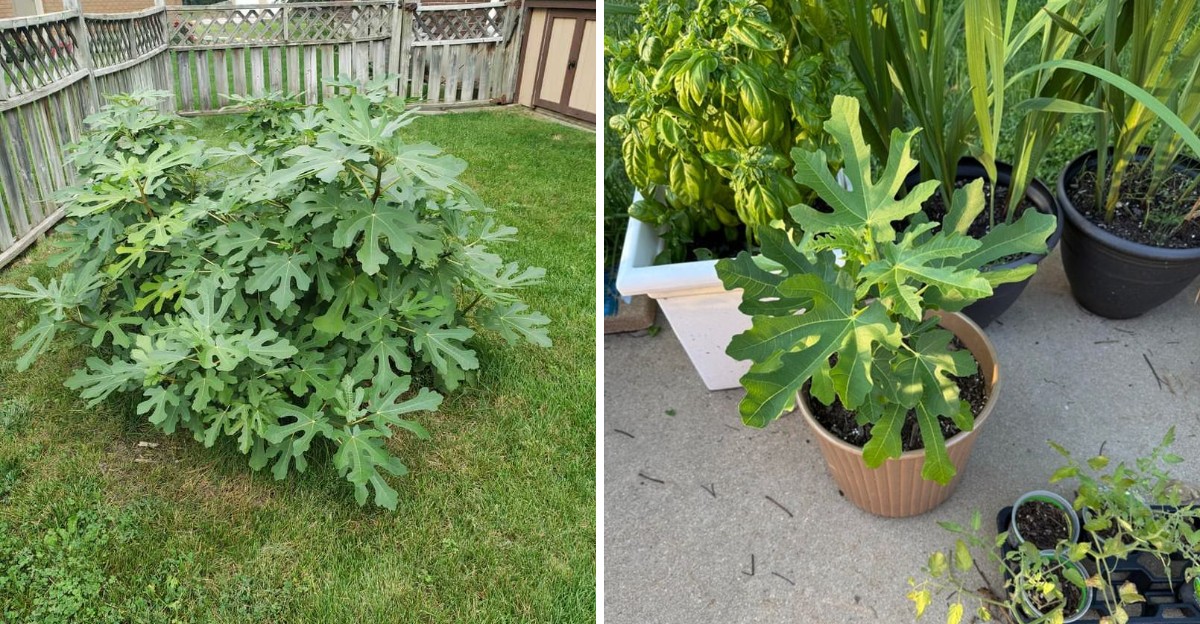
Space planning deserves attention, too. Unpruned figs can grow wide, though regular summer pruning keeps many trees around eight to ten feet.
A stake marking each spot, along with notes on irrigation lines, finishes the job. When the bare-root fig arrives, planting day comes down to digging, watering, and waiting for leaves.