Which Pansy Companions Last Longest In A Texas Winter Bed
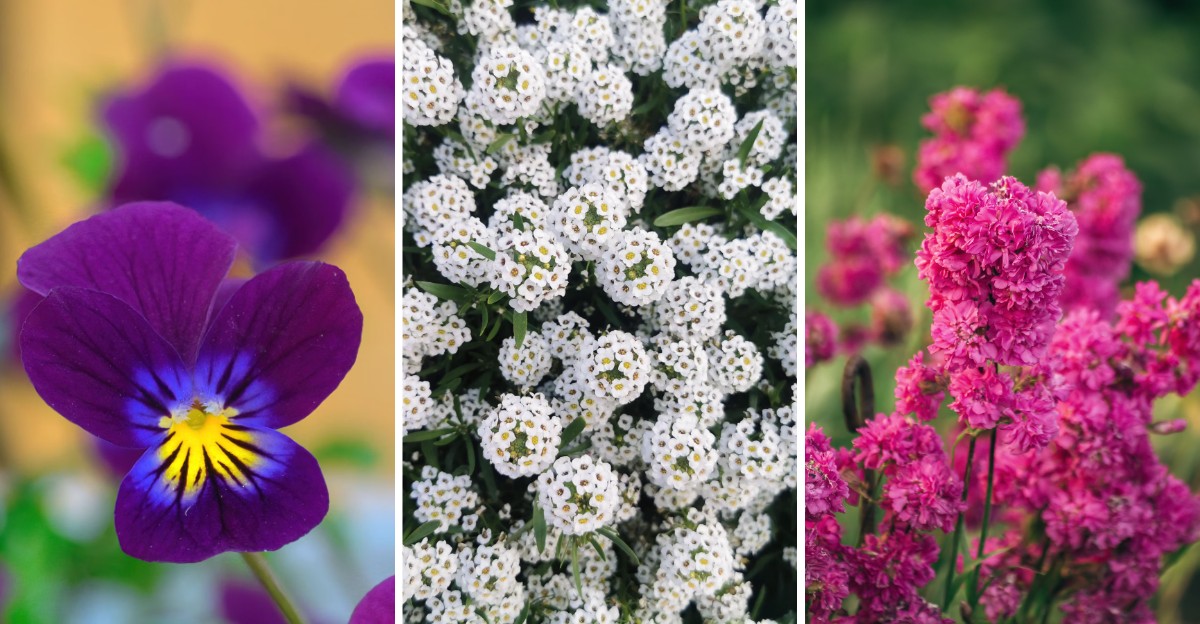
A pansy-only bed can look thin by January. Winters vary widely across Texas, so you need partners that handle cold snaps.
Snapdragons shrug off a sudden cold snap and give you height. Dianthus gives you ruffled color and grassy foliage through the coldest weeks.
Ornamental kale turns purple and cream when temperatures drop, so you gain drama. Violas, your pansy cousins, match that toughness and fill small gaps fast.
Sweet alyssum spills over edges and keeps blooming when temperatures wobble. Dusty miller adds silver foliage that makes neighboring blooms pop.
Calendula and stock add warm color and evening fragrance. Plant these partners in autumn, so roots settle before the coldest weeks arrive.
Your Texas bed will draw attention from the street. Choose plants that recover well, and January meets a full bed. Frost cloth protects these blooms during hard freezes.
1. Snapdragons Lift The Bed With Tall Spires
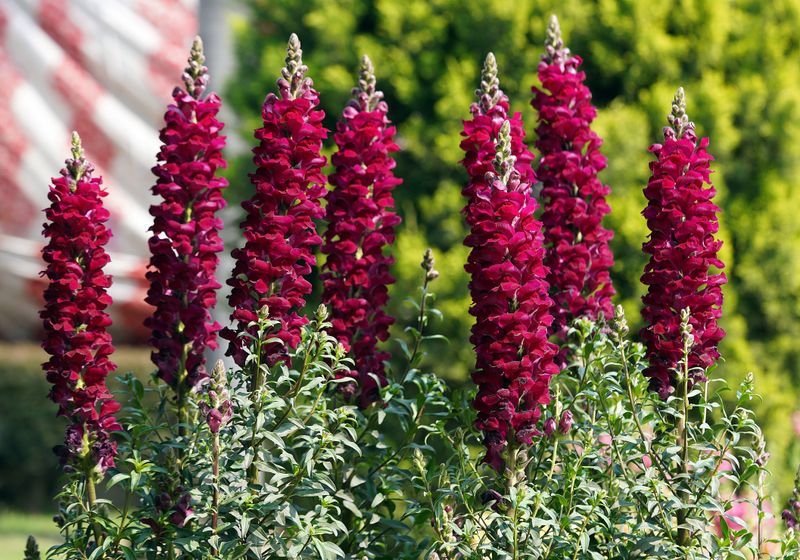
Picture a row of skinny rockets in pink, gold, and burgundy shooting up behind your bed. Snapdragons bring that height, and they handle Texas cold snaps down to the low twenties.
Kids love squeezing the blooms so the little dragon mouths pop open and closed. That playful trick made snapdragons a cottage garden favorite in Europe for centuries.
Plant them in October while the soil still holds some summer warmth. Roots settle in fast, and the plants build strong stems before the first real freeze arrives.
The state spans several climate zones, so timing and hardiness vary. North and Central Texas gardeners plant in October, while the Gulf Coast and South Texas often plant a few weeks later.
Place them at the back or middle of the bed so they tower over low pansies. Space each plant about eight to ten inches apart for good airflow.
Full sun is best, with at least six hours a day during the short winter months. Shady spots give you floppy stems and fewer flowers by February.
Feed lightly with a balanced, slow release fertilizer at planting time. Too much nitrogen gives lush leaves but fewer flower spikes, which is a poor trade-off.
Snip off faded spikes just above a set of leaves. New side shoots will form, and you can enjoy a second and even third flush.
When a hard freeze heads your way, toss a frost cloth over the tallest stems. Snapdragons usually recover and keep blooming until warm April weather ends their season.
Dwarf types like Floral Showers stay under ten inches and work well in windy spots. Taller Rocket varieties make lovely cut flowers for a kitchen table vase.
2. Dianthus Brings Ruffled Color And Grit
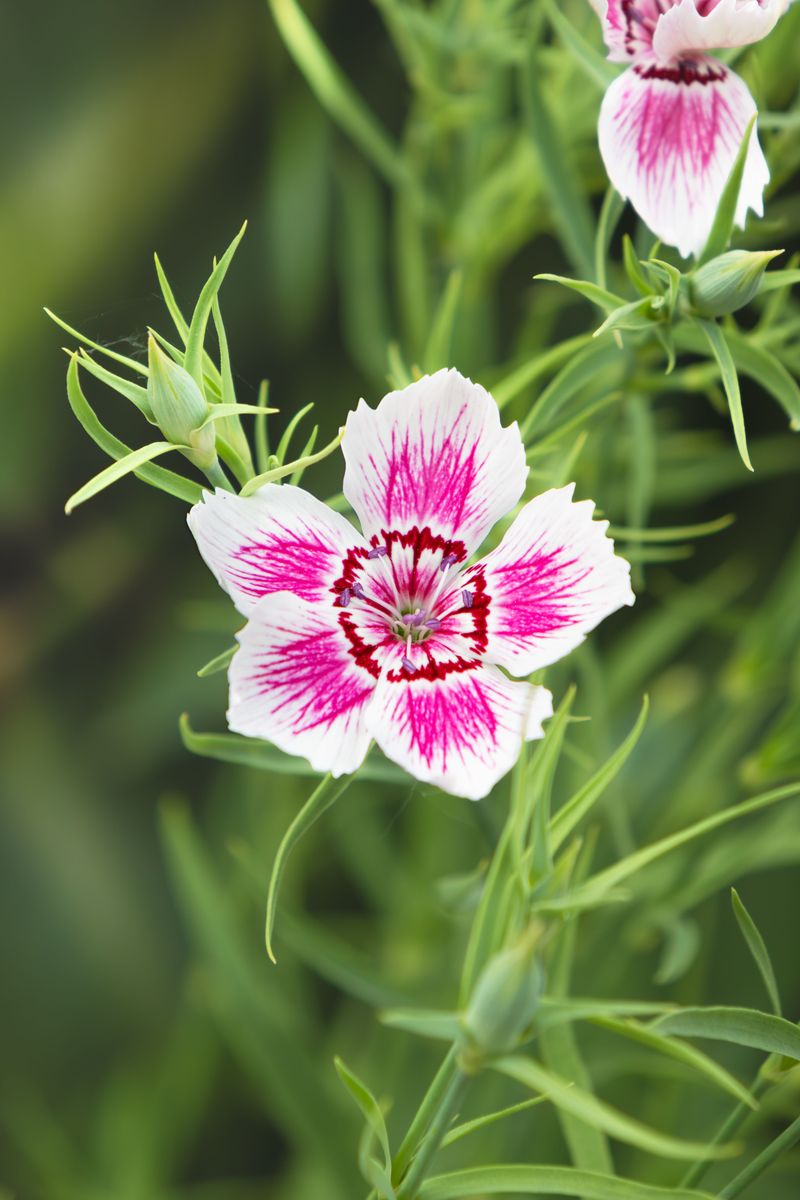
Lean close to a garden pink and you might smell cinnamon or cloves, though some bedding types are only lightly scented. Gardeners nickname these frilly flowers pinks, a name tied to the old verb “to pink,” meaning to scallop an edge.
Dianthus tolerates Texas winters well, often handling temperatures near ten degrees with only minor leaf damage. Garden pinks are perennials and can return for several seasons, while bedding types are often short-lived in Texas heat.
Your Texas Garden Changes Every Week. Your Plan Should Too.
Gardening in Texas changes quickly throughout the season. Every Friday you’ll receive a simple weekly plan showing exactly what to plant, prune, fertilize, harvest, and protect so you never miss the right timing.
Their gray green, grassy leaves make a pretty edge beside round pansy petals. Try planting them along the front border where noses can reach the scent.
Good drainage matters more than almost anything else for these tough little plants. Soggy clay soil can rot the crowns, so mix in compost or build raised rows.
Give them full sun or light afternoon shade for the best flower show. Six inches between plants keeps them from crowding each other into a tight tangle.
Water deeply once a week if rain stays scarce, then let the top inch dry. Wet leaves on cold nights invite fungus, so water in the morning.
Pinch off spent blooms with your fingers every few days for steady color. A quick shearing in midwinter can wake up tired plants for a big spring burst.
Look for varieties like Telstar, Ideal Select, or Amazon for strong cold tolerance. Each one comes in reds, pinks, whites, and bicolor patterns that pair nicely with pansies.
Bees and butterflies visit dianthus on warm winter afternoons when little else is open. Your bed becomes a tiny snack bar for pollinators who wander out in January.
3. Bold Leafy Texture From Ornamental Kale
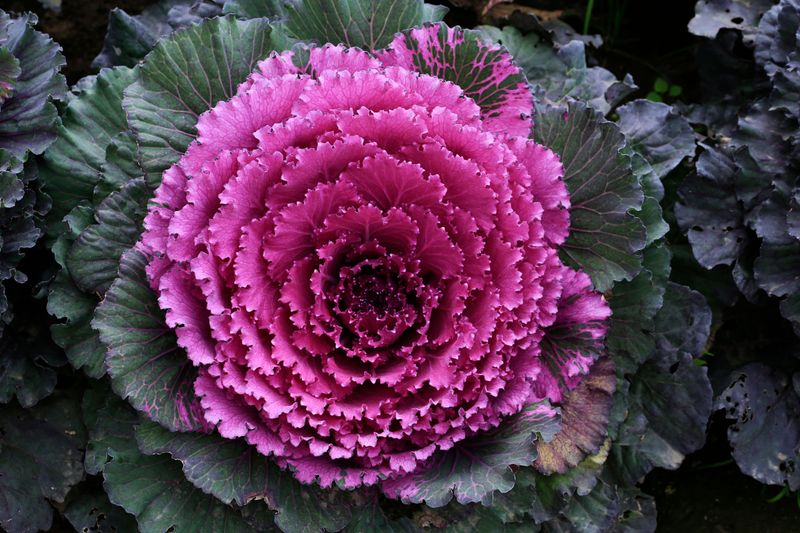
Few winter sights match a cabbage-shaped rosette turning hot pink. Ornamental kale gets brighter as nights turn colder, which makes it a standout.
The color change happens once temperatures drop below fifty degrees for a few weeks. Centers shift from green to rose, purple, or creamy white, depending on the variety.
Kale tolerates freezes into the teens, making it among the hardiest options here. Its thick, waxy leaves hold up to wind, sleet, and the occasional surprise snow.
Buy transplants in October rather than starting seeds, since kale needs time to size up. Set each plant slightly deeper than its nursery pot for sturdier stems.
Space them twelve to eighteen inches apart, because these rosettes spread wider than you expect. Tuck pansies around the edges like lace around a fancy pillow.
Fringed types like Peacock look feathery, while flat Osaka types resemble giant roses. Mixing both shapes adds texture that keeps the bed interesting even when blooms pause.
Watch for cabbage loopers, small green caterpillars that chew holes in leaves on warm days. Hand-pick them or spot-spray with Bt, an organic control that is low risk to people and pets but can also harm butterfly caterpillars.
Feed every four weeks with a liquid fertilizer at half strength. Too much food can fade the bright centers back toward plain green.
By March, kale sends up tall yellow flower stalks as the weather warms. Cut those stalks or pull the plants, and your pansies will happily fill the space.
4. Sweet Alyssum Spreads Soft Honey Carpets
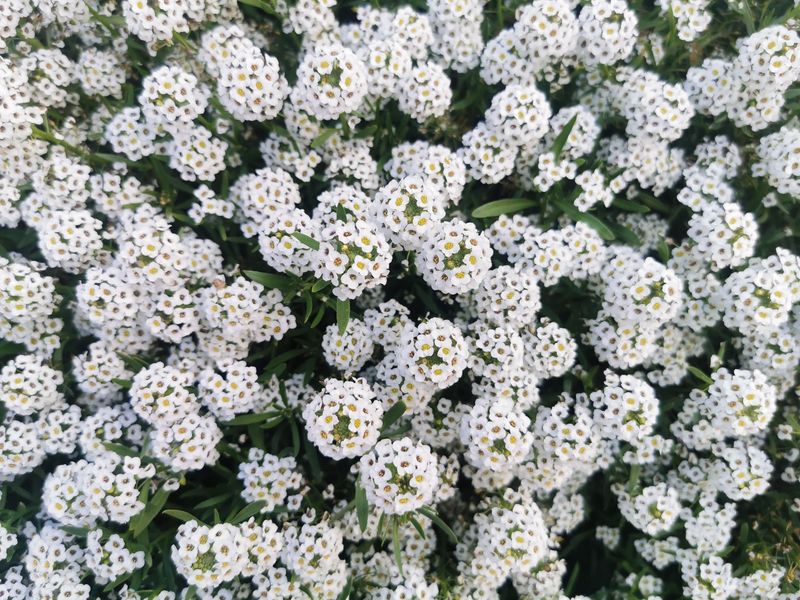
Sweet alyssum earns the nickname honey rug, and the name fits. On a sunny winter afternoon, the tiny white flowers smell like warm honey drifting across the yard.
Alyssum forms low mounds only four to six inches tall that spill over edges. Planted between pansies, it fills bare soil and hides the mulch underneath.
Cool weather suits it best, and it fades fast once Texas heat returns in May. Winter is its true season, so October planting gives you months of soft color.
Most varieties handle light frosts in the mid to upper twenties without fuss. During a hard freeze, cover the plants with frost cloth or an old bedsheet overnight.
Choose a spot with full sun or bright morning light for the thickest blooms. Space plants eight to twelve inches apart, since vigorous types like Snow Princess spread quickly.
Look for Snow Princess or Clear Crystal series, which bloom longer than older types. Purple and rose shades exist too, if white feels too plain for your bed.
If plants get leggy in January, shear them back by about one third. Fresh growth and a new wave of flowers will show up in a couple weeks.
Tiny beneficial insects like hoverflies sip nectar from alyssum blossoms. Their larvae then munch on aphids that might bother your pansies and kale nearby.
Keep the soil lightly moist, but skip heavy watering that rots the shallow roots. A thin layer of fine mulch helps hold moisture during dry, windy spells.
5. Dusty Miller Adds Silver Contrast Among Blooms
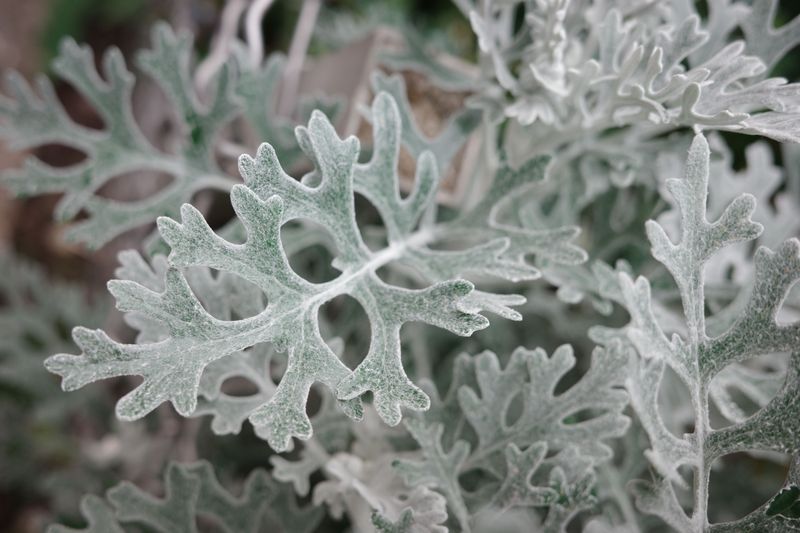
A strong lineup needs a supporting player that makes the stars look even better. Dusty miller plays that role, with felt-soft silver leaves that make colors pop.
Purple and yellow pansies look extra vivid next to its frosty foliage. Even white blooms seem brighter when they rest against that pale, lacy backdrop.
Dusty miller handles cold down to around fifteen degrees in most of Texas. In mild winters along the coast, plants often keep going into a second year.
Grown for leaves rather than flowers, it holds its color through cloudy winter weeks. You can snip off the small yellow buds if they show up.
Plant in full sun and well-drained soil for the most silvery color. Too much shade turns the leaves greener and stretches the stems out of shape.
Set plants eight to ten inches apart in groups of three for a natural look. A zigzag pattern through the bed creates a river of silver among the blooms.
Water only when the top inch of soil feels dry to your finger. Those fuzzy leaves trap moisture, so soggy roots and wet foliage cause trouble fast.
Silver Dust has finely cut leaves, while Cirrus offers rounder, broader foliage. Both handle Texas winters well, so pick the shape that suits your style.
Deer usually leave dusty miller alone because of its fuzzy texture and bitter taste. Hungry deer may still sample it, so protect plants during lean winters.
6. Calendula Delivers Sunny Orange Cheer
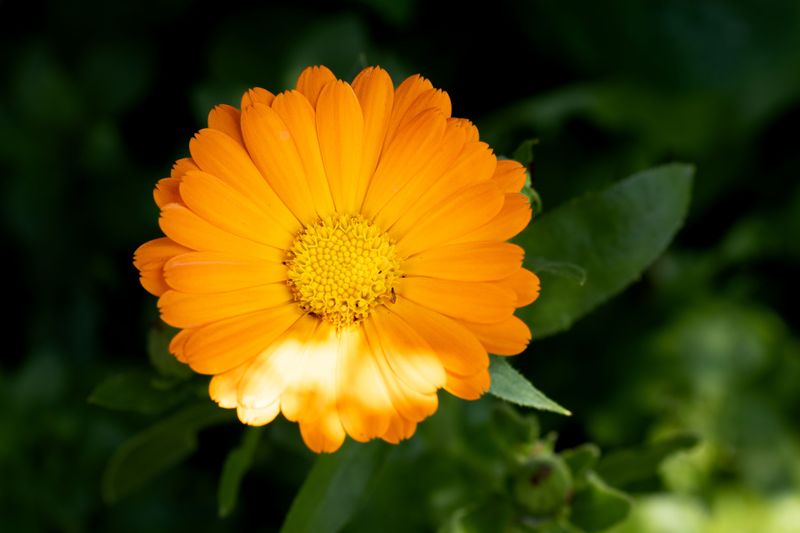
Calendula takes its name from the Latin calendae, the first day of the month, a nod to how long it keeps blooming.
Bright orange and golden petals glow like tiny suns on gray December mornings. Paired with deep blue or purple pansies, the color contrast feels downright cheerful.
Calendula handles light freezes in the mid twenties but may need protection below that. Covering plants on the coldest nights keeps buds safe and blooms coming.
Sow seeds directly in October or buy small transplants for a faster start. Seeds sprout in about a week when the soil stays moist and cool.
Give each plant twelve inches of space, since they grow bushy and about eighteen inches tall. Place them in the middle of the bed behind shorter edging plants.
Full sun keeps stems strong and flowers plentiful through the short days. Average garden soil works fine, so skip heavy fertilizer that only grows extra leaves.
Petals of pot marigold (Calendula officinalis) are edible if grown without pesticides, and they add a peppery splash of color to salads and soups. Some folks dry them for homemade soaps, lotions, and herbal teas.
Pick off faded blooms every few days to keep new buds forming. Leftover seeds drop easily and may sprout a surprise crop next fall.
Watch for powdery mildew, a white dusty coating that appears during damp, still weather. Good spacing and morning watering help keep the leaves clean and healthy.
Varieties like Pacific Beauty and Bon Bon offer long stems or compact shapes. Bon Bon stays under a foot tall, making it great for containers.
7. Stock Scents The Evening Like Cloves
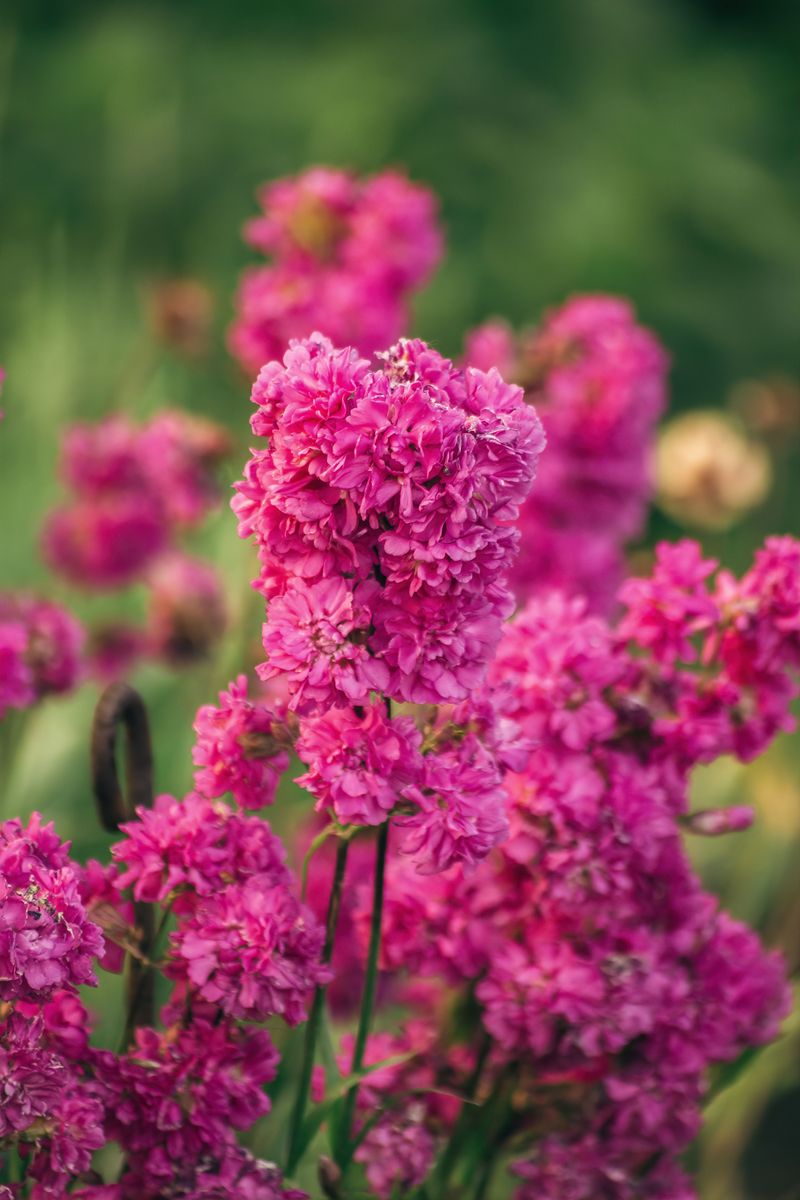
Step outside after sunset in February, and a sweet clove perfume may catch your attention. Stock releases its strongest scent in the evening hours.
Stock works well near doorways, where its scent greets guests. Try it beside a porch or patio where you sit.
Thick spikes of ruffled flowers come in lavender, pink, cream, and deep rose. Plants reach twelve to twenty inches tall, giving pansies a lovely backdrop.
Stock tolerates frost into the mid twenties once established in the garden. Throw a cover over plants if forecasts call for a hard freeze below that.
Set out transplants in October or early November for blooms starting around late winter. Plants need cool nights to form flower buds, which suits much of Texas.
Choose a sunny spot with rich, loose soil that drains well after rain. Mix in compost before planting to give roots an easy, nourishing start.
Space them about nine to twelve inches apart to allow airflow between stems. Crowded plants stay damp and can develop root rot or leaf spots.
Taller varieties sometimes lean after heavy rain or strong north winds. Small bamboo stakes or a ring of twine keep them standing neatly upright.
Cut a few stems for an indoor vase, and your kitchen will smell like a florist shop. Change the water daily to keep the blooms fresh for a week.
Look for Vintage or Katz series, which are bred for strong stems and longer flowering. Expect color until April warmth signals the end of their season.
8. Violas Tuck Tiny Faces Into Gaps
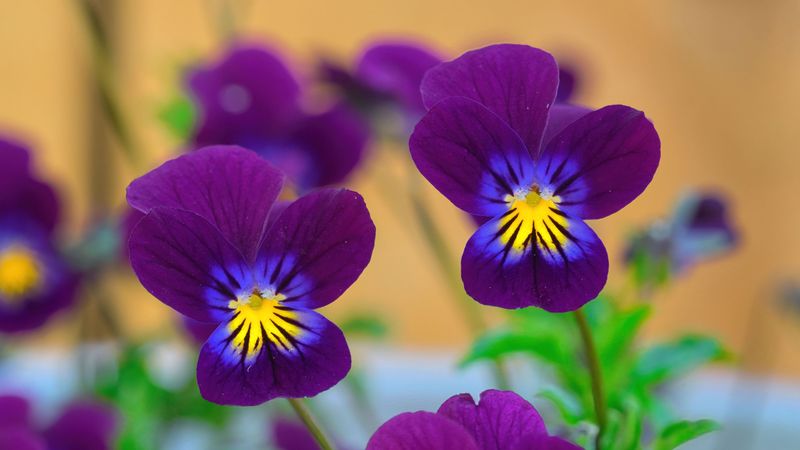
Think of violas as the scrappy little cousins at the family reunion. They look small and sweet, yet they often outlast the bigger blooms during rough winter weather.
Violas often survive temperatures in the low teens, though open blooms may suffer sooner, and plants usually recover after a frozen night. They also tend to tolerate colder weather than large-flowered pansies.
Since violas and pansies are close relatives, they share the same care routine. Mixing the two creates a layered look with big faces and tiny ones side by side.
Plant them six inches apart along edges or tucked into gaps between larger companions. Within weeks, they spread into cushions covered in purple, yellow, and white blooms.
Sun is ideal, though violas forgive a little afternoon shade better than many winter flowers. A spot near a south-facing wall adds warmth on frosty nights.
Feed every two to three weeks with a liquid fertilizer made for blooming plants. Steady nutrition keeps flowers coming through the darkest stretch of January.
Pinch faded blooms often, or the plants switch energy toward making seeds. Regular trimming can stretch the flower show well into late April.
Sorbet and Penny series are known for good cold tolerance. Johnny jump-up, an old-timey type, may reseed itself for next year.
Flowers are edible if grown without pesticides, with a mild, slightly sweet taste that works well on cupcakes. Grow a few extra and surprise your family with a decorated dessert.
Pill bugs and slugs sometimes nibble petals on damp nights. Sprinkle iron phosphate bait lightly around the bed, a lower-risk option for pets, and follow the label.