How To Make The Most Of Unripe Peppers When An Early Frost Hits Michigan
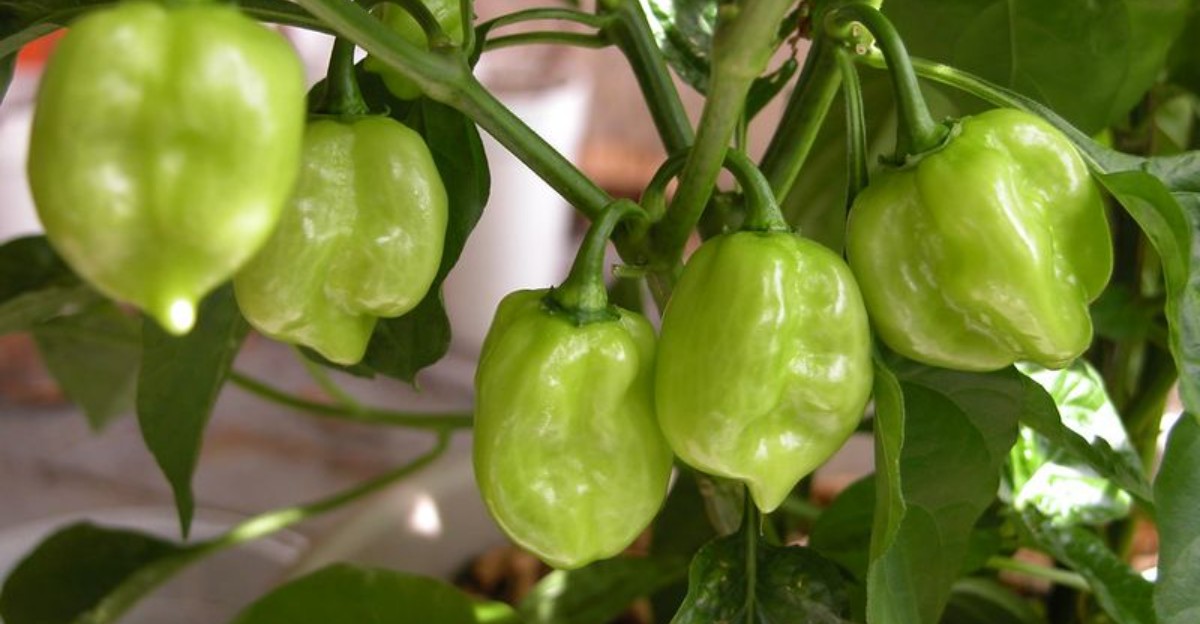
An early frost can leave a pepper plant covered in fruit that is still small and green. It feels like a waste, but you have more options than you think. Many peppers are perfectly good to eat before they color.
Some will even ripen on a counter if they are far enough along. Others work well in cooking, pickling, or freezing. The trick is knowing which peppers fit which job.
Size, firmness, and a faint blush of color all tell you what to expect. Michigan gardeners often face this problem, since the season can end before peppers finish. A little planning turns a frosty surprise into a full basket of useful harvest.
1. Harvest All Peppers Before The Frost
One cold night can undo months of careful gardening. Peppers are warm-season plants, and they simply cannot handle frost. When ice crystals form inside the fruit, they leave soft, watery spots that spoil fast.
Peppers picked before the cold arrives stay firm, crisp, and ready to use. That simple timing makes a huge difference in how much of your harvest you get to enjoy. So when the forecast dips toward freezing, grab a basket and head outside.
Skip the urge to yank peppers off by hand. Pulling can snap branches or tear the fruit, which opens the door to rot. Instead, use clean scissors or garden pruners and leave a short piece of stem attached to each pepper.
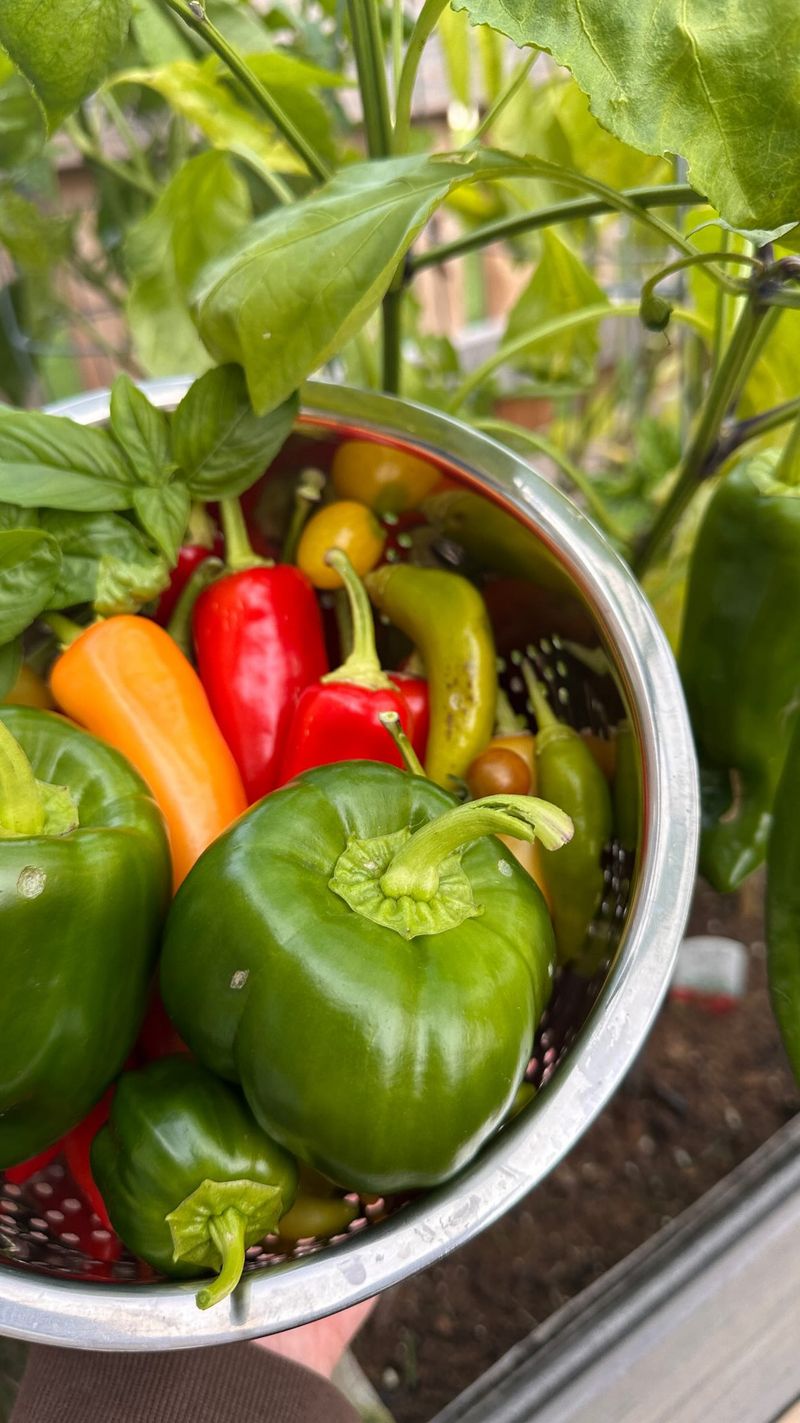
Pick every pepper that has reached a usable size, even the small green ones. A pepper about the size of a golf ball can still go into salsa or a stir-fry. Bigger ones are perfect for stuffing, slicing, or freezing later.
Sometimes a light frost sneaks in before you get the chance. If a few peppers already have soft or darkened patches, set them aside in their own bowl. Use those first, within a day or two, and trim off any damaged parts before cooking.
Timing matters a lot in Michigan. Early frosts can arrive in September, especially in the Upper Peninsula and the northern Lower Peninsula. Gardeners farther south may get a few extra weeks, but nobody in the state is truly safe from a surprise chill.
Keep an eye on local weather alerts as fall rolls in. A frost advisory is your signal to harvest that same afternoon. Acting quickly means a fuller kitchen and far fewer regrets.
2. Use Green Bell Peppers Fresh In Cooking
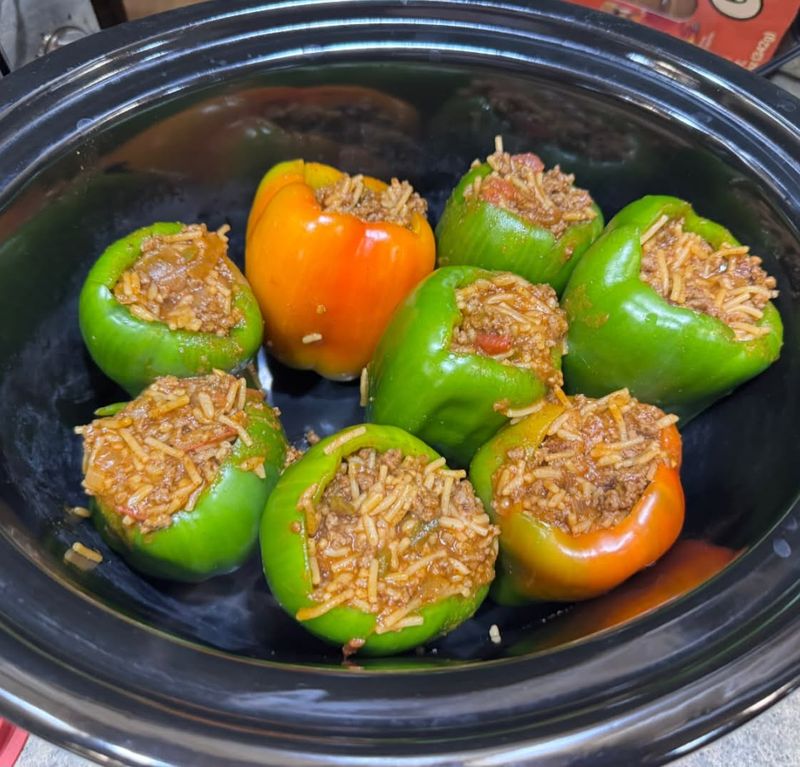
Here is a little secret grocery stores do not advertise. Green bell peppers are not a separate kind of pepper at all. They are simply the unripe versions of the red, yellow, and orange peppers you see on the shelf.
Because they have not fully ripened, green peppers taste a bit different. Their flavor is more savory and slightly bitter, with less sweetness than their colorful cousins. That bold, earthy bite actually makes them a favorite in many classic recipes.
Think about a big pot of chili on a chilly October evening. Diced green peppers add crunch and depth that pair beautifully with beans, tomatoes, and spices. They also shine in soups, pasta sauces, and hearty stews.
Your Michigan Garden Changes Every Week. Your Plan Should Too.
Gardening in Michigan changes quickly throughout the season. Every Friday you’ll receive a simple weekly plan showing exactly what to plant, prune, fertilize, harvest, and protect so you never miss the right timing.
Fajitas might be the easiest win of all. Slice peppers into strips, toss them with onions and your favorite protein, and cook everything in a hot skillet. Stir-fries work the same way, with green peppers holding their shape well over high heat.
Stuffed peppers are another tasty option, especially for larger fruits. Fill them with rice, ground meat, cheese, and tomato sauce, then bake until tender. Kids often enjoy helping scoop the filling into each pepper.
To keep them fresh, store unwashed peppers in your refrigerator crisper drawer. Most will stay good for about a week or two. Wash them right before you cook, since extra moisture can speed up spoiling.
Michigan gardeners often finish the season with plenty of peppers that never had time to change color. Instead of feeling disappointed, treat that pile as a bonus. Every green pepper on your counter is a ready-made ingredient for weeknight dinners.
3. Ripen Partly Colored Peppers Indoors
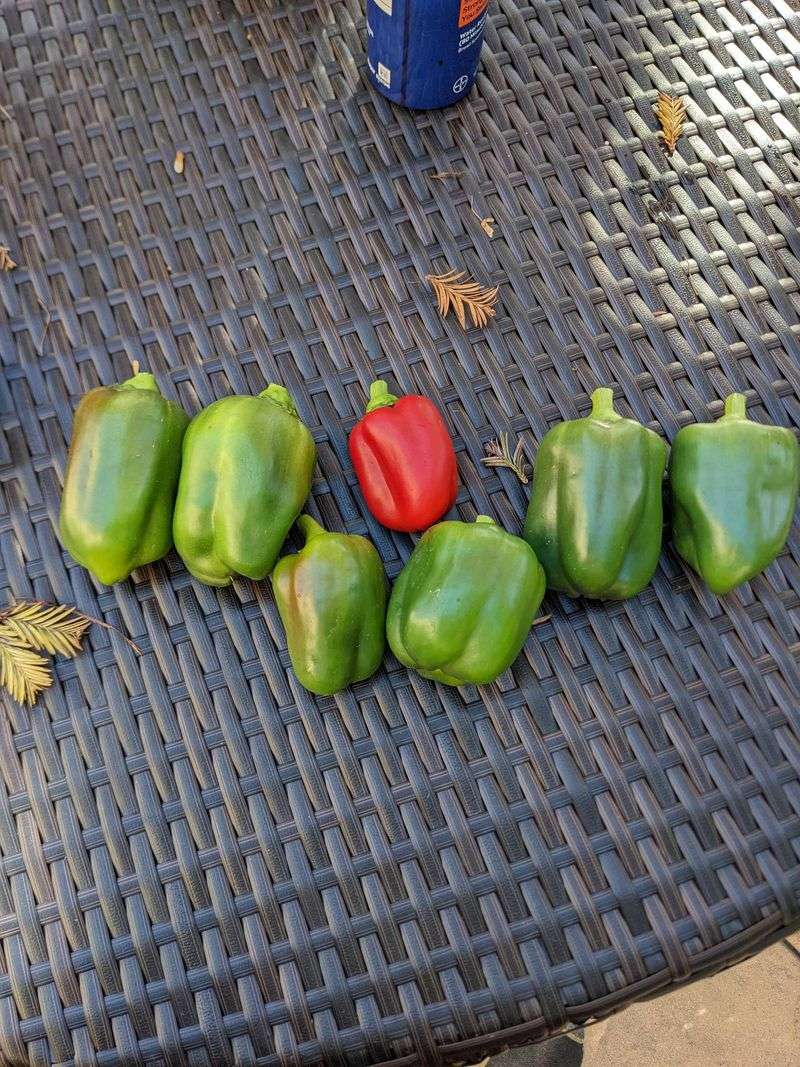
Spot a pepper blushing with streaks of red or orange? That little splash of color is great news. It means the ripening process has already started, and the pepper can often finish the job after you pick it.
Fully green, immature peppers are a different story. They usually change very little once they leave the plant. Many simply soften or wrinkle instead of turning bright and sweet.
So sort your harvest with a careful eye. Put any peppers showing some color into their own group. Save the solid green ones for cooking right away or for freezing.
Next, find a spot on your kitchen counter that stays at normal room temperature. Keep the peppers out of direct sunlight, which can cause soft spots or sunscald. A shady corner of the counter or a shelf away from the window works well.
Give them a quick check every day. Turn them gently, and look for any spots that feel mushy or show mold. Remove any troubled peppers right away so they do not affect the others.
Patience pays off here. Within several days to a week or so, many peppers will deepen in color and sweeten up. Once they reach the shade you like, eat them fresh or move them to the refrigerator to slow things down.
Michigan gardeners will find this trick especially handy. In many parts of the state, peppers are just beginning to color when the first frost arrives. Bringing them inside gives those half-finished beauties the extra time summer did not.
4. Pull Whole Plants And Hang Them
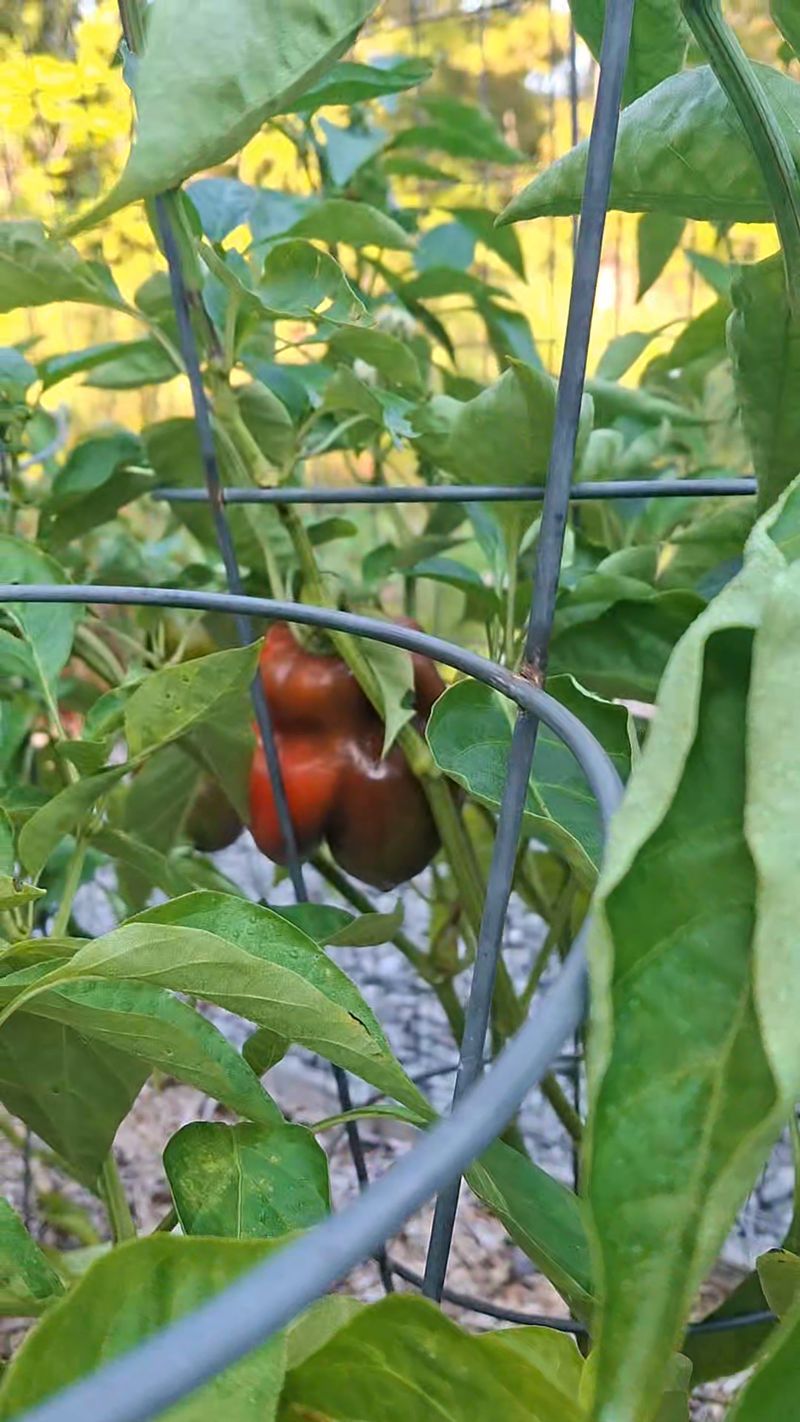
Old-time gardeners have a clever trick for squeezing extra life out of the season. Rather than picking every pepper, they pull up entire plants and bring them indoors.
It sounds a little odd, but the idea makes good sense. Fruit that stays attached to the plant can draw on some of the energy stored in the stems.
That steady support may help peppers that have already started to color finish ripening. Fully green fruit may not change much, so focus on plants holding blushing peppers.
Choose healthy plants for this project. Skip any that look diseased, moldy, or full of pests, since you do not want problems hanging around your home. Before frost hits, pull each plant up with its roots still attached.
Give the roots a good shake to knock off loose soil. A few taps against a bucket helps keep the mess outside. Then tie some twine around the base of each stem.
Hang the plants upside down in a spot that stays around 60 to 70 degrees Fahrenheit. Basement rafters, a laundry room, or a spare closet hook can all work nicely. Lay down newspaper or an old sheet underneath to catch falling leaves and dirt.
Visit your hanging garden every few days. As peppers reach a color you like, snip them off and enjoy them. The leaves will dry and drop, which is perfectly normal.
Location really matters in Michigan. Unheated garages often get far too cold in fall for peppers to keep ripening. A basement usually stays more stable and gives your peppers the best shot at turning sweet.
5. Freeze Them Without Blanching
Got a mountain of peppers and not much time? Your freezer might be the best helper in the house. Freezing is one of the easiest ways to save a big pepper harvest.
Many vegetables, like green beans and broccoli, need blanching before they go into the freezer. Peppers are different. You can skip the boiling water step completely, which saves time and keeps your kitchen cooler.
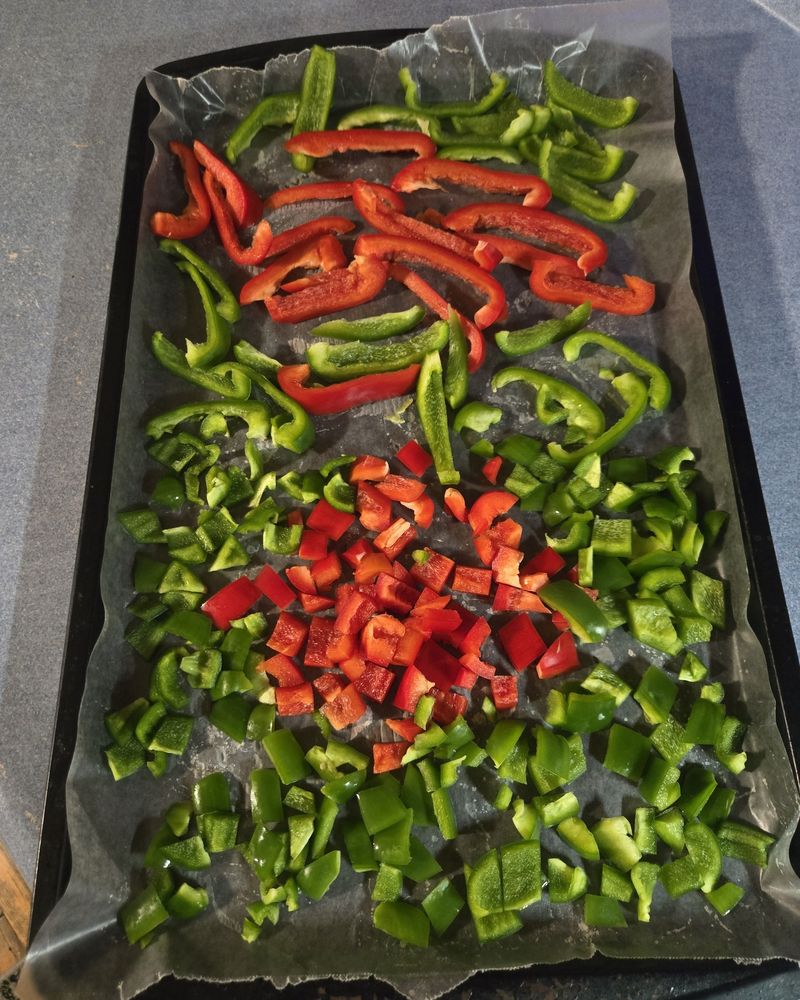
Start by washing your peppers under cool running water. Cut off the tops, pull out the cores, and scrape away the seeds and white ribs. Then slice them into strips, chunks, or small dice, depending on how you plan to cook with them later.
Here is where a little extra effort pays off. Spread the pieces in a single layer on a baking sheet, ideally lined with parchment paper. Pop the tray in the freezer for a few hours until the pieces are firm.
Once frozen, move them into freezer bags. Squeeze out as much air as you can before sealing, since air can lead to freezer burn. Label each bag with the date and the type of pepper.
Because each piece froze separately, you can grab just a handful whenever you need it. No more chipping away at a giant frozen clump. Keep in mind that thawed peppers turn soft, so they work best in cooked dishes rather than fresh salads.
For Michigan families, that frozen stash becomes a winter treasure. Toss peppers into soups, pasta sauces, casseroles, and omelets during snowy months. Each handful brings back a little taste of summer.
6. Pickle Them Or Make Relish
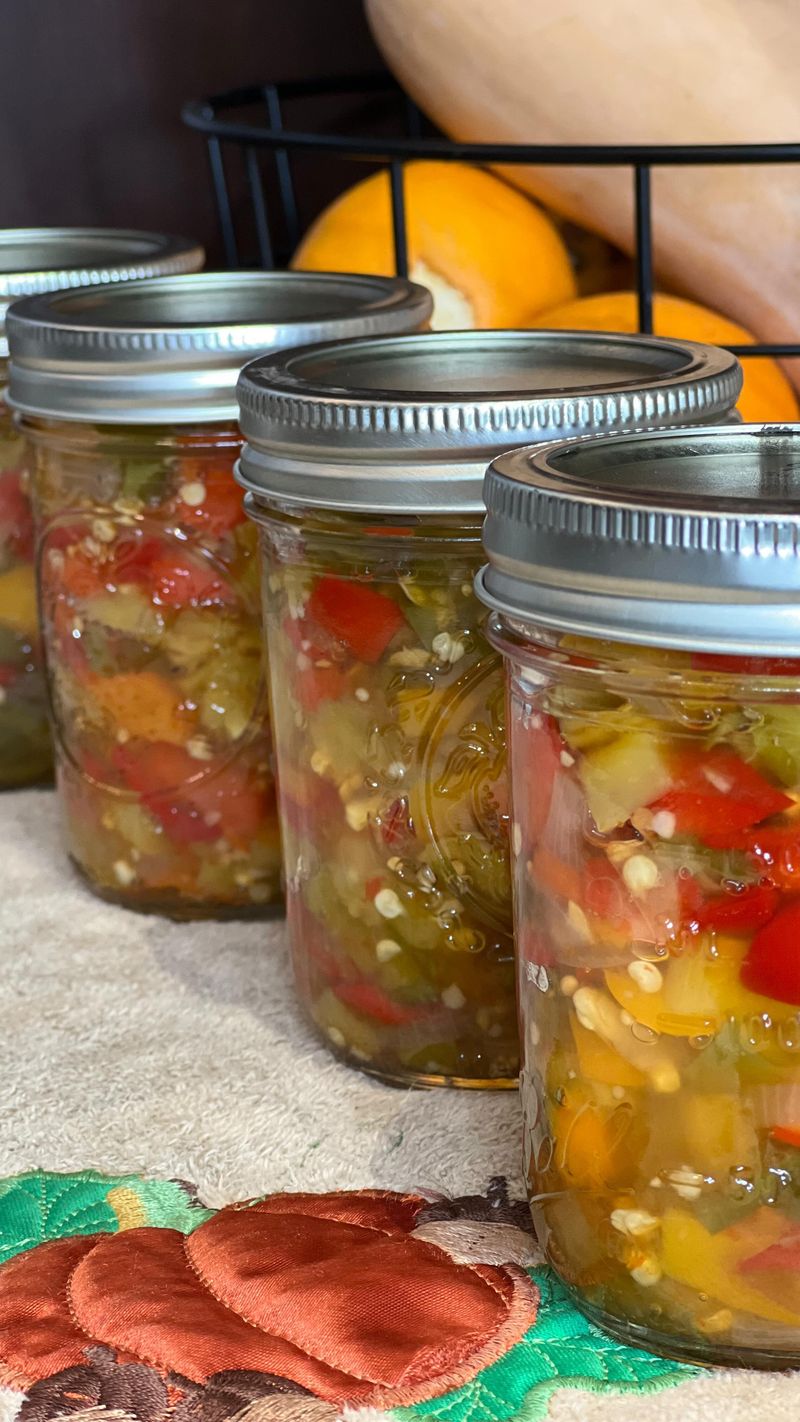
Grandma’s pantry shelves often held rows of shiny jars, and pickled peppers were usually among them. That tradition is a smart one for frost-hit gardens. Green peppers, both sweet and hot, hold their texture well in a vinegar brine.
Their slightly sharp flavor also makes them a natural fit for relish. Chopped green peppers mixed with onions, vinegar, and a little sugar create a tangy topping for hot dogs, burgers, and sandwiches. Pickled green jalapenos add a zesty kick to nachos and tacos.
Safety comes first with home canning. Always use tested recipes from trusted sources, such as Michigan State University Extension or the National Center for Home Food Preservation.
Peppers are a low-acid food, so the right amount of vinegar matters a great deal. Follow every step exactly as written.
That includes jar size, headspace, and especially processing times. Changing a recipe or guessing can lead to unsafe food, even if the jars look perfectly fine.
Not ready to try canning? Refrigerator pickles are a wonderful, easy choice. Simply pack sliced peppers into clean jars, pour a hot vinegar brine over them, cool, and store them in the fridge.
Fridge pickles are usually ready to eat in a day or two. They stay tasty for several weeks when kept cold. Follow your recipe for the best storage time.
Michigan winters are long, and preserved foods help stretch the garden harvest well into spring. Safe canning practices let you enjoy homegrown flavor months after the frost. Plus, a pretty jar of relish makes a thoughtful holiday gift.
7. Dry Hot Peppers For Winter Use
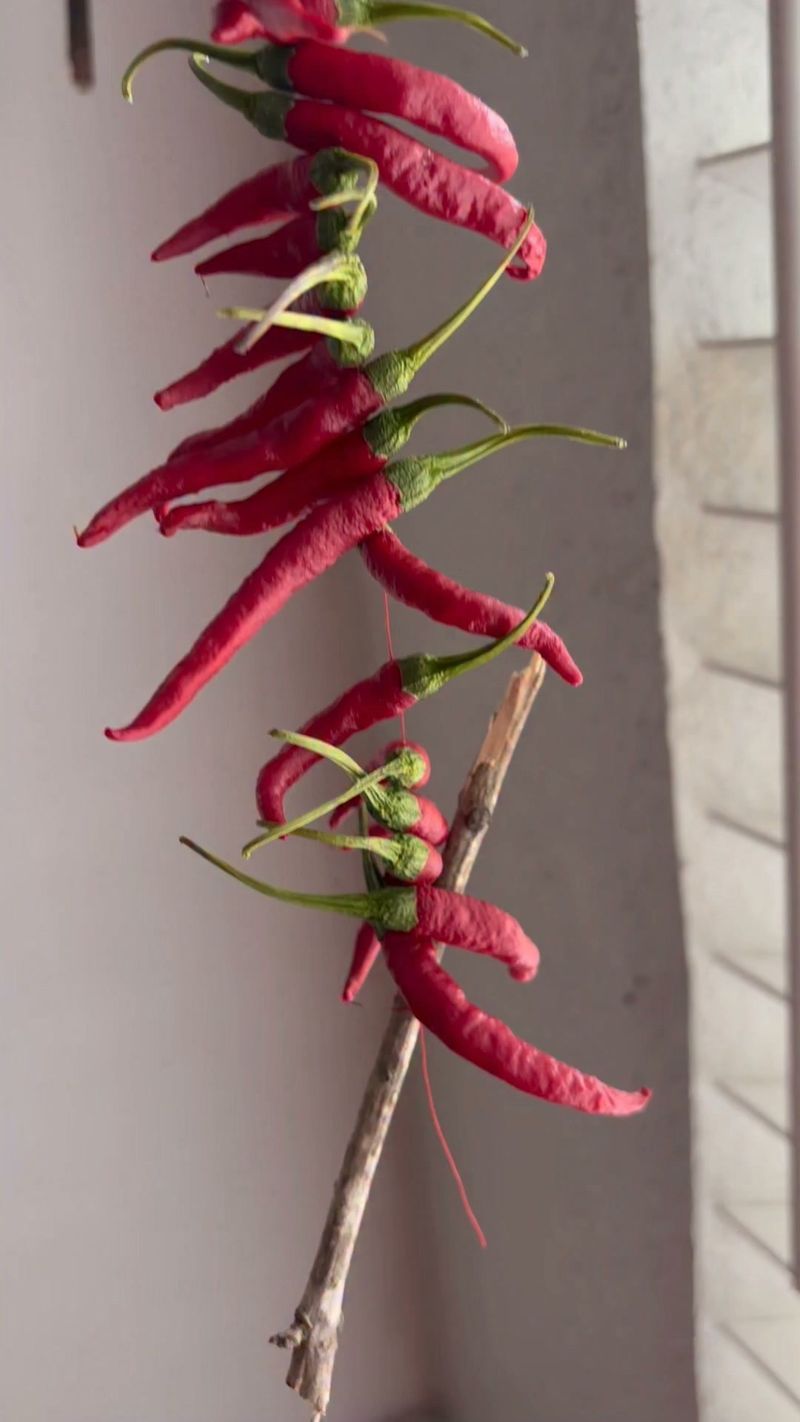
A string of dried chili peppers hanging in the kitchen looks cheerful and practical at the same time. Hot peppers, including green ones, are excellent candidates for drying. The process pulls out moisture and leaves behind concentrated flavor and heat.
Dried peppers also last a long time. Stored properly, they keep for months in your pantry. You can crush them into flakes or grind them into a fine powder for seasoning.
Before you start, put on gloves. Hot peppers contain capsaicin, an oil that can burn your skin and eyes. Avoid touching your face, and wash your hands well afterward.
Thin-walled peppers like cayenne dry beautifully on a string. Thread a needle with strong thread or fishing line, then push it through the stems one by one. Hang the string in a warm, dry spot with good airflow, and give it a few weeks.
Thicker peppers, like jalapenos, take a different approach. Their fleshy walls hold too much water to air-dry well and may mold instead. Slice them into rings or halves and dry them in a food dehydrator until crisp.
Make sure every pepper is completely dry before storing. They should feel brittle and snap easily. Pack them into airtight jars and keep them in a cool, dark cupboard.
Michigan fall weather tends to be cool and damp, which makes outdoor air-drying unreliable.
Drying peppers indoors gives you much better control and fewer moldy surprises. Come January, a pinch of homemade chili flakes will warm up any winter meal.