Chirping From Indiana Basements At Night Means Something Moved In For Fall
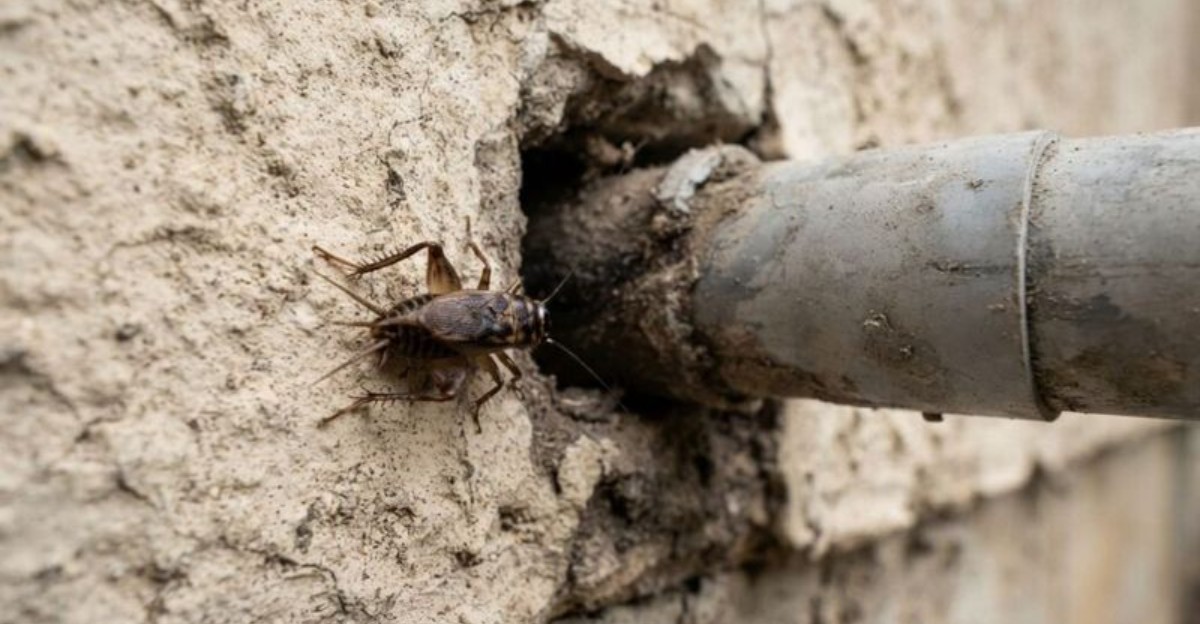
Picture a quiet Indiana evening, dishes done, as a steady chirp floats up through the floor vents. You tilt your head and wonder if the dryer, furnace, or something tiny is singing downstairs.
The sound stops the moment you flip on the basement light, which feels a little rude. Then you click the switch off, climb the stairs, and the cheerful concert starts right back up.
Cool October nights in Indiana push small outdoor visitors toward cozy, dark spaces under our homes. Your concrete walls, cardboard boxes, and damp corners offer a warm, sheltered spot for a chilly traveler.
The guest is mostly harmless, but that endless song can make falling asleep feel like a chore. Some families shrug it off, while others grab a flashlight and tiptoe around the water heater.
Either way, the music has a source and a reason behind each note. Somewhere below your feet, a tiny performer is tuning up for another long autumn night in the dark.
A Small Singer Seeking Warm Shelter
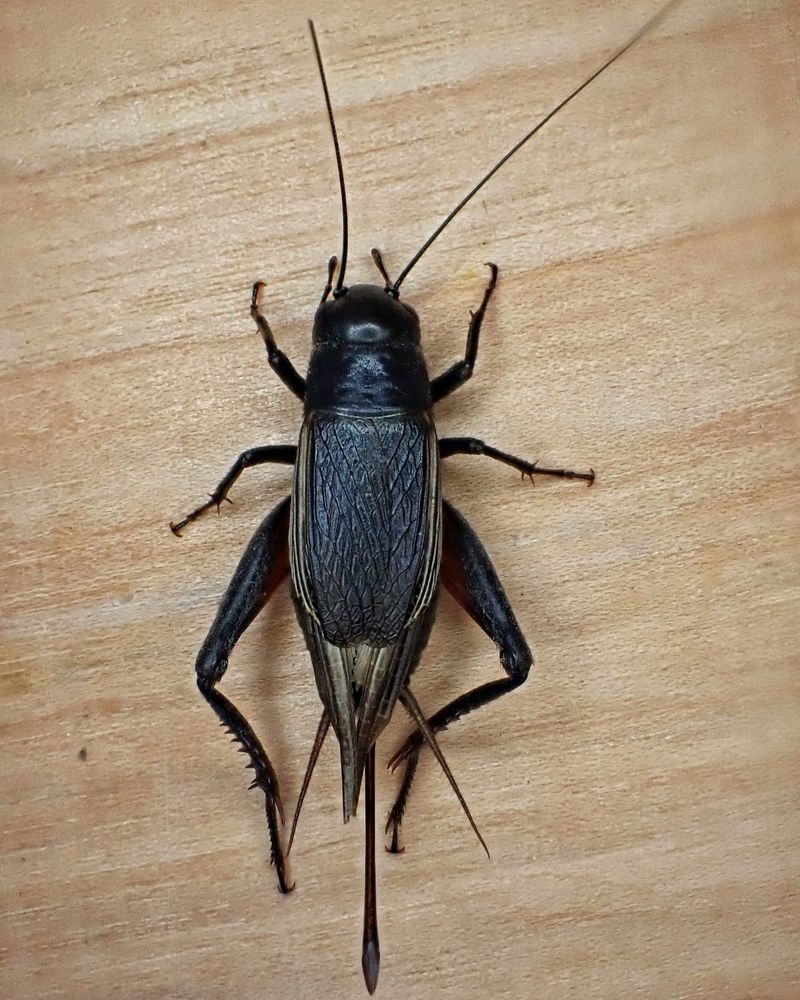
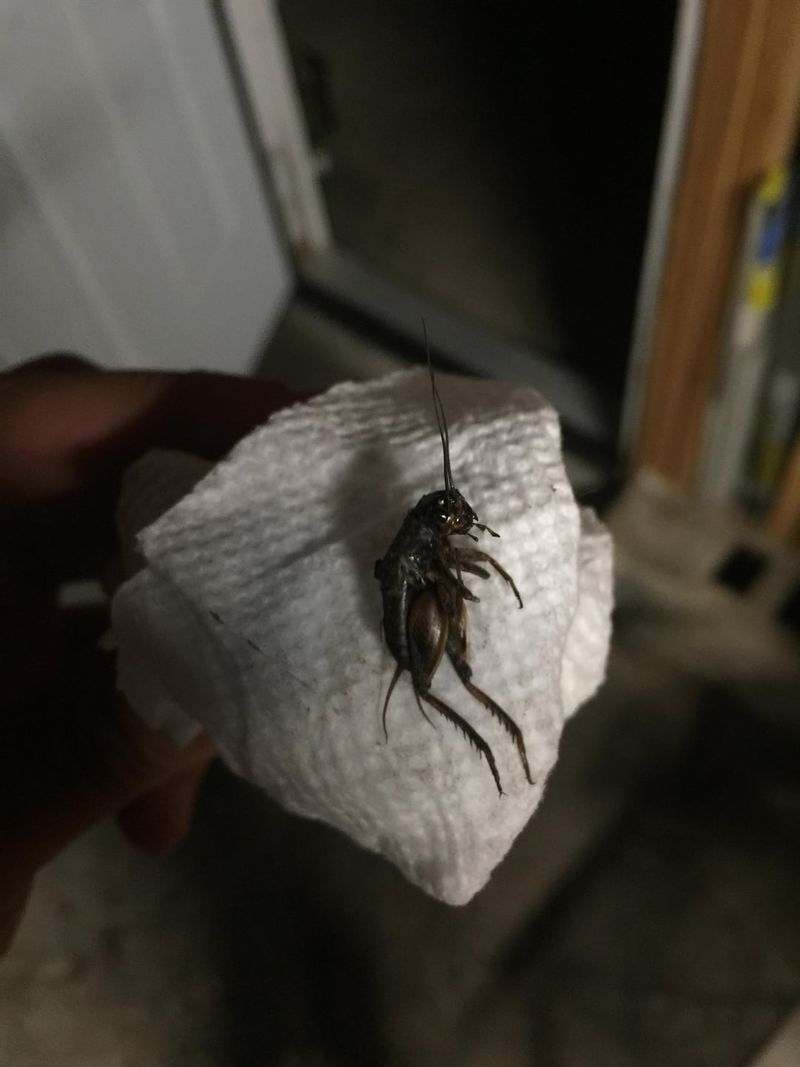
That basement serenade most likely comes from a field cricket, a shiny black or dark brown insect up to about an inch long. Field crickets spend summer outside in grass and gardens, but cooler air sends many of them looking for shelter.
Only the males chirp, and they make the sound by rubbing a ridged wing edge against the other wing. Scientists call this stridulation, which is a fancy word for an insect playing its own built-in fiddle.
Each chirp is a love song meant to attract females, and it can also warn rival males. Basement walls bounce that sound around, so even one small cricket can seem surprisingly loud.
Basements appeal to crickets because they stay a little warmer than the chilly yard on October nights. They also tend to be dark, quiet, and slightly damp, which matches the conditions these insects like best.
Food helps too, since crickets nibble on crumbs, paper, fabric, pet food, and even other small bugs. A pile of old cardboard boxes near the laundry area can look like a buffet with free housing.
Most of them slip in through tiny cracks in the foundation, gaps under doors, or loose window wells. Their flat bodies squeeze through openings that look far too small for any insect to fit through.
Field crickets are generally harmless to people and rarely cause serious damage indoors. Still, a hungry group can chew holes in stored clothes, so the visit deserves your attention this fall.
Early October Timing In Indiana
Indoor cricket activity often picks up around the time the first cool snaps arrive. Temperature plays the biggest role in this yearly move.
In Indiana, nights often start dipping into the chilly forties by late September and early October. Field crickets slow down in the cold, so they start searching for warmer hiding spots near buildings.
Northern counties around Fort Wayne and South Bend tend to cool off sooner, so the indoor rush may start earlier there. Southern areas near Evansville and Bloomington often stay milder, so their basement concerts may start later.
Your Indiana Garden Changes Every Week. Your Plan Should Too.
Gardening in Indiana changes quickly throughout the season. Every Friday you’ll receive a simple weekly plan showing exactly what to plant, prune, fertilize, harvest, and protect so you never miss the right timing.
Harvest season can add another push, since cutting soybeans and corn disturbs the fields where crickets live. Homes near farmland or big grassy lots may notice more chirping than houses in busy city neighborhoods.
Fall is also when adult field crickets reach their peak, after growing up through the warm months outdoors. Adult males are ready to sing loud and often.
Most field crickets live for only one season, and their numbers drop sharply once hard freezes arrive. Their eggs stay tucked in the soil outside, waiting for warm weather to hatch the next generation.
Keep an ear out as nights turn chilly, since that is often when chirping begins. Spotting the timing early gives you a head start on keeping your basement peaceful through the colder months.
The Bug Spray Mistake In Basements
Picture someone emptying half a can of bug spray into the basement at midnight, then still hearing chirps afterward. That frustrating scene can play out in Indiana homes each fall, and it teaches a useful lesson.
Spraying wildly rarely solves the problem, because crickets hide deep in cracks, clutter, and behind heavy appliances. The spray mostly lands on open floors and walls, where it lingers in the air you and your pets breathe.
Basements often have poor airflow, so chemical smells can hang around for days after a heavy application. Kids who play downstairs and cats who nap near the furnace may end up with more exposure than the bugs.
Another common slip is ignoring the reasons crickets showed up in the first place, like moisture and easy entry. If the door gap stays open, new visitors will keep wandering in no matter how much you spray.
Some folks also leave porch lights burning all night, which draws insects close to the house after dark. Crickets gather near bright fixtures, then slip into nearby foundation cracks or basement windows once the air cools.
Panicking over a few chirps is understandable, but a handful of crickets is a nuisance, not an emergency. A calm plan that targets shelter, food, and entry points works far better than a cloud of chemicals.
Save stronger products for heavy problems, and read every label carefully before using anything in a closed space. A local pest professional can also help if the chirping keeps going strong for several weeks straight.
Simple Traps For Quiet Nights
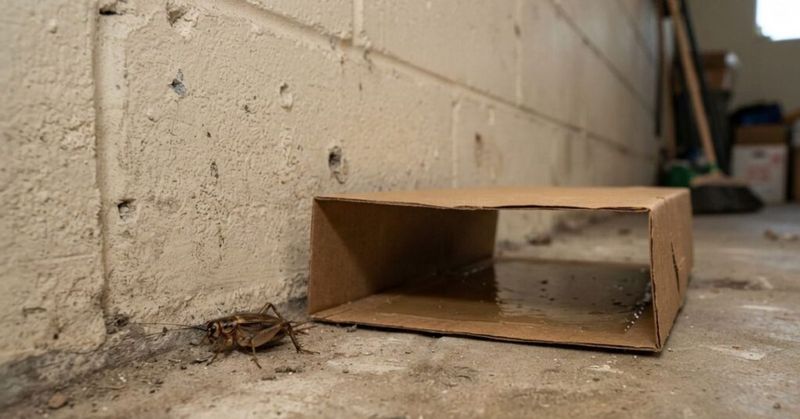
Playing detective with a flashlight might sound silly, but tracking down a chirping cricket can be surprisingly fun. Walk slowly toward the sound, and pause whenever it stops, since crickets go quiet when they sense movement.
Sticky glue traps are a favorite tool, and placing them along walls and corners works best for catching wanderers. Crickets like to travel along edges, so a trap near the water heater or laundry sink often helps.
Some people try a homemade sweet trap. Mix a spoonful of sugar with water in a shallow bowl, and crickets may wander in after the sweet smell.
Keep sticky traps and sweet bowls out of reach of curious pets and small children who explore the basement. Tucking them behind shelves or under furniture keeps everyone safe while still putting them where crickets roam.
For a gentler route, slide a cup over the cricket, slip paper underneath, and carry it outdoors. Release it far from the house, ideally near a woodpile or tall grass where it can find shelter.
A dehumidifier can quietly help too, since drier air makes the basement far less inviting for these insects. Aim to keep humidity below fifty percent, and empty the water tank often so it keeps running smoothly.
Vacuuming corners and under shelves picks up crickets and crumbs in one easy sweep of the floor. Empty the canister or bag outside right away, so the captured hitchhikers cannot crawl back into your home.
A Quieter Basement By Late Fall
Imagine heading downstairs in early November and hearing nothing but the soft hum of the furnace kicking on. With a little steady effort now, that peaceful scene is realistic for many Indiana households this season.
Field crickets do not usually last long indoors, because basements rarely offer a steady supply of food and moisture. Many of the ones that wander inside will be gone within a few weeks, even without much help.
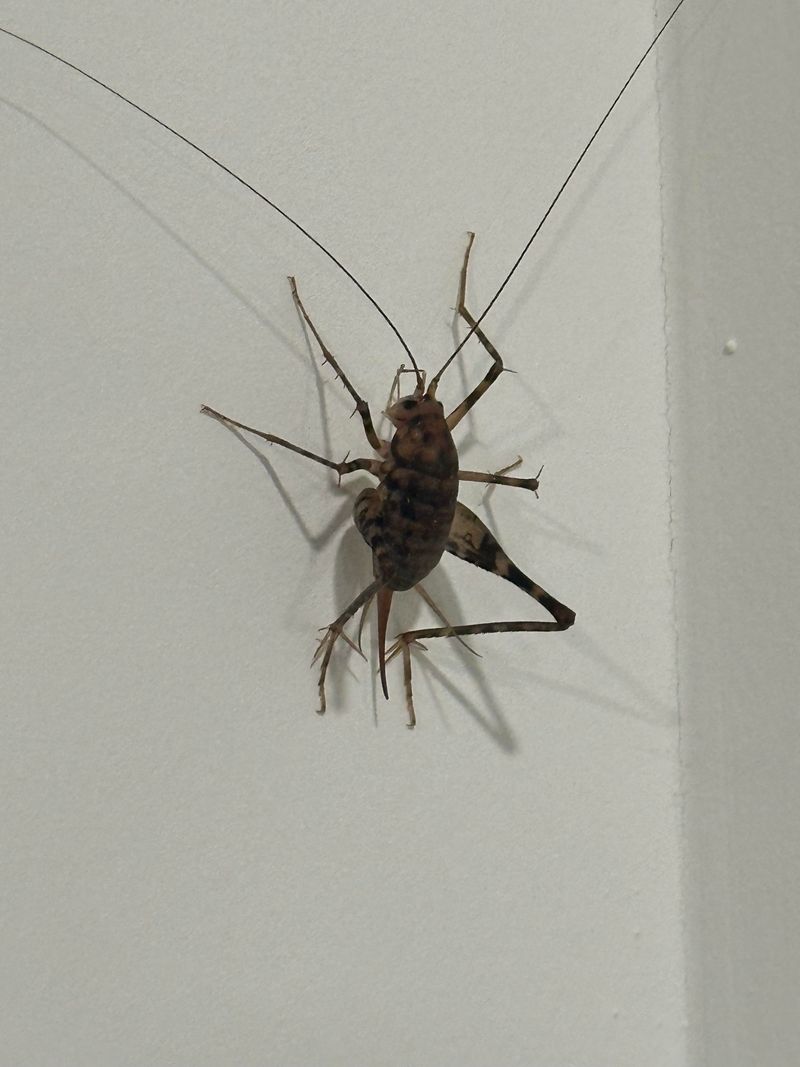
Field crickets also tend not to breed well inside homes, unlike house crickets, which are a different species. House crickets are tan with darker bands on the head, while field crickets look mostly glossy black or brown.
Spotting the difference matters, because house crickets can settle in and multiply if conditions stay warm and cozy. If you see tan crickets in large numbers, calling a pest expert is a smart and practical step.
Fewer chirps also means fewer chewed spots on stored sweaters, blankets, and cardboard boxes full of keepsakes. Moving winter clothes into sealed plastic bins protects them while the last few visitors leave the scene.
Sleep often improves once the basement goes quiet, especially for bedrooms that sit right above it. Light sleepers and young kids may notice the change first and start drifting off more easily.
A stray chirp may still pop up on a mild November evening, and that is perfectly normal. Think of it as a last bit of fall music, rather than a sign that your efforts failed.
Sealing Gaps Before Next September
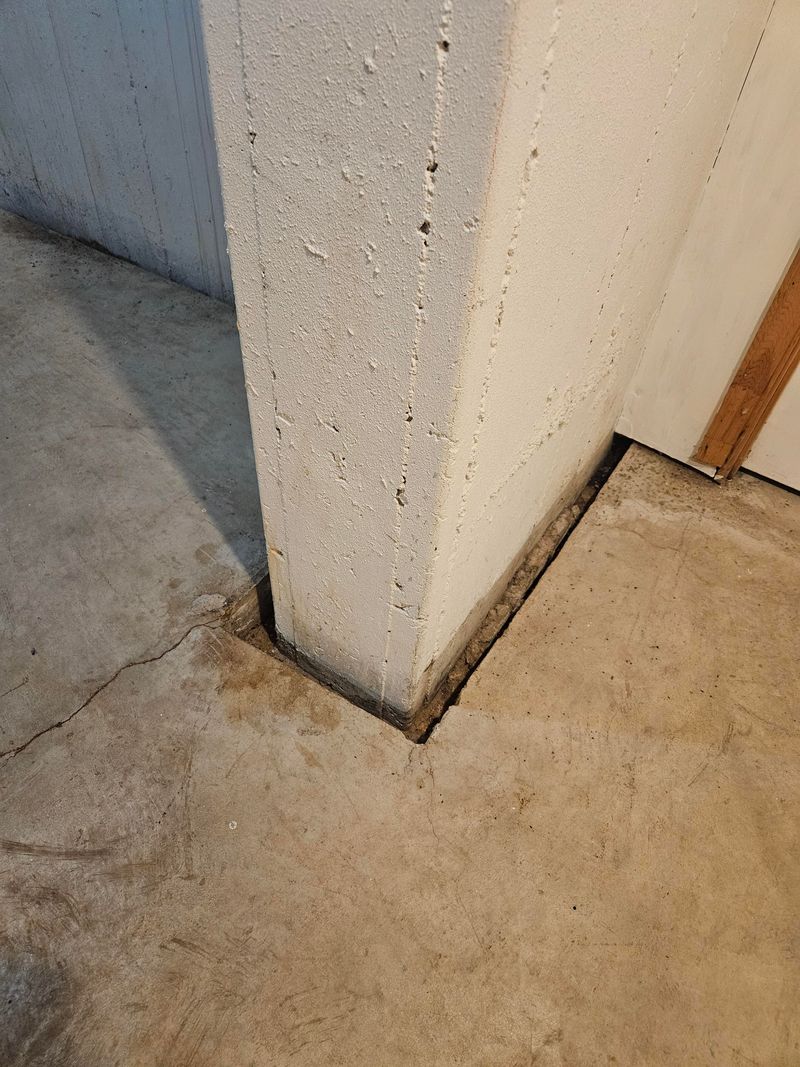
A tube of caulk is an inexpensive way to close off entry points. Sealing small cracks around your foundation keeps many crickets from ever reaching the basement floor.
Walk around the outside of your home on a sunny afternoon, and look closely where pipes and wires enter. Gaps around dryer vents, faucets, and cable lines are easy to miss but simple to fill with caulk.
Door sweeps and fresh weatherstripping close the gap at the bottom of basement and garage doors. Try sliding a sheet of paper under a closed door, because if it fits, a cricket can too.
Window wells are another sneaky entry point, especially when leaves and grass clippings pile up inside them. Clear them out each fall, and consider snug plastic covers that keep debris and bugs from collecting there.
Your yard plays a role too, since tall grass, mulch, and woodpiles near the house give crickets cover. Keep firewood at least twenty feet away, and leave a small strip of gravel along the foundation.
Swapping white porch bulbs for yellow bug lights can also cut down on the insects gathering by your doors. Yellow light attracts fewer night bugs than white light, which means fewer crickets hanging around waiting for a way inside.
Late summer is the ideal time for this checkup, so mark your calendar for the end of next August. A few hours of prep then could mean a calm, quiet basement when the next autumn chill rolls in.