9 Perennials Indiana Gardeners Should Cut Back In Early August For A Fresh Fall Bloom
Indiana gardeners are sitting on a secret this August, and most of them have no idea it’s happening right under their pruning shears.
While neighboring yards start looking tired and stretched out, a narrow window is quietly opening for one more round of color before the season winds down. Blink, and you’ll miss it until next spring.
Indiana’s extended warm stretch, with mild days often lasting well into September, gives local gardeners more breathing room than most of the Midwest ever gets.
These nine perennials are practically begging for a fresh start right now. One small move this week could mean vibrant blooms still lighting up your beds long after Labor Day.
1. Catmint
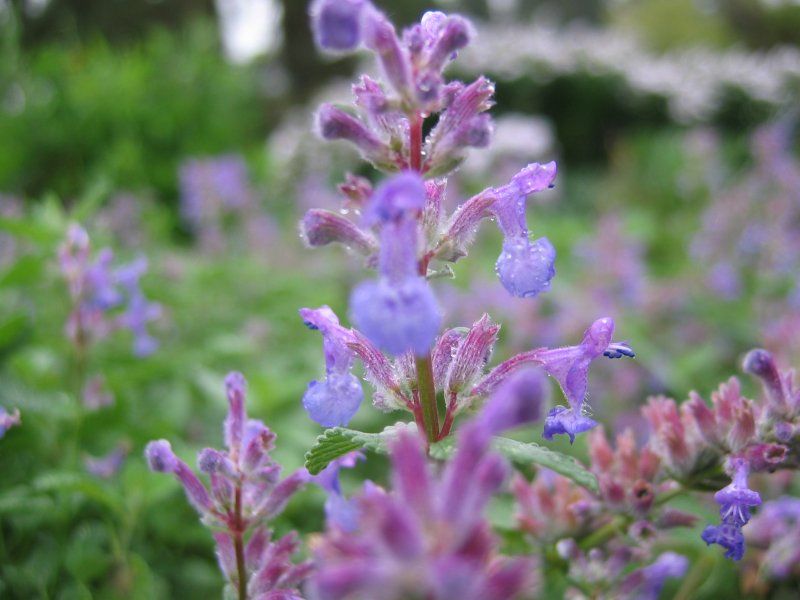
Catmint is basically the overachiever of the perennial world. Cut it back hard in early August and watch it explode with fresh lavender-blue blooms just weeks later.
Most gardeners fall in love with catmint because it practically takes care of itself. It laughs at heat, shrugs off drought, and still manages to look gorgeous doing it.
When you cut it back, go bold. Trim the whole plant down by about half, right above a set of healthy leaves.
Within two to three weeks, new growth pushes up fast and strong. You will be rewarded with a dense, bushy mound of fragrant foliage and fresh flower spikes.
Catmint pairs beautifully with ornamental grasses and tall sedums in fall garden designs. The soft purple tones create a dreamy contrast against warm autumn colors.
One tip worth keeping in mind: water the plant well right after cutting. Hydration helps the roots fuel that second round of growth quickly.
Bees and butterflies swarm catmint during its fall rebloom. Planting it near a seating area means you get a front-row seat to all that pollinator action.
Give catmint this one late-summer trim, and it rewards you with weeks of extra color right when the rest of the garden starts fading.
2. Salvia
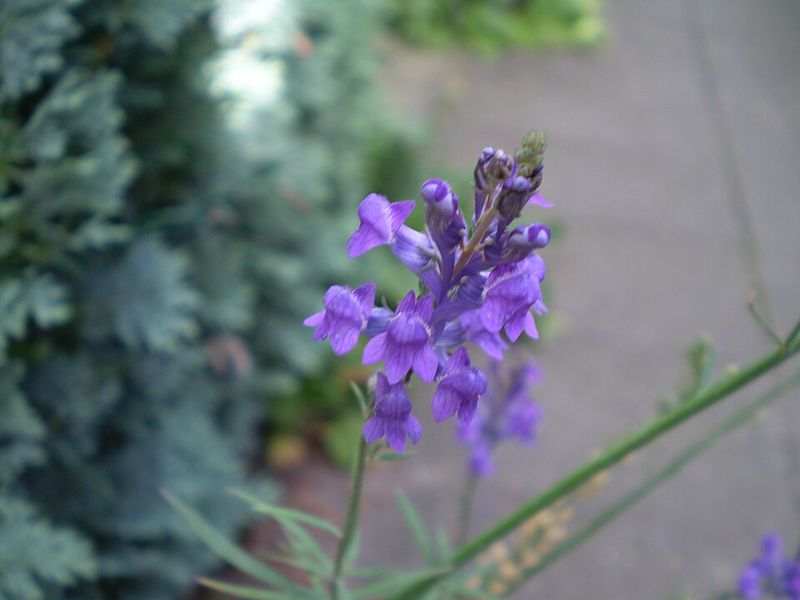
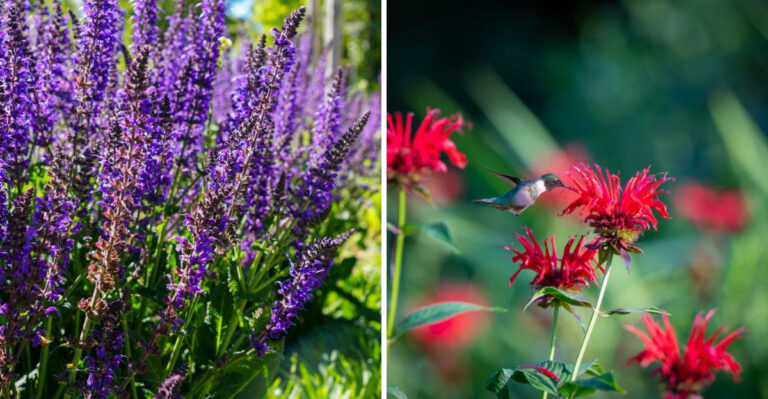
Few plants deliver a color punch quite like salvia does in the fall garden. Snip it back in early August and prepare for a second wave of rich, saturated blooms.
Perennial salvia tends to get floppy and tired by midsummer. Cutting it back by one-third to one-half refreshes the entire plant almost overnight.
The trick is to cut just above a leaf node so new stems sprout in the right direction. Sharp, clean pruners make this job easy and reduce stress on the plant.
Within about three weeks, salvia pushes out fresh stems loaded with flower buds. Those buds open into tall, upright spikes that pollinators cannot resist.
Hummingbirds are especially drawn to the bright violet and blue varieties during fall rebloom. Planting salvia near a window gives you a perfect view of the show.
Salvia is also wonderfully low-maintenance after its August trim. It handles the cooler nights of September without skipping a beat.
Pair it with yellow coreopsis or white shasta daisies for a bold color contrast in fall beds. The combination looks intentional and polished with almost zero effort.
Your Indiana Garden Changes Every Week. Your Plan Should Too.
Gardening in Indiana changes quickly throughout the season. Every Friday you’ll receive a simple weekly plan showing exactly what to plant, prune, fertilize, harvest, and protect so you never miss the right timing.
A single firm cut in August is all it takes to turn salvia into one of the standout performers of the fall garden.
3. Yarrow
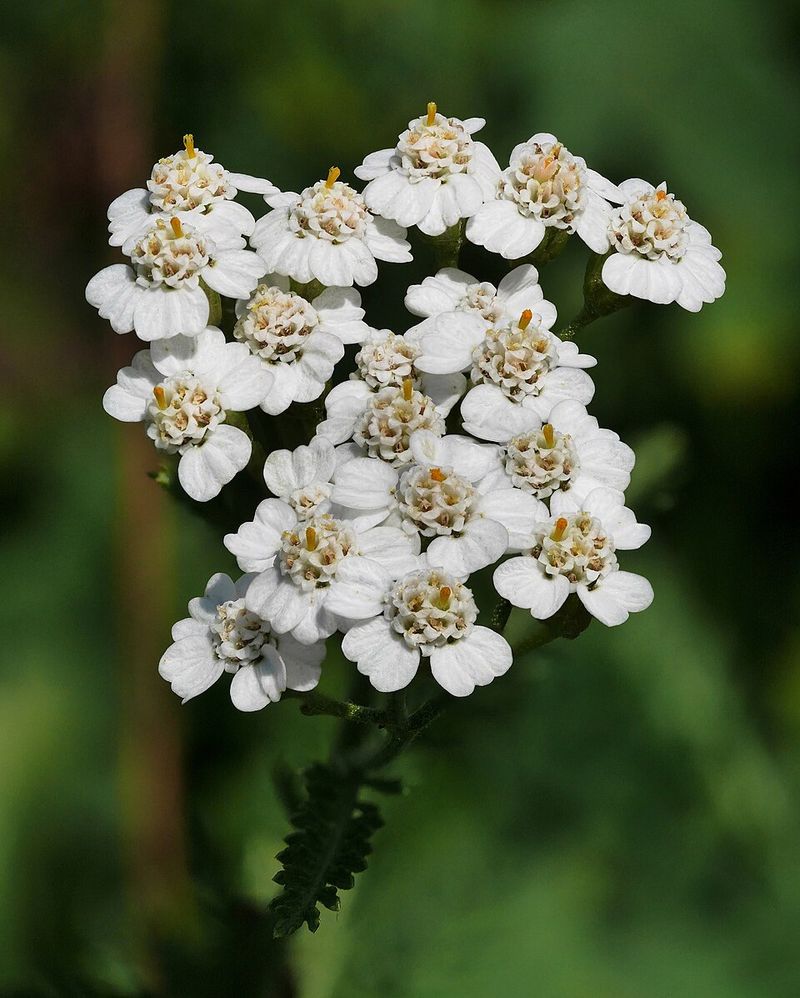
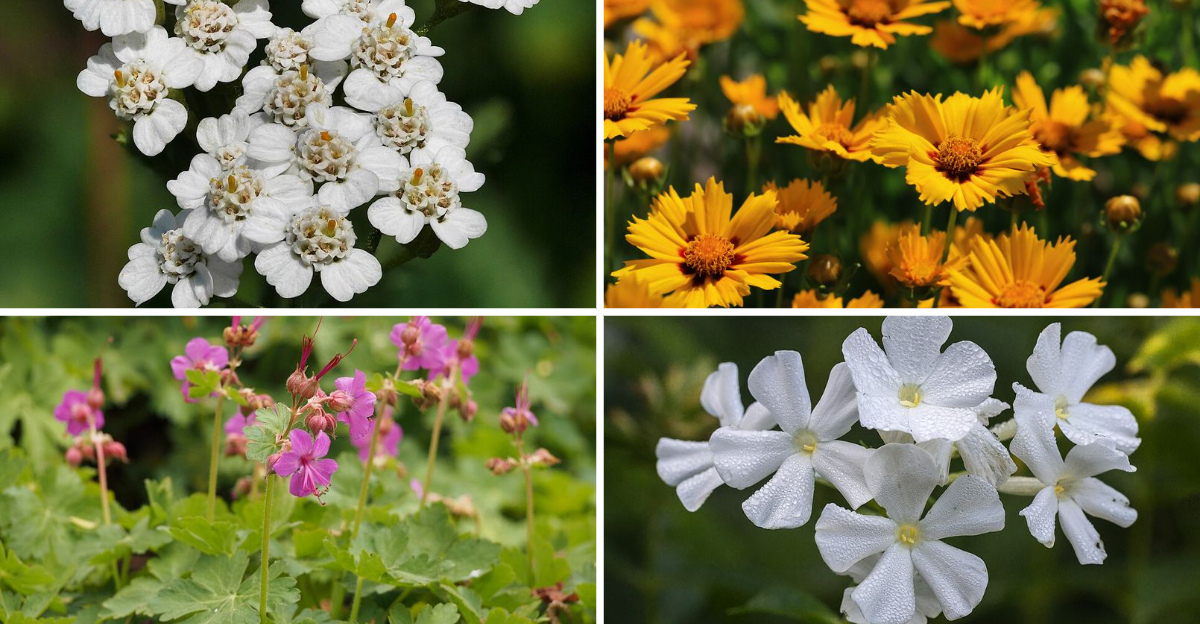
Yarrow has been growing wild in fields and roadsides for centuries, and there is a good reason it never went out of style. This tough, feathery perennial rewards an August cutback with a tidy flush of fresh blooms just in time for fall.
By midsummer, yarrow stems tend to flop and spent flower heads turn brown. Cutting the whole plant back by half cleans up that mess fast.
Use clean, sharp shears and trim down to the basal foliage near the ground. New growth emerges quickly from the base, looking fresh and green within days.
Yarrow blooms in shades of gold, red, pink, and white, giving gardeners plenty of options for fall color schemes. The flat-topped flower clusters are also excellent for cutting and drying.
Butterflies treat yarrow like a buffet during its fall bloom. Planting several clumps together creates a landing zone that attracts dozens of species on warm September afternoons.
One thing most gardeners appreciate about yarrow is how little water it needs after pruning. It is genuinely one of the most drought-tolerant perennials available for Midwest gardens.
Yarrow also spreads gradually over time, filling in bare spots without becoming invasive. Dividing it every few years keeps the clumps vigorous and productive.
Yarrow asks for almost nothing in return, making it one of the easiest wins on this whole list.
4. Coreopsis
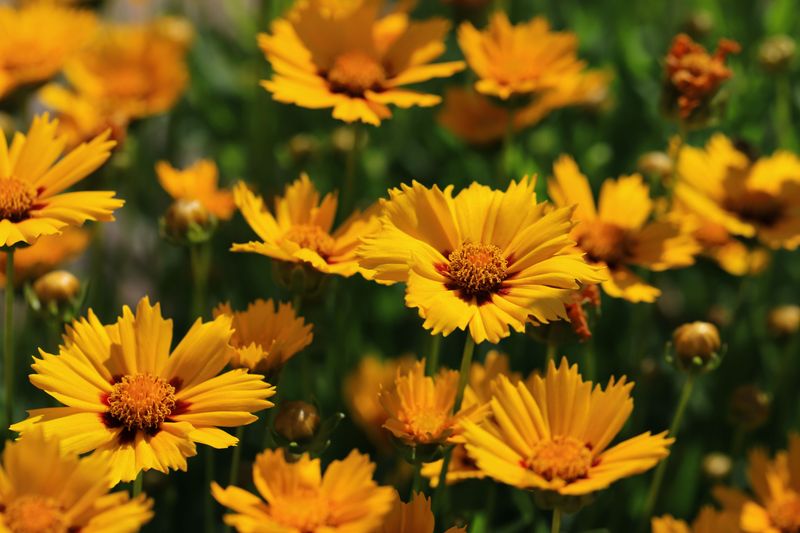
Coreopsis is sunshine in plant form. These cheerful yellow blooms light up the garden from early summer, but by August they often look spent and scraggly.
A firm cutback in early August gives coreopsis a second wind that most gardeners do not expect. Trim the plant back by about one-third and remove all the faded flower heads at once.
New stems emerge within a couple of weeks, and fresh buds follow shortly after. The fall rebloom tends to be just as vibrant as the original summer flush.
Threadleaf coreopsis varieties respond especially well to August pruning. Their delicate, feathery foliage fills back in quickly and looks lush heading into September.
Coreopsis is also a native plant in many parts of the eastern United States, making it a smart choice for wildlife-friendly garden designs. Goldfinches are particularly fond of the seed heads left after blooming.
Pairing coreopsis with purple salvia or blue veronica creates a classic warm-and-cool color contrast. That combination looks stunning from late August all the way through October.
Watering coreopsis well right after the August trim helps speed up recovery. Once established, it handles dry spells like a champ without much extra attention.
The payoff comes fast with coreopsis, and the fall color rivals anything it produced back in June.
5. Hardy Geranium
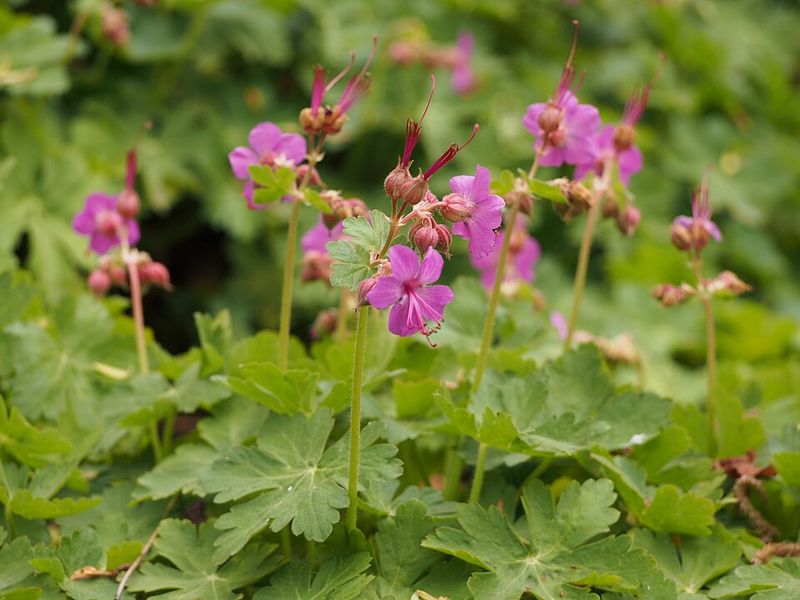
Hardy geraniums, often called cranesbill, have a quiet charm that sneaks up on you. By midsummer they tend to sprawl and look exhausted, but a good August trim transforms them completely.
Cut the entire plant back to about two to three inches above the ground. It sounds drastic, but cranesbill handles this kind of hard reset with impressive resilience.
Fresh mounds of lobed, deeply cut foliage emerge within two to three weeks. Shortly after, a new round of delicate blooms appears in shades of pink, purple, and white.
Hardy geraniums work beautifully in shaded or partially shaded spots where many other perennials struggle. They fill in gaps under trees and shrubs with graceful, low-growing mounds of color.
One underrated quality of cranesbill is how stunning the fall foliage becomes after the second bloom fades. Leaves turn shades of orange and red, extending the garden show well into autumn.
These plants are also remarkably cold-hardy, surviving tough Indiana winters without much protection. They come back reliably year after year without needing division as often as other perennials.
Pairing hardy geraniums with hostas or astilbes creates a layered, textured look in shady garden beds. The contrast between bold hosta leaves and delicate geranium foliage is genuinely eye-catching.
Hardy geraniums turn a few minutes of pruning into weeks of fresh color in spots where little else thrives.
6. Garden Phlox
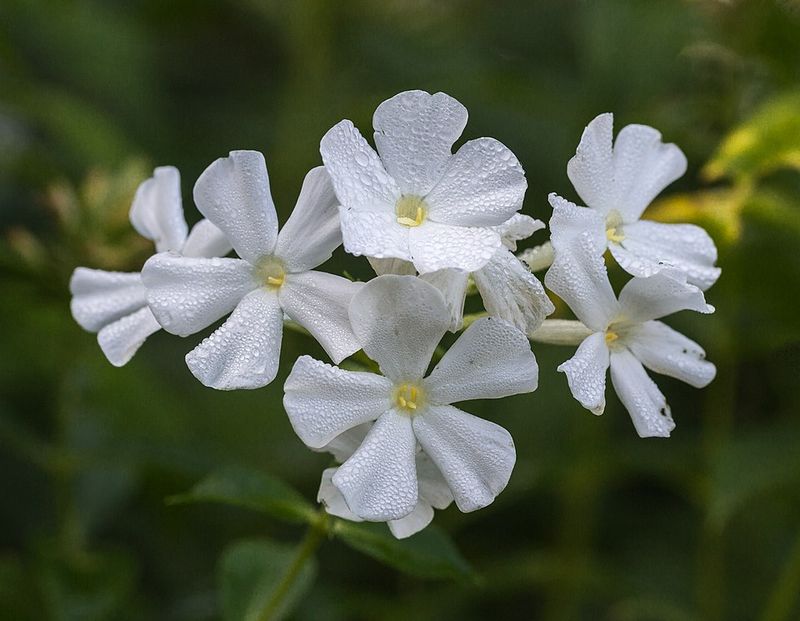
Garden phlox is one of those plants that makes the whole neighborhood slow down and stare. Those big, fragrant flower clusters in shades of pink, purple, and white are genuinely showstopping.
By early August, the first flush of blooms usually starts to fade and powdery mildew can creep in. Cutting the plant back by about one-third removes the spent flowers and any affected foliage at once.
Make sure to disinfect your pruners between cuts if you spot mildew. This simple step stops the fungus from spreading to healthy stems.
After trimming, garden phlox pushes out side shoots loaded with fresh buds. Those new blooms often appear within four to six weeks, right as summer transitions into fall.
Improving air circulation around phlox plants helps prevent future mildew problems. Space plants at least eighteen inches apart and avoid overhead watering whenever possible.
The fragrance of garden phlox is one of its most underrated qualities. A warm September evening near a blooming phlox patch is a genuinely sensory experience worth planning for.
Butterflies, moths, and hummingbirds all visit garden phlox during fall rebloom. Planting it near a patio or garden bench turns every evening into a nature-watching opportunity.
Garden phlox brings together color, fragrance, and wildlife value in a way that few perennials can match.
7. Shasta Daisy
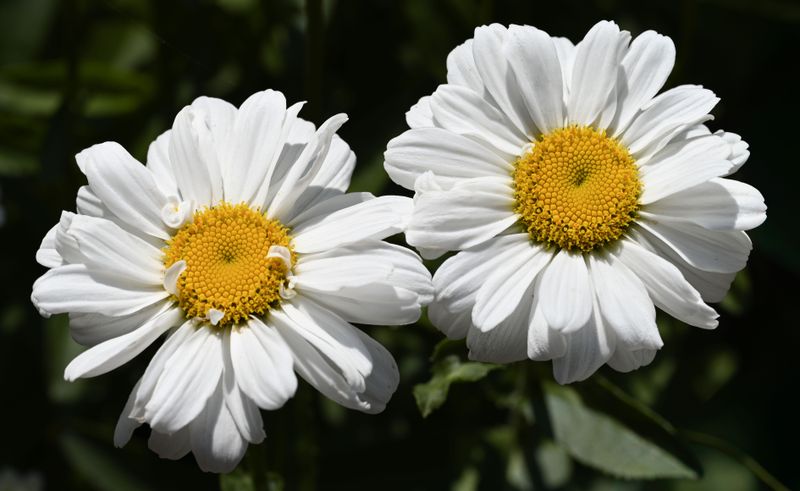
There is something timeless about a white shasta daisy nodding in a late-summer breeze. These classic beauties bloom hard in early summer, but they have a second act waiting if you give them the right cue.
Cutting shasta daisies back by about half in early August removes all the spent, browning flower heads at once. The plant responds by redirecting energy into fresh stems and new buds.
New growth appears quickly, often within ten to fourteen days of pruning. By mid-September, a fresh round of cheerful white blooms opens up across the entire plant.
Shasta daisies prefer full sun and well-drained soil, which makes them a natural fit for most Indiana garden beds. They are also surprisingly drought-tolerant once their root systems are well established.
One fun fact about shasta daisies: they were actually bred in the late 1800s by horticulturist Luther Burbank. He crossed several wild daisy species to create this beloved garden staple.
Pairing shastas with black-eyed Susans or purple coneflowers creates a bold, native-inspired fall display. The white petals act as a natural backdrop that makes every surrounding color pop.
Dividing shasta daisies every two to three years keeps the clumps healthy and blooming vigorously. Older, crowded clumps tend to produce fewer flowers and weaker stems over time.
Shasta daisies prove that a classic never really goes out of style, especially with one well-timed trim behind them.
8. Veronica
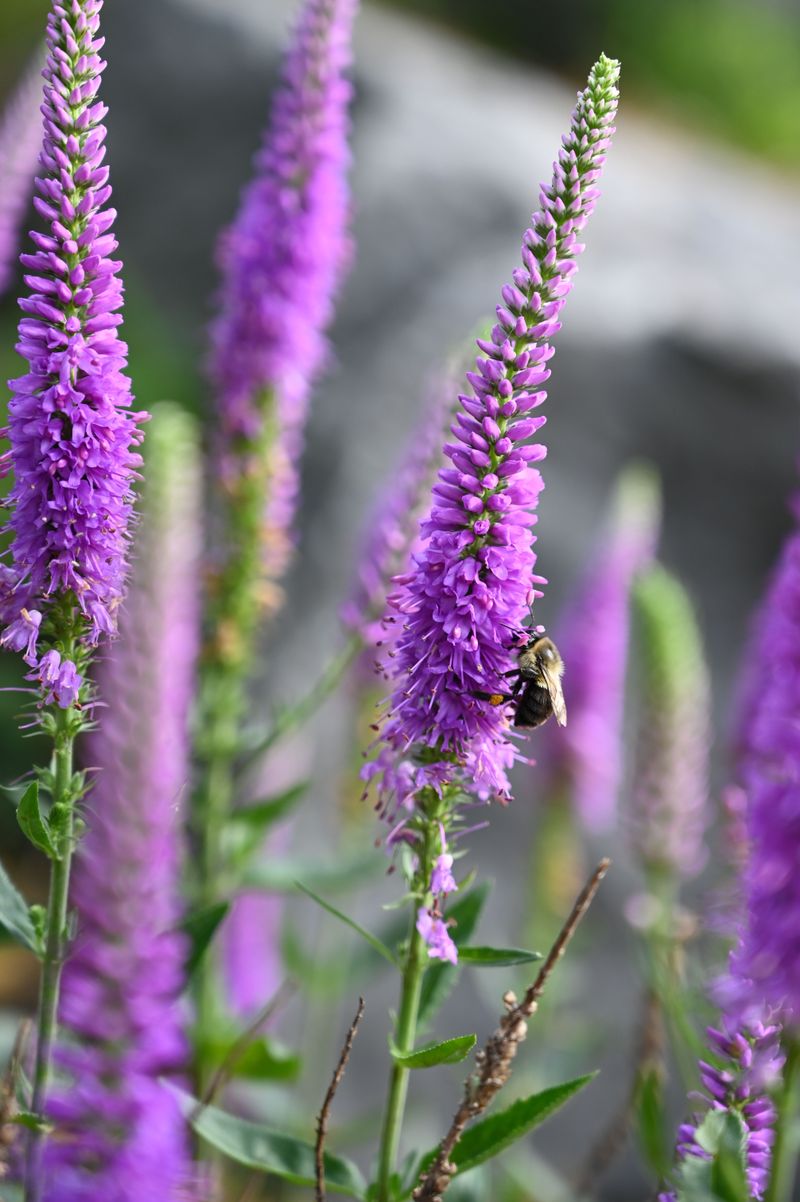
Veronica, also known as speedwell, sends up elegant flower spikes that bees cannot ignore. By midsummer, those spikes go to seed and the plant starts looking a little ragged around the edges.
An early August trim removes the spent spikes and encourages the plant to branch out and produce fresh flower stems. Cut the plant back by about one-third for the best results.
Veronica rebounds quickly after pruning, especially when given a light application of balanced fertilizer right after the cut. New stems emerge within two weeks, and fresh buds follow close behind.
The upright, spiky form of veronica adds great vertical structure to fall garden beds. Pairing it with mounding plants like catmint or hardy geranium creates a balanced, layered look.
Blue and purple varieties of veronica are especially striking in fall, when warm-toned plants surround them. That cool contrast makes the whole bed feel more dynamic and intentional.
Veronica is also a pollinator magnet during its fall rebloom. Bumblebees and honeybees work the flower spikes from top to bottom on warm September mornings.
One thing gardeners love about veronica is how tidy it stays after pruning. Unlike some perennials that look scraggly during regrowth, veronica fills back in with clean, upright stems.
Veronica handles this kind of reset with quiet ease, filling back in clean and upright without much fuss.
9. Bee Balm
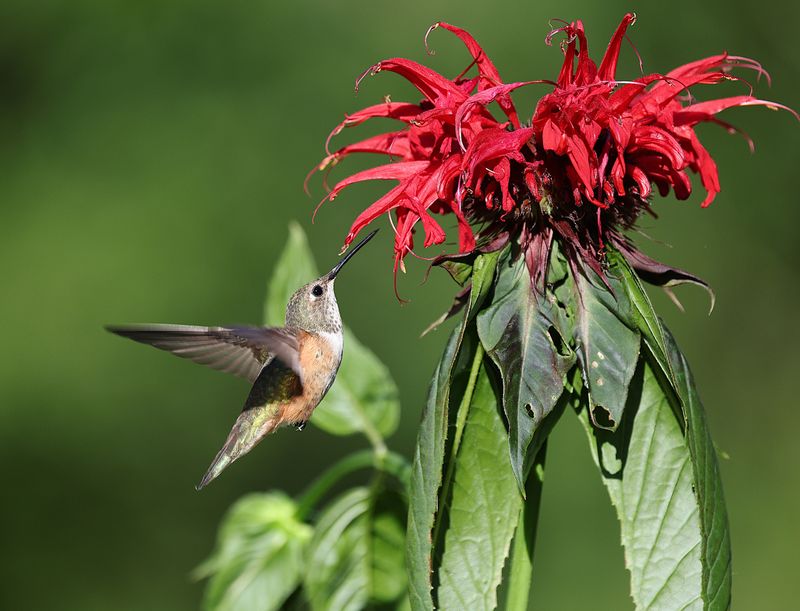
Bee balm is the wild child of the perennial garden, bold, fragrant, and buzzing with life. Hummingbirds, bees, and butterflies treat it like a five-star restaurant from the moment it opens.
By early August, the first round of shaggy, mop-head blooms starts to fade and powdery mildew often appears on the leaves. Cutting the plant back by half tackles both problems at once.
Remove all the spent flower heads and any mildew-affected foliage during the trim. Good airflow around the base of the plant is the best long-term defense against mildew returning.
Bee balm is a vigorous spreader, so August pruning also gives you a chance to pull out any stems that have wandered too far from the original clump. Keeping it tidy now saves a lot of work next spring.
Fresh growth emerges quickly after pruning, and new flower buds appear on the side shoots within three to four weeks. The fall rebloom is usually smaller but still packed with color and fragrance.
Native to North America, bee balm has a long history of use by Indigenous peoples as a medicinal herb and tea. Oswego tea, made from its leaves, was once a popular beverage in colonial America.
The minty, oregano-like fragrance of bee balm is strongest on warm afternoons. Planting it near a garden path means every walk past releases a burst of that amazing scent.
Bee balm makes the extra effort worthwhile, staying just as lively and fragrant into September as it was all summer.