Four Degrees Separate A Light Frost From A Hard Freeze In Indiana
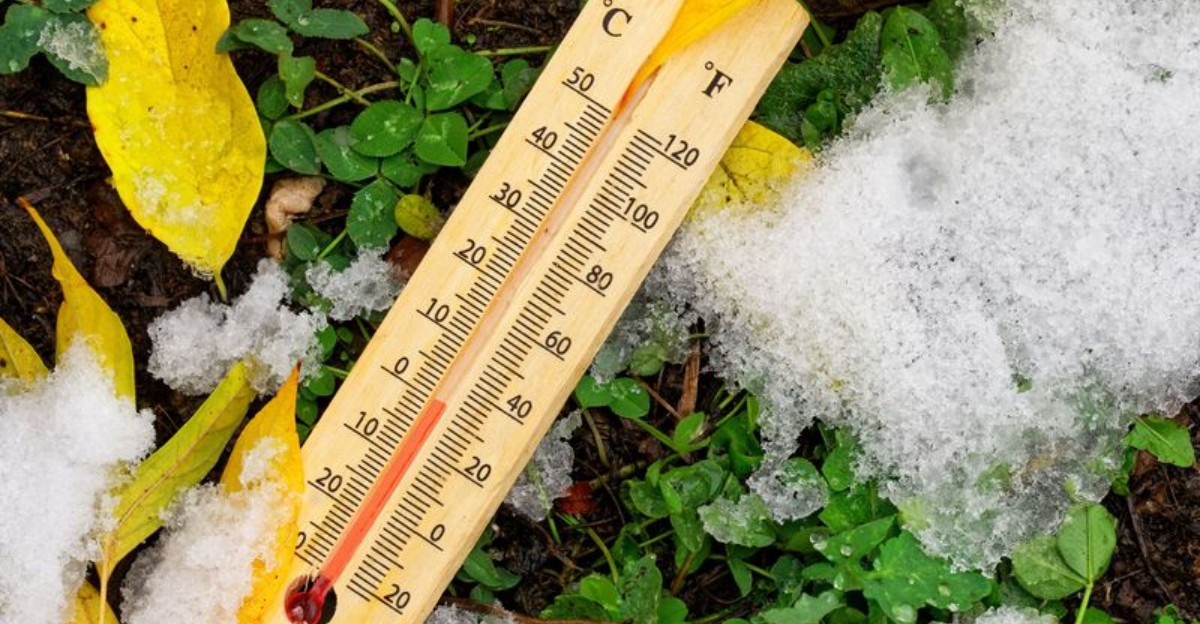
Early October mornings in Indiana can feel like magic, with sparkly lawns and breath puffing like clouds. One night the garden looks cheerful, and the next morning the leaves hang limp and dark.
The difference often comes down to a tiny number on the thermometer, smaller than most people guess. A few degrees separate a mild nip on the leaves from a night that ends the season.
Gardeners across Indiana watch the evening forecast closely this time of year, fingers crossed for mercy. Clear skies and calm air sound lovely, yet they can let warmth slip away quickly after sunset.
Some plants barely blink at a chilly night, while others sulk the moment the air turns crisp. Learning which group fills your beds can save hours of work and plenty of homegrown flavor.
Thirty-Two Degrees Versus Twenty-Eight Degrees In Plain Terms
Picture the thermometer as a referee, blowing the first whistle at 32 degrees and the final whistle near 28. A light frost happens around 32, when ice crystals form on leaves but the plant tissue mostly holds together.
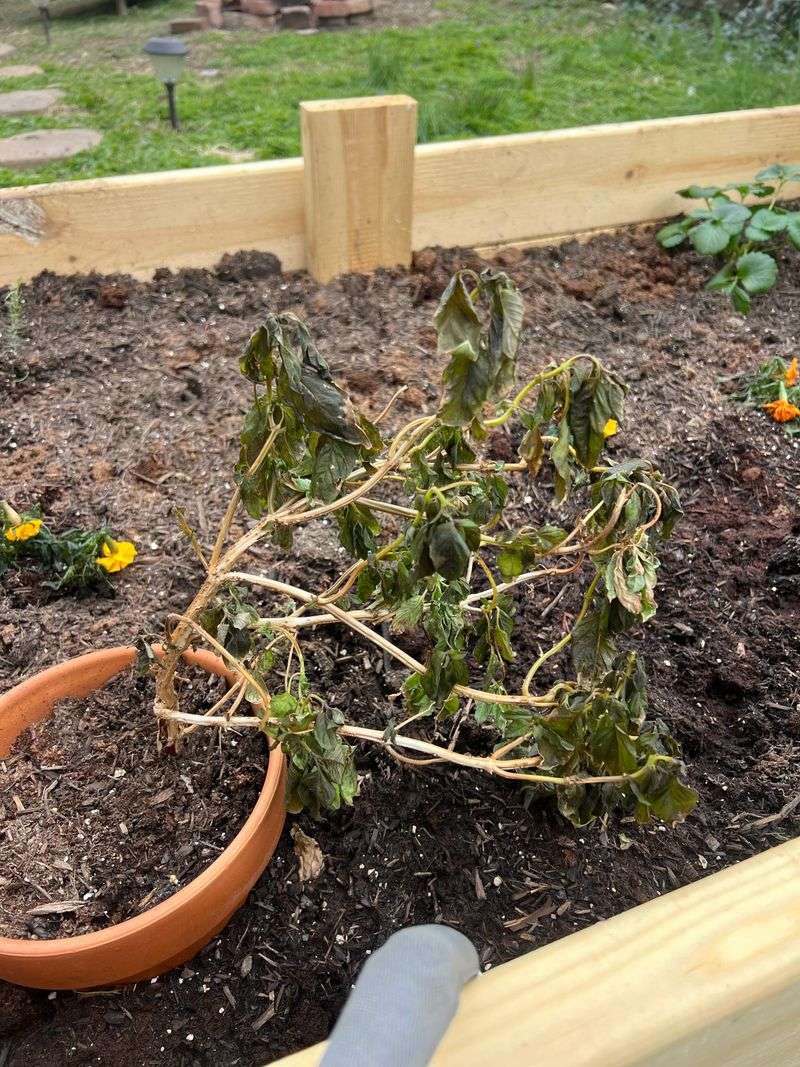
A hard freeze arrives when temperatures drop to about 28 degrees and stay there for several hours. At that point, ice forms in and around the plant cells, and the crystals can damage cell walls.
Those four degrees sound small, yet they mark the line between cosmetic damage and the end of many crops. After a light frost, you might see a few blackened leaf edges while the rest of the plant keeps growing.
After a hard freeze, stems often turn mushy and dark within a day, especially on tender summer annuals. The National Weather Service uses similar thresholds, with frost advisories typically covering lows from 33 to 36 degrees and freeze warnings covering 32 degrees or below.
Duration matters too, because one quick dip to 30 degrees does far less harm than six hours there. Wind, humidity, and soil moisture also shift the outcome, which explains why neighbors sometimes report different results.
Think of 32 as a gentle warning and 28 as the serious one that deserves real action. Keeping both numbers in mind helps you decide whether to grab a sheet or start harvesting everything tonight.
Many Indiana gardeners jot the date of each cold night in a notebook, building a handy record over the years. That simple habit reveals patterns your local forecast might miss, like a backyard that runs colder than town.
Hardy Crops That Shrug Off A Light Frost
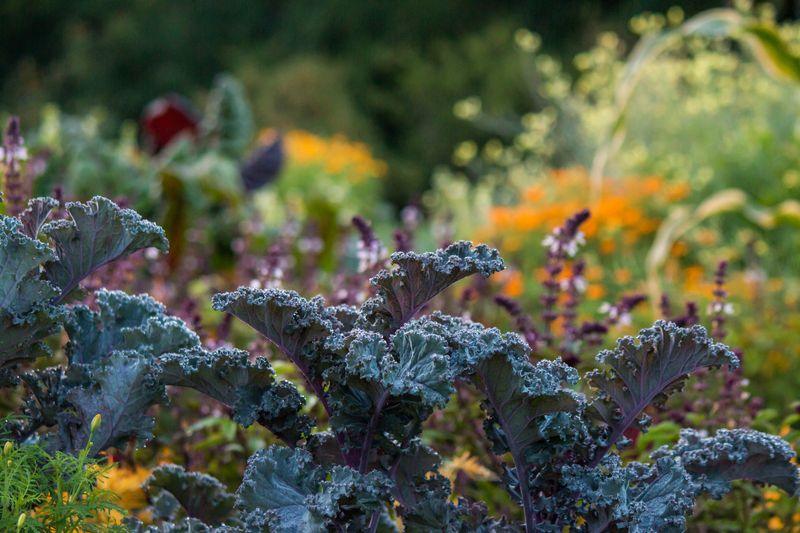
Kale is the show-off of the fall garden, often tasting sweeter after a frosty night than before it. Cold weather nudges many leafy plants to turn starch into sugar, which works like a natural antifreeze inside cells.
Collards, Brussels sprouts, cabbage, broccoli, and spinach can handle 28 degrees with little more than a few scuffed leaves. Many of them shrug off even colder nights in the low twenties, especially when the plants are well established.
Root crops like carrots, beets, turnips, and parsnips also handle a light frost with impressive calm. Their sweet roots sit underground, where the soil holds onto warmth long after the air turns sharp and cold.
Your Indiana Garden Changes Every Week. Your Plan Should Too.
Gardening in Indiana changes quickly throughout the season. Every Friday you’ll receive a simple weekly plan showing exactly what to plant, prune, fertilize, harvest, and protect so you never miss the right timing.
Parsnips are famous for this trick, and many gardeners wait for cold weather before digging them. Lettuce, Swiss chard, and peas fall in the middle, handling 32 well but struggling closer to 28.
Flowers join the hardy club too, with pansies, snapdragons, and ornamental kale staying bright through chilly October mornings. Mums often keep blooming after a light frost, though a hard freeze may brown their open petals.
Keeping a few of these tough choices in your beds can stretch your harvest well into November or later. Garlic cloves tucked into the soil this month also love the cold, settling roots before winter arrives.
Pick hardy greens in late morning, once any ice on the leaves has melted and the plants feel soft. Handling frozen leaves can bruise them, so a little patience keeps your salad crisp and good looking.
Tender Crops That Struggle At Thirty-Two
Basil is the drama queen of the garden, turning black and droopy at temperatures well above freezing. Even a night in the high thirties can scar its leaves, so it often needs picking before frost.
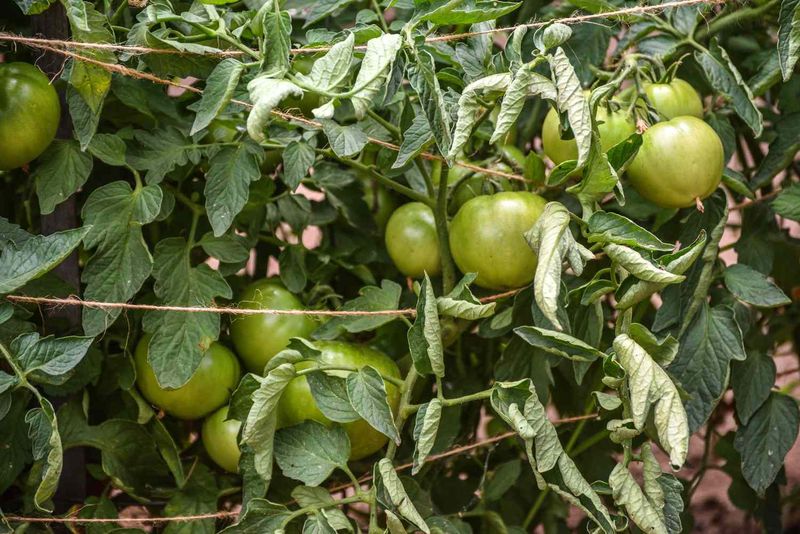
Tomatoes, peppers, eggplant, squash, cucumbers, and beans belong to the same sensitive crowd from warmer parts of the world. A light frost at 32 can blacken their leaves overnight, even when the fruit still looks fine.
Sweet potatoes deserve special care, since cold soil can harm the roots and shorten their storage life. Dig them before the first frost if possible, then let them cure in a warm spot for about a week.
Flowers like impatiens, begonias, zinnias, and coleus also collapse quickly once ice crystals form on their soft stems. Tropical houseplants vacationing on the porch belong inside before nights dip into the forties, not after.
A smart move is harvesting green tomatoes that show a pale blush, since they ripen nicely on a kitchen counter. Fully green ones can become fried green tomatoes, relish, or salsa, so nothing goes to waste this fall.
Peppers handle the counter trick too, and hot peppers can be strung up to dry near a sunny window. Winter squash and pumpkins should come indoors before a hard freeze, because frozen rinds rot quickly in storage.
Leave a few inches of stem on each squash, which helps limit decay during the months ahead. Treat these tender plants like guests who leave early, and gather what you can while the weather allows.
The Typical October Timing Across Indiana
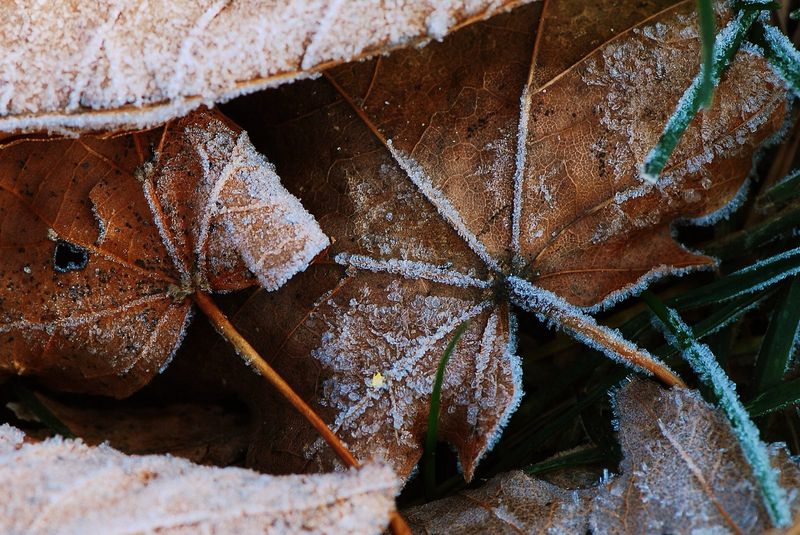
Ask a farmer in Fort Wayne and another in Evansville about first frost, and you may hear dates weeks apart. Indiana stretches about 270 miles from north to south, so autumn cold arrives in waves rather than all at once.
Northern counties near South Bend and Fort Wayne often see their first light frost in early to mid October. Central Indiana, including Indianapolis, usually follows in the second half of October, while southern areas may wait until late October or early November.
Hard freezes tend to trail behind by a couple of weeks, often landing in late October or November. These dates are averages, so any given year can bring an early surprise or a pleasantly long fall.
City neighborhoods stay a few degrees warmer because pavement and buildings soak up heat during sunny October afternoons. Rural valleys and river bottoms, like those along the Wabash, often chill faster as cold air drains downhill.
Areas close to Lake Michigan get a small buffer, since the big lake releases stored warmth into the autumn air. That lake effect can delay the first frost by several days compared with farm fields farther inland.
Purdue Extension offers gardening resources and local guidance, which can help you plan with confidence. Checking the forecast each afternoon during October gives you time to cover plants or pick produce before dark.
Fun fact, the growing season in far southern Indiana can run nearly a month longer than in the north. That extra time explains why southern gardeners sometimes pick peppers while northern friends are already raking frosty leaves.
Common Mistakes On A Clear Calm Night
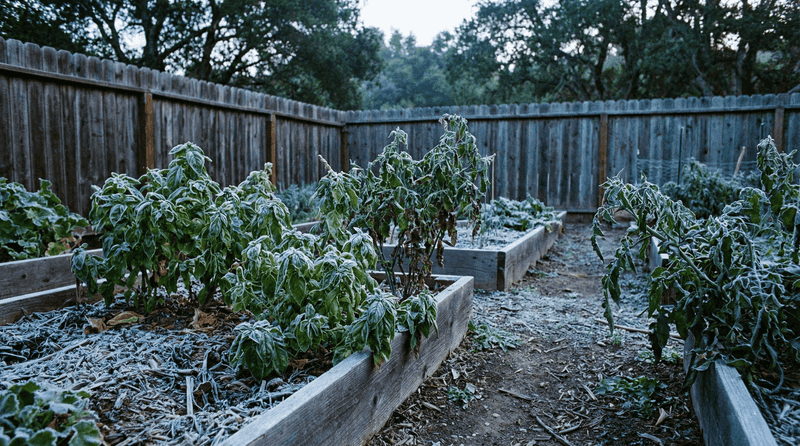
Plenty of gardeners glance at a forecast low of 36 degrees, shrug, and head to bed without a worry. By sunrise, the lawn sparkles with ice and the bean leaves have turned dark and limp.
Forecast temperatures are measured about five or six feet above the ground, not down where your plants live. On clear, calm nights, the soil surface can run several degrees colder than that official reading.
Another common slip is wrapping plants in plastic sheeting, which touches leaves and passes the cold straight through. Plastic left on the next sunny morning can also trap heat and scorch tender foliage by midday.
Watering at the wrong time trips people up too, since soggy leaves at dusk can freeze faster. Moist soil holds more heat than dry soil, so water the ground earlier in the day instead.
Some folks pull frosted plants right away, assuming the worst before checking if the stems are still firm. Waiting a day or two often shows which plants bounced back and which truly reached the end.
Pruning hardy shrubs in early October is another misstep, because fresh cuts encourage tender growth before winter. That soft new growth is easily damaged by the first hard freeze, leaving branches weaker by spring.
A cheap thermometer placed near your lowest garden bed often shows the real story more accurately than an app. Check it at dawn for a week, and you will learn how your yard behaves on chilly nights.
Protection Tricks For The Coldest Hours
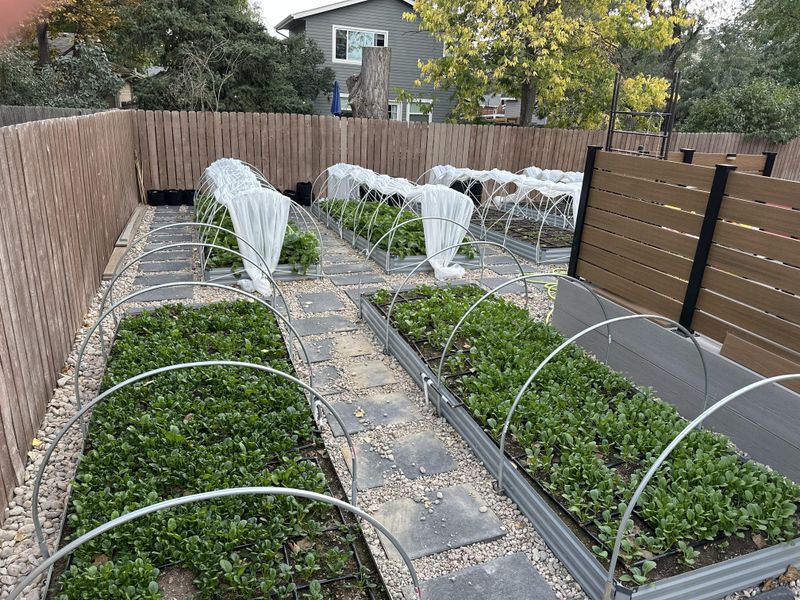
Old bedsheets, worn quilts, and even cardboard boxes can turn into superheroes on the first frosty night. Covers work by trapping heat rising from the soil, much like a blanket holds your body warmth in bed.
Drape fabric all the way to the ground and pin the edges with rocks or bricks. A cover that stops halfway lets the soil heat escape, which defeats the whole purpose of covering up.
Stakes or tomato cages can hold covers off the leaves, giving plants a little pocket of warmer air. Floating row cover from a garden store adds two to four degrees of protection and lets light through.
Those few degrees matter, since they can turn a 28 degree night into a manageable 31 under fabric. Gallon water jugs set between plants soak up sunshine all day and release that warmth slowly overnight.
Potted plants can roll into the garage or a covered porch, then return outside once the afternoon warms up. Mulch spread around roots of perennials helps hold steady soil temperatures as fall slides toward winter.
Remove covers by midmorning after the sun clears the trees, so plants get light and fresh air again. Protection buys time rather than miracles, and a long stretch near 25 degrees will test most setups.
A single covered night can carry plants through a short cold snap, which often means extra peppers, brighter mums, and a few more sunny afternoons spent outside. Even a simple sheet and a few clothespins can make that difference on a clear October evening.