The Toad In Florida Yards That Can Poison A Dog Within Minutes
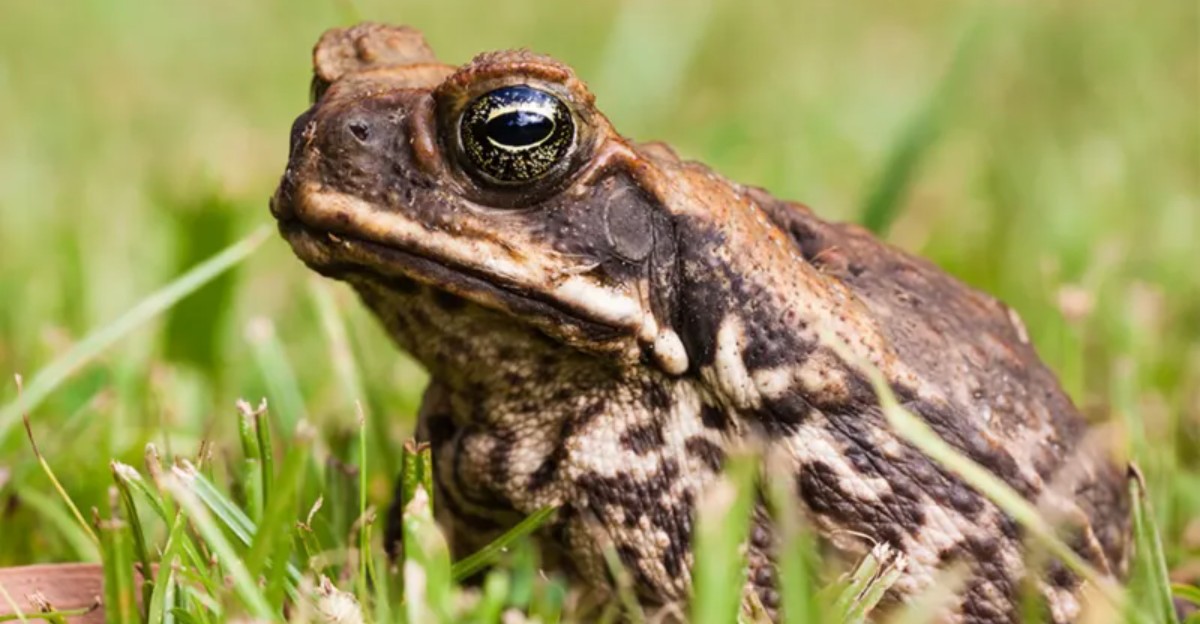
Fido’s nose has a mind of its own, and one curious sniff after dark can turn a quiet evening into a frantic dash to the vet.
Something is hopping around Florida yards that looks about as threatening as a lump of mud. Dog owners wave it off as a harmless backyard neighbor.
The clock starts the moment a mouth meets that lump, and minutes matter more than most people realize.
Your pup doesn’t read warning labels, and nobody gives these critters a bad rap until it’s too late. A few early signs tell you something is wrong, and most owners miss every one of them.
Learn what to watch for before the next rainy night. Your dog can’t do that homework for you.
1. Meet The Cane Toad, Florida’s Largest Toad
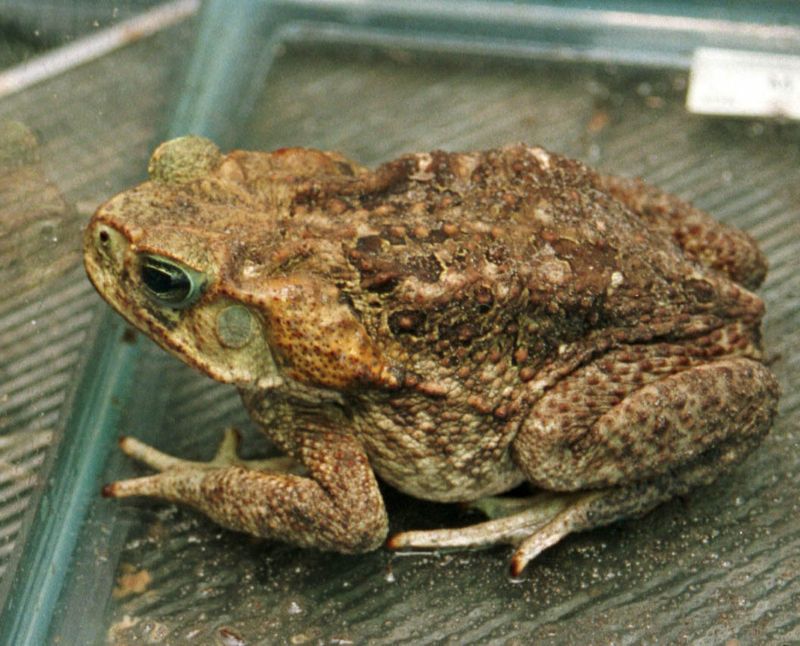
Imagine finding a toad the size of a dinner plate sitting by your patio. Florida homeowners report exactly that, and the culprit is the cane toad.
Scientists call it Rhinella marina.
People also know it as the bufo toad, the giant toad, or the marine toad. Whatever name you use, it holds the title of the state’s largest toad.
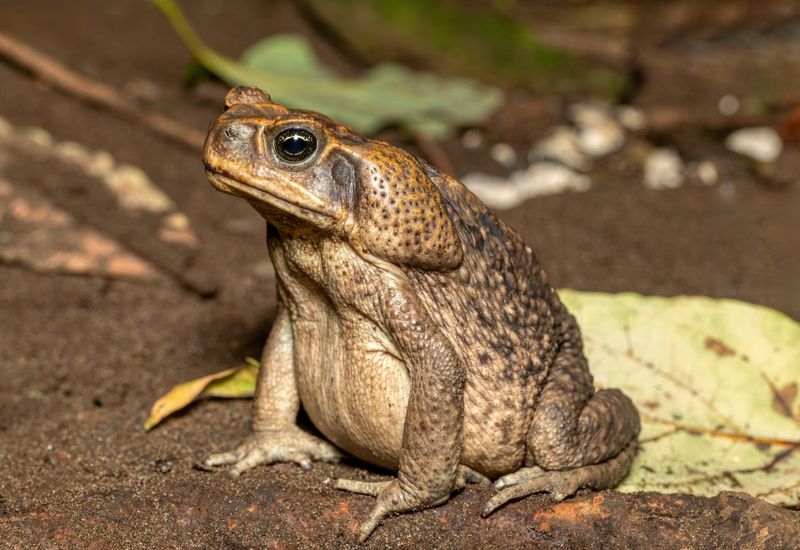
Adults usually measure between 4 and 9 inches long.
Some females grow even bigger than that. A few have tipped the scales at nearly 6 pounds, which is heavier than many house cats.
That is a lot of toad for one backyard!
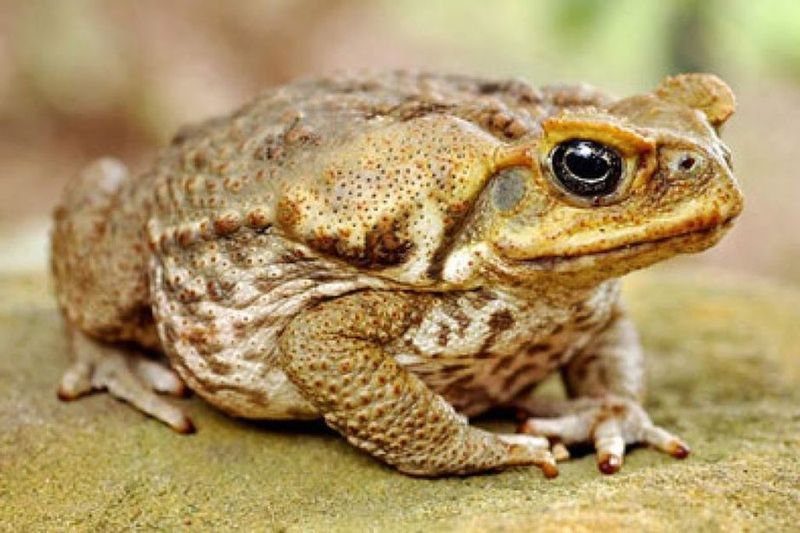
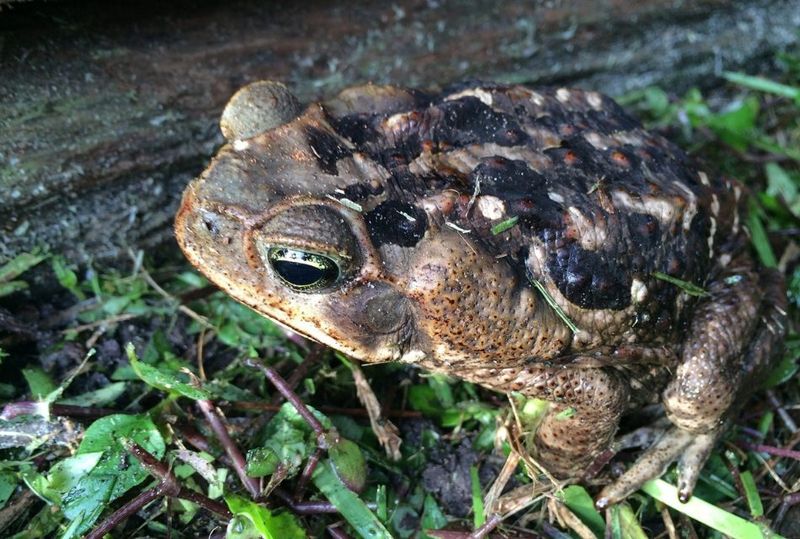
Their skin is dry and bumpy, with colors ranging from tan to reddish brown to gray. Their bellies are usually cream colored with darker speckles.
They sit low and wide, like a lumpy pillow with legs.
Size is part of what makes them risky for pets. A bigger toad carries more toxin in its glands.
When a dog grabs one, it gets a larger dose than it would from a small native toad.
Knowing what a cane toad looks like is your first line of defense. Take a few minutes to study photos online.
That way, you can spot one quickly when it shows up after a summer rainstorm.
2. It Isn’t Native To Florida
Here is a fun bit of history with an unhappy twist. Cane toads did not hop into the state on their own.
People brought them here on purpose.
Back in the 1930s, farmers hoped the toads would eat beetles and other bugs that damaged sugarcane crops. That plan did not work out very well.
The toads ate plenty, but not the way growers wanted.
Later, in the 1950s and 1960s, more toads were released. Some escaped by accident from pet dealers at the Miami airport.
Others were let go on purpose. Either way, the population took off.
Their true home stretches from southern Texas through Central America and into tropical South America. Florida’s warm, wet weather felt just like home to them.
With few natural enemies, they spread fast across the southern part of the state.
Because they are invasive, they compete with native frogs and toads for food and space. They also harm wildlife that tries to eat them.
Your Florida Garden Changes Every Week. Your Plan Should Too.
Gardening in Florida changes quickly throughout the season. Every Friday you’ll receive a simple weekly plan showing exactly what to plant, prune, fertilize, harvest, and protect so you never miss the right timing.
Pets, sadly, fall into that group too.
The Florida Fish and Wildlife Conservation Commission encourages residents to remove cane toads from their property when possible. Humane removal methods are listed on the agency’s website.
Learning the story helps you understand why these toads are such a problem today.
3. Look For Large, Triangular Glands On The Shoulders
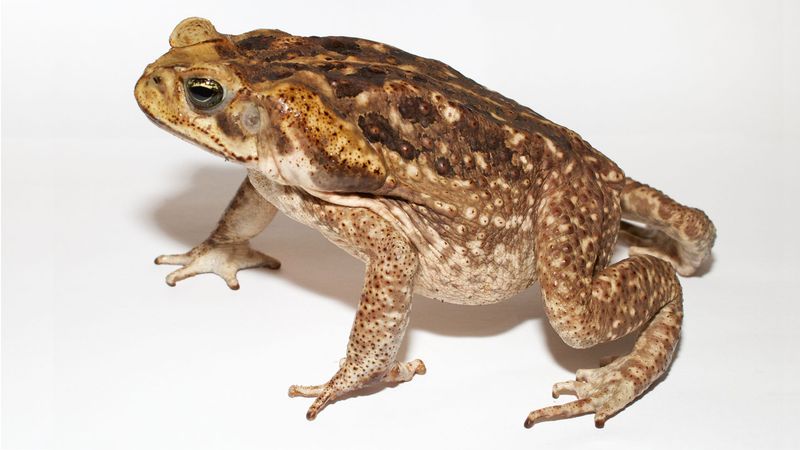
Ever looked a toad right in the face? With a cane toad, the most important clue sits just behind its eyes.
You will see two large bumps sloping down toward the shoulders.
Those bumps are called parotoid glands. On a cane toad, they are big and shaped like triangles.
They almost look like puffy shoulder pads.
When the toad feels threatened, these glands squeeze out a milky white goo. That substance is called bufotoxin.
It is the reason a cane toad can make a dog very sick so quickly.
A dog that bites, licks, or mouths the toad gets the toxin on its gums. The gums absorb it fast, sending it into the bloodstream.
That is why minutes matter so much.
Here is a helpful tip for checking a toad safely. Use a flashlight and stay a few feet back, since you do not need to touch it to see the glands.
If you must handle one, wear gloves and wash your hands afterward.
Keep your eyes away from the toad too. The toxin can irritate human eyes and skin.
Teaching older kids to recognize those triangle-shaped glands is a smart way to get the whole family involved in keeping pets safe.
4. Native Southern Toads Have Crests On Their Heads
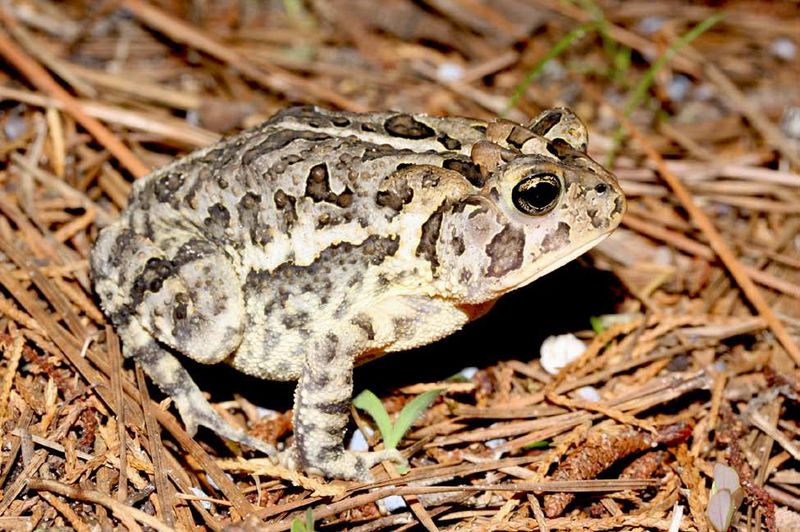
Not every toad in your yard is a troublemaker. Florida is also home to the southern toad, a native species that belongs here.
Telling the two apart can save a harmless critter and calm your nerves.
Start by looking at the top of the head. Southern toads have raised ridges, called crests, that run between and behind the eyes.
Some people say they look like tiny knobs or horns.
Cane toads do not have these crests. Their heads look smoother on top, with a bony ridge above each eye instead.
That single difference clears up a lot of confusion.
Next, check the shoulder glands. Southern toads have small, oval glands rather than the large triangles of a cane toad.
They still make a mild toxin, but it is much weaker.
Size gives another clue. Native southern toads usually reach only 3 to 4 inches long.
They are often reddish, brown, or gray, with a light stripe down the back in some cases.
Please leave southern toads alone if you find them. They eat lots of insects and help keep your garden balanced.
Removing the wrong toad hurts local wildlife, so a quick look at the head is well worth the effort.
5. A Toad Over 4 Inches Is Likely A Cane Toad
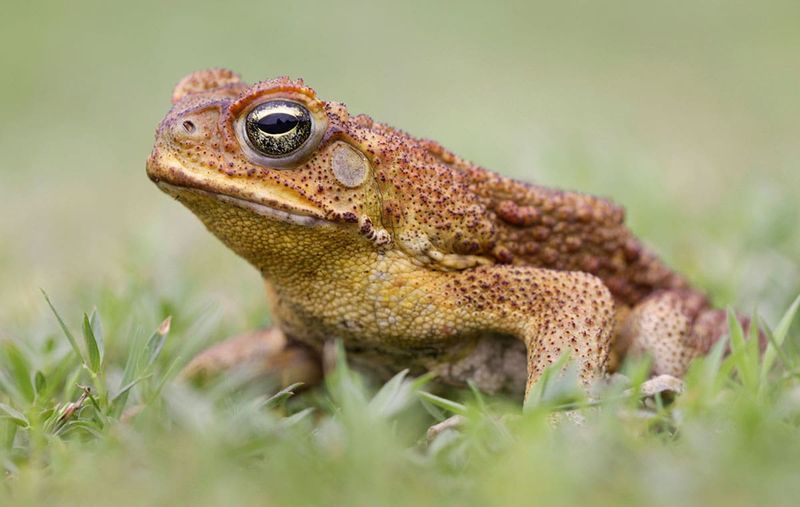
Grab a ruler, or just picture one in your mind. If a toad stretches longer than 4 inches from nose to rear, you are probably looking at a cane toad.
It is one of the easiest rules of thumb around.
Most native toads stay on the small side. Southern toads and oak toads rarely get past 4 inches.
Oak toads are tiny, often barely an inch long.
Cane toads, on the other hand, commonly grow between 4 and 9 inches. A full-grown adult can look shockingly big next to a garden hose or a flowerpot.
Once you see one, you will understand the difference right away.
Of course, young cane toads start out small. A baby cane toad can look a lot like a native toad.
That is why size works best alongside other clues, like the triangle glands and the missing head crests.
A simple trick is to compare the toad to your hand. If it covers most of your palm, it is likely a cane toad.
You can also snap a photo next to a shoe for scale.
Share that photo with your local extension office if you are unsure. Experts there are happy to help identify toads and offer advice.
6. Brick-Red Gums Are A Warning Sign
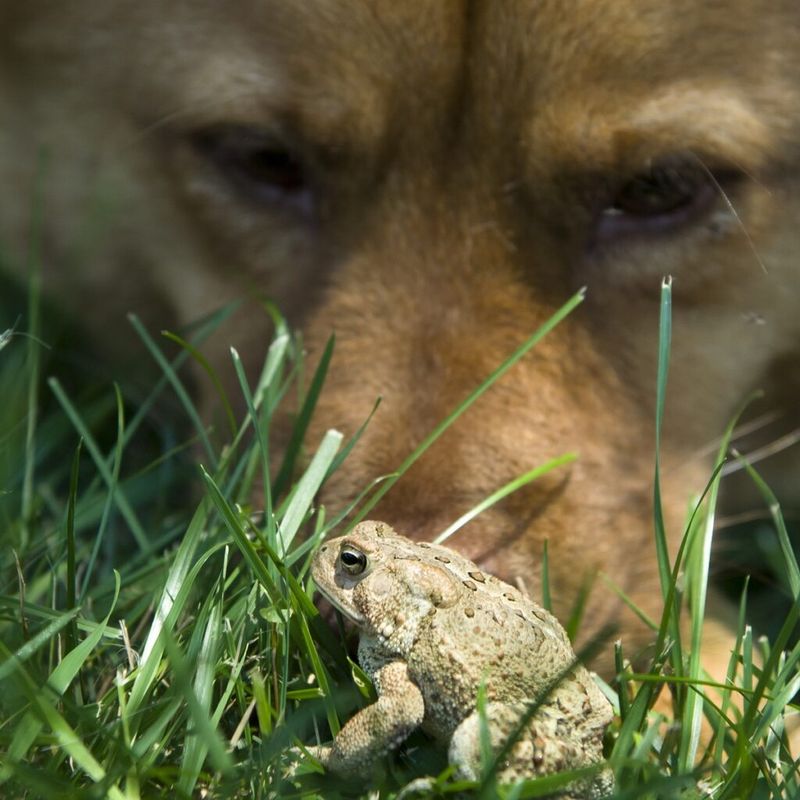
Lift your dog’s lip on a normal day and you will likely see healthy pink gums. After a cane toad encounter, those gums can turn a deep, brick-red color.
That shade is a loud alarm bell.
Symptoms often show up within minutes. Heavy drooling or foaming at the mouth is one of the first signs.
Many dogs also paw at their face as if something tastes awful.
Other clues include vomiting, stumbling, or looking confused. Your dog might seem restless or unable to settle down.
Some pups shake their heads over and over.
More serious signs can follow quickly. Watch for trembling, seizures, a racing heartbeat, or very wide pupils.
These mean the toxin is moving through the body and needs fast attention.
Small dogs are at higher risk because the toxin hits harder in a smaller body. Puppies and playful breeds that love to chase things are also more likely to grab a toad.
Terriers, for example, can be especially curious.
Get to know what your dog’s gums look like when healthy. Check them now and then during calm moments.
That way, you will notice a change right away if your pet has a run-in with a toad after dark.
7. Wipe Your Dog’s Gums And Tongue Right Away
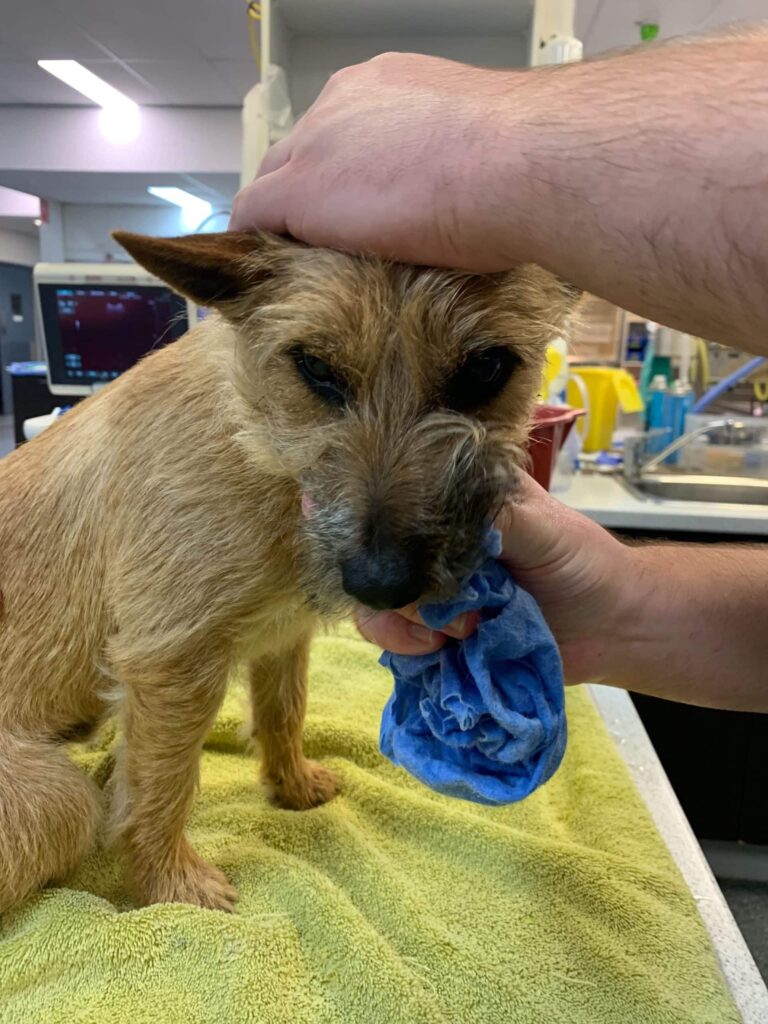
Picture this: your dog comes back from the yard drooling and pawing at its mouth. Take a breath and act fast.
What you do in the next few minutes can make a big difference.
First, grab a hose or a cup of water. Tilt your dog’s head downward and gently run water across the mouth from the side.
Aim the flow forward and out, not down the throat.
Next, wet a soft cloth and wipe the gums, tongue, and the inside of the lips. Rinse or turn the cloth often so you do not smear the toxin back on.
Paper towels work in a pinch.
Expert advice on timing varies a bit. The ASPCA suggests rinsing for 5 to 10 minutes.
UF/IFAS recommends a full 15 minutes for suspected cane toad exposure.
Keep your hands safe while you work. The toxin can irritate your skin, so wear gloves if they are handy.
Wash your hands well afterward, and avoid touching your eyes.
A frightened dog may wiggle or snap, so stay calm and speak softly. Ask a family member to hold the leash or call the vet while you rinse.
Teamwork keeps everyone safer.
8. Head Straight To The Vet
Feeling relieved because your dog seems better after rinsing? That is great, but the job is not done yet.
A trip to the vet is the next step, no matter how things look.
Call your veterinarian or the closest emergency animal hospital right away. Tell them your dog may have touched a cane toad.
They can give advice on the phone and get ready for your arrival.
Symptoms can come back or grow worse even after first aid. Toxin may already be in your dog’s bloodstream.
Vets can watch the heart, control seizures, and give fluids or medicine as needed.
Every suspected toad encounter should be treated as an emergency. Waiting to see what happens can let a mild case turn serious.
Quick care gives your pet the best chance at a full recovery.
Here is a smart idea to try today. Save the number of a 24-hour pet hospital in your phone.
Many Florida emergencies happen late at night, when regular clinics are closed.
You might also keep a small pet first aid kit near the back door. Pack a towel, gloves, and a flashlight.
Being prepared turns a scary moment into a plan you already know by heart.
9. Bring Pet Bowls Inside At Night
Leaving a food bowl on the porch is like rolling out a welcome mat for toads. Cane toads love pet food.
They also hang around water dishes, and some even sit right inside them.
These toads are mostly active at night. You will see them most after rain and around dawn and dusk.
That timing lines up perfectly with when many dogs take their last potty break.
The easiest fix is simple. Bring food and water bowls indoors before sunset.
Toads can leave toxin in water dishes, so it is wise to rinse outdoor bowls before refilling them.
Walk your dog on a leash during evening outings. Carry a flashlight and scan the grass before letting your pet sniff around.
Good outdoor lighting helps you spot toads before your dog does.
You can also make your yard less inviting. Trim thick plants near the ground, fill in low spots where water pools, and clear away piles of clutter.
Fewer hiding places means fewer toad visitors.
Some homeowners add a short, solid fence along the bottom of their regular fence line. These small habits take only a few minutes each night.
Your furry friend gets safer evenings, and you get more peace of mind.