The Cold-Tender Florida Plants Worth Identifying Before October
Florida gardeners spend months putting up with heat, bugs, and sticky afternoon storms that smell like warm pennies. Then October tiptoes in, and the forecast starts whispering words like cool front and patchy frost.
Many of the showy plants in your yard came from places where winter is just a rumor. They look tough in blazing sun, yet one chilly night can leave them sulking for weeks.
Spotting the delicate ones before the weather shifts gives you time to wrap or move them. Waiting for the cold night itself means hunting for bedsheets with a flashlight in your teeth.
Even in sunny Florida, northern and central regions can dip below freezing a few times yearly. Southern areas stay milder, but surprise chills still sneak through and catch plenty of gardeners off guard.
Crotons Wear Bright Colors And Thin Skin
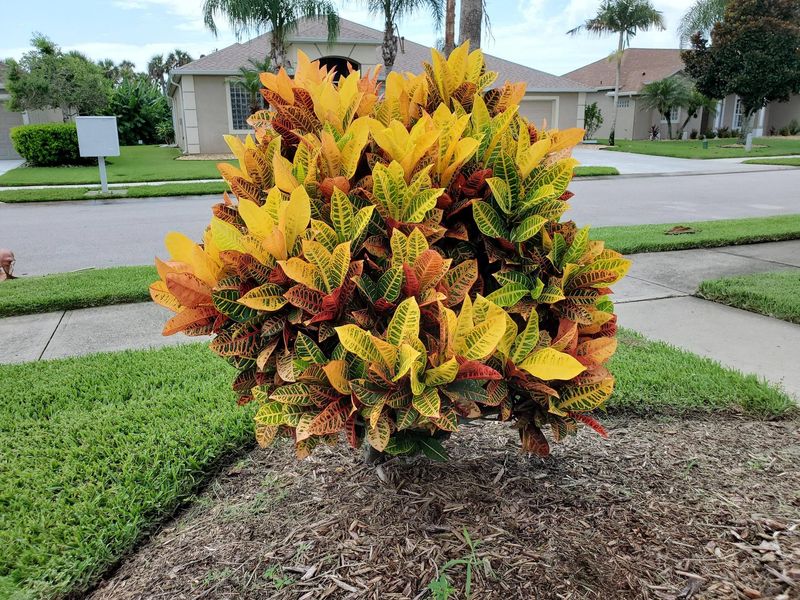
Walk through almost any Florida neighborhood and you will spot crotons glowing in red, orange, yellow, and green. Their leaves look like someone spilled a box of crayons, and they add bold color to sunny and bright spots in the yard.
Crotons come from warm Pacific islands and Southeast Asia, so they do not enjoy chilly air at all. Temperatures in the low fifties can cause leaf drop, while frost often scorches the colorful foliage into brown crisps.
Identifying them is easy because of those thick, glossy leaves that feel almost like plastic in your hand. Some leaves are wide like oak leaves, while others twist like curly ribbons or skinny pencils.
Snap a stem and you will see milky sap, which can bother sensitive skin, so wear gloves when pruning. That sap is a handy clue when you are not sure what plant you are looking at.
Early October is a smart time to note where your crotons grow and how big they have become. Potted crotons can roll into a garage, but large shrubs in the ground will need frost cloth instead.
Buy that cloth now, before the first cold front empties the shelves at every garden center in town. Stop fertilizing this month too, since tender new growth is the first part to suffer in a chill.
If a cold night does scorch the leaves, wait until spring before trimming anything off the plant. Those ugly brown leaves act like a blanket, shielding the healthy stems underneath from the next cold snap.
Tropical Hibiscus Blooms Big And Shivers Fast
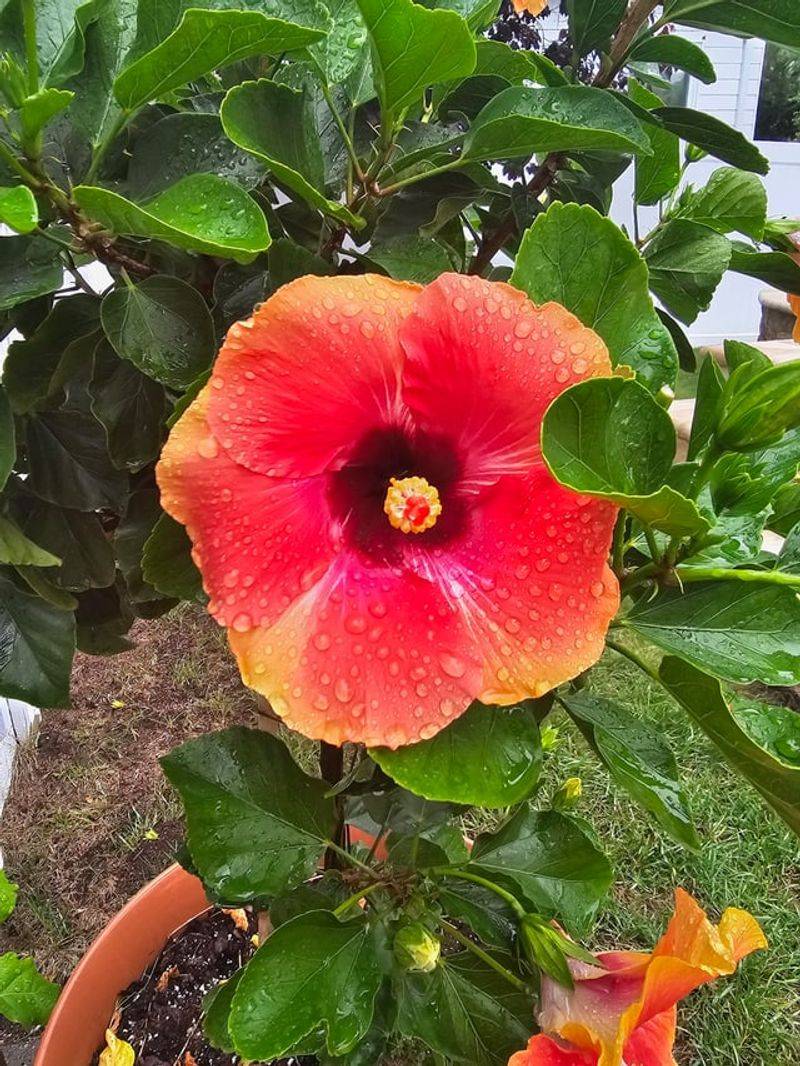
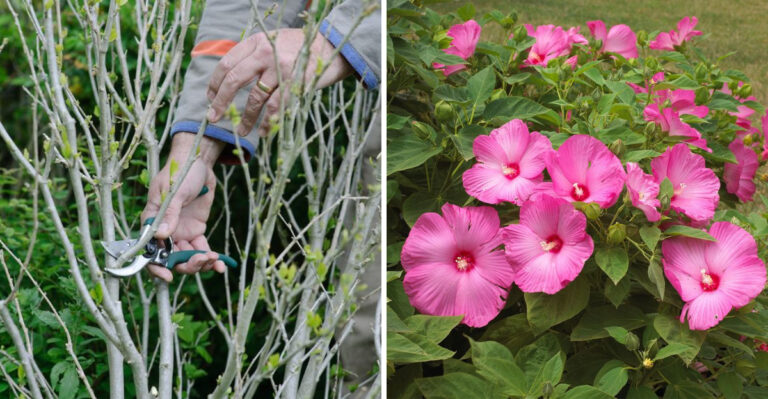
Many Tampa porches feature a hibiscus bush with flowers so big they look like little dinner plates. Every morning a new bloom opens, and by evening it curls up like a sleepy paper lantern.
Tropical hibiscus is the plant most people picture when they think of island vacations and flowered shirts. It grows well across much of the state, yet it struggles once temperatures slide into the thirties.
Telling it apart from hardy hibiscus matters, because the hardy kind shrugs off winter and returns each spring. Tropical types have shiny, dark green leaves, while hardy types have duller leaves and even larger flowers.
Your Florida Garden Changes Every Week. Your Plan Should Too.
Gardening in Florida changes quickly throughout the season. Every Friday you’ll receive a simple weekly plan showing exactly what to plant, prune, fertilize, harvest, and protect so you never miss the right timing.
Tropical blooms also come in wilder colors, including peach, salmon, and swirly mixes that look hand painted. Hardy hibiscus mostly sticks to white, pink, and red, so color alone can offer a helpful hint.
Once you know you have the tropical kind, think about where it sits in your yard. Plants near a south-facing wall stay warmer at night because the wall releases heat it soaked up all day.
Potted hibiscus can spend cold nights indoors near a bright window, though some leaves may yellow and drop. That leaf drop is normal stress, and fresh growth usually returns once the plant settles back outside.
Watering the soil a day before a cold front helps too, since moist ground holds more warmth overnight. Many growers use that trick, and it can help blooms hold up through mild winter stretches.
Ixora Clusters Sulk When Nights Turn Crisp
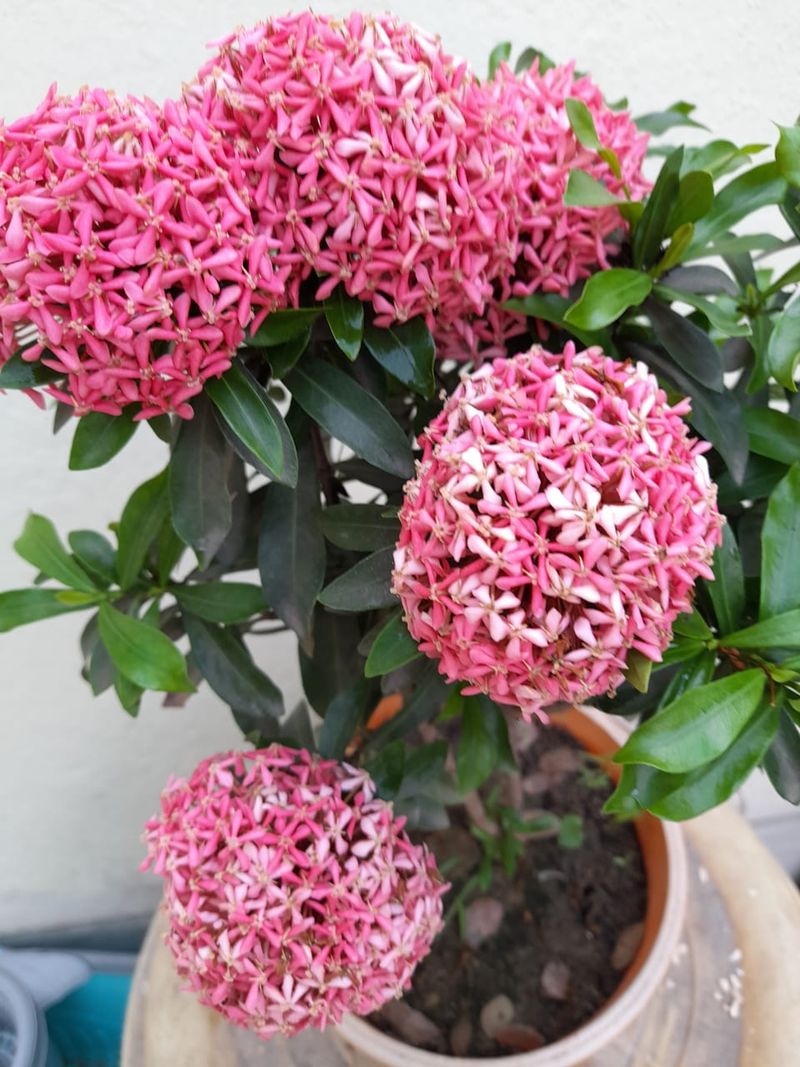
Ever noticed those round clusters of tiny red or orange flowers that butterflies seem to love in Florida? Meet ixora, sometimes called flame of the woods, a shrub that looks like it holds tiny fireworks.
Each cluster is packed with dozens of star-shaped flowers, and each flower has four small petals. The leaves are stiff, glossy, and oval, growing in neat pairs along the woody stems like little wings.
Ixora hails from tropical Asia, and it sulks quickly when nights drop into the low forties. Leaves may turn purple or bronze from the chill, and a hard frost can brown entire branches.
Gardeners in Orlando and farther north often treat ixora like a fussy houseguest who needs extra blankets. Down in Miami, it handles winter much better, though surprise cold snaps can still nip the tips.
Smaller dwarf ixora varieties are often planted close to the ground in open beds, where cold air settles on clear, breezy autumn nights. A sheltered spot near a wall or fence can ease that exposure.
October is a great month to spread a fresh layer of mulch around the base of each shrub. Mulch keeps the roots cozy, and healthy roots help the plant bounce back if the top gets nipped.
Ixora also prefers acidic soil, so yellow leaves with green veins might signal a nutrient issue instead. Learn the difference now, and you will not blame the weather for a problem caused by hungry roots.
Plumeria Naps Through Winter If You Let It
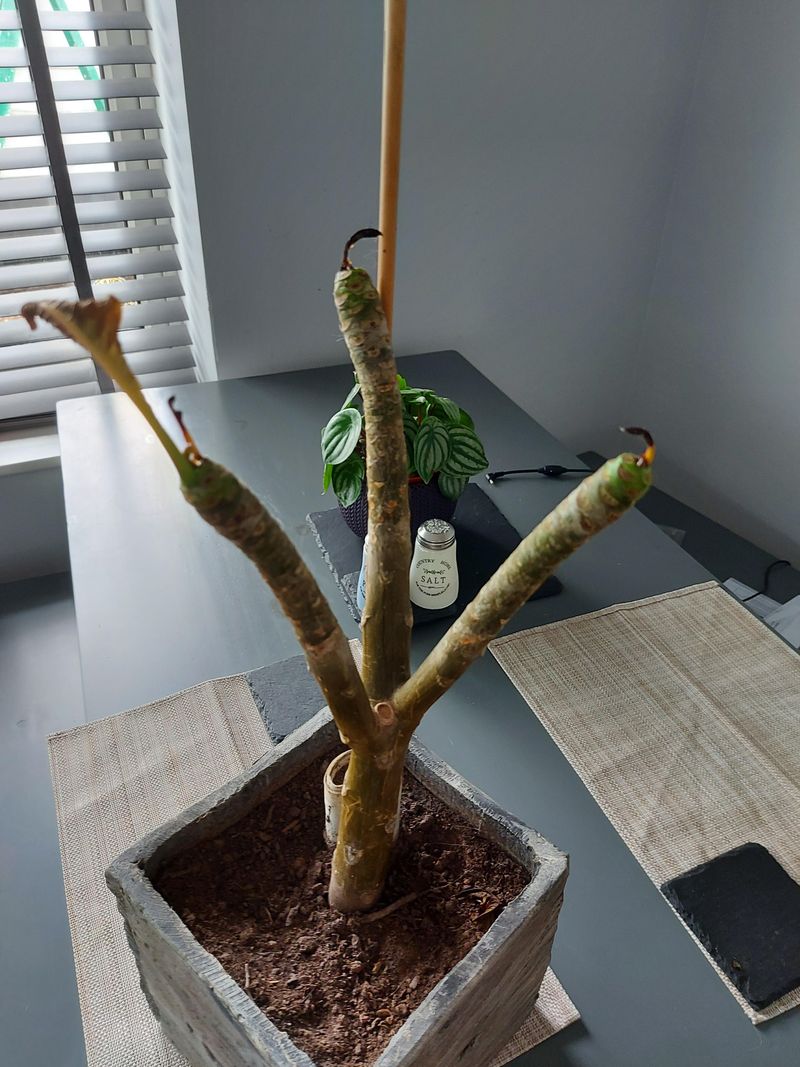
Hawaiian leis often feature plumeria, and the sweet scent of those waxy blooms can stop people mid-step. Plenty of Florida yards grow it too, usually as a small tree with thick, knobby branches.
Those branches give it away, since they look a bit like gray deer antlers poking toward the sky. Long, leathery leaves bunch at the tips, and the flowers come in white, yellow, pink, or sunset shades.
Plumeria naturally drops most of its leaves in cooler months, which surprises many new plant owners. Bare branches in late fall are normal rest, so there is no reason to panic or overwater.
The real trouble comes from cold mixed with wet soil, which can rot the roots and soften stems. Healthy branches feel firm like a carrot, while damaged ones feel mushy when you give them a squeeze.
Freezing temperatures can turn the tender tips black, and frost may harm even the thicker lower limbs. North Florida growers often keep plumeria in large pots so the whole tree can move indoors easily.
Start cutting back on water this month, letting the soil dry out between drinks as the days shorten. A dry, sleepy plumeria handles a chilly night far better than a soggy one sitting in puddles.
Some gardeners even dig up young trees, shake off the soil, and store them bare in garages. It sounds strange, but plumeria often handles that winter nap well and can resume growth when warm weather returns.
Heliconia Flowers Bruise At The First Frost
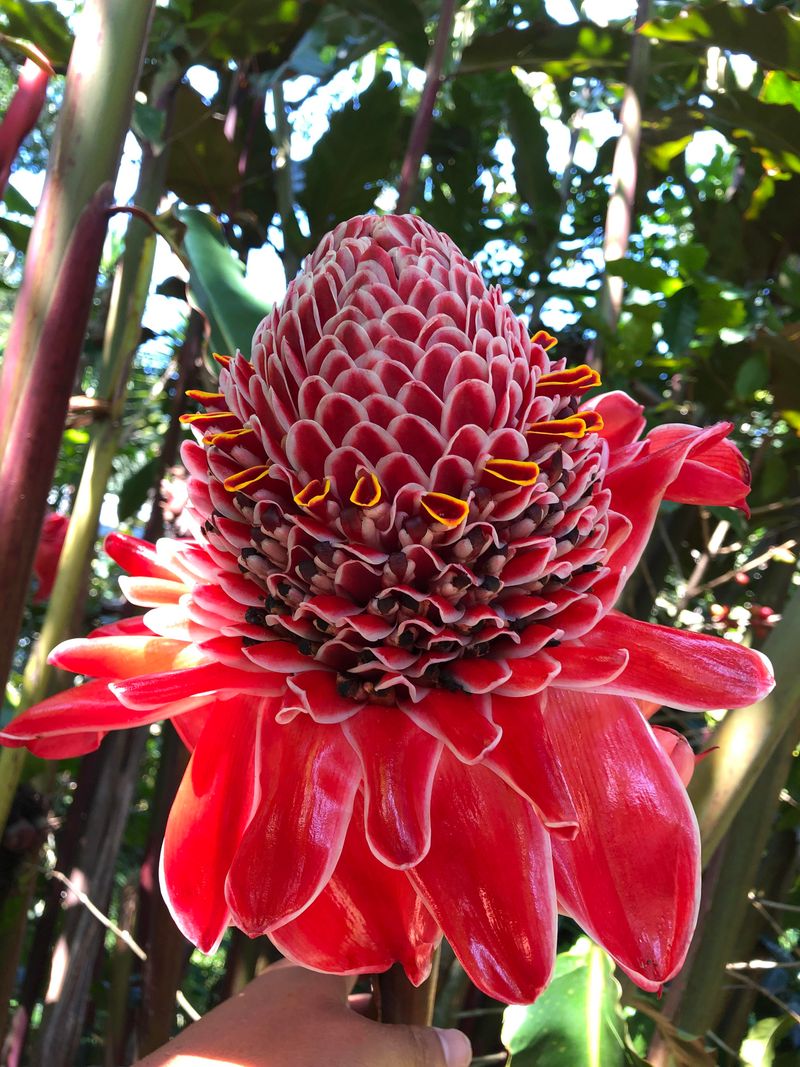
Picture a flower that looks like a stack of bright red lobster claws dangling from a tall stalk. Heliconia earns its nickname, lobster claw, by looking more like seafood than something you would find in a garden.
Those colorful claws are actually bracts, which are special leaves that protect the small true flowers tucked inside. Hummingbirds poke into them for nectar, so a heliconia patch can become a busy little bird cafe.
The leaves look a lot like banana leaves, wide and paddle shaped, which confuses many new gardeners. The flowers solve the mystery quickly, since bananas grow fruit while heliconia shows off those zigzag bracts.
Coming from rainforests in Central and South America, heliconia strongly dislikes anything below about 45 degrees. Cold air bruises the leaves into brown patches, and frost can flatten the whole clump to the ground.
Underground stems called rhizomes often survive a light freeze, so a flattened patch may sprout again later. Pile thick mulch over the root zone in October to give those rhizomes a warm, cozy blanket.
Cut flowers from heliconia last a long time in a vase, sometimes for two whole weeks. Harvest a few blooms before a cold front arrives, and enjoy them indoors instead of watching them bruise.
Smaller potted types, like parrot heliconia, can spend chilly nights in a bright garage or sunroom. Just move them back outside once the sun returns, because they crave humid air and plenty of light.
Papaya Trees Grow Fast And Chill Faster
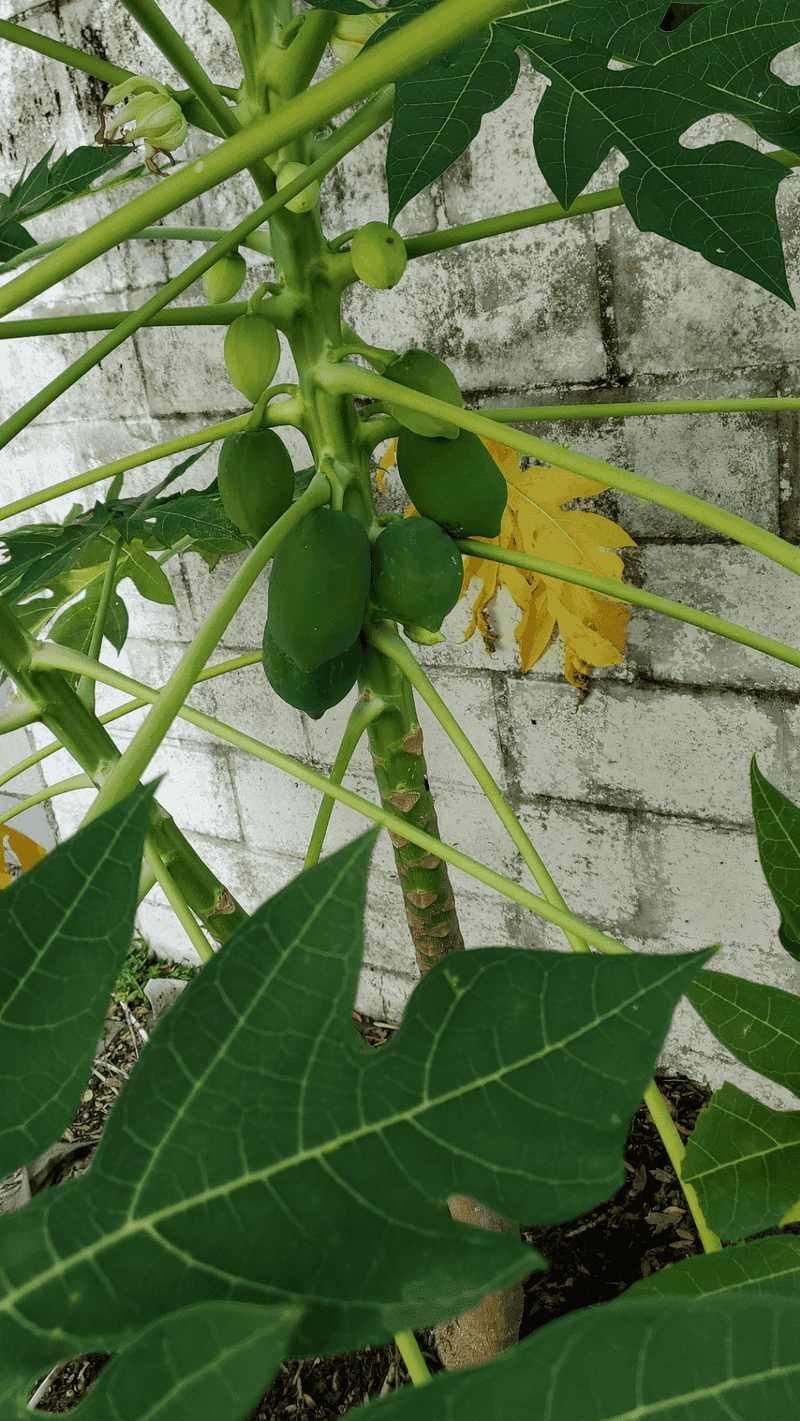
A papaya seed planted in spring can grow into a fruit-bearing tree in roughly a year. That speedy growth makes papaya a backyard favorite, but its soft trunk is not built for cold weather.
Spotting a papaya is simple once you know the shape, which looks like a palm tree wearing an umbrella. Big, deeply cut leaves sit on long hollow stems, and green fruit clusters right against the trunk.
Papaya is technically a giant herb rather than a true tree, since its trunk stays soft and spongy. That watery trunk is exactly why freezing nights hurt it so badly, as ice crystals damage the tissue.
Leaves usually suffer first around 32 degrees, while a long hard freeze can collapse the whole plant. Even chilly nights in the forties can slow fruit ripening and leave the papayas tasting bland and watery.
October is a handy month to check your tree for fruit that is starting to show yellow streaks. Pick those early and let them finish ripening on the kitchen counter, safe from any surprise cold snap.
Tall papayas are hard to cover, so many growers wrap the trunk with string lights or frost cloth. Old-style incandescent bulbs give off gentle heat, while newer LED lights stay cool and offer little help.
Because papayas grow so fast, some North Florida gardeners simply plant new seeds each year as backup. Saving seeds from a tasty fruit this fall gives you a fresh start in case winter turns out colder than expected.
Banana Plants Flop When Temperatures Tumble
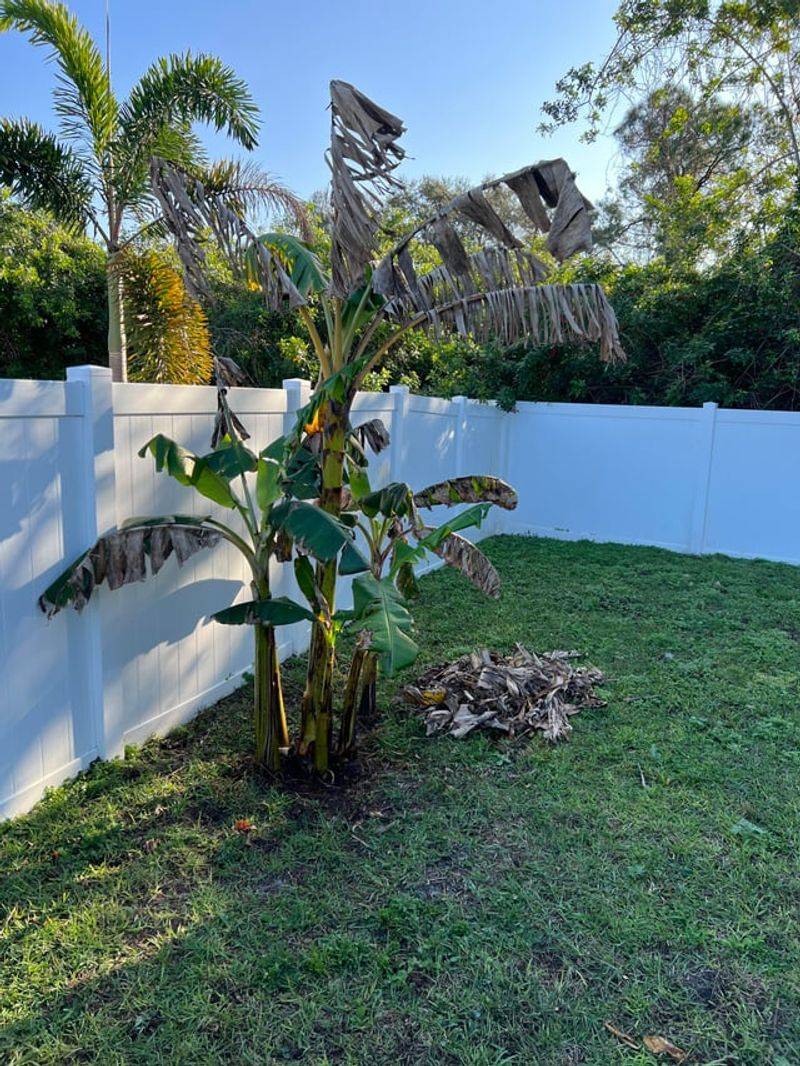
Few plants act more dramatic in a cold snap than a backyard banana with its huge floppy leaves. One frosty night and those bright green flags can turn brown and droopy, like wet laundry on a line.
Bananas are easy to recognize thanks to their giant paddle leaves that often tear into ribbons in wind. The trunk is not wood at all, but tightly rolled leaf stalks stacked together like a fat green burrito.
That fake trunk is called a pseudostem, and it holds lots of water, which makes it freeze easily. Leaves start showing damage near 32 degrees, while temperatures in the twenties can turn the pseudostem to mush.
Below ground, the thick corm usually survives, so a banana that looks ruined often sprouts again later. Patience pays off, because new pups commonly pop up from the base once warm weather returns for good.
Fruit is the bigger worry, since a bunch takes many months to ripen and dislikes chilly air. If your plant is holding a bunch this October, check it weekly and harvest when the fingers plump up.
Green bananas cut a little early can still ripen indoors when hung in a shady, airy spot. Cold-damaged fruit, on the other hand, often turns gray inside and loses its sweet flavor.
Some gardeners wrap the pseudostem with burlap or old blankets, then pile leaves around the base for warmth. It looks a little silly, like a plant in pajamas, yet that cozy outfit protects the growing point.
Orchids On Porches Need A Backup Plan
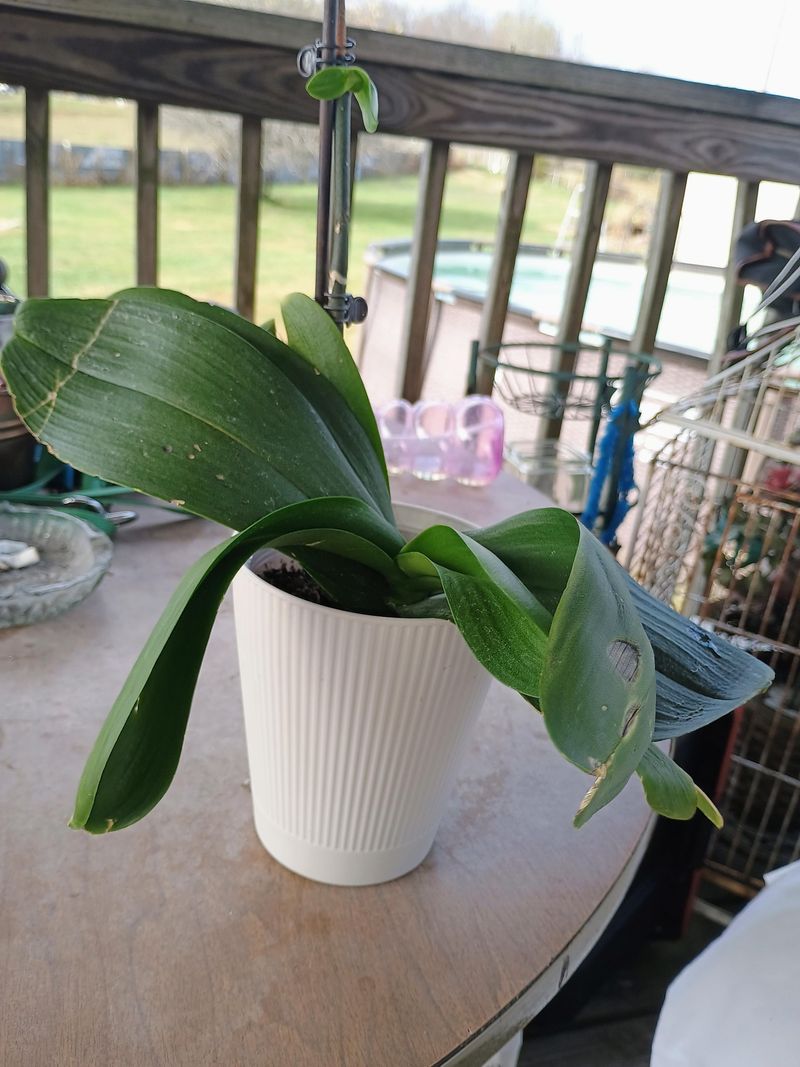
Hanging from oak branches and porch hooks across the state, orchids add a touch of jungle glamour. Many Floridians grow them outdoors in fall, but several popular types get grumpy when nights turn crisp.
Phalaenopsis, often called moth orchids, are the flat-faced beauties sold in tiny pots at grocery stores nearly everywhere. They have wide, fleshy leaves and arching flower spikes, and they struggle once temperatures fall below 55 degrees.
Vanda orchids, with their dangling bare roots and bold purple or blue blooms, are even more sensitive. Cold air can cause their leaves to drop suddenly, leaving a sad green stick swinging in the breeze.
Tougher orchids exist too, like some cattleyas and the native butterfly orchid that clings to Florida trees. Checking the tag or snapping a photo for a plant app helps you sort the delicate from the sturdy.
A little chill in fall is actually useful, because cooler nights encourage many orchids to start blooming. Moth orchids often push out new flower spikes after a few weeks of nights in the low sixties.
The trick is knowing when helpful coolness becomes harmful cold, so keep an eye on the forecast. A cheap outdoor thermometer near your orchids tells you more than the weather app for your whole city.
Set up a spot indoors now, like a bright bathroom or a sunny kitchen window, for chilly evenings. When a cold front rolls in, you can carry the orchids inside in minutes without any frantic searching.