Mystery White Balls Are Popping Up On New Jersey Lawns Overnight
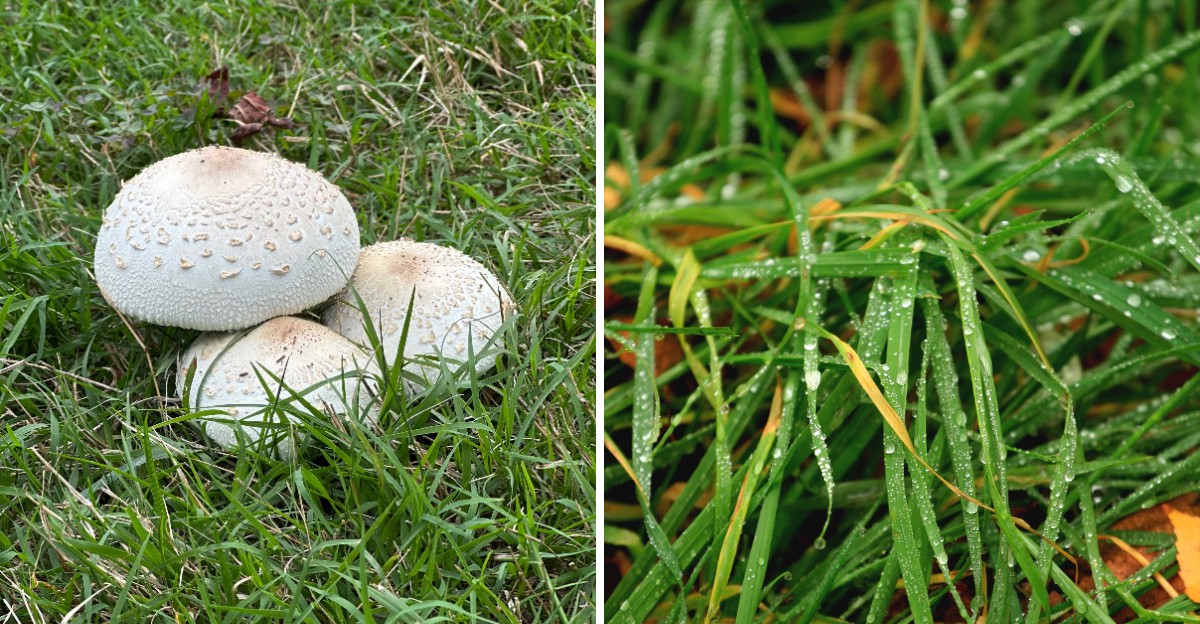
You spot smooth white spheres scattered across the lawn, and they were not there yesterday. Some measure no bigger than marbles. Others rival a bowling ball.
These are not alien eggs, just fungi. Across New Jersey, homeowners are posting photos and asking for answers. Mycologists will tell you these are puffballs, a fungus that appears after autumn rain.
Giant varieties can grow to basketball size within a few days. Poke a ripe specimen and you release a cloud of spores. Slice a young globe and you find firm white flesh, similar to marshmallow.
Look-alikes can harm you, so skip eating any until an expert confirms. Your dog may keep barking, but the spheres pose no threat to your lawn.
New Jersey soil and damp October weather have created favorable conditions for them. Photograph the biggest globe before you move it.
Puffball Mushrooms Behind The Sudden Lawn Surprise
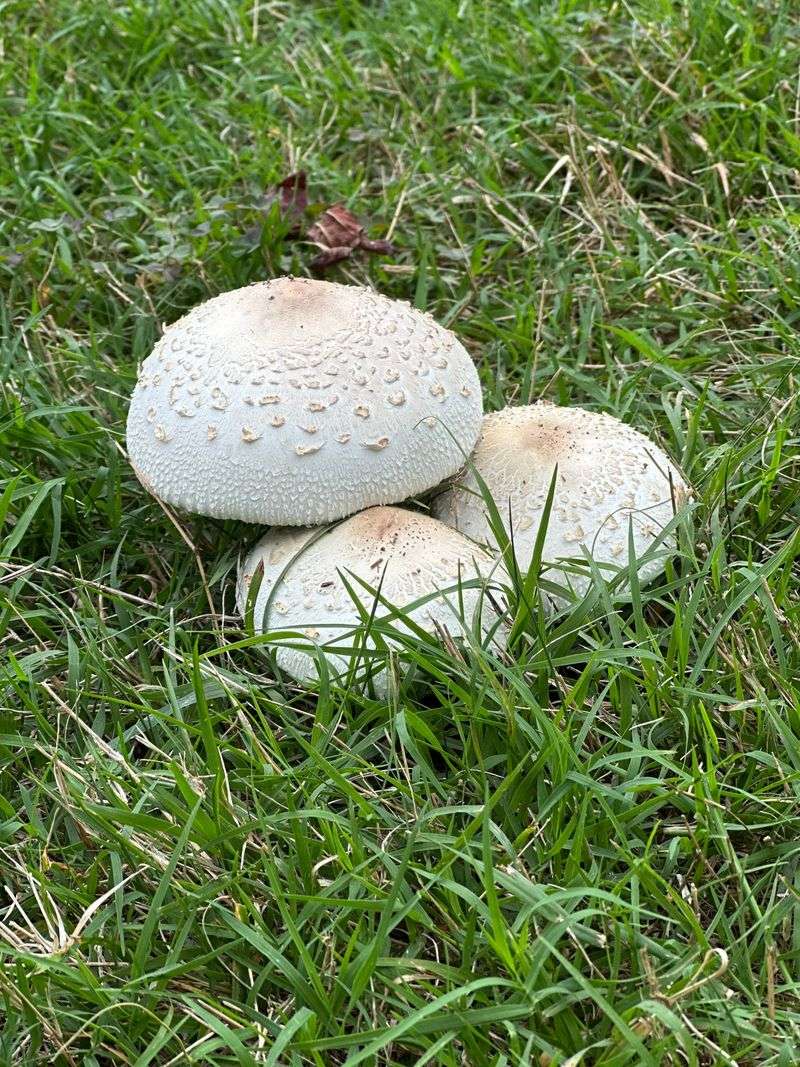
Picture a giant marshmallow that quietly sprouted from the soil while your whole family slept. Those white balls on your lawn are most likely puffball mushrooms, a common fall visitor.
Unlike the classic mushroom shape, puffballs have no cap, no stem, and no gills underneath. They are simply round, solid balls with smooth or slightly bumpy white skin on the outside.
The part you see is only the fruit of a much larger living network. Thin threads called mycelium spread through the soil, feeding on old roots, thatch, and decaying wood.
Think of it like an apple tree hidden underground, with the balls acting as its apples. When conditions feel right, the network pushes these fruits up through the grass almost overnight.
Several kinds show up in New Jersey yards, from golf ball size to soccer ball size. The giant puffball can even grow larger than a basketball, though that is unusual on lawns.
Their main job is to make spores, which are like tiny seeds for fungi. One large puffball can hold trillions of them packed tightly inside its soft, spongy center.
Seeing them does not mean your grass is sick or your soil is ruined. In most cases, it simply means your yard has decaying organic material below the surface.
So take a breath and put the phone down before calling an alien expert. Your mystery has a name, and it belongs to a group of natural decomposers.
October Rain And Cool Nights As The Perfect Trigger
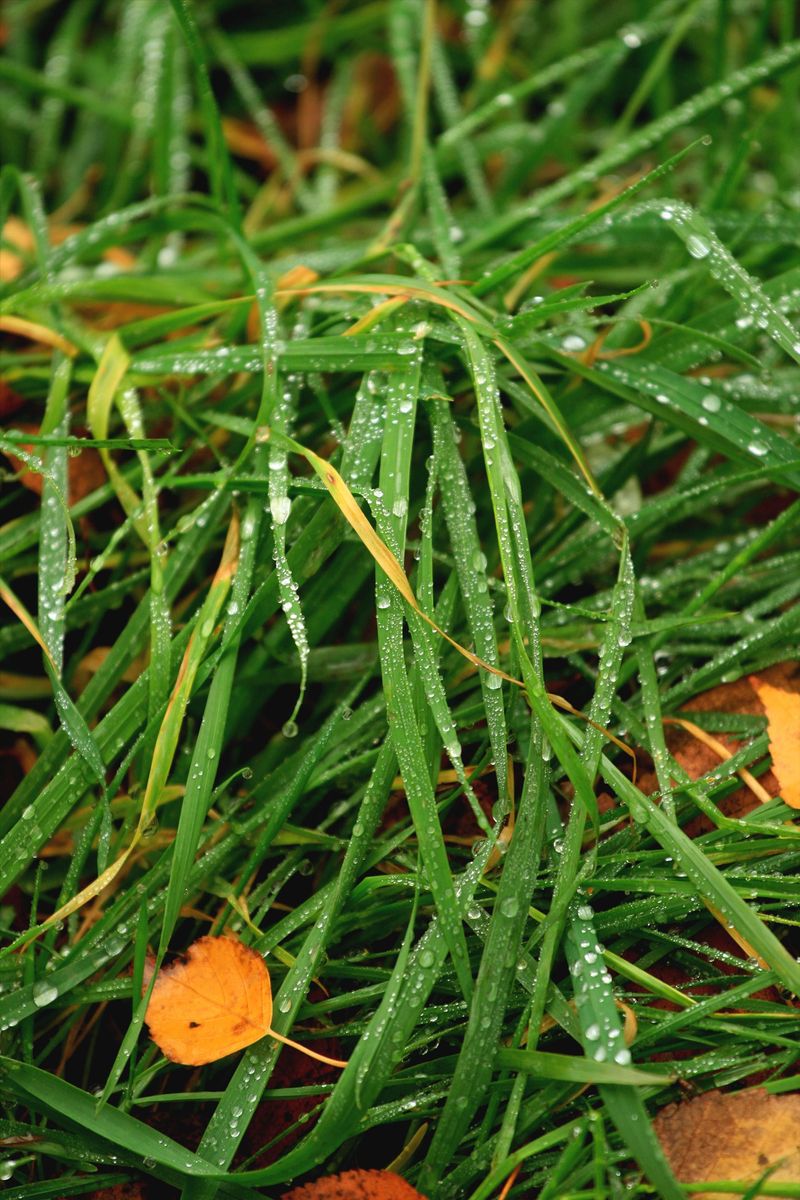
October is peak puffball season. Cool nights, warm afternoons, and steady rain create conditions these fungi favor.
All summer long, the underground network quietly grows and stores energy in the soil. Then the first soaking fall rains arrive, and that hidden energy finally has somewhere to go.
Puffballs are mostly water, so a heavy storm works like a giant drink for them. Within a day or two, round white bumps can swell up across a whole yard.
That speed explains why puffballs seem to appear overnight in New Jersey yards. Nobody planted them, and nobody snuck in after dark with a bag of fake balls.
Your New Jersey Garden Changes Every Week. Your Plan Should Too.
Gardening in New Jersey changes quickly throughout the season. Every Friday you’ll receive a simple weekly plan showing exactly what to plant, prune, fertilize, harvest, and protect so you never miss the right timing.
Damp mornings and mild temperatures this fall favor puffball growth. Lawns near old tree stumps, woodpiles, or shady edges may see more puffballs.
Puffballs can pop up from late summer into November, depending on the weather pattern. A frost usually signals the end of the show until next year.
Keep an eye on your lawn after each rainy stretch this month. Snapping a quick photo helps you track where they appear, which can reveal hidden wood or roots.
Rings of puffballs sometimes form too, tracing the edge of the spreading network below. Old folk tales called these circles fairy rings, blaming dancing fairies for the mess.
Wet autumns can bring a large fruiting, while drier ones produce only a few. Either way, weather largely explains the timing.
A Risky Lookalike Mix-Up To Avoid
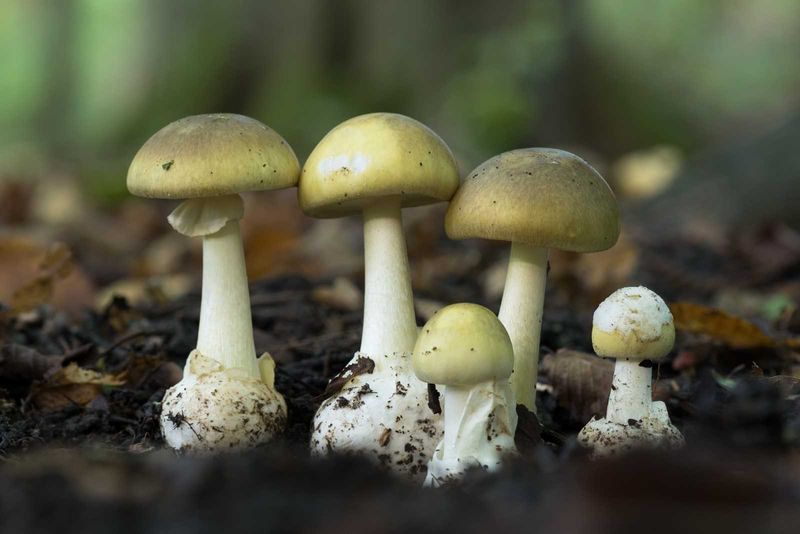
Some people assume any white ball is a safe puffball. That assumption can lead to real health risks.
Young Amanita mushrooms can look like smooth white eggs when they first push through the grass. Some Amanitas are among the most toxic mushrooms in North America.
Earthballs are another lookalike, with thick skin and a dark purple or black inside. They look tough and lumpy, and they can cause stomach upset if eaten.
Experts check a mystery ball by slicing it straight down the middle from top to bottom. A true puffball is pure white inside, like fresh mozzarella, with no shape hidden within.
If you spot the outline of a tiny cap and stem, it is not a puffball. Yellow, brown, or purple flesh also means the ball belongs in the trash.
Even so, lawn mushrooms are a poor choice for dinner because of pesticides, fertilizers, and pet waste. Leave foraging to trained experts who know the warning signs.
Kids and dogs are the main concern, since both like to grab, squeeze, and taste new things. Walk the yard each morning and remove anything suspicious before playtime starts.
Call your veterinarian or a pet poison hotline, such as the ASPCA Animal Poison Control Center, if your dog chews on one, even if it seems fine. Symptoms can take hours to appear, so quick action matters more than waiting.
If someone does swallow a piece, call Poison Control at 1-800-222-1222 right away. Save a sample in a paper bag so experts can identify exactly what was eaten.
Safe Removal Without A Cloud Of Spores
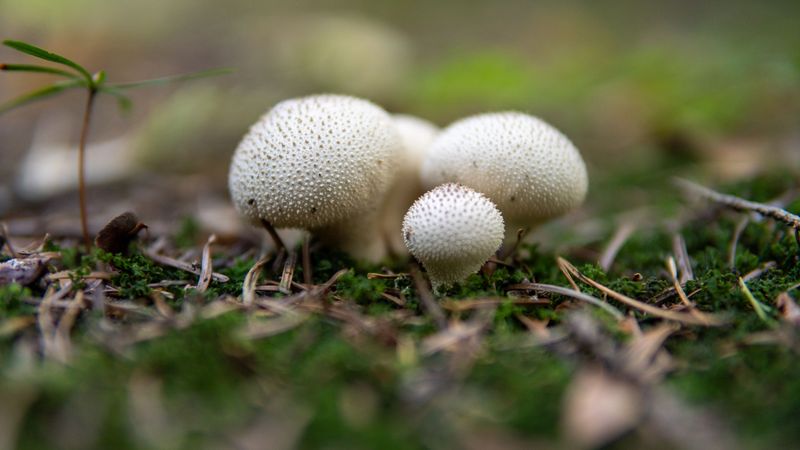
Grab a pair of gloves, a plastic bag, and a little patience before you start. Removing puffballs is easy, but doing it the wrong way can create a messy brown cloud.
Fresh white puffballs are firm, so you can pluck them by hand with a gentle twist. Drop each one straight into the bag and tie it closed when you finish.
Older ones turn tan or brown and feel dry, like a paper lunch sack. Squeeze one, and a smoky burst of spores shoots out, earning the puffball its name.
Stomping on them might feel satisfying, but it spreads spores across your lawn for next year. Cover older puffballs with the bag first, then lift them carefully from below.
Avoid running the lawn mower over a patch full of mature puffballs. The blades will break them open and spread spores widely.
Wear a simple dust mask if you have allergies or asthma, since breathing in spores can irritate lungs. Wash your hands afterward, even if you used gloves.
Toss the sealed bag in your regular trash rather than your compost pile. Compost can give spores a suitable place to grow.
Chemical fungicides are generally not effective against lawn puffballs. They cannot reach the deep network underground, so new balls may appear after the next rain anyway.
Treat removal as routine yard upkeep. A quick morning sweep every few days helps keep your yard tidy and reduces risks through the season.
A Healthier Lawn Hiding Beneath The Mystery
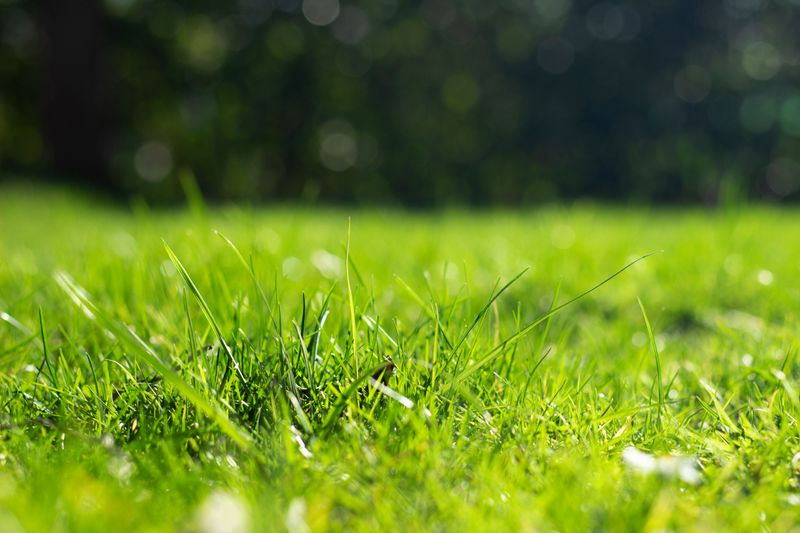
Those odd white balls are a sign of active soil. Puffballs show up where organic matter is breaking down.
Underground, the fungal threads break down old roots, fallen leaves, and hidden bits of wood. Those materials turn into food that your grass can soak up through its roots.
Gardeners sometimes call fungi the cleanup crew of the natural world. Without them, forests and lawns would slowly fill up with piles of old plant material.
Puffballs do not harm healthy grass the way some lawn diseases do. They feed on things that have already finished growing, not on the green blades you mow.
You may sometimes notice greener patches near where they appear. That extra color can come from nutrients released as the network breaks down underground material.
Wildlife benefits as well, since squirrels, slugs, and beetles nibble on fresh puffballs. Some tiny insects even raise their young inside the soft, spongy flesh before it dries.
Historically, some people applied dried puffball spores to small cuts, though this is not recommended today. Some Native American communities also used dried puffballs as tinder for fires.
Once the weather turns cold, the balls shrink, darken, and crumble back into the soil. Your lawn will look normal again, with no sign of the October appearance.
So while they may look strange, puffballs signal a yard with plenty going on underground. That hidden activity can support thick, healthy grass.
Smart Lawn Habits For Fewer Surprises Next Fall
You cannot fully prevent puffballs from returning to your New Jersey yard, but you can make your lawn less inviting.
Start with the hidden buffet underneath your grass, since decaying wood feeds the network. Old stumps, construction scraps, and decaying roots are favorite snacks for these fungi.
Grinding out a stump may reduce future crops in that area. Rake up fallen leaves often this fall so they do not pile up and rot.
Thick thatch is another hidden food source, acting like a spongy mattress of old grass. Dethatching or core aerating in early fall helps air and water move through the soil.
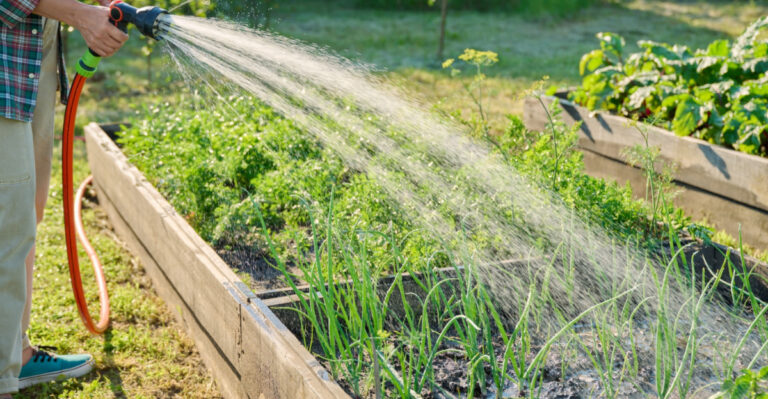
Water deeply but less often, ideally in the early morning so the lawn dries by evening. Soggy grass at night is like rolling out a welcome mat for mushrooms.
Fix low spots where puddles form after storms by adding a thin layer of topsoil. Better drainage keeps the ground from staying wet for days at a time.
Trimming low branches lets more sunlight reach shady corners of the yard. Fungi love dim, damp spots, so a little extra sun goes a long way.
Keep up your morning walk-throughs and pick young puffballs before they mature and release spores. This may reduce local spore spread, though new ones can still appear after rain.
A few may still appear after a big rain, and that is normal. They show that fungi are active in your soil.