Those Odd Round Lumps On New Jersey Roadside Stems Are Winter Pantries For Hungry Backyard Birds
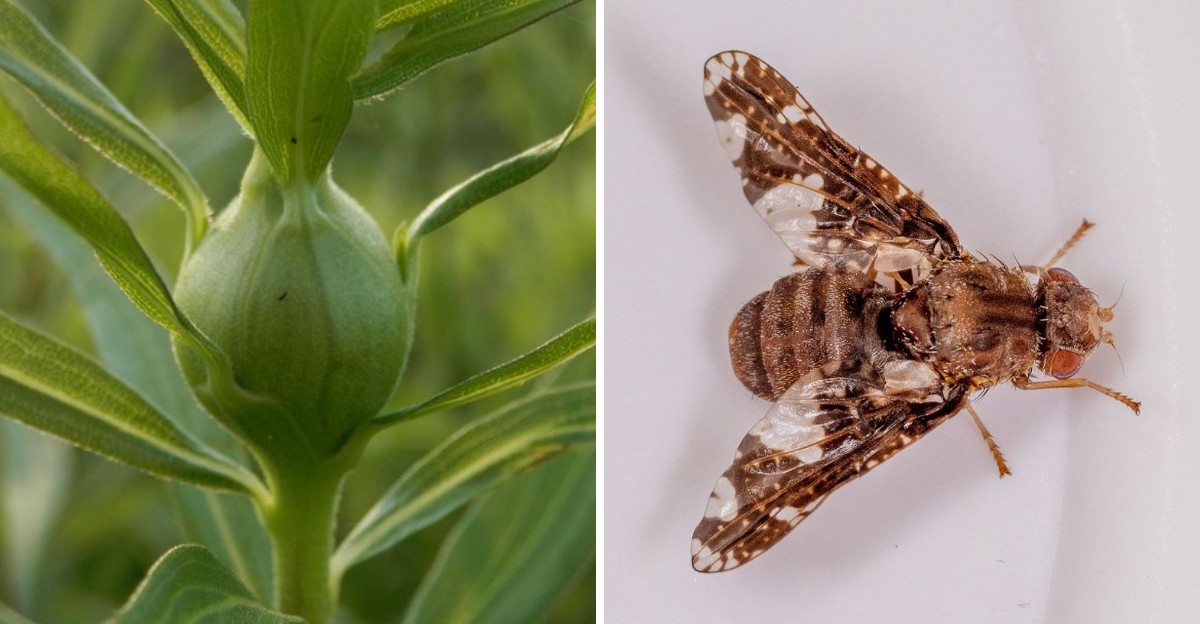
Why do you pass a bulging stem without wondering what lives inside? Your next walk through New Jersey fields reveals goldenrod stems carrying a fly larva.
Glycerol floods that larva, so you find it plump and unharmed in January. Downy woodpeckers drill a tidy hole, and you can spot their handiwork from the roadside.
Chickadees peck a smaller, ragged opening instead. Each grub packs fat and protein that fuels birds through cold nights.
Bring binoculars and you can watch the hunt unfold. Winter fields across New Jersey become feeding stations you can study from your car.
Tap a gall and you hear a solid knock. Split a gall with a pocketknife and you reveal a pale, plump grub.
Choose a gall, study the hole, and you decode which bird feasted there. Suddenly you read roadsides differently.
A Tiny Fly Larva Snug Inside Many Bulging Stems
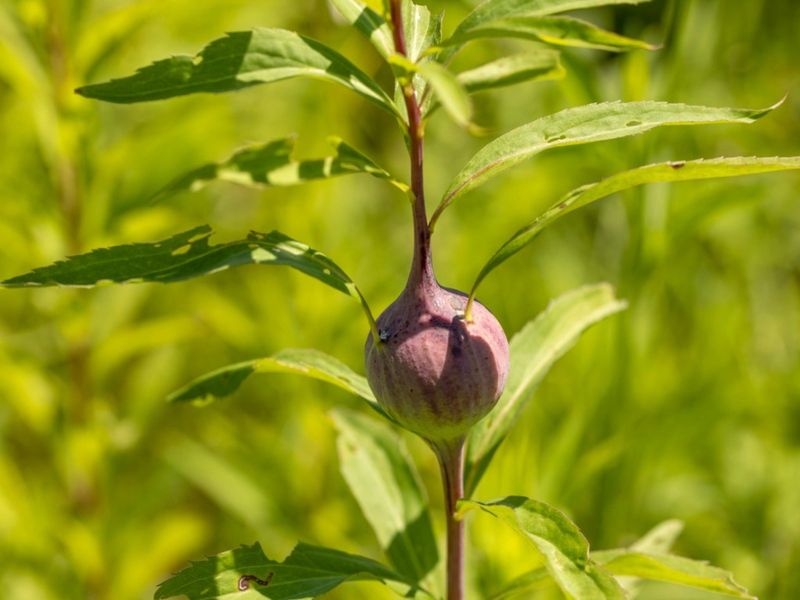
Crack one of those round lumps open with a pocketknife, and you might find a surprise. A small, creamy white grub sits curled in the center like a pea in a pod.
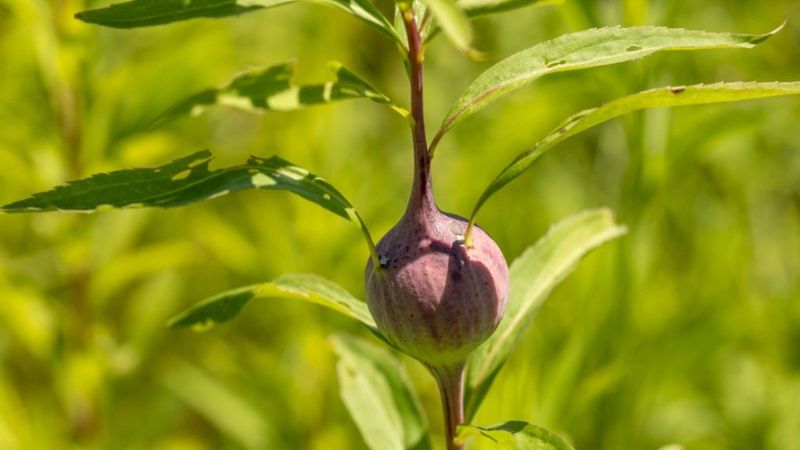
That grub is the larva of the goldenrod gall fly, a tiny insect with patterned wings. The lump itself is called a ball gall, and the plant builds it.
Goldenrod grows wild along New Jersey highways, fields, and empty lots. Its tall stems turn brown in fall but stay standing well into winter.
When the young larva starts chewing inside the stem, it releases chemicals that confuse the plant. Goldenrod responds by piling up extra tissue around the developing larva.
Over a few weeks, that tissue swells into a ball about the size of a large marble. The larva ends up with a cozy room and a steady food supply.
The gall causes only modest harm to the goldenrod, which keeps growing and blooming. Many galled plants still produce bright yellow flowers each late summer.
Inside its hideout, the larva survives freezing winter nights. It produces glycerol and sorbitol, natural compounds that protect its cells as it freezes.
You can spot galls easily once snow flattens the surrounding grass. Look for brown stems, often waist high or taller, with one smooth, round swelling.
So that odd lump is not a disease or a broken stem. It is a living lunchbox, and birds often learn where to look.
Spring Egg Laying And A Summer Of Steady Growth
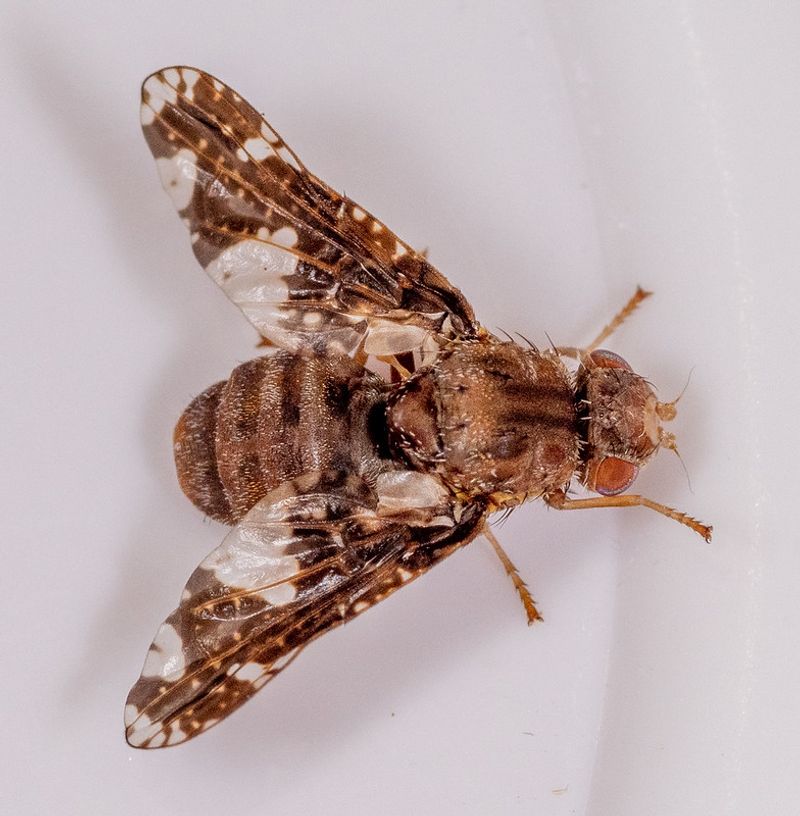
A gall story starts on a warm May afternoon, when goldenrod shoots are only ankle high. A female gall fly lands on the soft tip and pokes a single egg inside.
She is picky about her choice, testing stems before she commits. Fast, healthy shoots give her baby the best shot at a roomy gall.
About a week later, the egg hatches and the larva tunnels down into the stem. Within a few more weeks, a green swelling becomes easy to see.
Through June and July, the gall grows quickly while the larva munches on its soft inner walls. By late summer, the ball reaches full size and starts to harden.
Your New Jersey Garden Changes Every Week. Your Plan Should Too.
Gardening in New Jersey changes quickly throughout the season. Every Friday you’ll receive a simple weekly plan showing exactly what to plant, prune, fertilize, harvest, and protect so you never miss the right timing.
Autumn brings big changes for both the plant and its tenant. The goldenrod fades to brown, and the gall turns woody and tough.
Before winter sets in, the larva does something clever. It chews an escape tunnel almost to the surface, leaving a thin outer layer as a door.
Adult flies cannot chew, so this tunnel is their only way out next spring. The larva then rests all winter, tolerating freezing temperatures.
Come April, it changes into a pupa, and by May a new fly pops out. The whole cycle repeats along the same roadsides.
Knowing this calendar helps you plan your garden chores around the insects. Galls you see in January have been under construction since late spring.
A gall usually holds one larva, so a healthy lump can mean one tiny meal waiting. A busy patch of goldenrod might hold dozens of these snacks.
The Downy Woodpecker And Chickadee Winter Buffet
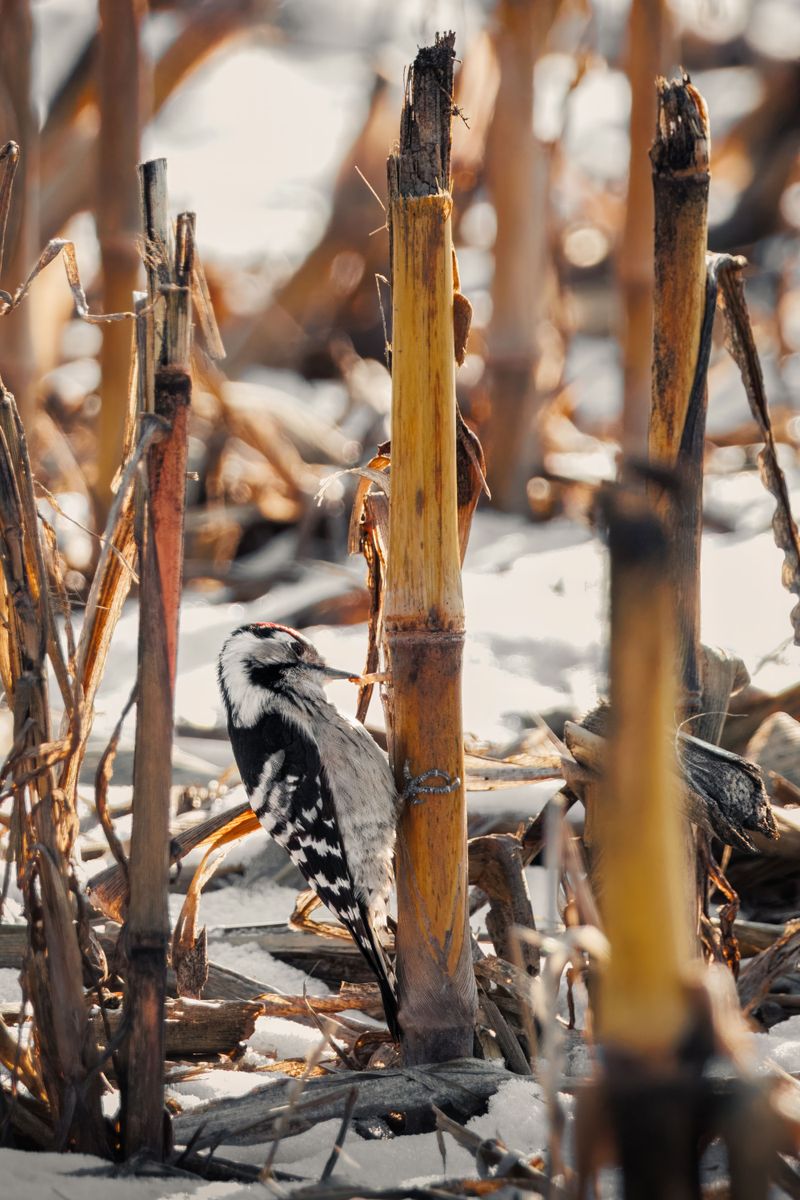
Downy woodpeckers are among the most frequent gall foragers in New Jersey winters. Watch one long enough, and you will see it hammer a gall like a tiny carpenter.
The woodpecker usually drills a neat, round hole straight to the center. It then extracts the larva with its barbed tongue and eats it.
Black-capped and Carolina chickadees join the hunt too, though their style is messier. They peck and tear at the gall, leaving a jagged opening behind.
Scientists have studied these marks for years to learn who ate what. A neat round hole points to a woodpecker, while a rough tear suggests a chickadee.
One plump larva may not sound like much food. Yet in deep winter, insects are scarce, and every bite of fat and protein matters.
Small birds burn a lot of energy just staying warm on icy nights. A field full of galls works like a hidden grocery store for them.
Birds open many galls in some fields, and the share varies widely by site and year. Other birds may visit the buffet too, though their visits are less common, and spotting one is a treat.
You can do your own detective work during a winter walk. Count the galls with holes, then check the shape to guess the visitor.
Kids may enjoy this game, and it builds observation skills. Bring a small notebook to record your findings each week.
Why Standing Goldenrod Matters Along Roadsides
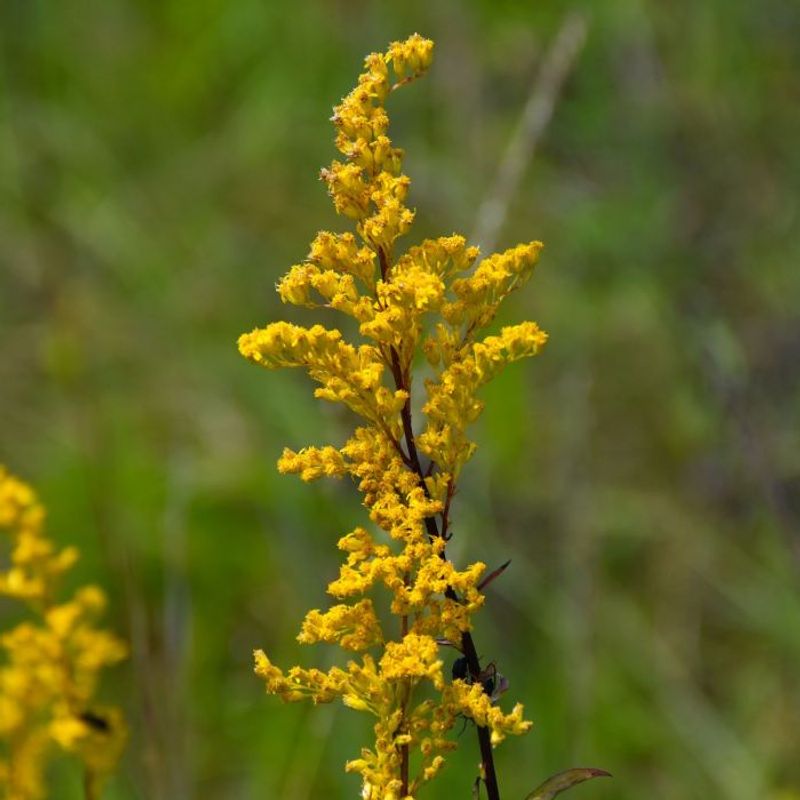
Picture a crew trimming a roadside in November, leaving nothing but neat stubble behind. It looks tidy, yet a winter food supply was removed.
Cutting goldenrod in fall is a common oversight. Galls hauled away in yard waste bags can no longer feed birds.
Many homeowners clean up gardens in autumn because brown stems look messy. That habit comes from a time when tidy landscapes were the priority.
Today, more gardeners understand that standing stems serve a purpose. Galls, seed heads, and hollow stalks all shelter or feed creatures through the cold.
Road crews in New Jersey often need to keep sightlines clear for drivers, so some cutting is necessary. Still, grassy edges farther from traffic can often stay wild.
Another misstep is spraying herbicide on goldenrod, thinking the plant causes hay fever. Its pollen is heavy and sticky, so wind does not carry it far.
Ragweed, which blooms at the same time, is the main source of seasonal allergies. Goldenrod often gets blamed because its yellow flowers are easier to notice.
Some people also break open galls to show kids the larva, then toss everything aside. A better idea is to open just one and leave the rest for birds.
If you belong to a town committee or garden club, mention the value of galls. Polite suggestions sometimes change mowing schedules for the better.
Small choices add up quickly across a neighborhood. A few untouched patches can affect how much food birds find in February.
A Backyard Corner Left Standing Through The Cold
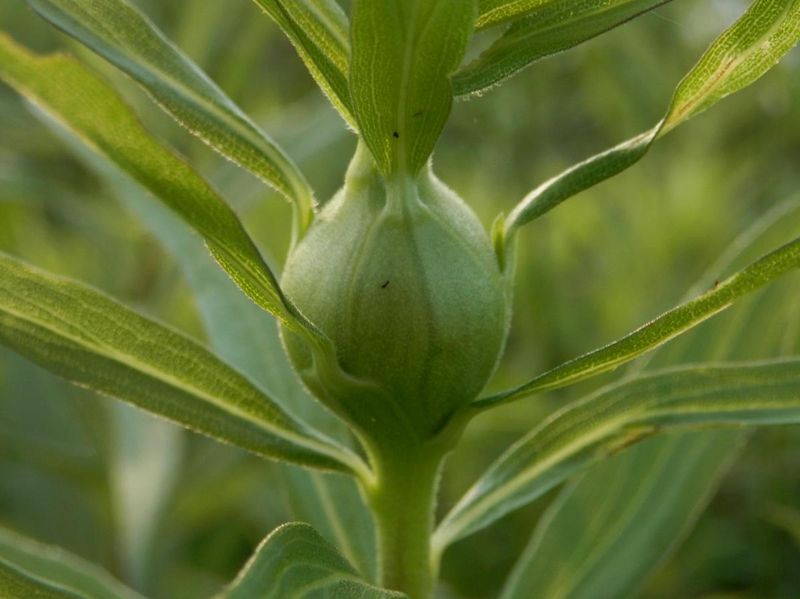
Leaving a natural-looking corner might be the easiest gardening job you can skip. Simply let a patch of goldenrod stand from fall until spring.
If you lack goldenrod, consider planting some next spring. Native species like tall goldenrod and giant goldenrod host the gall fly.
Pick a sunny spot, since goldenrod loves bright light and handles poor, dry soil. A corner near a fence or shed works nicely and stays out of the way.
Goldenrod spreads vigorously by underground roots and can overrun a small bed, so give it room and edge the patch. Deep edging or regular trimming along the patch’s edge keeps it from wandering into your vegetable beds.
Gall flies may need time to discover your patch. Once they arrive, the round lumps can start showing up each summer.
Through winter, resist the urge to tidy those brown stems. Leave them standing at full height so birds can perch and peck easily.
Place a feeder or birdbath nearby to make the area even more inviting. Chickadees that come for sunflower seeds may soon notice the galls too.
A small sign reading Bird Pantry can help neighbors understand the wild look. It turns a natural-looking spot into a proud backyard project.
You might also keep one gall in a jar on a sheltered porch to watch an adult fly emerge in spring. Take only one and leave the rest for the birds.
Late spring is a good time to cut old stems back. By then, adult flies have usually escaped, and new green shoots are rising underneath.
Simple Habits That Keep Next Year’s Pantry Stocked
Think of a goldenrod patch as a savings account for wildlife. Small deposits each year build into a reliable winter food bank.
Start by marking where your galls appear, using a garden map or phone photos. Patterns help you see which areas the flies prefer year after year.
Check local garden centers for native goldenrod plants grown without pesticides. Treated plants may harm the very insects you hope to attract.
Skip heavy fertilizer on goldenrod beds, since goldenrod thrives in lean soil and stays sturdy through winter storms.
Mix in other native plants such as New England aster, wild bergamot, and little bluestem grass. A varied patch supports more insects, which means more food for birds.
Share extra goldenrod with neighbors when your patch spreads too wide. Each new planting creates another stop on the local bird snack trail.
Schools and scout groups can ask permission to plant a park strip or schoolyard corner too. Kids learn about life cycles while helping wildlife in a hands-on way.
Keep an eye out for parasitic wasps and beetle larvae that sometimes feed on the fly larva inside galls. Their presence shows your patch supports a full community of insects.
Each spring, cut old stems in stages instead of all at once. Leaving a few standing gives late-emerging insects a little more time.
Before long, your yard can join the quiet network of pantries lining New Jersey roads. Birds may remember, and they may return when snow starts falling.